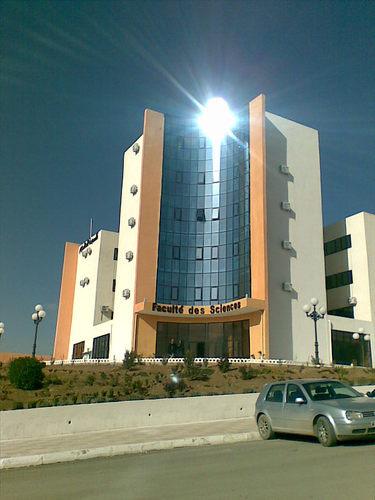
University Sétif 1 FERHAT ABBAS Faculty of Sciences
Détail de l'auteur
Auteur Guellati, Nabil |
Documents disponibles écrits par cet auteur


 Ajouter le résultat dans votre panier Affiner la recherche
Un algorithme auto-stabilisant pour le calcul dun ensemble dominant capacitif capacitated dominating set / Mehnana,Nour el houda

Titre : Un algorithme auto-stabilisant pour le calcul dun ensemble dominant capacitif capacitated dominating set Type de document : texte imprimé Auteurs : Mehnana,Nour el houda, Auteur ; Guellati, Nabil, Directeur de thèse Editeur : Setif:UFA Année de publication : 2021 Importance : 1 vol (25 f .) Format : 29 cm Langues : Français (fre) Catégories : Thèses & Mémoires:Informatique Mots-clés : Informatique Index. décimale : 004 - Informatique Côte titre : MAI/0499 En ligne : https://drive.google.com/file/d/1P6ytX19fuCG0xssI6ERzH0DwrN3Lbic6/view?usp=shari [...] Format de la ressource électronique : Un algorithme auto-stabilisant pour le calcul dun ensemble dominant capacitif capacitated dominating set [texte imprimé] / Mehnana,Nour el houda, Auteur ; Guellati, Nabil, Directeur de thèse . - [S.l.] : Setif:UFA, 2021 . - 1 vol (25 f .) ; 29 cm.
Langues : Français (fre)
Catégories : Thèses & Mémoires:Informatique Mots-clés : Informatique Index. décimale : 004 - Informatique Côte titre : MAI/0499 En ligne : https://drive.google.com/file/d/1P6ytX19fuCG0xssI6ERzH0DwrN3Lbic6/view?usp=shari [...] Format de la ressource électronique : Exemplaires (1)
Code-barres Cote Support Localisation Section Disponibilité MAI/0499 MAI/0499 Mémoire Bibliothèque des sciences Français Disponible
DisponibleAlgorithme auto-stabilisant pour le calcule d’un ensemble fortement dominant (Strong Dominating Set) / Lamis Flifla
Titre : Algorithme auto-stabilisant pour le calcule d’un ensemble fortement dominant (Strong Dominating Set) Type de document : document électronique Auteurs : Lamis Flifla, Auteur ; Anouar Ala Errahmane Herizi, Auteur ; Guellati, Nabil, Directeur de thèse Editeur : Sétif:UFA1 Année de publication : 2024 Importance : 1 vol (52 f .) Format : 29 cm Langues : Français (fre) Catégories : Thèses & Mémoires:Informatique Mots-clés : Informatique Index. décimale : 004 Informatique Résumé :
L'auto-stabilisation est un concept important dans les systèmes distribués qui permet de
garantir la sécurité et la fiabilité du système, même en cas de pannes transitoires.
Alors , L’objectif de notre travail est de faire un algorithme auto-stabilisant pour le calcul
d’un ensemble fortement dominant , pour garantir que le système revienne à un état
correct et cohérent, même après avoir subi des perturbations ou des pannes. En d'autres
termes, ces algorithmes sont capables de se rétablir automatiquement et de maintenir leur
bon fonctionnement dans des conditions changeantes ou instables.
Notre travail a été réalisé en trois étapes : tout d’abord, nous avons présenté l’historique
de ce domaine, comme on a défini ses principaux concepts , en mentionnant la biographie
du son père ‘’Edsger Wybe Dijkstra’’ . Ensuite , on a fait une description des ensemble
dominants et leurs types . Enfin , parmi les types des ensembles dominants on a choisi
l’ensemble fortement dominant minimale , pour développer un nouvel algorithme pour ce
paramètre puis nous avons implémenté notre algorithme en utilisant le langage JAVA afin
de le comparer avec des algorithmes de la littérature.Note de contenu : Sommaire
Résumé………………………………………..………………………………………..………………………………..……. 6
Introduction générale ………………………………………………………………………..………………………… 8
Chapitre 1……………………………………………………………………………………………………….…………. 9
1.Introduction ……………….………………………………………………………………………………….............. 9
2.Systèmes répartis ……………………………………………………………………………………………………. 9
2.1.Modèles de communication dans les systèmes répartis et concept de
synchronisation………………..……………………………………………………………………………. 10
2.2.Propriètes des systèmes repartis …………………………………………………………….……… 11
2.3. Modélisations des systèmes réparties ……………………………………………………….…… 11
2.4.Les avantages des systèmes repartis ……………………………………………………….……… 12
2.5. La différence entre les systèmes repartis et les systèmes centralisés…………….…. 12
3.Les algorithmes répartis ………………………………………………………………………….……………... 12
3.1.Son fonctionnement ………………………………………………………………………….……….…. 13
3.2.Type d’algorithmes……………………………………………………………………………………… 14
4.L’auto-stabilisation ………………………………………………………………………………………………… 14
4.1.Définition de panne…………………………………………………………………………………….... 14
4.2.Définition de la tolérance des pannes ………………………………………………………… …15
4.3.Temps de stabilisation …………………………………………………………………………………. 15
4.4.Les avantages et les inconvénients d’auto-stabilisation…………………………………… 15
5.Algorithme de Dijkstra …………………………………………………………………………………………… 16
5.1.Découverte scientifique ………………………………………………………………………………… 17
5.2.Le token ring de dijkstra …………………..………………………………………………………….... 17
5.3.Exemple……………………..……………………………………………………………………………… ….18
6.Conclusion ………………………..……………………………………………………………………………..…… 19
Chapitre 2……………………………………………………………………………………………………………..… 20
1.Introduction ………………………………………………………………………………………..………………… 20
2.L’ensemble dominant ……………………………………………………………………………………………... 20
2.1.Un ensemble dominant indépendant …………………………………………………………...….. 20
2.2.Ensemble fortement dominant ……………………………………………………………………….. 21
2.3.Un ensemble dominant connecté ………………………………………………………………….… 21
3.Introduction pour les réseaux sans fil ………………………………………………………………… … 21
4.Le clustering …………………………………………………………………………………………………………. 22
4.1. La structure de clustering ……………………………………………………………………...……... 22
4.2.La procédure de clustering ……………………………………………………………………...…….. 23
5.Les algorithme bases sur les ensembles dominants …………………………………………..……. 23
5.1. L'algorithme LEACH (Low Energy Adaptive Clustering Hierarchy) …………..……..…… 24
5.2. Le concept d'ensemble dominant connecté a été introduit pour la première fois par
Guha et Kuller …………………………………………………………………………………..…………………..…. 24
5.3. L'algorithme de clustering pondéré (WCA)……………………………………………...…… 24
6. L’état de l’art…………………………………………………………………………………………………..….… 24
6.1.L'algorithme de Xu et al (Ensemble dominant minimal)…………………………....…… 24
6. 2. L’algorithme de D.P. Jacobs: (Dominating Bipartitions)…………………..……………..……… 25
6.3.L’algorithme de P.K. Srimani………………………………………………………………..………... 26
6.4. L’algorithme de Volker Turau (Ensembles dominants minimaux )……..………..… 27
6.5.Algorithme de Neggazi ……………………..…………………………………………………….…….. 27
7.Autre références ………………………………………………………………………………….……………… 29
8.Conclusion ……………………………………………………...………………………………………………..… 30Côte titre : MAI/0945 Algorithme auto-stabilisant pour le calcule d’un ensemble fortement dominant (Strong Dominating Set) [document électronique] / Lamis Flifla, Auteur ; Anouar Ala Errahmane Herizi, Auteur ; Guellati, Nabil, Directeur de thèse . - [S.l.] : Sétif:UFA1, 2024 . - 1 vol (52 f .) ; 29 cm.
Langues : Français (fre)
Catégories : Thèses & Mémoires:Informatique Mots-clés : Informatique Index. décimale : 004 Informatique Résumé :
L'auto-stabilisation est un concept important dans les systèmes distribués qui permet de
garantir la sécurité et la fiabilité du système, même en cas de pannes transitoires.
Alors , L’objectif de notre travail est de faire un algorithme auto-stabilisant pour le calcul
d’un ensemble fortement dominant , pour garantir que le système revienne à un état
correct et cohérent, même après avoir subi des perturbations ou des pannes. En d'autres
termes, ces algorithmes sont capables de se rétablir automatiquement et de maintenir leur
bon fonctionnement dans des conditions changeantes ou instables.
Notre travail a été réalisé en trois étapes : tout d’abord, nous avons présenté l’historique
de ce domaine, comme on a défini ses principaux concepts , en mentionnant la biographie
du son père ‘’Edsger Wybe Dijkstra’’ . Ensuite , on a fait une description des ensemble
dominants et leurs types . Enfin , parmi les types des ensembles dominants on a choisi
l’ensemble fortement dominant minimale , pour développer un nouvel algorithme pour ce
paramètre puis nous avons implémenté notre algorithme en utilisant le langage JAVA afin
de le comparer avec des algorithmes de la littérature.Note de contenu : Sommaire
Résumé………………………………………..………………………………………..………………………………..……. 6
Introduction générale ………………………………………………………………………..………………………… 8
Chapitre 1……………………………………………………………………………………………………….…………. 9
1.Introduction ……………….………………………………………………………………………………….............. 9
2.Systèmes répartis ……………………………………………………………………………………………………. 9
2.1.Modèles de communication dans les systèmes répartis et concept de
synchronisation………………..……………………………………………………………………………. 10
2.2.Propriètes des systèmes repartis …………………………………………………………….……… 11
2.3. Modélisations des systèmes réparties ……………………………………………………….…… 11
2.4.Les avantages des systèmes repartis ……………………………………………………….……… 12
2.5. La différence entre les systèmes repartis et les systèmes centralisés…………….…. 12
3.Les algorithmes répartis ………………………………………………………………………….……………... 12
3.1.Son fonctionnement ………………………………………………………………………….……….…. 13
3.2.Type d’algorithmes……………………………………………………………………………………… 14
4.L’auto-stabilisation ………………………………………………………………………………………………… 14
4.1.Définition de panne…………………………………………………………………………………….... 14
4.2.Définition de la tolérance des pannes ………………………………………………………… …15
4.3.Temps de stabilisation …………………………………………………………………………………. 15
4.4.Les avantages et les inconvénients d’auto-stabilisation…………………………………… 15
5.Algorithme de Dijkstra …………………………………………………………………………………………… 16
5.1.Découverte scientifique ………………………………………………………………………………… 17
5.2.Le token ring de dijkstra …………………..………………………………………………………….... 17
5.3.Exemple……………………..……………………………………………………………………………… ….18
6.Conclusion ………………………..……………………………………………………………………………..…… 19
Chapitre 2……………………………………………………………………………………………………………..… 20
1.Introduction ………………………………………………………………………………………..………………… 20
2.L’ensemble dominant ……………………………………………………………………………………………... 20
2.1.Un ensemble dominant indépendant …………………………………………………………...….. 20
2.2.Ensemble fortement dominant ……………………………………………………………………….. 21
2.3.Un ensemble dominant connecté ………………………………………………………………….… 21
3.Introduction pour les réseaux sans fil ………………………………………………………………… … 21
4.Le clustering …………………………………………………………………………………………………………. 22
4.1. La structure de clustering ……………………………………………………………………...……... 22
4.2.La procédure de clustering ……………………………………………………………………...…….. 23
5.Les algorithme bases sur les ensembles dominants …………………………………………..……. 23
5.1. L'algorithme LEACH (Low Energy Adaptive Clustering Hierarchy) …………..……..…… 24
5.2. Le concept d'ensemble dominant connecté a été introduit pour la première fois par
Guha et Kuller …………………………………………………………………………………..…………………..…. 24
5.3. L'algorithme de clustering pondéré (WCA)……………………………………………...…… 24
6. L’état de l’art…………………………………………………………………………………………………..….… 24
6.1.L'algorithme de Xu et al (Ensemble dominant minimal)…………………………....…… 24
6. 2. L’algorithme de D.P. Jacobs: (Dominating Bipartitions)…………………..……………..……… 25
6.3.L’algorithme de P.K. Srimani………………………………………………………………..………... 26
6.4. L’algorithme de Volker Turau (Ensembles dominants minimaux )……..………..… 27
6.5.Algorithme de Neggazi ……………………..…………………………………………………….…….. 27
7.Autre références ………………………………………………………………………………….……………… 29
8.Conclusion ……………………………………………………...………………………………………………..… 30Côte titre : MAI/0945 Exemplaires (1)
Code-barres Cote Support Localisation Section Disponibilité MAI/0945 MAI/0945 Mémoire Bibliothèque des sciences Français Disponible
Disponible
Titre : Un algorithme distribué auto-stabilisant pour le problème : " Maximal Open Packing Type de document : texte imprimé Auteurs : Belala,Linda, Auteur ; Guellati, Nabil, Directeur de thèse Editeur : Setif:UFA Année de publication : 2018 Importance : 1 vol (40 f .) Format : 29 cm Langues : Français (fre) Langues originales : Français (fre) Catégories : Thèses & Mémoires:Informatique Mots-clés : Auto-stabilisation
Tolérance aux pannes
Exclusion mutuelle
Paking
Démon,
Maximal open packing
Réseaux ordinaire
Réseaux en anneauxIndex. décimale : 004 - Informatique Résumé : Résumé
L’auto-stabilisation est l’une des techniques de tolérance aux pannes dans les systèmes
répartis qui consiste à retourner automatiquement à un fonctionnement correct au bout d’un
temps finis. Cette technique est faisable où l’intervention d’un humain pour rétablir le
système après une panne est impossible. Plusieurs algorithmes ont étaient développé en se
basent de cette propriété pour résoudre différents problèmes : exclusion mutuelle, maximal
2-paking...etc.
Dans les systèmes auto-stabilisant un mécanisme extérieur appelé démon (ordonnanceur)
est utilisé pour choisir les processus qui vont effectuer une action. Nous allons dans ce travail
développé un algorithme distribué auto-stabilisant pour le problème " maximal open packing
" qui utilise un démon central pour effectuéer les actions.Le problème de packing peut être
utiliser dans le clustring des réseaux Ainsi notre algorithme fonctionne pour une topologie
arbitraire.Note de contenu :
Sommaire
Table des matières
Liste des figures ii
Liste des tableaux iii
Introduction générale 1
1 Généralités sur les systèmes répartis 4
1.1 introduction . . . . . . . . . . . . . . . . . . . . . . . . . . . . . . . . . . . . . 4
1.2 Systèmes répartis . . . . . . . . . . . . . . . . . . . . . . . . . . . . . . . . . . 5
1.2.1 Objectif des systèmes distribués : . . . . . . . . . . . . . . . . . . . . . 5
1.2.2 Les topologies : . . . . . . . . . . . . . . . . . . . . . . . . . . . . . . . 6
1.2.3 Algorithmes distribués : . . . . . . . . . . . . . . . . . . . . . . . . . . 6
1.2.4 Les problèmes répartis : . . . . . . . . . . . . . . . . . . . . . . . . . . 7
1.2.5 Modèles de communication : . . . . . . . . . . . . . . . . . . . . . . . . 7
1.3 Tolérance aux pannes : . . . . . . . . . . . . . . . . . . . . . . . . . . . . . . 7
1.4 Auto-stabilisation : . . . . . . . . . . . . . . . . . . . . . . . . . . . . . . . . . 8
1.5 L’anneau à jeton de Dijkstra : . . . . . . . . . . . . . . . . . . . . . . . . . . . 9
1.5.1 Réseau anonyme ou basé sur un identifiant : . . . . . . . . . . . . . . . 11
1.5.1.1 Les avantages et les inconvénients de l’auto-stabilisation : . . 11
1.6 Notions et Définitions : . . . . . . . . . . . . . . . . . . . . . . . . . . . . . . . 12
1.6.1 Demon . . . . . . . . . . . . . . . . . . . . . . . . . . . . . . . . . . . . 14
1.7 Conclusion : . . . . . . . . . . . . . . . . . . . . . . . . . . . . . . . . . . . . . 15
2 Etat de L’art 16
2.1 Introduction . . . . . . . . . . . . . . . . . . . . . . . . . . . . . . . . . . . . . 16
2.2 Les clusters : . . . . . . . . . . . . . . . . . . . . . . . . . . . . . . . . . . . . 16
2.2.1 Objectifs de la clusterisation : . . . . . . . . . . . . . . . . . . . . . . . 17
2.2.2 Ensemble indépendant : . . . . . . . . . . . . . . . . . . . . . . . . . . 17
2.2.3 Notation : . . . . . . . . . . . . . . . . . . . . . . . . . . . . . . . . . . 18
2.3 Maximal 2-packing : . . . . . . . . . . . . . . . . . . . . . . . . . . . . . . . . 18
2.3.1 Algorithmes auto stabilisant pour Maximal 2-packing : . . . . . . . . . 19
2.4 k-packing : . . . . . . . . . . . . . . . . . . . . . . . . . . . . . . . . . . . . . . 26
2.4.1 Algorithme : . . . . . . . . . . . . . . . . . . . . . . . . . . . . . . . . . 27
2.4.2 Conclusion : . . . . . . . . . . . . . . . . . . . . . . . . . . . . . . . . . 28
Table des matières
3 Algorithme auto-stabilisant pour le problème maximal open packing 29
3.1 Introduction . . . . . . . . . . . . . . . . . . . . . . . . . . . . . . . . . . . . . 29
3.2 Maximal open packing : . . . . . . . . . . . . . . . . . . . . . . . . . . . . . . 29
3.2.1 Modèle du système : . . . . . . . . . . . . . . . . . . . . . . . . . . . . 30
3.2.2 Description de l’algorithme : . . . . . . . . . . . . . . . . . . . . . . . . 31
3.2.2.1 Preuve de correction : . . . . . . . . . . . . . . . . . . . . . . 34
3.2.3 Simulation et comparaison : . . . . . . . . . . . . . . . . . . . . . . . . 34
3.2.3.1 Simulation : . . . . . . . . . . . . . . . . . . . . . . . . . . . . 34
3.2.3.2 Comparaison : . . . . . . . . . . . . . . . . . . . . . . . . . . 36
3.3 Conclusion : . . . . . . . . . . . . . . . . . . . . . . . . . . . . . . . . . . . . . 36
Conclusion et Perspectives 37
BibliographieCôte titre : MAI/0243 En ligne : https://drive.google.com/file/d/1cCgGrrz__xUkFbeSVbfbK5VqF0ixl2LS/view?usp=shari [...] Format de la ressource électronique : Un algorithme distribué auto-stabilisant pour le problème : " Maximal Open Packing [texte imprimé] / Belala,Linda, Auteur ; Guellati, Nabil, Directeur de thèse . - [S.l.] : Setif:UFA, 2018 . - 1 vol (40 f .) ; 29 cm.
Langues : Français (fre) Langues originales : Français (fre)
Catégories : Thèses & Mémoires:Informatique Mots-clés : Auto-stabilisation
Tolérance aux pannes
Exclusion mutuelle
Paking
Démon,
Maximal open packing
Réseaux ordinaire
Réseaux en anneauxIndex. décimale : 004 - Informatique Résumé : Résumé
L’auto-stabilisation est l’une des techniques de tolérance aux pannes dans les systèmes
répartis qui consiste à retourner automatiquement à un fonctionnement correct au bout d’un
temps finis. Cette technique est faisable où l’intervention d’un humain pour rétablir le
système après une panne est impossible. Plusieurs algorithmes ont étaient développé en se
basent de cette propriété pour résoudre différents problèmes : exclusion mutuelle, maximal
2-paking...etc.
Dans les systèmes auto-stabilisant un mécanisme extérieur appelé démon (ordonnanceur)
est utilisé pour choisir les processus qui vont effectuer une action. Nous allons dans ce travail
développé un algorithme distribué auto-stabilisant pour le problème " maximal open packing
" qui utilise un démon central pour effectuéer les actions.Le problème de packing peut être
utiliser dans le clustring des réseaux Ainsi notre algorithme fonctionne pour une topologie
arbitraire.Note de contenu :
Sommaire
Table des matières
Liste des figures ii
Liste des tableaux iii
Introduction générale 1
1 Généralités sur les systèmes répartis 4
1.1 introduction . . . . . . . . . . . . . . . . . . . . . . . . . . . . . . . . . . . . . 4
1.2 Systèmes répartis . . . . . . . . . . . . . . . . . . . . . . . . . . . . . . . . . . 5
1.2.1 Objectif des systèmes distribués : . . . . . . . . . . . . . . . . . . . . . 5
1.2.2 Les topologies : . . . . . . . . . . . . . . . . . . . . . . . . . . . . . . . 6
1.2.3 Algorithmes distribués : . . . . . . . . . . . . . . . . . . . . . . . . . . 6
1.2.4 Les problèmes répartis : . . . . . . . . . . . . . . . . . . . . . . . . . . 7
1.2.5 Modèles de communication : . . . . . . . . . . . . . . . . . . . . . . . . 7
1.3 Tolérance aux pannes : . . . . . . . . . . . . . . . . . . . . . . . . . . . . . . 7
1.4 Auto-stabilisation : . . . . . . . . . . . . . . . . . . . . . . . . . . . . . . . . . 8
1.5 L’anneau à jeton de Dijkstra : . . . . . . . . . . . . . . . . . . . . . . . . . . . 9
1.5.1 Réseau anonyme ou basé sur un identifiant : . . . . . . . . . . . . . . . 11
1.5.1.1 Les avantages et les inconvénients de l’auto-stabilisation : . . 11
1.6 Notions et Définitions : . . . . . . . . . . . . . . . . . . . . . . . . . . . . . . . 12
1.6.1 Demon . . . . . . . . . . . . . . . . . . . . . . . . . . . . . . . . . . . . 14
1.7 Conclusion : . . . . . . . . . . . . . . . . . . . . . . . . . . . . . . . . . . . . . 15
2 Etat de L’art 16
2.1 Introduction . . . . . . . . . . . . . . . . . . . . . . . . . . . . . . . . . . . . . 16
2.2 Les clusters : . . . . . . . . . . . . . . . . . . . . . . . . . . . . . . . . . . . . 16
2.2.1 Objectifs de la clusterisation : . . . . . . . . . . . . . . . . . . . . . . . 17
2.2.2 Ensemble indépendant : . . . . . . . . . . . . . . . . . . . . . . . . . . 17
2.2.3 Notation : . . . . . . . . . . . . . . . . . . . . . . . . . . . . . . . . . . 18
2.3 Maximal 2-packing : . . . . . . . . . . . . . . . . . . . . . . . . . . . . . . . . 18
2.3.1 Algorithmes auto stabilisant pour Maximal 2-packing : . . . . . . . . . 19
2.4 k-packing : . . . . . . . . . . . . . . . . . . . . . . . . . . . . . . . . . . . . . . 26
2.4.1 Algorithme : . . . . . . . . . . . . . . . . . . . . . . . . . . . . . . . . . 27
2.4.2 Conclusion : . . . . . . . . . . . . . . . . . . . . . . . . . . . . . . . . . 28
Table des matières
3 Algorithme auto-stabilisant pour le problème maximal open packing 29
3.1 Introduction . . . . . . . . . . . . . . . . . . . . . . . . . . . . . . . . . . . . . 29
3.2 Maximal open packing : . . . . . . . . . . . . . . . . . . . . . . . . . . . . . . 29
3.2.1 Modèle du système : . . . . . . . . . . . . . . . . . . . . . . . . . . . . 30
3.2.2 Description de l’algorithme : . . . . . . . . . . . . . . . . . . . . . . . . 31
3.2.2.1 Preuve de correction : . . . . . . . . . . . . . . . . . . . . . . 34
3.2.3 Simulation et comparaison : . . . . . . . . . . . . . . . . . . . . . . . . 34
3.2.3.1 Simulation : . . . . . . . . . . . . . . . . . . . . . . . . . . . . 34
3.2.3.2 Comparaison : . . . . . . . . . . . . . . . . . . . . . . . . . . 36
3.3 Conclusion : . . . . . . . . . . . . . . . . . . . . . . . . . . . . . . . . . . . . . 36
Conclusion et Perspectives 37
BibliographieCôte titre : MAI/0243 En ligne : https://drive.google.com/file/d/1cCgGrrz__xUkFbeSVbfbK5VqF0ixl2LS/view?usp=shari [...] Format de la ressource électronique : Exemplaires (1)
Code-barres Cote Support Localisation Section Disponibilité MAI/0243 MAI/0243 Mémoire Bibliothèque des sciences Français Disponible
Disponible
Titre : Development of a Prayer Times Display Control System Using the Qt Framework and Socket Communication Type de document : document électronique Auteurs : Ikram Ouiz ; Fatima Belhaoui, Auteur ; Guellati, Nabil, Directeur de thèse Editeur : Setif:UFA Année de publication : 2025 Importance : 1 vol (89 f .) Format : 29 cm Langues : Anglais (eng) Catégories : Thèses & Mémoires:Informatique Mots-clés : Socket Communication
Qt FrameworkIndex. décimale : 004 Informatique Résumé :
This project presents the development of a digital prayer times display and control system
designed for mosque environments, integrating modern technologies to enhance the
worship experience. The system consists of a central controller application and remote
display units, enabling real-time and customizable presentation of daily prayer times.
Built using the Qt framework and C++ programming language, the system leverages
the capabilities of both TCP and UDP socket communication to ensure reliable and
efficient data transmission. Raspberry Pi devices serve as display units due to their
compact form, low power consumption, and continuous operational capabilities. The
interface offers flexibility and adaptability to meet the specific requirements of various
mosques, including features such as a countdown to the next prayer, automatic Adhan
playback, and receiving and displaying images over the network. This work bridges
academic learning with real-world application, demonstrating how embedded systems
and network technologies can support religious practices and community organization
in a modern and interactive manner.Note de contenu : Sommaire
Acknowledgments 1
Dedication 2
Introduction 13
1 Qt Library 14
1.1 Introduction . . . . . . . . . . . . . . . . . . . . . . . . . . . . . . . . . 14
1.2 History of Qt . . . . . . . . . . . . . . . . . . . . . . . . . . . . . . . . 15
1.2.1 Qt development period (1991 - 1993) . . . . . . . . . . . . . . . 15
1.2.2 Laborious start and introduction of Qt (1994 - 1995) . . . . . . 16
1.2.3 Period of commercial success (1996 - 1997) . . . . . . . . . . . . 16
1.2.4 Qt’s Transition to Open Source (1999 and Beyond) . . . . . . . 17
1.2.5 Continued global success of Qt . . . . . . . . . . . . . . . . . . 17
1.3 Getting Started with Qt . . . . . . . . . . . . . . . . . . . . . . . . . . 18
1.3.1 Installing Qt . . . . . . . . . . . . . . . . . . . . . . . . . . . . 18
1.3.2 Setting Up a Qt Project . . . . . . . . . . . . . . . . . . . . . . 18
1.4 Layouts, Object Hierarchy, and Memory Management . . . . . . . . . 22
1.4.1 The Architecture of Layout Classes . . . . . . . . . . . . . . . . 22
1.4.2 Memory Management in Object Hierarchies . . . . . . . . . . . 28
1.5 Signals and Slots . . . . . . . . . . . . . . . . . . . . . . . . . . . . . . 29
1.6 Core Network Tools in Qt . . . . . . . . . . . . . . . . . . . . . . . . . 32
1.6.1 QTcpSocket and QTcpServer . . . . . . . . . . . . . . . . . . . 32
1.6.2 QNetworkAccessManager . . . . . . . . . . . . . . . . . . . . . 33
1.7 File Management and Database Handling Using Qt . . . . . . . . . . . 34
1.7.1 Saving Data with QFile . . . . . . . . . . . . . . . . . . . . . . 34
1.7.2 Using SQLite with QtSql . . . . . . . . . . . . . . . . . . . . . . 35
1.8 Improving GUI Design with Qt . . . . . . . . . . . . . . . . . . . . . . 37
1.8.1 Qt Designer . . . . . . . . . . . . . . . . . . . . . . . . . . . . . 37
1.8.2 Using Qt Style Sheets (QSS) . . . . . . . . . . . . . . . . . . . . 37
1.9 Dynamic Dialogs . . . . . . . . . . . . . . . . . . . . . . . . . . . . . . 38
1.9.1 Creating a Simple Dynamic Dialog . . . . . . . . . . . . . . . . 38
1.9.2 Using QInputDialog for User Input . . . . . . . . . . . . . . . . 39
1.9.3 Advanced Dynamic Dialogs . . . . . . . . . . . . . . . . . . . . 39
1.9.4 Benefits of Dynamic Dialogs . . . . . . . . . . . . . . . . . . . . 41
1.10 Conclusion . . . . . . . . . . . . . . . . . . . . . . . . . . . . . . . . . 41
2 Raspberry Pi 43
2.1 Introduction . . . . . . . . . . . . . . . . . . . . . . . . . . . . . . . . . 43
2.2 History of Raspberry Pi . . . . . . . . . . . . . . . . . . . . . . . . . . 44
2.2.1 Origins and Development . . . . . . . . . . . . . . . . . . . . . 44
2.2.2 Major Versions . . . . . . . . . . . . . . . . . . . . . . . . . . . 44
2.3 Impact and Future . . . . . . . . . . . . . . . . . . . . . . . . . . . . . 45
2.4 Components of Raspberry Pi . . . . . . . . . . . . . . . . . . . . . . . 45
2.4.1 Processor (ARM) and RAM . . . . . . . . . . . . . . . . . . . . 46
2.4.2 Input/Output Ports (USB, HDMI, Ethernet, etc.) . . . . . . . . 46
2.4.3 GPIO Pins and Their Uses . . . . . . . . . . . . . . . . . . . . . 48
2.4.4 Storage (microSD Card) . . . . . . . . . . . . . . . . . . . . . . 49
2.4.5 Networking Support (Wi-Fi, Bluetooth) . . . . . . . . . . . . . 50
2.5 Supported Operating Systems . . . . . . . . . . . . . . . . . . . . . . . 50
2.5.1 Raspberry Pi OS (formerly Raspbian) . . . . . . . . . . . . . . 50
2.5.2 Other Operating Systems . . . . . . . . . . . . . . . . . . . . . 51
2.5.3 How to Install an Operating System on Raspberry Pi . . . . . . 51
2.6 Comparison Between Raspberry Pi and Similar Devices . . . . . . . . . 52
2.6.1 Comparison of Devices . . . . . . . . . . . . . . . . . . . . . . . 52
2.7 Device Analysis . . . . . . . . . . . . . . . . . . . . . . . . . . . . . . . 53
2.7.1 Raspberry Pi 4 . . . . . . . . . . . . . . . . . . . . . . . . . . . 53
2.7.2 BeagleBone Black . . . . . . . . . . . . . . . . . . . . . . . . . . 54
2.7.3 NVIDIA Jetson Nano . . . . . . . . . . . . . . . . . . . . . . . 54
2.7.4 Odroid XU4 . . . . . . . . . . . . . . . . . . . . . . . . . . . . . 54
2.8 Applications of Raspberry Pi . . . . . . . . . . . . . . . . . . . . . . . 54
2.8.1 Education: Teaching Programming and Electronics . . . . . . . 54
2.8.2 Internet of Things (IoT): Smart Home Systems . . . . . . . . . 55
2.8.3 Robotics: Building Simple Robots . . . . . . . . . . . . . . . . . 55
2.8.4 Multimedia: Media Center . . . . . . . . . . . . . . . . . . . . . 55
2.9 Practical Projects Using Raspberry Pi . . . . . . . . . . . . . . . . . . 56
2.9.1 Project Implementations . . . . . . . . . . . . . . . . . . . . . . 56
2.10 Challenges Facing Raspberry Pi . . . . . . . . . . . . . . . . . . . . . . 57
2.10.1 Performance Limitations Compared to Traditional Computers . 57
2.10.2 Cooling and Power Consumption Issues . . . . . . . . . . . . . . 58
2.10.3 Compatibility Challenges with Certain Software . . . . . . . . . 59
2.11 Future and Expected Developments . . . . . . . . . . . . . . . . . . . . 59
2.11.1 Future Developments in Raspberry Pi Processors . . . . . . . . 59
2.11.2 Role of Raspberry Pi in Artificial Intelligence and Cloud Computing 60
2.11.3 Predictions for Its Use in New Fields . . . . . . . . . . . . . . . 61
2.12 Socket Communication in Raspberry Pi: Concepts, Implementation, and
Applications . . . . . . . . . . . . . . . . . . . . . . . . . . . . . . . . . 61
2.12.1 Concepts of Socket Communication . . . . . . . . . . . . . . . . 62
2.12.2 Implementation of Socket Programming in Raspberry Pi . . . . 62
2.12.3 Applications of Socket Communication in Raspberry Pi . . . . . 63
2.13 Conclusion . . . . . . . . . . . . . . . . . . . . . . . . . . . . . . . . . 65
3 Desing and implementation 66
3.1 Introduction . . . . . . . . . . . . . . . . . . . . . . . . . . . . . . . . . 66
3.2 Development Environment . . . . . . . . . . . . . . . . . . . . . . . . . 67
3.2.1 Operating System . . . . . . . . . . . . . . . . . . . . . . . . . 67
3.2.2 Programming Language . . . . . . . . . . . . . . . . . . . . . . 67
3.2.3 Qt Library . . . . . . . . . . . . . . . . . . . . . . . . . . . . . 67
3.2.4 Integrated Development Environment (IDE) . . . . . . . . . . . 69
3.2.5 Data Transmission . . . . . . . . . . . . . . . . . . . . . . . . . 69
3.2.6 Hardware Setup . . . . . . . . . . . . . . . . . . . . . . . . . . . 70
3.3 System Architecture . . . . . . . . . . . . . . . . . . . . . . . . . . . . 70
3.4 Interface Design . . . . . . . . . . . . . . . . . . . . . . . . . . . . . . . 71
3.4.1 Time Display . . . . . . . . . . . . . . . . . . . . . . . . . . . . 71
3.4.2 Gregorian and Hijri Date Display . . . . . . . . . . . . . . . . . 71
3.4.3 Prayer Times . . . . . . . . . . . . . . . . . . . . . . . . . . . . 71
3.4.4 Quranic Verse Display . . . . . . . . . . . . . . . . . . . . . . . 72
3.4.5 Mosque Logo Display . . . . . . . . . . . . . . . . . . . . . . . . 73
3.4.6 Azan Audio Player . . . . . . . . . . . . . . . . . . . . . . . . . 73
3.4.7 Remaining Time for Next Prayer . . . . . . . . . . . . . . . . . 73
3.4.8 Background Image Display . . . . . . . . . . . . . . . . . . . . . 74
3.5 Interface Operation . . . . . . . . . . . . . . . . . . . . . . . . . . . . . 74
3.6 Remote Control Application . . . . . . . . . . . . . . . . . . . . . . . 75
3.6.1 Connection Verification (Ping) . . . . . . . . . . . . . . . . . . 75
3.6.2 Sending Prayer Times . . . . . . . . . . . . . . . . . . . . . . . 76
3.6.3 Sending Images via TCP . . . . . . . . . . . . . . . . . . . . . . 77
3.6.4 Sending Mosque Name . . . . . . . . . . . . . . . . . . . . . . . 77
3.6.5 Feature Summary . . . . . . . . . . . . . . . . . . . . . . . . . . 78
3.7 The Unified Modeling Language (UML) . . . . . . . . . . . . . . . . . 78
3.7.1 Use Case Diagram – Prayer Time Display System . . . . . . . . 78
3.7.2 Sequence Diagram . . . . . . . . . . . . . . . . . . . . . . . . . 80
3.8 Performance and Resource Usage . . . . . . . . . . . . . . . . . . . . . 82
3.9 Testing . . . . . . . . . . . . . . . . . . . . . . . . . . . . . . . . . . . 83
3.9.1 Testing Environment . . . . . . . . . . . . . . . . . . . . . . . . 83
3.9.2 Test Procedures . . . . . . . . . . . . . . . . . . . . . . . . . . . 83
3.9.3 Issues and Solutions . . . . . . . . . . . . . . . . . . . . . . . . 84
3.10 Potential Enhancements . . . . . . . . . . . . . . . . . . . . . . . . . . 85
3.11 Conclusion . . . . . . . . . . . . . . . . . . . . . . . . . . . . . . . . . 86Côte titre : MAI/0983 Development of a Prayer Times Display Control System Using the Qt Framework and Socket Communication [document électronique] / Ikram Ouiz ; Fatima Belhaoui, Auteur ; Guellati, Nabil, Directeur de thèse . - [S.l.] : Setif:UFA, 2025 . - 1 vol (89 f .) ; 29 cm.
Langues : Anglais (eng)
Catégories : Thèses & Mémoires:Informatique Mots-clés : Socket Communication
Qt FrameworkIndex. décimale : 004 Informatique Résumé :
This project presents the development of a digital prayer times display and control system
designed for mosque environments, integrating modern technologies to enhance the
worship experience. The system consists of a central controller application and remote
display units, enabling real-time and customizable presentation of daily prayer times.
Built using the Qt framework and C++ programming language, the system leverages
the capabilities of both TCP and UDP socket communication to ensure reliable and
efficient data transmission. Raspberry Pi devices serve as display units due to their
compact form, low power consumption, and continuous operational capabilities. The
interface offers flexibility and adaptability to meet the specific requirements of various
mosques, including features such as a countdown to the next prayer, automatic Adhan
playback, and receiving and displaying images over the network. This work bridges
academic learning with real-world application, demonstrating how embedded systems
and network technologies can support religious practices and community organization
in a modern and interactive manner.Note de contenu : Sommaire
Acknowledgments 1
Dedication 2
Introduction 13
1 Qt Library 14
1.1 Introduction . . . . . . . . . . . . . . . . . . . . . . . . . . . . . . . . . 14
1.2 History of Qt . . . . . . . . . . . . . . . . . . . . . . . . . . . . . . . . 15
1.2.1 Qt development period (1991 - 1993) . . . . . . . . . . . . . . . 15
1.2.2 Laborious start and introduction of Qt (1994 - 1995) . . . . . . 16
1.2.3 Period of commercial success (1996 - 1997) . . . . . . . . . . . . 16
1.2.4 Qt’s Transition to Open Source (1999 and Beyond) . . . . . . . 17
1.2.5 Continued global success of Qt . . . . . . . . . . . . . . . . . . 17
1.3 Getting Started with Qt . . . . . . . . . . . . . . . . . . . . . . . . . . 18
1.3.1 Installing Qt . . . . . . . . . . . . . . . . . . . . . . . . . . . . 18
1.3.2 Setting Up a Qt Project . . . . . . . . . . . . . . . . . . . . . . 18
1.4 Layouts, Object Hierarchy, and Memory Management . . . . . . . . . 22
1.4.1 The Architecture of Layout Classes . . . . . . . . . . . . . . . . 22
1.4.2 Memory Management in Object Hierarchies . . . . . . . . . . . 28
1.5 Signals and Slots . . . . . . . . . . . . . . . . . . . . . . . . . . . . . . 29
1.6 Core Network Tools in Qt . . . . . . . . . . . . . . . . . . . . . . . . . 32
1.6.1 QTcpSocket and QTcpServer . . . . . . . . . . . . . . . . . . . 32
1.6.2 QNetworkAccessManager . . . . . . . . . . . . . . . . . . . . . 33
1.7 File Management and Database Handling Using Qt . . . . . . . . . . . 34
1.7.1 Saving Data with QFile . . . . . . . . . . . . . . . . . . . . . . 34
1.7.2 Using SQLite with QtSql . . . . . . . . . . . . . . . . . . . . . . 35
1.8 Improving GUI Design with Qt . . . . . . . . . . . . . . . . . . . . . . 37
1.8.1 Qt Designer . . . . . . . . . . . . . . . . . . . . . . . . . . . . . 37
1.8.2 Using Qt Style Sheets (QSS) . . . . . . . . . . . . . . . . . . . . 37
1.9 Dynamic Dialogs . . . . . . . . . . . . . . . . . . . . . . . . . . . . . . 38
1.9.1 Creating a Simple Dynamic Dialog . . . . . . . . . . . . . . . . 38
1.9.2 Using QInputDialog for User Input . . . . . . . . . . . . . . . . 39
1.9.3 Advanced Dynamic Dialogs . . . . . . . . . . . . . . . . . . . . 39
1.9.4 Benefits of Dynamic Dialogs . . . . . . . . . . . . . . . . . . . . 41
1.10 Conclusion . . . . . . . . . . . . . . . . . . . . . . . . . . . . . . . . . 41
2 Raspberry Pi 43
2.1 Introduction . . . . . . . . . . . . . . . . . . . . . . . . . . . . . . . . . 43
2.2 History of Raspberry Pi . . . . . . . . . . . . . . . . . . . . . . . . . . 44
2.2.1 Origins and Development . . . . . . . . . . . . . . . . . . . . . 44
2.2.2 Major Versions . . . . . . . . . . . . . . . . . . . . . . . . . . . 44
2.3 Impact and Future . . . . . . . . . . . . . . . . . . . . . . . . . . . . . 45
2.4 Components of Raspberry Pi . . . . . . . . . . . . . . . . . . . . . . . 45
2.4.1 Processor (ARM) and RAM . . . . . . . . . . . . . . . . . . . . 46
2.4.2 Input/Output Ports (USB, HDMI, Ethernet, etc.) . . . . . . . . 46
2.4.3 GPIO Pins and Their Uses . . . . . . . . . . . . . . . . . . . . . 48
2.4.4 Storage (microSD Card) . . . . . . . . . . . . . . . . . . . . . . 49
2.4.5 Networking Support (Wi-Fi, Bluetooth) . . . . . . . . . . . . . 50
2.5 Supported Operating Systems . . . . . . . . . . . . . . . . . . . . . . . 50
2.5.1 Raspberry Pi OS (formerly Raspbian) . . . . . . . . . . . . . . 50
2.5.2 Other Operating Systems . . . . . . . . . . . . . . . . . . . . . 51
2.5.3 How to Install an Operating System on Raspberry Pi . . . . . . 51
2.6 Comparison Between Raspberry Pi and Similar Devices . . . . . . . . . 52
2.6.1 Comparison of Devices . . . . . . . . . . . . . . . . . . . . . . . 52
2.7 Device Analysis . . . . . . . . . . . . . . . . . . . . . . . . . . . . . . . 53
2.7.1 Raspberry Pi 4 . . . . . . . . . . . . . . . . . . . . . . . . . . . 53
2.7.2 BeagleBone Black . . . . . . . . . . . . . . . . . . . . . . . . . . 54
2.7.3 NVIDIA Jetson Nano . . . . . . . . . . . . . . . . . . . . . . . 54
2.7.4 Odroid XU4 . . . . . . . . . . . . . . . . . . . . . . . . . . . . . 54
2.8 Applications of Raspberry Pi . . . . . . . . . . . . . . . . . . . . . . . 54
2.8.1 Education: Teaching Programming and Electronics . . . . . . . 54
2.8.2 Internet of Things (IoT): Smart Home Systems . . . . . . . . . 55
2.8.3 Robotics: Building Simple Robots . . . . . . . . . . . . . . . . . 55
2.8.4 Multimedia: Media Center . . . . . . . . . . . . . . . . . . . . . 55
2.9 Practical Projects Using Raspberry Pi . . . . . . . . . . . . . . . . . . 56
2.9.1 Project Implementations . . . . . . . . . . . . . . . . . . . . . . 56
2.10 Challenges Facing Raspberry Pi . . . . . . . . . . . . . . . . . . . . . . 57
2.10.1 Performance Limitations Compared to Traditional Computers . 57
2.10.2 Cooling and Power Consumption Issues . . . . . . . . . . . . . . 58
2.10.3 Compatibility Challenges with Certain Software . . . . . . . . . 59
2.11 Future and Expected Developments . . . . . . . . . . . . . . . . . . . . 59
2.11.1 Future Developments in Raspberry Pi Processors . . . . . . . . 59
2.11.2 Role of Raspberry Pi in Artificial Intelligence and Cloud Computing 60
2.11.3 Predictions for Its Use in New Fields . . . . . . . . . . . . . . . 61
2.12 Socket Communication in Raspberry Pi: Concepts, Implementation, and
Applications . . . . . . . . . . . . . . . . . . . . . . . . . . . . . . . . . 61
2.12.1 Concepts of Socket Communication . . . . . . . . . . . . . . . . 62
2.12.2 Implementation of Socket Programming in Raspberry Pi . . . . 62
2.12.3 Applications of Socket Communication in Raspberry Pi . . . . . 63
2.13 Conclusion . . . . . . . . . . . . . . . . . . . . . . . . . . . . . . . . . 65
3 Desing and implementation 66
3.1 Introduction . . . . . . . . . . . . . . . . . . . . . . . . . . . . . . . . . 66
3.2 Development Environment . . . . . . . . . . . . . . . . . . . . . . . . . 67
3.2.1 Operating System . . . . . . . . . . . . . . . . . . . . . . . . . 67
3.2.2 Programming Language . . . . . . . . . . . . . . . . . . . . . . 67
3.2.3 Qt Library . . . . . . . . . . . . . . . . . . . . . . . . . . . . . 67
3.2.4 Integrated Development Environment (IDE) . . . . . . . . . . . 69
3.2.5 Data Transmission . . . . . . . . . . . . . . . . . . . . . . . . . 69
3.2.6 Hardware Setup . . . . . . . . . . . . . . . . . . . . . . . . . . . 70
3.3 System Architecture . . . . . . . . . . . . . . . . . . . . . . . . . . . . 70
3.4 Interface Design . . . . . . . . . . . . . . . . . . . . . . . . . . . . . . . 71
3.4.1 Time Display . . . . . . . . . . . . . . . . . . . . . . . . . . . . 71
3.4.2 Gregorian and Hijri Date Display . . . . . . . . . . . . . . . . . 71
3.4.3 Prayer Times . . . . . . . . . . . . . . . . . . . . . . . . . . . . 71
3.4.4 Quranic Verse Display . . . . . . . . . . . . . . . . . . . . . . . 72
3.4.5 Mosque Logo Display . . . . . . . . . . . . . . . . . . . . . . . . 73
3.4.6 Azan Audio Player . . . . . . . . . . . . . . . . . . . . . . . . . 73
3.4.7 Remaining Time for Next Prayer . . . . . . . . . . . . . . . . . 73
3.4.8 Background Image Display . . . . . . . . . . . . . . . . . . . . . 74
3.5 Interface Operation . . . . . . . . . . . . . . . . . . . . . . . . . . . . . 74
3.6 Remote Control Application . . . . . . . . . . . . . . . . . . . . . . . 75
3.6.1 Connection Verification (Ping) . . . . . . . . . . . . . . . . . . 75
3.6.2 Sending Prayer Times . . . . . . . . . . . . . . . . . . . . . . . 76
3.6.3 Sending Images via TCP . . . . . . . . . . . . . . . . . . . . . . 77
3.6.4 Sending Mosque Name . . . . . . . . . . . . . . . . . . . . . . . 77
3.6.5 Feature Summary . . . . . . . . . . . . . . . . . . . . . . . . . . 78
3.7 The Unified Modeling Language (UML) . . . . . . . . . . . . . . . . . 78
3.7.1 Use Case Diagram – Prayer Time Display System . . . . . . . . 78
3.7.2 Sequence Diagram . . . . . . . . . . . . . . . . . . . . . . . . . 80
3.8 Performance and Resource Usage . . . . . . . . . . . . . . . . . . . . . 82
3.9 Testing . . . . . . . . . . . . . . . . . . . . . . . . . . . . . . . . . . . 83
3.9.1 Testing Environment . . . . . . . . . . . . . . . . . . . . . . . . 83
3.9.2 Test Procedures . . . . . . . . . . . . . . . . . . . . . . . . . . . 83
3.9.3 Issues and Solutions . . . . . . . . . . . . . . . . . . . . . . . . 84
3.10 Potential Enhancements . . . . . . . . . . . . . . . . . . . . . . . . . . 85
3.11 Conclusion . . . . . . . . . . . . . . . . . . . . . . . . . . . . . . . . . 86Côte titre : MAI/0983 Exemplaires (1)
Code-barres Cote Support Localisation Section Disponibilité MAI/0983 MAI/0983 Mémoire Bibliothèque des sciences Anglais Disponible
Disponible
Titre : Implémentation d'un algorithme auto-stabilisant pour le calcul d'un ensemble dominant (algorithme de Neggazi) Type de document : texte imprimé Auteurs : Ratiba Boubaaya, Auteur ; Imane Foughar ; Guellati, Nabil, Directeur de thèse Editeur : Sétif:UFS Année de publication : 2023 Importance : 1 vol (42 f.) Format : 29 cm Langues : Français (fre) Catégories : Thèses & Mémoires:Informatique Mots-clés : Systèmes distribués
Auto-stabilisation
Algorithmes auto-stabilisants
Ensembles dominants.Index. décimale : 004 - Informatique Résumé : Le système distribué est un ensemble de processeurs autonomes qui ne se partagent
pas de mémoire primaire mais qui coopèrent par envoi de messages au travers un réseau
de communication, Il a été développé à cause de l'augmentation remarquable des besoins
informatiques.Cependant, le nombre des processeurs augmente la probabilité des panne,
de sorte qu'il était nécessaire de tolérer les pannes pour assurer la continuité du
fonctionnement du système . Parmi les mécanismes utilisés dans le processus de
tolérance aux pannes il y a ce qu’on appelle l’auto-stabilisation, elle a été introduite par
E.W.Dijkstra en 1973. un systèm distribué est défini comme auto-stabilisant si à partir de
n'importe quelle configuration initiale, le système atteindra un état de fonctionnement
correct en un temps fini.un grand nombre des algorithmes auto-stabilisant ont été
proposés dans la littérature.dans ce travail Nous nous concentrerons sur les algorithmes
auto stabilisant pour calculer un ensemble dominant.Nous implémentons un algorithme
distribué auto stabilisant qui permet de calculer un ensemble fortement dominant minimal
(ISDS) et le transformons du modèle théorique vers un modèle implémentable = The distributed system is a set of autonomous processors that do not share primary
memory but which cooperate by sending messages through a communication network, It
was developed because of the remarkable increase in computer needs.However, the
number of machines increases the probability of failures, so it was necessary to tolerate
failures to ensure the continuity of system execution . Among the mechanisms used in the
fault tolerance process there is the so-called self-stabilization; it was introduced by
E.W.Dijkstra in 1973. a distributed system is defined as self-stabilizing if, from any initial
configuration, the system will reach a correct operating state in a finite time.a large number
of self-stabilizing algorithms have been proposed in the literature.in this work we will focus
on self-stabilizing algorithms to calculate a dominant set.we implement a self-stabilizing
distributed algorithm that makes it possible to calculate independent strong dominating
set (ISDS) and transform it from the theoretical model to an implementable model.
Côte titre : MAI/0790
En ligne : https://drive.google.com/file/d/1Nk1pkEhiD1UWwRt2QuNdlGBgbkZy-Ta_/view?usp=drive [...] Format de la ressource électronique : Implémentation d'un algorithme auto-stabilisant pour le calcul d'un ensemble dominant (algorithme de Neggazi) [texte imprimé] / Ratiba Boubaaya, Auteur ; Imane Foughar ; Guellati, Nabil, Directeur de thèse . - [S.l.] : Sétif:UFS, 2023 . - 1 vol (42 f.) ; 29 cm.
Langues : Français (fre)
Catégories : Thèses & Mémoires:Informatique Mots-clés : Systèmes distribués
Auto-stabilisation
Algorithmes auto-stabilisants
Ensembles dominants.Index. décimale : 004 - Informatique Résumé : Le système distribué est un ensemble de processeurs autonomes qui ne se partagent
pas de mémoire primaire mais qui coopèrent par envoi de messages au travers un réseau
de communication, Il a été développé à cause de l'augmentation remarquable des besoins
informatiques.Cependant, le nombre des processeurs augmente la probabilité des panne,
de sorte qu'il était nécessaire de tolérer les pannes pour assurer la continuité du
fonctionnement du système . Parmi les mécanismes utilisés dans le processus de
tolérance aux pannes il y a ce qu’on appelle l’auto-stabilisation, elle a été introduite par
E.W.Dijkstra en 1973. un systèm distribué est défini comme auto-stabilisant si à partir de
n'importe quelle configuration initiale, le système atteindra un état de fonctionnement
correct en un temps fini.un grand nombre des algorithmes auto-stabilisant ont été
proposés dans la littérature.dans ce travail Nous nous concentrerons sur les algorithmes
auto stabilisant pour calculer un ensemble dominant.Nous implémentons un algorithme
distribué auto stabilisant qui permet de calculer un ensemble fortement dominant minimal
(ISDS) et le transformons du modèle théorique vers un modèle implémentable = The distributed system is a set of autonomous processors that do not share primary
memory but which cooperate by sending messages through a communication network, It
was developed because of the remarkable increase in computer needs.However, the
number of machines increases the probability of failures, so it was necessary to tolerate
failures to ensure the continuity of system execution . Among the mechanisms used in the
fault tolerance process there is the so-called self-stabilization; it was introduced by
E.W.Dijkstra in 1973. a distributed system is defined as self-stabilizing if, from any initial
configuration, the system will reach a correct operating state in a finite time.a large number
of self-stabilizing algorithms have been proposed in the literature.in this work we will focus
on self-stabilizing algorithms to calculate a dominant set.we implement a self-stabilizing
distributed algorithm that makes it possible to calculate independent strong dominating
set (ISDS) and transform it from the theoretical model to an implementable model.
Côte titre : MAI/0790
En ligne : https://drive.google.com/file/d/1Nk1pkEhiD1UWwRt2QuNdlGBgbkZy-Ta_/view?usp=drive [...] Format de la ressource électronique : Exemplaires (1)
Code-barres Cote Support Localisation Section Disponibilité MAI/0790 MAI/0790 Mémoire Bibliothèque des sciences Français Disponible
Disponible
Permalink
PermalinkPermalink
Permalink
Permalink
PermalinkPermalink
Permalink
PermalinkPermalink