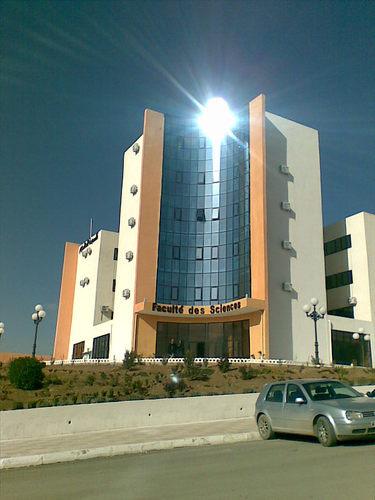
University Sétif 1 FERHAT ABBAS Faculty of Sciences
Détail de l'auteur
Auteur Harbouche,Khadidja |
Documents disponibles écrits par cet auteur


 Ajouter le résultat dans votre panier Affiner la recherche
Titre : Automatic Analysis of Learner Behavior on the Moodle Platform Type de document : texte imprimé Auteurs : Amar Mouaissi, Auteur ; Aimen Abdel Malek Hamadou ; Harbouche,Khadidja, Directeur de thèse Editeur : Setif:UFA Année de publication : 2024 Importance : 1 vol (52 f .) Format : 29 cm Langues : Anglais (eng) Catégories : Thèses & Mémoires:Informatique Mots-clés : E-learning
Learner modeling
Educational Data Mining
, Moodle platform
Cosine silmilarity
K-means clusteringIndex. décimale : 004 - Informatique Résumé :
The thesis focuses on using educational data mining techniques to analyze student behavior
on the Moodle platform. A system was designed and implemented to collect and
analyze student data from Moodle using the K-means algorithm for clustering. This enables
detailed insights into student interaction with educational content. Python was the
primary programming language used for tool development, with data cleaning and extraction
of important behavioral parameters for each student. The study also demonstrates
the use of the Elbow method to determine the optimal number of clusters in K-means
clustering. The thesis emphasizes data analysis and pattern extraction through data mining
techniques, aiming to enhance understanding of student educational behavior on the
platform.Note de contenu : Sommaire
0.1 Acknowledgements . . . . . . . . . . . . . . . . . . . . . . . . . . . . . . . 1
0.2 Dedication . . . . . . . . . . . . . . . . . . . . . . . . . . . . . . . . . . . . 2
0.3 General introduction . . . . . . . . . . . . . . . . . . . . . . . . . . . . . . 5
1 E-Learning 11
1.1 Introduction . . . . . . . . . . . . . . . . . . . . . . . . . . . . . . . . . . . 11
1.2 History of E-learning . . . . . . . . . . . . . . . . . . . . . . . . . . . . . . 11
1.2.1 Early Beginnings (1728-1858) . . . . . . . . . . . . . . . . . . . . . 11
1.2.2 Emergence of Technological Innovations (1892-1986) . . . . . . . . . 12
1.2.3 Learning Management Systems or LMS (1990) . . . . . . . . . . . . 12
1.2.4 Explosion of Online Learning (2012 and Beyond) . . . . . . . . . . 12
1.3 E-Learning Definition . . . . . . . . . . . . . . . . . . . . . . . . . . . . . . 12
1.3.1 Definition . . . . . . . . . . . . . . . . . . . . . . . . . . . . . . . . 12
1.3.2 The Basics of E-learning . . . . . . . . . . . . . . . . . . . . . . . . 13
1.3.3 The Typology of E-learning . . . . . . . . . . . . . . . . . . . . . . 13
1.3.4 Approaches to E-learning . . . . . . . . . . . . . . . . . . . . . . . . 14
1.4 E-learning in Algeria . . . . . . . . . . . . . . . . . . . . . . . . . . . . . . 14
1.4.1 Introduction . . . . . . . . . . . . . . . . . . . . . . . . . . . . . . . 14
1.4.2 E-learning During the COVID-19 Pandemic . . . . . . . . . . . . . 15
1.5 Online Training Platforms . . . . . . . . . . . . . . . . . . . . . . . . . . . 16
1.5.1 Introduction . . . . . . . . . . . . . . . . . . . . . . . . . . . . . . . 16
1.5.2 Platforms : . . . . . . . . . . . . . . . . . . . . . . . . . . . . . . . 16
1.5.3 Learning Management System (LMS) . . . . . . . . . . . . . . . . . 16
1.6 Conclusion . . . . . . . . . . . . . . . . . . . . . . . . . . . . . . . . . . . . 17
2 Educational data mining 19
2.1 Introduction . . . . . . . . . . . . . . . . . . . . . . . . . . . . . . . . . . 19
2.2 Data mining . . . . . . . . . . . . . . . . . . . . . . . . . . . . . . . . . . . 19
2.2.1 Definition 1 . . . . . . . . . . . . . . . . . . . . . . . . . . . . . . . 20
2.2.2 Definition 2 . . . . . . . . . . . . . . . . . . . . . . . . . . . . . . . 20
2.2.3 Extraction of knowledge from Data . . . . . . . . . . . . . . . . . . 20
2.3 Educational data mining . . . . . . . . . . . . . . . . . . . . . . . . . . . 21
2.3.1 What is educational data mining? . . . . . . . . . . . . . . . . . . . 21
2.3.2 Learning analytics . . . . . . . . . . . . . . . . . . . . . . . . . . . 22
2.3.3 Educational Data Mining Environments . . . . . . . . . . . . . . . 22
2.4 The EDM process . . . . . . . . . . . . . . . . . . . . . . . . . . . . . . . 24
2.4.1 Educational Environnent . . . . . . . . . . . . . . . . . . . . . . . 24
2.4.2 Preprocessing . . . . . . . . . . . . . . . . . . . . . . . . . . . . . . 24
2.4.3 Data Mining . . . . . . . . . . . . . . . . . . . . . . . . . . . . . . . 25
2.4.4 Interpretation . . . . . . . . . . . . . . . . . . . . . . . . . . . . . . 25
2.5 Conclusion . . . . . . . . . . . . . . . . . . . . . . . . . . . . . . . . . . . 25
3 Desgin 26
3.1 Introduction . . . . . . . . . . . . . . . . . . . . . . . . . . . . . . . . . . 26
3.2 Working framework . . . . . . . . . . . . . . . . . . . . . . . . . . . . . . 26
3.2.1 System architecture . . . . . . . . . . . . . . . . . . . . . . . . . . 27
3.3 approach . . . . . . . . . . . . . . . . . . . . . . . . . . . . . . . . . . . . . 27
3.3.1 Simulation in Moodle . . . . . . . . . . . . . . . . . . . . . . . . . . 27
3.3.2 Collecting learner records . . . . . . . . . . . . . . . . . . . . . . . 30
3.3.3 Create summary table . . . . . . . . . . . . . . . . . . . . . . . . . 31
3.3.4 The application of Data Mining techniques to Moodle data . . . . . 31
3.3.5 Clustering . . . . . . . . . . . . . . . . . . . . . . . . . . . . . . . . 32
3.3.6 Flowchart of the k-means algorithm . . . . . . . . . . . . . . . . . . 32
3.4 Modeling of our tool . . . . . . . . . . . . . . . . . . . . . . . . . . . . . . 33
3.4.1 Use case diagram . . . . . . . . . . . . . . . . . . . . . . . . . . . . 33
3.4.2 Sequence diagram . . . . . . . . . . . . . . . . . . . . . . . . . . . 34
3.5 Learner-to-learner similarity measure . . . . . . . . . . . . . . . . . . . . . 35
3.6 The cosine method . . . . . . . . . . . . . . . . . . . . . . . . . . . . . . . 36
3.7 K-means method . . . . . . . . . . . . . . . . . . . . . . . . . . . . . . . . 37
3.8 Conclusion . . . . . . . . . . . . . . . . . . . . . . . . . . . . . . . . . . . 38
4 Realization 39
4.1 Introduction . . . . . . . . . . . . . . . . . . . . . . . . . . . . . . . . . . . 39
4.2 The tools used for develop our application . . . . . . . . . . . . . . . . . . 39
4.2.1 Python . . . . . . . . . . . . . . . . . . . . . . . . . . . . . . . . . . 39
4.2.2 Moodle . . . . . . . . . . . . . . . . . . . . . . . . . . . . . . . . . 40
4.3 Presentation our application . . . . . . . . . . . . . . . . . . . . . . . . . 40
4.3.1 First step . . . . . . . . . . . . . . . . . . . . . . . . . . . . . . . . 40
4.3.2 Second step . . . . . . . . . . . . . . . . . . . . . . . . . . . . . . . 41
4.3.3 THIRD step . . . . . . . . . . . . . . . . . . . . . . . . . . . . . . . 41
4.3.4 Fourthly step . . . . . . . . . . . . . . . . . . . . . . . . . . . . . . 42
4.3.5 Fifth Step . . . . . . . . . . . . . . . . . . . . . . . . . . . . . . . . 42
4.4 Conclusion . . . . . . . . . . . . . . . . . . . . . . . . . . . . . . . . . . . . 44
5 General Conclusion 45
6 ANNEXE : Sample of python code 46
6.1 Introduction . . . . . . . . . . . . . . . . . . . . . . . . . . . . . . . . . . . 46
6.2 Libraries . . . . . . . . . . . . . . . . . . . . . . . . . . . . . . . . . . . . . 46
6.3 Dataset and Matrix Initialization . . . . . . . . . . . . . . . . . . . . . . . 46
6.4 Cosine Similarity Calculation . . . . . . . . . . . . . . . . . . . . . . . . . 47
6.5 Libraries for K-Means Clustering . . . . . . . . . . . . . . . . . . . . . . . 47
6.6 Display Similarity Matrix . . . . . . . . . . . . . . . . . . . . . . . . . . . 48
6.7 Elbow Method for Optimal Clusters . . . . . . . . . . . . . . . . . . . . . . 48
6.8 K-Means Clustering . . . . . . . . . . . . . . . . . . . . . . . . . . . . . . . 48
6.9 PCA and Cluster Visualization . . . . . . . . . . . . . . . . . . . . . . . . 49Côte titre : MAI/0914
Automatic Analysis of Learner Behavior on the Moodle Platform [texte imprimé] / Amar Mouaissi, Auteur ; Aimen Abdel Malek Hamadou ; Harbouche,Khadidja, Directeur de thèse . - [S.l.] : Setif:UFA, 2024 . - 1 vol (52 f .) ; 29 cm.
Langues : Anglais (eng)
Catégories : Thèses & Mémoires:Informatique Mots-clés : E-learning
Learner modeling
Educational Data Mining
, Moodle platform
Cosine silmilarity
K-means clusteringIndex. décimale : 004 - Informatique Résumé :
The thesis focuses on using educational data mining techniques to analyze student behavior
on the Moodle platform. A system was designed and implemented to collect and
analyze student data from Moodle using the K-means algorithm for clustering. This enables
detailed insights into student interaction with educational content. Python was the
primary programming language used for tool development, with data cleaning and extraction
of important behavioral parameters for each student. The study also demonstrates
the use of the Elbow method to determine the optimal number of clusters in K-means
clustering. The thesis emphasizes data analysis and pattern extraction through data mining
techniques, aiming to enhance understanding of student educational behavior on the
platform.Note de contenu : Sommaire
0.1 Acknowledgements . . . . . . . . . . . . . . . . . . . . . . . . . . . . . . . 1
0.2 Dedication . . . . . . . . . . . . . . . . . . . . . . . . . . . . . . . . . . . . 2
0.3 General introduction . . . . . . . . . . . . . . . . . . . . . . . . . . . . . . 5
1 E-Learning 11
1.1 Introduction . . . . . . . . . . . . . . . . . . . . . . . . . . . . . . . . . . . 11
1.2 History of E-learning . . . . . . . . . . . . . . . . . . . . . . . . . . . . . . 11
1.2.1 Early Beginnings (1728-1858) . . . . . . . . . . . . . . . . . . . . . 11
1.2.2 Emergence of Technological Innovations (1892-1986) . . . . . . . . . 12
1.2.3 Learning Management Systems or LMS (1990) . . . . . . . . . . . . 12
1.2.4 Explosion of Online Learning (2012 and Beyond) . . . . . . . . . . 12
1.3 E-Learning Definition . . . . . . . . . . . . . . . . . . . . . . . . . . . . . . 12
1.3.1 Definition . . . . . . . . . . . . . . . . . . . . . . . . . . . . . . . . 12
1.3.2 The Basics of E-learning . . . . . . . . . . . . . . . . . . . . . . . . 13
1.3.3 The Typology of E-learning . . . . . . . . . . . . . . . . . . . . . . 13
1.3.4 Approaches to E-learning . . . . . . . . . . . . . . . . . . . . . . . . 14
1.4 E-learning in Algeria . . . . . . . . . . . . . . . . . . . . . . . . . . . . . . 14
1.4.1 Introduction . . . . . . . . . . . . . . . . . . . . . . . . . . . . . . . 14
1.4.2 E-learning During the COVID-19 Pandemic . . . . . . . . . . . . . 15
1.5 Online Training Platforms . . . . . . . . . . . . . . . . . . . . . . . . . . . 16
1.5.1 Introduction . . . . . . . . . . . . . . . . . . . . . . . . . . . . . . . 16
1.5.2 Platforms : . . . . . . . . . . . . . . . . . . . . . . . . . . . . . . . 16
1.5.3 Learning Management System (LMS) . . . . . . . . . . . . . . . . . 16
1.6 Conclusion . . . . . . . . . . . . . . . . . . . . . . . . . . . . . . . . . . . . 17
2 Educational data mining 19
2.1 Introduction . . . . . . . . . . . . . . . . . . . . . . . . . . . . . . . . . . 19
2.2 Data mining . . . . . . . . . . . . . . . . . . . . . . . . . . . . . . . . . . . 19
2.2.1 Definition 1 . . . . . . . . . . . . . . . . . . . . . . . . . . . . . . . 20
2.2.2 Definition 2 . . . . . . . . . . . . . . . . . . . . . . . . . . . . . . . 20
2.2.3 Extraction of knowledge from Data . . . . . . . . . . . . . . . . . . 20
2.3 Educational data mining . . . . . . . . . . . . . . . . . . . . . . . . . . . 21
2.3.1 What is educational data mining? . . . . . . . . . . . . . . . . . . . 21
2.3.2 Learning analytics . . . . . . . . . . . . . . . . . . . . . . . . . . . 22
2.3.3 Educational Data Mining Environments . . . . . . . . . . . . . . . 22
2.4 The EDM process . . . . . . . . . . . . . . . . . . . . . . . . . . . . . . . 24
2.4.1 Educational Environnent . . . . . . . . . . . . . . . . . . . . . . . 24
2.4.2 Preprocessing . . . . . . . . . . . . . . . . . . . . . . . . . . . . . . 24
2.4.3 Data Mining . . . . . . . . . . . . . . . . . . . . . . . . . . . . . . . 25
2.4.4 Interpretation . . . . . . . . . . . . . . . . . . . . . . . . . . . . . . 25
2.5 Conclusion . . . . . . . . . . . . . . . . . . . . . . . . . . . . . . . . . . . 25
3 Desgin 26
3.1 Introduction . . . . . . . . . . . . . . . . . . . . . . . . . . . . . . . . . . 26
3.2 Working framework . . . . . . . . . . . . . . . . . . . . . . . . . . . . . . 26
3.2.1 System architecture . . . . . . . . . . . . . . . . . . . . . . . . . . 27
3.3 approach . . . . . . . . . . . . . . . . . . . . . . . . . . . . . . . . . . . . . 27
3.3.1 Simulation in Moodle . . . . . . . . . . . . . . . . . . . . . . . . . . 27
3.3.2 Collecting learner records . . . . . . . . . . . . . . . . . . . . . . . 30
3.3.3 Create summary table . . . . . . . . . . . . . . . . . . . . . . . . . 31
3.3.4 The application of Data Mining techniques to Moodle data . . . . . 31
3.3.5 Clustering . . . . . . . . . . . . . . . . . . . . . . . . . . . . . . . . 32
3.3.6 Flowchart of the k-means algorithm . . . . . . . . . . . . . . . . . . 32
3.4 Modeling of our tool . . . . . . . . . . . . . . . . . . . . . . . . . . . . . . 33
3.4.1 Use case diagram . . . . . . . . . . . . . . . . . . . . . . . . . . . . 33
3.4.2 Sequence diagram . . . . . . . . . . . . . . . . . . . . . . . . . . . 34
3.5 Learner-to-learner similarity measure . . . . . . . . . . . . . . . . . . . . . 35
3.6 The cosine method . . . . . . . . . . . . . . . . . . . . . . . . . . . . . . . 36
3.7 K-means method . . . . . . . . . . . . . . . . . . . . . . . . . . . . . . . . 37
3.8 Conclusion . . . . . . . . . . . . . . . . . . . . . . . . . . . . . . . . . . . 38
4 Realization 39
4.1 Introduction . . . . . . . . . . . . . . . . . . . . . . . . . . . . . . . . . . . 39
4.2 The tools used for develop our application . . . . . . . . . . . . . . . . . . 39
4.2.1 Python . . . . . . . . . . . . . . . . . . . . . . . . . . . . . . . . . . 39
4.2.2 Moodle . . . . . . . . . . . . . . . . . . . . . . . . . . . . . . . . . 40
4.3 Presentation our application . . . . . . . . . . . . . . . . . . . . . . . . . 40
4.3.1 First step . . . . . . . . . . . . . . . . . . . . . . . . . . . . . . . . 40
4.3.2 Second step . . . . . . . . . . . . . . . . . . . . . . . . . . . . . . . 41
4.3.3 THIRD step . . . . . . . . . . . . . . . . . . . . . . . . . . . . . . . 41
4.3.4 Fourthly step . . . . . . . . . . . . . . . . . . . . . . . . . . . . . . 42
4.3.5 Fifth Step . . . . . . . . . . . . . . . . . . . . . . . . . . . . . . . . 42
4.4 Conclusion . . . . . . . . . . . . . . . . . . . . . . . . . . . . . . . . . . . . 44
5 General Conclusion 45
6 ANNEXE : Sample of python code 46
6.1 Introduction . . . . . . . . . . . . . . . . . . . . . . . . . . . . . . . . . . . 46
6.2 Libraries . . . . . . . . . . . . . . . . . . . . . . . . . . . . . . . . . . . . . 46
6.3 Dataset and Matrix Initialization . . . . . . . . . . . . . . . . . . . . . . . 46
6.4 Cosine Similarity Calculation . . . . . . . . . . . . . . . . . . . . . . . . . 47
6.5 Libraries for K-Means Clustering . . . . . . . . . . . . . . . . . . . . . . . 47
6.6 Display Similarity Matrix . . . . . . . . . . . . . . . . . . . . . . . . . . . 48
6.7 Elbow Method for Optimal Clusters . . . . . . . . . . . . . . . . . . . . . . 48
6.8 K-Means Clustering . . . . . . . . . . . . . . . . . . . . . . . . . . . . . . . 48
6.9 PCA and Cluster Visualization . . . . . . . . . . . . . . . . . . . . . . . . 49Côte titre : MAI/0914
Exemplaires (1)
Code-barres Cote Support Localisation Section Disponibilité MAI/0914 MAI/0914 Mémoire Bibliothèque des sciences Anglais Disponible
Disponible
Titre : A Deep Model For Forest Fire Risk Estimation In Algeria Type de document : document électronique Auteurs : Mohamed Islam Boussahel ; Harbouche,Khadidja, Directeur de thèse Editeur : Setif:UFA Année de publication : 2025 Importance : 1 vol (57 f .) Format : 29 cm Langues : Anglais (eng) Catégories : Thèses & Mémoires:Informatique Mots-clés : Algeria
Wildfires
Prediction
MODIS
Long Short Term Memory (LSTM)
Logistic Regression
Support Vector machines (SVM)
Random Forest
XGBoostIndex. décimale : 004 Informatique Résumé :
Algeria is one of the most affected Mediterranean countries by wildfires, often leading to
devastating consequences. However, unlike its neighbors (Spain, Portugal, Greece, and Italy)
it has not yet developed a sophisticated and reliable wildfire prevention system.
In this study, we are going to use MODIS Collection 6.1 fire data, GLOH2O weather data,
elevation data from DIVA-GIS, Land Cover Map from ESA, and the study area’s shape file
from GADM to estimate wildfire risk. Our approach relies on the application of different
algorithms (Logistic Regression, Support Vector Machines (SVM) with an RBF kernel, long
short term memory networks (LSTMs), Random Forest, and XGBoost) to predict wildfire
occurrences based on the available data.
The study aims to find the optimal combination of predictor model and preprocessing
techniques that gives the most accurate wildfire predictions.Note de contenu : Sommaire
General introduction
1 Introduction to Forest Fires in Algeria 1
1.1 Climate in Algeria . . . . . . . . . . . . . . . . . . . . . . . . . . . . . . . . 2
1.1.1 Northern Algeria: Mediterranean Climate and Lush Vegetation . . . 2
1.1.2 The Highland: Steppe Vegetation in a Semi-Arid Transition . . . . . 2
1.1.3 The Sahara Desert: Rare Vegetation and Extremely Arid Area . . . . 3
1.2 Algerian forests . . . . . . . . . . . . . . . . . . . . . . . . . . . . . . . . . . 3
1.3 History of Algerian wildfires . . . . . . . . . . . . . . . . . . . . . . . . . . . 4
1.4 Current Techniques for Dealing with Wildfires . . . . . . . . . . . . . . . . . 5
1.4.1 Prevention . . . . . . . . . . . . . . . . . . . . . . . . . . . . . . . . . 5
1.4.2 Pre-Suppression . . . . . . . . . . . . . . . . . . . . . . . . . . . . . . 6
1.4.3 Suppression . . . . . . . . . . . . . . . . . . . . . . . . . . . . . . . . 7
1.5 Advantages of Deep Learning and Machine Learning in the Fire Prevention
Process . . . . . . . . . . . . . . . . . . . . . . . . . . . . . . . . . . . . . . . 7
1.5.1 Enhanced Predictive Accuracy . . . . . . . . . . . . . . . . . . . . . 7
1.5.2 Ability to Handle High-Dimensional and Heterogeneous Data . . . . 8
1.5.3 Adaptability to Local Conditions and Robustness to Uncertainty and
Noise . . . . . . . . . . . . . . . . . . . . . . . . . . . . . . . . . . . . 8
1.5.4 Support for Decision Making and Policy Planning . . . . . . . . . . 8
2 Artificial Intelligence (Deep Learning and Machine Learning) 10
2.1 Introduction . . . . . . . . . . . . . . . . . . . . . . . . . . . . . . . . . . . . 11
2.2 Exploring different machine learning (ML) Algorithms . . . . . . . . . . . . 12
2.2.1 Logistic Regression: . . . . . . . . . . . . . . . . . . . . . . . . . . . . 12
2.2.2 Support Vector Machines (SVM) . . . . . . . . . . . . . . . . . . . . 13
2.2.3 Random Forest . . . . . . . . . . . . . . . . . . . . . . . . . . . . . . 15
2.2.4 XGBoost . . . . . . . . . . . . . . . . . . . . . . . . . . . . . . . . . . 16
2.3 Exploring Deep Learning (DL) and Recurrent Neural Networks (RNN) . . . 17
2.3.1 Recurrent Neural Networks (RNN) and Long-Short Term Memory time
series (LSTMs) . . . . . . . . . . . . . . . . . . . . . . . . . . . . . . 17
3 Harnessing Tools and Acquiring the Data 22
3.1 Introduction . . . . . . . . . . . . . . . . . . . . . . . . . . . . . . . . . . . . 23
3.2 Used Tools . . . . . . . . . . . . . . . . . . . . . . . . . . . . . . . . . . . . . 23
3.2.1 QGIS Desktop 3.40.3 Bratislava . . . . . . . . . . . . . . . . . . . . . 23
3.2.2 Python Libraries . . . . . . . . . . . . . . . . . . . . . . . . . . . . . 25
3.3 Data acquisition . . . . . . . . . . . . . . . . . . . . . . . . . . . . . . . . . . 27
3.3.1 MODIS C6.1 NASA FIRMS Fire Archive . . . . . . . . . . . . . . . . 27
3.3.2 GLOH2O weather data . . . . . . . . . . . . . . . . . . . . . . . . . . 28
3.3.3 ESA WorldCover Land Cover Map . . . . . . . . . . . . . . . . . . . 29
3.3.4 DIVA-GIS Elevation Data . . . . . . . . . . . . . . . . . . . . . . . . 30
3.3.5 Data Preprocessing and Integration . . . . . . . . . . . . . . . . . . . 30
4 Implementation of the model and results 35
4.1 Introduction . . . . . . . . . . . . . . . . . . . . . . . . . . . . . . . . . . . . 35
4.2 Performance Metrics . . . . . . . . . . . . . . . . . . . . . . . . . . . . . . . 35
4.2.1 Accuracy . . . . . . . . . . . . . . . . . . . . . . . . . . . . . . . . . . 36
4.2.2 Precision . . . . . . . . . . . . . . . . . . . . . . . . . . . . . . . . . . 36
4.2.3 Recall . . . . . . . . . . . . . . . . . . . . . . . . . . . . . . . . . . . 36
4.2.4 F1 Score . . . . . . . . . . . . . . . . . . . . . . . . . . . . . . . . . . 36
4.3 Training the model . . . . . . . . . . . . . . . . . . . . . . . . . . . . . . . . 37
4.4 Testing the model on unseen data . . . . . . . . . . . . . . . . . . . . . . . . 51
4.5 Running our model under real conditions . . . . . . . . . . . . . . . . . . . . 55
4.6 Conclusion . . . . . . . . . . . . . . . . . . . . . . . . . . . . . . . . . . . . . 57
General ConclusionCôte titre : MAI/1030 A Deep Model For Forest Fire Risk Estimation In Algeria [document électronique] / Mohamed Islam Boussahel ; Harbouche,Khadidja, Directeur de thèse . - [S.l.] : Setif:UFA, 2025 . - 1 vol (57 f .) ; 29 cm.
Langues : Anglais (eng)
Catégories : Thèses & Mémoires:Informatique Mots-clés : Algeria
Wildfires
Prediction
MODIS
Long Short Term Memory (LSTM)
Logistic Regression
Support Vector machines (SVM)
Random Forest
XGBoostIndex. décimale : 004 Informatique Résumé :
Algeria is one of the most affected Mediterranean countries by wildfires, often leading to
devastating consequences. However, unlike its neighbors (Spain, Portugal, Greece, and Italy)
it has not yet developed a sophisticated and reliable wildfire prevention system.
In this study, we are going to use MODIS Collection 6.1 fire data, GLOH2O weather data,
elevation data from DIVA-GIS, Land Cover Map from ESA, and the study area’s shape file
from GADM to estimate wildfire risk. Our approach relies on the application of different
algorithms (Logistic Regression, Support Vector Machines (SVM) with an RBF kernel, long
short term memory networks (LSTMs), Random Forest, and XGBoost) to predict wildfire
occurrences based on the available data.
The study aims to find the optimal combination of predictor model and preprocessing
techniques that gives the most accurate wildfire predictions.Note de contenu : Sommaire
General introduction
1 Introduction to Forest Fires in Algeria 1
1.1 Climate in Algeria . . . . . . . . . . . . . . . . . . . . . . . . . . . . . . . . 2
1.1.1 Northern Algeria: Mediterranean Climate and Lush Vegetation . . . 2
1.1.2 The Highland: Steppe Vegetation in a Semi-Arid Transition . . . . . 2
1.1.3 The Sahara Desert: Rare Vegetation and Extremely Arid Area . . . . 3
1.2 Algerian forests . . . . . . . . . . . . . . . . . . . . . . . . . . . . . . . . . . 3
1.3 History of Algerian wildfires . . . . . . . . . . . . . . . . . . . . . . . . . . . 4
1.4 Current Techniques for Dealing with Wildfires . . . . . . . . . . . . . . . . . 5
1.4.1 Prevention . . . . . . . . . . . . . . . . . . . . . . . . . . . . . . . . . 5
1.4.2 Pre-Suppression . . . . . . . . . . . . . . . . . . . . . . . . . . . . . . 6
1.4.3 Suppression . . . . . . . . . . . . . . . . . . . . . . . . . . . . . . . . 7
1.5 Advantages of Deep Learning and Machine Learning in the Fire Prevention
Process . . . . . . . . . . . . . . . . . . . . . . . . . . . . . . . . . . . . . . . 7
1.5.1 Enhanced Predictive Accuracy . . . . . . . . . . . . . . . . . . . . . 7
1.5.2 Ability to Handle High-Dimensional and Heterogeneous Data . . . . 8
1.5.3 Adaptability to Local Conditions and Robustness to Uncertainty and
Noise . . . . . . . . . . . . . . . . . . . . . . . . . . . . . . . . . . . . 8
1.5.4 Support for Decision Making and Policy Planning . . . . . . . . . . 8
2 Artificial Intelligence (Deep Learning and Machine Learning) 10
2.1 Introduction . . . . . . . . . . . . . . . . . . . . . . . . . . . . . . . . . . . . 11
2.2 Exploring different machine learning (ML) Algorithms . . . . . . . . . . . . 12
2.2.1 Logistic Regression: . . . . . . . . . . . . . . . . . . . . . . . . . . . . 12
2.2.2 Support Vector Machines (SVM) . . . . . . . . . . . . . . . . . . . . 13
2.2.3 Random Forest . . . . . . . . . . . . . . . . . . . . . . . . . . . . . . 15
2.2.4 XGBoost . . . . . . . . . . . . . . . . . . . . . . . . . . . . . . . . . . 16
2.3 Exploring Deep Learning (DL) and Recurrent Neural Networks (RNN) . . . 17
2.3.1 Recurrent Neural Networks (RNN) and Long-Short Term Memory time
series (LSTMs) . . . . . . . . . . . . . . . . . . . . . . . . . . . . . . 17
3 Harnessing Tools and Acquiring the Data 22
3.1 Introduction . . . . . . . . . . . . . . . . . . . . . . . . . . . . . . . . . . . . 23
3.2 Used Tools . . . . . . . . . . . . . . . . . . . . . . . . . . . . . . . . . . . . . 23
3.2.1 QGIS Desktop 3.40.3 Bratislava . . . . . . . . . . . . . . . . . . . . . 23
3.2.2 Python Libraries . . . . . . . . . . . . . . . . . . . . . . . . . . . . . 25
3.3 Data acquisition . . . . . . . . . . . . . . . . . . . . . . . . . . . . . . . . . . 27
3.3.1 MODIS C6.1 NASA FIRMS Fire Archive . . . . . . . . . . . . . . . . 27
3.3.2 GLOH2O weather data . . . . . . . . . . . . . . . . . . . . . . . . . . 28
3.3.3 ESA WorldCover Land Cover Map . . . . . . . . . . . . . . . . . . . 29
3.3.4 DIVA-GIS Elevation Data . . . . . . . . . . . . . . . . . . . . . . . . 30
3.3.5 Data Preprocessing and Integration . . . . . . . . . . . . . . . . . . . 30
4 Implementation of the model and results 35
4.1 Introduction . . . . . . . . . . . . . . . . . . . . . . . . . . . . . . . . . . . . 35
4.2 Performance Metrics . . . . . . . . . . . . . . . . . . . . . . . . . . . . . . . 35
4.2.1 Accuracy . . . . . . . . . . . . . . . . . . . . . . . . . . . . . . . . . . 36
4.2.2 Precision . . . . . . . . . . . . . . . . . . . . . . . . . . . . . . . . . . 36
4.2.3 Recall . . . . . . . . . . . . . . . . . . . . . . . . . . . . . . . . . . . 36
4.2.4 F1 Score . . . . . . . . . . . . . . . . . . . . . . . . . . . . . . . . . . 36
4.3 Training the model . . . . . . . . . . . . . . . . . . . . . . . . . . . . . . . . 37
4.4 Testing the model on unseen data . . . . . . . . . . . . . . . . . . . . . . . . 51
4.5 Running our model under real conditions . . . . . . . . . . . . . . . . . . . . 55
4.6 Conclusion . . . . . . . . . . . . . . . . . . . . . . . . . . . . . . . . . . . . . 57
General ConclusionCôte titre : MAI/1030 Exemplaires (1)
Code-barres Cote Support Localisation Section Disponibilité MAI/1030 MAI/1030 Mémoire Bibliothèque des sciences Anglais Disponible
DisponibleEnvironnement numérique de travail à base d’agents intelligents pour l’apprentissage coopératif sur le web / Harbouche,Khadidja

Titre : Environnement numérique de travail à base d’agents intelligents pour l’apprentissage coopératif sur le web Type de document : texte imprimé Auteurs : Harbouche,Khadidja, Auteur ; M Djoudi, Directeur de thèse Editeur : Setif:UFA Année de publication : 2013 Importance : 1 vol (207 f .) Format : 29 cm Catégories : Informatique Mots-clés : Environnements Numériques de Travail
Agents intelligents
Systèmes multi-agents
Agents artificiels
Apprentissage coopératif
Situations d’apprentissage
Communication interpersonnelle
ENT
EIAH
SMA
CSCLIndex. décimale : 004 Informatique Note de contenu :
TABLES DES MATIÈRES:
1-L'apprentissage de l’idéologie a la transformation technologique
2-Les environnements d'apprentissage-enquête d'opinion a l'UFAS
3-Environnements numérique de travail pour une situation apprentissage coopératif sur le web(environnements passif)
4-Environnements dynamique pour un apprentissage coopératif (les agents artificiels)
5-Agents intelligents support a la conception du système d'apprentissage
Côte titre : DI/0016-0017 En ligne : http://dspace.univ-setif.dz:8888/jspui/bitstream/123456789/37/1/harboucheDjoudi. [...] Environnement numérique de travail à base d’agents intelligents pour l’apprentissage coopératif sur le web [texte imprimé] / Harbouche,Khadidja, Auteur ; M Djoudi, Directeur de thèse . - [S.l.] : Setif:UFA, 2013 . - 1 vol (207 f .) ; 29 cm.
Catégories : Informatique Mots-clés : Environnements Numériques de Travail
Agents intelligents
Systèmes multi-agents
Agents artificiels
Apprentissage coopératif
Situations d’apprentissage
Communication interpersonnelle
ENT
EIAH
SMA
CSCLIndex. décimale : 004 Informatique Note de contenu :
TABLES DES MATIÈRES:
1-L'apprentissage de l’idéologie a la transformation technologique
2-Les environnements d'apprentissage-enquête d'opinion a l'UFAS
3-Environnements numérique de travail pour une situation apprentissage coopératif sur le web(environnements passif)
4-Environnements dynamique pour un apprentissage coopératif (les agents artificiels)
5-Agents intelligents support a la conception du système d'apprentissage
Côte titre : DI/0016-0017 En ligne : http://dspace.univ-setif.dz:8888/jspui/bitstream/123456789/37/1/harboucheDjoudi. [...] Exemplaires (2)
Code-barres Cote Support Localisation Section Disponibilité DI/0016 DI/0016-0017 Thèse Bibliothèque des sciences Français Disponible
DisponibleDI/0017 DI/0016-0017 Thèse Bibliothèque des sciences Français Disponible
Disponible
Titre : Modeling learning and forgetting for a skills scheduler Type de document : texte imprimé Auteurs : Derrahi, Moncef ElkhatIb, Auteur ; Harbouche,Khadidja, Directeur de thèse Editeur : Setif:UFA Année de publication : 2020 Importance : 1 vol (59 f .) Format : 29 cm Langues : Français (fre) Catégories : Thèses & Mémoires:Informatique Mots-clés : Modélisation des étudiants
Espacement adaptatif
Composants des connaissancesIndex. décimale : 004 - Informatique Résumé :
Au cours des deux dernières décennies, il y a eu une grande variété d’approches
pour modéliser les connaissances des étudiants dans le cadre de systèmes
de tutorat intelligents. En raison du développement des approches d’apprentissage
automatique et de suivi des connaissances, des succès empiriques
ont été enregistrés dans plusieurs applications d’apprentissage automatique et
d’exploration des données, y compris la modélisation des connaissances des
étudiants. Nous soutenons qu’aucun modèle de traçage des connaissances ne
tient compte à la fois de la dégradation de la mémoire et du marquage des compétences
multiples pour prédire les performances des élèves. Dans ce travail,
nous avons étudié un nouveau modèle d’exploration de données connu sous
le nom de "DAS3H", qui a été utilisé pour évaluer le modèle d’apprentissage et
d’oubli des étudiants. Le DAS3H s’appuie sur les modèles de facteurs additifs
et comprend une représentation de la distribution temporelle de la pratique
passée sur les compétences impliquées par un élément. Cette dernière a été
réalisée sur un large ensemble de données (Algèbre I 2005-2006) afin de mieux
prédire les performances de l’étudiant.Côte titre : MAI/0433 En ligne : https://drive.google.com/file/d/14C91LQXWymBzoVAZBsY5erXJaEmiELvV/view?usp=shari [...] Format de la ressource électronique : Modeling learning and forgetting for a skills scheduler [texte imprimé] / Derrahi, Moncef ElkhatIb, Auteur ; Harbouche,Khadidja, Directeur de thèse . - [S.l.] : Setif:UFA, 2020 . - 1 vol (59 f .) ; 29 cm.
Langues : Français (fre)
Catégories : Thèses & Mémoires:Informatique Mots-clés : Modélisation des étudiants
Espacement adaptatif
Composants des connaissancesIndex. décimale : 004 - Informatique Résumé :
Au cours des deux dernières décennies, il y a eu une grande variété d’approches
pour modéliser les connaissances des étudiants dans le cadre de systèmes
de tutorat intelligents. En raison du développement des approches d’apprentissage
automatique et de suivi des connaissances, des succès empiriques
ont été enregistrés dans plusieurs applications d’apprentissage automatique et
d’exploration des données, y compris la modélisation des connaissances des
étudiants. Nous soutenons qu’aucun modèle de traçage des connaissances ne
tient compte à la fois de la dégradation de la mémoire et du marquage des compétences
multiples pour prédire les performances des élèves. Dans ce travail,
nous avons étudié un nouveau modèle d’exploration de données connu sous
le nom de "DAS3H", qui a été utilisé pour évaluer le modèle d’apprentissage et
d’oubli des étudiants. Le DAS3H s’appuie sur les modèles de facteurs additifs
et comprend une représentation de la distribution temporelle de la pratique
passée sur les compétences impliquées par un élément. Cette dernière a été
réalisée sur un large ensemble de données (Algèbre I 2005-2006) afin de mieux
prédire les performances de l’étudiant.Côte titre : MAI/0433 En ligne : https://drive.google.com/file/d/14C91LQXWymBzoVAZBsY5erXJaEmiELvV/view?usp=shari [...] Format de la ressource électronique : Exemplaires (1)
Code-barres Cote Support Localisation Section Disponibilité MAI/0433 MAI/0433 Mémoire Bibliothèque des sciences Anglais Disponible
Disponible
Titre : Principes d'évaluation des cours adaptatifs en ligne Type de document : texte imprimé Auteurs : Khenat, Radja, Auteur ; Harbouche,Khadidja, Directeur de thèse Editeur : Setif:UFA Année de publication : 2019 Importance : 1 vol (57 f .) Format : 29 cm Langues : Français (fre) Catégories : Thèses & Mémoires:Informatique Mots-clés : Data Mining éducative
les cours adaptatifs en ligneIndex. décimale : 004 Informatique Résumé : Les cours adaptatifs en ligne sont conçus pour personnaliser automatiquement les cours en ligne pour différents utilisateurs, généralement en fonction des données saisies au cours du cours. L'évaluation de la qualité de ces cours d'adaptation peut être difficile avec les méthodes d'évaluation traditionnelles telles que la comparaison avec l'objectif de l'éducation, la connaissance interne des utilisateurs qui ne peut être mesurée. Les mesures éducatives telles que les scores au quiz ne sont pas suffisamment prises en compte. Dans ce travail, nous présentons un modèle mathématique pour évaluer les cours que les instructeurs peuvent utiliser pour juger de l’efficacité du contenu.
Note de contenu : Sommaire
Introduction .................................................................................................................... 1
2. Problématique................................................................................................................. 1
3. Organisation du Mémoire............................................................................................... 2
Chapitre 1:E-Learning, Mooc et cours adaptatifs
1. Introduction .................................................................................................................... 3
2. E-Learning ou apprentissage en ligne ............................................................................ 3
2.1. Historique ................................................................................................................ 3
2.2. Définition de E-learning : ....................................................................................... 4
2.3. Définition de l’apprentissage traditionnel ............................................................... 5
2.4. L’apprentissage en ligne vers l’apprentissage traditionnel ..................................... 5
2.4.1. Les Avantages de l'apprentissage en ligne ...................................................... 5
2.4.2. Les inconvénients ............................................................................................ 6
2.4.3. Les Avantages de l’apprentissage traditionnel ................................................ 6
2.4.4. Les inconvénients ............................................................................................ 7
2.5. Les acteurs de E-Learning : .................................................................................... 8
3. MOOC ............................................................................................................................ 9
3.1. Introduction ............................................................................................................. 9
3.2. Historique ................................................................................................................ 9
3.3. Définition .............................................................................................................. 10
3.4. Les caractéristiques des MOOCs .......................................................................... 10
3.5. Plates-formes logicielles ....................................................................................... 12
4. Les cours adaptifs en ligne ........................................................................................... 15
4.1. Introduction ........................................................................................................... 15
4.2. Définition .............................................................................................................. 15
4.3. Systèmes éducatifs en ligne .................................................................................. 15
4.4. Méthodologie du cours adapté .............................................................................. 16
4.4.1. Hypermédia adaptatif .................................................................................... 16
4.4.2. Annotation adaptative .................................................................................... 17
4.4.3. Système de recommandation adaptative ....................................................... 17
4.4.4. Navigation Web adaptative ........................................................................... 17
4.4.5. Rétroaction adaptative ................................................................................... 17
5. Conclusion :.................................................................................................................. 18
Chapitre2: Data Mining et data Mining Educative
1. Introduction .................................................................................................................. 19
2. Data Mining.................................................................................................................. 19
2.1. Définition .............................................................................................................. 19
2.2. Le processus de Data Mining ................................................................................ 19
2.3. Les techniques de Data Mining ............................................................................ 22
3. Data Mining Educative (EDM) .................................................................................... 24
3.1. Introduction ........................................................................................................... 24
3.2. Définition .............................................................................................................. 24
3.3. Domaine de data Mining éducatives ..................................................................... 25
3.4. Le processus d’application de l’EDM .................................................................. 27
3.5. L’application des techniques de data Mining dans les systèmes éducatifs :......... 28
3.6. Les techniques du Data Mining dans le E-Learning ............................................. 29
3.6.1. Clustering ...................................................................................................... 30
3.6.2. Visualization .................................................................................................. 30
3.6.3. Classification et prédiction ............................................................................ 30
3.6.3.1. Classification ............................................................................................. 30
3.6.3.2. Prédiction ................................................................................................... 31
3.6.4. Relationship Mining ...................................................................................... 32
3.7. Synthèse ................................................................................................................ 32
3.8. Synthèse des travaux de la conférence EDM (2008 -2019) .................................. 32
4. Conclusion :.................................................................................................................. 33
Chapitre3: Conception d'un modèle d'évaluation des cours adaptatifs
1. Introduction .................................................................................................................. 34
2. Principe d’évaluation des cours adaptatifs en ligne : ................................................... 34
3. Exigences métriques pour les cours adaptés ................................................................ 35
4. Notre contribution ........................................................................................................ 36
5. L’architecture des Cours et saisie des données : .......................................................... 38
6. Quantités Q ................................................................................................................... 39
7. Dérivation des quantités à partir des données .............................................................. 39
7.1. Quantifier la navigation de l’utilisateur ................................................................ 40
7.2. Quantifier le comportement de l’utilisateur .......................................................... 40
7.2.1. Le temps passé ............................................................................................... 40
7.2.2. Taux d’achèvement........................................................................................ 41
7.2.3. Engagement : ................................................................................................. 41
7.3. Quantifier la performance de l’utilisateur ............................................................. 42
7.3.1.Performance du quizz : ........................................................................................ 42
7.3.2.La performance vChips ....................................................................................... 43
8. Conclusion ....................................................................................................................... 43
Chapitre4: Implémentation et évaluation du modèle
1. Introduction .................................................................................................................. 44
2. Implémentation la Métrique d’évaluation des cours adaptatifs ................................... 44
2.1. Prétraitement des données .................................................................................... 44
2.2. Environnement de travail ...................................................................................... 45
2.2.1. Python ............................................................................................................ 45
2.2.2. Caractéristiques du langage ........................................................................... 45
2.2.3. Jupyter NoteBook .......................................................................................... 46
3. Discussion sur les résultats ........................................................................................... 46
3.1. Résultat Quantifier la navigation de l’utilisateur .................................................. 46
3.1.1. Unité à l’unité ................................................................................................ 46
3.2. Résultat Quantifier le Comportement de l’utilisateur ........................................... 48
3.2.1. Le temps passé ............................................................................................... 48
3.2.2. Le taux d’achèvement .................................................................................... 49
3.2.3. Engagement ................................................................................................... 50
3.3. Résultat quantifier la performance de l’utilisateur................................................ 51
3.4. Corrélation des quantités ...................................................................................... 52
3.4.1. Corrélation dans les types de quantité ........................................................... 52
3.4.2. corrélation entre les types de quantité ........................................................... 54
4. Conclusion .................................................................................................................... 55
Conclusion générale
Conclusion Générale............................................................................................................ 56
Bibliographie ....................................................................................................................... 57Côte titre : MAI/0291 En ligne : https://drive.google.com/file/d/1PZ-XJLEtVq2x7_RDzeubRNhJScqqa2zX/view?usp=shari [...] Format de la ressource électronique : Principes d'évaluation des cours adaptatifs en ligne [texte imprimé] / Khenat, Radja, Auteur ; Harbouche,Khadidja, Directeur de thèse . - [S.l.] : Setif:UFA, 2019 . - 1 vol (57 f .) ; 29 cm.
Langues : Français (fre)
Catégories : Thèses & Mémoires:Informatique Mots-clés : Data Mining éducative
les cours adaptatifs en ligneIndex. décimale : 004 Informatique Résumé : Les cours adaptatifs en ligne sont conçus pour personnaliser automatiquement les cours en ligne pour différents utilisateurs, généralement en fonction des données saisies au cours du cours. L'évaluation de la qualité de ces cours d'adaptation peut être difficile avec les méthodes d'évaluation traditionnelles telles que la comparaison avec l'objectif de l'éducation, la connaissance interne des utilisateurs qui ne peut être mesurée. Les mesures éducatives telles que les scores au quiz ne sont pas suffisamment prises en compte. Dans ce travail, nous présentons un modèle mathématique pour évaluer les cours que les instructeurs peuvent utiliser pour juger de l’efficacité du contenu.
Note de contenu : Sommaire
Introduction .................................................................................................................... 1
2. Problématique................................................................................................................. 1
3. Organisation du Mémoire............................................................................................... 2
Chapitre 1:E-Learning, Mooc et cours adaptatifs
1. Introduction .................................................................................................................... 3
2. E-Learning ou apprentissage en ligne ............................................................................ 3
2.1. Historique ................................................................................................................ 3
2.2. Définition de E-learning : ....................................................................................... 4
2.3. Définition de l’apprentissage traditionnel ............................................................... 5
2.4. L’apprentissage en ligne vers l’apprentissage traditionnel ..................................... 5
2.4.1. Les Avantages de l'apprentissage en ligne ...................................................... 5
2.4.2. Les inconvénients ............................................................................................ 6
2.4.3. Les Avantages de l’apprentissage traditionnel ................................................ 6
2.4.4. Les inconvénients ............................................................................................ 7
2.5. Les acteurs de E-Learning : .................................................................................... 8
3. MOOC ............................................................................................................................ 9
3.1. Introduction ............................................................................................................. 9
3.2. Historique ................................................................................................................ 9
3.3. Définition .............................................................................................................. 10
3.4. Les caractéristiques des MOOCs .......................................................................... 10
3.5. Plates-formes logicielles ....................................................................................... 12
4. Les cours adaptifs en ligne ........................................................................................... 15
4.1. Introduction ........................................................................................................... 15
4.2. Définition .............................................................................................................. 15
4.3. Systèmes éducatifs en ligne .................................................................................. 15
4.4. Méthodologie du cours adapté .............................................................................. 16
4.4.1. Hypermédia adaptatif .................................................................................... 16
4.4.2. Annotation adaptative .................................................................................... 17
4.4.3. Système de recommandation adaptative ....................................................... 17
4.4.4. Navigation Web adaptative ........................................................................... 17
4.4.5. Rétroaction adaptative ................................................................................... 17
5. Conclusion :.................................................................................................................. 18
Chapitre2: Data Mining et data Mining Educative
1. Introduction .................................................................................................................. 19
2. Data Mining.................................................................................................................. 19
2.1. Définition .............................................................................................................. 19
2.2. Le processus de Data Mining ................................................................................ 19
2.3. Les techniques de Data Mining ............................................................................ 22
3. Data Mining Educative (EDM) .................................................................................... 24
3.1. Introduction ........................................................................................................... 24
3.2. Définition .............................................................................................................. 24
3.3. Domaine de data Mining éducatives ..................................................................... 25
3.4. Le processus d’application de l’EDM .................................................................. 27
3.5. L’application des techniques de data Mining dans les systèmes éducatifs :......... 28
3.6. Les techniques du Data Mining dans le E-Learning ............................................. 29
3.6.1. Clustering ...................................................................................................... 30
3.6.2. Visualization .................................................................................................. 30
3.6.3. Classification et prédiction ............................................................................ 30
3.6.3.1. Classification ............................................................................................. 30
3.6.3.2. Prédiction ................................................................................................... 31
3.6.4. Relationship Mining ...................................................................................... 32
3.7. Synthèse ................................................................................................................ 32
3.8. Synthèse des travaux de la conférence EDM (2008 -2019) .................................. 32
4. Conclusion :.................................................................................................................. 33
Chapitre3: Conception d'un modèle d'évaluation des cours adaptatifs
1. Introduction .................................................................................................................. 34
2. Principe d’évaluation des cours adaptatifs en ligne : ................................................... 34
3. Exigences métriques pour les cours adaptés ................................................................ 35
4. Notre contribution ........................................................................................................ 36
5. L’architecture des Cours et saisie des données : .......................................................... 38
6. Quantités Q ................................................................................................................... 39
7. Dérivation des quantités à partir des données .............................................................. 39
7.1. Quantifier la navigation de l’utilisateur ................................................................ 40
7.2. Quantifier le comportement de l’utilisateur .......................................................... 40
7.2.1. Le temps passé ............................................................................................... 40
7.2.2. Taux d’achèvement........................................................................................ 41
7.2.3. Engagement : ................................................................................................. 41
7.3. Quantifier la performance de l’utilisateur ............................................................. 42
7.3.1.Performance du quizz : ........................................................................................ 42
7.3.2.La performance vChips ....................................................................................... 43
8. Conclusion ....................................................................................................................... 43
Chapitre4: Implémentation et évaluation du modèle
1. Introduction .................................................................................................................. 44
2. Implémentation la Métrique d’évaluation des cours adaptatifs ................................... 44
2.1. Prétraitement des données .................................................................................... 44
2.2. Environnement de travail ...................................................................................... 45
2.2.1. Python ............................................................................................................ 45
2.2.2. Caractéristiques du langage ........................................................................... 45
2.2.3. Jupyter NoteBook .......................................................................................... 46
3. Discussion sur les résultats ........................................................................................... 46
3.1. Résultat Quantifier la navigation de l’utilisateur .................................................. 46
3.1.1. Unité à l’unité ................................................................................................ 46
3.2. Résultat Quantifier le Comportement de l’utilisateur ........................................... 48
3.2.1. Le temps passé ............................................................................................... 48
3.2.2. Le taux d’achèvement .................................................................................... 49
3.2.3. Engagement ................................................................................................... 50
3.3. Résultat quantifier la performance de l’utilisateur................................................ 51
3.4. Corrélation des quantités ...................................................................................... 52
3.4.1. Corrélation dans les types de quantité ........................................................... 52
3.4.2. corrélation entre les types de quantité ........................................................... 54
4. Conclusion .................................................................................................................... 55
Conclusion générale
Conclusion Générale............................................................................................................ 56
Bibliographie ....................................................................................................................... 57Côte titre : MAI/0291 En ligne : https://drive.google.com/file/d/1PZ-XJLEtVq2x7_RDzeubRNhJScqqa2zX/view?usp=shari [...] Format de la ressource électronique : Exemplaires (1)
Code-barres Cote Support Localisation Section Disponibilité MAI/0291 MAI/0291 Mémoire Bibliothèque des sciences Français Disponible
DisponiblePermalinkPermalink