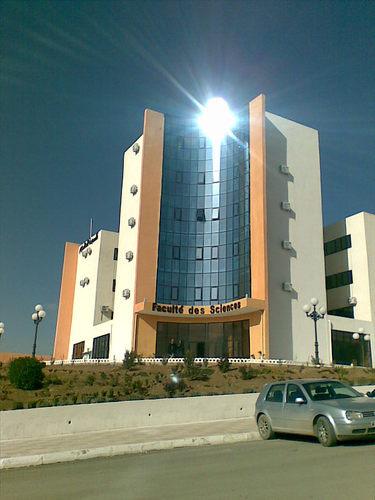
University Sétif 1 FERHAT ABBAS Faculty of Sciences
Détail de l'auteur
Auteur Dahdouh ,Narimane |
Documents disponibles écrits par cet auteur


 Ajouter le résultat dans votre panier Affiner la recherche
Comparaisons dosimétriques entre les algorithmes GGPB, eMC et le code Monte Carlo Penelope / Dahdouh ,Narimane

Titre : Comparaisons dosimétriques entre les algorithmes GGPB, eMC et le code Monte Carlo Penelope Type de document : texte imprimé Auteurs : Dahdouh ,Narimane, Auteur ; Zine El Abidine Chaoui, Directeur de thèse Editeur : Setif:UFA Année de publication : 2019 Importance : 1 vol (95 f .) Format : 29 cm Langues : Français (fre) Catégories : Thèses & Mémoires:Physique Mots-clés : Physique Index. décimale : 530 Physique Note de contenu : Sommaire
Introduction…………………………………………………………………… 1
Chapitre I : La radiothérapie mode électron………………………………....3
1. Notion sur l’électron ………………………………………………………………..…. 3
2. Interaction électron-matière……………………………………………………………. 3
2.1.Interaction électron-matière en général………………………………….………....3
2.2.Interaction particules-matière biologique………………………………………..... 4
3. Radiothérapie mode électron …………………………………………………….……..5
4. Le calcul de la dose absorbée en radiothérapie………………………………………….6
4.1.Spécification énergétique du faisceau d'électrons…………………………..……...6
a. L'énergie la plus probable…………………………………………….. 7
b. L'énergie électronique moyenne Ē0 ………………………………..….7
c. L’énergie moyenne à une profondeur z ……………………………….8
4.1.1. Le rendement de dose en profondeur …………………………………..….8
a. La région de build-up………………………………………….………9
b. La distribution de dose absorbée au de delà de Zmax………………..…9
c. La queue de la distribution de dose absorbée……………………...…..9
4.1.2. Le profil de dose absorbée…………………………………………...…..10
5. L’accélérateur linéaire d’électron………………………………………………..…….11
6. Les différents algorithmes de traitement ………………………………………………12
7. L’algorithm eMC………………………………………………………………...…… 12
7.1.Définition générale de l’algorithme ………………………………………..……..12
7.2.Le modèle de transport (MMC) ……………………………………………….….13
7.2.1. Calculs de géométrie locale…………………………………………...….14
7.2.2. Le processus de scanning et de moyennage du volume scanné
…………...15
7.2.3. Transport des particules Primaires ……………………………………….16
7.2.4. Transport des particules secondaires …………………………………..…17
7.3.Modèle de phase spatiale initiale (IPS, Initial Phase Space) ……………………..17
7.3.1. Paramètres du type de machine dans le modèle IPS……………………...19
8. L’ algorithm Generalized Gaussian Pencil Beam – GGPB…………………………....19
8.1.Définition …………………………………………………………………….….19
8.2.Modèle de pencil beam …………………………………………………………..20
8.3.Limites et inconvenants…………………………………………………........…..21
9. La méthode Monte-Carlo…………………………………………………………..….22
9.1.Définition…………………………………………………………….…………...22
9.2.Méthode aléatoire……………………………………………………….…….…..22
9.3.Les interactions des électrons ………………………………………………..…..24
1. Collisions élastiques. ………………………………………………….….24
2. Les collisions inélastiques ……………………………………………...…24
3. Ionisation des couches internes par l'impact d'électrons et de
positrons…...24
4. Emission de Bremsstrahlung. ……………………………………………..25
9.4.Les programmes et les paramètres de simulation dans Penelope ………………...25
Chapitre II : La configuration des déférents algorithmes de traitement
1. Le Système de Planification de Traitement ……………………………………..…28
2. La configuration de l’algorithme eMC ……………………………………………..28
3. Configuration de l’algorithme GGPB……………………………………………… 30
3.1. La configuration des paramètres de calcul ……………………………..….31
3.1.1. l’énergie moyenne (Mean energy)………………………….………...…31
3.1.2. La distance de l’applicateur de source virtuelle ………………………..31
3.1.3. L’angle carré de diffusion moyen …………………………..………..…32
3.1.4. Le rayon carré de diffusion moyen et la covariance …………………....33
3.1.5. Les données de mesure de base …………………………….......……….33
3.1.6. Facteurs de tailles de champs électron……………………….………....33
3.1.7. Le débit de dose (Dose Rate)…………… …………………………..….34
3.1.8. Calcul de facteur de Normalisation ………………………………….….35
4. Calcul Monte Carlo (PENELOPE)……………………………………………….....38
4.1. La géométrie …………………………………………….…………...…....38
4.2. La simulation Monte Carlo …………………………...……………...…....45
4.2.1. Outils et temps de simulation …………………………….......……..….45
4.2.2. Paramètres de transport…………………………………………..…..…47
4.2.3. L’espace des phases……………………………………….…………….47
4.2.4. Validation d’espace de phase ………………………………..……..…..48
Chapitre III : Comparaison entre les algorithmes de traitement
1. Description de lieu de stage ……………………………………..…………………….53
2. La comparaison entre les trois algorithmes de traitement (eMC, GGPB et MC dans un
milieu homogène (fantôme d’eau) ……………………………………...……….……53
2.1. La dose en profondeur ……………………………………………….….53
2.1.1. Calcul de rendement de dose en profondeur ……………….……….54
2.1.2. Résultats………………………………………………………..……55
2.2. Profile de dose ……………………………………………………….…..58
3. La comparaison entre les calculs MC et les algorithmes eMC et GGPB dans un milieu
hétérogène (fantôme multiple) …………………………………………….…………63
3.1. Description de la géométrie ……………………..……………………….63
3.2. La dose en profondeur dans le fantôme hétérogène………………….…..65
3.2.1. Résultats ………………………………………………………...…..65
1.1. Profile de dose ………………………………………………………………68
1.1.1. Méthode ………………………………………………………………….68
1.1.2. Résultats …………………………………………………………...…….69
4. Etude de la distribution de dose dans un milieu hétérogène ………………………....71
4.1. Energie 12 MeV avec un champ 10x10 ………………………………….72
4.1.1. Les courbes d’isodoses ………………………………………..….....72
4.1.2. Histogramme de dose en volume ……………………………………73
4.2. Energie 20 MeV avec un champ 6x6 et 10x10…………………………...74
4.2.1. Les courbes d’isodoses ……………………………………………...74
Chapitre IV : Application médicale
1. L’objectif ……………………………………………………………………………..78
2. La planification dosimétrique …………………………………………………….….78
2.1. La distribution d’isodoses …………………………………………………...…78
2.2. La distribution de dose en volume (HDV) …………………………………… 79
2.3. Outils d’analyse des données ………………………………………………… 79
3. La chéloïde…………………………………………………………………...…...…..79
3.1. Définition ………………………………………………………………………79
3.2. Traitement et Prévention…………………………………………….……….…81
4. Interprétation et discussion ……………………………………………………….….81
4.1. La distribution d’isodoses …………………………………………………… 81
4.2. La distribution de dose dans le volume (HDV) …………………………..…….82
4.3. L’indice de couverture ………………………………………………………….83
5. Cancer de sein …………………………………………………………………..……84
6. Interprétation et discussion ………………………………………..............................85
6.1. Patiente 2 …………………………………………………………………….….85
6.1.1. La distribution d’isodoses …………………………………………..……85
6.1.2. La distribution de dose dans le volume (HDV) ……………………….... 86
6.1.3. L’indice de couverture ………………………………………………..… 88
6.2. Patient 3 ………………………………………………………………………. 89
6.2.1. La distribution d’isodoses ……………………………………………….89
6.2.2. La distribution de dose dans le volume (HDV) ……………………...… 90
6.2.3. L’indice de couverture…………………………………………..……….91
Conclusion……………………………………………………………………..92
Références……………………………………………………………………..95Côte titre : MAPH/0346 En ligne : https://drive.google.com/file/d/131e7pQC8BHBGd1P5oX7Ou94YgDYbV1or/view?usp=shari [...] Format de la ressource électronique : Comparaisons dosimétriques entre les algorithmes GGPB, eMC et le code Monte Carlo Penelope [texte imprimé] / Dahdouh ,Narimane, Auteur ; Zine El Abidine Chaoui, Directeur de thèse . - [S.l.] : Setif:UFA, 2019 . - 1 vol (95 f .) ; 29 cm.
Langues : Français (fre)
Catégories : Thèses & Mémoires:Physique Mots-clés : Physique Index. décimale : 530 Physique Note de contenu : Sommaire
Introduction…………………………………………………………………… 1
Chapitre I : La radiothérapie mode électron………………………………....3
1. Notion sur l’électron ………………………………………………………………..…. 3
2. Interaction électron-matière……………………………………………………………. 3
2.1.Interaction électron-matière en général………………………………….………....3
2.2.Interaction particules-matière biologique………………………………………..... 4
3. Radiothérapie mode électron …………………………………………………….……..5
4. Le calcul de la dose absorbée en radiothérapie………………………………………….6
4.1.Spécification énergétique du faisceau d'électrons…………………………..……...6
a. L'énergie la plus probable…………………………………………….. 7
b. L'énergie électronique moyenne Ē0 ………………………………..….7
c. L’énergie moyenne à une profondeur z ……………………………….8
4.1.1. Le rendement de dose en profondeur …………………………………..….8
a. La région de build-up………………………………………….………9
b. La distribution de dose absorbée au de delà de Zmax………………..…9
c. La queue de la distribution de dose absorbée……………………...…..9
4.1.2. Le profil de dose absorbée…………………………………………...…..10
5. L’accélérateur linéaire d’électron………………………………………………..…….11
6. Les différents algorithmes de traitement ………………………………………………12
7. L’algorithm eMC………………………………………………………………...…… 12
7.1.Définition générale de l’algorithme ………………………………………..……..12
7.2.Le modèle de transport (MMC) ……………………………………………….….13
7.2.1. Calculs de géométrie locale…………………………………………...….14
7.2.2. Le processus de scanning et de moyennage du volume scanné
…………...15
7.2.3. Transport des particules Primaires ……………………………………….16
7.2.4. Transport des particules secondaires …………………………………..…17
7.3.Modèle de phase spatiale initiale (IPS, Initial Phase Space) ……………………..17
7.3.1. Paramètres du type de machine dans le modèle IPS……………………...19
8. L’ algorithm Generalized Gaussian Pencil Beam – GGPB…………………………....19
8.1.Définition …………………………………………………………………….….19
8.2.Modèle de pencil beam …………………………………………………………..20
8.3.Limites et inconvenants…………………………………………………........…..21
9. La méthode Monte-Carlo…………………………………………………………..….22
9.1.Définition…………………………………………………………….…………...22
9.2.Méthode aléatoire……………………………………………………….…….…..22
9.3.Les interactions des électrons ………………………………………………..…..24
1. Collisions élastiques. ………………………………………………….….24
2. Les collisions inélastiques ……………………………………………...…24
3. Ionisation des couches internes par l'impact d'électrons et de
positrons…...24
4. Emission de Bremsstrahlung. ……………………………………………..25
9.4.Les programmes et les paramètres de simulation dans Penelope ………………...25
Chapitre II : La configuration des déférents algorithmes de traitement
1. Le Système de Planification de Traitement ……………………………………..…28
2. La configuration de l’algorithme eMC ……………………………………………..28
3. Configuration de l’algorithme GGPB……………………………………………… 30
3.1. La configuration des paramètres de calcul ……………………………..….31
3.1.1. l’énergie moyenne (Mean energy)………………………….………...…31
3.1.2. La distance de l’applicateur de source virtuelle ………………………..31
3.1.3. L’angle carré de diffusion moyen …………………………..………..…32
3.1.4. Le rayon carré de diffusion moyen et la covariance …………………....33
3.1.5. Les données de mesure de base …………………………….......……….33
3.1.6. Facteurs de tailles de champs électron……………………….………....33
3.1.7. Le débit de dose (Dose Rate)…………… …………………………..….34
3.1.8. Calcul de facteur de Normalisation ………………………………….….35
4. Calcul Monte Carlo (PENELOPE)……………………………………………….....38
4.1. La géométrie …………………………………………….…………...…....38
4.2. La simulation Monte Carlo …………………………...……………...…....45
4.2.1. Outils et temps de simulation …………………………….......……..….45
4.2.2. Paramètres de transport…………………………………………..…..…47
4.2.3. L’espace des phases……………………………………….…………….47
4.2.4. Validation d’espace de phase ………………………………..……..…..48
Chapitre III : Comparaison entre les algorithmes de traitement
1. Description de lieu de stage ……………………………………..…………………….53
2. La comparaison entre les trois algorithmes de traitement (eMC, GGPB et MC dans un
milieu homogène (fantôme d’eau) ……………………………………...……….……53
2.1. La dose en profondeur ……………………………………………….….53
2.1.1. Calcul de rendement de dose en profondeur ……………….……….54
2.1.2. Résultats………………………………………………………..……55
2.2. Profile de dose ……………………………………………………….…..58
3. La comparaison entre les calculs MC et les algorithmes eMC et GGPB dans un milieu
hétérogène (fantôme multiple) …………………………………………….…………63
3.1. Description de la géométrie ……………………..……………………….63
3.2. La dose en profondeur dans le fantôme hétérogène………………….…..65
3.2.1. Résultats ………………………………………………………...…..65
1.1. Profile de dose ………………………………………………………………68
1.1.1. Méthode ………………………………………………………………….68
1.1.2. Résultats …………………………………………………………...…….69
4. Etude de la distribution de dose dans un milieu hétérogène ………………………....71
4.1. Energie 12 MeV avec un champ 10x10 ………………………………….72
4.1.1. Les courbes d’isodoses ………………………………………..….....72
4.1.2. Histogramme de dose en volume ……………………………………73
4.2. Energie 20 MeV avec un champ 6x6 et 10x10…………………………...74
4.2.1. Les courbes d’isodoses ……………………………………………...74
Chapitre IV : Application médicale
1. L’objectif ……………………………………………………………………………..78
2. La planification dosimétrique …………………………………………………….….78
2.1. La distribution d’isodoses …………………………………………………...…78
2.2. La distribution de dose en volume (HDV) …………………………………… 79
2.3. Outils d’analyse des données ………………………………………………… 79
3. La chéloïde…………………………………………………………………...…...…..79
3.1. Définition ………………………………………………………………………79
3.2. Traitement et Prévention…………………………………………….……….…81
4. Interprétation et discussion ……………………………………………………….….81
4.1. La distribution d’isodoses …………………………………………………… 81
4.2. La distribution de dose dans le volume (HDV) …………………………..…….82
4.3. L’indice de couverture ………………………………………………………….83
5. Cancer de sein …………………………………………………………………..……84
6. Interprétation et discussion ………………………………………..............................85
6.1. Patiente 2 …………………………………………………………………….….85
6.1.1. La distribution d’isodoses …………………………………………..……85
6.1.2. La distribution de dose dans le volume (HDV) ……………………….... 86
6.1.3. L’indice de couverture ………………………………………………..… 88
6.2. Patient 3 ………………………………………………………………………. 89
6.2.1. La distribution d’isodoses ……………………………………………….89
6.2.2. La distribution de dose dans le volume (HDV) ……………………...… 90
6.2.3. L’indice de couverture…………………………………………..……….91
Conclusion……………………………………………………………………..92
Références……………………………………………………………………..95Côte titre : MAPH/0346 En ligne : https://drive.google.com/file/d/131e7pQC8BHBGd1P5oX7Ou94YgDYbV1or/view?usp=shari [...] Format de la ressource électronique : Exemplaires (1)
Code-barres Cote Support Localisation Section Disponibilité MAPH/0346 MAPH/0346 Mémoire Bibliothèque des sciences Français Disponible
Disponible
Titre : Radiobiological assessment of radiotherapy treatment plans Type de document : document électronique Auteurs : Dahdouh ,Narimane, Auteur ; Z Chaoui, Directeur de thèse Editeur : Sétif:UFA1 Année de publication : 2025 Importance : 1 vol (127 f.) Format : 29 cm Langues : Anglais (eng) Catégories : Thèses & Mémoires:Physique Mots-clés : Radiobiology
Radiotherapy
Fractionation
Treatment plan
Tumor
Tumor control probability
Normal tissue complication probability.Index. décimale : 530 - Physique Résumé : In addition to conducting a dosimetric evaluation of the treatment plans, we performed a radiobiological assessment using the NTCP, TCP, and UTCP indices. This is integrated into our developed program, Radbio-For, which allowed us to compute radiobiological models for various endpoints of the primary dose-limiting organ. This comprehensive approach enabled us to effectively evaluate and predict both early and late effects. In another section of our analysis, we conducted a comparison of our developed program with the RADBIOMOD and BioSuite software.
Our analysis indicated that the NTCP effectively models the differences in dose constraints across the three models: RS, LKB, and LM. The RS model demonstrates a superior capability in characterizing both late and early effects. Furthermore, the TCP values derived from the models: MP, SP, and LM showed promising expectations for local tumor control following treatment planning, exceeding 90%. Current radiobiological assessments provide clear insights into which organs are particularly sensitive and critical during the treatment plan validation process, offering a more precise understanding than dosimetric indices.
The comparison criterion of the calculated dose constraint with TPS to the relevant clinical dose constraint for each OAR in high-grade NPC and prostate cancer was a valuable predictive tool for assessing the reliability of the calculations of expected early and late complications; This important outcome finds its direct application in personalized radiotherapy in preventing long-term toxicities and is a valuable tool for the physicist before the treatment. In addition, Our optimization tool for isotoxic plans was revealed to be powerful in predicting alternate fractionation and reducing the fraction number.Note de contenu : Sommaire
Chapter I: Bases of Clinical Radiobiology……………………………………………03
I. Clinical radiobiology ………………………………………………………...03
II. Classical radiobiology………………………………………………………..03
1. 5Rs of radiobiology………………………………………………………….06
III. Modern radiobiology…………………………………………………………07
1. News 5Rs of radiobiology……………………………………………………08
IV. Fractionation……………………………………………………………...…..09
V. The place of radiobiology in radiotherapy (the contribution of radiobiological models and parameters in the evaluation of radiotherapeutic treatment plans)………………………………………………………………………....10
VI. Radiotherapy treatment plans modalities ……….…………………………...11
VII. The LQ formula for cell survival…………………………………………….14
1. Biological effective dose …………………………………………………..…15
VIII. Mathematical modeling……………………………………………………....17
IX. Organ architecture……………………………………………………………17
X. Radioanatomy of the three locations selected in this study ..……………...…18
1. Breast…………………………………………………………………………18
2. Prostate……………………………………………………………………….20
3. Head and neck …………………………………………………………….…21
4. Organs at risk …………………………………………………………….….22
Chapter II: Radiobiological indexes TCP, NTCP, and UTCP modeling ……………24
I. Tools for evaluating radiotherapeutic treatment plans…………………….…24
II. Dose-volume histogram………………………………………………….…..24
III. Definition of the biological indices TCP, NTCP, and UTCP………………..27
IV. Equivalent uniforme dose EUD …………………………………………..…27
V. Tumor control probability (TCP) ………………………………………..…..28
1. TCP Definition………………………………………………………………..28
2. The TCP calculation models…………………………………………………..28
a. The fundamental Poisson TCP model………………………………..…..28
b. The Improved Marsden Model………………………………………..….28
c. EUD-based TCP model……………………………………………..……30
VI. Normal tissue complication probability (NTCP)………………………….…30
1. NTCP Definition…………………………………………………………….30
2. The NTCP calculation models………………………………………...…….30
a. Lyman-Kutcher-Burman NTCP model…………………………...…….30
b. Relative Seriality model or Kallman model……………………….……32
c. EUD-based NTCP model……………………………………………….34
VII. Uncomplicated tumor control probability (UTCP). …………………..……..35
VIII. Calculation programs…………………………………………………….…..35
1. RADBIOMOD…………………………………………………………..…..35
2. BioSuite…………………………………………………………………..….36
3. Eudmodel.………………………………………………………...…….36
4. Rdbio-For……………………………………………………………………37
IX. TCP and NTCP calculation ………………………………………………….37
1. Monoisocentric and dual isocentric techniques comparison…………..…….38
2. Comparison between 5 fields and 7 fields IMRT treatment plans……….….42
Chapter III: Analyzing the reliability of early and late complication predictions …...47
I. Classification of the toxicities ………………………………………….……47
1. RTOG/EORTC ……………………………………………………….……..47
2. LENT/SOMA………………………………………………………………..47
3. CTCAE………………………………………………………………..……..47
II. The endpoints used in the performed calculation ……………………………47
1. Nasopharynx cancer …………………………………………………….…..48
2. Prostate cancer………………………………………...……………………..52
III. TCP and NTCP prediction ………………………………………..…………56
1. TCP prediction ……………………………………………………...………56
1.1. Comparison between radiobiological programs………………..……….57
1.1.1. Nasopharynx PTV……………………………………….………57
1.1.2. Prostate PTV…………………………………………….………58
1.2. The effect of repopulation in TCP prediction…………………...………59
1.2.1. Nasopharynx PTV………………………………………...……..59
1.2.2. Prostate PTV…………………………………………………….61
2. NTCP prediction……………………………………………………….……64
2.1.Comparison between radiobiological programs. ………………………64
3. The significance of dose constraints in predicting early and late radiation induced complications based on NTCP………………………………..……69
IV. TCP and NTCP correlation to dose constraints predictions…………….……78
1. Serial organs architecture. …………………………………………………..79
2. Parallel organs architecture………………………………………………….81
3. Serial-parallel organs architecture………………………………….………..82
Chapter IV: Optimising the prescription dose and fractionation regimens……..……85
I. Predicting NTCP as a function of time………………………………………85
II. UTCP calculation ………………………………………………………...….87
1. Calculation method and results………………………………………..…….87
1.1.Method………………………………………………………….……….87
1.2.Nasopharyngeal results……………………………………….…………88
1.3.Prostate results…………………………………………………..……….92
III. Improvement using UTCP…………...………………………………..……..96
IV. Improvement using Dose fractionation including BED………………...……97
1. Improving the nasopharyngeal treatment plan……………………………….97
2. Improving the prostate treatment plan…………………………………..…..104
Conclusion …………………………………………………………………..……...108
References ………………………………………………………………………….110
Résumé……………………………………………………………………………...123
ملخص ……………………………………………………………………………..….124
Abstract……………………………………………………………………………..125Côte titre : Dph/0325 Radiobiological assessment of radiotherapy treatment plans [document électronique] / Dahdouh ,Narimane, Auteur ; Z Chaoui, Directeur de thèse . - [S.l.] : Sétif:UFA1, 2025 . - 1 vol (127 f.) ; 29 cm.
Langues : Anglais (eng)
Catégories : Thèses & Mémoires:Physique Mots-clés : Radiobiology
Radiotherapy
Fractionation
Treatment plan
Tumor
Tumor control probability
Normal tissue complication probability.Index. décimale : 530 - Physique Résumé : In addition to conducting a dosimetric evaluation of the treatment plans, we performed a radiobiological assessment using the NTCP, TCP, and UTCP indices. This is integrated into our developed program, Radbio-For, which allowed us to compute radiobiological models for various endpoints of the primary dose-limiting organ. This comprehensive approach enabled us to effectively evaluate and predict both early and late effects. In another section of our analysis, we conducted a comparison of our developed program with the RADBIOMOD and BioSuite software.
Our analysis indicated that the NTCP effectively models the differences in dose constraints across the three models: RS, LKB, and LM. The RS model demonstrates a superior capability in characterizing both late and early effects. Furthermore, the TCP values derived from the models: MP, SP, and LM showed promising expectations for local tumor control following treatment planning, exceeding 90%. Current radiobiological assessments provide clear insights into which organs are particularly sensitive and critical during the treatment plan validation process, offering a more precise understanding than dosimetric indices.
The comparison criterion of the calculated dose constraint with TPS to the relevant clinical dose constraint for each OAR in high-grade NPC and prostate cancer was a valuable predictive tool for assessing the reliability of the calculations of expected early and late complications; This important outcome finds its direct application in personalized radiotherapy in preventing long-term toxicities and is a valuable tool for the physicist before the treatment. In addition, Our optimization tool for isotoxic plans was revealed to be powerful in predicting alternate fractionation and reducing the fraction number.Note de contenu : Sommaire
Chapter I: Bases of Clinical Radiobiology……………………………………………03
I. Clinical radiobiology ………………………………………………………...03
II. Classical radiobiology………………………………………………………..03
1. 5Rs of radiobiology………………………………………………………….06
III. Modern radiobiology…………………………………………………………07
1. News 5Rs of radiobiology……………………………………………………08
IV. Fractionation……………………………………………………………...…..09
V. The place of radiobiology in radiotherapy (the contribution of radiobiological models and parameters in the evaluation of radiotherapeutic treatment plans)………………………………………………………………………....10
VI. Radiotherapy treatment plans modalities ……….…………………………...11
VII. The LQ formula for cell survival…………………………………………….14
1. Biological effective dose …………………………………………………..…15
VIII. Mathematical modeling……………………………………………………....17
IX. Organ architecture……………………………………………………………17
X. Radioanatomy of the three locations selected in this study ..……………...…18
1. Breast…………………………………………………………………………18
2. Prostate……………………………………………………………………….20
3. Head and neck …………………………………………………………….…21
4. Organs at risk …………………………………………………………….….22
Chapter II: Radiobiological indexes TCP, NTCP, and UTCP modeling ……………24
I. Tools for evaluating radiotherapeutic treatment plans…………………….…24
II. Dose-volume histogram………………………………………………….…..24
III. Definition of the biological indices TCP, NTCP, and UTCP………………..27
IV. Equivalent uniforme dose EUD …………………………………………..…27
V. Tumor control probability (TCP) ………………………………………..…..28
1. TCP Definition………………………………………………………………..28
2. The TCP calculation models…………………………………………………..28
a. The fundamental Poisson TCP model………………………………..…..28
b. The Improved Marsden Model………………………………………..….28
c. EUD-based TCP model……………………………………………..……30
VI. Normal tissue complication probability (NTCP)………………………….…30
1. NTCP Definition…………………………………………………………….30
2. The NTCP calculation models………………………………………...…….30
a. Lyman-Kutcher-Burman NTCP model…………………………...…….30
b. Relative Seriality model or Kallman model……………………….……32
c. EUD-based NTCP model……………………………………………….34
VII. Uncomplicated tumor control probability (UTCP). …………………..……..35
VIII. Calculation programs…………………………………………………….…..35
1. RADBIOMOD…………………………………………………………..…..35
2. BioSuite…………………………………………………………………..….36
3. Eudmodel.………………………………………………………...…….36
4. Rdbio-For……………………………………………………………………37
IX. TCP and NTCP calculation ………………………………………………….37
1. Monoisocentric and dual isocentric techniques comparison…………..…….38
2. Comparison between 5 fields and 7 fields IMRT treatment plans……….….42
Chapter III: Analyzing the reliability of early and late complication predictions …...47
I. Classification of the toxicities ………………………………………….……47
1. RTOG/EORTC ……………………………………………………….……..47
2. LENT/SOMA………………………………………………………………..47
3. CTCAE………………………………………………………………..……..47
II. The endpoints used in the performed calculation ……………………………47
1. Nasopharynx cancer …………………………………………………….…..48
2. Prostate cancer………………………………………...……………………..52
III. TCP and NTCP prediction ………………………………………..…………56
1. TCP prediction ……………………………………………………...………56
1.1. Comparison between radiobiological programs………………..……….57
1.1.1. Nasopharynx PTV……………………………………….………57
1.1.2. Prostate PTV…………………………………………….………58
1.2. The effect of repopulation in TCP prediction…………………...………59
1.2.1. Nasopharynx PTV………………………………………...……..59
1.2.2. Prostate PTV…………………………………………………….61
2. NTCP prediction……………………………………………………….……64
2.1.Comparison between radiobiological programs. ………………………64
3. The significance of dose constraints in predicting early and late radiation induced complications based on NTCP………………………………..……69
IV. TCP and NTCP correlation to dose constraints predictions…………….……78
1. Serial organs architecture. …………………………………………………..79
2. Parallel organs architecture………………………………………………….81
3. Serial-parallel organs architecture………………………………….………..82
Chapter IV: Optimising the prescription dose and fractionation regimens……..……85
I. Predicting NTCP as a function of time………………………………………85
II. UTCP calculation ………………………………………………………...….87
1. Calculation method and results………………………………………..…….87
1.1.Method………………………………………………………….……….87
1.2.Nasopharyngeal results……………………………………….…………88
1.3.Prostate results…………………………………………………..……….92
III. Improvement using UTCP…………...………………………………..……..96
IV. Improvement using Dose fractionation including BED………………...……97
1. Improving the nasopharyngeal treatment plan……………………………….97
2. Improving the prostate treatment plan…………………………………..…..104
Conclusion …………………………………………………………………..……...108
References ………………………………………………………………………….110
Résumé……………………………………………………………………………...123
ملخص ……………………………………………………………………………..….124
Abstract……………………………………………………………………………..125Côte titre : Dph/0325 Exemplaires (1)
Code-barres Cote Support Localisation Section Disponibilité Dph/0325 Dph/0325 Thèse Bibliothèque des sciences Anglais Disponible
Disponible