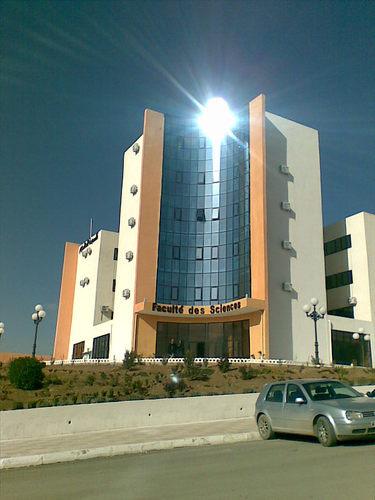
University Sétif 1 FERHAT ABBAS Faculty of Sciences
Détail de l'auteur
Auteur Gherbi ,Chirihane |
Documents disponibles écrits par cet auteur


 Ajouter le résultat dans votre panier Affiner la recherche
Titre : Adaptive flow-level scheduling for the IoT-MAC Type de document : texte imprimé Auteurs : Rahma Zeghouda, Auteur ; Khadidja Anani, Auteur ; Gherbi ,Chirihane, Directeur de thèse Année de publication : 2022 Importance : 1 vol (70 f .) Format : 29cm Langues : Français (fre) Catégories : Thèses & Mémoires:Informatique Mots-clés : Informatique Index. décimale : 004 Informatique Résumé :
Due to the recent progress in the field of microelectronics and the emergence of wireless
communication technologies, the Heterogenous sensor networks have emerged. Moreover,
one of the major problems of this type of network is the lifetime of the networkwhich
usually operate using batteries ,also its productivity. To solve this problem,several works
within the literature have targeted the matter of network lifetime maximization and at
different design levels : deployment, sensor scheduling, communication load balancing,
transmission rate selection, transmission power selection, routing.
Research on scheduling sensor activity start with the assumption that sensors have
two operating modes : active mode where sensing, communication and computation is
performed ; and sleep mode where the sensor consumes a really bit of energy .Activity
scheduling consists of keeping only a subset of sensors in active mode and might be performed
in a very distributed way where a sensor communicates with its neighbors to make
your mind up whether it should shut down or not.
We proposed the TMSH protocol (TDMA-Mac Scheduling in HWSNs). Our suggestion
involves a better clustering algorithm based on three factors : energy residual, the
number of neighbors, and distance to BS. This adopted clustering will produce a distributed
and loadbalanced clusters .Our proposed TMSH depends on a TDMA allocating
process in order to increase throughput and reduce delays. It also uses the multihop routing
mechanism and inter-cluster.
Simulation experiments have been conducted to examine the performance of TMSH
using the NS3 simulator. The results demonstrate that the TMSH protocol performs better
in terms of network lifetime, throughput , energy consumption, the number of CHs,
and transmission delay.Côte titre : MAI/0645 En ligne : https://drive.google.com/file/d/1bDBAGVUeyVw0PlVik3eBuca1SSySDA5z/view?usp=share [...] Format de la ressource électronique : Adaptive flow-level scheduling for the IoT-MAC [texte imprimé] / Rahma Zeghouda, Auteur ; Khadidja Anani, Auteur ; Gherbi ,Chirihane, Directeur de thèse . - 2022 . - 1 vol (70 f .) ; 29cm.
Langues : Français (fre)
Catégories : Thèses & Mémoires:Informatique Mots-clés : Informatique Index. décimale : 004 Informatique Résumé :
Due to the recent progress in the field of microelectronics and the emergence of wireless
communication technologies, the Heterogenous sensor networks have emerged. Moreover,
one of the major problems of this type of network is the lifetime of the networkwhich
usually operate using batteries ,also its productivity. To solve this problem,several works
within the literature have targeted the matter of network lifetime maximization and at
different design levels : deployment, sensor scheduling, communication load balancing,
transmission rate selection, transmission power selection, routing.
Research on scheduling sensor activity start with the assumption that sensors have
two operating modes : active mode where sensing, communication and computation is
performed ; and sleep mode where the sensor consumes a really bit of energy .Activity
scheduling consists of keeping only a subset of sensors in active mode and might be performed
in a very distributed way where a sensor communicates with its neighbors to make
your mind up whether it should shut down or not.
We proposed the TMSH protocol (TDMA-Mac Scheduling in HWSNs). Our suggestion
involves a better clustering algorithm based on three factors : energy residual, the
number of neighbors, and distance to BS. This adopted clustering will produce a distributed
and loadbalanced clusters .Our proposed TMSH depends on a TDMA allocating
process in order to increase throughput and reduce delays. It also uses the multihop routing
mechanism and inter-cluster.
Simulation experiments have been conducted to examine the performance of TMSH
using the NS3 simulator. The results demonstrate that the TMSH protocol performs better
in terms of network lifetime, throughput , energy consumption, the number of CHs,
and transmission delay.Côte titre : MAI/0645 En ligne : https://drive.google.com/file/d/1bDBAGVUeyVw0PlVik3eBuca1SSySDA5z/view?usp=share [...] Format de la ressource électronique : Exemplaires (1)
Code-barres Cote Support Localisation Section Disponibilité MAI/0645 MAI/0645 Mémoire Bibliothèque des sciences Anglais Disponible
Disponible
Titre : Amélioration des performances des HWSNs dans l’internet d’objet Type de document : texte imprimé Auteurs : Allali, Nour Elhouda, Auteur ; Gherbi ,Chirihane, Directeur de thèse Editeur : Setif:UFA Année de publication : 2021 Langues : Français (fre) Catégories : Thèses & Mémoires:Informatique Mots-clés : Efficacité énergétique
Durée de vieIndex. décimale : 004 - Informatique Résumé :
La distribution des capteurs sans fil dans une zone géographique a permis d’optimiser
les applications de surveillance. La conception de ce type d’architecture est soumise
à certaines contraintes. Nous nous sommes intéressés aux paramètres suivants : l’énergie,
la localisation, le facteur d’échelle, les ressources limitées, la bande passante limitée,
l’équilibrage de la charge et la topologie dynamique. Nous avons proposé un protocole de
routage MLBCP (Multipath Load Balancing Clustering Protocol), L’approche proposée
vise à remplir les objectifs suivants : Diminution de la consommation globale d’énergie
en équilibrant la dissipation d’énergie entre les noeuds. Cela a eu comme conséquence directe
l’extension de la durée de vie du réseau. Notre contribution a introduit le mécanisme
d’équilibrage de la charge grâce à la réalisation d’une bonne distribution des cluster-heads
dans le modèle de réseaux et pour améliorer les performances en termes de durée par la
réduction du signal de transmission et les messages de contrôle. Le protocole proposé est
un protocole efficace en consommation d’énergie et garantit une meilleure distribution
des chefs dans le réseau. L’évaluation des performances du protocole proposé est effectuée
à l’aide du célèbre simulateur NS3 et les résultats présentés sont convaincants. Ainsi,
l’énergie résiduelle des noeuds de capteurs a été mesurée toutes les 20 secondes pendant
toute la durée de la simulation, afin de calculer le nombre total de noeuds vivants. Sur la
base des résultats de la simulation, nous avons conclu que notre proposition de protocole
MLBCP augmente le bénéfice de l’énergie, et prolonge laCôte titre : MAI/0553 En ligne : https://drive.google.com/file/d/109D9NlRbLG86EFBxp56gRqxZr2l9Mq_Y/view?usp=shari [...] Format de la ressource électronique : Amélioration des performances des HWSNs dans l’internet d’objet [texte imprimé] / Allali, Nour Elhouda, Auteur ; Gherbi ,Chirihane, Directeur de thèse . - [S.l.] : Setif:UFA, 2021.
Langues : Français (fre)
Catégories : Thèses & Mémoires:Informatique Mots-clés : Efficacité énergétique
Durée de vieIndex. décimale : 004 - Informatique Résumé :
La distribution des capteurs sans fil dans une zone géographique a permis d’optimiser
les applications de surveillance. La conception de ce type d’architecture est soumise
à certaines contraintes. Nous nous sommes intéressés aux paramètres suivants : l’énergie,
la localisation, le facteur d’échelle, les ressources limitées, la bande passante limitée,
l’équilibrage de la charge et la topologie dynamique. Nous avons proposé un protocole de
routage MLBCP (Multipath Load Balancing Clustering Protocol), L’approche proposée
vise à remplir les objectifs suivants : Diminution de la consommation globale d’énergie
en équilibrant la dissipation d’énergie entre les noeuds. Cela a eu comme conséquence directe
l’extension de la durée de vie du réseau. Notre contribution a introduit le mécanisme
d’équilibrage de la charge grâce à la réalisation d’une bonne distribution des cluster-heads
dans le modèle de réseaux et pour améliorer les performances en termes de durée par la
réduction du signal de transmission et les messages de contrôle. Le protocole proposé est
un protocole efficace en consommation d’énergie et garantit une meilleure distribution
des chefs dans le réseau. L’évaluation des performances du protocole proposé est effectuée
à l’aide du célèbre simulateur NS3 et les résultats présentés sont convaincants. Ainsi,
l’énergie résiduelle des noeuds de capteurs a été mesurée toutes les 20 secondes pendant
toute la durée de la simulation, afin de calculer le nombre total de noeuds vivants. Sur la
base des résultats de la simulation, nous avons conclu que notre proposition de protocole
MLBCP augmente le bénéfice de l’énergie, et prolonge laCôte titre : MAI/0553 En ligne : https://drive.google.com/file/d/109D9NlRbLG86EFBxp56gRqxZr2l9Mq_Y/view?usp=shari [...] Format de la ressource électronique : Exemplaires (1)
Code-barres Cote Support Localisation Section Disponibilité MAI/0553 MAI/0553 Mémoire Bibliothèque des sciences Français Disponible
DisponibleUne Application mobile pour la gestion des horaires des dentistes en permanence 24H/24H. / Hiba Mouhoub
Titre : Une Application mobile pour la gestion des horaires des dentistes en permanence 24H/24H. Type de document : document électronique Auteurs : Hiba Mouhoub ; Gherbi ,Chirihane, Directeur de thèse Editeur : Setif:UFA Année de publication : 2025 Importance : 1 vol (93 f .) Format : 29 cm Langues : Français (fre) Catégories : Thèses & Mémoires:Informatique Mots-clés : managing schedules
24 H/24 H
AppointmentsIndex. décimale : 004 Informatique Résumé :
Algerian dental health organizations face major difficulties in efficiently managing
appointments in the absence of night services. The development of a system for managing
dentists’ appointments in the evening (and at any time) in the form of a mobile
application would be a plus for our country, dedicated to organizing appointments and
managing schedules. The application contains a database to test the profitability of
this night service in Algeria. The application will be very easy to use, allowing patients
to book appointments with just one click at the dental clinic of their choice, at a
convenient time and according to the dentist’s availability ; to define their own working
time intervals for each day and refer to their appointments ; to update their patients’
schedules and appointments during consultations ; and to add new patients.Note de contenu : Sommaire
Abstract i
R´esum´e ii
Table des mati`eres viii
Table des figures xi
Liste des Tableaux xii
Abr´eviationsxiii
Introduction 1
Contexte 2
1 G´en´eralit´es sur Les Applications Mobiles 3
1.1 Introduction . . . . . . . . . . . . . . . . . . . . . . . . . . . . . . . . . 3
1.2 Applications Mobiles . . . . . . . . . . . . . . . . . . . . . . . . . . . . 3
1.3 Les caract´eristiques des Applications Mobiles . . . . . . . . . . . . . . . 4
1.4 Les Syst`emes D’exploitation Pour ´Equipements Mobiles . . . . . . . . 6
1.4.1 Le syst`eme Andro¨ıde . . . . . . . . . . . . . . . . . . . . . . . . 7
1.4.2 Le Syst`eme Ios . . . . . . . . . . . . . . . . . . . . . . . . . . . 13
1.5 Les Types d’Applications Mobiles . . . . . . . . . . . . . . . . . . . . . 15
1.6 Conclusion . . . . . . . . . . . . . . . . . . . . . . . . . . . . . . . . . . 17
2 Revue connexe 18
2.1 Introduction . . . . . . . . . . . . . . . . . . . . . . . . . . . . . . . . . 18
2.2 Contexte et Enjeux de la S´ecurit´e des Applications Mobiles . . . . . . . 18
2.2.1 L’essor Des Applications Mobiles et Leurs Vuln´erabilit´es . . . . 18
2.2.2 Les motivations des cyberattaques sur les applications mobiles . 19
2.2.3 Les D´efis Pour les D´eveloppeurs et Les Utilisateurs . . . . . . . 19
2.3 Types de Menaces et Vuln´erabilit´es Dans Les Applications Mobile . . . 20
2.3.1 Menaces li´ees aux applications mobiles . . . . . . . . . . . . . . 20
2.3.2 Vuln´erabilit´es Des Applications Mobiles . . . . . . . . . . . . . 22
2.3.3 Vecteurs d’attaque courants . . . . . . . . . . . . . . . . . . . . 22
2.3.4 ´Etudes De Cas D´etaill´ees . . . . . . . . . . . . . . . . . . . . . 23
2.4 Les M´ethodes de S´ecurisation des Applications Mobiles . . . . . . . . . 23
2.4.1 Authentification S´ecuris´ee . . . . . . . . . . . . . . . . . . . . 23
2.4.2 Chiffrement des Donn´ees . . . . . . . . . . . . . . . . . . . . . 25
2.4.3 Gestion des Permissions et des Autorisations . . . . . . . . . . 26
2.4.4 Validation des Entr´ees [1] . . . . . . . . . . . . . . . . . . . . . 27
2.4.5 S´ecurisation du Code Source [2] . . . . . . . . . . . . . . . . . 28
2.4.6 Tests de S´ecurit´e [3] . . . . . . . . . . . . . . . . . . . . . . . . 28
2.4.7 Utilisation des Standards et Certifications . . . . . . . . . . . 29
2.5 Menaces aux Applications Mobiles, Tests et Audit de S´ecurit´e . . . . 30
2.5.1 Les Principales Menaces aux Applications Mobiles . . . . . . . 30
2.5.2 Tests de S´ecurit´e des Applications Mobiles . . . . . . . . . . . 32
2.5.3 Audit de S´ecurit´e des Applications Mobiles [4] . . . . . . . . . 33
2.6 Conclusion . . . . . . . . . . . . . . . . . . . . . . . . . . . . . . . . . . 34
3 Analyses et conception par STARUML d’une application en FLUTTER
35
3.1 Introduction . . . . . . . . . . . . . . . . . . . . . . . . . . . . . . . . . 35
3.2 ´Enonc´e Du Probl`eme . . . . . . . . . . . . . . . . . . . . . . . . . . . . 35
3.3 Approche propos´ee . . . . . . . . . . . . . . . . . . . . . . . . . . . . . 36
3.3.1 UNIFIED MODELING LANGUAGE (UML) . . . . . . . . . . 36
3.3.2 Diagramme de Cas d’Utilisation . . . . . . . . . . . . . . . . . 37
3.3.3 Analyse Des Besoins . . . . . . . . . . . . . . . . . . . . . . . . 37
3.3.4 Objectifs . . . . . . . . . . . . . . . . . . . . . . . . . . . . . . 39
3.3.5 Identification des cas d’utilisation . . . . . . . . . . . . . . . . . 40
3.3.6 Le Diagramme des cas d’utilisation Globale . . . . . . . . . . . 43
3.3.7 Le Diagramme des Classes . . . . . . . . . . . . . . . . . . . . 45
3.3.8 Le Diagramme de S´equence . . . . . . . . . . . . . . . . . . . . 45
3.4 Conclusion . . . . . . . . . . . . . . . . . . . . . . . . . . . . . . . . . 51
4 Discussion des r´esultats 52
4.1 Introduction . . . . . . . . . . . . . . . . . . . . . . . . . . . . . . . . . 52
4.2 Description des outils . . . . . . . . . . . . . . . . . . . . . . . . . . . . 52
4.3 M´etriques d’´Evaluation des Applications Mobiles . . . . . . . . . . . . 58
4.3.1 M´etriques de performance . . . . . . . . . . . . . . . . . . . . . 59
4.3.2 M´etriques d’Engagement Utilisateur . . . . . . . . . . . . . . . 59
4.3.3 M´etriques d’Exp´erience utilisateur (UX) . . . . . . . . . . . . . 59
4.3.4 M´etriques d’adoption . . . . . . . . . . . . . . . . . . . . . . . 59
4.3.5 M´etriques de s´ecurit´e et de fiabilit´e . . . . . . . . . . . . . . . . 60
4.4 R´esultats et discussion . . . . . . . . . . . . . . . . . . . . . . . . . . . 60
4.4.1 Analyse exploratoire des donn´ees . . . . . . . . . . . . . . . . . 60
4.4.2 Arbre de D´ecision . . . . . . . . . . . . . . . . . . . . . . . . . 67
4.5 Conclusion . . . . . . . . . . . . . . . . . . . . . . . . . . . . . . . . . 86
Conclusion 88
Bibliographie 90Côte titre : MAI/1060 Une Application mobile pour la gestion des horaires des dentistes en permanence 24H/24H. [document électronique] / Hiba Mouhoub ; Gherbi ,Chirihane, Directeur de thèse . - [S.l.] : Setif:UFA, 2025 . - 1 vol (93 f .) ; 29 cm.
Langues : Français (fre)
Catégories : Thèses & Mémoires:Informatique Mots-clés : managing schedules
24 H/24 H
AppointmentsIndex. décimale : 004 Informatique Résumé :
Algerian dental health organizations face major difficulties in efficiently managing
appointments in the absence of night services. The development of a system for managing
dentists’ appointments in the evening (and at any time) in the form of a mobile
application would be a plus for our country, dedicated to organizing appointments and
managing schedules. The application contains a database to test the profitability of
this night service in Algeria. The application will be very easy to use, allowing patients
to book appointments with just one click at the dental clinic of their choice, at a
convenient time and according to the dentist’s availability ; to define their own working
time intervals for each day and refer to their appointments ; to update their patients’
schedules and appointments during consultations ; and to add new patients.Note de contenu : Sommaire
Abstract i
R´esum´e ii
Table des mati`eres viii
Table des figures xi
Liste des Tableaux xii
Abr´eviationsxiii
Introduction 1
Contexte 2
1 G´en´eralit´es sur Les Applications Mobiles 3
1.1 Introduction . . . . . . . . . . . . . . . . . . . . . . . . . . . . . . . . . 3
1.2 Applications Mobiles . . . . . . . . . . . . . . . . . . . . . . . . . . . . 3
1.3 Les caract´eristiques des Applications Mobiles . . . . . . . . . . . . . . . 4
1.4 Les Syst`emes D’exploitation Pour ´Equipements Mobiles . . . . . . . . 6
1.4.1 Le syst`eme Andro¨ıde . . . . . . . . . . . . . . . . . . . . . . . . 7
1.4.2 Le Syst`eme Ios . . . . . . . . . . . . . . . . . . . . . . . . . . . 13
1.5 Les Types d’Applications Mobiles . . . . . . . . . . . . . . . . . . . . . 15
1.6 Conclusion . . . . . . . . . . . . . . . . . . . . . . . . . . . . . . . . . . 17
2 Revue connexe 18
2.1 Introduction . . . . . . . . . . . . . . . . . . . . . . . . . . . . . . . . . 18
2.2 Contexte et Enjeux de la S´ecurit´e des Applications Mobiles . . . . . . . 18
2.2.1 L’essor Des Applications Mobiles et Leurs Vuln´erabilit´es . . . . 18
2.2.2 Les motivations des cyberattaques sur les applications mobiles . 19
2.2.3 Les D´efis Pour les D´eveloppeurs et Les Utilisateurs . . . . . . . 19
2.3 Types de Menaces et Vuln´erabilit´es Dans Les Applications Mobile . . . 20
2.3.1 Menaces li´ees aux applications mobiles . . . . . . . . . . . . . . 20
2.3.2 Vuln´erabilit´es Des Applications Mobiles . . . . . . . . . . . . . 22
2.3.3 Vecteurs d’attaque courants . . . . . . . . . . . . . . . . . . . . 22
2.3.4 ´Etudes De Cas D´etaill´ees . . . . . . . . . . . . . . . . . . . . . 23
2.4 Les M´ethodes de S´ecurisation des Applications Mobiles . . . . . . . . . 23
2.4.1 Authentification S´ecuris´ee . . . . . . . . . . . . . . . . . . . . 23
2.4.2 Chiffrement des Donn´ees . . . . . . . . . . . . . . . . . . . . . 25
2.4.3 Gestion des Permissions et des Autorisations . . . . . . . . . . 26
2.4.4 Validation des Entr´ees [1] . . . . . . . . . . . . . . . . . . . . . 27
2.4.5 S´ecurisation du Code Source [2] . . . . . . . . . . . . . . . . . 28
2.4.6 Tests de S´ecurit´e [3] . . . . . . . . . . . . . . . . . . . . . . . . 28
2.4.7 Utilisation des Standards et Certifications . . . . . . . . . . . 29
2.5 Menaces aux Applications Mobiles, Tests et Audit de S´ecurit´e . . . . 30
2.5.1 Les Principales Menaces aux Applications Mobiles . . . . . . . 30
2.5.2 Tests de S´ecurit´e des Applications Mobiles . . . . . . . . . . . 32
2.5.3 Audit de S´ecurit´e des Applications Mobiles [4] . . . . . . . . . 33
2.6 Conclusion . . . . . . . . . . . . . . . . . . . . . . . . . . . . . . . . . . 34
3 Analyses et conception par STARUML d’une application en FLUTTER
35
3.1 Introduction . . . . . . . . . . . . . . . . . . . . . . . . . . . . . . . . . 35
3.2 ´Enonc´e Du Probl`eme . . . . . . . . . . . . . . . . . . . . . . . . . . . . 35
3.3 Approche propos´ee . . . . . . . . . . . . . . . . . . . . . . . . . . . . . 36
3.3.1 UNIFIED MODELING LANGUAGE (UML) . . . . . . . . . . 36
3.3.2 Diagramme de Cas d’Utilisation . . . . . . . . . . . . . . . . . 37
3.3.3 Analyse Des Besoins . . . . . . . . . . . . . . . . . . . . . . . . 37
3.3.4 Objectifs . . . . . . . . . . . . . . . . . . . . . . . . . . . . . . 39
3.3.5 Identification des cas d’utilisation . . . . . . . . . . . . . . . . . 40
3.3.6 Le Diagramme des cas d’utilisation Globale . . . . . . . . . . . 43
3.3.7 Le Diagramme des Classes . . . . . . . . . . . . . . . . . . . . 45
3.3.8 Le Diagramme de S´equence . . . . . . . . . . . . . . . . . . . . 45
3.4 Conclusion . . . . . . . . . . . . . . . . . . . . . . . . . . . . . . . . . 51
4 Discussion des r´esultats 52
4.1 Introduction . . . . . . . . . . . . . . . . . . . . . . . . . . . . . . . . . 52
4.2 Description des outils . . . . . . . . . . . . . . . . . . . . . . . . . . . . 52
4.3 M´etriques d’´Evaluation des Applications Mobiles . . . . . . . . . . . . 58
4.3.1 M´etriques de performance . . . . . . . . . . . . . . . . . . . . . 59
4.3.2 M´etriques d’Engagement Utilisateur . . . . . . . . . . . . . . . 59
4.3.3 M´etriques d’Exp´erience utilisateur (UX) . . . . . . . . . . . . . 59
4.3.4 M´etriques d’adoption . . . . . . . . . . . . . . . . . . . . . . . 59
4.3.5 M´etriques de s´ecurit´e et de fiabilit´e . . . . . . . . . . . . . . . . 60
4.4 R´esultats et discussion . . . . . . . . . . . . . . . . . . . . . . . . . . . 60
4.4.1 Analyse exploratoire des donn´ees . . . . . . . . . . . . . . . . . 60
4.4.2 Arbre de D´ecision . . . . . . . . . . . . . . . . . . . . . . . . . 67
4.5 Conclusion . . . . . . . . . . . . . . . . . . . . . . . . . . . . . . . . . 86
Conclusion 88
Bibliographie 90Côte titre : MAI/1060 Exemplaires (1)
Code-barres Cote Support Localisation Section Disponibilité MAI/1060 MAI/1060 Mémoire Bibliothèque des sciences Français Disponible
DisponibleL'auto-organisation et l’équilibrage de la charge pour la préservation de la couverture dans les WSNs. / Doudou, Roumaissa

Titre : L'auto-organisation et l’équilibrage de la charge pour la préservation de la couverture dans les WSNs. Type de document : texte imprimé Auteurs : Doudou, Roumaissa, Auteur ; Gherbi ,Chirihane, Directeur de thèse Editeur : Setif:UFA Année de publication : 2020 Importance : 1vol (89 f .) Format : 29 cm Langues : Français (fre) Catégories : Thèses & Mémoires:Informatique Mots-clés : Informatique Index. décimale : 004 - Informatique Côte titre : MAI/0359 En ligne : https://drive.google.com/file/d/1cE_B815u62TcRv1wncdunAT78B7N4jr3/view?usp=shari [...] Format de la ressource électronique : L'auto-organisation et l’équilibrage de la charge pour la préservation de la couverture dans les WSNs. [texte imprimé] / Doudou, Roumaissa, Auteur ; Gherbi ,Chirihane, Directeur de thèse . - [S.l.] : Setif:UFA, 2020 . - 1vol (89 f .) ; 29 cm.
Langues : Français (fre)
Catégories : Thèses & Mémoires:Informatique Mots-clés : Informatique Index. décimale : 004 - Informatique Côte titre : MAI/0359 En ligne : https://drive.google.com/file/d/1cE_B815u62TcRv1wncdunAT78B7N4jr3/view?usp=shari [...] Format de la ressource électronique : Exemplaires (1)
Code-barres Cote Support Localisation Section Disponibilité MAI/0359 MAI/0359 Mémoire Bibliothèque des sciences Français Disponible
Disponible
Titre : Botnet Attack Detection in IoT Using Machine Learning Type de document : texte imprimé Auteurs : Rayane Khamal, Auteur ; Rania Beddar ; Gherbi ,Chirihane, Directeur de thèse Editeur : Setif:UFA Année de publication : 2024 Importance : 1 vol (84 f .) Format : 29 cm Langues : Anglais (eng) Catégories : Thèses & Mémoires:Informatique Mots-clés : Internet of Things
Botnet attacks
Machine LearningIndex. décimale : 004 - Informatique Résumé :
The attack surface grows exponentially with Internet of Things (IoT) devices as interconnected
systems and the underlying network infrastructure that uses them become
vulnerable. This means that in the event that one or more components of an IoT system
are breached, the whole network is at risk. There is a likelihood of data theft, and the
devices could be used to launch an attack. Addressing, this challenge requires a robust
and innovative, approach, such as machine learning (ML), which offers a promising
solution to counter such attacks. The aim of this work is to build binary classification
ML models to detect Botnet attacks in the IoT environment by applying different
models on the (BoT-IoT) dataset, including Decision Tree (DT), Logistic Regression
(LR), Gradient Boosting (GB),Support Vector Machine (SVM) and K-Nearest Neighbors
(KNN), and providing solutions for imbalanced datasets and low performance,
through a combination of SMOTE ( Synthetic Minority Oversampling TEchnique) and
Hyperparameter Tuning with gridSearch Cross-Validation (GridSearchCV). Based on
our findings, the DT and GB models provide the best performance among all other
models.Note de contenu : Sommaire
Abstract i
R´esum´e ii
Table of contents viii
List of figures xi
List of tables xii
List of algorithms xiii
Abbreviations xiv
Introduction 1
0.1 Background Information . . . . . . . . . . . . . . . . . . . . . . . . . . 1
0.2 Problem Statement . . . . . . . . . . . . . . . . . . . . . . . . . . . . . 1
0.3 Work Objectives . . . . . . . . . . . . . . . . . . . . . . . . . . . . . . 2
0.4 Research Questions . . . . . . . . . . . . . . . . . . . . . . . . . . . . . 2
0.5 Structure of the Work . . . . . . . . . . . . . . . . . . . . . . . . . . . 2
Background 3
1 Overview of IoT and ML 4
1.1 Introduction . . . . . . . . . . . . . . . . . . . . . . . . . . . . . . . . . 4
1.2 Internet of Things . . . . . . . . . . . . . . . . . . . . . . . . . . . . . 4
1.2.1 IoT Components . . . . . . . . . . . . . . . . . . . . . . . . . . 4
1.2.2 IoT Characteristics . . . . . . . . . . . . . . . . . . . . . . . . . 5
1.2.3 IoT Architecture . . . . . . . . . . . . . . . . . . . . . . . . . . 6
1.2.4 IoT Applications . . . . . . . . . . . . . . . . . . . . . . . . . . 9
1.2.5 IoT challenges . . . . . . . . . . . . . . . . . . . . . . . . . . . . 11
1.2.6 Advantages and Disadvantages of IoT . . . . . . . . . . . . . . 12
1.3 Machine Learning . . . . . . . . . . . . . . . . . . . . . . . . . . . . . . 12
1.3.1 Types of Machine Learning Algorithms . . . . . . . . . . . . . . 12
1.3.2 Ensemble learning . . . . . . . . . . . . . . . . . . . . . . . . . 16
1.3.3 Machine Learning in IoT . . . . . . . . . . . . . . . . . . . . . . 17
1.4 Conclusion . . . . . . . . . . . . . . . . . . . . . . . . . . . . . . . . . 19
2 Related Review 20
2.1 Introduction . . . . . . . . . . . . . . . . . . . . . . . . . . . . . . . . . 20
2.2 Network Security . . . . . . . . . . . . . . . . . . . . . . . . . . . . . . 20
2.2.1 Overview . . . . . . . . . . . . . . . . . . . . . . . . . . . . . . 20
2.2.2 Necessity of IoT Network Security . . . . . . . . . . . . . . . . 21
2.2.3 Network Security Problems . . . . . . . . . . . . . . . . . . . . 22
2.3 Network Attacks . . . . . . . . . . . . . . . . . . . . . . . . . . . . . . 23
2.3.1 Types of Network Attacks . . . . . . . . . . . . . . . . . . . . . 24
2.4 IoT Botnet . . . . . . . . . . . . . . . . . . . . . . . . . . . . . . . . . 26
2.4.1 IoT Botnet Components . . . . . . . . . . . . . . . . . . . . . . 27
2.4.2 Life-Cycle of an IoT Botnet . . . . . . . . . . . . . . . . . . . . 28
2.4.3 Botnet Topology . . . . . . . . . . . . . . . . . . . . . . . . . . 29
2.4.4 Impact of IoT Botnet . . . . . . . . . . . . . . . . . . . . . . . 30
2.5 Related Works . . . . . . . . . . . . . . . . . . . . . . . . . . . . . . . . 31
2.6 Conclusion . . . . . . . . . . . . . . . . . . . . . . . . . . . . . . . . . . 34
3 Hybrid Approach for Botnet Detection with SMOTE and Grid-
SearchCV Optimization (HAB-SG) 35
3.1 Introduction . . . . . . . . . . . . . . . . . . . . . . . . . . . . . . . . . 35
3.2 Problem Statement . . . . . . . . . . . . . . . . . . . . . . . . . . . . . 35
3.3 Proposed Approach . . . . . . . . . . . . . . . . . . . . . . . . . . . . . 36
3.3.1 Exploratory Data Analysis (EDA) . . . . . . . . . . . . . . . . . 37
3.3.2 Data Pre-processing . . . . . . . . . . . . . . . . . . . . . . . . 38
3.3.3 Data Splitting . . . . . . . . . . . . . . . . . . . . . . . . . . . . 39
3.3.4 Synthetic Minority Oversampling Technique(SMOTE) . . . . . 39
3.3.5 Hyperparameter Tuning with GridSearchCV . . . . . . . . . . . 40
3.4 Conclusion . . . . . . . . . . . . . . . . . . . . . . . . . . . . . . . . . . 42
4 Discussion of Results 43
4.1 Introduction . . . . . . . . . . . . . . . . . . . . . . . . . . . . . . . . . 43
4.2 Tools Description . . . . . . . . . . . . . . . . . . . . . . . . . . . . . . 43
4.3 Machine Learning Evaluation Metrics . . . . . . . . . . . . . . . . . . 45
4.3.1 Confusion Matrix . . . . . . . . . . . . . . . . . . . . . . . . . . 45
4.4 Results and discussion . . . . . . . . . . . . . . . . . . . . . . . . . . . 47
4.4.1 Exploratory Data Analysis . . . . . . . . . . . . . . . . . . . . 47
4.4.2 Data Pre-processing . . . . . . . . . . . . . . . . . . . . . . . . 49
4.4.3 Oversampling Technique(SMOTE) . . . . . . . . . . . . . . . . 50
4.4.4 Comparative Analysis of Models . . . . . . . . . . . . . . . . . 52
4.4.5 Observations . . . . . . . . . . . . . . . . . . . . . . . . . . . . 69
4.5 Conclusion . . . . . . . . . . . . . . . . . . . . . . . . . . . . . . . . . . 73Côte titre : MAI/0851 Botnet Attack Detection in IoT Using Machine Learning [texte imprimé] / Rayane Khamal, Auteur ; Rania Beddar ; Gherbi ,Chirihane, Directeur de thèse . - [S.l.] : Setif:UFA, 2024 . - 1 vol (84 f .) ; 29 cm.
Langues : Anglais (eng)
Catégories : Thèses & Mémoires:Informatique Mots-clés : Internet of Things
Botnet attacks
Machine LearningIndex. décimale : 004 - Informatique Résumé :
The attack surface grows exponentially with Internet of Things (IoT) devices as interconnected
systems and the underlying network infrastructure that uses them become
vulnerable. This means that in the event that one or more components of an IoT system
are breached, the whole network is at risk. There is a likelihood of data theft, and the
devices could be used to launch an attack. Addressing, this challenge requires a robust
and innovative, approach, such as machine learning (ML), which offers a promising
solution to counter such attacks. The aim of this work is to build binary classification
ML models to detect Botnet attacks in the IoT environment by applying different
models on the (BoT-IoT) dataset, including Decision Tree (DT), Logistic Regression
(LR), Gradient Boosting (GB),Support Vector Machine (SVM) and K-Nearest Neighbors
(KNN), and providing solutions for imbalanced datasets and low performance,
through a combination of SMOTE ( Synthetic Minority Oversampling TEchnique) and
Hyperparameter Tuning with gridSearch Cross-Validation (GridSearchCV). Based on
our findings, the DT and GB models provide the best performance among all other
models.Note de contenu : Sommaire
Abstract i
R´esum´e ii
Table of contents viii
List of figures xi
List of tables xii
List of algorithms xiii
Abbreviations xiv
Introduction 1
0.1 Background Information . . . . . . . . . . . . . . . . . . . . . . . . . . 1
0.2 Problem Statement . . . . . . . . . . . . . . . . . . . . . . . . . . . . . 1
0.3 Work Objectives . . . . . . . . . . . . . . . . . . . . . . . . . . . . . . 2
0.4 Research Questions . . . . . . . . . . . . . . . . . . . . . . . . . . . . . 2
0.5 Structure of the Work . . . . . . . . . . . . . . . . . . . . . . . . . . . 2
Background 3
1 Overview of IoT and ML 4
1.1 Introduction . . . . . . . . . . . . . . . . . . . . . . . . . . . . . . . . . 4
1.2 Internet of Things . . . . . . . . . . . . . . . . . . . . . . . . . . . . . 4
1.2.1 IoT Components . . . . . . . . . . . . . . . . . . . . . . . . . . 4
1.2.2 IoT Characteristics . . . . . . . . . . . . . . . . . . . . . . . . . 5
1.2.3 IoT Architecture . . . . . . . . . . . . . . . . . . . . . . . . . . 6
1.2.4 IoT Applications . . . . . . . . . . . . . . . . . . . . . . . . . . 9
1.2.5 IoT challenges . . . . . . . . . . . . . . . . . . . . . . . . . . . . 11
1.2.6 Advantages and Disadvantages of IoT . . . . . . . . . . . . . . 12
1.3 Machine Learning . . . . . . . . . . . . . . . . . . . . . . . . . . . . . . 12
1.3.1 Types of Machine Learning Algorithms . . . . . . . . . . . . . . 12
1.3.2 Ensemble learning . . . . . . . . . . . . . . . . . . . . . . . . . 16
1.3.3 Machine Learning in IoT . . . . . . . . . . . . . . . . . . . . . . 17
1.4 Conclusion . . . . . . . . . . . . . . . . . . . . . . . . . . . . . . . . . 19
2 Related Review 20
2.1 Introduction . . . . . . . . . . . . . . . . . . . . . . . . . . . . . . . . . 20
2.2 Network Security . . . . . . . . . . . . . . . . . . . . . . . . . . . . . . 20
2.2.1 Overview . . . . . . . . . . . . . . . . . . . . . . . . . . . . . . 20
2.2.2 Necessity of IoT Network Security . . . . . . . . . . . . . . . . 21
2.2.3 Network Security Problems . . . . . . . . . . . . . . . . . . . . 22
2.3 Network Attacks . . . . . . . . . . . . . . . . . . . . . . . . . . . . . . 23
2.3.1 Types of Network Attacks . . . . . . . . . . . . . . . . . . . . . 24
2.4 IoT Botnet . . . . . . . . . . . . . . . . . . . . . . . . . . . . . . . . . 26
2.4.1 IoT Botnet Components . . . . . . . . . . . . . . . . . . . . . . 27
2.4.2 Life-Cycle of an IoT Botnet . . . . . . . . . . . . . . . . . . . . 28
2.4.3 Botnet Topology . . . . . . . . . . . . . . . . . . . . . . . . . . 29
2.4.4 Impact of IoT Botnet . . . . . . . . . . . . . . . . . . . . . . . 30
2.5 Related Works . . . . . . . . . . . . . . . . . . . . . . . . . . . . . . . . 31
2.6 Conclusion . . . . . . . . . . . . . . . . . . . . . . . . . . . . . . . . . . 34
3 Hybrid Approach for Botnet Detection with SMOTE and Grid-
SearchCV Optimization (HAB-SG) 35
3.1 Introduction . . . . . . . . . . . . . . . . . . . . . . . . . . . . . . . . . 35
3.2 Problem Statement . . . . . . . . . . . . . . . . . . . . . . . . . . . . . 35
3.3 Proposed Approach . . . . . . . . . . . . . . . . . . . . . . . . . . . . . 36
3.3.1 Exploratory Data Analysis (EDA) . . . . . . . . . . . . . . . . . 37
3.3.2 Data Pre-processing . . . . . . . . . . . . . . . . . . . . . . . . 38
3.3.3 Data Splitting . . . . . . . . . . . . . . . . . . . . . . . . . . . . 39
3.3.4 Synthetic Minority Oversampling Technique(SMOTE) . . . . . 39
3.3.5 Hyperparameter Tuning with GridSearchCV . . . . . . . . . . . 40
3.4 Conclusion . . . . . . . . . . . . . . . . . . . . . . . . . . . . . . . . . . 42
4 Discussion of Results 43
4.1 Introduction . . . . . . . . . . . . . . . . . . . . . . . . . . . . . . . . . 43
4.2 Tools Description . . . . . . . . . . . . . . . . . . . . . . . . . . . . . . 43
4.3 Machine Learning Evaluation Metrics . . . . . . . . . . . . . . . . . . 45
4.3.1 Confusion Matrix . . . . . . . . . . . . . . . . . . . . . . . . . . 45
4.4 Results and discussion . . . . . . . . . . . . . . . . . . . . . . . . . . . 47
4.4.1 Exploratory Data Analysis . . . . . . . . . . . . . . . . . . . . 47
4.4.2 Data Pre-processing . . . . . . . . . . . . . . . . . . . . . . . . 49
4.4.3 Oversampling Technique(SMOTE) . . . . . . . . . . . . . . . . 50
4.4.4 Comparative Analysis of Models . . . . . . . . . . . . . . . . . 52
4.4.5 Observations . . . . . . . . . . . . . . . . . . . . . . . . . . . . 69
4.5 Conclusion . . . . . . . . . . . . . . . . . . . . . . . . . . . . . . . . . . 73Côte titre : MAI/0851 Exemplaires (1)
Code-barres Cote Support Localisation Section Disponibilité MAI/0851 MAI/0851 Mémoire Bibliothèque des sciences Anglais Disponible
DisponiblePermalink
PermalinkPermalink