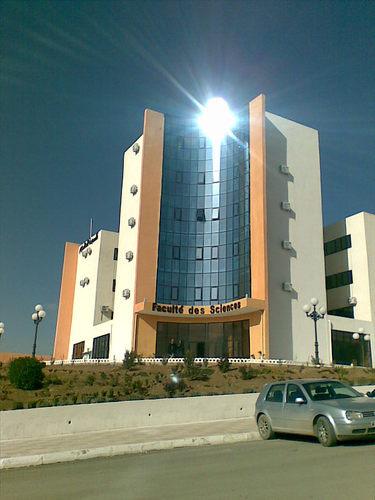
University Sétif 1 FERHAT ABBAS Faculty of Sciences
Détail de l'auteur
Auteur Fella Berrimi |
Documents disponibles écrits par cet auteur


 Ajouter le résultat dans votre panier Affiner la recherche
Titre : Anomaly Detection In Medical Images Type de document : texte imprimé Auteurs : Ikbal Taki Eddine Nasri, Auteur ; Dhiaeddin Hadjaz ; Fella Berrimi, Directeur de thèse Editeur : Setif:UFA Année de publication : 2024 Importance : 1 vol (82 f .) Format : 29 cm Langues : Anglais (eng) Catégories : Thèses & Mémoires:Informatique Mots-clés : Informatique Index. décimale : 004 - Informatique Résumé :
Recent advancements in medical image analysis have led to the development of sophisticated algorithms
for segmenting and detecting pathologies. Our study aims to localize and detect pathologies
using deep learning methods. We utilized two annotated datasets: one for lung tissue tumors and
another for colon tissue tumors. For lung tumors, we implemented CNN, DenseNet, and Efficient-
NetB3 models. For colon tumors, we used a transfer learning CNN model. We detail the implementation
stages and analyze the results, finding that deep learning models significantly improve the
accuracy and efficiency of disease detection in medical imaging. These models automate complex
image analysis, supporting healthcare professionals and potentially enhancing patient outcomes.Note de contenu : Sommaire
Introduction . . . . . . . . . . . . . . . . . . . . . . . . . . . . . . . . . . . . . . . . 10
Chapter 1: General Terms in Medical Imaging 12
1.1 Introduction . . . . . . . . . . . . . . . . . . . . . . . . . . . . . . . . . . . . . 12
1.2 Image . . . . . . . . . . . . . . . . . . . . . . . . . . . . . . . . . . . . . . . . 12
1.3 Digital Image . . . . . . . . . . . . . . . . . . . . . . . . . . . . . . . . . . . . 13
1.4 Characteristics of A Digital Image . . . . . . . . . . . . . . . . . . . . . . . . . 13
1.4.1 Pixel . . . . . . . . . . . . . . . . . . . . . . . . . . . . . . . . . . . . 13
1.4.2 Dimension . . . . . . . . . . . . . . . . . . . . . . . . . . . . . . . . . 14
1.4.3 Resolution . . . . . . . . . . . . . . . . . . . . . . . . . . . . . . . . . 14
1.4.4 Luminance . . . . . . . . . . . . . . . . . . . . . . . . . . . . . . . . . 14
1.4.5 Noise (Digital Noise) . . . . . . . . . . . . . . . . . . . . . . . . . . . . 15
1.4.6 Texture . . . . . . . . . . . . . . . . . . . . . . . . . . . . . . . . . . . 15
1.4.7 Grayscale . . . . . . . . . . . . . . . . . . . . . . . . . . . . . . . . . . 15
1.4.8 Color . . . . . . . . . . . . . . . . . . . . . . . . . . . . . . . . . . . . 16
1.4.9 Image Format . . . . . . . . . . . . . . . . . . . . . . . . . . . . . . . . 16
1.5 Medical Image . . . . . . . . . . . . . . . . . . . . . . . . . . . . . . . . . . . 17
1.6 The Different Medical Imaging Technologies . . . . . . . . . . . . . . . . . . . 18
1.6.1 Radiography . . . . . . . . . . . . . . . . . . . . . . . . . . . . . . . . 18
1.6.2 Computed Tomography (CT) . . . . . . . . . . . . . . . . . . . . . . . . 18
1.6.3 Magnetic Resonance Imaging (MRI) . . . . . . . . . . . . . . . . . . . . 18
1.6.4 Ultrasound . . . . . . . . . . . . . . . . . . . . . . . . . . . . . . . . . 19
1.6.5 Nuclear Medicine . . . . . . . . . . . . . . . . . . . . . . . . . . . . . . 19
1.6.6 Positron Emission Tomography (PET) . . . . . . . . . . . . . . . . . . . 20
1.7 Anomalies in Medical Images . . . . . . . . . . . . . . . . . . . . . . . . . . . 20
1.8 Medical Image Processing Diagram . . . . . . . . . . . . . . . . . . . . . . . . 21
1.8.1 Acquisition of An Image . . . . . . . . . . . . . . . . . . . . . . . . . . 21
1.8.2 Preprocessing . . . . . . . . . . . . . . . . . . . . . . . . . . . . . . . . 21
1.8.3 Segmentation of An Image . . . . . . . . . . . . . . . . . . . . . . . . . 22
1.8.4 Anomaly Detection . . . . . . . . . . . . . . . . . . . . . . . . . . . . . 23
1.8.5 Interpretation And Analysis . . . . . . . . . . . . . . . . . . . . . . . . 23
1.9 Conclusion . . . . . . . . . . . . . . . . . . . . . . . . . . . . . . . . . . . . . 24
Chapter 2: Segmentation And Anomaly Detection In Medical Images 25
2.1 Introduction . . . . . . . . . . . . . . . . . . . . . . . . . . . . . . . . . . . . . 25
2.2 Medical Image Segmentation . . . . . . . . . . . . . . . . . . . . . . . . . . . . 26
2.2.1 Edge-Based Segmentation . . . . . . . . . . . . . . . . . . . . . . . . . 26
2.2.2 Region Based Segmentation . . . . . . . . . . . . . . . . . . . . . . . . 29
2.2.3 Thresholding Based Segmentation . . . . . . . . . . . . . . . . . . . . 31
2.2.4 Segmentation Based on Artificial Neural Network (ANN) . . . . . . . . 32
2.3 Anomaly Detection In Medical Images . . . . . . . . . . . . . . . . . . . . . . 34
2.4 Machine Learning-based Anomaly Detection . . . . . . . . . . . . . . . . . . . 34
2.4.1 Machine Learning . . . . . . . . . . . . . . . . . . . . . . . . . . . . . 34
2.4.2 Machine Learning Process . . . . . . . . . . . . . . . . . . . . . . . . . 35
2.5 Machine Learning Algorithms For Anomaly Detection . . . . . . . . . . . . . . 36
2.5.1 Support Vector Machines (SVMs) . . . . . . . . . . . . . . . . . . . . . 36
2.5.2 Random Forest (RF) . . . . . . . . . . . . . . . . . . . . . . . . . . . . 38
2.5.3 k-Means Clustering . . . . . . . . . . . . . . . . . . . . . . . . . . . . . 39
2.6 Deep Learning-Based Anomaly Detection . . . . . . . . . . . . . . . . . . . . . 40
2.6.1 Deep Learning . . . . . . . . . . . . . . . . . . . . . . . . . . . . . . . 40
2.7 Deep Learning Architectures For Anomaly Detection . . . . . . . . . . . . . . . 41
2.7.1 Convolution Neural Networks (CNNs) . . . . . . . . . . . . . . . . . . 41
2.7.2 U-Net . . . . . . . . . . . . . . . . . . . . . . . . . . . . . . . . . . . . 43
2.7.3 Generative Adversarial Networks (GANs) . . . . . . . . . . . . . . . . . 45
2.7.4 Autoencoders (AEs) . . . . . . . . . . . . . . . . . . . . . . . . . . . . 46
2.8 Model Evaluation . . . . . . . . . . . . . . . . . . . . . . . . . . . . . . . . . . 49
2.8.1 Accuracy . . . . . . . . . . . . . . . . . . . . . . . . . . . . . . . . . . 49
2.8.2 Precision . . . . . . . . . . . . . . . . . . . . . . . . . . . . . . . . . . 49
2.8.3 Recall (Sensitivity or True Positive Rate) . . . . . . . . . . . . . . . . . 50
2.8.4 F1 Score . . . . . . . . . . . . . . . . . . . . . . . . . . . . . . . . . . 50
2.9 Conclusion . . . . . . . . . . . . . . . . . . . . . . . . . . . . . . . . . . . . . 51
Chapter 3: Our Experiments And Results 52
3.1 Introduction . . . . . . . . . . . . . . . . . . . . . . . . . . . . . . . . . . . . . 52
3.2 DataSets . . . . . . . . . . . . . . . . . . . . . . . . . . . . . . . . . . . . . . . 52
3.2.1 Pulmonary Tissue Tumors . . . . . . . . . . . . . . . . . . . . . . . . . 52
3.2.2 Colon Tissue Tumors . . . . . . . . . . . . . . . . . . . . . . . . . . . . 53
3.3 Development Environment . . . . . . . . . . . . . . . . . . . . . . . . . . . . . 54
3.3.1 Python . . . . . . . . . . . . . . . . . . . . . . . . . . . . . . . . . . . 54
3.3.2 Anaconda . . . . . . . . . . . . . . . . . . . . . . . . . . . . . . . . . . 54
3.3.3 Google Colab . . . . . . . . . . . . . . . . . . . . . . . . . . . . . . . . 54
3.4 Implementation Framework . . . . . . . . . . . . . . . . . . . . . . . . . . . . . 55
3.4.1 TensorFlow . . . . . . . . . . . . . . . . . . . . . . . . . . . . . . . . . 55
3.4.2 Scikit-learn . . . . . . . . . . . . . . . . . . . . . . . . . . . . . . . . . 55
3.4.3 Keras . . . . . . . . . . . . . . . . . . . . . . . . . . . . . . . . . . . . 55
3.5 Model Developing Steps For Anomaly Detection . . . . . . . . . . . . . . . . . 56
3.5.1 Original Data . . . . . . . . . . . . . . . . . . . . . . . . . . . . . . . . 57
3.5.2 Images Preparation . . . . . . . . . . . . . . . . . . . . . . . . . . . . . 57
3.5.3 Model Definition . . . . . . . . . . . . . . . . . . . . . . . . . . . . . . 57
3.5.4 Model Training . . . . . . . . . . . . . . . . . . . . . . . . . . . . . . . 57
3.5.5 Model Testing . . . . . . . . . . . . . . . . . . . . . . . . . . . . . . . 57
3.5.6 Model Evaluation And Save . . . . . . . . . . . . . . . . . . . . . . . . 57
3.6 Pulmonary Tissue Tumors Detection . . . . . . . . . . . . . . . . . . . . . . . . 58
3.6.1 Data Distribution . . . . . . . . . . . . . . . . . . . . . . . . . . . . . . 58
3.6.2 Data Splitting . . . . . . . . . . . . . . . . . . . . . . . . . . . . . . . . 58
..........Côte titre : MAI/0871 Anomaly Detection In Medical Images [texte imprimé] / Ikbal Taki Eddine Nasri, Auteur ; Dhiaeddin Hadjaz ; Fella Berrimi, Directeur de thèse . - [S.l.] : Setif:UFA, 2024 . - 1 vol (82 f .) ; 29 cm.
Langues : Anglais (eng)
Catégories : Thèses & Mémoires:Informatique Mots-clés : Informatique Index. décimale : 004 - Informatique Résumé :
Recent advancements in medical image analysis have led to the development of sophisticated algorithms
for segmenting and detecting pathologies. Our study aims to localize and detect pathologies
using deep learning methods. We utilized two annotated datasets: one for lung tissue tumors and
another for colon tissue tumors. For lung tumors, we implemented CNN, DenseNet, and Efficient-
NetB3 models. For colon tumors, we used a transfer learning CNN model. We detail the implementation
stages and analyze the results, finding that deep learning models significantly improve the
accuracy and efficiency of disease detection in medical imaging. These models automate complex
image analysis, supporting healthcare professionals and potentially enhancing patient outcomes.Note de contenu : Sommaire
Introduction . . . . . . . . . . . . . . . . . . . . . . . . . . . . . . . . . . . . . . . . 10
Chapter 1: General Terms in Medical Imaging 12
1.1 Introduction . . . . . . . . . . . . . . . . . . . . . . . . . . . . . . . . . . . . . 12
1.2 Image . . . . . . . . . . . . . . . . . . . . . . . . . . . . . . . . . . . . . . . . 12
1.3 Digital Image . . . . . . . . . . . . . . . . . . . . . . . . . . . . . . . . . . . . 13
1.4 Characteristics of A Digital Image . . . . . . . . . . . . . . . . . . . . . . . . . 13
1.4.1 Pixel . . . . . . . . . . . . . . . . . . . . . . . . . . . . . . . . . . . . 13
1.4.2 Dimension . . . . . . . . . . . . . . . . . . . . . . . . . . . . . . . . . 14
1.4.3 Resolution . . . . . . . . . . . . . . . . . . . . . . . . . . . . . . . . . 14
1.4.4 Luminance . . . . . . . . . . . . . . . . . . . . . . . . . . . . . . . . . 14
1.4.5 Noise (Digital Noise) . . . . . . . . . . . . . . . . . . . . . . . . . . . . 15
1.4.6 Texture . . . . . . . . . . . . . . . . . . . . . . . . . . . . . . . . . . . 15
1.4.7 Grayscale . . . . . . . . . . . . . . . . . . . . . . . . . . . . . . . . . . 15
1.4.8 Color . . . . . . . . . . . . . . . . . . . . . . . . . . . . . . . . . . . . 16
1.4.9 Image Format . . . . . . . . . . . . . . . . . . . . . . . . . . . . . . . . 16
1.5 Medical Image . . . . . . . . . . . . . . . . . . . . . . . . . . . . . . . . . . . 17
1.6 The Different Medical Imaging Technologies . . . . . . . . . . . . . . . . . . . 18
1.6.1 Radiography . . . . . . . . . . . . . . . . . . . . . . . . . . . . . . . . 18
1.6.2 Computed Tomography (CT) . . . . . . . . . . . . . . . . . . . . . . . . 18
1.6.3 Magnetic Resonance Imaging (MRI) . . . . . . . . . . . . . . . . . . . . 18
1.6.4 Ultrasound . . . . . . . . . . . . . . . . . . . . . . . . . . . . . . . . . 19
1.6.5 Nuclear Medicine . . . . . . . . . . . . . . . . . . . . . . . . . . . . . . 19
1.6.6 Positron Emission Tomography (PET) . . . . . . . . . . . . . . . . . . . 20
1.7 Anomalies in Medical Images . . . . . . . . . . . . . . . . . . . . . . . . . . . 20
1.8 Medical Image Processing Diagram . . . . . . . . . . . . . . . . . . . . . . . . 21
1.8.1 Acquisition of An Image . . . . . . . . . . . . . . . . . . . . . . . . . . 21
1.8.2 Preprocessing . . . . . . . . . . . . . . . . . . . . . . . . . . . . . . . . 21
1.8.3 Segmentation of An Image . . . . . . . . . . . . . . . . . . . . . . . . . 22
1.8.4 Anomaly Detection . . . . . . . . . . . . . . . . . . . . . . . . . . . . . 23
1.8.5 Interpretation And Analysis . . . . . . . . . . . . . . . . . . . . . . . . 23
1.9 Conclusion . . . . . . . . . . . . . . . . . . . . . . . . . . . . . . . . . . . . . 24
Chapter 2: Segmentation And Anomaly Detection In Medical Images 25
2.1 Introduction . . . . . . . . . . . . . . . . . . . . . . . . . . . . . . . . . . . . . 25
2.2 Medical Image Segmentation . . . . . . . . . . . . . . . . . . . . . . . . . . . . 26
2.2.1 Edge-Based Segmentation . . . . . . . . . . . . . . . . . . . . . . . . . 26
2.2.2 Region Based Segmentation . . . . . . . . . . . . . . . . . . . . . . . . 29
2.2.3 Thresholding Based Segmentation . . . . . . . . . . . . . . . . . . . . 31
2.2.4 Segmentation Based on Artificial Neural Network (ANN) . . . . . . . . 32
2.3 Anomaly Detection In Medical Images . . . . . . . . . . . . . . . . . . . . . . 34
2.4 Machine Learning-based Anomaly Detection . . . . . . . . . . . . . . . . . . . 34
2.4.1 Machine Learning . . . . . . . . . . . . . . . . . . . . . . . . . . . . . 34
2.4.2 Machine Learning Process . . . . . . . . . . . . . . . . . . . . . . . . . 35
2.5 Machine Learning Algorithms For Anomaly Detection . . . . . . . . . . . . . . 36
2.5.1 Support Vector Machines (SVMs) . . . . . . . . . . . . . . . . . . . . . 36
2.5.2 Random Forest (RF) . . . . . . . . . . . . . . . . . . . . . . . . . . . . 38
2.5.3 k-Means Clustering . . . . . . . . . . . . . . . . . . . . . . . . . . . . . 39
2.6 Deep Learning-Based Anomaly Detection . . . . . . . . . . . . . . . . . . . . . 40
2.6.1 Deep Learning . . . . . . . . . . . . . . . . . . . . . . . . . . . . . . . 40
2.7 Deep Learning Architectures For Anomaly Detection . . . . . . . . . . . . . . . 41
2.7.1 Convolution Neural Networks (CNNs) . . . . . . . . . . . . . . . . . . 41
2.7.2 U-Net . . . . . . . . . . . . . . . . . . . . . . . . . . . . . . . . . . . . 43
2.7.3 Generative Adversarial Networks (GANs) . . . . . . . . . . . . . . . . . 45
2.7.4 Autoencoders (AEs) . . . . . . . . . . . . . . . . . . . . . . . . . . . . 46
2.8 Model Evaluation . . . . . . . . . . . . . . . . . . . . . . . . . . . . . . . . . . 49
2.8.1 Accuracy . . . . . . . . . . . . . . . . . . . . . . . . . . . . . . . . . . 49
2.8.2 Precision . . . . . . . . . . . . . . . . . . . . . . . . . . . . . . . . . . 49
2.8.3 Recall (Sensitivity or True Positive Rate) . . . . . . . . . . . . . . . . . 50
2.8.4 F1 Score . . . . . . . . . . . . . . . . . . . . . . . . . . . . . . . . . . 50
2.9 Conclusion . . . . . . . . . . . . . . . . . . . . . . . . . . . . . . . . . . . . . 51
Chapter 3: Our Experiments And Results 52
3.1 Introduction . . . . . . . . . . . . . . . . . . . . . . . . . . . . . . . . . . . . . 52
3.2 DataSets . . . . . . . . . . . . . . . . . . . . . . . . . . . . . . . . . . . . . . . 52
3.2.1 Pulmonary Tissue Tumors . . . . . . . . . . . . . . . . . . . . . . . . . 52
3.2.2 Colon Tissue Tumors . . . . . . . . . . . . . . . . . . . . . . . . . . . . 53
3.3 Development Environment . . . . . . . . . . . . . . . . . . . . . . . . . . . . . 54
3.3.1 Python . . . . . . . . . . . . . . . . . . . . . . . . . . . . . . . . . . . 54
3.3.2 Anaconda . . . . . . . . . . . . . . . . . . . . . . . . . . . . . . . . . . 54
3.3.3 Google Colab . . . . . . . . . . . . . . . . . . . . . . . . . . . . . . . . 54
3.4 Implementation Framework . . . . . . . . . . . . . . . . . . . . . . . . . . . . . 55
3.4.1 TensorFlow . . . . . . . . . . . . . . . . . . . . . . . . . . . . . . . . . 55
3.4.2 Scikit-learn . . . . . . . . . . . . . . . . . . . . . . . . . . . . . . . . . 55
3.4.3 Keras . . . . . . . . . . . . . . . . . . . . . . . . . . . . . . . . . . . . 55
3.5 Model Developing Steps For Anomaly Detection . . . . . . . . . . . . . . . . . 56
3.5.1 Original Data . . . . . . . . . . . . . . . . . . . . . . . . . . . . . . . . 57
3.5.2 Images Preparation . . . . . . . . . . . . . . . . . . . . . . . . . . . . . 57
3.5.3 Model Definition . . . . . . . . . . . . . . . . . . . . . . . . . . . . . . 57
3.5.4 Model Training . . . . . . . . . . . . . . . . . . . . . . . . . . . . . . . 57
3.5.5 Model Testing . . . . . . . . . . . . . . . . . . . . . . . . . . . . . . . 57
3.5.6 Model Evaluation And Save . . . . . . . . . . . . . . . . . . . . . . . . 57
3.6 Pulmonary Tissue Tumors Detection . . . . . . . . . . . . . . . . . . . . . . . . 58
3.6.1 Data Distribution . . . . . . . . . . . . . . . . . . . . . . . . . . . . . . 58
3.6.2 Data Splitting . . . . . . . . . . . . . . . . . . . . . . . . . . . . . . . . 58
..........Côte titre : MAI/0871 Exemplaires (1)
Code-barres Cote Support Localisation Section Disponibilité MAI/0871 MAI/0871 Mémoire Bibliothèque des sciences Anglais Disponible
DisponibleAutomated Detection of Diabetic Retinopathy Lesions in Retinal Images using Deep Learning / Omaima Ghofrane Saffidine
Titre : Automated Detection of Diabetic Retinopathy Lesions in Retinal Images using Deep Learning Type de document : document électronique Auteurs : Omaima Ghofrane Saffidine ; Lamia Hameurlain, Auteur ; Fella Berrimi, Directeur de thèse Editeur : Setif:UFA Année de publication : 2025 Importance : 1 vol (54 f .) Format : 29 cm Langues : Anglais (eng) Catégories : Thèses & Mémoires:Informatique Mots-clés : Diabetic Retinopathy (DR)
Artificial Intelligence (AI)
Convolutional Neural Networks (CNNs)Index. décimale : 004 Informatique Résumé :
Diabetic Retinopathy (DR) diagnosis holds immense potential for transformation
through the application of Artificial Intelligence (AI) in healthcare. This thesis will
present a deep learning-based approach for the automated detection of diabetic
retinopathy lesions in retinal fundus images using Convolutional Neural Networks
(CNNs). This method enhances diagnostic accuracy, reduces human error, and
supports clinical decision-making by providing consistent and efficient analysis of
medical images across various modalities.Note de contenu : Sommaire
General Introduction vii
1 Notion and Basic concepts 1
1.1 Introduction . . . . . . . . . . . . . . . . . . . . . . . . . . . . . . . . . . . . 3
1.2 Definition of Artificial Intelligence . . . . . . . . . . . . . . . . . . . . . . . 3
1.3 Definition of Machine Learning . . . . . . . . . . . . . . . . . . . . . . . . . 4
1.4 Types of Machine Learning . . . . . . . . . . . . . . . . . . . . . . . . . . . 4
1.4.1 Supervised learning . . . . . . . . . . . . . . . . . . . . . . . . . . . . 4
1.4.2 Unsupervised learning . . . . . . . . . . . . . . . . . . . . . . . . . . 4
1.4.3 Semi-Supervise Learning . . . . . . . . . . . . . . . . . . . . . . . . . 6
1.4.4 Reinforcement Learning . . . . . . . . . . . . . . . . . . . . . . . . . 6
1.5 Challenges of Machine Learning . . . . . . . . . . . . . . . . . . . . . . . . . 6
1.6 Definition of Deep Learning . . . . . . . . . . . . . . . . . . . . . . . . . . . 7
1.7 The Importance of Deep Learning . . . . . . . . . . . . . . . . . . . . . . . 8
1.8 Uses of deep learning . . . . . . . . . . . . . . . . . . . . . . . . . . . . . . . 8
1.8.1 Computer Vision . . . . . . . . . . . . . . . . . . . . . . . . . . . . . 9
1.8.2 Natural language processing (NLP) . . . . . . . . . . . . . . . . . . . 9
1.8.3 Reinforcement learning . . . . . . . . . . . . . . . . . . . . . . . . . . 9
1.8.4 Generative AI . . . . . . . . . . . . . . . . . . . . . . . . . . . . . . . 10
1.8.5 Time Series Forecasting . . . . . . . . . . . . . . . . . . . . . . . . . 10
1.8.6 Biomedical . . . . . . . . . . . . . . . . . . . . . . . . . . . . . . . . 10
1.9 Challenges in Deep Learning . . . . . . . . . . . . . . . . . . . . . . . . . . . 10
1.10 Deep Learning vs Machine Learning: Key Similarities and Differences . . . . 10
1.10.1 Functioning . . . . . . . . . . . . . . . . . . . . . . . . . . . . . . . . 10
1.10.2 Feature extraction . . . . . . . . . . . . . . . . . . . . . . . . . . . . 11
1.10.3 Data dependency . . . . . . . . . . . . . . . . . . . . . . . . . . . . . 11
1.10.4 Computation Power . . . . . . . . . . . . . . . . . . . . . . . . . . . 11
1.10.5 Training and Inference Time . . . . . . . . . . . . . . . . . . . . . . . 11
1.10.6 Problem-solving technique . . . . . . . . . . . . . . . . . . . . . . . . 11
1.10.7 Industry uses . . . . . . . . . . . . . . . . . . . . . . . . . . . . . . . 12
1.10.8 Output . . . . . . . . . . . . . . . . . . . . . . . . . . . . . . . . . . 12
1.11 Machine Learning vs Deep Learning: Optimal Use Cases . . . . . . . . . . . 12
1.11.1 Medical Field . . . . . . . . . . . . . . . . . . . . . . . . . . . . . . . 12
1.11.2 Document analysis . . . . . . . . . . . . . . . . . . . . . . . . . . . . 13
1.11.3 Banking sector . . . . . . . . . . . . . . . . . . . . . . . . . . . . . . 13
1.11.4 Natural Language Processing (NLP) . . . . . . . . . . . . . . . . . . 13
1.11.5 Information retrieval . . . . . . . . . . . . . . . . . . . . . . . . . . . 13
1.12 Conclusion . . . . . . . . . . . . . . . . . . . . . . . . . . . . . . . . . . . . 13
2 Medical images analysis by deep learning 14
2.1 Introduction . . . . . . . . . . . . . . . . . . . . . . . . . . . . . . . . . . . . 15
2.2 Image . . . . . . . . . . . . . . . . . . . . . . . . . . . . . . . . . . . . . . . 15
2.3 The digital image . . . . . . . . . . . . . . . . . . . . . . . . . . . . . . . . . 15
2.3.1 Definition . . . . . . . . . . . . . . . . . . . . . . . . . . . . . . . . . 15
2.3.2 Types of digital images . . . . . . . . . . . . . . . . . . . . . . . . . . 15
2.4 Medical image . . . . . . . . . . . . . . . . . . . . . . . . . . . . . . . . . . . 15
2.4.1 Definition of medical image . . . . . . . . . . . . . . . . . . . . . . . 16
2.4.2 Types of medical image . . . . . . . . . . . . . . . . . . . . . . . . . 16
2.5 Application of medical imaging . . . . . . . . . . . . . . . . . . . . . . . . . 19
2.5.1 Application of medical imaging in tissue engineering and artificial tissues 19
2.5.2 Application of medical imaging in organoids and organ-on-a-chip . . 20
2.6 Methods for analyzing medical images using deep learning . . . . . . . . . . 20
2.6.1 Convolutional Neural Networks . . . . . . . . . . . . . . . . . . . . . 20
2.6.2 Recurrent Neural Networks . . . . . . . . . . . . . . . . . . . . . . . 21
2.6.3 Long Short-term Memory Networks . . . . . . . . . . . . . . . . . . . 22
2.6.4 GANs . . . . . . . . . . . . . . . . . . . . . . . . . . . . . . . . . . . 22
2.6.5 Diffusion models . . . . . . . . . . . . . . . . . . . . . . . . . . . . . 23
2.6.6 Transformer models . . . . . . . . . . . . . . . . . . . . . . . . . . . 23
2.7 Medical data . . . . . . . . . . . . . . . . . . . . . . . . . . . . . . . . . . . 24
2.8 Retinal Dataset . . . . . . . . . . . . . . . . . . . . . . . . . . . . . . . . . . 24
2.9 Conclusion . . . . . . . . . . . . . . . . . . . . . . . . . . . . . . . . . . . . 25
3 Implementation and experimental results 26
3.1 Introduction . . . . . . . . . . . . . . . . . . . . . . . . . . . . . . . . . . . . 27
3.2 Data Collection . . . . . . . . . . . . . . . . . . . . . . . . . . . . . . . . . . 27
3.2.1 About First dataset . . . . . . . . . . . . . . . . . . . . . . . . . . . 27
3.2.2 About second dataset . . . . . . . . . . . . . . . . . . . . . . . . . . 28
3.2.3 Data Splitting . . . . . . . . . . . . . . . . . . . . . . . . . . . . . . . 29
3.3 Tools and Environment . . . . . . . . . . . . . . . . . . . . . . . . . . . . . 29
3.3.1 Software . . . . . . . . . . . . . . . . . . . . . . . . . . . . . . . . . . 29
3.3.2 Hardware . . . . . . . . . . . . . . . . . . . . . . . . . . . . . . . . . 30
3.4 Analysis of Evaluation Metrics and Model Effective- ness . . . . . . . . . . . 30
3.4.1 Accuracy . . . . . . . . . . . . . . . . . . . . . . . . . . . . . . . . . 30
3.4.2 Loss: . . . . . . . . . . . . . . . . . . . . . . . . . . . . . . . . . . . . 31
3.4.3 Precision: . . . . . . . . . . . . . . . . . . . . . . . . . . . . . . . . . 31
3.4.4 Recall: . . . . . . . . . . . . . . . . . . . . . . . . . . . . . . . . . . . 31
3.4.5 F1-Score: . . . . . . . . . . . . . . . . . . . . . . . . . . . . . . . . . 31
3.5 Results and Discussions . . . . . . . . . . . . . . . . . . . . . . . . . . . . . 31
3.5.1 First Data Results . . . . . . . . . . . . . . . . . . . . . . . . . . . . 31
3.5.2 Results Analysis of first data . . . . . . . . . . . . . . . . . . . . . . 36
3.5.3 Second data results . . . . . . . . . . . . . . . . . . . . . . . . . . . . 36
3.5.4 Results Analysis of second data . . . . . . . . . . . . . . . . . . . . . 42
3.5.5 Comparison Between Our Datasets Results . . . . . . . . . . . . . . . 42
3.5.6 Results of Combined Dataset . . . . . . . . . . . . . . . . . . . . . . 42
3.5.7 Results Analysis of Big Dataset . . . . . . . . . . . . . . . . . . . . . 48
3.5.8 Prediction Results for unseen fundus images . . . . . . . . . . . . . . 48
3.5.9 Discussion . . . . . . . . . . . . . . . . . . . . . . . . . . . . . . . . . 50
3.6 CGeneral conclusion 52
Côte titre : MAI/1021 Automated Detection of Diabetic Retinopathy Lesions in Retinal Images using Deep Learning [document électronique] / Omaima Ghofrane Saffidine ; Lamia Hameurlain, Auteur ; Fella Berrimi, Directeur de thèse . - [S.l.] : Setif:UFA, 2025 . - 1 vol (54 f .) ; 29 cm.
Langues : Anglais (eng)
Catégories : Thèses & Mémoires:Informatique Mots-clés : Diabetic Retinopathy (DR)
Artificial Intelligence (AI)
Convolutional Neural Networks (CNNs)Index. décimale : 004 Informatique Résumé :
Diabetic Retinopathy (DR) diagnosis holds immense potential for transformation
through the application of Artificial Intelligence (AI) in healthcare. This thesis will
present a deep learning-based approach for the automated detection of diabetic
retinopathy lesions in retinal fundus images using Convolutional Neural Networks
(CNNs). This method enhances diagnostic accuracy, reduces human error, and
supports clinical decision-making by providing consistent and efficient analysis of
medical images across various modalities.Note de contenu : Sommaire
General Introduction vii
1 Notion and Basic concepts 1
1.1 Introduction . . . . . . . . . . . . . . . . . . . . . . . . . . . . . . . . . . . . 3
1.2 Definition of Artificial Intelligence . . . . . . . . . . . . . . . . . . . . . . . 3
1.3 Definition of Machine Learning . . . . . . . . . . . . . . . . . . . . . . . . . 4
1.4 Types of Machine Learning . . . . . . . . . . . . . . . . . . . . . . . . . . . 4
1.4.1 Supervised learning . . . . . . . . . . . . . . . . . . . . . . . . . . . . 4
1.4.2 Unsupervised learning . . . . . . . . . . . . . . . . . . . . . . . . . . 4
1.4.3 Semi-Supervise Learning . . . . . . . . . . . . . . . . . . . . . . . . . 6
1.4.4 Reinforcement Learning . . . . . . . . . . . . . . . . . . . . . . . . . 6
1.5 Challenges of Machine Learning . . . . . . . . . . . . . . . . . . . . . . . . . 6
1.6 Definition of Deep Learning . . . . . . . . . . . . . . . . . . . . . . . . . . . 7
1.7 The Importance of Deep Learning . . . . . . . . . . . . . . . . . . . . . . . 8
1.8 Uses of deep learning . . . . . . . . . . . . . . . . . . . . . . . . . . . . . . . 8
1.8.1 Computer Vision . . . . . . . . . . . . . . . . . . . . . . . . . . . . . 9
1.8.2 Natural language processing (NLP) . . . . . . . . . . . . . . . . . . . 9
1.8.3 Reinforcement learning . . . . . . . . . . . . . . . . . . . . . . . . . . 9
1.8.4 Generative AI . . . . . . . . . . . . . . . . . . . . . . . . . . . . . . . 10
1.8.5 Time Series Forecasting . . . . . . . . . . . . . . . . . . . . . . . . . 10
1.8.6 Biomedical . . . . . . . . . . . . . . . . . . . . . . . . . . . . . . . . 10
1.9 Challenges in Deep Learning . . . . . . . . . . . . . . . . . . . . . . . . . . . 10
1.10 Deep Learning vs Machine Learning: Key Similarities and Differences . . . . 10
1.10.1 Functioning . . . . . . . . . . . . . . . . . . . . . . . . . . . . . . . . 10
1.10.2 Feature extraction . . . . . . . . . . . . . . . . . . . . . . . . . . . . 11
1.10.3 Data dependency . . . . . . . . . . . . . . . . . . . . . . . . . . . . . 11
1.10.4 Computation Power . . . . . . . . . . . . . . . . . . . . . . . . . . . 11
1.10.5 Training and Inference Time . . . . . . . . . . . . . . . . . . . . . . . 11
1.10.6 Problem-solving technique . . . . . . . . . . . . . . . . . . . . . . . . 11
1.10.7 Industry uses . . . . . . . . . . . . . . . . . . . . . . . . . . . . . . . 12
1.10.8 Output . . . . . . . . . . . . . . . . . . . . . . . . . . . . . . . . . . 12
1.11 Machine Learning vs Deep Learning: Optimal Use Cases . . . . . . . . . . . 12
1.11.1 Medical Field . . . . . . . . . . . . . . . . . . . . . . . . . . . . . . . 12
1.11.2 Document analysis . . . . . . . . . . . . . . . . . . . . . . . . . . . . 13
1.11.3 Banking sector . . . . . . . . . . . . . . . . . . . . . . . . . . . . . . 13
1.11.4 Natural Language Processing (NLP) . . . . . . . . . . . . . . . . . . 13
1.11.5 Information retrieval . . . . . . . . . . . . . . . . . . . . . . . . . . . 13
1.12 Conclusion . . . . . . . . . . . . . . . . . . . . . . . . . . . . . . . . . . . . 13
2 Medical images analysis by deep learning 14
2.1 Introduction . . . . . . . . . . . . . . . . . . . . . . . . . . . . . . . . . . . . 15
2.2 Image . . . . . . . . . . . . . . . . . . . . . . . . . . . . . . . . . . . . . . . 15
2.3 The digital image . . . . . . . . . . . . . . . . . . . . . . . . . . . . . . . . . 15
2.3.1 Definition . . . . . . . . . . . . . . . . . . . . . . . . . . . . . . . . . 15
2.3.2 Types of digital images . . . . . . . . . . . . . . . . . . . . . . . . . . 15
2.4 Medical image . . . . . . . . . . . . . . . . . . . . . . . . . . . . . . . . . . . 15
2.4.1 Definition of medical image . . . . . . . . . . . . . . . . . . . . . . . 16
2.4.2 Types of medical image . . . . . . . . . . . . . . . . . . . . . . . . . 16
2.5 Application of medical imaging . . . . . . . . . . . . . . . . . . . . . . . . . 19
2.5.1 Application of medical imaging in tissue engineering and artificial tissues 19
2.5.2 Application of medical imaging in organoids and organ-on-a-chip . . 20
2.6 Methods for analyzing medical images using deep learning . . . . . . . . . . 20
2.6.1 Convolutional Neural Networks . . . . . . . . . . . . . . . . . . . . . 20
2.6.2 Recurrent Neural Networks . . . . . . . . . . . . . . . . . . . . . . . 21
2.6.3 Long Short-term Memory Networks . . . . . . . . . . . . . . . . . . . 22
2.6.4 GANs . . . . . . . . . . . . . . . . . . . . . . . . . . . . . . . . . . . 22
2.6.5 Diffusion models . . . . . . . . . . . . . . . . . . . . . . . . . . . . . 23
2.6.6 Transformer models . . . . . . . . . . . . . . . . . . . . . . . . . . . 23
2.7 Medical data . . . . . . . . . . . . . . . . . . . . . . . . . . . . . . . . . . . 24
2.8 Retinal Dataset . . . . . . . . . . . . . . . . . . . . . . . . . . . . . . . . . . 24
2.9 Conclusion . . . . . . . . . . . . . . . . . . . . . . . . . . . . . . . . . . . . 25
3 Implementation and experimental results 26
3.1 Introduction . . . . . . . . . . . . . . . . . . . . . . . . . . . . . . . . . . . . 27
3.2 Data Collection . . . . . . . . . . . . . . . . . . . . . . . . . . . . . . . . . . 27
3.2.1 About First dataset . . . . . . . . . . . . . . . . . . . . . . . . . . . 27
3.2.2 About second dataset . . . . . . . . . . . . . . . . . . . . . . . . . . 28
3.2.3 Data Splitting . . . . . . . . . . . . . . . . . . . . . . . . . . . . . . . 29
3.3 Tools and Environment . . . . . . . . . . . . . . . . . . . . . . . . . . . . . 29
3.3.1 Software . . . . . . . . . . . . . . . . . . . . . . . . . . . . . . . . . . 29
3.3.2 Hardware . . . . . . . . . . . . . . . . . . . . . . . . . . . . . . . . . 30
3.4 Analysis of Evaluation Metrics and Model Effective- ness . . . . . . . . . . . 30
3.4.1 Accuracy . . . . . . . . . . . . . . . . . . . . . . . . . . . . . . . . . 30
3.4.2 Loss: . . . . . . . . . . . . . . . . . . . . . . . . . . . . . . . . . . . . 31
3.4.3 Precision: . . . . . . . . . . . . . . . . . . . . . . . . . . . . . . . . . 31
3.4.4 Recall: . . . . . . . . . . . . . . . . . . . . . . . . . . . . . . . . . . . 31
3.4.5 F1-Score: . . . . . . . . . . . . . . . . . . . . . . . . . . . . . . . . . 31
3.5 Results and Discussions . . . . . . . . . . . . . . . . . . . . . . . . . . . . . 31
3.5.1 First Data Results . . . . . . . . . . . . . . . . . . . . . . . . . . . . 31
3.5.2 Results Analysis of first data . . . . . . . . . . . . . . . . . . . . . . 36
3.5.3 Second data results . . . . . . . . . . . . . . . . . . . . . . . . . . . . 36
3.5.4 Results Analysis of second data . . . . . . . . . . . . . . . . . . . . . 42
3.5.5 Comparison Between Our Datasets Results . . . . . . . . . . . . . . . 42
3.5.6 Results of Combined Dataset . . . . . . . . . . . . . . . . . . . . . . 42
3.5.7 Results Analysis of Big Dataset . . . . . . . . . . . . . . . . . . . . . 48
3.5.8 Prediction Results for unseen fundus images . . . . . . . . . . . . . . 48
3.5.9 Discussion . . . . . . . . . . . . . . . . . . . . . . . . . . . . . . . . . 50
3.6 CGeneral conclusion 52
Côte titre : MAI/1021 Exemplaires (1)
Code-barres Cote Support Localisation Section Disponibilité MAI/1021 MAI/1021 Mémoire Bibliothèque des sciences Anglais Disponible
Disponible
Titre : Cachement des données par interpolation d’images Type de document : texte imprimé Auteurs : Zerzour ,Youcef, Auteur ; Fella Berrimi, Directeur de thèse Editeur : Setif:UFA Année de publication : 2021 Importance : 1 vol (53 f .) Format : 29 cm Langues : Français (fre) Catégories : Thèses & Mémoires:Informatique Mots-clés : L'interpolation d’images
Masquage réversible des donnéesIndex. décimale : 004 - Informatique Résumé :
L’objectif de ce travail est l’étude de l'interpolation d'images, qui est une
branche très importante du traitement d'images. Elle est largement
utilisée dans le monde de l'imagerie. L'interpolation d'images est souvent
utilisée dans les images médicales tridimensionnelles pour compenser
l'insuffisance d'informations pendant la reconstruction de l'image en
simulant des images supplémentaires entre les images
bidimensionnelles.Côte titre : MAI/0530 En ligne : https://drive.google.com/file/d/1Adj7HhOMJZAD-pQVs7VmR3Lcq5QzDPR2/view?usp=shari [...] Format de la ressource électronique : Cachement des données par interpolation d’images [texte imprimé] / Zerzour ,Youcef, Auteur ; Fella Berrimi, Directeur de thèse . - [S.l.] : Setif:UFA, 2021 . - 1 vol (53 f .) ; 29 cm.
Langues : Français (fre)
Catégories : Thèses & Mémoires:Informatique Mots-clés : L'interpolation d’images
Masquage réversible des donnéesIndex. décimale : 004 - Informatique Résumé :
L’objectif de ce travail est l’étude de l'interpolation d'images, qui est une
branche très importante du traitement d'images. Elle est largement
utilisée dans le monde de l'imagerie. L'interpolation d'images est souvent
utilisée dans les images médicales tridimensionnelles pour compenser
l'insuffisance d'informations pendant la reconstruction de l'image en
simulant des images supplémentaires entre les images
bidimensionnelles.Côte titre : MAI/0530 En ligne : https://drive.google.com/file/d/1Adj7HhOMJZAD-pQVs7VmR3Lcq5QzDPR2/view?usp=shari [...] Format de la ressource électronique : Exemplaires (1)
Code-barres Cote Support Localisation Section Disponibilité MAI/0530 MAI/0530 Mémoire Bibliothèque des sciences Français Disponible
Disponible
Titre : Détection d'objet (piétons) basée sur HOG Type de document : texte imprimé Auteurs : Khaled Beddar, Auteur ; Amine Fellahi, Auteur ; Fella Berrimi, Directeur de thèse Année de publication : 2022 Importance : 1 vol (76 f .) Format : 29cm Langues : Français (fre) Catégories : Thèses & Mémoires:Informatique Mots-clés : Informatique Index. décimale : 004 Informatique Résumé :
La vision par ordinateur est un domaine scientifiques et une branche de
l’intelligence artificielle ce domaine est né de l’idée de remplacer L’observateur
humain par un ordinateur grâce au traitement d’image.
L’objectif de ce mémoire et de concevoir un système de détection de passages
piétons en combinant deux grands concepts de la vision par ordinateur : la
détection du passage piéton par le descripteurs de l’histogramme de gradient
orienté (HOG) et la classification par le classificateur support vecteur machine
(SVM)Côte titre : MAI/0657 Détection d'objet (piétons) basée sur HOG [texte imprimé] / Khaled Beddar, Auteur ; Amine Fellahi, Auteur ; Fella Berrimi, Directeur de thèse . - 2022 . - 1 vol (76 f .) ; 29cm.
Langues : Français (fre)
Catégories : Thèses & Mémoires:Informatique Mots-clés : Informatique Index. décimale : 004 Informatique Résumé :
La vision par ordinateur est un domaine scientifiques et une branche de
l’intelligence artificielle ce domaine est né de l’idée de remplacer L’observateur
humain par un ordinateur grâce au traitement d’image.
L’objectif de ce mémoire et de concevoir un système de détection de passages
piétons en combinant deux grands concepts de la vision par ordinateur : la
détection du passage piéton par le descripteurs de l’histogramme de gradient
orienté (HOG) et la classification par le classificateur support vecteur machine
(SVM)Côte titre : MAI/0657 Exemplaires (1)
Code-barres Cote Support Localisation Section Disponibilité MAI/0657 MAI/0657 Mémoire Bibliothèque des sciences Français Disponible
Disponible
Titre : Identification of people by face recognition Type de document : texte imprimé Auteurs : Bouzit,Ahmed Amine, Auteur ; Fella Berrimi, Directeur de thèse Editeur : Setif:UFA Année de publication : 2021 Importance : 1 vol (41 f .) Format : 29 cm Langues : Français (fre) Catégories : Thèses & Mémoires:Informatique Mots-clés : Biometrics
FaceIndex. décimale : 004 - Informatique Résumé :
Face recognition is a challenging task in computer vision.
Humans identify the face easily and successfully and evolve very
precise visual skills, they can process a large amount of visual
informations very quickly.
However, scientists are trying for decades to learn the computer
to recognize the face. Recently face recognition has attracted
significant attention in the image analysis.
Our goal is to develop an algorithm to obtain better results
near-real-time using the principal component analysis (PCA)
method, The PCA method consists of comparing characteristics of
the query face to those known individuals in the face space
spanned from the ORL database.Côte titre : MAI/0526 En ligne : https://drive.google.com/file/d/1kEymrQ7kRBMnq61vV5yVo0W8wOMZs_BV/view?usp=shari [...] Format de la ressource électronique : Identification of people by face recognition [texte imprimé] / Bouzit,Ahmed Amine, Auteur ; Fella Berrimi, Directeur de thèse . - [S.l.] : Setif:UFA, 2021 . - 1 vol (41 f .) ; 29 cm.
Langues : Français (fre)
Catégories : Thèses & Mémoires:Informatique Mots-clés : Biometrics
FaceIndex. décimale : 004 - Informatique Résumé :
Face recognition is a challenging task in computer vision.
Humans identify the face easily and successfully and evolve very
precise visual skills, they can process a large amount of visual
informations very quickly.
However, scientists are trying for decades to learn the computer
to recognize the face. Recently face recognition has attracted
significant attention in the image analysis.
Our goal is to develop an algorithm to obtain better results
near-real-time using the principal component analysis (PCA)
method, The PCA method consists of comparing characteristics of
the query face to those known individuals in the face space
spanned from the ORL database.Côte titre : MAI/0526 En ligne : https://drive.google.com/file/d/1kEymrQ7kRBMnq61vV5yVo0W8wOMZs_BV/view?usp=shari [...] Format de la ressource électronique : Exemplaires (1)
Code-barres Cote Support Localisation Section Disponibilité MAI/0526 MAI/0526 Mémoire Bibliothèque des sciences Anglais Disponible
DisponiblePermalinkPermalinkPermalinkPermalinkPermalinkPermalink