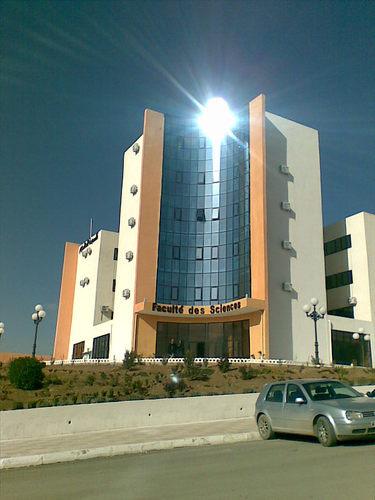
University Sétif 1 FERHAT ABBAS Faculty of Sciences
Détail de l'auteur
Auteur Ikram Bouras |
Documents disponibles écrits par cet auteur


 Ajouter le résultat dans votre panier Affiner la recherche
Titre : Application de l’optimisation bi-niveau aux réseaux sociaux Type de document : texte imprimé Auteurs : Youcef Bouabdallah, Auteur ; Ikram Bouras, Directeur de thèse Editeur : Setif:UFA Année de publication : 2021 Importance : 1 vol (35 f.) Format : 29 cm Langues : Français (fre) Catégories : Thèses & Mémoires:Mathématique Mots-clés : Programmation bi-niveaux
programmation linéaire en nombre entier
Réseaux sociauxIndex. décimale : 510 - Mathématique Résumé : On s’intéresse dans ce mémoire à l’étude d’une application de l’optimisation bi-niveaux
qui est un cas particulier de la programmation mathématique représenté par un problème
hiérarchique de deux niveaux de décision : première niveau appelé ʺ leaderʺ et second
appelé ʺFollower ʺ.
Nous étudions le problème de la maximisation d’influence dans les réseaux sociaux signés, il a été
formulé comme un problème linéaire bi-niveaux (PBL). Nous reformulons le problème en modèles
PLNE à un seul niveau en utilisant deux différentes conditions d’optimalité (condition d’optimalité de
KKT, le plus court chemin). Des tests numériques sont effectués sur des instances aléatoires pour
comparer les différentes formulations proposées.Côte titre : MAM/0480 En ligne : https://drive.google.com/file/d/1wx9Aow1Tn9nUHgPyk1JxfBWRmx6QZ6Pu/view?usp=shari [...] Format de la ressource électronique : Application de l’optimisation bi-niveau aux réseaux sociaux [texte imprimé] / Youcef Bouabdallah, Auteur ; Ikram Bouras, Directeur de thèse . - [S.l.] : Setif:UFA, 2021 . - 1 vol (35 f.) ; 29 cm.
Langues : Français (fre)
Catégories : Thèses & Mémoires:Mathématique Mots-clés : Programmation bi-niveaux
programmation linéaire en nombre entier
Réseaux sociauxIndex. décimale : 510 - Mathématique Résumé : On s’intéresse dans ce mémoire à l’étude d’une application de l’optimisation bi-niveaux
qui est un cas particulier de la programmation mathématique représenté par un problème
hiérarchique de deux niveaux de décision : première niveau appelé ʺ leaderʺ et second
appelé ʺFollower ʺ.
Nous étudions le problème de la maximisation d’influence dans les réseaux sociaux signés, il a été
formulé comme un problème linéaire bi-niveaux (PBL). Nous reformulons le problème en modèles
PLNE à un seul niveau en utilisant deux différentes conditions d’optimalité (condition d’optimalité de
KKT, le plus court chemin). Des tests numériques sont effectués sur des instances aléatoires pour
comparer les différentes formulations proposées.Côte titre : MAM/0480 En ligne : https://drive.google.com/file/d/1wx9Aow1Tn9nUHgPyk1JxfBWRmx6QZ6Pu/view?usp=shari [...] Format de la ressource électronique : Exemplaires (1)
Code-barres Cote Support Localisation Section Disponibilité MAM/0480 MAM/0480 Mémoire Bibliothèque des sciences Français Disponible
Disponible
Titre : Fonctions approximantes en programmation linéaire Type de document : texte imprimé Auteurs : Ikram Bouras Catégories : Thèses & Mémoires:Mathématique Mots-clés : Optimisation et contrôle Côte titre : MAM/0127 En ligne : https://drive.google.com/file/d/19aF9HlJNigyqOkEWvMUNPDh-KzXHobxn/view?usp=shari [...] Format de la ressource électronique : Fonctions approximantes en programmation linéaire [texte imprimé] / Ikram Bouras . - [s.d.].
Catégories : Thèses & Mémoires:Mathématique Mots-clés : Optimisation et contrôle Côte titre : MAM/0127 En ligne : https://drive.google.com/file/d/19aF9HlJNigyqOkEWvMUNPDh-KzXHobxn/view?usp=shari [...] Format de la ressource électronique : Exemplaires (1)
Code-barres Cote Support Localisation Section Disponibilité MAM/0127 MAM/0127 Mémoire Bibliothèque des sciences Français Disponible
Disponible
Titre : Heuristic algorithm to solve vehicle routing problem with drones Type de document : document électronique Auteurs : Assala Litim ; Ras Elaine Hachem, Auteur ; Ikram Bouras, Directeur de thèse Editeur : Setif:UFA Année de publication : 2025 Importance : 1 vol (49 f .) Format : 29 cm Langues : Anglais (eng) Catégories : Thèses & Mémoires:Informatique Mots-clés : Vehicle Routing Problem
Drones
Heuristics
Integer programmingIndex. décimale : 004 Informatique Résumé :
This thesis focuses on the Vehicle Routing Problem with Drones (VRPD), which is primarily a special
case of the classic Vehicle Routing Problem (VRP). The objective is to coordinate the use of trucks and
drones to carry out deliveries in order to optimize costs and delivery times. A precise mathematical model
is proposed, taking into account transportation constraints, drone endurance, and the demand that must
be satisfied within specified time windows.
For the solution approach, we presented a two-phase heuristic algorithm. In the first phase, we solve
the problem using only trucks in delivery. To find the routes of each truck, we used two methods : the
first one is solving a capacitated vehicle routing problem exactly by a branch-and-bound algorithm, and
the other one is a route-first cluster-second heuristic. The second phase involved the insertion of drones
into each truck route by an heuristic algorithmNote de contenu : Sommaire
Abstract ii
Résumé iii
List of tables vii
List of figures vii
List of Abbreviations ix
Introduction 1
1 General Vehicle Routing problem 3
1.1 Introduction . . . . . . . . . . . . . . . . . . . . . . . . . . . . . . . . . . . . . . . . . . . . 3
1.2 Classical VRP . . . . . . . . . . . . . . . . . . . . . . . . . . . . . . . . . . . . . . . . . . . 3
1.2.1 Definition . . . . . . . . . . . . . . . . . . . . . . . . . . . . . . . . . . . . . . . . . 3
1.2.2 Mathematical Formulation of VRP . . . . . . . . . . . . . . . . . . . . . . . . . . . 4
1.3 Applications in logistics . . . . . . . . . . . . . . . . . . . . . . . . . . . . . . . . . . . . . 6
1.4 Types of VRP . . . . . . . . . . . . . . . . . . . . . . . . . . . . . . . . . . . . . . . . . . . 7
1.5 Optimization approaches . . . . . . . . . . . . . . . . . . . . . . . . . . . . . . . . . . . . . 9
1.5.1 Exact Methods . . . . . . . . . . . . . . . . . . . . . . . . . . . . . . . . . . . . . . 9
1.5.2 Approximate Methods . . . . . . . . . . . . . . . . . . . . . . . . . . . . . . . . . . 11
1.6 Conclusion . . . . . . . . . . . . . . . . . . . . . . . . . . . . . . . . . . . . . . . . . . . . 13
2 VRP with drones 14
2.1 Introduction . . . . . . . . . . . . . . . . . . . . . . . . . . . . . . . . . . . . . . . . . . . . 14
2.2 Problem definition . . . . . . . . . . . . . . . . . . . . . . . . . . . . . . . . . . . . . . . . 14
2.3 Path-Based Reformulation of the VRPD . . . . . . . . . . . . . . . . . . . . . . . . . . . . 16
2.4 Mathematical Formulation . . . . . . . . . . . . . . . . . . . . . . . . . . . . . . . . . . . . 16
2.5 Extensions . . . . . . . . . . . . . . . . . . . . . . . . . . . . . . . . . . . . . . . . . . . . . 18
2.6 Real-world use cases and application . . . . . . . . . . . . . . . . . . . . . . . . . . . . . . 19
2.7 optimization Approaches . . . . . . . . . . . . . . . . . . . . . . . . . . . . . . . . . . . . . 20
2.7.1 Exact methods . . . . . . . . . . . . . . . . . . . . . . . . . . . . . . . . . . . . . . 21
2.7.2 Heuristics methods . . . . . . . . . . . . . . . . . . . . . . . . . . . . . . . . . . . . 21
2.8 Challenges and future directions . . . . . . . . . . . . . . . . . . . . . . . . . . . . . . . . 22
2.9 Conclusion . . . . . . . . . . . . . . . . . . . . . . . . . . . . . . . . . . . . . . . . . . . . 22
3 Two-Steps heuristic to solve VRPD 24
3.1 Problem definition . . . . . . . . . . . . . . . . . . . . . . . . . . . . . . . . . . . . . . . . 25
3.2 Mathematical Formulation of the VRP-D . . . . . . . . . . . . . . . . . . . . . . . . . . . 26
3.3 Resolution . . . . . . . . . . . . . . . . . . . . . . . . . . . . . . . . . . . . . . . . . . . . 28
3.3.1 Exact Method : . . . . . . . . . . . . . . . . . . . . . . . . . . . . . . . . . . . . . . 28
3.3.2 Heuristic method : . . . . . . . . . . . . . . . . . . . . . . . . . . . . . . . . . . . . 28
3.3.3 Example of Resolution . . . . . . . . . . . . . . . . . . . . . . . . . . . . . . . . . . 32
4 Implementation details and Results 36
4.1 Introduction . . . . . . . . . . . . . . . . . . . . . . . . . . . . . . . . . . . . . . . . . . . . 36
4.2 Tools and Development Environment . . . . . . . . . . . . . . . . . . . . . . . . . . . . . . 36
4.3 Implementation details . . . . . . . . . . . . . . . . . . . . . . . . . . . . . . . . . . . . . 41
4.3.1 Data Generation . . . . . . . . . . . . . . . . . . . . . . . . . . . . . . . . . . . . . 41
4.3.2 Implementation of Solving VRPD Using Exact Method . . . . . . . . . . . . . . . 42
4.3.3 Comparative Evaluation . . . . . . . . . . . . . . . . . . . . . . . . . . . . . . . . 43
4.3.4 Computed Metrics . . . . . . . . . . . . . . . . . . . . . . . . . . . . . . . . . . . . 43
4.3.5 Evaluation Table . . . . . . . . . . . . . . . . . . . . . . . . . . . . . . . . . . . . . 44
4.3.6 Key Observations . . . . . . . . . . . . . . . . . . . . . . . . . . . . . . . . . . . . . 44
4.4 Global Comparison of Exact and Heuristic Methods for solving Vehicle Routing problems
(VRPD) . . . . . . . . . . . . . . . . . . . . . . . . . . . . . . . . . . . . . . . . . . . . . . 44
4.5 Conclusion . . . . . . . . . . . . . . . . . . . . . . . . . . . . . . . . . . . . . . . . . . . . 44
Conclusion 45
References 49Côte titre : MAI/1048 Heuristic algorithm to solve vehicle routing problem with drones [document électronique] / Assala Litim ; Ras Elaine Hachem, Auteur ; Ikram Bouras, Directeur de thèse . - [S.l.] : Setif:UFA, 2025 . - 1 vol (49 f .) ; 29 cm.
Langues : Anglais (eng)
Catégories : Thèses & Mémoires:Informatique Mots-clés : Vehicle Routing Problem
Drones
Heuristics
Integer programmingIndex. décimale : 004 Informatique Résumé :
This thesis focuses on the Vehicle Routing Problem with Drones (VRPD), which is primarily a special
case of the classic Vehicle Routing Problem (VRP). The objective is to coordinate the use of trucks and
drones to carry out deliveries in order to optimize costs and delivery times. A precise mathematical model
is proposed, taking into account transportation constraints, drone endurance, and the demand that must
be satisfied within specified time windows.
For the solution approach, we presented a two-phase heuristic algorithm. In the first phase, we solve
the problem using only trucks in delivery. To find the routes of each truck, we used two methods : the
first one is solving a capacitated vehicle routing problem exactly by a branch-and-bound algorithm, and
the other one is a route-first cluster-second heuristic. The second phase involved the insertion of drones
into each truck route by an heuristic algorithmNote de contenu : Sommaire
Abstract ii
Résumé iii
List of tables vii
List of figures vii
List of Abbreviations ix
Introduction 1
1 General Vehicle Routing problem 3
1.1 Introduction . . . . . . . . . . . . . . . . . . . . . . . . . . . . . . . . . . . . . . . . . . . . 3
1.2 Classical VRP . . . . . . . . . . . . . . . . . . . . . . . . . . . . . . . . . . . . . . . . . . . 3
1.2.1 Definition . . . . . . . . . . . . . . . . . . . . . . . . . . . . . . . . . . . . . . . . . 3
1.2.2 Mathematical Formulation of VRP . . . . . . . . . . . . . . . . . . . . . . . . . . . 4
1.3 Applications in logistics . . . . . . . . . . . . . . . . . . . . . . . . . . . . . . . . . . . . . 6
1.4 Types of VRP . . . . . . . . . . . . . . . . . . . . . . . . . . . . . . . . . . . . . . . . . . . 7
1.5 Optimization approaches . . . . . . . . . . . . . . . . . . . . . . . . . . . . . . . . . . . . . 9
1.5.1 Exact Methods . . . . . . . . . . . . . . . . . . . . . . . . . . . . . . . . . . . . . . 9
1.5.2 Approximate Methods . . . . . . . . . . . . . . . . . . . . . . . . . . . . . . . . . . 11
1.6 Conclusion . . . . . . . . . . . . . . . . . . . . . . . . . . . . . . . . . . . . . . . . . . . . 13
2 VRP with drones 14
2.1 Introduction . . . . . . . . . . . . . . . . . . . . . . . . . . . . . . . . . . . . . . . . . . . . 14
2.2 Problem definition . . . . . . . . . . . . . . . . . . . . . . . . . . . . . . . . . . . . . . . . 14
2.3 Path-Based Reformulation of the VRPD . . . . . . . . . . . . . . . . . . . . . . . . . . . . 16
2.4 Mathematical Formulation . . . . . . . . . . . . . . . . . . . . . . . . . . . . . . . . . . . . 16
2.5 Extensions . . . . . . . . . . . . . . . . . . . . . . . . . . . . . . . . . . . . . . . . . . . . . 18
2.6 Real-world use cases and application . . . . . . . . . . . . . . . . . . . . . . . . . . . . . . 19
2.7 optimization Approaches . . . . . . . . . . . . . . . . . . . . . . . . . . . . . . . . . . . . . 20
2.7.1 Exact methods . . . . . . . . . . . . . . . . . . . . . . . . . . . . . . . . . . . . . . 21
2.7.2 Heuristics methods . . . . . . . . . . . . . . . . . . . . . . . . . . . . . . . . . . . . 21
2.8 Challenges and future directions . . . . . . . . . . . . . . . . . . . . . . . . . . . . . . . . 22
2.9 Conclusion . . . . . . . . . . . . . . . . . . . . . . . . . . . . . . . . . . . . . . . . . . . . 22
3 Two-Steps heuristic to solve VRPD 24
3.1 Problem definition . . . . . . . . . . . . . . . . . . . . . . . . . . . . . . . . . . . . . . . . 25
3.2 Mathematical Formulation of the VRP-D . . . . . . . . . . . . . . . . . . . . . . . . . . . 26
3.3 Resolution . . . . . . . . . . . . . . . . . . . . . . . . . . . . . . . . . . . . . . . . . . . . 28
3.3.1 Exact Method : . . . . . . . . . . . . . . . . . . . . . . . . . . . . . . . . . . . . . . 28
3.3.2 Heuristic method : . . . . . . . . . . . . . . . . . . . . . . . . . . . . . . . . . . . . 28
3.3.3 Example of Resolution . . . . . . . . . . . . . . . . . . . . . . . . . . . . . . . . . . 32
4 Implementation details and Results 36
4.1 Introduction . . . . . . . . . . . . . . . . . . . . . . . . . . . . . . . . . . . . . . . . . . . . 36
4.2 Tools and Development Environment . . . . . . . . . . . . . . . . . . . . . . . . . . . . . . 36
4.3 Implementation details . . . . . . . . . . . . . . . . . . . . . . . . . . . . . . . . . . . . . 41
4.3.1 Data Generation . . . . . . . . . . . . . . . . . . . . . . . . . . . . . . . . . . . . . 41
4.3.2 Implementation of Solving VRPD Using Exact Method . . . . . . . . . . . . . . . 42
4.3.3 Comparative Evaluation . . . . . . . . . . . . . . . . . . . . . . . . . . . . . . . . 43
4.3.4 Computed Metrics . . . . . . . . . . . . . . . . . . . . . . . . . . . . . . . . . . . . 43
4.3.5 Evaluation Table . . . . . . . . . . . . . . . . . . . . . . . . . . . . . . . . . . . . . 44
4.3.6 Key Observations . . . . . . . . . . . . . . . . . . . . . . . . . . . . . . . . . . . . . 44
4.4 Global Comparison of Exact and Heuristic Methods for solving Vehicle Routing problems
(VRPD) . . . . . . . . . . . . . . . . . . . . . . . . . . . . . . . . . . . . . . . . . . . . . . 44
4.5 Conclusion . . . . . . . . . . . . . . . . . . . . . . . . . . . . . . . . . . . . . . . . . . . . 44
Conclusion 45
References 49Côte titre : MAI/1048 Exemplaires (1)
Code-barres Cote Support Localisation Section Disponibilité MAI/1048 MAI/1048 Mémoire Bibliothèque des sciences Anglais Disponible
Disponible
Titre : Solution techniques for the Bi-level Knapsack Problem Type de document : texte imprimé Auteurs : Lilia houda Bessou, Auteur ; Khaoula imene Guitane ; Ikram Bouras, Directeur de thèse Editeur : Setif:UFA Année de publication : 2024 Importance : 1 vol (68 f .) Format : 29 cm Langues : Anglais (eng) Catégories : Thèses & Mémoires:Informatique Mots-clés : Knapsack problem
Bi-level programming
Dynamic programming
Integer programmingIndex. décimale : 004 - Informatique Résumé :
The bilevel knapsack problem (BKP) is a complex combinatorial optimization
problem characterized by a hierarchical two-level decisionmaking
structure, where decisions made at the upper level (leader)
directly influence the lower level (follower). Traditional knapsack
problem-solving methods are inadequate for addressing the intricacies
of the BKP due to this interaction. This thesis study an exact
algorithm, DPBKP, designed to solve the BKP effectively based on a
reformulation of the problem into an integer programming problem.
This thesis provides numerical experiments on randomly generated
instances.Note de contenu : Sommaire
Introduction 1
1 Preliminary Notions 3
1.1 Integer Linear Programming (ILP) . . . . . . . . . . . . . . . . . 3
1.1.1 Definition of the ILP problem . . . . . . . . . . . . . . . . 4
1.1.2 The advantages of Integer Linear Programming (ILP) . . . 5
1.1.3 Exact algorithms to solve ILP . . . . . . . . . . . . . . . . 5
1.2 Two-level (bi-level) optimization . . . . . . . . . . . . . . . . . . . 8
1.2.1 Bi-Level Linear Programming (BLP) . . . . . . . . . . . . 9
1.2.2 Non-uniqueness of the optimal solution of the “Follower” . 12
1.2.3 Algorithms to solve BLP . . . . . . . . . . . . . . . . . . . 13
2 The general Knapsack problem 16
2.1 Historical Overview of the Knapsack Problem . . . . . . . . . . . 16
2.2 The general Knapsack problem . . . . . . . . . . . . . . . . . . . 18
2.3 Applications . . . . . . . . . . . . . . . . . . . . . . . . . . . . . 20
2.4 Types of the Knapsack Problem . . . . . . . . . . . . . . . . . . . 22
2.4.1 Bounded Knapsack Problem . . . . . . . . . . . . . . . . . 24
2.4.2 Unbounded Knapsack Problem . . . . . . . . . . . . . . . 25
2.4.3 Multiple-choice Knapsack Problem . . . . . . . . . . . . . 26
2.5 Algorithms . . . . . . . . . . . . . . . . . . . . . . . . . . . . . . . 27
2.5.1 Brute Force Approach . . . . . . . . . . . . . . . . . . . . 27
2.5.2 Greedy Algorithms . . . . . . . . . . . . . . . . . . . . . . 27
2.5.3 Approximation Algorithms . . . . . . . . . . . . . . . . . . 28
2.5.4 Exact methods . . . . . . . . . . . . . . . . . . . . . . . . 28
3 Bi-Level Knapsack Problem 31
3.1 introduction . . . . . . . . . . . . . . . . . . . . . . . . . . . . . . 31
3.2 mathematical formulation . . . . . . . . . . . . . . . . . . . . . . 32
3.3 One-level reformulation of the bilevel knapsack problem . . . . . . 35
3.4 Application Example . . . . . . . . . . . . . . . . . . . . . . . . . 43
4 Numerical results 47
4.1 Software tools . . . . . . . . . . . . . . . . . . . . . . . . . . . . . 47
4.1.1 Julia programming language . . . . . . . . . . . . . . . . 48
4.1.2 JuMP modeling language . . . . . . . . . . . . . . . . . . 49
4.1.3 HiGHS . . . . . . . . . . . . . . . . . . . . . . . . . . . . . 51
4.1.4 Packages and Stalls . . . . . . . . . . . . . . . . . . . . . . 52
4.2 Numerical Results . . . . . . . . . . . . . . . . . . . . . . . . . . . 53
4.2.1 Data generator . . . . . . . . . . . . . . . . . . . . . . . . 53
4.2.2 Problem solving . . . . . . . . . . . . . . . . . . . . . . . . 55
4.2.3 Results discussion . . . . . . . . . . . . . . . . . . . . . . 57Côte titre : MAI/0859 Solution techniques for the Bi-level Knapsack Problem [texte imprimé] / Lilia houda Bessou, Auteur ; Khaoula imene Guitane ; Ikram Bouras, Directeur de thèse . - [S.l.] : Setif:UFA, 2024 . - 1 vol (68 f .) ; 29 cm.
Langues : Anglais (eng)
Catégories : Thèses & Mémoires:Informatique Mots-clés : Knapsack problem
Bi-level programming
Dynamic programming
Integer programmingIndex. décimale : 004 - Informatique Résumé :
The bilevel knapsack problem (BKP) is a complex combinatorial optimization
problem characterized by a hierarchical two-level decisionmaking
structure, where decisions made at the upper level (leader)
directly influence the lower level (follower). Traditional knapsack
problem-solving methods are inadequate for addressing the intricacies
of the BKP due to this interaction. This thesis study an exact
algorithm, DPBKP, designed to solve the BKP effectively based on a
reformulation of the problem into an integer programming problem.
This thesis provides numerical experiments on randomly generated
instances.Note de contenu : Sommaire
Introduction 1
1 Preliminary Notions 3
1.1 Integer Linear Programming (ILP) . . . . . . . . . . . . . . . . . 3
1.1.1 Definition of the ILP problem . . . . . . . . . . . . . . . . 4
1.1.2 The advantages of Integer Linear Programming (ILP) . . . 5
1.1.3 Exact algorithms to solve ILP . . . . . . . . . . . . . . . . 5
1.2 Two-level (bi-level) optimization . . . . . . . . . . . . . . . . . . . 8
1.2.1 Bi-Level Linear Programming (BLP) . . . . . . . . . . . . 9
1.2.2 Non-uniqueness of the optimal solution of the “Follower” . 12
1.2.3 Algorithms to solve BLP . . . . . . . . . . . . . . . . . . . 13
2 The general Knapsack problem 16
2.1 Historical Overview of the Knapsack Problem . . . . . . . . . . . 16
2.2 The general Knapsack problem . . . . . . . . . . . . . . . . . . . 18
2.3 Applications . . . . . . . . . . . . . . . . . . . . . . . . . . . . . 20
2.4 Types of the Knapsack Problem . . . . . . . . . . . . . . . . . . . 22
2.4.1 Bounded Knapsack Problem . . . . . . . . . . . . . . . . . 24
2.4.2 Unbounded Knapsack Problem . . . . . . . . . . . . . . . 25
2.4.3 Multiple-choice Knapsack Problem . . . . . . . . . . . . . 26
2.5 Algorithms . . . . . . . . . . . . . . . . . . . . . . . . . . . . . . . 27
2.5.1 Brute Force Approach . . . . . . . . . . . . . . . . . . . . 27
2.5.2 Greedy Algorithms . . . . . . . . . . . . . . . . . . . . . . 27
2.5.3 Approximation Algorithms . . . . . . . . . . . . . . . . . . 28
2.5.4 Exact methods . . . . . . . . . . . . . . . . . . . . . . . . 28
3 Bi-Level Knapsack Problem 31
3.1 introduction . . . . . . . . . . . . . . . . . . . . . . . . . . . . . . 31
3.2 mathematical formulation . . . . . . . . . . . . . . . . . . . . . . 32
3.3 One-level reformulation of the bilevel knapsack problem . . . . . . 35
3.4 Application Example . . . . . . . . . . . . . . . . . . . . . . . . . 43
4 Numerical results 47
4.1 Software tools . . . . . . . . . . . . . . . . . . . . . . . . . . . . . 47
4.1.1 Julia programming language . . . . . . . . . . . . . . . . 48
4.1.2 JuMP modeling language . . . . . . . . . . . . . . . . . . 49
4.1.3 HiGHS . . . . . . . . . . . . . . . . . . . . . . . . . . . . . 51
4.1.4 Packages and Stalls . . . . . . . . . . . . . . . . . . . . . . 52
4.2 Numerical Results . . . . . . . . . . . . . . . . . . . . . . . . . . . 53
4.2.1 Data generator . . . . . . . . . . . . . . . . . . . . . . . . 53
4.2.2 Problem solving . . . . . . . . . . . . . . . . . . . . . . . . 55
4.2.3 Results discussion . . . . . . . . . . . . . . . . . . . . . . 57Côte titre : MAI/0859 Exemplaires (1)
Code-barres Cote Support Localisation Section Disponibilité MAI/0859 MAI/0859 Mémoire Bibliothèque des sciences Anglais Disponible
Disponible