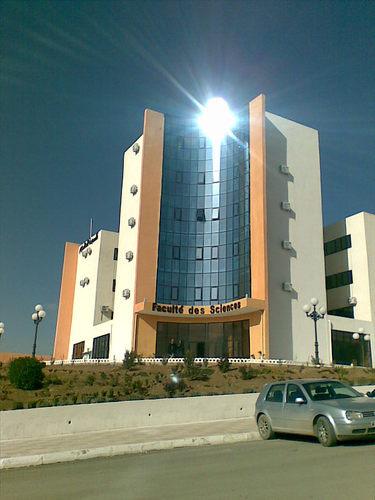
University Sétif 1 FERHAT ABBAS Faculty of Sciences
Détail de l'auteur
Auteur Amel Douar |
Documents disponibles écrits par cet auteur


 Ajouter le résultat dans votre panier Affiner la recherche
Development of an Intelligent Application for Parental Supervision of Digital Activities on Social Media / Rahma Azil
Titre : Development of an Intelligent Application for Parental Supervision of Digital Activities on Social Media Type de document : document électronique Auteurs : Rahma Azil ; Hadil Guerioune, Auteur ; Amel Douar, Directeur de thèse Editeur : Setif:UFA Année de publication : 2025 Importance : 1 vol (79 f .) Format : 29 cm Langues : Anglais (eng) Catégories : Thèses & Mémoires:Informatique Mots-clés : Informatique
Intelligent ApplicationIndex. décimale : 004 Informatique Résumé :
As part of our Master’s degree, this work presents the development of an intelligent
application for parental supervision of children’s digital activities, with a particular focus
on social media usage. The primary objective of this project is to offer parents a comprehensive
and intelligent digital solution that enables them to monitor, guide, and manage
their children’s interactions on social media platforms in a safe, ethical, and responsible
way.
The application addresses increasing concerns about children’s exposure to inappropriate
content, online threats, and excessive screen time. It incorporates key features
such as screen time monitoring, tracking of installed and uninstalled applications, and
real-time location tracking, all while respecting usability and privacy standards.
Developed as a cross-platform mobile application using Flutter, the system ensures
compatibility across both Android and iOS devices. The back-end infrastructure is powered
by Google Firebase, enabling secure user authentication, real-time data synchronization,
and cloud-based storage.
We believe that this intelligent parental control system can help families build a safer
digital environment and empower parents to support and guide their children’s online
behavior with greater confidence and ease.Note de contenu : Sommaire
General Introduction 1
0.0.1 Screen time control . . . . . . . . . . . . . . . . . . . . . . . . . . . 2
0.0.2 Location tracking . . . . . . . . . . . . . . . . . . . . . . . . . . . . 2
1 State of the Art 4
1.1 Introduction . . . . . . . . . . . . . . . . . . . . . . . . . . . . . . . . . . . 5
1.2 Definition of Parental Control . . . . . . . . . . . . . . . . . . . . . . . . . 5
1.2.1 Classical Definitions . . . . . . . . . . . . . . . . . . . . . . . . . . 5
1.2.2 Recent Definitions and Digital Trends . . . . . . . . . . . . . . . . 6
1.2.3 Synthesis of Definitions . . . . . . . . . . . . . . . . . . . . . . . . 6
1.2.4 Proposed Definition . . . . . . . . . . . . . . . . . . . . . . . . . . 6
1.3 Importance of Parental Control . . . . . . . . . . . . . . . . . . . . . . . . 7
1.4 Types of Parental Control Solutions . . . . . . . . . . . . . . . . . . . . . . 8
1.4.1 Software-Based Parental Control . . . . . . . . . . . . . . . . . . . 8
1.4.2 OS-Level Parental Control . . . . . . . . . . . . . . . . . . . . . . . 9
1.4.3 Network-Level Parental Control . . . . . . . . . . . . . . . . . . . . 9
1.5 Parental Control and Artificial Intelligence . . . . . . . . . . . . . . . . . . 9
1.5.1 Contributions of AI in Parental Control . . . . . . . . . . . . . . . 9
1.5.2 Research and Trends . . . . . . . . . . . . . . . . . . . . . . . . . . 10
1.5.3 Limitations and Challenges . . . . . . . . . . . . . . . . . . . . . . 10
1.6 Parental Control and Cybersecurity: Protecting Children from Digital Risks 10
1.6.1 Cybersecurity Challenges for Children . . . . . . . . . . . . . . . . 10
1.6.2 Contribution of Parental Control to Cybersecurity . . . . . . . . . 11
1.6.3 Best Practices for Combined Protection . . . . . . . . . . . . . . . 12
1.6.4 Towards Child-Centered Cybersecurity . . . . . . . . . . . . . . . . 12
1.7 Classification of Parental Control Applications . . . . . . . . . . . . . . . . 12
1.7.1 According to the Features Offered . . . . . . . . . . . . . . . . . . . 12
1.7.2 According to the Targeted Platform . . . . . . . . . . . . . . . . . 14
1.7.3 According to the Business Model . . . . . . . . . . . . . . . . . . . 15
1.8 Conclusion . . . . . . . . . . . . . . . . . . . . . . . . . . . . . . . . . . . . 15
2 Existing Applications and Related Work 17
2.1 Introduction . . . . . . . . . . . . . . . . . . . . . . . . . . . . . . . . . . . 18
2.1.1 Overview of Existing Applications . . . . . . . . . . . . . . . . . . 18
2.1.2 Comparative Table of Existing Applications . . . . . . . . . . . . . 19
2.1.3 Discussion and Observations . . . . . . . . . . . . . . . . . . . . . . 20
2.2 Commercial Parental Control Applications . . . . . . . . . . . . . . . . . . 20
2.2.1 Google Family Link . . . . . . . . . . . . . . . . . . . . . . . . . . 20
2.2.2 Qustodio . . . . . . . . . . . . . . . . . . . . . . . . . . . . . . . . 21
2.2.3 FamiSafe . . . . . . . . . . . . . . . . . . . . . . . . . . . . . . . . 21
2.2.4 Net Nanny . . . . . . . . . . . . . . . . . . . . . . . . . . . . . . . 22
2.2.5 Norton Family . . . . . . . . . . . . . . . . . . . . . . . . . . . . . 22
2.2.6 Screen Time Control . . . . . . . . . . . . . . . . . . . . . . . . . . 23
2.2.7 Web Filtering . . . . . . . . . . . . . . . . . . . . . . . . . . . . . . 23
2.2.8 Geolocation and Alerts . . . . . . . . . . . . . . . . . . . . . . . . . 23
2.2.9 App Monitoring . . . . . . . . . . . . . . . . . . . . . . . . . . . . 23
2.2.10 Platform Compatibility . . . . . . . . . . . . . . . . . . . . . . . . 23
2.2.11 Privacy and Data Hosting . . . . . . . . . . . . . . . . . . . . . . . 23
2.3 Academic and Technical Literature Review . . . . . . . . . . . . . . . . . . 23
2.3.1 Digital Mediation and Parental Strategies . . . . . . . . . . . . . . 24
2.3.2 Geolocation and Mobile Tracking . . . . . . . . . . . . . . . . . . . 24
2.3.3 Screen Time and Cognitive Development . . . . . . . . . . . . . . . 24
2.3.4 Ethical and Legal Considerations . . . . . . . . . . . . . . . . . . . 24
2.3.5 AI and Smart Monitoring . . . . . . . . . . . . . . . . . . . . . . . 25
2.4 Privacy, Security, and Limitations of Current Systems . . . . . . . . . . . . 25
2.4.1 Privacy Concerns . . . . . . . . . . . . . . . . . . . . . . . . . . . . 26
2.4.2 Security Weaknesses . . . . . . . . . . . . . . . . . . . . . . . . . . 26
2.4.3 Usability and Adoption Issues . . . . . . . . . . . . . . . . . . . . . 27
2.4.4 Limitations in Functionality . . . . . . . . . . . . . . . . . . . . . . 27
2.4.5 Ethical Dilemmas . . . . . . . . . . . . . . . . . . . . . . . . . . . . 27
3 Design and Specification of the Parental Control Application 29
3.1 Introduction . . . . . . . . . . . . . . . . . . . . . . . . . . . . . . . . . . . 30
3.2 Problem Statement and Objectives . . . . . . . . . . . . . . . . . . . . . . 30
3.2.1 Problem Statement . . . . . . . . . . . . . . . . . . . . . . . . . . . 30
3.2.2 Objectives . . . . . . . . . . . . . . . . . . . . . . . . . . . . . . . . 31
3.3 Design of parental control application . . . . . . . . . . . . . . . . . . . . . 31
3.3.1 Requirements Analysis . . . . . . . . . . . . . . . . . . . . . . . . . 32
3.4 System Architecture Description . . . . . . . . . . . . . . . . . . . . . . . . 33
3.4.1 Parent Application . . . . . . . . . . . . . . . . . . . . . . . . . . . 34
3.4.2 Child Application . . . . . . . . . . . . . . . . . . . . . . . . . . . . 34
3.4.3 Central System (Firebase) . . . . . . . . . . . . . . . . . . . . . . . 34
3.4.4 Use Case Diagram . . . . . . . . . . . . . . . . . . . . . . . . . . . 35
3.4.5 Sequence Diagrams . . . . . . . . . . . . . . . . . . . . . . . . . . . 37
3.4.6 Sequence Diagram ”Parent Login” . . . . . . . . . . . . . . . . . . 37
3.4.7 Sequence Diagram ”Sign Up” . . . . . . . . . . . . . . . . . . . . . 39
3.4.8 Sequence Diagram ”Forgot Password” . . . . . . . . . . . . . . . . 40
3.4.9 Sequence Diagram ”Add Child Process” . . . . . . . . . . . . . . . 41
3.4.10 Sequence Diagram ”Viewing Child App Usage” . . . . . . . . . . . 42
3.4.11 Sequence Diagram Description”View Child Location on Google Maps” 44
3.5 Sequence Diagram ”Child Login” . . . . . . . . . . . . . . . . . . . . . . . 45
3.6 Conclusion . . . . . . . . . . . . . . . . . . . . . . . . . . . . . . . . . . . . 46
4 Implementation 47
4.1 Implementation . . . . . . . . . . . . . . . . . . . . . . . . . . . . . . . . . 48
4.2 Development Environment and Tools . . . . . . . . . . . . . . . . . . . . . 48
4.2.1 Flutter . . . . . . . . . . . . . . . . . . . . . . . . . . . . . . . . . . 48
4.2.2 Visual Studio Code . . . . . . . . . . . . . . . . . . . . . . . . . . . 49
4.2.3 Firebase . . . . . . . . . . . . . . . . . . . . . . . . . . . . . . . . . 50
4.3 User Interface Overview . . . . . . . . . . . . . . . . . . . . . . . . . . . . 50
4.3.1 Application Logo . . . . . . . . . . . . . . . . . . . . . . . . . . . . 50
4.3.2 Login Interface (Parent Child) . . . . . . . . . . . . . . . . . . . . 51
4.3.3 Register Interface . . . . . . . . . . . . . . . . . . . . . . . . . . . . 51
4.3.4 Parent Home Interface . . . . . . . . . . . . . . . . . . . . . . . . . 52
4.3.5 Add Child Interface . . . . . . . . . . . . . . . . . . . . . . . . . . 53
4.3.6 Children Management Interface – Parent View . . . . . . . . . . . 54
4.3.7 Child Connection Code Interface . . . . . . . . . . . . . . . . . . . 55
4.3.8 Check Device info . . . . . . . . . . . . . . . . . . . . . . . . . . . 56
4.3.9 See all installed apps . . . . . . . . . . . . . . . . . . . . . . . . . . 57
4.3.10 Location Interface (Google Maps) . . . . . . . . . . . . . . . . . . . 57
4.3.11 Child Home Interface . . . . . . . . . . . . . . . . . . . . . . . . . 58
4.4 Firebase Data Architecture . . . . . . . . . . . . . . . . . . . . . . . . . . 59
4.4.1 Firebase Authentication . . . . . . . . . . . . . . . . . . . . . . . . 59
4.4.2 Firebase Cloud Firestore Structure . . . . . . . . . . . . . . . . . . 60
4.4.3 Real-Time Data Synchronization . . . . . . . . . . . . . . . . . . . 62
4.5 Technical Challenges and Solutions . . . . . . . . . . . . . . . . . . . . . . 62
4.6 Initial Development Attempt Using Java . . . . . . . . . . . . . . . . . . . 63
4.6.1 Login Interface . . . . . . . . . . . . . . . . . . . . . . . . . . . . . 63
4.6.2 User Registration . . . . . . . . . . . . . . . . . . . . . . . . . . . . 64
4.6.3 Screen Time Monitoring . . . . . . . . . . . . . . . . . . . . . . . . 64
4.6.4 Application Blocking . . . . . . . . . . . . . . . . . . . . . . . . . . 65
4.6.5 SMS and Call Log Access . . . . . . . . . . . . . . . . . . . . . . . 65
4.6.6 Contact List Retrieval . . . . . . . . . . . . . . . . . . . . . . . . . 66
4.6.7 Challenges and Limitations . . . . . . . . . . . . . . . . . . . . . . 66
4.6.8 Motivation for Migration to Flutter . . . . . . . . . . . . . . . . . . 67
4.7 Conclusion . . . . . . . . . . . . . . . . . . . . . . . . . . . . . . . . . . . . 67
5 Conclusion and perspectives 69
Conclusion et perspectives 69Côte titre : MAI/1036 Development of an Intelligent Application for Parental Supervision of Digital Activities on Social Media [document électronique] / Rahma Azil ; Hadil Guerioune, Auteur ; Amel Douar, Directeur de thèse . - [S.l.] : Setif:UFA, 2025 . - 1 vol (79 f .) ; 29 cm.
Langues : Anglais (eng)
Catégories : Thèses & Mémoires:Informatique Mots-clés : Informatique
Intelligent ApplicationIndex. décimale : 004 Informatique Résumé :
As part of our Master’s degree, this work presents the development of an intelligent
application for parental supervision of children’s digital activities, with a particular focus
on social media usage. The primary objective of this project is to offer parents a comprehensive
and intelligent digital solution that enables them to monitor, guide, and manage
their children’s interactions on social media platforms in a safe, ethical, and responsible
way.
The application addresses increasing concerns about children’s exposure to inappropriate
content, online threats, and excessive screen time. It incorporates key features
such as screen time monitoring, tracking of installed and uninstalled applications, and
real-time location tracking, all while respecting usability and privacy standards.
Developed as a cross-platform mobile application using Flutter, the system ensures
compatibility across both Android and iOS devices. The back-end infrastructure is powered
by Google Firebase, enabling secure user authentication, real-time data synchronization,
and cloud-based storage.
We believe that this intelligent parental control system can help families build a safer
digital environment and empower parents to support and guide their children’s online
behavior with greater confidence and ease.Note de contenu : Sommaire
General Introduction 1
0.0.1 Screen time control . . . . . . . . . . . . . . . . . . . . . . . . . . . 2
0.0.2 Location tracking . . . . . . . . . . . . . . . . . . . . . . . . . . . . 2
1 State of the Art 4
1.1 Introduction . . . . . . . . . . . . . . . . . . . . . . . . . . . . . . . . . . . 5
1.2 Definition of Parental Control . . . . . . . . . . . . . . . . . . . . . . . . . 5
1.2.1 Classical Definitions . . . . . . . . . . . . . . . . . . . . . . . . . . 5
1.2.2 Recent Definitions and Digital Trends . . . . . . . . . . . . . . . . 6
1.2.3 Synthesis of Definitions . . . . . . . . . . . . . . . . . . . . . . . . 6
1.2.4 Proposed Definition . . . . . . . . . . . . . . . . . . . . . . . . . . 6
1.3 Importance of Parental Control . . . . . . . . . . . . . . . . . . . . . . . . 7
1.4 Types of Parental Control Solutions . . . . . . . . . . . . . . . . . . . . . . 8
1.4.1 Software-Based Parental Control . . . . . . . . . . . . . . . . . . . 8
1.4.2 OS-Level Parental Control . . . . . . . . . . . . . . . . . . . . . . . 9
1.4.3 Network-Level Parental Control . . . . . . . . . . . . . . . . . . . . 9
1.5 Parental Control and Artificial Intelligence . . . . . . . . . . . . . . . . . . 9
1.5.1 Contributions of AI in Parental Control . . . . . . . . . . . . . . . 9
1.5.2 Research and Trends . . . . . . . . . . . . . . . . . . . . . . . . . . 10
1.5.3 Limitations and Challenges . . . . . . . . . . . . . . . . . . . . . . 10
1.6 Parental Control and Cybersecurity: Protecting Children from Digital Risks 10
1.6.1 Cybersecurity Challenges for Children . . . . . . . . . . . . . . . . 10
1.6.2 Contribution of Parental Control to Cybersecurity . . . . . . . . . 11
1.6.3 Best Practices for Combined Protection . . . . . . . . . . . . . . . 12
1.6.4 Towards Child-Centered Cybersecurity . . . . . . . . . . . . . . . . 12
1.7 Classification of Parental Control Applications . . . . . . . . . . . . . . . . 12
1.7.1 According to the Features Offered . . . . . . . . . . . . . . . . . . . 12
1.7.2 According to the Targeted Platform . . . . . . . . . . . . . . . . . 14
1.7.3 According to the Business Model . . . . . . . . . . . . . . . . . . . 15
1.8 Conclusion . . . . . . . . . . . . . . . . . . . . . . . . . . . . . . . . . . . . 15
2 Existing Applications and Related Work 17
2.1 Introduction . . . . . . . . . . . . . . . . . . . . . . . . . . . . . . . . . . . 18
2.1.1 Overview of Existing Applications . . . . . . . . . . . . . . . . . . 18
2.1.2 Comparative Table of Existing Applications . . . . . . . . . . . . . 19
2.1.3 Discussion and Observations . . . . . . . . . . . . . . . . . . . . . . 20
2.2 Commercial Parental Control Applications . . . . . . . . . . . . . . . . . . 20
2.2.1 Google Family Link . . . . . . . . . . . . . . . . . . . . . . . . . . 20
2.2.2 Qustodio . . . . . . . . . . . . . . . . . . . . . . . . . . . . . . . . 21
2.2.3 FamiSafe . . . . . . . . . . . . . . . . . . . . . . . . . . . . . . . . 21
2.2.4 Net Nanny . . . . . . . . . . . . . . . . . . . . . . . . . . . . . . . 22
2.2.5 Norton Family . . . . . . . . . . . . . . . . . . . . . . . . . . . . . 22
2.2.6 Screen Time Control . . . . . . . . . . . . . . . . . . . . . . . . . . 23
2.2.7 Web Filtering . . . . . . . . . . . . . . . . . . . . . . . . . . . . . . 23
2.2.8 Geolocation and Alerts . . . . . . . . . . . . . . . . . . . . . . . . . 23
2.2.9 App Monitoring . . . . . . . . . . . . . . . . . . . . . . . . . . . . 23
2.2.10 Platform Compatibility . . . . . . . . . . . . . . . . . . . . . . . . 23
2.2.11 Privacy and Data Hosting . . . . . . . . . . . . . . . . . . . . . . . 23
2.3 Academic and Technical Literature Review . . . . . . . . . . . . . . . . . . 23
2.3.1 Digital Mediation and Parental Strategies . . . . . . . . . . . . . . 24
2.3.2 Geolocation and Mobile Tracking . . . . . . . . . . . . . . . . . . . 24
2.3.3 Screen Time and Cognitive Development . . . . . . . . . . . . . . . 24
2.3.4 Ethical and Legal Considerations . . . . . . . . . . . . . . . . . . . 24
2.3.5 AI and Smart Monitoring . . . . . . . . . . . . . . . . . . . . . . . 25
2.4 Privacy, Security, and Limitations of Current Systems . . . . . . . . . . . . 25
2.4.1 Privacy Concerns . . . . . . . . . . . . . . . . . . . . . . . . . . . . 26
2.4.2 Security Weaknesses . . . . . . . . . . . . . . . . . . . . . . . . . . 26
2.4.3 Usability and Adoption Issues . . . . . . . . . . . . . . . . . . . . . 27
2.4.4 Limitations in Functionality . . . . . . . . . . . . . . . . . . . . . . 27
2.4.5 Ethical Dilemmas . . . . . . . . . . . . . . . . . . . . . . . . . . . . 27
3 Design and Specification of the Parental Control Application 29
3.1 Introduction . . . . . . . . . . . . . . . . . . . . . . . . . . . . . . . . . . . 30
3.2 Problem Statement and Objectives . . . . . . . . . . . . . . . . . . . . . . 30
3.2.1 Problem Statement . . . . . . . . . . . . . . . . . . . . . . . . . . . 30
3.2.2 Objectives . . . . . . . . . . . . . . . . . . . . . . . . . . . . . . . . 31
3.3 Design of parental control application . . . . . . . . . . . . . . . . . . . . . 31
3.3.1 Requirements Analysis . . . . . . . . . . . . . . . . . . . . . . . . . 32
3.4 System Architecture Description . . . . . . . . . . . . . . . . . . . . . . . . 33
3.4.1 Parent Application . . . . . . . . . . . . . . . . . . . . . . . . . . . 34
3.4.2 Child Application . . . . . . . . . . . . . . . . . . . . . . . . . . . . 34
3.4.3 Central System (Firebase) . . . . . . . . . . . . . . . . . . . . . . . 34
3.4.4 Use Case Diagram . . . . . . . . . . . . . . . . . . . . . . . . . . . 35
3.4.5 Sequence Diagrams . . . . . . . . . . . . . . . . . . . . . . . . . . . 37
3.4.6 Sequence Diagram ”Parent Login” . . . . . . . . . . . . . . . . . . 37
3.4.7 Sequence Diagram ”Sign Up” . . . . . . . . . . . . . . . . . . . . . 39
3.4.8 Sequence Diagram ”Forgot Password” . . . . . . . . . . . . . . . . 40
3.4.9 Sequence Diagram ”Add Child Process” . . . . . . . . . . . . . . . 41
3.4.10 Sequence Diagram ”Viewing Child App Usage” . . . . . . . . . . . 42
3.4.11 Sequence Diagram Description”View Child Location on Google Maps” 44
3.5 Sequence Diagram ”Child Login” . . . . . . . . . . . . . . . . . . . . . . . 45
3.6 Conclusion . . . . . . . . . . . . . . . . . . . . . . . . . . . . . . . . . . . . 46
4 Implementation 47
4.1 Implementation . . . . . . . . . . . . . . . . . . . . . . . . . . . . . . . . . 48
4.2 Development Environment and Tools . . . . . . . . . . . . . . . . . . . . . 48
4.2.1 Flutter . . . . . . . . . . . . . . . . . . . . . . . . . . . . . . . . . . 48
4.2.2 Visual Studio Code . . . . . . . . . . . . . . . . . . . . . . . . . . . 49
4.2.3 Firebase . . . . . . . . . . . . . . . . . . . . . . . . . . . . . . . . . 50
4.3 User Interface Overview . . . . . . . . . . . . . . . . . . . . . . . . . . . . 50
4.3.1 Application Logo . . . . . . . . . . . . . . . . . . . . . . . . . . . . 50
4.3.2 Login Interface (Parent Child) . . . . . . . . . . . . . . . . . . . . 51
4.3.3 Register Interface . . . . . . . . . . . . . . . . . . . . . . . . . . . . 51
4.3.4 Parent Home Interface . . . . . . . . . . . . . . . . . . . . . . . . . 52
4.3.5 Add Child Interface . . . . . . . . . . . . . . . . . . . . . . . . . . 53
4.3.6 Children Management Interface – Parent View . . . . . . . . . . . 54
4.3.7 Child Connection Code Interface . . . . . . . . . . . . . . . . . . . 55
4.3.8 Check Device info . . . . . . . . . . . . . . . . . . . . . . . . . . . 56
4.3.9 See all installed apps . . . . . . . . . . . . . . . . . . . . . . . . . . 57
4.3.10 Location Interface (Google Maps) . . . . . . . . . . . . . . . . . . . 57
4.3.11 Child Home Interface . . . . . . . . . . . . . . . . . . . . . . . . . 58
4.4 Firebase Data Architecture . . . . . . . . . . . . . . . . . . . . . . . . . . 59
4.4.1 Firebase Authentication . . . . . . . . . . . . . . . . . . . . . . . . 59
4.4.2 Firebase Cloud Firestore Structure . . . . . . . . . . . . . . . . . . 60
4.4.3 Real-Time Data Synchronization . . . . . . . . . . . . . . . . . . . 62
4.5 Technical Challenges and Solutions . . . . . . . . . . . . . . . . . . . . . . 62
4.6 Initial Development Attempt Using Java . . . . . . . . . . . . . . . . . . . 63
4.6.1 Login Interface . . . . . . . . . . . . . . . . . . . . . . . . . . . . . 63
4.6.2 User Registration . . . . . . . . . . . . . . . . . . . . . . . . . . . . 64
4.6.3 Screen Time Monitoring . . . . . . . . . . . . . . . . . . . . . . . . 64
4.6.4 Application Blocking . . . . . . . . . . . . . . . . . . . . . . . . . . 65
4.6.5 SMS and Call Log Access . . . . . . . . . . . . . . . . . . . . . . . 65
4.6.6 Contact List Retrieval . . . . . . . . . . . . . . . . . . . . . . . . . 66
4.6.7 Challenges and Limitations . . . . . . . . . . . . . . . . . . . . . . 66
4.6.8 Motivation for Migration to Flutter . . . . . . . . . . . . . . . . . . 67
4.7 Conclusion . . . . . . . . . . . . . . . . . . . . . . . . . . . . . . . . . . . . 67
5 Conclusion and perspectives 69
Conclusion et perspectives 69Côte titre : MAI/1036 Exemplaires (1)
Code-barres Cote Support Localisation Section Disponibilité MAI/1036 MAI/1036 Mémoire Bibliothèque des sciences Anglais Disponible
Disponible
Titre : Extraction des éléments pertinents dans un texte Type de document : texte imprimé Auteurs : Soulef Elkolli, Auteur ; Amel Douar, Directeur de thèse Année de publication : 2022 Langues : Français (fre) Catégories : Thèses & Mémoires:Informatique Mots-clés : l'exploration de données Index. décimale : 004 Informatique Résumé :
Notre travail est a l’intersection des domaines suivant : le Text Minig, le traitement du langage naturel, l’extraction des informations et l’apprentissage des travaux pratique à distance.
L’objectif de notre travail est de générer un résumé automatique d’une feuille de TP. Pour cela on a proposé un processus de génération automatique qui intègre les techniques de Text Minig, les méthodes de Summurization du langage naturel et les différentes méthodes d’extraction de l’information.
Côte titre : MAI/0564 En ligne : https://docs.google.com/document/d/1MaQFgLqwDs6ErrPAcmeFmcJtXU_XnBxf/edit?usp=sh [...] Format de la ressource électronique : doc Extraction des éléments pertinents dans un texte [texte imprimé] / Soulef Elkolli, Auteur ; Amel Douar, Directeur de thèse . - 2022.
Langues : Français (fre)
Catégories : Thèses & Mémoires:Informatique Mots-clés : l'exploration de données Index. décimale : 004 Informatique Résumé :
Notre travail est a l’intersection des domaines suivant : le Text Minig, le traitement du langage naturel, l’extraction des informations et l’apprentissage des travaux pratique à distance.
L’objectif de notre travail est de générer un résumé automatique d’une feuille de TP. Pour cela on a proposé un processus de génération automatique qui intègre les techniques de Text Minig, les méthodes de Summurization du langage naturel et les différentes méthodes d’extraction de l’information.
Côte titre : MAI/0564 En ligne : https://docs.google.com/document/d/1MaQFgLqwDs6ErrPAcmeFmcJtXU_XnBxf/edit?usp=sh [...] Format de la ressource électronique : doc Exemplaires (1)
Code-barres Cote Support Localisation Section Disponibilité MAI/0564 MAI/0564 Mémoire Bibliothèque des sciences Français Disponible
Disponible
Titre : Intelligent Classification of Psychological Disorders: Decision Support System for Psychologists validated in the office of Dr. Mohamed Arres Type de document : document électronique Auteurs : Sohaib Serrai ; Mohamed Zitouni, Auteur ; Amel Douar, Directeur de thèse Editeur : Setif:UFA Année de publication : 2025 Importance : 1 vol (120 f .) Format : 29 cm Langues : Anglais (eng) Catégories : Thèses & Mémoires:Informatique Mots-clés : Intelligent Decision Support System
Psychological Disorders
DSM-5
Mental Health Diagnosis
Data Augmentation
Machine LearningIndex. décimale : 004 Informatique Résumé :
This thesis presents an intelligent decision support system for the classification of psychological
disorders, with the aim of improving diagnostic accuracy for psychologists.
The study is based on a dataset specifically created according to the criteria of the
Diagnostic and Statistical Manual of Mental Disorders (DSM-5). Data augmentation
techniques were applied to address class imbalance, and several traditional machine
learning algorithms (SVM, Logistic regression, etc), as well as deep learning techniques
(MLP), were employed. As a result, a set of artificial intelligence models capable of
effectively classifying psychological disorders was developed.Note de contenu : Sommaire
1 General Introduction 1
1.1 Overview of Intelligent Classification in Mental Healthcare . . . . . . . 1
1.2 Challenges . . . . . . . . . . . . . . . . . . . . . . . . . . . . . . . . . . 2
1.3 Objectives and Scope . . . . . . . . . . . . . . . . . . . . . . . . . . . . 4
1.4 Structure of the Thesis . . . . . . . . . . . . . . . . . . . . . . . . . . . 5
2 AI in Psychology and Decision Support Systems 7
2.1 Introduction to AI in Psychology . . . . . . . . . . . . . . . . . . . . . 7
2.2 Applications of AI in Psychological Assessment and Diagnosis . . . . . 8
2.2.1 Machine Learning for Classification . . . . . . . . . . . . . . . . 8
2.2.2 Deep Learning Approaches . . . . . . . . . . . . . . . . . . . . 9
2.2.3 Natural Language Processing (NLP) in Mental Health . . . . . 10
2.3 Decision Support Systems (DSS) in Clinical Psychology . . . . . . . . . 11
2.3.1 Fundamentals of Decision Support Systems . . . . . . . . . . . 11
2.3.2 Integration of AI Models into DSS . . . . . . . . . . . . . . . . 11
2.3.3 User Interface and Experience (UI/UX) in Clinical DSS . . . . 12
2.4 Ethical Considerations and Challenges . . . . . . . . . . . . . . . . . . 13
2.4.1 Bias and Fairness in AI for Psychology . . . . . . . . . . . . . . 13
2.4.2 Data Privacy and Security . . . . . . . . . . . . . . . . . . . . . 14
2.4.3 Interpretability and Explainability of AI Models (XAI) . . . . . 15
2.5 Conclusion . . . . . . . . . . . . . . . . . . . . . . . . . . . . . . . . . 16
3 State of the Art and Existing Projects 17
3.1 Introduction to State of the Art . . . . . . . . . . . . . . . . . . . . . . 17
3.2 Overview of AI Applications in Psychology . . . . . . . . . . . . . . . . 17
3.3 Key Decision Support Systems in Psychology . . . . . . . . . . . . . . 18
3.4 Comparative Analysis of Existing Projects . . . . . . . . . . . . . . . . 20
3.4.1 Strengths and Limitations . . . . . . . . . . . . . . . . . . . . . 20
3.4.2 Gaps in Research . . . . . . . . . . . . . . . . . . . . . . . . . . 21
3.5 Future Directions and Emerging Trends . . . . . . . . . . . . . . . . . 22
3.6 Conclusion . . . . . . . . . . . . . . . . . . . . . . . . . . . . . . . . . . 23
4 Contributions and Implementations 24
4.1 Tools . . . . . . . . . . . . . . . . . . . . . . . . . . . . . . . . . . . . . 24
4.1.1 Tools for Dataset Creation & Models Implementation . . . . . . 24
4.1.2 Tools for Decision Support System Development . . . . . . . . . 26
4.1.3 AI-Powered Tools . . . . . . . . . . . . . . . . . . . . . . . . . . 26
4.2 Construction of the DSM-5 Aligned Dataset . . . . . . . . . . . . . . . 27
4.2.1 Challenge: Absence of a DSM-5 Structured Dataset . . . . . . . 28
4.2.2 Dataset Design and Transformation . . . . . . . . . . . . . . . . 28
4.2.3 Dataset Generation Workflow: From Neurobiological Structuring
to Consolidated Binary Dataset . . . . . . . . . . . . . . . . 30
4.2.4 Data Characteristics . . . . . . . . . . . . . . . . . . . . . . . . 38
4.3 Multi-Model Implementation and Evaluation . . . . . . . . . . . . . . . 42
4.3.1 Model Selection Overview . . . . . . . . . . . . . . . . . . . . . 42
4.3.2 Experimental Setup . . . . . . . . . . . . . . . . . . . . . . . . 43
4.3.3 Random Forest Model . . . . . . . . . . . . . . . . . . . . . . . 46
4.3.4 Multi-Layer Perceptron (MLP) . . . . . . . . . . . . . . . . . . 51
4.3.5 Comparative Model Summary . . . . . . . . . . . . . . . . . . . 58
4.4 Decision Support System Prototype Deployment . . . . . . . . . . . . . 59
4.4.1 System Architecture Design . . . . . . . . . . . . . . . . . . . . 59
4.4.2 Overall System Architecture . . . . . . . . . . . . . . . . . . . . 60
4.4.3 Model Integration . . . . . . . . . . . . . . . . . . . . . . . . . 61
4.4.4 Backend Development . . . . . . . . . . . . . . . . . . . . . . . 65
4.4.5 Frontend Development . . . . . . . . . . . . . . . . . . . . . . . 84
4.5 Conclusion . . . . . . . . . . . . . . . . . . . . . . . . . . . . . . . . . 96
5 Conclusion & Future Work 97
5.1 General Conclusion . . . . . . . . . . . . . . . . . . . . . . . . . . . . . 97
5.2 Contributions . . . . . . . . . . . . . . . . . . . . . . . . . . . . . . . . 97
5.3 Achievements . . . . . . . . . . . . . . . . . . . . . . . . . . . . . . . . 98
5.4 Perspectives . . . . . . . . . . . . . . . . . . . . . . . . . . . . . . . . . 98
A Appendix 100
Symptom Mapping Code in Python . . . . . . . . . . . . . . . . . . . . . . . 100
Classification Report Printing (PrettyTable) . . . . . . . . . . . . . . . . . . 101
Full Classifier Class: DisorderClassifier . . . . . . . . . . . . . . . . . . . . . 102
Preprocessor Class . . . . . . . . . . . . . . . . . . . . . . . . . . . . . . . . 104
User Schema Code (Mongoose) . . . . . . . . . . . . . . . . . . . . . . . . . 106
Patient Schema Code (Mongoose) . . . . . . . . . . . . . . . . . . . . . . . . 107
Patient Route Code (Express.js) . . . . . . . . . . . . . . . . . . . . . . . . . 108
Assessment Route Code (Express.js) . . . . . . . . . . . . . . . . . . . . . . 110
Authentication Controller Code (Node.js) . . . . . . . . . . . . . . . . . . . 111
Frontend Routing in React: AppRoutes . . . . . . . . . . . . . . . . . . . . 113Côte titre : MAI/0982 Intelligent Classification of Psychological Disorders: Decision Support System for Psychologists validated in the office of Dr. Mohamed Arres [document électronique] / Sohaib Serrai ; Mohamed Zitouni, Auteur ; Amel Douar, Directeur de thèse . - [S.l.] : Setif:UFA, 2025 . - 1 vol (120 f .) ; 29 cm.
Langues : Anglais (eng)
Catégories : Thèses & Mémoires:Informatique Mots-clés : Intelligent Decision Support System
Psychological Disorders
DSM-5
Mental Health Diagnosis
Data Augmentation
Machine LearningIndex. décimale : 004 Informatique Résumé :
This thesis presents an intelligent decision support system for the classification of psychological
disorders, with the aim of improving diagnostic accuracy for psychologists.
The study is based on a dataset specifically created according to the criteria of the
Diagnostic and Statistical Manual of Mental Disorders (DSM-5). Data augmentation
techniques were applied to address class imbalance, and several traditional machine
learning algorithms (SVM, Logistic regression, etc), as well as deep learning techniques
(MLP), were employed. As a result, a set of artificial intelligence models capable of
effectively classifying psychological disorders was developed.Note de contenu : Sommaire
1 General Introduction 1
1.1 Overview of Intelligent Classification in Mental Healthcare . . . . . . . 1
1.2 Challenges . . . . . . . . . . . . . . . . . . . . . . . . . . . . . . . . . . 2
1.3 Objectives and Scope . . . . . . . . . . . . . . . . . . . . . . . . . . . . 4
1.4 Structure of the Thesis . . . . . . . . . . . . . . . . . . . . . . . . . . . 5
2 AI in Psychology and Decision Support Systems 7
2.1 Introduction to AI in Psychology . . . . . . . . . . . . . . . . . . . . . 7
2.2 Applications of AI in Psychological Assessment and Diagnosis . . . . . 8
2.2.1 Machine Learning for Classification . . . . . . . . . . . . . . . . 8
2.2.2 Deep Learning Approaches . . . . . . . . . . . . . . . . . . . . 9
2.2.3 Natural Language Processing (NLP) in Mental Health . . . . . 10
2.3 Decision Support Systems (DSS) in Clinical Psychology . . . . . . . . . 11
2.3.1 Fundamentals of Decision Support Systems . . . . . . . . . . . 11
2.3.2 Integration of AI Models into DSS . . . . . . . . . . . . . . . . 11
2.3.3 User Interface and Experience (UI/UX) in Clinical DSS . . . . 12
2.4 Ethical Considerations and Challenges . . . . . . . . . . . . . . . . . . 13
2.4.1 Bias and Fairness in AI for Psychology . . . . . . . . . . . . . . 13
2.4.2 Data Privacy and Security . . . . . . . . . . . . . . . . . . . . . 14
2.4.3 Interpretability and Explainability of AI Models (XAI) . . . . . 15
2.5 Conclusion . . . . . . . . . . . . . . . . . . . . . . . . . . . . . . . . . 16
3 State of the Art and Existing Projects 17
3.1 Introduction to State of the Art . . . . . . . . . . . . . . . . . . . . . . 17
3.2 Overview of AI Applications in Psychology . . . . . . . . . . . . . . . . 17
3.3 Key Decision Support Systems in Psychology . . . . . . . . . . . . . . 18
3.4 Comparative Analysis of Existing Projects . . . . . . . . . . . . . . . . 20
3.4.1 Strengths and Limitations . . . . . . . . . . . . . . . . . . . . . 20
3.4.2 Gaps in Research . . . . . . . . . . . . . . . . . . . . . . . . . . 21
3.5 Future Directions and Emerging Trends . . . . . . . . . . . . . . . . . 22
3.6 Conclusion . . . . . . . . . . . . . . . . . . . . . . . . . . . . . . . . . . 23
4 Contributions and Implementations 24
4.1 Tools . . . . . . . . . . . . . . . . . . . . . . . . . . . . . . . . . . . . . 24
4.1.1 Tools for Dataset Creation & Models Implementation . . . . . . 24
4.1.2 Tools for Decision Support System Development . . . . . . . . . 26
4.1.3 AI-Powered Tools . . . . . . . . . . . . . . . . . . . . . . . . . . 26
4.2 Construction of the DSM-5 Aligned Dataset . . . . . . . . . . . . . . . 27
4.2.1 Challenge: Absence of a DSM-5 Structured Dataset . . . . . . . 28
4.2.2 Dataset Design and Transformation . . . . . . . . . . . . . . . . 28
4.2.3 Dataset Generation Workflow: From Neurobiological Structuring
to Consolidated Binary Dataset . . . . . . . . . . . . . . . . 30
4.2.4 Data Characteristics . . . . . . . . . . . . . . . . . . . . . . . . 38
4.3 Multi-Model Implementation and Evaluation . . . . . . . . . . . . . . . 42
4.3.1 Model Selection Overview . . . . . . . . . . . . . . . . . . . . . 42
4.3.2 Experimental Setup . . . . . . . . . . . . . . . . . . . . . . . . 43
4.3.3 Random Forest Model . . . . . . . . . . . . . . . . . . . . . . . 46
4.3.4 Multi-Layer Perceptron (MLP) . . . . . . . . . . . . . . . . . . 51
4.3.5 Comparative Model Summary . . . . . . . . . . . . . . . . . . . 58
4.4 Decision Support System Prototype Deployment . . . . . . . . . . . . . 59
4.4.1 System Architecture Design . . . . . . . . . . . . . . . . . . . . 59
4.4.2 Overall System Architecture . . . . . . . . . . . . . . . . . . . . 60
4.4.3 Model Integration . . . . . . . . . . . . . . . . . . . . . . . . . 61
4.4.4 Backend Development . . . . . . . . . . . . . . . . . . . . . . . 65
4.4.5 Frontend Development . . . . . . . . . . . . . . . . . . . . . . . 84
4.5 Conclusion . . . . . . . . . . . . . . . . . . . . . . . . . . . . . . . . . 96
5 Conclusion & Future Work 97
5.1 General Conclusion . . . . . . . . . . . . . . . . . . . . . . . . . . . . . 97
5.2 Contributions . . . . . . . . . . . . . . . . . . . . . . . . . . . . . . . . 97
5.3 Achievements . . . . . . . . . . . . . . . . . . . . . . . . . . . . . . . . 98
5.4 Perspectives . . . . . . . . . . . . . . . . . . . . . . . . . . . . . . . . . 98
A Appendix 100
Symptom Mapping Code in Python . . . . . . . . . . . . . . . . . . . . . . . 100
Classification Report Printing (PrettyTable) . . . . . . . . . . . . . . . . . . 101
Full Classifier Class: DisorderClassifier . . . . . . . . . . . . . . . . . . . . . 102
Preprocessor Class . . . . . . . . . . . . . . . . . . . . . . . . . . . . . . . . 104
User Schema Code (Mongoose) . . . . . . . . . . . . . . . . . . . . . . . . . 106
Patient Schema Code (Mongoose) . . . . . . . . . . . . . . . . . . . . . . . . 107
Patient Route Code (Express.js) . . . . . . . . . . . . . . . . . . . . . . . . . 108
Assessment Route Code (Express.js) . . . . . . . . . . . . . . . . . . . . . . 110
Authentication Controller Code (Node.js) . . . . . . . . . . . . . . . . . . . 111
Frontend Routing in React: AppRoutes . . . . . . . . . . . . . . . . . . . . 113Côte titre : MAI/0982 Exemplaires (1)
Code-barres Cote Support Localisation Section Disponibilité MAI/0982 MAI/0982 Mémoire Bibliothèque des sciences Anglais Disponible
Disponible
Titre : Interfaces Ergonomiques d’un Laboratoire Virtuel sur le Web Type de document : document électronique Auteurs : Amel Douar, Auteur ; Saad Harous, Directeur de thèse Editeur : Sétif:UFS Année de publication : 2023 Importance : 1 vol (121 f .) Format : 29cm Langues : Français (fre) Catégories : Thèses & Mémoires:Informatique Mots-clés : Laboratoire virtuel
Collaboration
Coopération
Interaction
Interface3D
Tavaux pratiques
LV3D@SE.Index. décimale : 004 Informatique Résumé : De nos jours, les travaux de recherchent s’intéressent beaucoup au
développement des laboratoires virtuels afin de permettre aux universités d’assurer
l’enseignement des travaux pratiques à distance. Ce type d’apprentissage nécessite un
environnement spécifique dédié des fonctionnalités permettant le travail collaboratif,
l’engagement et l’immersion des apprenants, la communication entre les apprenants et
le partage des connaissances afin d’atteindre les objectifs visés par l’enseignant.
L’objectif des travaux de cette thèse, est d concevoir et implémenter un Laboratoire
Virtuel 3D en Science Expérimentale (LV3D@SE) sur le Web qui aide les apprenants
à acquière rapidement et facilement les travaux pratiques et à organiser des échanges
des documents entre eux au sein d’un espace virtuel commun. Il permet
d’accompagner l’apprennent dans toutes les étapes de spécification, de réalisation et
test des travaux pratiques. Nous proposons un processus de conception agile
permettant aux concepteurs de générer automatiquement une application pédagogique
Web 3D pour un apprentissage collaboratif des travaux pratiques. Pour cela, nous
présentons un modèle unifiée de l’application contenant une couche d’interaction. Elle
assiste les apprenants en facilitant la création automatique de nouvelles interfaces 3D
dédiés aux travaux pratiques en sciences expérimentales. Afin de valider notre
laboratoire LV3D@SE, nous proposons une étude de cas de la réalisation du travail
pratique : construction de la pille de Daniell. Les résultats obtenus ont été comparés
avec d'autres laboratoires virtuels pour montrer l'utilité de 3DVL@ES. Les résultats
expérimentaux montrent que LV3D@SE permet la réalisation facile des travauxNowadays, there is a great deal of research interest in the development of
virtual laboratory which enables universities to support distant learning. Such learning
requires suitable environment and services dedicated to successful collaborative work,
learners’ engagement and immersion, learners’ interaction and communication, and
learners’ interesting knowledge sharing to achieve the targeted outcomes by the
teacher. This work introduces a virtual laboratory that aims to support the quick
development and easy assimilation of practical works by learners, exchange
documents between them via a shared virtual space. The proposed laboratory, named
LV3D@SE (web-based 3D Virtual Laboratory in Experimental Science), defines an
agile design process to automatically generate 3D pedagogical web applications and
provide very appreciable interactivity, flexibility and collaboration for practical works
development. In addition, LV3D@SE includes the specification of learners’
interactions and collaborations on a unified application model to assist and automate
the creation of new 3D interfaces related to practical work in experimental sciences. In
order to evaluate the effectiveness of the proposed LV3D@SE laboratory, a prototypal
implementation of the supporting tool has been developed. LV3D@SE has been
applied to a real case study of Daniel’s log and the obtained results have been
compared with learner evaluation results related to the implementation of other virtual
laboratories in order to show the usefulness of LV3D@SE. The results obtained were
compared with other virtual laboratories to show the usefulness of 3DVL@ES.
Experimental results show that LV3D@SE laboratory easily achieves complex
practical works with the integration of cooperation and collaboration aspects.
pratiques complexes avec l’intégration des aspects de coopération et de collaboration =Côte titre : DI/0076 En ligne : http://dspace.univ-setif.dz:8888/jspui/handle/123456789/4140 Format de la ressource électronique : Interfaces Ergonomiques d’un Laboratoire Virtuel sur le Web [document électronique] / Amel Douar, Auteur ; Saad Harous, Directeur de thèse . - [S.l.] : Sétif:UFS, 2023 . - 1 vol (121 f .) ; 29cm.
Langues : Français (fre)
Catégories : Thèses & Mémoires:Informatique Mots-clés : Laboratoire virtuel
Collaboration
Coopération
Interaction
Interface3D
Tavaux pratiques
LV3D@SE.Index. décimale : 004 Informatique Résumé : De nos jours, les travaux de recherchent s’intéressent beaucoup au
développement des laboratoires virtuels afin de permettre aux universités d’assurer
l’enseignement des travaux pratiques à distance. Ce type d’apprentissage nécessite un
environnement spécifique dédié des fonctionnalités permettant le travail collaboratif,
l’engagement et l’immersion des apprenants, la communication entre les apprenants et
le partage des connaissances afin d’atteindre les objectifs visés par l’enseignant.
L’objectif des travaux de cette thèse, est d concevoir et implémenter un Laboratoire
Virtuel 3D en Science Expérimentale (LV3D@SE) sur le Web qui aide les apprenants
à acquière rapidement et facilement les travaux pratiques et à organiser des échanges
des documents entre eux au sein d’un espace virtuel commun. Il permet
d’accompagner l’apprennent dans toutes les étapes de spécification, de réalisation et
test des travaux pratiques. Nous proposons un processus de conception agile
permettant aux concepteurs de générer automatiquement une application pédagogique
Web 3D pour un apprentissage collaboratif des travaux pratiques. Pour cela, nous
présentons un modèle unifiée de l’application contenant une couche d’interaction. Elle
assiste les apprenants en facilitant la création automatique de nouvelles interfaces 3D
dédiés aux travaux pratiques en sciences expérimentales. Afin de valider notre
laboratoire LV3D@SE, nous proposons une étude de cas de la réalisation du travail
pratique : construction de la pille de Daniell. Les résultats obtenus ont été comparés
avec d'autres laboratoires virtuels pour montrer l'utilité de 3DVL@ES. Les résultats
expérimentaux montrent que LV3D@SE permet la réalisation facile des travauxNowadays, there is a great deal of research interest in the development of
virtual laboratory which enables universities to support distant learning. Such learning
requires suitable environment and services dedicated to successful collaborative work,
learners’ engagement and immersion, learners’ interaction and communication, and
learners’ interesting knowledge sharing to achieve the targeted outcomes by the
teacher. This work introduces a virtual laboratory that aims to support the quick
development and easy assimilation of practical works by learners, exchange
documents between them via a shared virtual space. The proposed laboratory, named
LV3D@SE (web-based 3D Virtual Laboratory in Experimental Science), defines an
agile design process to automatically generate 3D pedagogical web applications and
provide very appreciable interactivity, flexibility and collaboration for practical works
development. In addition, LV3D@SE includes the specification of learners’
interactions and collaborations on a unified application model to assist and automate
the creation of new 3D interfaces related to practical work in experimental sciences. In
order to evaluate the effectiveness of the proposed LV3D@SE laboratory, a prototypal
implementation of the supporting tool has been developed. LV3D@SE has been
applied to a real case study of Daniel’s log and the obtained results have been
compared with learner evaluation results related to the implementation of other virtual
laboratories in order to show the usefulness of LV3D@SE. The results obtained were
compared with other virtual laboratories to show the usefulness of 3DVL@ES.
Experimental results show that LV3D@SE laboratory easily achieves complex
practical works with the integration of cooperation and collaboration aspects.
pratiques complexes avec l’intégration des aspects de coopération et de collaboration =Côte titre : DI/0076 En ligne : http://dspace.univ-setif.dz:8888/jspui/handle/123456789/4140 Format de la ressource électronique : Exemplaires (1)
Code-barres Cote Support Localisation Section Disponibilité DI/0076 DI/0076 Thèse Bibliothèque des sciences Français Disponible
Disponible