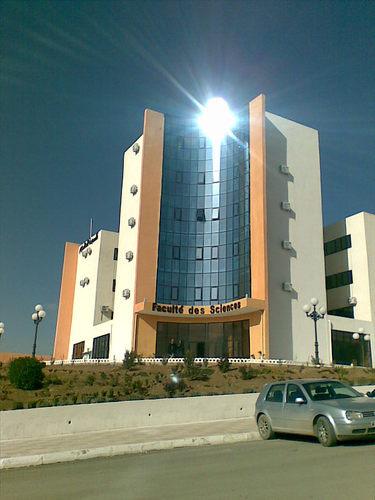
University Sétif 1 FERHAT ABBAS Faculty of Sciences
Détail de l'auteur
Auteur Sarra Cherbal |
Documents disponibles écrits par cet auteur


 Ajouter le résultat dans votre panier Affiner la recherche
Titre : Les Agents mobiles comme approche d'équilibrage de charge sur un réseau Type de document : texte imprimé Auteurs : Sarra Cherbal ; Abdelhafid Benaouda, Directeur de thèse Editeur : Setif:UFA Année de publication : 2012 Importance : 1 vol (62f.) Format : 29 cm Langues : Français (fre) Catégories : Thèses & Mémoires:Informatique Mots-clés : Réseaux
Systèmes Distribués
systeme distribué
agent mobile
équilibrage de chargeIndex. décimale : 004 Informatique Côte titre : MAI/0020 Les Agents mobiles comme approche d'équilibrage de charge sur un réseau [texte imprimé] / Sarra Cherbal ; Abdelhafid Benaouda, Directeur de thèse . - [S.l.] : Setif:UFA, 2012 . - 1 vol (62f.) ; 29 cm.
Langues : Français (fre)
Catégories : Thèses & Mémoires:Informatique Mots-clés : Réseaux
Systèmes Distribués
systeme distribué
agent mobile
équilibrage de chargeIndex. décimale : 004 Informatique Côte titre : MAI/0020 Exemplaires (1)
Code-barres Cote Support Localisation Section Disponibilité MAI/0020 MAI/0020 Mémoire Bibliothèque des sciences Français Disponible
Disponible
Titre : AlgroTech: A Blockchain- and IoT-Based Platform for Smart Agriculture Type de document : document électronique Auteurs : Lamis Zaaboub ; Soundes Belaib, Auteur ; Sarra Cherbal, Directeur de thèse Editeur : Setif:UFA Année de publication : 2025 Importance : 1 vol (99 f .) Format : 29 cm Langues : Anglais (eng) Catégories : Thèses & Mémoires:Informatique Mots-clés : Smart Agriculture
IoT
Blockchain
Traceability
Irrigation Automation
QR Code
AlgroTechIndex. décimale : 004 Informatique Résumé :
Algeria’s agricultural sector faces major challenges including inefficient resource
use, a lack of data-driven practices, and weak traceability across production
chains. These issues have resulted in poor transparency and the rejection of
exported goods from international markets due to non-compliance with health
and safety standards.
This thesis proposes AlgroTech, a smart agriculture platform combining
Internet of Things (IoT) technologies and blockchain infrastructure. The system
monitors environmental parameters—particularly soil moisture—through
sensors, and automates irrigation decisions. It also allows farmers to record
crop data such as fertilizer usage and harvest dates, which are then validated
through a private process and stored immutably on the Ethereum blockchain
via smart contracts. At the end of the crop cycle, a QR code is generated,
linking consumers and investors to verified data stored on the blockchain.
The prototype was implemented using ESP32, moisture sensors, and a web
platform. Testing results demonstrate improvements in transparency, irrigation
efficiency, and data integrity. The solution also presents a viable business model
for deployment as a startup under the Algerian “1275” innovation framework.Note de contenu : Sommaire
List of Abbreviations
General Introduction 1
1 Overview of IoT and Blockchain 2
1.1 Introduction . . . . . . . . . . . . . . . . . . . . . . . . . . . . . 2
1.2 Internet of Things . . . . . . . . . . . . . . . . . . . . . . . . . . 2
1.2.1 Definitions . . . . . . . . . . . . . . . . . . . . . . . . . . 2
1.2.2 IoT Application Domains . . . . . . . . . . . . . . . . . 3
1.2.3 Role of IoT in Agriculture . . . . . . . . . . . . . . . . . 4
1.2.4 The Multi-Layer Model of IoT in Agriculture . . . . . . 5
1.2.5 Sensors Used in Agriculture . . . . . . . . . . . . . . . . 6
1.2.6 Advantages of IoT in Agriculture . . . . . . . . . . . . . 7
1.3 Blockchain Technology . . . . . . . . . . . . . . . . . . . . . . . 7
1.3.1 Definition of Blockchain . . . . . . . . . . . . . . . . . . 7
1.3.2 Key Features of Blockchain Technology . . . . . . . . . . 8
1.3.3 Blockchain Transaction Validation Process . . . . . . . . 8
1.3.4 Uses of Blockchain . . . . . . . . . . . . . . . . . . . . . 9
1.3.5 Advantages of Blockchain . . . . . . . . . . . . . . . . . 9
1.3.6 Application of Blockchain in Agriculture . . . . . . . . . 9
1.4 Integration of IoT and Blockchain in Agriculture . . . . . . . . . 10
1.5 Overview of Existing Projects . . . . . . . . . . . . . . . . . . . 10
1.6 Conclusion . . . . . . . . . . . . . . . . . . . . . . . . . . . . . . 13
2 Motivations and Proposed Solution 14
2.1 Introduction . . . . . . . . . . . . . . . . . . . . . . . . . . . . . 14
2.2 Motivations . . . . . . . . . . . . . . . . . . . . . . . . . . . . . 14
2.2.1 Export Rejections and the Need for Traceability . . . . . 14
2.3 Proposed Solution . . . . . . . . . . . . . . . . . . . . . . . . . . 15
2.3.1 Project Idea . . . . . . . . . . . . . . . . . . . . . . . . . 15
2.3.2 Value Proposition . . . . . . . . . . . . . . . . . . . . . . 16
2.4 System Architecture . . . . . . . . . . . . . . . . . . . . . . . . 16
2.4.1 System Architecture Pyramid . . . . . . . . . . . . . . . 16
2.4.2 System Flowchart . . . . . . . . . . . . . . . . . . . . . . 18
2.4.3 Farmer Interaction Flowchart . . . . . . . . . . . . . . . 20
2.4.4 Administrator Control Flowchart . . . . . . . . . . . . . 21
2.4.5 Sensor System . . . . . . . . . . . . . . . . . . . . . . . . 22
2.4.6 Blockchain Working Process . . . . . . . . . . . . . . . . 23
2.5 Conclusion . . . . . . . . . . . . . . . . . . . . . . . . . . . . . . 24
3 Implementation and Results 25
3.1 Introduction . . . . . . . . . . . . . . . . . . . . . . . . . . . . . 25
3.2 Tools for Implementation . . . . . . . . . . . . . . . . . . . . . . 25
3.2.1 Hardware . . . . . . . . . . . . . . . . . . . . . . . . . . 25
3.2.2 Software and Platforms . . . . . . . . . . . . . . . . . . . 28
3.3 Implementation Steps and Results . . . . . . . . . . . . . . . . . 32
3.3.1 Collecting Data Using Sensors . . . . . . . . . . . . . . . 32
3.3.2 Sending Data from ESP32 to Database . . . . . . . . . . 34
3.3.3 Displaying Data on Platform . . . . . . . . . . . . . . . . 34
3.3.4 Connecting the Platform to Blockchain . . . . . . . . . . 36
3.3.5 Generating QR Code for Crops . . . . . . . . . . . . . . 36
3.4 System Testing and Performance Evaluation . . . . . . . . . . . 37
3.4.1 User Interface Implementation and Blockchain Integration 37
3.4.2 Storing Crop Data on the Blockchain and Generating QR
Code . . . . . . . . . . . . . . . . . . . . . . . . . . . . . 40
3.5 Challenges Faced and Limitations . . . . . . . . . . . . . . . . . 43
3.6 Conclusion . . . . . . . . . . . . . . . . . . . . . . . . . . . . . . 43
4 Entrepreneurial and Business Dimension 44
4.1 Introduction . . . . . . . . . . . . . . . . . . . . . . . . . . . . 44
4.2 Project Overview . . . . . . . . . . . . . . . . . . . . . . . . . . 45
4.2.1 Project Idea . . . . . . . . . . . . . . . . . . . . . . . . . 45
4.2.2 Value Propositions . . . . . . . . . . . . . . . . . . . . . 46
4.2.3 Benefits to Stakeholders . . . . . . . . . . . . . . . . . . 48
4.3 Value Proposition Canvas of AlgroTech . . . . . . . . . . . . . . 48
4.3.1 Team . . . . . . . . . . . . . . . . . . . . . . . . . . . . . 50
4.3.2 Project Objectives (SMART Framework) . . . . . . . . . 50
4.3.3 Project Timeline . . . . . . . . . . . . . . . . . . . . . . 52
4.4 Innovative Aspects . . . . . . . . . . . . . . . . . . . . . . . . . 53
4.4.1 Nature of Innovations . . . . . . . . . . . . . . . . . . . . 53
4.4.2 Innovation Domains . . . . . . . . . . . . . . . . . . . . 54
4.5 Strategic Market Analysis . . . . . . . . . . . . . . . . . . . . . 54
4.5.1 Market Sector Overview . . . . . . . . . . . . . . . . . . 54
4.5.2 Customer Behavior Analysis . . . . . . . . . . . . . . . . 56
4.5.3 Buyer Persona Analysis . . . . . . . . . . . . . . . . . . 58
4.5.4 Market Size Estimation (TAM–SAM–SOM) for AlgroTech 59
4.5.5 Justifications for the Target-Market Selection . . . . . . 60
4.5.6 Competition Intensity Analysis . . . . . . . . . . . . . . 61
4.5.7 SWOT Analysis for AlgroTech . . . . . . . . . . . . . . . 64
4.5.8 Marketing Strategies for AlgroTech (7Ps Framework) . . 67
4.6 Marketing Vision . . . . . . . . . . . . . . . . . . . . . . . . . . 69
4.7 Marketing Campaign Timeline (First 6 Months) . . . . . . . . . 69
4.8 Production and Organizational Plan . . . . . . . . . . . . . . . 70
4.8.1 Customer Journey for AlgroTech Service . . . . . . . . . 70
4.8.2 Procurement and Payment Framework . . . . . . . . . . 72
4.8.3 Required Equipment and Infrastructure for AlgroTech . . 73
4.8.4 Workforce . . . . . . . . . . . . . . . . . . . . . . . . . . 75
4.8.5 Estimated Job Positions . . . . . . . . . . . . . . . . . . 75
4.8.6 Type and Location of Workforce . . . . . . . . . . . . . . 75
4.8.7 Possibility of Outsourcing . . . . . . . . . . . . . . . . . 75
4.8.8 Key Partnerships . . . . . . . . . . . . . . . . . . . . . . 76
4.9 Financial Plan . . . . . . . . . . . . . . . . . . . . . . . . . . . . 77
4.9.1 Costs and Liabilities . . . . . . . . . . . . . . . . . . . . 77
4.9.2 Product Offers and Pricing Strategy . . . . . . . . . . . 79
4.9.3 Revenue Forecast (Year 1) . . . . . . . . . . . . . . . . . 80
4.9.4 Compte de R´esultat Pr´evisionnel (ann´ee N) . . . . . . . 82
4.9.5 Cash Flow Plan (Plan de Tr´esorerie) . . . . . . . . . . . 83
4.10 Prototype Interface of the AlgroTech Platform . . . . . . . . . . 84
4.11 Business Model Canvas . . . . . . . . . . . . . . . . . . . . . . . 90
4.12 Conclusion . . . . . . . . . . . . . . . . . . . . . . . . . . . . . 93
General Conclusion 94
Côte titre : MAI/1033 AlgroTech: A Blockchain- and IoT-Based Platform for Smart Agriculture [document électronique] / Lamis Zaaboub ; Soundes Belaib, Auteur ; Sarra Cherbal, Directeur de thèse . - [S.l.] : Setif:UFA, 2025 . - 1 vol (99 f .) ; 29 cm.
Langues : Anglais (eng)
Catégories : Thèses & Mémoires:Informatique Mots-clés : Smart Agriculture
IoT
Blockchain
Traceability
Irrigation Automation
QR Code
AlgroTechIndex. décimale : 004 Informatique Résumé :
Algeria’s agricultural sector faces major challenges including inefficient resource
use, a lack of data-driven practices, and weak traceability across production
chains. These issues have resulted in poor transparency and the rejection of
exported goods from international markets due to non-compliance with health
and safety standards.
This thesis proposes AlgroTech, a smart agriculture platform combining
Internet of Things (IoT) technologies and blockchain infrastructure. The system
monitors environmental parameters—particularly soil moisture—through
sensors, and automates irrigation decisions. It also allows farmers to record
crop data such as fertilizer usage and harvest dates, which are then validated
through a private process and stored immutably on the Ethereum blockchain
via smart contracts. At the end of the crop cycle, a QR code is generated,
linking consumers and investors to verified data stored on the blockchain.
The prototype was implemented using ESP32, moisture sensors, and a web
platform. Testing results demonstrate improvements in transparency, irrigation
efficiency, and data integrity. The solution also presents a viable business model
for deployment as a startup under the Algerian “1275” innovation framework.Note de contenu : Sommaire
List of Abbreviations
General Introduction 1
1 Overview of IoT and Blockchain 2
1.1 Introduction . . . . . . . . . . . . . . . . . . . . . . . . . . . . . 2
1.2 Internet of Things . . . . . . . . . . . . . . . . . . . . . . . . . . 2
1.2.1 Definitions . . . . . . . . . . . . . . . . . . . . . . . . . . 2
1.2.2 IoT Application Domains . . . . . . . . . . . . . . . . . 3
1.2.3 Role of IoT in Agriculture . . . . . . . . . . . . . . . . . 4
1.2.4 The Multi-Layer Model of IoT in Agriculture . . . . . . 5
1.2.5 Sensors Used in Agriculture . . . . . . . . . . . . . . . . 6
1.2.6 Advantages of IoT in Agriculture . . . . . . . . . . . . . 7
1.3 Blockchain Technology . . . . . . . . . . . . . . . . . . . . . . . 7
1.3.1 Definition of Blockchain . . . . . . . . . . . . . . . . . . 7
1.3.2 Key Features of Blockchain Technology . . . . . . . . . . 8
1.3.3 Blockchain Transaction Validation Process . . . . . . . . 8
1.3.4 Uses of Blockchain . . . . . . . . . . . . . . . . . . . . . 9
1.3.5 Advantages of Blockchain . . . . . . . . . . . . . . . . . 9
1.3.6 Application of Blockchain in Agriculture . . . . . . . . . 9
1.4 Integration of IoT and Blockchain in Agriculture . . . . . . . . . 10
1.5 Overview of Existing Projects . . . . . . . . . . . . . . . . . . . 10
1.6 Conclusion . . . . . . . . . . . . . . . . . . . . . . . . . . . . . . 13
2 Motivations and Proposed Solution 14
2.1 Introduction . . . . . . . . . . . . . . . . . . . . . . . . . . . . . 14
2.2 Motivations . . . . . . . . . . . . . . . . . . . . . . . . . . . . . 14
2.2.1 Export Rejections and the Need for Traceability . . . . . 14
2.3 Proposed Solution . . . . . . . . . . . . . . . . . . . . . . . . . . 15
2.3.1 Project Idea . . . . . . . . . . . . . . . . . . . . . . . . . 15
2.3.2 Value Proposition . . . . . . . . . . . . . . . . . . . . . . 16
2.4 System Architecture . . . . . . . . . . . . . . . . . . . . . . . . 16
2.4.1 System Architecture Pyramid . . . . . . . . . . . . . . . 16
2.4.2 System Flowchart . . . . . . . . . . . . . . . . . . . . . . 18
2.4.3 Farmer Interaction Flowchart . . . . . . . . . . . . . . . 20
2.4.4 Administrator Control Flowchart . . . . . . . . . . . . . 21
2.4.5 Sensor System . . . . . . . . . . . . . . . . . . . . . . . . 22
2.4.6 Blockchain Working Process . . . . . . . . . . . . . . . . 23
2.5 Conclusion . . . . . . . . . . . . . . . . . . . . . . . . . . . . . . 24
3 Implementation and Results 25
3.1 Introduction . . . . . . . . . . . . . . . . . . . . . . . . . . . . . 25
3.2 Tools for Implementation . . . . . . . . . . . . . . . . . . . . . . 25
3.2.1 Hardware . . . . . . . . . . . . . . . . . . . . . . . . . . 25
3.2.2 Software and Platforms . . . . . . . . . . . . . . . . . . . 28
3.3 Implementation Steps and Results . . . . . . . . . . . . . . . . . 32
3.3.1 Collecting Data Using Sensors . . . . . . . . . . . . . . . 32
3.3.2 Sending Data from ESP32 to Database . . . . . . . . . . 34
3.3.3 Displaying Data on Platform . . . . . . . . . . . . . . . . 34
3.3.4 Connecting the Platform to Blockchain . . . . . . . . . . 36
3.3.5 Generating QR Code for Crops . . . . . . . . . . . . . . 36
3.4 System Testing and Performance Evaluation . . . . . . . . . . . 37
3.4.1 User Interface Implementation and Blockchain Integration 37
3.4.2 Storing Crop Data on the Blockchain and Generating QR
Code . . . . . . . . . . . . . . . . . . . . . . . . . . . . . 40
3.5 Challenges Faced and Limitations . . . . . . . . . . . . . . . . . 43
3.6 Conclusion . . . . . . . . . . . . . . . . . . . . . . . . . . . . . . 43
4 Entrepreneurial and Business Dimension 44
4.1 Introduction . . . . . . . . . . . . . . . . . . . . . . . . . . . . 44
4.2 Project Overview . . . . . . . . . . . . . . . . . . . . . . . . . . 45
4.2.1 Project Idea . . . . . . . . . . . . . . . . . . . . . . . . . 45
4.2.2 Value Propositions . . . . . . . . . . . . . . . . . . . . . 46
4.2.3 Benefits to Stakeholders . . . . . . . . . . . . . . . . . . 48
4.3 Value Proposition Canvas of AlgroTech . . . . . . . . . . . . . . 48
4.3.1 Team . . . . . . . . . . . . . . . . . . . . . . . . . . . . . 50
4.3.2 Project Objectives (SMART Framework) . . . . . . . . . 50
4.3.3 Project Timeline . . . . . . . . . . . . . . . . . . . . . . 52
4.4 Innovative Aspects . . . . . . . . . . . . . . . . . . . . . . . . . 53
4.4.1 Nature of Innovations . . . . . . . . . . . . . . . . . . . . 53
4.4.2 Innovation Domains . . . . . . . . . . . . . . . . . . . . 54
4.5 Strategic Market Analysis . . . . . . . . . . . . . . . . . . . . . 54
4.5.1 Market Sector Overview . . . . . . . . . . . . . . . . . . 54
4.5.2 Customer Behavior Analysis . . . . . . . . . . . . . . . . 56
4.5.3 Buyer Persona Analysis . . . . . . . . . . . . . . . . . . 58
4.5.4 Market Size Estimation (TAM–SAM–SOM) for AlgroTech 59
4.5.5 Justifications for the Target-Market Selection . . . . . . 60
4.5.6 Competition Intensity Analysis . . . . . . . . . . . . . . 61
4.5.7 SWOT Analysis for AlgroTech . . . . . . . . . . . . . . . 64
4.5.8 Marketing Strategies for AlgroTech (7Ps Framework) . . 67
4.6 Marketing Vision . . . . . . . . . . . . . . . . . . . . . . . . . . 69
4.7 Marketing Campaign Timeline (First 6 Months) . . . . . . . . . 69
4.8 Production and Organizational Plan . . . . . . . . . . . . . . . 70
4.8.1 Customer Journey for AlgroTech Service . . . . . . . . . 70
4.8.2 Procurement and Payment Framework . . . . . . . . . . 72
4.8.3 Required Equipment and Infrastructure for AlgroTech . . 73
4.8.4 Workforce . . . . . . . . . . . . . . . . . . . . . . . . . . 75
4.8.5 Estimated Job Positions . . . . . . . . . . . . . . . . . . 75
4.8.6 Type and Location of Workforce . . . . . . . . . . . . . . 75
4.8.7 Possibility of Outsourcing . . . . . . . . . . . . . . . . . 75
4.8.8 Key Partnerships . . . . . . . . . . . . . . . . . . . . . . 76
4.9 Financial Plan . . . . . . . . . . . . . . . . . . . . . . . . . . . . 77
4.9.1 Costs and Liabilities . . . . . . . . . . . . . . . . . . . . 77
4.9.2 Product Offers and Pricing Strategy . . . . . . . . . . . 79
4.9.3 Revenue Forecast (Year 1) . . . . . . . . . . . . . . . . . 80
4.9.4 Compte de R´esultat Pr´evisionnel (ann´ee N) . . . . . . . 82
4.9.5 Cash Flow Plan (Plan de Tr´esorerie) . . . . . . . . . . . 83
4.10 Prototype Interface of the AlgroTech Platform . . . . . . . . . . 84
4.11 Business Model Canvas . . . . . . . . . . . . . . . . . . . . . . . 90
4.12 Conclusion . . . . . . . . . . . . . . . . . . . . . . . . . . . . . 93
General Conclusion 94
Côte titre : MAI/1033 Exemplaires (1)
Code-barres Cote Support Localisation Section Disponibilité MAI/1033 MAI/1033 Mémoire Bibliothèque des sciences Anglais Disponible
Disponible
Titre : Authentication in Internet of Things Type de document : texte imprimé Auteurs : Nahnah ,Oussama, Auteur ; Sarra Cherbal, Directeur de thèse Editeur : Setif:UFA Année de publication : 2021 Importance : 1 vol (62 f .) Format : 29 cm Langues : Français (fre) Catégories : Thèses & Mémoires:Informatique Mots-clés : Authentication
Internet of thingsIndex. décimale : 004 - Informatique Résumé :
Internet of things connect unlimited number of heterogeneous devices in order to
facilitate services and hence touching most of daily life elds. However, security
concerns are a major obstacle to the development and rapid deployment of this high
technology. Thus, securing the authentication process has become very important,
as it is necessary to prove the legitimacy of the communication devices. Recently,
researchers are proposing several mutual authentication and session key agreement
protocols.
In this regard, we propose our own improved protocol, that relies on login, mutual
authentication and the agreement of session key in a safety way to secure commu-
nications. For the security evaluation of the proposal, we use the authentication
BAN logic and the widely used AVISPA tool. The results prove the achievement of
mutual authentication and session key agreement securely. In addition to its safety
against some known attacks as eavesdropping and replay attacks. For a performance
evaluation, we compare the proposal with recent related works in terms of compu-
tational and communication costs. The results show the lightness of our protocol
and thus itsCôte titre : MAI/0465 En ligne : https://drive.google.com/file/d/12DfhgXXa6Fn5BSS_xHbd9O3leT_IVIXY/view?usp=shari [...] Format de la ressource électronique : Authentication in Internet of Things [texte imprimé] / Nahnah ,Oussama, Auteur ; Sarra Cherbal, Directeur de thèse . - [S.l.] : Setif:UFA, 2021 . - 1 vol (62 f .) ; 29 cm.
Langues : Français (fre)
Catégories : Thèses & Mémoires:Informatique Mots-clés : Authentication
Internet of thingsIndex. décimale : 004 - Informatique Résumé :
Internet of things connect unlimited number of heterogeneous devices in order to
facilitate services and hence touching most of daily life elds. However, security
concerns are a major obstacle to the development and rapid deployment of this high
technology. Thus, securing the authentication process has become very important,
as it is necessary to prove the legitimacy of the communication devices. Recently,
researchers are proposing several mutual authentication and session key agreement
protocols.
In this regard, we propose our own improved protocol, that relies on login, mutual
authentication and the agreement of session key in a safety way to secure commu-
nications. For the security evaluation of the proposal, we use the authentication
BAN logic and the widely used AVISPA tool. The results prove the achievement of
mutual authentication and session key agreement securely. In addition to its safety
against some known attacks as eavesdropping and replay attacks. For a performance
evaluation, we compare the proposal with recent related works in terms of compu-
tational and communication costs. The results show the lightness of our protocol
and thus itsCôte titre : MAI/0465 En ligne : https://drive.google.com/file/d/12DfhgXXa6Fn5BSS_xHbd9O3leT_IVIXY/view?usp=shari [...] Format de la ressource électronique : Exemplaires (1)
Code-barres Cote Support Localisation Section Disponibilité MAI/0465 MAI/0465 Mémoire Bibliothèque des sciences Français Disponible
Disponible
Titre : Blockchain-Based Payment Systems for Electric Vehicle Charging Networks Type de document : document électronique Auteurs : Kaouther Mattoug ; Lina Smail, Auteur ; Sarra Cherbal, Directeur de thèse Editeur : Setif:UFA Année de publication : 2025 Importance : 1 vol (88 f .) Format : 29 cm Langues : Anglais (eng) Catégories : Thèses & Mémoires:Informatique Mots-clés : Blockchain
Electric Vehicle (EV)
Smart Contracts
Charging Stations
Payment System
Ethereum.Index. décimale : 004 Informatique Résumé :
Electric vehicle (EV) adoption is rapidly growing, but existing charging and payment
infrastructures still face challenges such as centralization, lack of transparency, and security
vulnerabilities. To address these issues, this work presents a decentralized solution
based on blockchain technology to manage payment systems for EV charging networks.
The proposed system uses smart contracts to automate key processes, including driver and
station registration, charging session initiation, energy consumption tracking, and secure
payment settlement. A prosumer module is also integrated, allowing EV users with surplus
energy to exchange energy with other users or stations through a blockchain-secured
offer and reservation mechanism.
The implementation leverages tools such as Remix IDE for smart contract development,
MetaMask for blockchain interaction, Hyperledger Besu as the execution platform,
and Hyperledger Caliper for performance evaluation. The system was tested and analyzed
based on key performance metrics such as throughput, latency, CPU usage, and
gas consumption. The results demonstrate significant improvements compared to existing
solutions: throughput increased by up to 97.37%, latency decreased by up to 55.61%,
CPU usage improved by up to 20%, and gas consumption was reduced by up to 14.47%.
Results confirm the system’s effectiveness in enabling secure, transparent, and efficient
EV charging and payment processes in a decentralized environment.Note de contenu : Sommaire
General Introduction 1
1 Foundations and Functionalities of Blockchain Systems 1
1.1 Introduction . . . . . . . . . . . . . . . . . . . . . . . . . . . . . . . . . . . 1
1.2 Blockchain definition . . . . . . . . . . . . . . . . . . . . . . . . . . . . . . 1
1.3 The History of Blockchain . . . . . . . . . . . . . . . . . . . . . . . . . . . 2
1.3.1 Blockchain Origins . . . . . . . . . . . . . . . . . . . . . . . . . . . 2
1.3.2 Blockchain Generations . . . . . . . . . . . . . . . . . . . . . . . . . 2
1.4 Blockchain Components . . . . . . . . . . . . . . . . . . . . . . . . . . . . 4
1.5 Blockchain Architecture and Layers . . . . . . . . . . . . . . . . . . . . . . 6
1.5.1 The Data Layer . . . . . . . . . . . . . . . . . . . . . . . . . . . . . 7
1.5.2 The Network Layer . . . . . . . . . . . . . . . . . . . . . . . . . . . 7
1.5.3 The Consensus Layer . . . . . . . . . . . . . . . . . . . . . . . . . . 8
1.5.4 The Incentive Layer . . . . . . . . . . . . . . . . . . . . . . . . . . . 8
1.5.5 The Contract Layer . . . . . . . . . . . . . . . . . . . . . . . . . . . 8
1.5.6 The Application Layer . . . . . . . . . . . . . . . . . . . . . . . . . 9
1.6 Blockchain Features and Working Principles . . . . . . . . . . . . . . . . . 9
1.6.1 Decentralization . . . . . . . . . . . . . . . . . . . . . . . . . . . . . 9
1.6.2 Immutability . . . . . . . . . . . . . . . . . . . . . . . . . . . . . . 9
1.6.3 Auditability . . . . . . . . . . . . . . . . . . . . . . . . . . . . . . . 9
1.6.4 Fault Tolerance . . . . . . . . . . . . . . . . . . . . . . . . . . . . . 10
1.6.5 Transparency . . . . . . . . . . . . . . . . . . . . . . . . . . . . . . 10
1.6.6 Traceability . . . . . . . . . . . . . . . . . . . . . . . . . . . . . . . 10
1.7 Blockchain Types . . . . . . . . . . . . . . . . . . . . . . . . . . . . . . . . 10
1.7.1 Public Blockchain . . . . . . . . . . . . . . . . . . . . . . . . . . . . 11
1.7.2 Private Blockchain . . . . . . . . . . . . . . . . . . . . . . . . . . . 11
1.7.3 Consortium Blockchain . . . . . . . . . . . . . . . . . . . . . . . . . 12
1.7.4 Hybrid Blockchain . . . . . . . . . . . . . . . . . . . . . . . . . . . 12
1.8 Smart contracts . . . . . . . . . . . . . . . . . . . . . . . . . . . . . . . . . 12
1.9 Platforms for Smart Contracts . . . . . . . . . . . . . . . . . . . . . . . . . 12
1.9.1 Ethereum . . . . . . . . . . . . . . . . . . . . . . . . . . . . . . . . 12
1.9.2 NXT . . . . . . . . . . . . . . . . . . . . . . . . . . . . . . . . . . 13
1.9.3 Hyperledger Fabric . . . . . . . . . . . . . . . . . . . . . . . . . . . 13
1.10 Blockchain Applications . . . . . . . . . . . . . . . . . . . . . . . . . . . . 13
1.10.1 Cryptocurrency . . . . . . . . . . . . . . . . . . . . . . . . . . . . . 14
1.10.2 Healthcare Data Management . . . . . . . . . . . . . . . . . . . . . 14
1.10.3 Voting . . . . . . . . . . . . . . . . . . . . . . . . . . . . . . . . . . 15
1.10.4 Identity Management . . . . . . . . . . . . . . . . . . . . . . . . . . 15
1.10.5 Supply Chain Management . . . . . . . . . . . . . . . . . . . . . . . 15
1.10.6 Vehicular Networks . . . . . . . . . . . . . . . . . . . . . . . . . . . 15
1.11 Blockchain Functionality . . . . . . . . . . . . . . . . . . . . . . . . . . . . 16
1.11.1 Mining and Consensus Mechanisms . . . . . . . . . . . . . . . . . . 16
1.12 Conclusion . . . . . . . . . . . . . . . . . . . . . . . . . . . . . . . . . . . . 16
2 Electric Vehicle Charging Systems Using Blockchain 18
2.1 Introduction . . . . . . . . . . . . . . . . . . . . . . . . . . . . . . . . . . . 18
2.2 Supply Chain and Blockchain Payment Systems . . . . . . . . . . . . . . . 18
2.3 Electric Vehicle Charging Networks as Distributed Systems . . . . . . . . . 19
2.4 Integration of Blockchain in EV Charging Infrastructure . . . . . . . . . . 20
2.5 Related Work . . . . . . . . . . . . . . . . . . . . . . . . . . . . . . . . . . 20
2.6 Conclusion . . . . . . . . . . . . . . . . . . . . . . . . . . . . . . . . . . . . 24
3 Proposed approach 25
3.1 Introduction . . . . . . . . . . . . . . . . . . . . . . . . . . . . . . . . . . . 25
3.2 Motivation . . . . . . . . . . . . . . . . . . . . . . . . . . . . . . . . . . . . 25
3.3 System Overview . . . . . . . . . . . . . . . . . . . . . . . . . . . . . . . . 26
3.4 System Entities . . . . . . . . . . . . . . . . . . . . . . . . . . . . . . . . . 27
3.5 System Phases . . . . . . . . . . . . . . . . . . . . . . . . . . . . . . . . . . 28
3.5.1 Driver and Charging Station Registration via Blockchain . . . . . . 30
Registration of charging stations . . . . . . . . . . . . . . . . . . . . 30
Registration of drivers . . . . . . . . . . . . . . . . . . . . . . . . . 30
3.5.2 Update account information for drivers and charging stations . . . . 34
3.5.3 Automatic Search and Selection of an Optimal Charging Station
When the EV’s Battery is Low . . . . . . . . . . . . . . . . . . . . 36
3.5.4 Choose Charging Station . . . . . . . . . . . . . . . . . . . . . . . . 37
3.5.5 Smart Charging Mechanism: Start of Charging, End of Charging,
Stop Charging . . . . . . . . . . . . . . . . . . . . . . . . . . . . . . 39
Complete Charging Session . . . . . . . . . . . . . . . . . . . . . . 39
Stop Charging Session . . . . . . . . . . . . . . . . . . . . . . . . . 42
3.5.6 Get Driver Transactions . . . . . . . . . . . . . . . . . . . . . . . . 44
3.5.7 Station Evaluation Mechanism . . . . . . . . . . . . . . . . . . . . . 44
3.5.8 Energy Offer . . . . . . . . . . . . . . . . . . . . . . . . . . . . . . 48
3.6 Conclusion . . . . . . . . . . . . . . . . . . . . . . . . . . . . . . . . . . . . 62
4 Implementation and Results 63
4.1 Introduction . . . . . . . . . . . . . . . . . . . . . . . . . . . . . . . . . . . 63
4.2 Implementation Tools . . . . . . . . . . . . . . . . . . . . . . . . . . . . . . 63
4.2.1 Remix IDE . . . . . . . . . . . . . . . . . . . . . . . . . . . . . . . 64
4.2.2 MetaMask . . . . . . . . . . . . . . . . . . . . . . . . . . . . . . . . 64
4.2.3 Caliper Benchmark . . . . . . . . . . . . . . . . . . . . . . . . . . . 65
4.2.4 Hyperledger Besu . . . . . . . . . . . . . . . . . . . . . . . . . . . . 65
4.3 Deploy the smart contract . . . . . . . . . . . . . . . . . . . . . . . . . . . 65
4.4 Performance Evaluation . . . . . . . . . . . . . . . . . . . . . . . . . . . . 72
4.4.1 Performance Metrics . . . . . . . . . . . . . . . . . . . . . . . . . . 72
Throughput . . . . . . . . . . . . . . . . . . . . . . . . . . . . . . . 72
Latency . . . . . . . . . . . . . . . . . . . . . . . . . . . . . . . . . 72
CPU Usage . . . . . . . . . . . . . . . . . . . . . . . . . . . . . . . 72
Gas Fees . . . . . . . . . . . . . . . . . . . . . . . . . . . . . . . . . 73
4.5 Evaluation results . . . . . . . . . . . . . . . . . . . . . . . . . . . . . . . . 73
4.5.1 Throughput and latency . . . . . . . . . . . . . . . . . . . . . . . . 73
4.5.2 CPU usage . . . . . . . . . . . . . . . . . . . . . . . . . . . . . . . 74
4.5.3 Gas fees . . . . . . . . . . . . . . . . . . . . . . . . . . . . . . . . . 75
4.6 Comparison graphs . . . . . . . . . . . . . . . . . . . . . . . . . . . . . . . 76
4.6.1 Throughput and latency . . . . . . . . . . . . . . . . . . . . . . . . 76
4.6.2 CPU usage: . . . . . . . . . . . . . . . . . . . . . . . . . . . . . . . 78
4.6.3 Gas Fees: . . . . . . . . . . . . . . . . . . . . . . . . . . . . . . . . 79
4.7 Conclusion . . . . . . . . . . . . . . . . . . . . . . . . . . . . . . . . . . . . 80
General Conclusion 81
Bibliography 88Côte titre : MAI/1009 Blockchain-Based Payment Systems for Electric Vehicle Charging Networks [document électronique] / Kaouther Mattoug ; Lina Smail, Auteur ; Sarra Cherbal, Directeur de thèse . - [S.l.] : Setif:UFA, 2025 . - 1 vol (88 f .) ; 29 cm.
Langues : Anglais (eng)
Catégories : Thèses & Mémoires:Informatique Mots-clés : Blockchain
Electric Vehicle (EV)
Smart Contracts
Charging Stations
Payment System
Ethereum.Index. décimale : 004 Informatique Résumé :
Electric vehicle (EV) adoption is rapidly growing, but existing charging and payment
infrastructures still face challenges such as centralization, lack of transparency, and security
vulnerabilities. To address these issues, this work presents a decentralized solution
based on blockchain technology to manage payment systems for EV charging networks.
The proposed system uses smart contracts to automate key processes, including driver and
station registration, charging session initiation, energy consumption tracking, and secure
payment settlement. A prosumer module is also integrated, allowing EV users with surplus
energy to exchange energy with other users or stations through a blockchain-secured
offer and reservation mechanism.
The implementation leverages tools such as Remix IDE for smart contract development,
MetaMask for blockchain interaction, Hyperledger Besu as the execution platform,
and Hyperledger Caliper for performance evaluation. The system was tested and analyzed
based on key performance metrics such as throughput, latency, CPU usage, and
gas consumption. The results demonstrate significant improvements compared to existing
solutions: throughput increased by up to 97.37%, latency decreased by up to 55.61%,
CPU usage improved by up to 20%, and gas consumption was reduced by up to 14.47%.
Results confirm the system’s effectiveness in enabling secure, transparent, and efficient
EV charging and payment processes in a decentralized environment.Note de contenu : Sommaire
General Introduction 1
1 Foundations and Functionalities of Blockchain Systems 1
1.1 Introduction . . . . . . . . . . . . . . . . . . . . . . . . . . . . . . . . . . . 1
1.2 Blockchain definition . . . . . . . . . . . . . . . . . . . . . . . . . . . . . . 1
1.3 The History of Blockchain . . . . . . . . . . . . . . . . . . . . . . . . . . . 2
1.3.1 Blockchain Origins . . . . . . . . . . . . . . . . . . . . . . . . . . . 2
1.3.2 Blockchain Generations . . . . . . . . . . . . . . . . . . . . . . . . . 2
1.4 Blockchain Components . . . . . . . . . . . . . . . . . . . . . . . . . . . . 4
1.5 Blockchain Architecture and Layers . . . . . . . . . . . . . . . . . . . . . . 6
1.5.1 The Data Layer . . . . . . . . . . . . . . . . . . . . . . . . . . . . . 7
1.5.2 The Network Layer . . . . . . . . . . . . . . . . . . . . . . . . . . . 7
1.5.3 The Consensus Layer . . . . . . . . . . . . . . . . . . . . . . . . . . 8
1.5.4 The Incentive Layer . . . . . . . . . . . . . . . . . . . . . . . . . . . 8
1.5.5 The Contract Layer . . . . . . . . . . . . . . . . . . . . . . . . . . . 8
1.5.6 The Application Layer . . . . . . . . . . . . . . . . . . . . . . . . . 9
1.6 Blockchain Features and Working Principles . . . . . . . . . . . . . . . . . 9
1.6.1 Decentralization . . . . . . . . . . . . . . . . . . . . . . . . . . . . . 9
1.6.2 Immutability . . . . . . . . . . . . . . . . . . . . . . . . . . . . . . 9
1.6.3 Auditability . . . . . . . . . . . . . . . . . . . . . . . . . . . . . . . 9
1.6.4 Fault Tolerance . . . . . . . . . . . . . . . . . . . . . . . . . . . . . 10
1.6.5 Transparency . . . . . . . . . . . . . . . . . . . . . . . . . . . . . . 10
1.6.6 Traceability . . . . . . . . . . . . . . . . . . . . . . . . . . . . . . . 10
1.7 Blockchain Types . . . . . . . . . . . . . . . . . . . . . . . . . . . . . . . . 10
1.7.1 Public Blockchain . . . . . . . . . . . . . . . . . . . . . . . . . . . . 11
1.7.2 Private Blockchain . . . . . . . . . . . . . . . . . . . . . . . . . . . 11
1.7.3 Consortium Blockchain . . . . . . . . . . . . . . . . . . . . . . . . . 12
1.7.4 Hybrid Blockchain . . . . . . . . . . . . . . . . . . . . . . . . . . . 12
1.8 Smart contracts . . . . . . . . . . . . . . . . . . . . . . . . . . . . . . . . . 12
1.9 Platforms for Smart Contracts . . . . . . . . . . . . . . . . . . . . . . . . . 12
1.9.1 Ethereum . . . . . . . . . . . . . . . . . . . . . . . . . . . . . . . . 12
1.9.2 NXT . . . . . . . . . . . . . . . . . . . . . . . . . . . . . . . . . . 13
1.9.3 Hyperledger Fabric . . . . . . . . . . . . . . . . . . . . . . . . . . . 13
1.10 Blockchain Applications . . . . . . . . . . . . . . . . . . . . . . . . . . . . 13
1.10.1 Cryptocurrency . . . . . . . . . . . . . . . . . . . . . . . . . . . . . 14
1.10.2 Healthcare Data Management . . . . . . . . . . . . . . . . . . . . . 14
1.10.3 Voting . . . . . . . . . . . . . . . . . . . . . . . . . . . . . . . . . . 15
1.10.4 Identity Management . . . . . . . . . . . . . . . . . . . . . . . . . . 15
1.10.5 Supply Chain Management . . . . . . . . . . . . . . . . . . . . . . . 15
1.10.6 Vehicular Networks . . . . . . . . . . . . . . . . . . . . . . . . . . . 15
1.11 Blockchain Functionality . . . . . . . . . . . . . . . . . . . . . . . . . . . . 16
1.11.1 Mining and Consensus Mechanisms . . . . . . . . . . . . . . . . . . 16
1.12 Conclusion . . . . . . . . . . . . . . . . . . . . . . . . . . . . . . . . . . . . 16
2 Electric Vehicle Charging Systems Using Blockchain 18
2.1 Introduction . . . . . . . . . . . . . . . . . . . . . . . . . . . . . . . . . . . 18
2.2 Supply Chain and Blockchain Payment Systems . . . . . . . . . . . . . . . 18
2.3 Electric Vehicle Charging Networks as Distributed Systems . . . . . . . . . 19
2.4 Integration of Blockchain in EV Charging Infrastructure . . . . . . . . . . 20
2.5 Related Work . . . . . . . . . . . . . . . . . . . . . . . . . . . . . . . . . . 20
2.6 Conclusion . . . . . . . . . . . . . . . . . . . . . . . . . . . . . . . . . . . . 24
3 Proposed approach 25
3.1 Introduction . . . . . . . . . . . . . . . . . . . . . . . . . . . . . . . . . . . 25
3.2 Motivation . . . . . . . . . . . . . . . . . . . . . . . . . . . . . . . . . . . . 25
3.3 System Overview . . . . . . . . . . . . . . . . . . . . . . . . . . . . . . . . 26
3.4 System Entities . . . . . . . . . . . . . . . . . . . . . . . . . . . . . . . . . 27
3.5 System Phases . . . . . . . . . . . . . . . . . . . . . . . . . . . . . . . . . . 28
3.5.1 Driver and Charging Station Registration via Blockchain . . . . . . 30
Registration of charging stations . . . . . . . . . . . . . . . . . . . . 30
Registration of drivers . . . . . . . . . . . . . . . . . . . . . . . . . 30
3.5.2 Update account information for drivers and charging stations . . . . 34
3.5.3 Automatic Search and Selection of an Optimal Charging Station
When the EV’s Battery is Low . . . . . . . . . . . . . . . . . . . . 36
3.5.4 Choose Charging Station . . . . . . . . . . . . . . . . . . . . . . . . 37
3.5.5 Smart Charging Mechanism: Start of Charging, End of Charging,
Stop Charging . . . . . . . . . . . . . . . . . . . . . . . . . . . . . . 39
Complete Charging Session . . . . . . . . . . . . . . . . . . . . . . 39
Stop Charging Session . . . . . . . . . . . . . . . . . . . . . . . . . 42
3.5.6 Get Driver Transactions . . . . . . . . . . . . . . . . . . . . . . . . 44
3.5.7 Station Evaluation Mechanism . . . . . . . . . . . . . . . . . . . . . 44
3.5.8 Energy Offer . . . . . . . . . . . . . . . . . . . . . . . . . . . . . . 48
3.6 Conclusion . . . . . . . . . . . . . . . . . . . . . . . . . . . . . . . . . . . . 62
4 Implementation and Results 63
4.1 Introduction . . . . . . . . . . . . . . . . . . . . . . . . . . . . . . . . . . . 63
4.2 Implementation Tools . . . . . . . . . . . . . . . . . . . . . . . . . . . . . . 63
4.2.1 Remix IDE . . . . . . . . . . . . . . . . . . . . . . . . . . . . . . . 64
4.2.2 MetaMask . . . . . . . . . . . . . . . . . . . . . . . . . . . . . . . . 64
4.2.3 Caliper Benchmark . . . . . . . . . . . . . . . . . . . . . . . . . . . 65
4.2.4 Hyperledger Besu . . . . . . . . . . . . . . . . . . . . . . . . . . . . 65
4.3 Deploy the smart contract . . . . . . . . . . . . . . . . . . . . . . . . . . . 65
4.4 Performance Evaluation . . . . . . . . . . . . . . . . . . . . . . . . . . . . 72
4.4.1 Performance Metrics . . . . . . . . . . . . . . . . . . . . . . . . . . 72
Throughput . . . . . . . . . . . . . . . . . . . . . . . . . . . . . . . 72
Latency . . . . . . . . . . . . . . . . . . . . . . . . . . . . . . . . . 72
CPU Usage . . . . . . . . . . . . . . . . . . . . . . . . . . . . . . . 72
Gas Fees . . . . . . . . . . . . . . . . . . . . . . . . . . . . . . . . . 73
4.5 Evaluation results . . . . . . . . . . . . . . . . . . . . . . . . . . . . . . . . 73
4.5.1 Throughput and latency . . . . . . . . . . . . . . . . . . . . . . . . 73
4.5.2 CPU usage . . . . . . . . . . . . . . . . . . . . . . . . . . . . . . . 74
4.5.3 Gas fees . . . . . . . . . . . . . . . . . . . . . . . . . . . . . . . . . 75
4.6 Comparison graphs . . . . . . . . . . . . . . . . . . . . . . . . . . . . . . . 76
4.6.1 Throughput and latency . . . . . . . . . . . . . . . . . . . . . . . . 76
4.6.2 CPU usage: . . . . . . . . . . . . . . . . . . . . . . . . . . . . . . . 78
4.6.3 Gas Fees: . . . . . . . . . . . . . . . . . . . . . . . . . . . . . . . . 79
4.7 Conclusion . . . . . . . . . . . . . . . . . . . . . . . . . . . . . . . . . . . . 80
General Conclusion 81
Bibliography 88Côte titre : MAI/1009 Exemplaires (1)
Code-barres Cote Support Localisation Section Disponibilité MAI/1009 MAI/1009 Mémoire Bibliothèque des sciences Anglais Disponible
Disponible
Titre : Blockchain for Scalable Data and Security in IoV Type de document : document électronique Auteurs : Youcef Islam Badreddine ; Karam Allah Naili ; Sarra Cherbal, Directeur de thèse Editeur : Setif:UFA Année de publication : 2025 Importance : 1 vol (55 f .) Format : 29 cm Langues : Anglais (eng) Catégories : Thèses & Mémoires:Informatique Mots-clés : Internet of Vehicles (IoV)
Blockchain
Layer 2
ZkSync
Machine Learning
Smart Contracts
Scalability
Security
Reputation Management.Index. décimale : 004 Informatique Résumé :
The rapid evolution of the Internet of Vehicles (IoV) introduces major challenges
in terms of scalability, data integrity, and security. Traditional centralized systems
and single-layer blockchain architectures struggle to handle the high volume of
real-time vehicular data efficiently. This thesis proposes an IoV framework that
applies the recent concept of Layer 2 blockchain along with a machine learning
(ML) model to address these limitations. Layer 1 ensures decentralized trust and
secure storage, while Layer 2 (zkSync) significantly improves transaction throughput
and reduces gas fees through off-chain processing. A machine learning model
deployed at Roadside Units (RSUs) validates events in real-time, distinguishing
between valid and malicious data. Smart contracts then manage a reputation
score for each vehicle, rewarding honest behavior and penalizing false reporting.
The system was implemented using Hyperledger Geth, Docker, and smart contracts,
with performance benchmarking conducted via Caliper. Experimental results
demonstrate a substantial improvement in system performance when using
Layer 2 (zkSync) compared to Layer 1: throughput more than tripled, latency
was reduced by approximately 64.63%, CPU usage decreased by around 33% for
3000 transactions, and gas fees were lowered by 42.91%. This integrated approach
demonstrates that combining Layer 2 blockchain and ML enables scalable, secure,
and intelligent vehicular networks.Note de contenu : Sommaire
Abstract ii
List of Figures vi
List of Tables vii
List of Acronyms viii
General Introduction 1
1 IoV and Blockchain 3
1.1 Introduction . . . . . . . . . . . . . . . . . . . . . . . . . . . . . . . 3
1.2 Internet of Things . . . . . . . . . . . . . . . . . . . . . . . . . . . . 3
1.2.1 Definitions . . . . . . . . . . . . . . . . . . . . . . . . . . . . 3
1.2.2 Applications . . . . . . . . . . . . . . . . . . . . . . . . . . . 4
1.3 Internet of Vehicles . . . . . . . . . . . . . . . . . . . . . . . . . . . 5
1.4 Blockchain . . . . . . . . . . . . . . . . . . . . . . . . . . . . . . . . 7
1.4.1 Blockchain Architecture and Consensus Mechanism . . . . . 7
1.4.2 Blockchain Components . . . . . . . . . . . . . . . . . . . . 8
1.4.3 Certificate Authority . . . . . . . . . . . . . . . . . . . . . . 8
1.4.4 Ordering Service . . . . . . . . . . . . . . . . . . . . . . . . 9
1.4.5 Ledger . . . . . . . . . . . . . . . . . . . . . . . . . . . . . . 9
1.4.6 Smart Contract . . . . . . . . . . . . . . . . . . . . . . . . . 9
1.4.7 Peer Network . . . . . . . . . . . . . . . . . . . . . . . . . . 9
1.4.8 Membership . . . . . . . . . . . . . . . . . . . . . . . . . . . 9
1.4.9 Events . . . . . . . . . . . . . . . . . . . . . . . . . . . . . . 9
1.4.10 System Management . . . . . . . . . . . . . . . . . . . . . . 10
1.4.11 Wallet . . . . . . . . . . . . . . . . . . . . . . . . . . . . . . 10
1.4.12 Systems Integration . . . . . . . . . . . . . . . . . . . . . . . 10
1.4.13 Challenges . . . . . . . . . . . . . . . . . . . . . . . . . . . . 10
1.5 Blockchain Layers . . . . . . . . . . . . . . . . . . . . . . . . . . . . 11
1.5.1 Layer 1 Blockchain . . . . . . . . . . . . . . . . . . . . . . . 11
1.5.2 Layer 2 Blockchain . . . . . . . . . . . . . . . . . . . . . . . 12
1.6 Conclusion . . . . . . . . . . . . . . . . . . . . . . . . . . . . . . . 14
2 Related work 15
2.1 Introduction . . . . . . . . . . . . . . . . . . . . . . . . . . . . . . . 15
2.2 Related approaches . . . . . . . . . . . . . . . . . . . . . . . . . . 15
2.3 Critical Analysis of Previous Work . . . . . . . . . . . . . . . . . . 17
2.4 Research gap and our contribution . . . . . . . . . . . . . . . . . . 22
2.4.1 Improvements needed . . . . . . . . . . . . . . . . . . . . . . 22
2.4.2 Filling the gap with our work . . . . . . . . . . . . . . . . . 23
2.5 Conclusion . . . . . . . . . . . . . . . . . . . . . . . . . . . . . . . . 24
3 Scalable and Secure IoV Framework Using Layer 2 Blockchain
and Machine Learning 25
3.1 Introduction . . . . . . . . . . . . . . . . . . . . . . . . . . . . . . . 25
3.2 Motivation . . . . . . . . . . . . . . . . . . . . . . . . . . . . . . . . 25
3.3 The proposed scheme . . . . . . . . . . . . . . . . . . . . . . . . . . 26
3.3.1 System entities . . . . . . . . . . . . . . . . . . . . . . . . . 26
3.4 System phases . . . . . . . . . . . . . . . . . . . . . . . . . . . . . . 28
3.4.1 Generating Events . . . . . . . . . . . . . . . . . . . . . . . 28
3.4.2 Passing Events on ML model . . . . . . . . . . . . . . . . . 29
3.4.3 Explaining Random Forest ML model work . . . . . . . . . 29
3.4.4 Storing Data and update Reputation . . . . . . . . . . . . . 30
3.4.5 Authorizing RSU . . . . . . . . . . . . . . . . . . . . . . . . 30
3.4.6 Layer 2 Blockchain for Scalable IoV . . . . . . . . . . . . . . 30
3.4.7 Layer 2 Combining Scheme . . . . . . . . . . . . . . . . . . 32
3.5 Flowchart diagram of the system . . . . . . . . . . . . . . . . . . . 34
3.6 Conclusion . . . . . . . . . . . . . . . . . . . . . . . . . . . . . . . . 37
4 Implementation and Results 38
4.1 Introduction . . . . . . . . . . . . . . . . . . . . . . . . . . . . . . . 38
4.2 Implementation tools . . . . . . . . . . . . . . . . . . . . . . . . . . 38
4.2.1 Docker . . . . . . . . . . . . . . . . . . . . . . . . . . . . . . 39
4.2.2 MetaMask . . . . . . . . . . . . . . . . . . . . . . . . . . . . 40
4.2.3 Caliper Benchmark . . . . . . . . . . . . . . . . . . . . . . . 41
4.2.4 Hardhat-deploy . . . . . . . . . . . . . . . . . . . . . . . . . 41
4.2.5 Rust Ethereum . . . . . . . . . . . . . . . . . . . . . . . . . 42
4.2.6 Venv in Python . . . . . . . . . . . . . . . . . . . . . . . . . 43
4.3 Implementation steps and results . . . . . . . . . . . . . . . . . . . 43
4.3.1 Creating the smart contract . . . . . . . . . . . . . . . . . . 43
4.3.2 Storing Reputation and Vehicle ID on Blockchain . . . . . . 43
4.3.3 Deploying the Smart Contract . . . . . . . . . . . . . . . . . 44
4.3.4 The Dataset . . . . . . . . . . . . . . . . . . . . . . . . . . 46
4.4 Performance evaluation of blockchain . . . . . . . . . . . . . . . . . 48
4.4.1 Performance metrics . . . . . . . . . . . . . . . . . . . . . . 48
4.4.2 Evaluation results . . . . . . . . . . . . . . . . . . . . . . . . 49
4.5 Conclusion . . . . . . . . . . . . . . . . . . . . . . . . . . . . . . . . 51
General Conclusion 52Côte titre : MAI/0993 Blockchain for Scalable Data and Security in IoV [document électronique] / Youcef Islam Badreddine ; Karam Allah Naili ; Sarra Cherbal, Directeur de thèse . - [S.l.] : Setif:UFA, 2025 . - 1 vol (55 f .) ; 29 cm.
Langues : Anglais (eng)
Catégories : Thèses & Mémoires:Informatique Mots-clés : Internet of Vehicles (IoV)
Blockchain
Layer 2
ZkSync
Machine Learning
Smart Contracts
Scalability
Security
Reputation Management.Index. décimale : 004 Informatique Résumé :
The rapid evolution of the Internet of Vehicles (IoV) introduces major challenges
in terms of scalability, data integrity, and security. Traditional centralized systems
and single-layer blockchain architectures struggle to handle the high volume of
real-time vehicular data efficiently. This thesis proposes an IoV framework that
applies the recent concept of Layer 2 blockchain along with a machine learning
(ML) model to address these limitations. Layer 1 ensures decentralized trust and
secure storage, while Layer 2 (zkSync) significantly improves transaction throughput
and reduces gas fees through off-chain processing. A machine learning model
deployed at Roadside Units (RSUs) validates events in real-time, distinguishing
between valid and malicious data. Smart contracts then manage a reputation
score for each vehicle, rewarding honest behavior and penalizing false reporting.
The system was implemented using Hyperledger Geth, Docker, and smart contracts,
with performance benchmarking conducted via Caliper. Experimental results
demonstrate a substantial improvement in system performance when using
Layer 2 (zkSync) compared to Layer 1: throughput more than tripled, latency
was reduced by approximately 64.63%, CPU usage decreased by around 33% for
3000 transactions, and gas fees were lowered by 42.91%. This integrated approach
demonstrates that combining Layer 2 blockchain and ML enables scalable, secure,
and intelligent vehicular networks.Note de contenu : Sommaire
Abstract ii
List of Figures vi
List of Tables vii
List of Acronyms viii
General Introduction 1
1 IoV and Blockchain 3
1.1 Introduction . . . . . . . . . . . . . . . . . . . . . . . . . . . . . . . 3
1.2 Internet of Things . . . . . . . . . . . . . . . . . . . . . . . . . . . . 3
1.2.1 Definitions . . . . . . . . . . . . . . . . . . . . . . . . . . . . 3
1.2.2 Applications . . . . . . . . . . . . . . . . . . . . . . . . . . . 4
1.3 Internet of Vehicles . . . . . . . . . . . . . . . . . . . . . . . . . . . 5
1.4 Blockchain . . . . . . . . . . . . . . . . . . . . . . . . . . . . . . . . 7
1.4.1 Blockchain Architecture and Consensus Mechanism . . . . . 7
1.4.2 Blockchain Components . . . . . . . . . . . . . . . . . . . . 8
1.4.3 Certificate Authority . . . . . . . . . . . . . . . . . . . . . . 8
1.4.4 Ordering Service . . . . . . . . . . . . . . . . . . . . . . . . 9
1.4.5 Ledger . . . . . . . . . . . . . . . . . . . . . . . . . . . . . . 9
1.4.6 Smart Contract . . . . . . . . . . . . . . . . . . . . . . . . . 9
1.4.7 Peer Network . . . . . . . . . . . . . . . . . . . . . . . . . . 9
1.4.8 Membership . . . . . . . . . . . . . . . . . . . . . . . . . . . 9
1.4.9 Events . . . . . . . . . . . . . . . . . . . . . . . . . . . . . . 9
1.4.10 System Management . . . . . . . . . . . . . . . . . . . . . . 10
1.4.11 Wallet . . . . . . . . . . . . . . . . . . . . . . . . . . . . . . 10
1.4.12 Systems Integration . . . . . . . . . . . . . . . . . . . . . . . 10
1.4.13 Challenges . . . . . . . . . . . . . . . . . . . . . . . . . . . . 10
1.5 Blockchain Layers . . . . . . . . . . . . . . . . . . . . . . . . . . . . 11
1.5.1 Layer 1 Blockchain . . . . . . . . . . . . . . . . . . . . . . . 11
1.5.2 Layer 2 Blockchain . . . . . . . . . . . . . . . . . . . . . . . 12
1.6 Conclusion . . . . . . . . . . . . . . . . . . . . . . . . . . . . . . . 14
2 Related work 15
2.1 Introduction . . . . . . . . . . . . . . . . . . . . . . . . . . . . . . . 15
2.2 Related approaches . . . . . . . . . . . . . . . . . . . . . . . . . . 15
2.3 Critical Analysis of Previous Work . . . . . . . . . . . . . . . . . . 17
2.4 Research gap and our contribution . . . . . . . . . . . . . . . . . . 22
2.4.1 Improvements needed . . . . . . . . . . . . . . . . . . . . . . 22
2.4.2 Filling the gap with our work . . . . . . . . . . . . . . . . . 23
2.5 Conclusion . . . . . . . . . . . . . . . . . . . . . . . . . . . . . . . . 24
3 Scalable and Secure IoV Framework Using Layer 2 Blockchain
and Machine Learning 25
3.1 Introduction . . . . . . . . . . . . . . . . . . . . . . . . . . . . . . . 25
3.2 Motivation . . . . . . . . . . . . . . . . . . . . . . . . . . . . . . . . 25
3.3 The proposed scheme . . . . . . . . . . . . . . . . . . . . . . . . . . 26
3.3.1 System entities . . . . . . . . . . . . . . . . . . . . . . . . . 26
3.4 System phases . . . . . . . . . . . . . . . . . . . . . . . . . . . . . . 28
3.4.1 Generating Events . . . . . . . . . . . . . . . . . . . . . . . 28
3.4.2 Passing Events on ML model . . . . . . . . . . . . . . . . . 29
3.4.3 Explaining Random Forest ML model work . . . . . . . . . 29
3.4.4 Storing Data and update Reputation . . . . . . . . . . . . . 30
3.4.5 Authorizing RSU . . . . . . . . . . . . . . . . . . . . . . . . 30
3.4.6 Layer 2 Blockchain for Scalable IoV . . . . . . . . . . . . . . 30
3.4.7 Layer 2 Combining Scheme . . . . . . . . . . . . . . . . . . 32
3.5 Flowchart diagram of the system . . . . . . . . . . . . . . . . . . . 34
3.6 Conclusion . . . . . . . . . . . . . . . . . . . . . . . . . . . . . . . . 37
4 Implementation and Results 38
4.1 Introduction . . . . . . . . . . . . . . . . . . . . . . . . . . . . . . . 38
4.2 Implementation tools . . . . . . . . . . . . . . . . . . . . . . . . . . 38
4.2.1 Docker . . . . . . . . . . . . . . . . . . . . . . . . . . . . . . 39
4.2.2 MetaMask . . . . . . . . . . . . . . . . . . . . . . . . . . . . 40
4.2.3 Caliper Benchmark . . . . . . . . . . . . . . . . . . . . . . . 41
4.2.4 Hardhat-deploy . . . . . . . . . . . . . . . . . . . . . . . . . 41
4.2.5 Rust Ethereum . . . . . . . . . . . . . . . . . . . . . . . . . 42
4.2.6 Venv in Python . . . . . . . . . . . . . . . . . . . . . . . . . 43
4.3 Implementation steps and results . . . . . . . . . . . . . . . . . . . 43
4.3.1 Creating the smart contract . . . . . . . . . . . . . . . . . . 43
4.3.2 Storing Reputation and Vehicle ID on Blockchain . . . . . . 43
4.3.3 Deploying the Smart Contract . . . . . . . . . . . . . . . . . 44
4.3.4 The Dataset . . . . . . . . . . . . . . . . . . . . . . . . . . 46
4.4 Performance evaluation of blockchain . . . . . . . . . . . . . . . . . 48
4.4.1 Performance metrics . . . . . . . . . . . . . . . . . . . . . . 48
4.4.2 Evaluation results . . . . . . . . . . . . . . . . . . . . . . . . 49
4.5 Conclusion . . . . . . . . . . . . . . . . . . . . . . . . . . . . . . . . 51
General Conclusion 52Côte titre : MAI/0993 Exemplaires (1)
Code-barres Cote Support Localisation Section Disponibilité MAI/0993 MAI/0993 Mémoire Bibliothèque des sciences Anglais Disponible
DisponiblePermalinkPermalinkPermalinkPermalinkFederated Learning-Based Intrusion Detection System for Enhancing Internet of Things Security / Lina Bouharizi
PermalinkInvestigating Blockchain to enhance Traceability and Transparency in the Supply Chain / Nour El Houda Lakhdari
Permalink
Permalink
PermalinkPermalinkPermalink