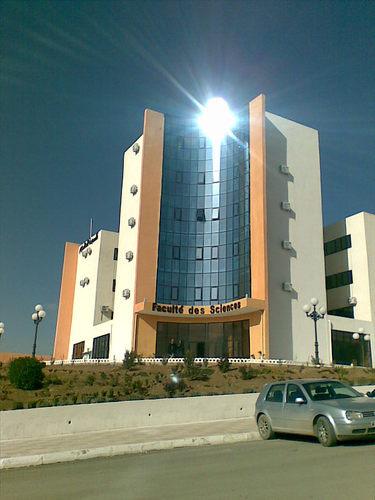
University Sétif 1 FERHAT ABBAS Faculty of Sciences
Détail de l'auteur
Auteur Zineb Ferhat Hamida |
Documents disponibles écrits par cet auteur


 Ajouter le résultat dans votre panier Affiner la recherche
Titre : FAKE NEWS DETECTION ON SOCIAL MEDIA DOCUMENTS Type de document : texte imprimé Auteurs : Zineb Ferhat Hamida, Auteur ; Drif ahlem, Directeur de thèse Editeur : Sétif:UFA1 Année de publication : 2023 Importance : 1 vol (98 f.) Format : 29 cm Langues : Anglais (eng) Catégories : Informatique Mots-clés : Fake news
Social networks
Social bot detectionIndex. décimale : 004 Informatique Résumé :
Due to the rise of social media platforms, a new political, economical and cultural climate
arose in which the prevalence of fake news grew significantly. Thus, there are wide
implications of false information for both individuals and society. For humans, it is
difficult to identify and classify fake news through heuristics, common sense, and analysis.
The objective of this Ph.D. research is to suggest automated intelligent approaches for
detecting fake news sources, especially social bots. Social bots are autonomous entities that
generate significant social media content. In our thesis, we present two main contributions:
the first one presents “Sentiment Analysis-based Model for Bot Detection on Social
Media” (Deep Bi-LSTM) that incorporates different sentiment and semantic features to
perform the bots detection. Experiment on the cresci-2017 dataset shows that our approach
can achieve competitive performance with 97.36% of accuracy. The second contribution
captures the linguistic-based features by developing a novel framework that we have called
“Hybrid Mixing Engineered Linguistic framework Features Based on Autoencoder”. This
framework is split into two segments: the features learner and a deep neural networks
classifier. The feature learner aims at performing the feature extraction task due to a deep
autoencoder based on dense layers and a BiLSTM autoencoder. We enhance the feature
extractor: (i) by feeding the lexical and syntactic features to the first autoencoder to
represent the high-order features in latent space; (ii) by building the semantic and the
context features using the BiLSTM autoencoder; (iii) the merging of the two previous
trained encoder blocks would generate a compacted data based on elite features. This
architecture help us to discover human writing style patterns accurately. Experiments
conducted on real datasets show that a significant improvement can be achieved for finegrained bots detection with 92.22% of accuracy = En raison de la monte´e en puissance des plateformes de me´dias sociaux, un nouveau
climat politique, e´conomique et culturel est apparu dans lequel la pre´valence des fausses
nouvelles a conside´rablement augmente´. Ainsi, les fausses informations ont de vastes
implications tant pour les individus que pour la socie´te´. Pour les humains, il est difficile
d’identifier et de classer les fausses nouvelles par l’heuristique, le bon sens et l’analyse.
L’objectif de cette the`se de doctorat est de proposer des approches intelligentes automatise´es
pour de´tecter les fausses sources d’informations, en particulier les robots sociaux. Les
robots sociaux sont des entite´s autonomes qui ge´ne`rent un contenu important sur les re´seaux
sociaux. Dans notre the`se, nous pre´sentons deux contributions principales : la premie`re
approche est un mode`le “ Sentiment Analysis-based Model for Bot Detection on Social
Media ” (Deep Bi-LSTM) qui inte`gre diffe´rentes fonctionnalite´s de sentiment et de la
sémantique pour effectuer la de´tection des bots. Les expe´rimentations sur le jeu de donne´es
cresci-2017 montrent que notre approche peut atteindre des performances compe´titives avec
une précision de 97.36%. La deuxie`me contribution capture les fonctionnalite´s base´es sur la
linguistique en de´veloppant une nouvelle framework appele´e “Hybrid Mixing Engineered
Linguistic Features Framework Based on Autoencoder”. Cette framework comporte deux
composants : l’apprenant de caracte´ristiques et un classificateur de re´seaux de neurones
profonds. L’apprenant de fonctionnalite´s est constitue´ d’un autoencodeur profond base´ sur
des couches denses et un deuxie`me autoencodeur BiLSTM. Ce qui a permis d’extraire des
caracte´ristiques pertinentes par les encodeurs tout en appliquant l’apprentissage par
transfert. Cette architecture discerne correctement les diffe´rences dans le style d’e´criture
des humains et des bots. Ensuite, les initialisation des classificateurs avec les
fonctionnalite´s transfe´re´es a nettement ame´liore´ les performances de la de´tection de bots
avec un précision de 92.22%.Côte titre : DI/0077 En ligne : http://dspace.univ-setif.dz:8888/jspui/handle/123456789/4269 Format de la ressource électronique : FAKE NEWS DETECTION ON SOCIAL MEDIA DOCUMENTS [texte imprimé] / Zineb Ferhat Hamida, Auteur ; Drif ahlem, Directeur de thèse . - [S.l.] : Sétif:UFA1, 2023 . - 1 vol (98 f.) ; 29 cm.
Langues : Anglais (eng)
Catégories : Informatique Mots-clés : Fake news
Social networks
Social bot detectionIndex. décimale : 004 Informatique Résumé :
Due to the rise of social media platforms, a new political, economical and cultural climate
arose in which the prevalence of fake news grew significantly. Thus, there are wide
implications of false information for both individuals and society. For humans, it is
difficult to identify and classify fake news through heuristics, common sense, and analysis.
The objective of this Ph.D. research is to suggest automated intelligent approaches for
detecting fake news sources, especially social bots. Social bots are autonomous entities that
generate significant social media content. In our thesis, we present two main contributions:
the first one presents “Sentiment Analysis-based Model for Bot Detection on Social
Media” (Deep Bi-LSTM) that incorporates different sentiment and semantic features to
perform the bots detection. Experiment on the cresci-2017 dataset shows that our approach
can achieve competitive performance with 97.36% of accuracy. The second contribution
captures the linguistic-based features by developing a novel framework that we have called
“Hybrid Mixing Engineered Linguistic framework Features Based on Autoencoder”. This
framework is split into two segments: the features learner and a deep neural networks
classifier. The feature learner aims at performing the feature extraction task due to a deep
autoencoder based on dense layers and a BiLSTM autoencoder. We enhance the feature
extractor: (i) by feeding the lexical and syntactic features to the first autoencoder to
represent the high-order features in latent space; (ii) by building the semantic and the
context features using the BiLSTM autoencoder; (iii) the merging of the two previous
trained encoder blocks would generate a compacted data based on elite features. This
architecture help us to discover human writing style patterns accurately. Experiments
conducted on real datasets show that a significant improvement can be achieved for finegrained bots detection with 92.22% of accuracy = En raison de la monte´e en puissance des plateformes de me´dias sociaux, un nouveau
climat politique, e´conomique et culturel est apparu dans lequel la pre´valence des fausses
nouvelles a conside´rablement augmente´. Ainsi, les fausses informations ont de vastes
implications tant pour les individus que pour la socie´te´. Pour les humains, il est difficile
d’identifier et de classer les fausses nouvelles par l’heuristique, le bon sens et l’analyse.
L’objectif de cette the`se de doctorat est de proposer des approches intelligentes automatise´es
pour de´tecter les fausses sources d’informations, en particulier les robots sociaux. Les
robots sociaux sont des entite´s autonomes qui ge´ne`rent un contenu important sur les re´seaux
sociaux. Dans notre the`se, nous pre´sentons deux contributions principales : la premie`re
approche est un mode`le “ Sentiment Analysis-based Model for Bot Detection on Social
Media ” (Deep Bi-LSTM) qui inte`gre diffe´rentes fonctionnalite´s de sentiment et de la
sémantique pour effectuer la de´tection des bots. Les expe´rimentations sur le jeu de donne´es
cresci-2017 montrent que notre approche peut atteindre des performances compe´titives avec
une précision de 97.36%. La deuxie`me contribution capture les fonctionnalite´s base´es sur la
linguistique en de´veloppant une nouvelle framework appele´e “Hybrid Mixing Engineered
Linguistic Features Framework Based on Autoencoder”. Cette framework comporte deux
composants : l’apprenant de caracte´ristiques et un classificateur de re´seaux de neurones
profonds. L’apprenant de fonctionnalite´s est constitue´ d’un autoencodeur profond base´ sur
des couches denses et un deuxie`me autoencodeur BiLSTM. Ce qui a permis d’extraire des
caracte´ristiques pertinentes par les encodeurs tout en appliquant l’apprentissage par
transfert. Cette architecture discerne correctement les diffe´rences dans le style d’e´criture
des humains et des bots. Ensuite, les initialisation des classificateurs avec les
fonctionnalite´s transfe´re´es a nettement ame´liore´ les performances de la de´tection de bots
avec un précision de 92.22%.Côte titre : DI/0077 En ligne : http://dspace.univ-setif.dz:8888/jspui/handle/123456789/4269 Format de la ressource électronique : Exemplaires (1)
Code-barres Cote Support Localisation Section Disponibilité DI/0077 DI/0077 Thèse Bibliothèque des sciences Anglais Disponible
DisponibleOption: Data Engineering and Web Technologies Deep Learning Image-based Plant Diseases Classification for Agricultural Systems / Riheb Ouissale Guissi
Titre : Option: Data Engineering and Web Technologies Deep Learning Image-based Plant Diseases Classification for Agricultural Systems Type de document : document électronique Auteurs : Riheb Ouissale Guissi ; Amina Meridja, Auteur ; Zineb Ferhat Hamida, Directeur de thèse Editeur : Setif:UFA Année de publication : 2025 Importance : 1 vol (80 f .) Format : 29 cm Langues : Anglais (eng) Catégories : Thèses & Mémoires:Informatique Mots-clés : Plant diseases
Deep learning
Image classification
Custom dataset
Convolutional Neural Network (CNN)
Transfer learning
Precision agricultureIndex. décimale : 004 Informatique Résumé :
Plant diseases are a big problem for farming and the safety of food around the world.
We suggest a way to automatically classify plant diseases using deep learning and a
custom dataset made up of more than 24,000 images from different sources. To see how
color affects model performance, the dataset was preprocessed, augmented, and split
into two formats: colored and grayscale. We built a Convolutional Neural Network
(CNN) model from the base up and also improved two pretrained models, ResNet50
and VGG16, using transfer learning methods. Our tests show that the VGG16 model
was the best at classifying both colored and grayscale datasets. CNN worked well
on colored datasets, and RESNET worked well on grayscale datasets. The results
also show that grayscale images can work just as well, which shows how flexible deep
learning models are when it comes to different types of input. In general, this study
shows how important the model architecture, preprocessing strategy, and size and
design of the dataset are for making strong AI solutions for precision agriculture.Note de contenu : Sommaire
Abstract ii
Résumé iii
List of Tables xi
List of Figures xii
Abréviations xiv
Introduction 1
1 Introduction 2
Problem Statement . . . . . . . . . . . . . . . . . . . . . . . . . . . . . . . . 2
Motivation . . . . . . . . . . . . . . . . . . . . . . . . . . . . . . . . . . . . 3
Objectives . . . . . . . . . . . . . . . . . . . . . . . . . . . . . . . . . . . . . 3
Thesis Structure . . . . . . . . . . . . . . . . . . . . . . . . . . . . . . . . . 4
2 State of art 5
2.1 Introduction . . . . . . . . . . . . . . . . . . . . . . . . . . . . . . . . . 5
2.2 Traditional detection methods in agriculture . . . . . . . . . . . . . . . 5
2.3 Smart Farming and Modern Technologies . . . . . . . . . . . . . . . . . 7
2.3.1 Definition . . . . . . . . . . . . . . . . . . . . . . . . . . . . . . 7
2.3.2 Advanced farming technologies . . . . . . . . . . . . . . . . . . 7
2.4 AI in agriculture . . . . . . . . . . . . . . . . . . . . . . . . . . . . . . 8
2.4.1 Definition . . . . . . . . . . . . . . . . . . . . . . . . . . . . . . 8
2.4.2 AI Applications . . . . . . . . . . . . . . . . . . . . . . . . . . . 8
2.4.3 Advantages & Disadvantages . . . . . . . . . . . . . . . . . . . 10
2.4.4 AI Methods . . . . . . . . . . . . . . . . . . . . . . . . . . . . 10
2.5 Deep learning . . . . . . . . . . . . . . . . . . . . . . . . . . . . . . . 12
2.5.1 Definition . . . . . . . . . . . . . . . . . . . . . . . . . . . . . . 12
2.5.2 Deep learning in agriculture . . . . . . . . . . . . . . . . . . . 13
2.5.3 Deep learning Workflow . . . . . . . . . . . . . . . . . . . . . . 13
2.5.4 Deep Learning Models . . . . . . . . . . . . . . . . . . . . . . . 14
2.6 Conclusion . . . . . . . . . . . . . . . . . . . . . . . . . . . . . . . . . . 16
3 Related Review 17
3.1 Introduction . . . . . . . . . . . . . . . . . . . . . . . . . . . . . . . . . 17
3.2 Image-based plant diseases detection using Deep Learning . . . . . . . 17
3.3 Deep leaning in image-based plant phenotyping . . . . . . . . . . . . . 19
3.4 Pest Detection in Agriculture via DL and TSLM . . . . . . . . . . . . 20
3.5 Hybrid DL Model for Potato Leaf Disease Detection . . . . . . . . . . 21
3.6 Comparative Overview . . . . . . . . . . . . . . . . . . . . . . . . . . . 23
3.7 Conclusion . . . . . . . . . . . . . . . . . . . . . . . . . . . . . . . . . . 25
4 Contribution 26
4.1 Introduction . . . . . . . . . . . . . . . . . . . . . . . . . . . . . . . . . 26
4.2 Overview on the preposal contribution . . . . . . . . . . . . . . . . . . 27
4.3 Data Collection & Preprocessing . . . . . . . . . . . . . . . . . . . . . 27
4.3.1 Data Collection . . . . . . . . . . . . . . . . . . . . . . . . . . . 27
4.3.2 Data Preprocessing . . . . . . . . . . . . . . . . . . . . . . . . . 34
4.4 CNN from scratch . . . . . . . . . . . . . . . . . . . . . . . . . . . . . 38
4.5 Pretrained Models . . . . . . . . . . . . . . . . . . . . . . . . . . . . . 39
4.5.1 ResNet50 . . . . . . . . . . . . . . . . . . . . . . . . . . . . . . 39
4.5.2 VGG16 . . . . . . . . . . . . . . . . . . . . . . . . . . . . . . . 39
4.6 Evaluation . . . . . . . . . . . . . . . . . . . . . . . . . . . . . . . . . . 40
4.7 Conclusion . . . . . . . . . . . . . . . . . . . . . . . . . . . . . . . . . . 41
5 Implementations and Results 42
5.1 Introduction . . . . . . . . . . . . . . . . . . . . . . . . . . . . . . . . . 42
5.2 Implementation tools . . . . . . . . . . . . . . . . . . . . . . . . . . . . 42
5.2.1 Python . . . . . . . . . . . . . . . . . . . . . . . . . . . . . . . 42
5.2.2 Tensorflow . . . . . . . . . . . . . . . . . . . . . . . . . . . . . . 43
5.2.3 Keras . . . . . . . . . . . . . . . . . . . . . . . . . . . . . . . . 43
5.2.4 PyTorch . . . . . . . . . . . . . . . . . . . . . . . . . . . . . . . 43
5.2.5 Matplotlib . . . . . . . . . . . . . . . . . . . . . . . . . . . . . . 44
5.2.6 Google Colab . . . . . . . . . . . . . . . . . . . . . . . . . . . . 44
5.2.7 kaggle . . . . . . . . . . . . . . . . . . . . . . . . . . . . . . . . 44
5.2.8 Napkin . . . . . . . . . . . . . . . . . . . . . . . . . . . . . . . 45
5.2.9 OverLeaf . . . . . . . . . . . . . . . . . . . . . . . . . . . . . . 45
5.3 Evaluation Metrics . . . . . . . . . . . . . . . . . . . . . . . . . . . . . 45
5.3.1 Accuracy . . . . . . . . . . . . . . . . . . . . . . . . . . . . . . 45
5.3.2 Precision . . . . . . . . . . . . . . . . . . . . . . . . . . . . . . 46
5.3.3 Recall . . . . . . . . . . . . . . . . . . . . . . . . . . . . . . . . 46
5.3.4 F1-score . . . . . . . . . . . . . . . . . . . . . . . . . . . . . . . 46
5.3.5 Confusion matrix . . . . . . . . . . . . . . . . . . . . . . . . . . 47
5.4 Training Parameters:Definition . . . . . . . . . . . . . . . . . . . . . . 47
5.4.1 Batch Size . . . . . . . . . . . . . . . . . . . . . . . . . . . . . . 47
5.4.2 Epoch . . . . . . . . . . . . . . . . . . . . . . . . . . . . . . . . 47
5.4.3 Adam Optimizer . . . . . . . . . . . . . . . . . . . . . . . . . . 47
5.4.4 Learning Rate . . . . . . . . . . . . . . . . . . . . . . . . . . . . 48
5.4.5 Loss Function . . . . . . . . . . . . . . . . . . . . . . . . . . . . 48
5.4.6 CallBacks . . . . . . . . . . . . . . . . . . . . . . . . . . . . . . 48
5.4.7 Early stopping . . . . . . . . . . . . . . . . . . . . . . . . . . . 48
5.4.8 Shuffle . . . . . . . . . . . . . . . . . . . . . . . . . . . . . . . . 48
5.5 Training Parametrs:Use . . . . . . . . . . . . . . . . . . . . . . . . . . 48
5.6 Results On Colored Dataset . . . . . . . . . . . . . . . . . . . . . . . . 51
5.6.1 CNN from scratch . . . . . . . . . . . . . . . . . . . . . . . . . 51
5.6.2 ResNet50 . . . . . . . . . . . . . . . . . . . . . . . . . . . . . . 54
5.6.3 VGG16 . . . . . . . . . . . . . . . . . . . . . . . . . . . . . . . 57
5.7 Results on grayscale dataset . . . . . . . . . . . . . . . . . . . . . . . . 60
5.7.1 CNN from scratch . . . . . . . . . . . . . . . . . . . . . . . . . 60
5.7.2 ResNet50 . . . . . . . . . . . . . . . . . . . . . . . . . . . . . . 63
5.7.3 VGG16 . . . . . . . . . . . . . . . . . . . . . . . . . . . . . . . 66
5.8 Side by Side Comparative Analysis . . . . . . . . . . . . . . . . . . . . 69
5.8.1 CNN VS Pretrained models . . . . . . . . . . . . . . . . . . . . 69
5.8.2 Colored VS Grayscale dataset . . . . . . . . . . . . . . . . . . . 70
5.9 General Discussion . . . . . . . . . . . . . . . . . . . . . . . . . . . . . 71
5.10 Conclusion . . . . . . . . . . . . . . . . . . . . . . . . . . . . . . . . . . 73
Conclusion 75
5.11 Future work and perspectives . . . . . . . . . . . . . . . . . . . . . . . 76
Bibliography 78Côte titre : MAI/1052 Option: Data Engineering and Web Technologies Deep Learning Image-based Plant Diseases Classification for Agricultural Systems [document électronique] / Riheb Ouissale Guissi ; Amina Meridja, Auteur ; Zineb Ferhat Hamida, Directeur de thèse . - [S.l.] : Setif:UFA, 2025 . - 1 vol (80 f .) ; 29 cm.
Langues : Anglais (eng)
Catégories : Thèses & Mémoires:Informatique Mots-clés : Plant diseases
Deep learning
Image classification
Custom dataset
Convolutional Neural Network (CNN)
Transfer learning
Precision agricultureIndex. décimale : 004 Informatique Résumé :
Plant diseases are a big problem for farming and the safety of food around the world.
We suggest a way to automatically classify plant diseases using deep learning and a
custom dataset made up of more than 24,000 images from different sources. To see how
color affects model performance, the dataset was preprocessed, augmented, and split
into two formats: colored and grayscale. We built a Convolutional Neural Network
(CNN) model from the base up and also improved two pretrained models, ResNet50
and VGG16, using transfer learning methods. Our tests show that the VGG16 model
was the best at classifying both colored and grayscale datasets. CNN worked well
on colored datasets, and RESNET worked well on grayscale datasets. The results
also show that grayscale images can work just as well, which shows how flexible deep
learning models are when it comes to different types of input. In general, this study
shows how important the model architecture, preprocessing strategy, and size and
design of the dataset are for making strong AI solutions for precision agriculture.Note de contenu : Sommaire
Abstract ii
Résumé iii
List of Tables xi
List of Figures xii
Abréviations xiv
Introduction 1
1 Introduction 2
Problem Statement . . . . . . . . . . . . . . . . . . . . . . . . . . . . . . . . 2
Motivation . . . . . . . . . . . . . . . . . . . . . . . . . . . . . . . . . . . . 3
Objectives . . . . . . . . . . . . . . . . . . . . . . . . . . . . . . . . . . . . . 3
Thesis Structure . . . . . . . . . . . . . . . . . . . . . . . . . . . . . . . . . 4
2 State of art 5
2.1 Introduction . . . . . . . . . . . . . . . . . . . . . . . . . . . . . . . . . 5
2.2 Traditional detection methods in agriculture . . . . . . . . . . . . . . . 5
2.3 Smart Farming and Modern Technologies . . . . . . . . . . . . . . . . . 7
2.3.1 Definition . . . . . . . . . . . . . . . . . . . . . . . . . . . . . . 7
2.3.2 Advanced farming technologies . . . . . . . . . . . . . . . . . . 7
2.4 AI in agriculture . . . . . . . . . . . . . . . . . . . . . . . . . . . . . . 8
2.4.1 Definition . . . . . . . . . . . . . . . . . . . . . . . . . . . . . . 8
2.4.2 AI Applications . . . . . . . . . . . . . . . . . . . . . . . . . . . 8
2.4.3 Advantages & Disadvantages . . . . . . . . . . . . . . . . . . . 10
2.4.4 AI Methods . . . . . . . . . . . . . . . . . . . . . . . . . . . . 10
2.5 Deep learning . . . . . . . . . . . . . . . . . . . . . . . . . . . . . . . 12
2.5.1 Definition . . . . . . . . . . . . . . . . . . . . . . . . . . . . . . 12
2.5.2 Deep learning in agriculture . . . . . . . . . . . . . . . . . . . 13
2.5.3 Deep learning Workflow . . . . . . . . . . . . . . . . . . . . . . 13
2.5.4 Deep Learning Models . . . . . . . . . . . . . . . . . . . . . . . 14
2.6 Conclusion . . . . . . . . . . . . . . . . . . . . . . . . . . . . . . . . . . 16
3 Related Review 17
3.1 Introduction . . . . . . . . . . . . . . . . . . . . . . . . . . . . . . . . . 17
3.2 Image-based plant diseases detection using Deep Learning . . . . . . . 17
3.3 Deep leaning in image-based plant phenotyping . . . . . . . . . . . . . 19
3.4 Pest Detection in Agriculture via DL and TSLM . . . . . . . . . . . . 20
3.5 Hybrid DL Model for Potato Leaf Disease Detection . . . . . . . . . . 21
3.6 Comparative Overview . . . . . . . . . . . . . . . . . . . . . . . . . . . 23
3.7 Conclusion . . . . . . . . . . . . . . . . . . . . . . . . . . . . . . . . . . 25
4 Contribution 26
4.1 Introduction . . . . . . . . . . . . . . . . . . . . . . . . . . . . . . . . . 26
4.2 Overview on the preposal contribution . . . . . . . . . . . . . . . . . . 27
4.3 Data Collection & Preprocessing . . . . . . . . . . . . . . . . . . . . . 27
4.3.1 Data Collection . . . . . . . . . . . . . . . . . . . . . . . . . . . 27
4.3.2 Data Preprocessing . . . . . . . . . . . . . . . . . . . . . . . . . 34
4.4 CNN from scratch . . . . . . . . . . . . . . . . . . . . . . . . . . . . . 38
4.5 Pretrained Models . . . . . . . . . . . . . . . . . . . . . . . . . . . . . 39
4.5.1 ResNet50 . . . . . . . . . . . . . . . . . . . . . . . . . . . . . . 39
4.5.2 VGG16 . . . . . . . . . . . . . . . . . . . . . . . . . . . . . . . 39
4.6 Evaluation . . . . . . . . . . . . . . . . . . . . . . . . . . . . . . . . . . 40
4.7 Conclusion . . . . . . . . . . . . . . . . . . . . . . . . . . . . . . . . . . 41
5 Implementations and Results 42
5.1 Introduction . . . . . . . . . . . . . . . . . . . . . . . . . . . . . . . . . 42
5.2 Implementation tools . . . . . . . . . . . . . . . . . . . . . . . . . . . . 42
5.2.1 Python . . . . . . . . . . . . . . . . . . . . . . . . . . . . . . . 42
5.2.2 Tensorflow . . . . . . . . . . . . . . . . . . . . . . . . . . . . . . 43
5.2.3 Keras . . . . . . . . . . . . . . . . . . . . . . . . . . . . . . . . 43
5.2.4 PyTorch . . . . . . . . . . . . . . . . . . . . . . . . . . . . . . . 43
5.2.5 Matplotlib . . . . . . . . . . . . . . . . . . . . . . . . . . . . . . 44
5.2.6 Google Colab . . . . . . . . . . . . . . . . . . . . . . . . . . . . 44
5.2.7 kaggle . . . . . . . . . . . . . . . . . . . . . . . . . . . . . . . . 44
5.2.8 Napkin . . . . . . . . . . . . . . . . . . . . . . . . . . . . . . . 45
5.2.9 OverLeaf . . . . . . . . . . . . . . . . . . . . . . . . . . . . . . 45
5.3 Evaluation Metrics . . . . . . . . . . . . . . . . . . . . . . . . . . . . . 45
5.3.1 Accuracy . . . . . . . . . . . . . . . . . . . . . . . . . . . . . . 45
5.3.2 Precision . . . . . . . . . . . . . . . . . . . . . . . . . . . . . . 46
5.3.3 Recall . . . . . . . . . . . . . . . . . . . . . . . . . . . . . . . . 46
5.3.4 F1-score . . . . . . . . . . . . . . . . . . . . . . . . . . . . . . . 46
5.3.5 Confusion matrix . . . . . . . . . . . . . . . . . . . . . . . . . . 47
5.4 Training Parameters:Definition . . . . . . . . . . . . . . . . . . . . . . 47
5.4.1 Batch Size . . . . . . . . . . . . . . . . . . . . . . . . . . . . . . 47
5.4.2 Epoch . . . . . . . . . . . . . . . . . . . . . . . . . . . . . . . . 47
5.4.3 Adam Optimizer . . . . . . . . . . . . . . . . . . . . . . . . . . 47
5.4.4 Learning Rate . . . . . . . . . . . . . . . . . . . . . . . . . . . . 48
5.4.5 Loss Function . . . . . . . . . . . . . . . . . . . . . . . . . . . . 48
5.4.6 CallBacks . . . . . . . . . . . . . . . . . . . . . . . . . . . . . . 48
5.4.7 Early stopping . . . . . . . . . . . . . . . . . . . . . . . . . . . 48
5.4.8 Shuffle . . . . . . . . . . . . . . . . . . . . . . . . . . . . . . . . 48
5.5 Training Parametrs:Use . . . . . . . . . . . . . . . . . . . . . . . . . . 48
5.6 Results On Colored Dataset . . . . . . . . . . . . . . . . . . . . . . . . 51
5.6.1 CNN from scratch . . . . . . . . . . . . . . . . . . . . . . . . . 51
5.6.2 ResNet50 . . . . . . . . . . . . . . . . . . . . . . . . . . . . . . 54
5.6.3 VGG16 . . . . . . . . . . . . . . . . . . . . . . . . . . . . . . . 57
5.7 Results on grayscale dataset . . . . . . . . . . . . . . . . . . . . . . . . 60
5.7.1 CNN from scratch . . . . . . . . . . . . . . . . . . . . . . . . . 60
5.7.2 ResNet50 . . . . . . . . . . . . . . . . . . . . . . . . . . . . . . 63
5.7.3 VGG16 . . . . . . . . . . . . . . . . . . . . . . . . . . . . . . . 66
5.8 Side by Side Comparative Analysis . . . . . . . . . . . . . . . . . . . . 69
5.8.1 CNN VS Pretrained models . . . . . . . . . . . . . . . . . . . . 69
5.8.2 Colored VS Grayscale dataset . . . . . . . . . . . . . . . . . . . 70
5.9 General Discussion . . . . . . . . . . . . . . . . . . . . . . . . . . . . . 71
5.10 Conclusion . . . . . . . . . . . . . . . . . . . . . . . . . . . . . . . . . . 73
Conclusion 75
5.11 Future work and perspectives . . . . . . . . . . . . . . . . . . . . . . . 76
Bibliography 78Côte titre : MAI/1052 Exemplaires (1)
Code-barres Cote Support Localisation Section Disponibilité MAI/1052 MAI/1052 Mémoire Bibliothèque des sciences Anglais Disponible
Disponible