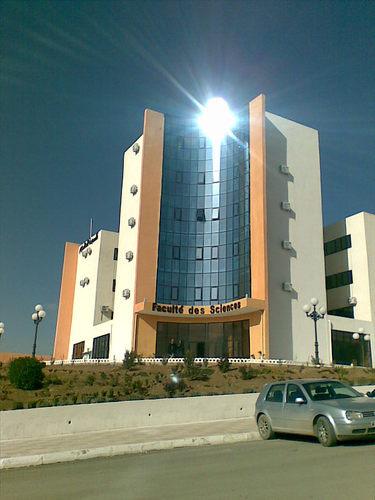
University Sétif 1 FERHAT ABBAS Faculty of Sciences
Détail de l'auteur
Auteur Mohamed El Khalil Bourouba |
Documents disponibles écrits par cet auteur


 Ajouter le résultat dans votre panier Affiner la recherche
Titre : Aklee, AI-Based Mobile App for Nutrition Label Classification Type de document : document électronique Auteurs : Mohamed El Khalil Bourouba ; Lyazid Toumi, Directeur de thèse Editeur : Setif:UFA Année de publication : 2025 Importance : 1 vol (59 f .) Format : 29 cm Langues : Anglais (eng) Catégories : Thèses & Mémoires:Informatique Mots-clés : Nutrition Label
Classification
OCR
CatBoost
Mobile Application
React Native
FastAPI
DockerIndex. décimale : 004 Informatique Résumé :
With the growing interest in healthy eating and digital solutions, the need for accessible
tools that assist users in evaluating food products has increased. In this work, we introduce
Aklee, a mobile application that leverages artificial intelligence and optical character
recognition (OCR) to classify food products based on their nutritional labels.
Our system uses Tesseract OCR to extract text from scanned product images and
applies a Catboost classifier to determine the nutritional quality. The application is
built with a modern architecture using React Native for the mobile frontend, Laravel
and FastAPI for backend services, and containerized using Docker.
The goal is to provide a user-friendly and efficient tool that aids consumers in making
healthier food choices through real-time analysis.Note de contenu :
Sommaire
Abstract 3
1 Introduction 7
1.1 Context and Motivation . . . . . . . . . . . . . . . . . . . . . . . . . . . . 7
1.2 Objectives . . . . . . . . . . . . . . . . . . . . . . . . . . . . . . . . . . . . 8
1.3 Methodology . . . . . . . . . . . . . . . . . . . . . . . . . . . . . . . . . . 9
1.3.1 Image Acquisition . . . . . . . . . . . . . . . . . . . . . . . . . . . . 9
1.3.2 Text Extraction using OCR . . . . . . . . . . . . . . . . . . . . . . 9
1.3.3 Data Parsing and Cleaning . . . . . . . . . . . . . . . . . . . . . . . 9
1.3.4 Nutritional Analysis using AI Model . . . . . . . . . . . . . . . . . 9
1.3.5 Output Generation . . . . . . . . . . . . . . . . . . . . . . . . . . . 10
1.3.6 Feedback and Continuous Learning (Optional) . . . . . . . . . . . . 10
1.4 Related Work . . . . . . . . . . . . . . . . . . . . . . . . . . . . . . . . . . 10
1.5 Optical Character Recognition in Mobile Apps . . . . . . . . . . . . . . . . 11
2 Machine Learning in Nutrition Analysis 12
2.1 Dataset Preparation . . . . . . . . . . . . . . . . . . . . . . . . . . . . . . 12
2.2 Label Encoding and Data Splitting . . . . . . . . . . . . . . . . . . . . . . 13
2.3 Comparative Analysis of Machine Learning Algorithms . . . . . . . . . . . 13
2.3.1 Performance Overview . . . . . . . . . . . . . . . . . . . . . . . . . 13
2.3.2 Detailed Algorithm Analysis . . . . . . . . . . . . . . . . . . . . . . 13
2.3.3 Why CatBoost Outperforms Other Algorithms . . . . . . . . . . . . 14
2.3.4 Model Selection: CatBoost Classifier . . . . . . . . . . . . . . . . . 15
2.3.5 Prediction and Evaluation . . . . . . . . . . . . . . . . . . . . . . . 16
2.3.6 Confusion Matrix . . . . . . . . . . . . . . . . . . . . . . . . . . . . 16
2.3.7 Feature Importance Analysis . . . . . . . . . . . . . . . . . . . . . . 16
2.4 Step 1: Data Loading and Renaming . . . . . . . . . . . . . . . . . . . . . 17
2.5 Step 2: Feature and Target Separation . . . . . . . . . . . . . . . . . . . . 18
2.6 Step 3: Label Encoding . . . . . . . . . . . . . . . . . . . . . . . . . . . . . 18
2.7 Step 4: Splitting the Dataset . . . . . . . . . . . . . . . . . . . . . . . . . . 18
2.8 Step 5: Model Training using CatBoost . . . . . . . . . . . . . . . . . . . . 19
2.9 Step 6: Model Prediction . . . . . . . . . . . . . . . . . . . . . . . . . . . . 19
2.10 Step 7: Model Evaluation . . . . . . . . . . . . . . . . . . . . . . . . . . . 20
2.11 Step 8: Confusion Matrix Visualization . . . . . . . . . . . . . . . . . . . . 20
2.12 Step 9: Feature Importance . . . . . . . . . . . . . . . . . . . . . . . . . . 20
2.13 Step 10: Model and Encoder Serialization . . . . . . . . . . . . . . . . . . 21
2.14 Model Export and Deployment . . . . . . . . . . . . . . . . . . . . . . . . 21
2.15 Conclusion . . . . . . . . . . . . . . . . . . . . . . . . . . . . . . . . . . . . 21
3 Methodology 22
3.1 Architecture Overview . . . . . . . . . . . . . . . . . . . . . . . . . . . . . 22
3.2 Class and Sequence Diagram Explanation: From Login to Nutrition Prediction
. . . . . . . . . . . . . . . . . . . . . . . . . . . . . . . . . . . . . . 22
3.2.1 Authentication Component . . . . . . . . . . . . . . . . . . . . . . 23
3.2.2 OCR Component . . . . . . . . . . . . . . . . . . . . . . . . . . . . 23
3.2.3 Comment Component . . . . . . . . . . . . . . . . . . . . . . . . . 24
3.2.4 Class Relationships Summary . . . . . . . . . . . . . . . . . . . . . 25
3.3 Sequence Diagram Explanation . . . . . . . . . . . . . . . . . . . . . . . . 25
3.3.1 Detailed Steps . . . . . . . . . . . . . . . . . . . . . . . . . . . . . . 25
3.3.2 Purpose of the Diagram . . . . . . . . . . . . . . . . . . . . . . . . 26
3.4 Followup diagrams . . . . . . . . . . . . . . . . . . . . . . . . . . . . . . . 27
3.4.1 User Interaction Workflow (Use Cases) . . . . . . . . . . . . . . . . 29
3.4.2 System Integration Points . . . . . . . . . . . . . . . . . . . . . . . 30
3.5 Tesseract OCR . . . . . . . . . . . . . . . . . . . . . . . . . . . . . . . . . 39
3.6 OCR Accuracy Analysis: Nutritional Label Variations . . . . . . . . . . . . 42
3.6.1 Key Differences and OCR Challenges . . . . . . . . . . . . . . . . . 42
3.6.2 Integration with Tesseract OCR Pipeline . . . . . . . . . . . . . . . 44
3.6.3 OCR Performance Analysis . . . . . . . . . . . . . . . . . . . . . . 44
3.7 Library Imports and Initialization . . . . . . . . . . . . . . . . . . . . . . . 46
3.8 Model Loading and App Setup . . . . . . . . . . . . . . . . . . . . . . . . . 47
3.9 Nutrition Input Schema . . . . . . . . . . . . . . . . . . . . . . . . . . . . 47
3.10 Prediction Endpoint . . . . . . . . . . . . . . . . . . . . . . . . . . . . . . 48
3.11 Test Endpoint . . . . . . . . . . . . . . . . . . . . . . . . . . . . . . . . . . 49
3.12 CORS Configuration . . . . . . . . . . . . . . . . . . . . . . . . . . . . . . 50
3.13 Conclusion . . . . . . . . . . . . . . . . . . . . . . . . . . . . . . . . . . . . 50
4 Dockerization 53
4.1 Overview of Tools . . . . . . . . . . . . . . . . . . . . . . . . . . . . . . . . 53
4.2 Docker Compose Services Description . . . . . . . . . . . . . . . . . . . . . 54
4.3 Networks and Volumes . . . . . . . . . . . . . . . . . . . . . . . . . . . . . 56
5 Conclusion 57
Côte titre : MAI/0974 Aklee, AI-Based Mobile App for Nutrition Label Classification [document électronique] / Mohamed El Khalil Bourouba ; Lyazid Toumi, Directeur de thèse . - [S.l.] : Setif:UFA, 2025 . - 1 vol (59 f .) ; 29 cm.
Langues : Anglais (eng)
Catégories : Thèses & Mémoires:Informatique Mots-clés : Nutrition Label
Classification
OCR
CatBoost
Mobile Application
React Native
FastAPI
DockerIndex. décimale : 004 Informatique Résumé :
With the growing interest in healthy eating and digital solutions, the need for accessible
tools that assist users in evaluating food products has increased. In this work, we introduce
Aklee, a mobile application that leverages artificial intelligence and optical character
recognition (OCR) to classify food products based on their nutritional labels.
Our system uses Tesseract OCR to extract text from scanned product images and
applies a Catboost classifier to determine the nutritional quality. The application is
built with a modern architecture using React Native for the mobile frontend, Laravel
and FastAPI for backend services, and containerized using Docker.
The goal is to provide a user-friendly and efficient tool that aids consumers in making
healthier food choices through real-time analysis.Note de contenu :
Sommaire
Abstract 3
1 Introduction 7
1.1 Context and Motivation . . . . . . . . . . . . . . . . . . . . . . . . . . . . 7
1.2 Objectives . . . . . . . . . . . . . . . . . . . . . . . . . . . . . . . . . . . . 8
1.3 Methodology . . . . . . . . . . . . . . . . . . . . . . . . . . . . . . . . . . 9
1.3.1 Image Acquisition . . . . . . . . . . . . . . . . . . . . . . . . . . . . 9
1.3.2 Text Extraction using OCR . . . . . . . . . . . . . . . . . . . . . . 9
1.3.3 Data Parsing and Cleaning . . . . . . . . . . . . . . . . . . . . . . . 9
1.3.4 Nutritional Analysis using AI Model . . . . . . . . . . . . . . . . . 9
1.3.5 Output Generation . . . . . . . . . . . . . . . . . . . . . . . . . . . 10
1.3.6 Feedback and Continuous Learning (Optional) . . . . . . . . . . . . 10
1.4 Related Work . . . . . . . . . . . . . . . . . . . . . . . . . . . . . . . . . . 10
1.5 Optical Character Recognition in Mobile Apps . . . . . . . . . . . . . . . . 11
2 Machine Learning in Nutrition Analysis 12
2.1 Dataset Preparation . . . . . . . . . . . . . . . . . . . . . . . . . . . . . . 12
2.2 Label Encoding and Data Splitting . . . . . . . . . . . . . . . . . . . . . . 13
2.3 Comparative Analysis of Machine Learning Algorithms . . . . . . . . . . . 13
2.3.1 Performance Overview . . . . . . . . . . . . . . . . . . . . . . . . . 13
2.3.2 Detailed Algorithm Analysis . . . . . . . . . . . . . . . . . . . . . . 13
2.3.3 Why CatBoost Outperforms Other Algorithms . . . . . . . . . . . . 14
2.3.4 Model Selection: CatBoost Classifier . . . . . . . . . . . . . . . . . 15
2.3.5 Prediction and Evaluation . . . . . . . . . . . . . . . . . . . . . . . 16
2.3.6 Confusion Matrix . . . . . . . . . . . . . . . . . . . . . . . . . . . . 16
2.3.7 Feature Importance Analysis . . . . . . . . . . . . . . . . . . . . . . 16
2.4 Step 1: Data Loading and Renaming . . . . . . . . . . . . . . . . . . . . . 17
2.5 Step 2: Feature and Target Separation . . . . . . . . . . . . . . . . . . . . 18
2.6 Step 3: Label Encoding . . . . . . . . . . . . . . . . . . . . . . . . . . . . . 18
2.7 Step 4: Splitting the Dataset . . . . . . . . . . . . . . . . . . . . . . . . . . 18
2.8 Step 5: Model Training using CatBoost . . . . . . . . . . . . . . . . . . . . 19
2.9 Step 6: Model Prediction . . . . . . . . . . . . . . . . . . . . . . . . . . . . 19
2.10 Step 7: Model Evaluation . . . . . . . . . . . . . . . . . . . . . . . . . . . 20
2.11 Step 8: Confusion Matrix Visualization . . . . . . . . . . . . . . . . . . . . 20
2.12 Step 9: Feature Importance . . . . . . . . . . . . . . . . . . . . . . . . . . 20
2.13 Step 10: Model and Encoder Serialization . . . . . . . . . . . . . . . . . . 21
2.14 Model Export and Deployment . . . . . . . . . . . . . . . . . . . . . . . . 21
2.15 Conclusion . . . . . . . . . . . . . . . . . . . . . . . . . . . . . . . . . . . . 21
3 Methodology 22
3.1 Architecture Overview . . . . . . . . . . . . . . . . . . . . . . . . . . . . . 22
3.2 Class and Sequence Diagram Explanation: From Login to Nutrition Prediction
. . . . . . . . . . . . . . . . . . . . . . . . . . . . . . . . . . . . . . 22
3.2.1 Authentication Component . . . . . . . . . . . . . . . . . . . . . . 23
3.2.2 OCR Component . . . . . . . . . . . . . . . . . . . . . . . . . . . . 23
3.2.3 Comment Component . . . . . . . . . . . . . . . . . . . . . . . . . 24
3.2.4 Class Relationships Summary . . . . . . . . . . . . . . . . . . . . . 25
3.3 Sequence Diagram Explanation . . . . . . . . . . . . . . . . . . . . . . . . 25
3.3.1 Detailed Steps . . . . . . . . . . . . . . . . . . . . . . . . . . . . . . 25
3.3.2 Purpose of the Diagram . . . . . . . . . . . . . . . . . . . . . . . . 26
3.4 Followup diagrams . . . . . . . . . . . . . . . . . . . . . . . . . . . . . . . 27
3.4.1 User Interaction Workflow (Use Cases) . . . . . . . . . . . . . . . . 29
3.4.2 System Integration Points . . . . . . . . . . . . . . . . . . . . . . . 30
3.5 Tesseract OCR . . . . . . . . . . . . . . . . . . . . . . . . . . . . . . . . . 39
3.6 OCR Accuracy Analysis: Nutritional Label Variations . . . . . . . . . . . . 42
3.6.1 Key Differences and OCR Challenges . . . . . . . . . . . . . . . . . 42
3.6.2 Integration with Tesseract OCR Pipeline . . . . . . . . . . . . . . . 44
3.6.3 OCR Performance Analysis . . . . . . . . . . . . . . . . . . . . . . 44
3.7 Library Imports and Initialization . . . . . . . . . . . . . . . . . . . . . . . 46
3.8 Model Loading and App Setup . . . . . . . . . . . . . . . . . . . . . . . . . 47
3.9 Nutrition Input Schema . . . . . . . . . . . . . . . . . . . . . . . . . . . . 47
3.10 Prediction Endpoint . . . . . . . . . . . . . . . . . . . . . . . . . . . . . . 48
3.11 Test Endpoint . . . . . . . . . . . . . . . . . . . . . . . . . . . . . . . . . . 49
3.12 CORS Configuration . . . . . . . . . . . . . . . . . . . . . . . . . . . . . . 50
3.13 Conclusion . . . . . . . . . . . . . . . . . . . . . . . . . . . . . . . . . . . . 50
4 Dockerization 53
4.1 Overview of Tools . . . . . . . . . . . . . . . . . . . . . . . . . . . . . . . . 53
4.2 Docker Compose Services Description . . . . . . . . . . . . . . . . . . . . . 54
4.3 Networks and Volumes . . . . . . . . . . . . . . . . . . . . . . . . . . . . . 56
5 Conclusion 57
Côte titre : MAI/0974 Exemplaires (1)
Code-barres Cote Support Localisation Section Disponibilité MAI/0974 MAI/0974 Mémoire Bibliothèque des sciences Anglais Disponible
Disponible