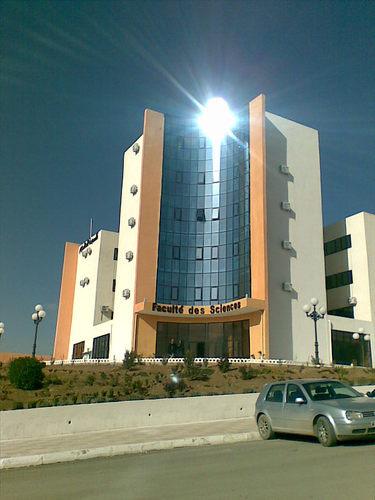
University Sétif 1 FERHAT ABBAS Faculty of Sciences
Détail de l'auteur
Auteur Akram Benhebbadj |
Documents disponibles écrits par cet auteur


 Ajouter le résultat dans votre panier Affiner la recherche
Titre : Industrial Vision Inspection System Type de document : document électronique Auteurs : Zouher Oulkhiari ; Akram Benhebbadj, Auteur ; Fella Berrimi, Directeur de thèse Editeur : Setif:UFA Année de publication : 2025 Importance : 1 vol (46 f .) Format : 29 cm Langues : Anglais (eng) Catégories : Thèses & Mémoires:Informatique Mots-clés : Vision Inspection
Deep Learning
CNN
Machine Vision
Image ProcessingIndex. décimale : 004 Informatique Résumé :
This project comprises a vision inspection system for automatic defect detection employing a Convolutional
Neural Network (CNN) built from scratch. The purpose is to improve quality control in industrial
settings by detecting products, such as electronic chips, mechanical parts, tiles, pharmaceuticals and
others ... with the highest accuracy and zero human intervention. The CNN architecture created in this
project is unlike other traditional approaches of machine learning or pre-trained models, where it was
hypothesized end-to-end training on a dataset of labeled images of defective and non-defective samples
was the way to go.The setup involves a preprocessing pipeline for normalizing and augmenting data
followed by a multi-layer CNN specially designed for feature extraction and binary classification. A
Qt/QML front-end application serves as an interface for real-time image annotation, from which various
defect types can be identified and serial codes tracked via Firebase. Thus, the integration of a bespoke
deep-learning model with an interactive application interface creates a well-formed and scalable solution
to the automated visual inspection task.Note de contenu : Sommaire
General Introduction 8
1 Chapter 01: Literature Review 11
1.1 Introduction . . . . . . . . . . . . . . . . . . . . . . . . . . . . . . . . . . . . . . . . . . . . 12
1.2 Overview of Different Quality Control Methods . . . . . . . . . . . . . . . . . . . . . . . . 12
1.2.1 CNN-Based Models . . . . . . . . . . . . . . . . . . . . . . . . . . . . . . . . . . . 12
1.2.2 Vision Transformer . . . . . . . . . . . . . . . . . . . . . . . . . . . . . . . . . . . . 13
1.2.3 Optical Character Recognition . . . . . . . . . . . . . . . . . . . . . . . . . . . . . 13
1.2.4 ZBAR . . . . . . . . . . . . . . . . . . . . . . . . . . . . . . . . . . . . . . . . . . . 13
1.2.5 Canny Edge . . . . . . . . . . . . . . . . . . . . . . . . . . . . . . . . . . . . . . . . 14
1.3 Traditional Approaches vs. Deep Learning-Based Approaches . . . . . . . . . . . . . . . . 14
1.3.1 Comparison between Deep Learning and Traditional Methods . . . . . . . . . . . . 14
1.3.2 Comparison between Grad-CAM and Saliency Maps . . . . . . . . . . . . . . . . . 15
1.4 Deep Learning Models for Defect Detection . . . . . . . . . . . . . . . . . . . . . . . . . . 15
1.4.1 Convolutional Neural Networks . . . . . . . . . . . . . . . . . . . . . . . . . . . . . 15
1.4.2 Recurrent Neural Networks . . . . . . . . . . . . . . . . . . . . . . . . . . . . . . . 15
1.4.3 Generative Adversarial Networks . . . . . . . . . . . . . . . . . . . . . . . . . . . . 16
1.5 Benchmark Datasets for Defect Detection . . . . . . . . . . . . . . . . . . . . . . . . . . . 16
1.5.1 MVTec AD . . . . . . . . . . . . . . . . . . . . . . . . . . . . . . . . . . . . . . . . 16
1.5.2 MVTec AD 2 . . . . . . . . . . . . . . . . . . . . . . . . . . . . . . . . . . . . . . . 16
1.5.3 MVTec 3D-AD . . . . . . . . . . . . . . . . . . . . . . . . . . . . . . . . . . . . . . 17
1.5.4 MVTec LOCO AD . . . . . . . . . . . . . . . . . . . . . . . . . . . . . . . . . . . . 17
1.5.5 T-LESS Dataset . . . . . . . . . . . . . . . . . . . . . . . . . . . . . . . . . . . . . 17
1.5.6 ITODD . . . . . . . . . . . . . . . . . . . . . . . . . . . . . . . . . . . . . . . . . . 17
1.5.7 COCO . . . . . . . . . . . . . . . . . . . . . . . . . . . . . . . . . . . . . . . . . . . 18
1.5.8 CARPK . . . . . . . . . . . . . . . . . . . . . . . . . . . . . . . . . . . . . . . . . . 18
1.6 Conclusion . . . . . . . . . . . . . . . . . . . . . . . . . . . . . . . . . . . . . . . . . . . . 18
2 Chapter 02: Methodology 19
2.1 Introduction . . . . . . . . . . . . . . . . . . . . . . . . . . . . . . . . . . . . . . . . . . . . 20
2.2 Problem Formulation . . . . . . . . . . . . . . . . . . . . . . . . . . . . . . . . . . . . . . . 20
2.3 Dataset Description . . . . . . . . . . . . . . . . . . . . . . . . . . . . . . . . . . . . . . . 20
2.3.1 Background Generating . . . . . . . . . . . . . . . . . . . . . . . . . . . . . . . . . 20
2.3.2 Noise Generating . . . . . . . . . . . . . . . . . . . . . . . . . . . . . . . . . . . . . 20
2.3.3 Rotation Generating . . . . . . . . . . . . . . . . . . . . . . . . . . . . . . . . . . . 20
2.3.4 Filters . . . . . . . . . . . . . . . . . . . . . . . . . . . . . . . . . . . . . . . . . . . 21
2.3.5 Dust Generating . . . . . . . . . . . . . . . . . . . . . . . . . . . . . . . . . . . . . 21
2.4 Deep Learning Model Selection . . . . . . . . . . . . . . . . . . . . . . . . . . . . . . . . . 21
2.4.1 User Experience . . . . . . . . . . . . . . . . . . . . . . . . . . . . . . . . . . . . . 21
2.4.2 Speed and Scalability . . . . . . . . . . . . . . . . . . . . . . . . . . . . . . . . . . 22
2.4.3 Unnecessity of Annotation . . . . . . . . . . . . . . . . . . . . . . . . . . . . . . . . 23
2.4.4 Limitation for Transfer Learning . . . . . . . . . . . . . . . . . . . . . . . . . . . . 23
2.4.5 Justifying Our Approach . . . . . . . . . . . . . . . . . . . . . . . . . . . . . . . . 23
2.4.6 Our CNN Building Selection . . . . . . . . . . . . . . . . . . . . . . . . . . . . . . 23
2.4.7 Model Training and Validation Process . . . . . . . . . . . . . . . . . . . . . . . . 23
2.4.8 Dataset Dependent . . . . . . . . . . . . . . . . . . . . . . . . . . . . . . . . . . . . 24
2.4.9 Feature Extraction Adaptation . . . . . . . . . . . . . . . . . . . . . . . . . . . . . 24
2.4.10 Optimizer Selections Based on Variance . . . . . . . . . . . . . . . . . . . . . . . . 24
2.5 Loss Function . . . . . . . . . . . . . . . . . . . . . . . . . . . . . . . . . . . . . . . . . . . 25
2.6 Training Strategy . . . . . . . . . . . . . . . . . . . . . . . . . . . . . . . . . . . . . . . . . 25
2.6.1 Benchmarking Phase . . . . . . . . . . . . . . . . . . . . . . . . . . . . . . . . . . . 25
2.6.2 Deployment Phase . . . . . . . . . . . . . . . . . . . . . . . . . . . . . . . . . . . . 25
2.7 Performance Evaluation Metrics . . . . . . . . . . . . . . . . . . . . . . . . . . . . . . . . 25
2.7.1 Interpretation of Training Dynamics Through Accuracy and Loss Curves . . . . . 26
2.7.2 Interpretation of Classification Metrics and Model Performance . . . . . . . . . . . 27
2.8 Conclusion . . . . . . . . . . . . . . . . . . . . . . . . . . . . . . . . . . . . . . . . . . . . 27
3 Chapter 03: Implementation and Experiments 30
3.1 Introduction . . . . . . . . . . . . . . . . . . . . . . . . . . . . . . . . . . . . . . . . . . . . 31
3.2 Experimental Setup . . . . . . . . . . . . . . . . . . . . . . . . . . . . . . . . . . . . . . . 31
3.2.1 Hardware Setup . . . . . . . . . . . . . . . . . . . . . . . . . . . . . . . . . . . . . 31
3.2.2 Software Setup . . . . . . . . . . . . . . . . . . . . . . . . . . . . . . . . . . . . . . 31
3.3 Programming Languages and Frameworks . . . . . . . . . . . . . . . . . . . . . . . . . . . 32
3.3.1 Python 3 . . . . . . . . . . . . . . . . . . . . . . . . . . . . . . . . . . . . . . . . . 32
3.3.2 QML Language . . . . . . . . . . . . . . . . . . . . . . . . . . . . . . . . . . . . . . 32
3.4 Libraries and Tools . . . . . . . . . . . . . . . . . . . . . . . . . . . . . . . . . . . . . . . . 32
3.4.1 OpenCV . . . . . . . . . . . . . . . . . . . . . . . . . . . . . . . . . . . . . . . . . . 32
3.4.2 PyTorch . . . . . . . . . . . . . . . . . . . . . . . . . . . . . . . . . . . . . . . . . . 32
3.4.3 Pillow . . . . . . . . . . . . . . . . . . . . . . . . . . . . . . . . . . . . . . . . . . . 32
3.4.4 Pyrealsense2 . . . . . . . . . . . . . . . . . . . . . . . . . . . . . . . . . . . . . . . 32
3.4.5 PySide6 . . . . . . . . . . . . . . . . . . . . . . . . . . . . . . . . . . . . . . . . . . 33
3.5 Integration Overview . . . . . . . . . . . . . . . . . . . . . . . . . . . . . . . . . . . . . . . 33
3.6 Model Training Process . . . . . . . . . . . . . . . . . . . . . . . . . . . . . . . . . . . . . 33
3.6.1 Dataset Preparation . . . . . . . . . . . . . . . . . . . . . . . . . . . . . . . . . . . 33
3.6.2 Feature Extraction and Complexity Assessment . . . . . . . . . . . . . . . . . . . . 33
3.7 Model Architecture and Hyperparameter . . . . . . . . . . . . . . . . . . . . . . . . . . . . 35
3.7.1 Optimizer Selection . . . . . . . . . . . . . . . . . . . . . . . . . . . . . . . . . . . 35
3.7.2 Hyperparameter Selection . . . . . . . . . . . . . . . . . . . . . . . . . . . . . . . . 35
3.8 Results of Defect Detection Models . . . . . . . . . . . . . . . . . . . . . . . . . . . . . . . 36
3.8.1 Accuracy and Training Performance . . . . . . . . . . . . . . . . . . . . . . . . . . 36
3.8.2 Key Observations . . . . . . . . . . . . . . . . . . . . . . . . . . . . . . . . . . . . . 36
3.9 Comparison with Existing Approaches . . . . . . . . . . . . . . . . . . . . . . . . . . . . . 37
3.10 Error Analysis and Limitations . . . . . . . . . . . . . . . . . . . . . . . . . . . . . . . . . 38
3.10.1 Overfitting . . . . . . . . . . . . . . . . . . . . . . . . . . . . . . . . . . . . . . . . 38
3.10.2 Underfitting . . . . . . . . . . . . . . . . . . . . . . . . . . . . . . . . . . . . . . . . 38
3.10.3 Unstable Convergence . . . . . . . . . . . . . . . . . . . . . . . . . . . . . . . . . . 38
3.10.4 Summary of Limitations . . . . . . . . . . . . . . . . . . . . . . . . . . . . . . . . . 38
3.11 Conclusion . . . . . . . . . . . . . . . . . . . . . . . . . . . . . . . . . . . . . . . . . . . . 38
4 Chapter 04: Results and Assessment 38
4.1 Introduction . . . . . . . . . . . . . . . . . . . . . . . . . . . . . . . . . . . . . . . . . . . . 39
4.2 Interpretation of Results . . . . . . . . . . . . . . . . . . . . . . . . . . . . . . . . . . . . . 39
4.3 Key Advantages and Drawbacks . . . . . . . . . . . . . . . . . . . . . . . . . . . . . . . . 39
4.4 Practical Implications for Real-World Inspection . . . . . . . . . . . . . . . . . . . . . . . 40
4.5 Challenges and Potential Improvements . . . . . . . . . . . . . . . . . . . . . . . . . . . . 41
4.6 Future Works . . . . . . . . . . . . . . . . . . . . . . . . . . . . . . . . . . . . . . . . . . . 42
4.7 Conclusion . . . . . . . . . . . . . . . . . . . . . . . . . . . . . . . . . . . . . . . . . . . . 42
General Conclusion 42Côte titre : MAI/0978 Industrial Vision Inspection System [document électronique] / Zouher Oulkhiari ; Akram Benhebbadj, Auteur ; Fella Berrimi, Directeur de thèse . - [S.l.] : Setif:UFA, 2025 . - 1 vol (46 f .) ; 29 cm.
Langues : Anglais (eng)
Catégories : Thèses & Mémoires:Informatique Mots-clés : Vision Inspection
Deep Learning
CNN
Machine Vision
Image ProcessingIndex. décimale : 004 Informatique Résumé :
This project comprises a vision inspection system for automatic defect detection employing a Convolutional
Neural Network (CNN) built from scratch. The purpose is to improve quality control in industrial
settings by detecting products, such as electronic chips, mechanical parts, tiles, pharmaceuticals and
others ... with the highest accuracy and zero human intervention. The CNN architecture created in this
project is unlike other traditional approaches of machine learning or pre-trained models, where it was
hypothesized end-to-end training on a dataset of labeled images of defective and non-defective samples
was the way to go.The setup involves a preprocessing pipeline for normalizing and augmenting data
followed by a multi-layer CNN specially designed for feature extraction and binary classification. A
Qt/QML front-end application serves as an interface for real-time image annotation, from which various
defect types can be identified and serial codes tracked via Firebase. Thus, the integration of a bespoke
deep-learning model with an interactive application interface creates a well-formed and scalable solution
to the automated visual inspection task.Note de contenu : Sommaire
General Introduction 8
1 Chapter 01: Literature Review 11
1.1 Introduction . . . . . . . . . . . . . . . . . . . . . . . . . . . . . . . . . . . . . . . . . . . . 12
1.2 Overview of Different Quality Control Methods . . . . . . . . . . . . . . . . . . . . . . . . 12
1.2.1 CNN-Based Models . . . . . . . . . . . . . . . . . . . . . . . . . . . . . . . . . . . 12
1.2.2 Vision Transformer . . . . . . . . . . . . . . . . . . . . . . . . . . . . . . . . . . . . 13
1.2.3 Optical Character Recognition . . . . . . . . . . . . . . . . . . . . . . . . . . . . . 13
1.2.4 ZBAR . . . . . . . . . . . . . . . . . . . . . . . . . . . . . . . . . . . . . . . . . . . 13
1.2.5 Canny Edge . . . . . . . . . . . . . . . . . . . . . . . . . . . . . . . . . . . . . . . . 14
1.3 Traditional Approaches vs. Deep Learning-Based Approaches . . . . . . . . . . . . . . . . 14
1.3.1 Comparison between Deep Learning and Traditional Methods . . . . . . . . . . . . 14
1.3.2 Comparison between Grad-CAM and Saliency Maps . . . . . . . . . . . . . . . . . 15
1.4 Deep Learning Models for Defect Detection . . . . . . . . . . . . . . . . . . . . . . . . . . 15
1.4.1 Convolutional Neural Networks . . . . . . . . . . . . . . . . . . . . . . . . . . . . . 15
1.4.2 Recurrent Neural Networks . . . . . . . . . . . . . . . . . . . . . . . . . . . . . . . 15
1.4.3 Generative Adversarial Networks . . . . . . . . . . . . . . . . . . . . . . . . . . . . 16
1.5 Benchmark Datasets for Defect Detection . . . . . . . . . . . . . . . . . . . . . . . . . . . 16
1.5.1 MVTec AD . . . . . . . . . . . . . . . . . . . . . . . . . . . . . . . . . . . . . . . . 16
1.5.2 MVTec AD 2 . . . . . . . . . . . . . . . . . . . . . . . . . . . . . . . . . . . . . . . 16
1.5.3 MVTec 3D-AD . . . . . . . . . . . . . . . . . . . . . . . . . . . . . . . . . . . . . . 17
1.5.4 MVTec LOCO AD . . . . . . . . . . . . . . . . . . . . . . . . . . . . . . . . . . . . 17
1.5.5 T-LESS Dataset . . . . . . . . . . . . . . . . . . . . . . . . . . . . . . . . . . . . . 17
1.5.6 ITODD . . . . . . . . . . . . . . . . . . . . . . . . . . . . . . . . . . . . . . . . . . 17
1.5.7 COCO . . . . . . . . . . . . . . . . . . . . . . . . . . . . . . . . . . . . . . . . . . . 18
1.5.8 CARPK . . . . . . . . . . . . . . . . . . . . . . . . . . . . . . . . . . . . . . . . . . 18
1.6 Conclusion . . . . . . . . . . . . . . . . . . . . . . . . . . . . . . . . . . . . . . . . . . . . 18
2 Chapter 02: Methodology 19
2.1 Introduction . . . . . . . . . . . . . . . . . . . . . . . . . . . . . . . . . . . . . . . . . . . . 20
2.2 Problem Formulation . . . . . . . . . . . . . . . . . . . . . . . . . . . . . . . . . . . . . . . 20
2.3 Dataset Description . . . . . . . . . . . . . . . . . . . . . . . . . . . . . . . . . . . . . . . 20
2.3.1 Background Generating . . . . . . . . . . . . . . . . . . . . . . . . . . . . . . . . . 20
2.3.2 Noise Generating . . . . . . . . . . . . . . . . . . . . . . . . . . . . . . . . . . . . . 20
2.3.3 Rotation Generating . . . . . . . . . . . . . . . . . . . . . . . . . . . . . . . . . . . 20
2.3.4 Filters . . . . . . . . . . . . . . . . . . . . . . . . . . . . . . . . . . . . . . . . . . . 21
2.3.5 Dust Generating . . . . . . . . . . . . . . . . . . . . . . . . . . . . . . . . . . . . . 21
2.4 Deep Learning Model Selection . . . . . . . . . . . . . . . . . . . . . . . . . . . . . . . . . 21
2.4.1 User Experience . . . . . . . . . . . . . . . . . . . . . . . . . . . . . . . . . . . . . 21
2.4.2 Speed and Scalability . . . . . . . . . . . . . . . . . . . . . . . . . . . . . . . . . . 22
2.4.3 Unnecessity of Annotation . . . . . . . . . . . . . . . . . . . . . . . . . . . . . . . . 23
2.4.4 Limitation for Transfer Learning . . . . . . . . . . . . . . . . . . . . . . . . . . . . 23
2.4.5 Justifying Our Approach . . . . . . . . . . . . . . . . . . . . . . . . . . . . . . . . 23
2.4.6 Our CNN Building Selection . . . . . . . . . . . . . . . . . . . . . . . . . . . . . . 23
2.4.7 Model Training and Validation Process . . . . . . . . . . . . . . . . . . . . . . . . 23
2.4.8 Dataset Dependent . . . . . . . . . . . . . . . . . . . . . . . . . . . . . . . . . . . . 24
2.4.9 Feature Extraction Adaptation . . . . . . . . . . . . . . . . . . . . . . . . . . . . . 24
2.4.10 Optimizer Selections Based on Variance . . . . . . . . . . . . . . . . . . . . . . . . 24
2.5 Loss Function . . . . . . . . . . . . . . . . . . . . . . . . . . . . . . . . . . . . . . . . . . . 25
2.6 Training Strategy . . . . . . . . . . . . . . . . . . . . . . . . . . . . . . . . . . . . . . . . . 25
2.6.1 Benchmarking Phase . . . . . . . . . . . . . . . . . . . . . . . . . . . . . . . . . . . 25
2.6.2 Deployment Phase . . . . . . . . . . . . . . . . . . . . . . . . . . . . . . . . . . . . 25
2.7 Performance Evaluation Metrics . . . . . . . . . . . . . . . . . . . . . . . . . . . . . . . . 25
2.7.1 Interpretation of Training Dynamics Through Accuracy and Loss Curves . . . . . 26
2.7.2 Interpretation of Classification Metrics and Model Performance . . . . . . . . . . . 27
2.8 Conclusion . . . . . . . . . . . . . . . . . . . . . . . . . . . . . . . . . . . . . . . . . . . . 27
3 Chapter 03: Implementation and Experiments 30
3.1 Introduction . . . . . . . . . . . . . . . . . . . . . . . . . . . . . . . . . . . . . . . . . . . . 31
3.2 Experimental Setup . . . . . . . . . . . . . . . . . . . . . . . . . . . . . . . . . . . . . . . 31
3.2.1 Hardware Setup . . . . . . . . . . . . . . . . . . . . . . . . . . . . . . . . . . . . . 31
3.2.2 Software Setup . . . . . . . . . . . . . . . . . . . . . . . . . . . . . . . . . . . . . . 31
3.3 Programming Languages and Frameworks . . . . . . . . . . . . . . . . . . . . . . . . . . . 32
3.3.1 Python 3 . . . . . . . . . . . . . . . . . . . . . . . . . . . . . . . . . . . . . . . . . 32
3.3.2 QML Language . . . . . . . . . . . . . . . . . . . . . . . . . . . . . . . . . . . . . . 32
3.4 Libraries and Tools . . . . . . . . . . . . . . . . . . . . . . . . . . . . . . . . . . . . . . . . 32
3.4.1 OpenCV . . . . . . . . . . . . . . . . . . . . . . . . . . . . . . . . . . . . . . . . . . 32
3.4.2 PyTorch . . . . . . . . . . . . . . . . . . . . . . . . . . . . . . . . . . . . . . . . . . 32
3.4.3 Pillow . . . . . . . . . . . . . . . . . . . . . . . . . . . . . . . . . . . . . . . . . . . 32
3.4.4 Pyrealsense2 . . . . . . . . . . . . . . . . . . . . . . . . . . . . . . . . . . . . . . . 32
3.4.5 PySide6 . . . . . . . . . . . . . . . . . . . . . . . . . . . . . . . . . . . . . . . . . . 33
3.5 Integration Overview . . . . . . . . . . . . . . . . . . . . . . . . . . . . . . . . . . . . . . . 33
3.6 Model Training Process . . . . . . . . . . . . . . . . . . . . . . . . . . . . . . . . . . . . . 33
3.6.1 Dataset Preparation . . . . . . . . . . . . . . . . . . . . . . . . . . . . . . . . . . . 33
3.6.2 Feature Extraction and Complexity Assessment . . . . . . . . . . . . . . . . . . . . 33
3.7 Model Architecture and Hyperparameter . . . . . . . . . . . . . . . . . . . . . . . . . . . . 35
3.7.1 Optimizer Selection . . . . . . . . . . . . . . . . . . . . . . . . . . . . . . . . . . . 35
3.7.2 Hyperparameter Selection . . . . . . . . . . . . . . . . . . . . . . . . . . . . . . . . 35
3.8 Results of Defect Detection Models . . . . . . . . . . . . . . . . . . . . . . . . . . . . . . . 36
3.8.1 Accuracy and Training Performance . . . . . . . . . . . . . . . . . . . . . . . . . . 36
3.8.2 Key Observations . . . . . . . . . . . . . . . . . . . . . . . . . . . . . . . . . . . . . 36
3.9 Comparison with Existing Approaches . . . . . . . . . . . . . . . . . . . . . . . . . . . . . 37
3.10 Error Analysis and Limitations . . . . . . . . . . . . . . . . . . . . . . . . . . . . . . . . . 38
3.10.1 Overfitting . . . . . . . . . . . . . . . . . . . . . . . . . . . . . . . . . . . . . . . . 38
3.10.2 Underfitting . . . . . . . . . . . . . . . . . . . . . . . . . . . . . . . . . . . . . . . . 38
3.10.3 Unstable Convergence . . . . . . . . . . . . . . . . . . . . . . . . . . . . . . . . . . 38
3.10.4 Summary of Limitations . . . . . . . . . . . . . . . . . . . . . . . . . . . . . . . . . 38
3.11 Conclusion . . . . . . . . . . . . . . . . . . . . . . . . . . . . . . . . . . . . . . . . . . . . 38
4 Chapter 04: Results and Assessment 38
4.1 Introduction . . . . . . . . . . . . . . . . . . . . . . . . . . . . . . . . . . . . . . . . . . . . 39
4.2 Interpretation of Results . . . . . . . . . . . . . . . . . . . . . . . . . . . . . . . . . . . . . 39
4.3 Key Advantages and Drawbacks . . . . . . . . . . . . . . . . . . . . . . . . . . . . . . . . 39
4.4 Practical Implications for Real-World Inspection . . . . . . . . . . . . . . . . . . . . . . . 40
4.5 Challenges and Potential Improvements . . . . . . . . . . . . . . . . . . . . . . . . . . . . 41
4.6 Future Works . . . . . . . . . . . . . . . . . . . . . . . . . . . . . . . . . . . . . . . . . . . 42
4.7 Conclusion . . . . . . . . . . . . . . . . . . . . . . . . . . . . . . . . . . . . . . . . . . . . 42
General Conclusion 42Côte titre : MAI/0978 Exemplaires (1)
Code-barres Cote Support Localisation Section Disponibilité MAI/0978 MAI/0978 Mémoire Bibliothèque des sciences Anglais Disponible
Disponible