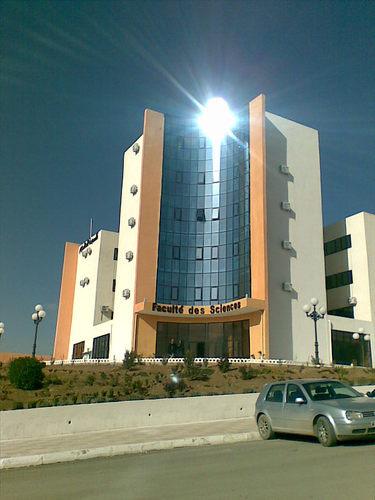
University Sétif 1 FERHAT ABBAS Faculty of Sciences
Détail de l'auteur
Auteur Yacine Amarouche |
Documents disponibles écrits par cet auteur


 Ajouter le résultat dans votre panier Affiner la recherche
A Comparative Analysis of Deep Learning and Traditional Machine Learning Approaches for Lung Cancer Detection / Yacine Amarouche
Titre : A Comparative Analysis of Deep Learning and Traditional Machine Learning Approaches for Lung Cancer Detection Type de document : document électronique Auteurs : Yacine Amarouche ; Ishak Kouachi, Auteur ; Ferradji,Mohamed Abderraouf, Directeur de thèse Editeur : Setif:UFA Année de publication : 2025 Importance : 1 vol (45 f .) Format : 29 cm Langues : Anglais (eng) Catégories : Thèses & Mémoires:Informatique Mots-clés : Lung cancer
Histopathology
Machine Learning
Deep Learning
Convolutional Neural Networks
Hybrid Model
Diagnosis
ClassificationIndex. décimale : 004 Informatique Résumé :
In this work, a hybrid method is proposed for lung cancer detection using
histopathological images from the LC25000 dataset. This method adopts
MobileNetV3Small for efficient deep feature extraction, Principal Component
Analysis (PCA) for dimensionality reduction, and a Support Vector
Machine (SVM) for classification. The model achieved a high accuracy of
99.87%, along with excellent precision, recall, and F1-score values. Due
to its low execution time, the proposed method is particularly well suited
for real-world clinical applications. This research contributes to the field of
medical diagnosis supported by advanced artificial intelligence technologies
by offering a powerful tool for accurate lung cancer detection.Note de contenu : Sommaire
List of Tables ii
General Introduction 1
1 Foundations of Artificial Intelligence 2
1.1 Introduction . . . . . . . . . . . . . . . . . . . . . . . . . . . . . . . . . . . 2
1.2 What is AI? . . . . . . . . . . . . . . . . . . . . . . . . . . . . . . . . . . . 2
1.2.1 Definition 1 . . . . . . . . . . . . . . . . . . . . . . . . . . . . . . . 2
1.2.2 Definition 2 . . . . . . . . . . . . . . . . . . . . . . . . . . . . . . . 2
1.3 Machine Learning . . . . . . . . . . . . . . . . . . . . . . . . . . . . . . . . 3
1.3.1 Definition . . . . . . . . . . . . . . . . . . . . . . . . . . . . . . . . 3
1.3.2 Machine Learning Categories . . . . . . . . . . . . . . . . . . . . . 3
1.4 Deep Learning . . . . . . . . . . . . . . . . . . . . . . . . . . . . . . . . . 6
1.4.1 Definition . . . . . . . . . . . . . . . . . . . . . . . . . . . . . . . . 6
1.4.2 Deep Neural Networks . . . . . . . . . . . . . . . . . . . . . . . . . 6
1.4.3 Convolutional Neural Networks . . . . . . . . . . . . . . . . . . . . 7
1.5 Data Preprocessing Methods . . . . . . . . . . . . . . . . . . . . . . . . . . 9
1.5.1 Data Cleaning . . . . . . . . . . . . . . . . . . . . . . . . . . . . . 9
1.5.2 Feature scaling . . . . . . . . . . . . . . . . . . . . . . . . . . . . . 9
1.5.3 Data Augmentation . . . . . . . . . . . . . . . . . . . . . . . . . . 10
1.5.4 Dimensionality Reduction . . . . . . . . . . . . . . . . . . . . . . . 10
1.5.5 Preprocessing in deep learning and machine learning . . . . . . . . 10
1.6 Main practices and Models evaluation . . . . . . . . . . . . . . . . . . . . 11
1.6.1 Data splitting . . . . . . . . . . . . . . . . . . . . . . . . . . . . . . 11
1.6.2 Cross-Validation (CV) . . . . . . . . . . . . . . . . . . . . . . . . . 11
1.6.3 k-fold Cross-Validation . . . . . . . . . . . . . . . . . . . . . . . . . 11
1.6.4 hold-out Cross-Validation . . . . . . . . . . . . . . . . . . . . . . . 11
1.6.5 Models Parameters and Hyper-Parameters . . . . . . . . . . . . . . 12
1.6.6 Evaluation Metrics . . . . . . . . . . . . . . . . . . . . . . . . . . . 12
1.7 Machine learning and deep learning difficulties in healthcare . . . . . . . . 12
1.7.1 Data gathering and preparation . . . . . . . . . . . . . . . . . . . . 12
1.7.2 Domain complexity . . . . . . . . . . . . . . . . . . . . . . . . . . . 13
1.7.3 Interpretable and Explainable Models . . . . . . . . . . . . . . . . 13
1.7.4 Technical & Infrastructure challenges . . . . . . . . . . . . . . . . . 13
1.7.5 Ethical problems . . . . . . . . . . . . . . . . . . . . . . . . . . . . 13
1.8 Conclusion . . . . . . . . . . . . . . . . . . . . . . . . . . . . . . . . . . . . 14
2 Towards Intelligent Diagnosis: The Role of AI in Lung Cancer Detection 15
2.1 Introduction . . . . . . . . . . . . . . . . . . . . . . . . . . . . . . . . . . . 15
2.2 The importance of AI integration into healthcare . . . . . . . . . . . . . . 15
2.3 Applications of AI in the Healthcare Sector . . . . . . . . . . . . . . . . . 16
2.3.1 Electronic Health Records . . . . . . . . . . . . . . . . . . . . . . . 16
2.3.2 Drug discovery . . . . . . . . . . . . . . . . . . . . . . . . . . . . . 16
2.3.3 Medical imaging . . . . . . . . . . . . . . . . . . . . . . . . . . . . 16
2.3.4 AI for Predictive Analytics and Risk categorization . . . . . . . . . 17
2.3.5 Mental Health and Telemedicine . . . . . . . . . . . . . . . . . . . 17
2.4 Lung Cancer . . . . . . . . . . . . . . . . . . . . . . . . . . . . . . . . . . 17
2.5 Artificial Intelligence in lung cancer . . . . . . . . . . . . . . . . . . . . . . 18
2.6 State of the Art . . . . . . . . . . . . . . . . . . . . . . . . . . . . . . . . . 19
2.7 Conclusion . . . . . . . . . . . . . . . . . . . . . . . . . . . . . . . . . . . . 25
3 Comparative Analysis and Proposed model for Lung Cancer Detection 26
3.1 Introduction . . . . . . . . . . . . . . . . . . . . . . . . . . . . . . . . . . . 26
3.2 Proposed system overview . . . . . . . . . . . . . . . . . . . . . . . . . . . 26
3.2.1 Feature Extraction . . . . . . . . . . . . . . . . . . . . . . . . . . . 27
3.2.2 Dimensionality Reduction and Classification . . . . . . . . . . . . . 27
3.2.3 Model Training and Evaluation . . . . . . . . . . . . . . . . . . . . 28
3.3 Dataset description . . . . . . . . . . . . . . . . . . . . . . . . . . . . . . . 29
3.3.1 Data preprocessing . . . . . . . . . . . . . . . . . . . . . . . . . . . 31
3.4 Materials . . . . . . . . . . . . . . . . . . . . . . . . . . . . . . . . . . . . 31
3.4.1 Local Machine . . . . . . . . . . . . . . . . . . . . . . . . . . . . . 31
3.4.2 Python and Jupyter Notebooks . . . . . . . . . . . . . . . . . . . . 31
3.5 Experimental results . . . . . . . . . . . . . . . . . . . . . . . . . . . . . . 31
3.5.1 Results discussion . . . . . . . . . . . . . . . . . . . . . . . . . . . 32
3.6 Comparative Analysis of the results . . . . . . . . . . . . . . . . . . . . . . 42
3.7 Limitations and Challenges . . . . . . . . . . . . . . . . . . . . . . . . . . 43
3.7.1 Future improvements . . . . . . . . . . . . . . . . . . . . . . . . . . 44
3.8 Conclusion . . . . . . . . . . . . . . . . . . . . . . . . . . . . . . . . . . . . 44
General Conclusion 46Côte titre : MAI/1012 A Comparative Analysis of Deep Learning and Traditional Machine Learning Approaches for Lung Cancer Detection [document électronique] / Yacine Amarouche ; Ishak Kouachi, Auteur ; Ferradji,Mohamed Abderraouf, Directeur de thèse . - [S.l.] : Setif:UFA, 2025 . - 1 vol (45 f .) ; 29 cm.
Langues : Anglais (eng)
Catégories : Thèses & Mémoires:Informatique Mots-clés : Lung cancer
Histopathology
Machine Learning
Deep Learning
Convolutional Neural Networks
Hybrid Model
Diagnosis
ClassificationIndex. décimale : 004 Informatique Résumé :
In this work, a hybrid method is proposed for lung cancer detection using
histopathological images from the LC25000 dataset. This method adopts
MobileNetV3Small for efficient deep feature extraction, Principal Component
Analysis (PCA) for dimensionality reduction, and a Support Vector
Machine (SVM) for classification. The model achieved a high accuracy of
99.87%, along with excellent precision, recall, and F1-score values. Due
to its low execution time, the proposed method is particularly well suited
for real-world clinical applications. This research contributes to the field of
medical diagnosis supported by advanced artificial intelligence technologies
by offering a powerful tool for accurate lung cancer detection.Note de contenu : Sommaire
List of Tables ii
General Introduction 1
1 Foundations of Artificial Intelligence 2
1.1 Introduction . . . . . . . . . . . . . . . . . . . . . . . . . . . . . . . . . . . 2
1.2 What is AI? . . . . . . . . . . . . . . . . . . . . . . . . . . . . . . . . . . . 2
1.2.1 Definition 1 . . . . . . . . . . . . . . . . . . . . . . . . . . . . . . . 2
1.2.2 Definition 2 . . . . . . . . . . . . . . . . . . . . . . . . . . . . . . . 2
1.3 Machine Learning . . . . . . . . . . . . . . . . . . . . . . . . . . . . . . . . 3
1.3.1 Definition . . . . . . . . . . . . . . . . . . . . . . . . . . . . . . . . 3
1.3.2 Machine Learning Categories . . . . . . . . . . . . . . . . . . . . . 3
1.4 Deep Learning . . . . . . . . . . . . . . . . . . . . . . . . . . . . . . . . . 6
1.4.1 Definition . . . . . . . . . . . . . . . . . . . . . . . . . . . . . . . . 6
1.4.2 Deep Neural Networks . . . . . . . . . . . . . . . . . . . . . . . . . 6
1.4.3 Convolutional Neural Networks . . . . . . . . . . . . . . . . . . . . 7
1.5 Data Preprocessing Methods . . . . . . . . . . . . . . . . . . . . . . . . . . 9
1.5.1 Data Cleaning . . . . . . . . . . . . . . . . . . . . . . . . . . . . . 9
1.5.2 Feature scaling . . . . . . . . . . . . . . . . . . . . . . . . . . . . . 9
1.5.3 Data Augmentation . . . . . . . . . . . . . . . . . . . . . . . . . . 10
1.5.4 Dimensionality Reduction . . . . . . . . . . . . . . . . . . . . . . . 10
1.5.5 Preprocessing in deep learning and machine learning . . . . . . . . 10
1.6 Main practices and Models evaluation . . . . . . . . . . . . . . . . . . . . 11
1.6.1 Data splitting . . . . . . . . . . . . . . . . . . . . . . . . . . . . . . 11
1.6.2 Cross-Validation (CV) . . . . . . . . . . . . . . . . . . . . . . . . . 11
1.6.3 k-fold Cross-Validation . . . . . . . . . . . . . . . . . . . . . . . . . 11
1.6.4 hold-out Cross-Validation . . . . . . . . . . . . . . . . . . . . . . . 11
1.6.5 Models Parameters and Hyper-Parameters . . . . . . . . . . . . . . 12
1.6.6 Evaluation Metrics . . . . . . . . . . . . . . . . . . . . . . . . . . . 12
1.7 Machine learning and deep learning difficulties in healthcare . . . . . . . . 12
1.7.1 Data gathering and preparation . . . . . . . . . . . . . . . . . . . . 12
1.7.2 Domain complexity . . . . . . . . . . . . . . . . . . . . . . . . . . . 13
1.7.3 Interpretable and Explainable Models . . . . . . . . . . . . . . . . 13
1.7.4 Technical & Infrastructure challenges . . . . . . . . . . . . . . . . . 13
1.7.5 Ethical problems . . . . . . . . . . . . . . . . . . . . . . . . . . . . 13
1.8 Conclusion . . . . . . . . . . . . . . . . . . . . . . . . . . . . . . . . . . . . 14
2 Towards Intelligent Diagnosis: The Role of AI in Lung Cancer Detection 15
2.1 Introduction . . . . . . . . . . . . . . . . . . . . . . . . . . . . . . . . . . . 15
2.2 The importance of AI integration into healthcare . . . . . . . . . . . . . . 15
2.3 Applications of AI in the Healthcare Sector . . . . . . . . . . . . . . . . . 16
2.3.1 Electronic Health Records . . . . . . . . . . . . . . . . . . . . . . . 16
2.3.2 Drug discovery . . . . . . . . . . . . . . . . . . . . . . . . . . . . . 16
2.3.3 Medical imaging . . . . . . . . . . . . . . . . . . . . . . . . . . . . 16
2.3.4 AI for Predictive Analytics and Risk categorization . . . . . . . . . 17
2.3.5 Mental Health and Telemedicine . . . . . . . . . . . . . . . . . . . 17
2.4 Lung Cancer . . . . . . . . . . . . . . . . . . . . . . . . . . . . . . . . . . 17
2.5 Artificial Intelligence in lung cancer . . . . . . . . . . . . . . . . . . . . . . 18
2.6 State of the Art . . . . . . . . . . . . . . . . . . . . . . . . . . . . . . . . . 19
2.7 Conclusion . . . . . . . . . . . . . . . . . . . . . . . . . . . . . . . . . . . . 25
3 Comparative Analysis and Proposed model for Lung Cancer Detection 26
3.1 Introduction . . . . . . . . . . . . . . . . . . . . . . . . . . . . . . . . . . . 26
3.2 Proposed system overview . . . . . . . . . . . . . . . . . . . . . . . . . . . 26
3.2.1 Feature Extraction . . . . . . . . . . . . . . . . . . . . . . . . . . . 27
3.2.2 Dimensionality Reduction and Classification . . . . . . . . . . . . . 27
3.2.3 Model Training and Evaluation . . . . . . . . . . . . . . . . . . . . 28
3.3 Dataset description . . . . . . . . . . . . . . . . . . . . . . . . . . . . . . . 29
3.3.1 Data preprocessing . . . . . . . . . . . . . . . . . . . . . . . . . . . 31
3.4 Materials . . . . . . . . . . . . . . . . . . . . . . . . . . . . . . . . . . . . 31
3.4.1 Local Machine . . . . . . . . . . . . . . . . . . . . . . . . . . . . . 31
3.4.2 Python and Jupyter Notebooks . . . . . . . . . . . . . . . . . . . . 31
3.5 Experimental results . . . . . . . . . . . . . . . . . . . . . . . . . . . . . . 31
3.5.1 Results discussion . . . . . . . . . . . . . . . . . . . . . . . . . . . 32
3.6 Comparative Analysis of the results . . . . . . . . . . . . . . . . . . . . . . 42
3.7 Limitations and Challenges . . . . . . . . . . . . . . . . . . . . . . . . . . 43
3.7.1 Future improvements . . . . . . . . . . . . . . . . . . . . . . . . . . 44
3.8 Conclusion . . . . . . . . . . . . . . . . . . . . . . . . . . . . . . . . . . . . 44
General Conclusion 46Côte titre : MAI/1012 Exemplaires (1)
Code-barres Cote Support Localisation Section Disponibilité MAI/1012 MAI/1012 Mémoire Bibliothèque des sciences Anglais Disponible
Disponible