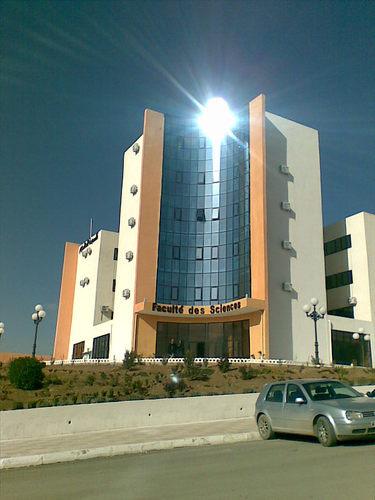
University Sétif 1 FERHAT ABBAS Faculty of Sciences
Détail de l'auteur
Auteur Khoula Bouchair |
Documents disponibles écrits par cet auteur


 Ajouter le résultat dans votre panier Affiner la recherche
Enhanced Hyperbolic Tangent (Tanh) Method for Solving Nonlinear Wave Equation Systems / Khoula Bouchair
Titre : Enhanced Hyperbolic Tangent (Tanh) Method for Solving Nonlinear Wave Equation Systems Type de document : document électronique Auteurs : Khoula Bouchair, Auteur ; Riadh Hedli, Directeur de thèse Editeur : Sétif:UFS Année de publication : 2025 Importance : 1 vol (56 f.) Format : 29 cm Langues : Anglais (eng) Mots-clés : Traveling wave solutions
Extended tanh method
Burgers equation
Korteweg–de Vries (KdV) equation
Hirota–Satsuma system
Kink wave
Periodic solutions
Soliton solutionRésumé : Abstract
This work investigates the use of the enhanced hyperbolic tangent (tanh) method combined
with symbolic computation via Maple to solve nonlinear wave equation systems.
The study focuses on exact traveling wave solutions for equations including the Burgers
equation, classical and coupled Korteweg–de Vries (KdV) equations, and the coupled
Hirota–Satsuma system. By applying the extended tanh method, nonlinear partial differential
equations are transformed into algebraic systems that can be solved to obtain
various exact solutions such as solitons, kinks, solitary waves, and periodic solutions.
Maple 17 is utilized to handle the intensive symbolic computations involved. The results
demonstrate the effectiveness and wide applicability of the enhanced tanh method in analyzing
nonlinear wave phenomena and solving complex nonlinear PDEs in mathematical
physics.
Note de contenu : Contents
List of Figures i
List of Abbreviations iii
General Introduction 1
1 Some Fundamental Concepts and Properties 3
1.1 Introduction . . . . . . . . . . . . . . . . . . . . . . . . . . . . . . . . . . . 3
1.2 Definition of a ODE . . . . . . . . . . . . . . . . . . . . . . . . . . . . . . 3
1.3 Definition of a PDE . . . . . . . . . . . . . . . . . . . . . . . . . . . . . . . 5
1.4 Order of a PDE . . . . . . . . . . . . . . . . . . . . . . . . . . . . . . . . . 6
1.5 Classification of PDE . . . . . . . . . . . . . . . . . . . . . . . . . . . . . . 7
1.5.1 Linear Partial Differential Equation . . . . . . . . . . . . . . . . . . 7
1.5.2 Quasi-linear partial differential equation . . . . . . . . . . . . . . . 7
1.5.3 Nonlinear partial differential equation . . . . . . . . . . . . . . . . . 8
1.6 Some Linear Partial Differential Equations . . . . . . . . . . . . . . . . . . 8
1.7 Some Nonlinear Partial Differential Equations . . . . . . . . . . . . . . . . 9
1.8 Homogeneous and Inhomogeneous PDEs . . . . . . . . . . . . . . . . . . . 10
1.8.1 Homogeneous partial Differential Equations . . . . . . . . . . . . . 10
1.8.2 Inhomogeneous Partial Differential Equations . . . . . . . . . . . . 10
1.9 Solution of a PDE . . . . . . . . . . . . . . . . . . . . . . . . . . . . . . . 11
1.10 Traveling Waves . . . . . . . . . . . . . . . . . . . . . . . . . . . . . . . . . 13
1.11 Types of Traveling Wave Solutions . . . . . . . . . . . . . . . . . . . . . . 13
1.11.1 Solitary Waves and Solitons . . . . . . . . . . . . . . . . . . . . . . 14
1.11.2 Periodic waves . . . . . . . . . . . . . . . . . . . . . . . . . . . . . 15
1.11.3 Kinks . . . . . . . . . . . . . . . . . . . . . . . . . . . . . . . . . . 16
1.11.4 Peakons . . . . . . . . . . . . . . . . . . . . . . . . . . . . . . . . . 16
1.11.5 Cuspons . . . . . . . . . . . . . . . . . . . . . . . . . . . . . . . . . 17
1.11.6 Compacton . . . . . . . . . . . . . . . . . . . . . . . . . . . . . . . 18
1.12 The Korteweg–de Vries (KdV) Equation . . . . . . . . . . . . . . . . . . . 19
1.12.1 The history of the KdV equation . . . . . . . . . . . . . . . . . . . 19
1.12.2 The family of the KdV equation . . . . . . . . . . . . . . . . . . . . 20
1.13 The Burgers equation . . . . . . . . . . . . . . . . . . . . . . . . . . . . . . 21
1.13.1 The history of the Burgers equation . . . . . . . . . . . . . . . . . . 21
1.13.2 The Burgers equation . . . . . . . . . . . . . . . . . . . . . . . . . . 21
1.14 The Hirota-Satsuma Equations . . . . . . . . . . . . . . . . . . . . . . . . 21
1.14.1 The history of the Hirota-Satsuma Equations . . . . . . . . . . . . 21
1.14.2 The Hirota-Satsuma Equations . . . . . . . . . . . . . . . . . . . . 22
2 Extended Tanh method 23
2.1 Introduction . . . . . . . . . . . . . . . . . . . . . . . . . . . . . . . . . . . 23
2.2 Basic idea of the method . . . . . . . . . . . . . . . . . . . . . . . . . . . . 24
2.3 Examples . . . . . . . . . . . . . . . . . . . . . . . . . . . . . . . . . . . . 26
2.3.1 The KdV equation . . . . . . . . . . . . . . . . . . . . . . . . . . . 26
2.3.2 The Burgers equation . . . . . . . . . . . . . . . . . . . . . . . . . . 32
3 Applications of the extended tanh method 36
3.1 Introduction . . . . . . . . . . . . . . . . . . . . . . . . . . . . . . . . . . . 36
3.2 System of KdV Equations . . . . . . . . . . . . . . . . . . . . . . . . . . . 36
3.2.1 Example 1 . . . . . . . . . . . . . . . . . . . . . . . . . . . . . . . . 36
3.2.2 Example 2 . . . . . . . . . . . . . . . . . . . . . . . . . . . . . . . . 44
3.3 The coupled Hirota-Satsuma . . . . . . . . . . . . . . . . . . . . . . . . . . 49
General Conclusion 56Côte titre : MAM/0806 Enhanced Hyperbolic Tangent (Tanh) Method for Solving Nonlinear Wave Equation Systems [document électronique] / Khoula Bouchair, Auteur ; Riadh Hedli, Directeur de thèse . - [S.l.] : Sétif:UFS, 2025 . - 1 vol (56 f.) ; 29 cm.
Langues : Anglais (eng)
Mots-clés : Traveling wave solutions
Extended tanh method
Burgers equation
Korteweg–de Vries (KdV) equation
Hirota–Satsuma system
Kink wave
Periodic solutions
Soliton solutionRésumé : Abstract
This work investigates the use of the enhanced hyperbolic tangent (tanh) method combined
with symbolic computation via Maple to solve nonlinear wave equation systems.
The study focuses on exact traveling wave solutions for equations including the Burgers
equation, classical and coupled Korteweg–de Vries (KdV) equations, and the coupled
Hirota–Satsuma system. By applying the extended tanh method, nonlinear partial differential
equations are transformed into algebraic systems that can be solved to obtain
various exact solutions such as solitons, kinks, solitary waves, and periodic solutions.
Maple 17 is utilized to handle the intensive symbolic computations involved. The results
demonstrate the effectiveness and wide applicability of the enhanced tanh method in analyzing
nonlinear wave phenomena and solving complex nonlinear PDEs in mathematical
physics.
Note de contenu : Contents
List of Figures i
List of Abbreviations iii
General Introduction 1
1 Some Fundamental Concepts and Properties 3
1.1 Introduction . . . . . . . . . . . . . . . . . . . . . . . . . . . . . . . . . . . 3
1.2 Definition of a ODE . . . . . . . . . . . . . . . . . . . . . . . . . . . . . . 3
1.3 Definition of a PDE . . . . . . . . . . . . . . . . . . . . . . . . . . . . . . . 5
1.4 Order of a PDE . . . . . . . . . . . . . . . . . . . . . . . . . . . . . . . . . 6
1.5 Classification of PDE . . . . . . . . . . . . . . . . . . . . . . . . . . . . . . 7
1.5.1 Linear Partial Differential Equation . . . . . . . . . . . . . . . . . . 7
1.5.2 Quasi-linear partial differential equation . . . . . . . . . . . . . . . 7
1.5.3 Nonlinear partial differential equation . . . . . . . . . . . . . . . . . 8
1.6 Some Linear Partial Differential Equations . . . . . . . . . . . . . . . . . . 8
1.7 Some Nonlinear Partial Differential Equations . . . . . . . . . . . . . . . . 9
1.8 Homogeneous and Inhomogeneous PDEs . . . . . . . . . . . . . . . . . . . 10
1.8.1 Homogeneous partial Differential Equations . . . . . . . . . . . . . 10
1.8.2 Inhomogeneous Partial Differential Equations . . . . . . . . . . . . 10
1.9 Solution of a PDE . . . . . . . . . . . . . . . . . . . . . . . . . . . . . . . 11
1.10 Traveling Waves . . . . . . . . . . . . . . . . . . . . . . . . . . . . . . . . . 13
1.11 Types of Traveling Wave Solutions . . . . . . . . . . . . . . . . . . . . . . 13
1.11.1 Solitary Waves and Solitons . . . . . . . . . . . . . . . . . . . . . . 14
1.11.2 Periodic waves . . . . . . . . . . . . . . . . . . . . . . . . . . . . . 15
1.11.3 Kinks . . . . . . . . . . . . . . . . . . . . . . . . . . . . . . . . . . 16
1.11.4 Peakons . . . . . . . . . . . . . . . . . . . . . . . . . . . . . . . . . 16
1.11.5 Cuspons . . . . . . . . . . . . . . . . . . . . . . . . . . . . . . . . . 17
1.11.6 Compacton . . . . . . . . . . . . . . . . . . . . . . . . . . . . . . . 18
1.12 The Korteweg–de Vries (KdV) Equation . . . . . . . . . . . . . . . . . . . 19
1.12.1 The history of the KdV equation . . . . . . . . . . . . . . . . . . . 19
1.12.2 The family of the KdV equation . . . . . . . . . . . . . . . . . . . . 20
1.13 The Burgers equation . . . . . . . . . . . . . . . . . . . . . . . . . . . . . . 21
1.13.1 The history of the Burgers equation . . . . . . . . . . . . . . . . . . 21
1.13.2 The Burgers equation . . . . . . . . . . . . . . . . . . . . . . . . . . 21
1.14 The Hirota-Satsuma Equations . . . . . . . . . . . . . . . . . . . . . . . . 21
1.14.1 The history of the Hirota-Satsuma Equations . . . . . . . . . . . . 21
1.14.2 The Hirota-Satsuma Equations . . . . . . . . . . . . . . . . . . . . 22
2 Extended Tanh method 23
2.1 Introduction . . . . . . . . . . . . . . . . . . . . . . . . . . . . . . . . . . . 23
2.2 Basic idea of the method . . . . . . . . . . . . . . . . . . . . . . . . . . . . 24
2.3 Examples . . . . . . . . . . . . . . . . . . . . . . . . . . . . . . . . . . . . 26
2.3.1 The KdV equation . . . . . . . . . . . . . . . . . . . . . . . . . . . 26
2.3.2 The Burgers equation . . . . . . . . . . . . . . . . . . . . . . . . . . 32
3 Applications of the extended tanh method 36
3.1 Introduction . . . . . . . . . . . . . . . . . . . . . . . . . . . . . . . . . . . 36
3.2 System of KdV Equations . . . . . . . . . . . . . . . . . . . . . . . . . . . 36
3.2.1 Example 1 . . . . . . . . . . . . . . . . . . . . . . . . . . . . . . . . 36
3.2.2 Example 2 . . . . . . . . . . . . . . . . . . . . . . . . . . . . . . . . 44
3.3 The coupled Hirota-Satsuma . . . . . . . . . . . . . . . . . . . . . . . . . . 49
General Conclusion 56Côte titre : MAM/0806 Exemplaires (1)
Code-barres Cote Support Localisation Section Disponibilité MAM/0806 MAM/0806 Mémoire Bibliothèque des sciences Anglais Disponible
Disponible
Titre : Periodic Pattern Formation Reaction-Diffusion System Type de document : document électronique Auteurs : Khoula Bouchair, Auteur ; Saffidine,Imane Khaoula, Directeur de thèse Editeur : Sétif:UFS Année de publication : 2025 Importance : 1 vol (39 f.) Format : 29 cm Langues : Anglais (eng) Mots-clés : Brusselator
Periodic Patterns
Reaction Diffusion
Implicit
Alternation Method
Travelling WavesRésumé : Abstract: This work is part of an interdisciplinary theme that aims to study the
mathematical modelling of the formation of periodic patterns through
Brusselator model to simulate reaction and diffusion using finite difference
method and alternating implicit direction The importance of this study lies in
the scientific explanation of natural phenomena such as leopard skin spots,
showing how simplicity emerges from complexity.Note de contenu : Table of Contents
Introduction v
1 Notion and Basic concepts 1
1.1 Differential Equations . . . . . . . . . . . . . . . . . . . . . . . . . . . . . . 2
1.2 Definition of Differential Equation . . . . . . . . . . . . . . . . . . . . . . . 2
1.3 Ordinary Differential Equations (ODEs) . . . . . . . . . . . . . . . . . . . . 2
1.4 Stochastic Differential Equations (SDEs) . . . . . . . . . . . . . . . . . . . . 4
1.5 Partial Differential Equations (PDEs) . . . . . . . . . . . . . . . . . . . . . . 5
1.5.1 Classification of PDEs . . . . . . . . . . . . . . . . . . . . . . . . . . 5
1.5.2 Numerical Methods for Solving PDEs . . . . . . . . . . . . . . . . . . 6
1.5.3 Alternating Direction Implicit (ADI) Method . . . . . . . . . . . . . 9
2 Mathematical Modeling 10
2.1 Mathematical Modeling . . . . . . . . . . . . . . . . . . . . . . . . . . . . . 11
2.1.1 What is Mathematical Modelling? . . . . . . . . . . . . . . . . . . . . 11
2.1.2 What Objectives Can Modelling Achieve? . . . . . . . . . . . . . . . 11
2.1.3 Classifications of Models . . . . . . . . . . . . . . . . . . . . . . . . . 12
2.1.4 Stages of Modelling . . . . . . . . . . . . . . . . . . . . . . . . . . . . 12
2.2 Reaction-Diffusion System . . . . . . . . . . . . . . . . . . . . . . . . . . . 13
2.2.1 Reaction and Diffusion in the System . . . . . . . . . . . . . . . . . . 13
2.2.2 Reaction-Diffusion Equation . . . . . . . . . . . . . . . . . . . . . . . 13
2.2.3 Reaction and Diffusion . . . . . . . . . . . . . . . . . . . . . . . . . . 14
2.3 Some Models . . . . . . . . . . . . . . . . . . . . . . . . . . . . . . . . . . . 14
2.3.1 Reaction-Diffusion Models in Chemical Physics . . . . . . . . . . . . 14
2.3.2 Reaction-Diffusion Models in Biomedical Systems . . . . . . . . . . . 16
2.3.3 Reaction-Diffusion Models in Physiology . . . . . . . . . . . . . . . . 18
2.3.4 Numerically . . . . . . . . . . . . . . . . . . . . . . . . . . . . . . . . 18
2.3.5 Reaction-diffusion in Biology . . . . . . . . . . . . . . . . . . . . . . 18
2.4 Pattern Formation . . . . . . . . . . . . . . . . . . . . . . . . . . . . . . . . 19
2.4.1 In mathematics: . . . . . . . . . . . . . . . . . . . . . . . . . . . . . . 19
2.4.2 In biology: . . . . . . . . . . . . . . . . . . . . . . . . . . . . . . . . . 19
2.4.3 In bio mathematical . . . . . . . . . . . . . . . . . . . . . . . . . . . 19
2.4.4 Alan Turing’s Brilliant Idea . . . . . . . . . . . . . . . . . . . . . . . 20
2.4.5 Definition and General Characteristics of Effectors . . . . . . . . . . 24
2.4.6 Some models of Pattern formation . . . . . . . . . . . . . . . . . . . 24
2.4.7 Numerically: . . . . . . . . . . . . . . . . . . . . . . . . . . . . . . . 26
2.5 The Brusselator Model . . . . . . . . . . . . . . . . . . . . . . . . . . . . . . 26
2.5.1 In biology: . . . . . . . . . . . . . . . . . . . . . . . . . . . . . . . . . 27
2.5.2 Numerically: . . . . . . . . . . . . . . . . . . . . . . . . . . . . . . . 27
2.6 Periodic . . . . . . . . . . . . . . . . . . . . . . . . . . . . . . . . . . . . . . 28
2.6.1 In mathematics . . . . . . . . . . . . . . . . . . . . . . . . . . . . . . 28
2.6.2 In biology . . . . . . . . . . . . . . . . . . . . . . . . . . . . . . . . . 28
2.6.3 Numerically: . . . . . . . . . . . . . . . . . . . . . . . . . . . . . . . 28
3 Implementation and excremental result 29
3.1 Introduction . . . . . . . . . . . . . . . . . . . . . . . . . . . . . . . . . . . . 30
3.2 Model . . . . . . . . . . . . . . . . . . . . . . . . . . . . . . . . . . . . . . . 31
3.3 Travelling Periodic Waves: . . . . . . . . . . . . . . . . . . . . . . . . . . . . 31
3.4 The Continuity and Continuation method . . . . . . . . . . . . . . . . . . . 31
3.5 The existence of the equilibrium point . . . . . . . . . . . . . . . . . . . . . 32
3.6 Results and Discussions . . . . . . . . . . . . . . . . . . . . . . . . . . . . . 32
3.6.1 Existence of PTW Solutions in the One Dimensional Space through
PDE Simulation . . . . . . . . . . . . . . . . . . . . . . . . . . . . . 32
3.6.2 Periodic Pattern Formation in the Two Dimensional Spaces through
PDE Simulation . . . . . . . . . . . . . . . . . . . . . . . . . . . . . 33
3.6.3 Result Enhancement . . . . . . . . . . . . . . . . . . . . . . . . . . . 35
3.7 Chapter Summary . . . . . . . . . . . . . . . . . . . . . . . . . . . . . . . . 38
Conclusion and Future Work 39Côte titre : MAM/0805 Periodic Pattern Formation Reaction-Diffusion System [document électronique] / Khoula Bouchair, Auteur ; Saffidine,Imane Khaoula, Directeur de thèse . - [S.l.] : Sétif:UFS, 2025 . - 1 vol (39 f.) ; 29 cm.
Langues : Anglais (eng)
Mots-clés : Brusselator
Periodic Patterns
Reaction Diffusion
Implicit
Alternation Method
Travelling WavesRésumé : Abstract: This work is part of an interdisciplinary theme that aims to study the
mathematical modelling of the formation of periodic patterns through
Brusselator model to simulate reaction and diffusion using finite difference
method and alternating implicit direction The importance of this study lies in
the scientific explanation of natural phenomena such as leopard skin spots,
showing how simplicity emerges from complexity.Note de contenu : Table of Contents
Introduction v
1 Notion and Basic concepts 1
1.1 Differential Equations . . . . . . . . . . . . . . . . . . . . . . . . . . . . . . 2
1.2 Definition of Differential Equation . . . . . . . . . . . . . . . . . . . . . . . 2
1.3 Ordinary Differential Equations (ODEs) . . . . . . . . . . . . . . . . . . . . 2
1.4 Stochastic Differential Equations (SDEs) . . . . . . . . . . . . . . . . . . . . 4
1.5 Partial Differential Equations (PDEs) . . . . . . . . . . . . . . . . . . . . . . 5
1.5.1 Classification of PDEs . . . . . . . . . . . . . . . . . . . . . . . . . . 5
1.5.2 Numerical Methods for Solving PDEs . . . . . . . . . . . . . . . . . . 6
1.5.3 Alternating Direction Implicit (ADI) Method . . . . . . . . . . . . . 9
2 Mathematical Modeling 10
2.1 Mathematical Modeling . . . . . . . . . . . . . . . . . . . . . . . . . . . . . 11
2.1.1 What is Mathematical Modelling? . . . . . . . . . . . . . . . . . . . . 11
2.1.2 What Objectives Can Modelling Achieve? . . . . . . . . . . . . . . . 11
2.1.3 Classifications of Models . . . . . . . . . . . . . . . . . . . . . . . . . 12
2.1.4 Stages of Modelling . . . . . . . . . . . . . . . . . . . . . . . . . . . . 12
2.2 Reaction-Diffusion System . . . . . . . . . . . . . . . . . . . . . . . . . . . 13
2.2.1 Reaction and Diffusion in the System . . . . . . . . . . . . . . . . . . 13
2.2.2 Reaction-Diffusion Equation . . . . . . . . . . . . . . . . . . . . . . . 13
2.2.3 Reaction and Diffusion . . . . . . . . . . . . . . . . . . . . . . . . . . 14
2.3 Some Models . . . . . . . . . . . . . . . . . . . . . . . . . . . . . . . . . . . 14
2.3.1 Reaction-Diffusion Models in Chemical Physics . . . . . . . . . . . . 14
2.3.2 Reaction-Diffusion Models in Biomedical Systems . . . . . . . . . . . 16
2.3.3 Reaction-Diffusion Models in Physiology . . . . . . . . . . . . . . . . 18
2.3.4 Numerically . . . . . . . . . . . . . . . . . . . . . . . . . . . . . . . . 18
2.3.5 Reaction-diffusion in Biology . . . . . . . . . . . . . . . . . . . . . . 18
2.4 Pattern Formation . . . . . . . . . . . . . . . . . . . . . . . . . . . . . . . . 19
2.4.1 In mathematics: . . . . . . . . . . . . . . . . . . . . . . . . . . . . . . 19
2.4.2 In biology: . . . . . . . . . . . . . . . . . . . . . . . . . . . . . . . . . 19
2.4.3 In bio mathematical . . . . . . . . . . . . . . . . . . . . . . . . . . . 19
2.4.4 Alan Turing’s Brilliant Idea . . . . . . . . . . . . . . . . . . . . . . . 20
2.4.5 Definition and General Characteristics of Effectors . . . . . . . . . . 24
2.4.6 Some models of Pattern formation . . . . . . . . . . . . . . . . . . . 24
2.4.7 Numerically: . . . . . . . . . . . . . . . . . . . . . . . . . . . . . . . 26
2.5 The Brusselator Model . . . . . . . . . . . . . . . . . . . . . . . . . . . . . . 26
2.5.1 In biology: . . . . . . . . . . . . . . . . . . . . . . . . . . . . . . . . . 27
2.5.2 Numerically: . . . . . . . . . . . . . . . . . . . . . . . . . . . . . . . 27
2.6 Periodic . . . . . . . . . . . . . . . . . . . . . . . . . . . . . . . . . . . . . . 28
2.6.1 In mathematics . . . . . . . . . . . . . . . . . . . . . . . . . . . . . . 28
2.6.2 In biology . . . . . . . . . . . . . . . . . . . . . . . . . . . . . . . . . 28
2.6.3 Numerically: . . . . . . . . . . . . . . . . . . . . . . . . . . . . . . . 28
3 Implementation and excremental result 29
3.1 Introduction . . . . . . . . . . . . . . . . . . . . . . . . . . . . . . . . . . . . 30
3.2 Model . . . . . . . . . . . . . . . . . . . . . . . . . . . . . . . . . . . . . . . 31
3.3 Travelling Periodic Waves: . . . . . . . . . . . . . . . . . . . . . . . . . . . . 31
3.4 The Continuity and Continuation method . . . . . . . . . . . . . . . . . . . 31
3.5 The existence of the equilibrium point . . . . . . . . . . . . . . . . . . . . . 32
3.6 Results and Discussions . . . . . . . . . . . . . . . . . . . . . . . . . . . . . 32
3.6.1 Existence of PTW Solutions in the One Dimensional Space through
PDE Simulation . . . . . . . . . . . . . . . . . . . . . . . . . . . . . 32
3.6.2 Periodic Pattern Formation in the Two Dimensional Spaces through
PDE Simulation . . . . . . . . . . . . . . . . . . . . . . . . . . . . . 33
3.6.3 Result Enhancement . . . . . . . . . . . . . . . . . . . . . . . . . . . 35
3.7 Chapter Summary . . . . . . . . . . . . . . . . . . . . . . . . . . . . . . . . 38
Conclusion and Future Work 39Côte titre : MAM/0805 Exemplaires (1)
Code-barres Cote Support Localisation Section Disponibilité MAM/0805 MAM/0805 Mémoire Bibliothèque des sciences Anglais Disponible
Disponible