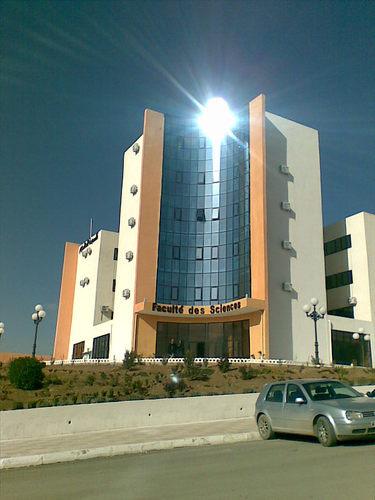
University Sétif 1 FERHAT ABBAS Faculty of Sciences
Détail de l'auteur
Auteur Abdelhakim Kahoul |
Documents disponibles écrits par cet auteur


 Ajouter le résultat dans votre panier Affiner la recherche
Titre : Harnessing Deep Learning to Bridge AI and Medical Imaging Type de document : document électronique Auteurs : Abdelhakim Kahoul ; Chabane Khentout, Directeur de thèse Editeur : Setif:UFA Année de publication : 2025 Importance : 1 vol (37 f .) Format : 29 cm Langues : Anglais (eng) Catégories : Thèses & Mémoires:Informatique Mots-clés : Classification
CNN
Deep learningIndex. décimale : 004 Informatique Résumé :
Deep learning has revolutionized medical imaging by enabling automated detection of
complex patterns in histopathology slides. As a powerful subset of machine learning, it
is transforming diagnostic pathology by improving accuracy, efficiency, and scalability in
tissue analysis.
Precise classification of histopathological images remains a critical challenge in modern
medicine, directly impacting diagnosis and treatment planning. To address this, we
propose a novel deep learning framework that significantly improves the classification of
tissue samples.
Our approach introduces an advanced convolutional neural network (CNN) architecture,
optimized for high-resolution histopathology image analysis. This model achieves stateof-
the-art performance in disease detection, grading, and subclassification, supporting
pathologists in clinical decision-making. diagnostic precision in this domain.Note de contenu : Sommaire
Acknowledgements i
Abstract ii
Introduction 2
1.1 Context and Motivation . . . . . . . . . . . . . . . . . . . . . . . . . . . 2
1.2 Research Contribution . . . . . . . . . . . . . . . . . . . . . . . . . . . . 3
1.3 How This Thesis Is Organized . . . . . . . . . . . . . . . . . . . . . . . . 3
2 Literature Review 4
2.1 Image Processing . . . . . . . . . . . . . . . . . . . . . . . . . . . . . . . 4
2.1.1 Key Concepts in Image Processing . . . . . . . . . . . . . . . . . 4
2.2 Medical Image Analytics . . . . . . . . . . . . . . . . . . . . . . . . . . . 5
2.3 Visual Data Classification . . . . . . . . . . . . . . . . . . . . . . . . . . 5
2.3.1 Definition . . . . . . . . . . . . . . . . . . . . . . . . . . . . . . . 5
2.3.2 Categorical Approaches to Image Classification . . . . . . . . . . 5
2.3.3 Algorithmic Strategies for Visual Categorization . . . . . . . . . . 6
2.4 Comparative analysis: classification vs detection paradigms . . . . . . . . 7
2.5 Summary . . . . . . . . . . . . . . . . . . . . . . . . . . . . . . . . . . . 7
3 AI Fundamentals 8
3.1 Machine learning . . . . . . . . . . . . . . . . . . . . . . . . . . . . . . . 8
3.1.1 Learning-Based Methodologies . . . . . . . . . . . . . . . . . . . . 8
3.2 From ANN to Deep Neural Architectures . . . . . . . . . . . . . . . . . . 9
3.2.1 Feedforward and Backpropagation in Neural Networks . . . . . . 11
3.3 Deep learning models . . . . . . . . . . . . . . . . . . . . . . . . . . . . . 12
3.3.1 Convolutional neural network . . . . . . . . . . . . . . . . . . . . 12
3.3.2 Transfer Learning . . . . . . . . . . . . . . . . . . . . . . . . . . . 15
3.4 Attention Mechanism in Deep Learning . . . . . . . . . . . . . . . . . . 17
3.4.1 Convolutional block attention module . . . . . . . . . . . . . . . 17
3.5 Training methods . . . . . . . . . . . . . . . . . . . . . . . . . . . . . . . 19
3.5.1 Training-Validation-Test Split Protocols . . . . . . . . . . . . . . 19
3.5.2 Overfitting and underfitting . . . . . . . . . . . . . . . . . . . . . 20
3.5.3 Error Metric Architectures . . . . . . . . . . . . . . . . . . . . . . 20
3.5.4 Architectural Regularization Techniques . . . . . . . . . . . . . . 21
3.6 Summary . . . . . . . . . . . . . . . . . . . . . . . . . . . . . . . . . . . 22
4 Experiments and results 23
4.1 Classification Experiments . . . . . . . . . . . . . . . . . . . . . . . . . . 23
4.1.1 Cnn model . . . . . . . . . . . . . . . . . . . . . . . . . . . . . . . 23
4.1.2 Cnn enhanced model . . . . . . . . . . . . . . . . . . . . . . . . . 24
4.1.3 Deep Learning Fine-Tuning . . . . . . . . . . . . . . . . . . . . . 24
4.2 Dataset and Experimental Setup . . . . . . . . . . . . . . . . . . . . . . 25
4.2.1 A 100,000-Sample Histopathology Image Benchmark for CRC Subtype
Classification . . . . . . . . . . . . . . . . . . . . . . . . . . 25
4.2.2 Image Preprocessing . . . . . . . . . . . . . . . . . . . . . . . . . 25
4.3 Implementation Environment and Tools . . . . . . . . . . . . . . . . . . 26
4.3.1 Python . . . . . . . . . . . . . . . . . . . . . . . . . . . . . . . . . 26
4.3.2 TensorFlow . . . . . . . . . . . . . . . . . . . . . . . . . . . . . . 26
4.3.3 Sickit-Learn . . . . . . . . . . . . . . . . . . . . . . . . . . . . . . 26
4.3.4 Keras . . . . . . . . . . . . . . . . . . . . . . . . . . . . . . . . . 27
4.3.5 Google Colab . . . . . . . . . . . . . . . . . . . . . . . . . . . . . 27
4.3.6 Kaggle . . . . . . . . . . . . . . . . . . . . . . . . . . . . . . . . . 27
4.4 Evaluation Protocol and Metrics . . . . . . . . . . . . . . . . . . . . . . . 27
4.4.1 Confusion matrix . . . . . . . . . . . . . . . . . . . . . . . . . . . 27
4.5 Results and Comparative Evaluation . . . . . . . . . . . . . . . . . . . . 29
4.5.1 Model Performance Analysis . . . . . . . . . . . . . . . . . . . . . 30
4.6 Summary . . . . . . . . . . . . . . . . . . . . . . . . . . . . . . . . . . . 34
Conclusion 35Côte titre : MAI/1038 Harnessing Deep Learning to Bridge AI and Medical Imaging [document électronique] / Abdelhakim Kahoul ; Chabane Khentout, Directeur de thèse . - [S.l.] : Setif:UFA, 2025 . - 1 vol (37 f .) ; 29 cm.
Langues : Anglais (eng)
Catégories : Thèses & Mémoires:Informatique Mots-clés : Classification
CNN
Deep learningIndex. décimale : 004 Informatique Résumé :
Deep learning has revolutionized medical imaging by enabling automated detection of
complex patterns in histopathology slides. As a powerful subset of machine learning, it
is transforming diagnostic pathology by improving accuracy, efficiency, and scalability in
tissue analysis.
Precise classification of histopathological images remains a critical challenge in modern
medicine, directly impacting diagnosis and treatment planning. To address this, we
propose a novel deep learning framework that significantly improves the classification of
tissue samples.
Our approach introduces an advanced convolutional neural network (CNN) architecture,
optimized for high-resolution histopathology image analysis. This model achieves stateof-
the-art performance in disease detection, grading, and subclassification, supporting
pathologists in clinical decision-making. diagnostic precision in this domain.Note de contenu : Sommaire
Acknowledgements i
Abstract ii
Introduction 2
1.1 Context and Motivation . . . . . . . . . . . . . . . . . . . . . . . . . . . 2
1.2 Research Contribution . . . . . . . . . . . . . . . . . . . . . . . . . . . . 3
1.3 How This Thesis Is Organized . . . . . . . . . . . . . . . . . . . . . . . . 3
2 Literature Review 4
2.1 Image Processing . . . . . . . . . . . . . . . . . . . . . . . . . . . . . . . 4
2.1.1 Key Concepts in Image Processing . . . . . . . . . . . . . . . . . 4
2.2 Medical Image Analytics . . . . . . . . . . . . . . . . . . . . . . . . . . . 5
2.3 Visual Data Classification . . . . . . . . . . . . . . . . . . . . . . . . . . 5
2.3.1 Definition . . . . . . . . . . . . . . . . . . . . . . . . . . . . . . . 5
2.3.2 Categorical Approaches to Image Classification . . . . . . . . . . 5
2.3.3 Algorithmic Strategies for Visual Categorization . . . . . . . . . . 6
2.4 Comparative analysis: classification vs detection paradigms . . . . . . . . 7
2.5 Summary . . . . . . . . . . . . . . . . . . . . . . . . . . . . . . . . . . . 7
3 AI Fundamentals 8
3.1 Machine learning . . . . . . . . . . . . . . . . . . . . . . . . . . . . . . . 8
3.1.1 Learning-Based Methodologies . . . . . . . . . . . . . . . . . . . . 8
3.2 From ANN to Deep Neural Architectures . . . . . . . . . . . . . . . . . . 9
3.2.1 Feedforward and Backpropagation in Neural Networks . . . . . . 11
3.3 Deep learning models . . . . . . . . . . . . . . . . . . . . . . . . . . . . . 12
3.3.1 Convolutional neural network . . . . . . . . . . . . . . . . . . . . 12
3.3.2 Transfer Learning . . . . . . . . . . . . . . . . . . . . . . . . . . . 15
3.4 Attention Mechanism in Deep Learning . . . . . . . . . . . . . . . . . . 17
3.4.1 Convolutional block attention module . . . . . . . . . . . . . . . 17
3.5 Training methods . . . . . . . . . . . . . . . . . . . . . . . . . . . . . . . 19
3.5.1 Training-Validation-Test Split Protocols . . . . . . . . . . . . . . 19
3.5.2 Overfitting and underfitting . . . . . . . . . . . . . . . . . . . . . 20
3.5.3 Error Metric Architectures . . . . . . . . . . . . . . . . . . . . . . 20
3.5.4 Architectural Regularization Techniques . . . . . . . . . . . . . . 21
3.6 Summary . . . . . . . . . . . . . . . . . . . . . . . . . . . . . . . . . . . 22
4 Experiments and results 23
4.1 Classification Experiments . . . . . . . . . . . . . . . . . . . . . . . . . . 23
4.1.1 Cnn model . . . . . . . . . . . . . . . . . . . . . . . . . . . . . . . 23
4.1.2 Cnn enhanced model . . . . . . . . . . . . . . . . . . . . . . . . . 24
4.1.3 Deep Learning Fine-Tuning . . . . . . . . . . . . . . . . . . . . . 24
4.2 Dataset and Experimental Setup . . . . . . . . . . . . . . . . . . . . . . 25
4.2.1 A 100,000-Sample Histopathology Image Benchmark for CRC Subtype
Classification . . . . . . . . . . . . . . . . . . . . . . . . . . 25
4.2.2 Image Preprocessing . . . . . . . . . . . . . . . . . . . . . . . . . 25
4.3 Implementation Environment and Tools . . . . . . . . . . . . . . . . . . 26
4.3.1 Python . . . . . . . . . . . . . . . . . . . . . . . . . . . . . . . . . 26
4.3.2 TensorFlow . . . . . . . . . . . . . . . . . . . . . . . . . . . . . . 26
4.3.3 Sickit-Learn . . . . . . . . . . . . . . . . . . . . . . . . . . . . . . 26
4.3.4 Keras . . . . . . . . . . . . . . . . . . . . . . . . . . . . . . . . . 27
4.3.5 Google Colab . . . . . . . . . . . . . . . . . . . . . . . . . . . . . 27
4.3.6 Kaggle . . . . . . . . . . . . . . . . . . . . . . . . . . . . . . . . . 27
4.4 Evaluation Protocol and Metrics . . . . . . . . . . . . . . . . . . . . . . . 27
4.4.1 Confusion matrix . . . . . . . . . . . . . . . . . . . . . . . . . . . 27
4.5 Results and Comparative Evaluation . . . . . . . . . . . . . . . . . . . . 29
4.5.1 Model Performance Analysis . . . . . . . . . . . . . . . . . . . . . 30
4.6 Summary . . . . . . . . . . . . . . . . . . . . . . . . . . . . . . . . . . . 34
Conclusion 35Côte titre : MAI/1038 Exemplaires (1)
Code-barres Cote Support Localisation Section Disponibilité MAI/1038 MAI/1038 Mémoire Bibliothèque des sciences Anglais Disponible
Disponible