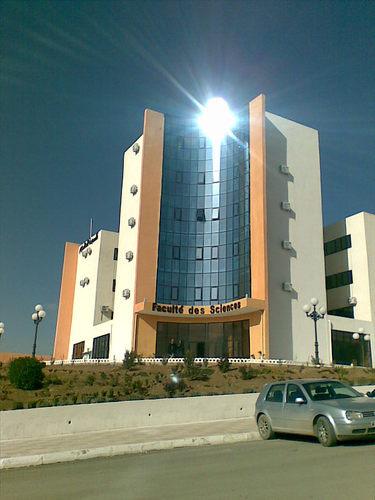
University Sétif 1 FERHAT ABBAS Faculty of Sciences
Détail de l'auteur
Auteur Riheb Ouissale Guissi |
Documents disponibles écrits par cet auteur


 Ajouter le résultat dans votre panier Affiner la recherche
Option: Data Engineering and Web Technologies Deep Learning Image-based Plant Diseases Classification for Agricultural Systems / Riheb Ouissale Guissi
Titre : Option: Data Engineering and Web Technologies Deep Learning Image-based Plant Diseases Classification for Agricultural Systems Type de document : document électronique Auteurs : Riheb Ouissale Guissi ; Amina Meridja, Auteur ; Zineb Ferhat Hamida, Directeur de thèse Editeur : Setif:UFA Année de publication : 2025 Importance : 1 vol (80 f .) Format : 29 cm Langues : Anglais (eng) Catégories : Thèses & Mémoires:Informatique Mots-clés : Plant diseases
Deep learning
Image classification
Custom dataset
Convolutional Neural Network (CNN)
Transfer learning
Precision agricultureIndex. décimale : 004 Informatique Résumé :
Plant diseases are a big problem for farming and the safety of food around the world.
We suggest a way to automatically classify plant diseases using deep learning and a
custom dataset made up of more than 24,000 images from different sources. To see how
color affects model performance, the dataset was preprocessed, augmented, and split
into two formats: colored and grayscale. We built a Convolutional Neural Network
(CNN) model from the base up and also improved two pretrained models, ResNet50
and VGG16, using transfer learning methods. Our tests show that the VGG16 model
was the best at classifying both colored and grayscale datasets. CNN worked well
on colored datasets, and RESNET worked well on grayscale datasets. The results
also show that grayscale images can work just as well, which shows how flexible deep
learning models are when it comes to different types of input. In general, this study
shows how important the model architecture, preprocessing strategy, and size and
design of the dataset are for making strong AI solutions for precision agriculture.Note de contenu : Sommaire
Abstract ii
Résumé iii
List of Tables xi
List of Figures xii
Abréviations xiv
Introduction 1
1 Introduction 2
Problem Statement . . . . . . . . . . . . . . . . . . . . . . . . . . . . . . . . 2
Motivation . . . . . . . . . . . . . . . . . . . . . . . . . . . . . . . . . . . . 3
Objectives . . . . . . . . . . . . . . . . . . . . . . . . . . . . . . . . . . . . . 3
Thesis Structure . . . . . . . . . . . . . . . . . . . . . . . . . . . . . . . . . 4
2 State of art 5
2.1 Introduction . . . . . . . . . . . . . . . . . . . . . . . . . . . . . . . . . 5
2.2 Traditional detection methods in agriculture . . . . . . . . . . . . . . . 5
2.3 Smart Farming and Modern Technologies . . . . . . . . . . . . . . . . . 7
2.3.1 Definition . . . . . . . . . . . . . . . . . . . . . . . . . . . . . . 7
2.3.2 Advanced farming technologies . . . . . . . . . . . . . . . . . . 7
2.4 AI in agriculture . . . . . . . . . . . . . . . . . . . . . . . . . . . . . . 8
2.4.1 Definition . . . . . . . . . . . . . . . . . . . . . . . . . . . . . . 8
2.4.2 AI Applications . . . . . . . . . . . . . . . . . . . . . . . . . . . 8
2.4.3 Advantages & Disadvantages . . . . . . . . . . . . . . . . . . . 10
2.4.4 AI Methods . . . . . . . . . . . . . . . . . . . . . . . . . . . . 10
2.5 Deep learning . . . . . . . . . . . . . . . . . . . . . . . . . . . . . . . 12
2.5.1 Definition . . . . . . . . . . . . . . . . . . . . . . . . . . . . . . 12
2.5.2 Deep learning in agriculture . . . . . . . . . . . . . . . . . . . 13
2.5.3 Deep learning Workflow . . . . . . . . . . . . . . . . . . . . . . 13
2.5.4 Deep Learning Models . . . . . . . . . . . . . . . . . . . . . . . 14
2.6 Conclusion . . . . . . . . . . . . . . . . . . . . . . . . . . . . . . . . . . 16
3 Related Review 17
3.1 Introduction . . . . . . . . . . . . . . . . . . . . . . . . . . . . . . . . . 17
3.2 Image-based plant diseases detection using Deep Learning . . . . . . . 17
3.3 Deep leaning in image-based plant phenotyping . . . . . . . . . . . . . 19
3.4 Pest Detection in Agriculture via DL and TSLM . . . . . . . . . . . . 20
3.5 Hybrid DL Model for Potato Leaf Disease Detection . . . . . . . . . . 21
3.6 Comparative Overview . . . . . . . . . . . . . . . . . . . . . . . . . . . 23
3.7 Conclusion . . . . . . . . . . . . . . . . . . . . . . . . . . . . . . . . . . 25
4 Contribution 26
4.1 Introduction . . . . . . . . . . . . . . . . . . . . . . . . . . . . . . . . . 26
4.2 Overview on the preposal contribution . . . . . . . . . . . . . . . . . . 27
4.3 Data Collection & Preprocessing . . . . . . . . . . . . . . . . . . . . . 27
4.3.1 Data Collection . . . . . . . . . . . . . . . . . . . . . . . . . . . 27
4.3.2 Data Preprocessing . . . . . . . . . . . . . . . . . . . . . . . . . 34
4.4 CNN from scratch . . . . . . . . . . . . . . . . . . . . . . . . . . . . . 38
4.5 Pretrained Models . . . . . . . . . . . . . . . . . . . . . . . . . . . . . 39
4.5.1 ResNet50 . . . . . . . . . . . . . . . . . . . . . . . . . . . . . . 39
4.5.2 VGG16 . . . . . . . . . . . . . . . . . . . . . . . . . . . . . . . 39
4.6 Evaluation . . . . . . . . . . . . . . . . . . . . . . . . . . . . . . . . . . 40
4.7 Conclusion . . . . . . . . . . . . . . . . . . . . . . . . . . . . . . . . . . 41
5 Implementations and Results 42
5.1 Introduction . . . . . . . . . . . . . . . . . . . . . . . . . . . . . . . . . 42
5.2 Implementation tools . . . . . . . . . . . . . . . . . . . . . . . . . . . . 42
5.2.1 Python . . . . . . . . . . . . . . . . . . . . . . . . . . . . . . . 42
5.2.2 Tensorflow . . . . . . . . . . . . . . . . . . . . . . . . . . . . . . 43
5.2.3 Keras . . . . . . . . . . . . . . . . . . . . . . . . . . . . . . . . 43
5.2.4 PyTorch . . . . . . . . . . . . . . . . . . . . . . . . . . . . . . . 43
5.2.5 Matplotlib . . . . . . . . . . . . . . . . . . . . . . . . . . . . . . 44
5.2.6 Google Colab . . . . . . . . . . . . . . . . . . . . . . . . . . . . 44
5.2.7 kaggle . . . . . . . . . . . . . . . . . . . . . . . . . . . . . . . . 44
5.2.8 Napkin . . . . . . . . . . . . . . . . . . . . . . . . . . . . . . . 45
5.2.9 OverLeaf . . . . . . . . . . . . . . . . . . . . . . . . . . . . . . 45
5.3 Evaluation Metrics . . . . . . . . . . . . . . . . . . . . . . . . . . . . . 45
5.3.1 Accuracy . . . . . . . . . . . . . . . . . . . . . . . . . . . . . . 45
5.3.2 Precision . . . . . . . . . . . . . . . . . . . . . . . . . . . . . . 46
5.3.3 Recall . . . . . . . . . . . . . . . . . . . . . . . . . . . . . . . . 46
5.3.4 F1-score . . . . . . . . . . . . . . . . . . . . . . . . . . . . . . . 46
5.3.5 Confusion matrix . . . . . . . . . . . . . . . . . . . . . . . . . . 47
5.4 Training Parameters:Definition . . . . . . . . . . . . . . . . . . . . . . 47
5.4.1 Batch Size . . . . . . . . . . . . . . . . . . . . . . . . . . . . . . 47
5.4.2 Epoch . . . . . . . . . . . . . . . . . . . . . . . . . . . . . . . . 47
5.4.3 Adam Optimizer . . . . . . . . . . . . . . . . . . . . . . . . . . 47
5.4.4 Learning Rate . . . . . . . . . . . . . . . . . . . . . . . . . . . . 48
5.4.5 Loss Function . . . . . . . . . . . . . . . . . . . . . . . . . . . . 48
5.4.6 CallBacks . . . . . . . . . . . . . . . . . . . . . . . . . . . . . . 48
5.4.7 Early stopping . . . . . . . . . . . . . . . . . . . . . . . . . . . 48
5.4.8 Shuffle . . . . . . . . . . . . . . . . . . . . . . . . . . . . . . . . 48
5.5 Training Parametrs:Use . . . . . . . . . . . . . . . . . . . . . . . . . . 48
5.6 Results On Colored Dataset . . . . . . . . . . . . . . . . . . . . . . . . 51
5.6.1 CNN from scratch . . . . . . . . . . . . . . . . . . . . . . . . . 51
5.6.2 ResNet50 . . . . . . . . . . . . . . . . . . . . . . . . . . . . . . 54
5.6.3 VGG16 . . . . . . . . . . . . . . . . . . . . . . . . . . . . . . . 57
5.7 Results on grayscale dataset . . . . . . . . . . . . . . . . . . . . . . . . 60
5.7.1 CNN from scratch . . . . . . . . . . . . . . . . . . . . . . . . . 60
5.7.2 ResNet50 . . . . . . . . . . . . . . . . . . . . . . . . . . . . . . 63
5.7.3 VGG16 . . . . . . . . . . . . . . . . . . . . . . . . . . . . . . . 66
5.8 Side by Side Comparative Analysis . . . . . . . . . . . . . . . . . . . . 69
5.8.1 CNN VS Pretrained models . . . . . . . . . . . . . . . . . . . . 69
5.8.2 Colored VS Grayscale dataset . . . . . . . . . . . . . . . . . . . 70
5.9 General Discussion . . . . . . . . . . . . . . . . . . . . . . . . . . . . . 71
5.10 Conclusion . . . . . . . . . . . . . . . . . . . . . . . . . . . . . . . . . . 73
Conclusion 75
5.11 Future work and perspectives . . . . . . . . . . . . . . . . . . . . . . . 76
Bibliography 78Côte titre : MAI/1052 Option: Data Engineering and Web Technologies Deep Learning Image-based Plant Diseases Classification for Agricultural Systems [document électronique] / Riheb Ouissale Guissi ; Amina Meridja, Auteur ; Zineb Ferhat Hamida, Directeur de thèse . - [S.l.] : Setif:UFA, 2025 . - 1 vol (80 f .) ; 29 cm.
Langues : Anglais (eng)
Catégories : Thèses & Mémoires:Informatique Mots-clés : Plant diseases
Deep learning
Image classification
Custom dataset
Convolutional Neural Network (CNN)
Transfer learning
Precision agricultureIndex. décimale : 004 Informatique Résumé :
Plant diseases are a big problem for farming and the safety of food around the world.
We suggest a way to automatically classify plant diseases using deep learning and a
custom dataset made up of more than 24,000 images from different sources. To see how
color affects model performance, the dataset was preprocessed, augmented, and split
into two formats: colored and grayscale. We built a Convolutional Neural Network
(CNN) model from the base up and also improved two pretrained models, ResNet50
and VGG16, using transfer learning methods. Our tests show that the VGG16 model
was the best at classifying both colored and grayscale datasets. CNN worked well
on colored datasets, and RESNET worked well on grayscale datasets. The results
also show that grayscale images can work just as well, which shows how flexible deep
learning models are when it comes to different types of input. In general, this study
shows how important the model architecture, preprocessing strategy, and size and
design of the dataset are for making strong AI solutions for precision agriculture.Note de contenu : Sommaire
Abstract ii
Résumé iii
List of Tables xi
List of Figures xii
Abréviations xiv
Introduction 1
1 Introduction 2
Problem Statement . . . . . . . . . . . . . . . . . . . . . . . . . . . . . . . . 2
Motivation . . . . . . . . . . . . . . . . . . . . . . . . . . . . . . . . . . . . 3
Objectives . . . . . . . . . . . . . . . . . . . . . . . . . . . . . . . . . . . . . 3
Thesis Structure . . . . . . . . . . . . . . . . . . . . . . . . . . . . . . . . . 4
2 State of art 5
2.1 Introduction . . . . . . . . . . . . . . . . . . . . . . . . . . . . . . . . . 5
2.2 Traditional detection methods in agriculture . . . . . . . . . . . . . . . 5
2.3 Smart Farming and Modern Technologies . . . . . . . . . . . . . . . . . 7
2.3.1 Definition . . . . . . . . . . . . . . . . . . . . . . . . . . . . . . 7
2.3.2 Advanced farming technologies . . . . . . . . . . . . . . . . . . 7
2.4 AI in agriculture . . . . . . . . . . . . . . . . . . . . . . . . . . . . . . 8
2.4.1 Definition . . . . . . . . . . . . . . . . . . . . . . . . . . . . . . 8
2.4.2 AI Applications . . . . . . . . . . . . . . . . . . . . . . . . . . . 8
2.4.3 Advantages & Disadvantages . . . . . . . . . . . . . . . . . . . 10
2.4.4 AI Methods . . . . . . . . . . . . . . . . . . . . . . . . . . . . 10
2.5 Deep learning . . . . . . . . . . . . . . . . . . . . . . . . . . . . . . . 12
2.5.1 Definition . . . . . . . . . . . . . . . . . . . . . . . . . . . . . . 12
2.5.2 Deep learning in agriculture . . . . . . . . . . . . . . . . . . . 13
2.5.3 Deep learning Workflow . . . . . . . . . . . . . . . . . . . . . . 13
2.5.4 Deep Learning Models . . . . . . . . . . . . . . . . . . . . . . . 14
2.6 Conclusion . . . . . . . . . . . . . . . . . . . . . . . . . . . . . . . . . . 16
3 Related Review 17
3.1 Introduction . . . . . . . . . . . . . . . . . . . . . . . . . . . . . . . . . 17
3.2 Image-based plant diseases detection using Deep Learning . . . . . . . 17
3.3 Deep leaning in image-based plant phenotyping . . . . . . . . . . . . . 19
3.4 Pest Detection in Agriculture via DL and TSLM . . . . . . . . . . . . 20
3.5 Hybrid DL Model for Potato Leaf Disease Detection . . . . . . . . . . 21
3.6 Comparative Overview . . . . . . . . . . . . . . . . . . . . . . . . . . . 23
3.7 Conclusion . . . . . . . . . . . . . . . . . . . . . . . . . . . . . . . . . . 25
4 Contribution 26
4.1 Introduction . . . . . . . . . . . . . . . . . . . . . . . . . . . . . . . . . 26
4.2 Overview on the preposal contribution . . . . . . . . . . . . . . . . . . 27
4.3 Data Collection & Preprocessing . . . . . . . . . . . . . . . . . . . . . 27
4.3.1 Data Collection . . . . . . . . . . . . . . . . . . . . . . . . . . . 27
4.3.2 Data Preprocessing . . . . . . . . . . . . . . . . . . . . . . . . . 34
4.4 CNN from scratch . . . . . . . . . . . . . . . . . . . . . . . . . . . . . 38
4.5 Pretrained Models . . . . . . . . . . . . . . . . . . . . . . . . . . . . . 39
4.5.1 ResNet50 . . . . . . . . . . . . . . . . . . . . . . . . . . . . . . 39
4.5.2 VGG16 . . . . . . . . . . . . . . . . . . . . . . . . . . . . . . . 39
4.6 Evaluation . . . . . . . . . . . . . . . . . . . . . . . . . . . . . . . . . . 40
4.7 Conclusion . . . . . . . . . . . . . . . . . . . . . . . . . . . . . . . . . . 41
5 Implementations and Results 42
5.1 Introduction . . . . . . . . . . . . . . . . . . . . . . . . . . . . . . . . . 42
5.2 Implementation tools . . . . . . . . . . . . . . . . . . . . . . . . . . . . 42
5.2.1 Python . . . . . . . . . . . . . . . . . . . . . . . . . . . . . . . 42
5.2.2 Tensorflow . . . . . . . . . . . . . . . . . . . . . . . . . . . . . . 43
5.2.3 Keras . . . . . . . . . . . . . . . . . . . . . . . . . . . . . . . . 43
5.2.4 PyTorch . . . . . . . . . . . . . . . . . . . . . . . . . . . . . . . 43
5.2.5 Matplotlib . . . . . . . . . . . . . . . . . . . . . . . . . . . . . . 44
5.2.6 Google Colab . . . . . . . . . . . . . . . . . . . . . . . . . . . . 44
5.2.7 kaggle . . . . . . . . . . . . . . . . . . . . . . . . . . . . . . . . 44
5.2.8 Napkin . . . . . . . . . . . . . . . . . . . . . . . . . . . . . . . 45
5.2.9 OverLeaf . . . . . . . . . . . . . . . . . . . . . . . . . . . . . . 45
5.3 Evaluation Metrics . . . . . . . . . . . . . . . . . . . . . . . . . . . . . 45
5.3.1 Accuracy . . . . . . . . . . . . . . . . . . . . . . . . . . . . . . 45
5.3.2 Precision . . . . . . . . . . . . . . . . . . . . . . . . . . . . . . 46
5.3.3 Recall . . . . . . . . . . . . . . . . . . . . . . . . . . . . . . . . 46
5.3.4 F1-score . . . . . . . . . . . . . . . . . . . . . . . . . . . . . . . 46
5.3.5 Confusion matrix . . . . . . . . . . . . . . . . . . . . . . . . . . 47
5.4 Training Parameters:Definition . . . . . . . . . . . . . . . . . . . . . . 47
5.4.1 Batch Size . . . . . . . . . . . . . . . . . . . . . . . . . . . . . . 47
5.4.2 Epoch . . . . . . . . . . . . . . . . . . . . . . . . . . . . . . . . 47
5.4.3 Adam Optimizer . . . . . . . . . . . . . . . . . . . . . . . . . . 47
5.4.4 Learning Rate . . . . . . . . . . . . . . . . . . . . . . . . . . . . 48
5.4.5 Loss Function . . . . . . . . . . . . . . . . . . . . . . . . . . . . 48
5.4.6 CallBacks . . . . . . . . . . . . . . . . . . . . . . . . . . . . . . 48
5.4.7 Early stopping . . . . . . . . . . . . . . . . . . . . . . . . . . . 48
5.4.8 Shuffle . . . . . . . . . . . . . . . . . . . . . . . . . . . . . . . . 48
5.5 Training Parametrs:Use . . . . . . . . . . . . . . . . . . . . . . . . . . 48
5.6 Results On Colored Dataset . . . . . . . . . . . . . . . . . . . . . . . . 51
5.6.1 CNN from scratch . . . . . . . . . . . . . . . . . . . . . . . . . 51
5.6.2 ResNet50 . . . . . . . . . . . . . . . . . . . . . . . . . . . . . . 54
5.6.3 VGG16 . . . . . . . . . . . . . . . . . . . . . . . . . . . . . . . 57
5.7 Results on grayscale dataset . . . . . . . . . . . . . . . . . . . . . . . . 60
5.7.1 CNN from scratch . . . . . . . . . . . . . . . . . . . . . . . . . 60
5.7.2 ResNet50 . . . . . . . . . . . . . . . . . . . . . . . . . . . . . . 63
5.7.3 VGG16 . . . . . . . . . . . . . . . . . . . . . . . . . . . . . . . 66
5.8 Side by Side Comparative Analysis . . . . . . . . . . . . . . . . . . . . 69
5.8.1 CNN VS Pretrained models . . . . . . . . . . . . . . . . . . . . 69
5.8.2 Colored VS Grayscale dataset . . . . . . . . . . . . . . . . . . . 70
5.9 General Discussion . . . . . . . . . . . . . . . . . . . . . . . . . . . . . 71
5.10 Conclusion . . . . . . . . . . . . . . . . . . . . . . . . . . . . . . . . . . 73
Conclusion 75
5.11 Future work and perspectives . . . . . . . . . . . . . . . . . . . . . . . 76
Bibliography 78Côte titre : MAI/1052 Exemplaires (1)
Code-barres Cote Support Localisation Section Disponibilité MAI/1052 MAI/1052 Mémoire Bibliothèque des sciences Anglais Disponible
Disponible