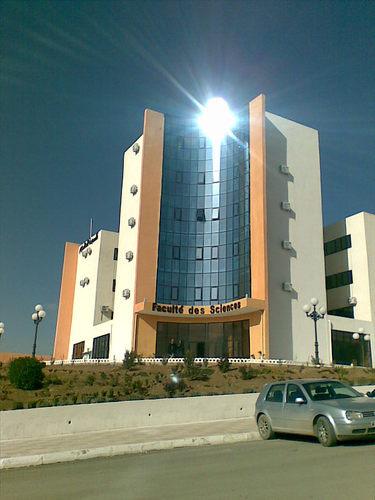
University Sétif 1 FERHAT ABBAS Faculty of Sciences
Détail de l'auteur
Auteur Omar Serraye |
Documents disponibles écrits par cet auteur


 Ajouter le résultat dans votre panier Affiner la recherche
Titre : Predicting HPGe spectra using Artificial Neural Networks Type de document : document électronique Auteurs : Omar Serraye, Auteur ; Sirine Daiche, Auteur ; Ouassila Boukhenfouf, Directeur de thèse Editeur : Setif:UFA Année de publication : 2025 Importance : 1 vol (60 f.) Format : 29 cm Langues : Anglais (eng) Catégories : Thèses & Mémoires:Physique Mots-clés : Predicting HPGe Index. décimale : 530 - Physique Résumé :
This topic investigates the modern application of artificial intelligence (AI) to gamma spectra analysis. It involves developing an artificial neural network (ANN) model capable of predicting spectra obtained by an HPGe detector from experimental spectra of a NaI(Tl) detector with better resolution comparable to that of the high-purity germanium detector.
This thesis provides a brief introduction to AI/ML/DL, as well as the application of ML to gamma radiation analysis. It also explains the use of Python and its ability to leverage ANNs to improve the resolution of HPGe prediction.
The predicted HPGe spectrum is finer than that of NaI(Tl) due to the higher resolution of HPGe compared to NaI(Tl). Training is obtained using experimental HPGe and NaI(Tl) detector spectra.
The result is impressive despite differences in prediction accuracy between the different radioactive elements used and code hyperparameters, due to the limited capabilities of the hardware used.
The second code concerns CNN prediction of the HPGe spectrum using only files obtained from the 22Na and 60Co NaI(Tl) detector. The result is satisfactory despite the limitations of AI/ML in terms of learning and prediction.
This thesis aims to develop an ANN model capable of converting NaI(Tl) spectra into HPGe spectra and directly predicting the HPGe spectrum from NaI(Tl) alone, while reducing losses and improving learning efficiency.Note de contenu : Sommaire
List of Figures ....................................................................................................................................... i
List of Tables ..................................................................................................................................... iii
Introduction .......................................................................................................................................... 1
Chapter I. AI and its Applications in Radiation physics ....................................................................... 3
I.1. Introduction...................................................................................................................... 3
I.2. Artificial intelligence (AI) ...............................................................................................3
I.3. Machine learning..............................................................................................................4
I.3.a Machine learning methods..................................................................................4
I.3.b. Machine learning Applications in physics.............................................….........4
I.3.c. Machine learning for nuclear and radiation physics...............................…........5
I.4. Deep learning (DL) ........................................................................................................5
I.5. Artificial neural network (ANNs) ...............................................................................5
I.5.a. Applications of ANNs.........................................................................................6
I.5.b. Types of neural network......................................................................................6
I.6. Applications of DL in nuclear physics ..............................................................................8
Chapter II. Radiation detection using modern Artificial intelligence .............................................. 12
II.1.
Introduction............................................................................................................12
II.2.
Radiation detection…....................................................................................12
II.2.1.
Complications in the spectrum......................................................................12
II.2.2.
Gamma-ray detectors...................................................................................12
II.2.3.
Types of Gamma-ray Detectors....................................................................12
II.2.3.a. High-Purity Germanium Detector (HPGe).......................................13
II.2.3.b. Scintillator NaI(Tl) .........................................................................13
II.2.3.c. Comparison between NaI(Tl) detectors and HPGe detectors..........15
II.2.3.d. Detector Resolution.........................................................................15
II.2.3.e. Detector Efficiency..........................................................................16
II.2.4.
Characteristic properties of Gamma-ray detectors........................................17
II.2.4.a. Efficiency parameter........................................................................17
II.2.4.b. Background Radiation.....................................................................17
II.2.4.c. Energy resolution.............................................................................17
II.2.4.d. The Dead Time................................................................................18
II.2.5.
Gamma ray spectrometry …………………………………………………18
II.2.6.
Artificial Intelligence In Radiation Detection................................................19
II.2.6.1. Machine Learning Models In Gamma Spectrum Analysis.............19
II.2.6.2. The Application of ML to Gamma Spectroscopy............................20
Chapter III. Python’s AI machine learning methods in physics .............................................. 21
III.1.
Introduction ................................................................................................... 21
III.2.
Reasons to use python ................................................................................... 22
III.3.
Python libraries used in data science and machine learning ......................... 22
III.4.
Python libraries examples ............................................................................. 22
III.5.
Python applications in physics ...................................................................... 27
III.6.
Conclusion .................................................................................................... 28
Chapter IV. Predicting HPGe Spectrum using Convolutional Neural Networks (CNNs) ..... 29
IV.1.
Introduction ................................................................................................... 29
IV.2.
Collection of experimental data .................................................................... 29
IV.3.
Convolutional Neural Network Model..........................................................33
IV.3.1.
Why (CNN) is chosen for the prediction of spectra? .......................................33
IV.3.2.
The architecture of the first code...................................................................34
IV.2.3. The architecture of the second code.............................................................35
IV.4.
Explaining python code with its principal functions and parameters .............…35
IV.5.
Python’s M L Script Predicting HPGe Spectrum using CNN Model.......... 39
IV.6.
Results of the first code........................................................................................41
IV.7.
Predicting HPGe Spectrum Directly with only NaI Data of 22Na and 60Co..46
IV.8.
Results of the second script...........................................................................49
IV.9.
Results discussion, explanation and future works........................................52
IV.9.1.
Data quality and quantity .............................................................................52
IV.9.2.
Model architecture and complexity ..............................................................52
IV.9.3.
Hyperparameters ..........................................................................................52
IV.9.4.
Training process............................................................................................52
IV.9.5.
Computational resources ..............................................................................52
IV.9.6.
Randomness..................................................................................................53
IV.9.7.
Loss functions .............................................................................................53
Conclusion...............................................................................................................................54
Bibliographic References...............................................................................................................56
Annexe A............................................................................................................................................I
Annexe B........................................................................................................................................VIICôte titre : MAPH/0693 Predicting HPGe spectra using Artificial Neural Networks [document électronique] / Omar Serraye, Auteur ; Sirine Daiche, Auteur ; Ouassila Boukhenfouf, Directeur de thèse . - [S.l.] : Setif:UFA, 2025 . - 1 vol (60 f.) ; 29 cm.
Langues : Anglais (eng)
Catégories : Thèses & Mémoires:Physique Mots-clés : Predicting HPGe Index. décimale : 530 - Physique Résumé :
This topic investigates the modern application of artificial intelligence (AI) to gamma spectra analysis. It involves developing an artificial neural network (ANN) model capable of predicting spectra obtained by an HPGe detector from experimental spectra of a NaI(Tl) detector with better resolution comparable to that of the high-purity germanium detector.
This thesis provides a brief introduction to AI/ML/DL, as well as the application of ML to gamma radiation analysis. It also explains the use of Python and its ability to leverage ANNs to improve the resolution of HPGe prediction.
The predicted HPGe spectrum is finer than that of NaI(Tl) due to the higher resolution of HPGe compared to NaI(Tl). Training is obtained using experimental HPGe and NaI(Tl) detector spectra.
The result is impressive despite differences in prediction accuracy between the different radioactive elements used and code hyperparameters, due to the limited capabilities of the hardware used.
The second code concerns CNN prediction of the HPGe spectrum using only files obtained from the 22Na and 60Co NaI(Tl) detector. The result is satisfactory despite the limitations of AI/ML in terms of learning and prediction.
This thesis aims to develop an ANN model capable of converting NaI(Tl) spectra into HPGe spectra and directly predicting the HPGe spectrum from NaI(Tl) alone, while reducing losses and improving learning efficiency.Note de contenu : Sommaire
List of Figures ....................................................................................................................................... i
List of Tables ..................................................................................................................................... iii
Introduction .......................................................................................................................................... 1
Chapter I. AI and its Applications in Radiation physics ....................................................................... 3
I.1. Introduction...................................................................................................................... 3
I.2. Artificial intelligence (AI) ...............................................................................................3
I.3. Machine learning..............................................................................................................4
I.3.a Machine learning methods..................................................................................4
I.3.b. Machine learning Applications in physics.............................................….........4
I.3.c. Machine learning for nuclear and radiation physics...............................…........5
I.4. Deep learning (DL) ........................................................................................................5
I.5. Artificial neural network (ANNs) ...............................................................................5
I.5.a. Applications of ANNs.........................................................................................6
I.5.b. Types of neural network......................................................................................6
I.6. Applications of DL in nuclear physics ..............................................................................8
Chapter II. Radiation detection using modern Artificial intelligence .............................................. 12
II.1.
Introduction............................................................................................................12
II.2.
Radiation detection…....................................................................................12
II.2.1.
Complications in the spectrum......................................................................12
II.2.2.
Gamma-ray detectors...................................................................................12
II.2.3.
Types of Gamma-ray Detectors....................................................................12
II.2.3.a. High-Purity Germanium Detector (HPGe).......................................13
II.2.3.b. Scintillator NaI(Tl) .........................................................................13
II.2.3.c. Comparison between NaI(Tl) detectors and HPGe detectors..........15
II.2.3.d. Detector Resolution.........................................................................15
II.2.3.e. Detector Efficiency..........................................................................16
II.2.4.
Characteristic properties of Gamma-ray detectors........................................17
II.2.4.a. Efficiency parameter........................................................................17
II.2.4.b. Background Radiation.....................................................................17
II.2.4.c. Energy resolution.............................................................................17
II.2.4.d. The Dead Time................................................................................18
II.2.5.
Gamma ray spectrometry …………………………………………………18
II.2.6.
Artificial Intelligence In Radiation Detection................................................19
II.2.6.1. Machine Learning Models In Gamma Spectrum Analysis.............19
II.2.6.2. The Application of ML to Gamma Spectroscopy............................20
Chapter III. Python’s AI machine learning methods in physics .............................................. 21
III.1.
Introduction ................................................................................................... 21
III.2.
Reasons to use python ................................................................................... 22
III.3.
Python libraries used in data science and machine learning ......................... 22
III.4.
Python libraries examples ............................................................................. 22
III.5.
Python applications in physics ...................................................................... 27
III.6.
Conclusion .................................................................................................... 28
Chapter IV. Predicting HPGe Spectrum using Convolutional Neural Networks (CNNs) ..... 29
IV.1.
Introduction ................................................................................................... 29
IV.2.
Collection of experimental data .................................................................... 29
IV.3.
Convolutional Neural Network Model..........................................................33
IV.3.1.
Why (CNN) is chosen for the prediction of spectra? .......................................33
IV.3.2.
The architecture of the first code...................................................................34
IV.2.3. The architecture of the second code.............................................................35
IV.4.
Explaining python code with its principal functions and parameters .............…35
IV.5.
Python’s M L Script Predicting HPGe Spectrum using CNN Model.......... 39
IV.6.
Results of the first code........................................................................................41
IV.7.
Predicting HPGe Spectrum Directly with only NaI Data of 22Na and 60Co..46
IV.8.
Results of the second script...........................................................................49
IV.9.
Results discussion, explanation and future works........................................52
IV.9.1.
Data quality and quantity .............................................................................52
IV.9.2.
Model architecture and complexity ..............................................................52
IV.9.3.
Hyperparameters ..........................................................................................52
IV.9.4.
Training process............................................................................................52
IV.9.5.
Computational resources ..............................................................................52
IV.9.6.
Randomness..................................................................................................53
IV.9.7.
Loss functions .............................................................................................53
Conclusion...............................................................................................................................54
Bibliographic References...............................................................................................................56
Annexe A............................................................................................................................................I
Annexe B........................................................................................................................................VIICôte titre : MAPH/0693 Exemplaires
Code-barres Cote Support Localisation Section Disponibilité aucun exemplaire
Titre : Predicting HPGe spectra using Artificial Neural Networks Type de document : document électronique Auteurs : Omar Serraye, Auteur ; Sirine Daiche, Auteur ; Ouassila Boukhenfouf, Directeur de thèse Editeur : Setif:UFA Année de publication : 2025 Importance : 1 vol (60 f.) Format : 29 cm Langues : Anglais (eng) Catégories : Thèses & Mémoires:Physique Mots-clés : Predicting HPGe Index. décimale : 530 - Physique Résumé :
This topic investigates the modern application of artificial intelligence (AI) to gamma spectra analysis. It involves developing an artificial neural network (ANN) model capable of predicting spectra obtained by an HPGe detector from experimental spectra of a NaI(Tl) detector with better resolution comparable to that of the high-purity germanium detector.
This thesis provides a brief introduction to AI/ML/DL, as well as the application of ML to gamma radiation analysis. It also explains the use of Python and its ability to leverage ANNs to improve the resolution of HPGe prediction.
The predicted HPGe spectrum is finer than that of NaI(Tl) due to the higher resolution of HPGe compared to NaI(Tl). Training is obtained using experimental HPGe and NaI(Tl) detector spectra.
The result is impressive despite differences in prediction accuracy between the different radioactive elements used and code hyperparameters, due to the limited capabilities of the hardware used.
The second code concerns CNN prediction of the HPGe spectrum using only files obtained from the 22Na and 60Co NaI(Tl) detector. The result is satisfactory despite the limitations of AI/ML in terms of learning and prediction.
This thesis aims to develop an ANN model capable of converting NaI(Tl) spectra into HPGe spectra and directly predicting the HPGe spectrum from NaI(Tl) alone, while reducing losses and improving learning efficiency.Note de contenu : Sommaire
List of Figures ....................................................................................................................................... i
List of Tables ..................................................................................................................................... iii
Introduction .......................................................................................................................................... 1
Chapter I. AI and its Applications in Radiation physics ....................................................................... 3
I.1. Introduction...................................................................................................................... 3
I.2. Artificial intelligence (AI) ...............................................................................................3
I.3. Machine learning..............................................................................................................4
I.3.a Machine learning methods..................................................................................4
I.3.b. Machine learning Applications in physics.............................................….........4
I.3.c. Machine learning for nuclear and radiation physics...............................…........5
I.4. Deep learning (DL) ........................................................................................................5
I.5. Artificial neural network (ANNs) ...............................................................................5
I.5.a. Applications of ANNs.........................................................................................6
I.5.b. Types of neural network......................................................................................6
I.6. Applications of DL in nuclear physics ..............................................................................8
Chapter II. Radiation detection using modern Artificial intelligence .............................................. 12
II.1.
Introduction............................................................................................................12
II.2.
Radiation detection…....................................................................................12
II.2.1.
Complications in the spectrum......................................................................12
II.2.2.
Gamma-ray detectors...................................................................................12
II.2.3.
Types of Gamma-ray Detectors....................................................................12
II.2.3.a. High-Purity Germanium Detector (HPGe).......................................13
II.2.3.b. Scintillator NaI(Tl) .........................................................................13
II.2.3.c. Comparison between NaI(Tl) detectors and HPGe detectors..........15
II.2.3.d. Detector Resolution.........................................................................15
II.2.3.e. Detector Efficiency..........................................................................16
II.2.4.
Characteristic properties of Gamma-ray detectors........................................17
II.2.4.a. Efficiency parameter........................................................................17
II.2.4.b. Background Radiation.....................................................................17
II.2.4.c. Energy resolution.............................................................................17
II.2.4.d. The Dead Time................................................................................18
II.2.5.
Gamma ray spectrometry …………………………………………………18
II.2.6.
Artificial Intelligence In Radiation Detection................................................19
II.2.6.1. Machine Learning Models In Gamma Spectrum Analysis.............19
II.2.6.2. The Application of ML to Gamma Spectroscopy............................20
Chapter III. Python’s AI machine learning methods in physics .............................................. 21
III.1.
Introduction ................................................................................................... 21
III.2.
Reasons to use python ................................................................................... 22
III.3.
Python libraries used in data science and machine learning ......................... 22
III.4.
Python libraries examples ............................................................................. 22
III.5.
Python applications in physics ...................................................................... 27
III.6.
Conclusion .................................................................................................... 28
Chapter IV. Predicting HPGe Spectrum using Convolutional Neural Networks (CNNs) ..... 29
IV.1.
Introduction ................................................................................................... 29
IV.2.
Collection of experimental data .................................................................... 29
IV.3.
Convolutional Neural Network Model..........................................................33
IV.3.1.
Why (CNN) is chosen for the prediction of spectra? .......................................33
IV.3.2.
The architecture of the first code...................................................................34
IV.2.3. The architecture of the second code.............................................................35
IV.4.
Explaining python code with its principal functions and parameters .............…35
IV.5.
Python’s M L Script Predicting HPGe Spectrum using CNN Model.......... 39
IV.6.
Results of the first code........................................................................................41
IV.7.
Predicting HPGe Spectrum Directly with only NaI Data of 22Na and 60Co..46
IV.8.
Results of the second script...........................................................................49
IV.9.
Results discussion, explanation and future works........................................52
IV.9.1.
Data quality and quantity .............................................................................52
IV.9.2.
Model architecture and complexity ..............................................................52
IV.9.3.
Hyperparameters ..........................................................................................52
IV.9.4.
Training process............................................................................................52
IV.9.5.
Computational resources ..............................................................................52
IV.9.6.
Randomness..................................................................................................53
IV.9.7.
Loss functions .............................................................................................53
Conclusion...............................................................................................................................54
Bibliographic References...............................................................................................................56
Annexe A............................................................................................................................................I
Annexe B........................................................................................................................................VIICôte titre : MAPH/0693 Predicting HPGe spectra using Artificial Neural Networks [document électronique] / Omar Serraye, Auteur ; Sirine Daiche, Auteur ; Ouassila Boukhenfouf, Directeur de thèse . - [S.l.] : Setif:UFA, 2025 . - 1 vol (60 f.) ; 29 cm.
Langues : Anglais (eng)
Catégories : Thèses & Mémoires:Physique Mots-clés : Predicting HPGe Index. décimale : 530 - Physique Résumé :
This topic investigates the modern application of artificial intelligence (AI) to gamma spectra analysis. It involves developing an artificial neural network (ANN) model capable of predicting spectra obtained by an HPGe detector from experimental spectra of a NaI(Tl) detector with better resolution comparable to that of the high-purity germanium detector.
This thesis provides a brief introduction to AI/ML/DL, as well as the application of ML to gamma radiation analysis. It also explains the use of Python and its ability to leverage ANNs to improve the resolution of HPGe prediction.
The predicted HPGe spectrum is finer than that of NaI(Tl) due to the higher resolution of HPGe compared to NaI(Tl). Training is obtained using experimental HPGe and NaI(Tl) detector spectra.
The result is impressive despite differences in prediction accuracy between the different radioactive elements used and code hyperparameters, due to the limited capabilities of the hardware used.
The second code concerns CNN prediction of the HPGe spectrum using only files obtained from the 22Na and 60Co NaI(Tl) detector. The result is satisfactory despite the limitations of AI/ML in terms of learning and prediction.
This thesis aims to develop an ANN model capable of converting NaI(Tl) spectra into HPGe spectra and directly predicting the HPGe spectrum from NaI(Tl) alone, while reducing losses and improving learning efficiency.Note de contenu : Sommaire
List of Figures ....................................................................................................................................... i
List of Tables ..................................................................................................................................... iii
Introduction .......................................................................................................................................... 1
Chapter I. AI and its Applications in Radiation physics ....................................................................... 3
I.1. Introduction...................................................................................................................... 3
I.2. Artificial intelligence (AI) ...............................................................................................3
I.3. Machine learning..............................................................................................................4
I.3.a Machine learning methods..................................................................................4
I.3.b. Machine learning Applications in physics.............................................….........4
I.3.c. Machine learning for nuclear and radiation physics...............................…........5
I.4. Deep learning (DL) ........................................................................................................5
I.5. Artificial neural network (ANNs) ...............................................................................5
I.5.a. Applications of ANNs.........................................................................................6
I.5.b. Types of neural network......................................................................................6
I.6. Applications of DL in nuclear physics ..............................................................................8
Chapter II. Radiation detection using modern Artificial intelligence .............................................. 12
II.1.
Introduction............................................................................................................12
II.2.
Radiation detection…....................................................................................12
II.2.1.
Complications in the spectrum......................................................................12
II.2.2.
Gamma-ray detectors...................................................................................12
II.2.3.
Types of Gamma-ray Detectors....................................................................12
II.2.3.a. High-Purity Germanium Detector (HPGe).......................................13
II.2.3.b. Scintillator NaI(Tl) .........................................................................13
II.2.3.c. Comparison between NaI(Tl) detectors and HPGe detectors..........15
II.2.3.d. Detector Resolution.........................................................................15
II.2.3.e. Detector Efficiency..........................................................................16
II.2.4.
Characteristic properties of Gamma-ray detectors........................................17
II.2.4.a. Efficiency parameter........................................................................17
II.2.4.b. Background Radiation.....................................................................17
II.2.4.c. Energy resolution.............................................................................17
II.2.4.d. The Dead Time................................................................................18
II.2.5.
Gamma ray spectrometry …………………………………………………18
II.2.6.
Artificial Intelligence In Radiation Detection................................................19
II.2.6.1. Machine Learning Models In Gamma Spectrum Analysis.............19
II.2.6.2. The Application of ML to Gamma Spectroscopy............................20
Chapter III. Python’s AI machine learning methods in physics .............................................. 21
III.1.
Introduction ................................................................................................... 21
III.2.
Reasons to use python ................................................................................... 22
III.3.
Python libraries used in data science and machine learning ......................... 22
III.4.
Python libraries examples ............................................................................. 22
III.5.
Python applications in physics ...................................................................... 27
III.6.
Conclusion .................................................................................................... 28
Chapter IV. Predicting HPGe Spectrum using Convolutional Neural Networks (CNNs) ..... 29
IV.1.
Introduction ................................................................................................... 29
IV.2.
Collection of experimental data .................................................................... 29
IV.3.
Convolutional Neural Network Model..........................................................33
IV.3.1.
Why (CNN) is chosen for the prediction of spectra? .......................................33
IV.3.2.
The architecture of the first code...................................................................34
IV.2.3. The architecture of the second code.............................................................35
IV.4.
Explaining python code with its principal functions and parameters .............…35
IV.5.
Python’s M L Script Predicting HPGe Spectrum using CNN Model.......... 39
IV.6.
Results of the first code........................................................................................41
IV.7.
Predicting HPGe Spectrum Directly with only NaI Data of 22Na and 60Co..46
IV.8.
Results of the second script...........................................................................49
IV.9.
Results discussion, explanation and future works........................................52
IV.9.1.
Data quality and quantity .............................................................................52
IV.9.2.
Model architecture and complexity ..............................................................52
IV.9.3.
Hyperparameters ..........................................................................................52
IV.9.4.
Training process............................................................................................52
IV.9.5.
Computational resources ..............................................................................52
IV.9.6.
Randomness..................................................................................................53
IV.9.7.
Loss functions .............................................................................................53
Conclusion...............................................................................................................................54
Bibliographic References...............................................................................................................56
Annexe A............................................................................................................................................I
Annexe B........................................................................................................................................VIICôte titre : MAPH/0693 Exemplaires (1)
Code-barres Cote Support Localisation Section Disponibilité MAPH/0693 MAPH/0693 Mémoire Bibliothèque des sciences Anglais Disponible
Disponible