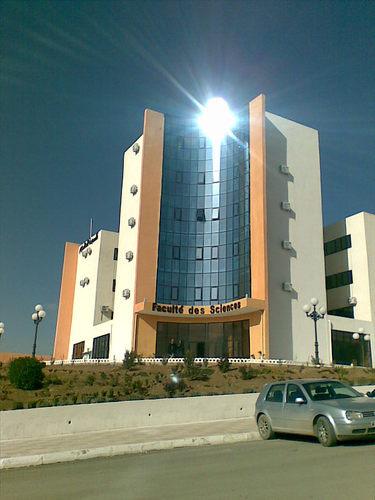
University Sétif 1 FERHAT ABBAS Faculty of Sciences
Détail de l'auteur
Auteur Roumaissa Zeknoune |
Documents disponibles écrits par cet auteur


 Ajouter le résultat dans votre panier Affiner la recherche
Hybrid Monte Carlo Machine Learning Framework for HPGe Efficiency Curve Prediction / Roumaissa Zeknoune
Titre : Hybrid Monte Carlo Machine Learning Framework for HPGe Efficiency Curve Prediction Type de document : document électronique Auteurs : Roumaissa Zeknoune, Auteur ; Ouassila Boukhenfouf, Directeur de thèse Editeur : Setif:UFA Année de publication : 2025 Importance : 1 vol (51 f.) Format : 29 cm Langues : Anglais (eng) Catégories : Thèses & Mémoires:Physique Index. décimale : 530 - Physique Résumé :
This thesis presents a hybrid approach combining Monte Carlo simulation and machine learning
to predict the full-energy peak efficiency of an HPGe detector. Experimental data from Marinelli
and point source configurations were used alongside OpenMC simulations. Two models were
developed: a deep neural network for generalization and a polynomial regression for simplicity.
Results showed good alignment between predicted and true efficiencies. The method offers a
practical, scalable alternative to traditional calibration techniques in gamma-ray spectrometry.Note de contenu : Sommaire
Introduction
Chapter I: Detection
I.1. Introduction ...............................................................................................................1
I.2. Radioactive decay ......................................................................................................1
I.2.1. Alpha radiation:....................................................................................................1
I.2.2. Beta radiation: ......................................................................................................2
I.2.3. Neutrons: .............................................................................................................2
I.2.4. Gamma rays: ........................................................................................................3
I.3. Interaction of gamma with matter ............................................................................3
I.3.1. Photoelectric Effect: .............................................................................................3
I.3.2. Compton scattering: .............................................................................................4
I.3.3. Pair Creation: .......................................................................................................5
I.4. Principles of detection: ..............................................................................................5
I.4.1. Semiconductor detector: .......................................................................................6
I.4.1.1. Operating principle of semiconductor detectors: ........................................................6
I.5. The main characteristics of a detector ......................................................................7
I.5.1. Detection efficiency: ............................................................................................7
I.5.2. Energy resolution: ................................................................................................7
I.5.3. The signal-to-noise ratio: ......................................................................................8
I.5.4. dead Time: ...........................................................................................................8
I.6. Radioactive Source Geometries in Gamma-Ray Spectroscopy ...............................8
I.6.1. Point Source .........................................................................................................8
I.6.2. Marinelli Source ...................................................................................................9
I.6.3. Comparison of Point and Marinelli Sources ........................................................ 10
Chapter II: Artificial Intelligence
II.1. Introduction............................................................................................................ 11
II.2. Understanding the fundamentals of AI, ML and DL ........................................... 11
II.2.1. Artificial Intelligence: A broad umbrella of innovation ..................................... 11
II.2.2. Machine Learning: The power of data in the service of intelligence .................. 12
II.2.3. Deep Learning: Neural Networks exceed expectations ...................................... 13
II.3. Machine learning and Deep learning: A comparative Analysis ........................... 14
II.4. The Use of Artificial Intelligence in Various Fields: ............................................. 14
II.4.1. AI in Gaming: ................................................................................................... 15
II.4.2. AI in Health Care: ............................................................................................. 15
II.4.3. AI in E-Commerce: ........................................................................................... 15
II.4.4. AI in Robotics: .................................................................................................. 15
II.4.5. AI in Education: ................................................................................................ 15
II.4.6. AI in Safety & Security: .................................................................................... 16
II.5. The Use of Artificial Intelligence in Physics :........................................................ 16
II.5.1. Particle Physics: ................................................................................................ 16
II.5.2. Statistical Physics: ............................................................................................ 16
II.5.3. Astrophysics: .................................................................................................... 16
II.5.4. Quantum Mechanics: ........................................................................................ 17
II.5.5. Material Science: .............................................................................................. 17
II.5.6. Atmospheric Physics: ........................................................................................ 17
II.5.7. Nuclear physics: ................................................................................................ 17
II.6. The use of artificial intelligence in nuclear physics: ............................................. 17
II.6.1. Advancements in experimental nuclear physics: ................................................ 17
II.6.2. Enhancing nuclear power plant operations: ....................................................... 18
II.6.3. Applications in nuclear fusion research: ............................................................ 18
II.7. Monte Carlo Simulation Principles and OpenMC Framework ........................... 19
II.7.1. Introduction to Monte Carlo Simulations........................................................... 19
II.7.2. Fundamental Principles of Monte Carlo Methods .............................................. 19
II.7.3. Applications in Nuclear Physics ........................................................................ 19
II.8. Overview of OpenMC ............................................................................................ 21
II.8.1. Introduction to OpenMC ................................................................................... 21
II.8.2. Key Features Relevant to Radiation Transport................................................... 21
II.8.3. Code Highlights and Methodology .................................................................... 48
Chapter III: Practical implementation and experimental analysis
III.1. Introduction : ..............................................................Error! Bookmark not defined.
III.2. Collection of experimental data ........................................................................... 24
III.3. Installation and preparation ................................................................................ 24
III.3.1. Installation of OpenMC Simulation Package .................................................... 24
III.3.1.1. Clone OpenMC Source Code ............................................................................................ 24
III.3.1.2. Navigate to OpenMC Directory and Checkout Master Branch ........................................... 24
III.3.1.3. Create Build Directory and Generate Compilation Files .................................................... 24
III.3.1.4. Compile and Install OpenMC ........................................................................................... 24
III.3.1.5. Install OpenMC Python Interface...................................................................................... 24
III.3.1.6. Download and Extract Nuclear Data Library (NNDC HDF5) ............................................ 25
III.3.1.7. Define Cross-Section Path for OpenMC............................................................................ 25
III.3.2. Installation of Python Libraries ........................................................................ 25
III.4. HPGe Detector Geometry Modeling .................................................................... 26
III.4.1. Full code: input ................................................................................................ 27
III.4.2. Define Materials .............................................................................................. 28
III.5. Define the Gamma-Ray Source with Energy Probability Distribution .............. 30
III.5.1. Marinelli Source .............................................................................................. 30
III.5.2. Point Source .................................................................................................... 30
III.6. Plotting the Efficiency Spectrum: ........................................................................ 31
III.6.1. Code Explanation ............................................................................................ 31
III.6.2. Spectra Types Displayed .................................................................................. 32
III.6.2.1. Eu-152 Efficiency Spectrum ............................................................................................. 32
III.6.2.2. Efficiency Spectrum for Marinelli Source_Pics ................................................................. 33
III.6.2.3. Efficiency Spectrum for Point Source_Pics ....................................................................... 33
III.7. Training Code ....................................................................................................... 34
III.7.1. Code 1: Neural Network + Keras ..................................................................... 34
III.7.1.1. Import Libraries ............................................................................................................... 34
III.7.1.2. Load and Clean Dataset .................................................................................................... 34
III.7.1.3. Normalize Input and Output ............................................................................................. 34
III.7.1.4. Split the Data ................................................................................................................... 35
III.7.1.5. Define the Neural Network ............................................................................................... 35
III.7.1.6. Cross-Validation (5-Fold) ................................................................................................. 35
III.7.1.7. Final Training on Full Data............................................................................................... 36
III.7.1.8. Prediction & Plotting ........................................................................................................ 36
III.7.1.9. Error Output ..................................................................................................................... 36
III.7.1.10. Prediction results ............................................................................................................ 37
III.7.2. Code 2: Polynomial Regression + Ridge Regularization .................................. 39
III.7.2.1. Install & Import Libraries ................................................................................................. 39
III.7.2.2. Load the Dataset............................................................................................................... 40
III.7.2.3. Input & Output Definition ................................................................................................ 40
III.7.2.4. Log Transformation.......................................................................................................... 40
III.7.2.5. Normalization .................................................................................................................. 40
III.7.2.6. Train/Test Split ................................................................................................................ 40
III.7.2.7. Polynomial Regression with Grid Search .......................................................................... 41
III.7.2.8. Final Prediction & Evaluation ........................................................................................... 41
III.7.2.9. Plot Results ...................................................................................................................... 42
III.7.2.10. The prediction results ..................................................................................................... 42
III.8. Discussion of the Results....................................................................................... 45
III.8.1. Comparison Between Point Source and Marinelli Results ................................ 45
III.8.1.1. Model 1 (Neural Network) ............................................................................................... 45
III.8.1.2. Model 2 (Polynomial Regression) ..................................................................................... 46
III.8.2. Comparison Between Models for Point Source Geometry ................................ 46
III.8.3. Comparison Between Models for Marinelli Geometry ..................................... 47
III.8.4. When to Use Each Model ................................................................................ 47
III.8.5. Final Note ........................................................................................................ 48
III.9. Preliminary Model Based on MCNP Output: ..................................................... 48
III.9.1. Result Interpretation ........................................................................................ 49
III.9.2. Possibility of Improving the Initial Model Results ........................................... 49
Conclusion
Bibliographic referencesCôte titre : MAPH/0696 Hybrid Monte Carlo Machine Learning Framework for HPGe Efficiency Curve Prediction [document électronique] / Roumaissa Zeknoune, Auteur ; Ouassila Boukhenfouf, Directeur de thèse . - [S.l.] : Setif:UFA, 2025 . - 1 vol (51 f.) ; 29 cm.
Langues : Anglais (eng)
Catégories : Thèses & Mémoires:Physique Index. décimale : 530 - Physique Résumé :
This thesis presents a hybrid approach combining Monte Carlo simulation and machine learning
to predict the full-energy peak efficiency of an HPGe detector. Experimental data from Marinelli
and point source configurations were used alongside OpenMC simulations. Two models were
developed: a deep neural network for generalization and a polynomial regression for simplicity.
Results showed good alignment between predicted and true efficiencies. The method offers a
practical, scalable alternative to traditional calibration techniques in gamma-ray spectrometry.Note de contenu : Sommaire
Introduction
Chapter I: Detection
I.1. Introduction ...............................................................................................................1
I.2. Radioactive decay ......................................................................................................1
I.2.1. Alpha radiation:....................................................................................................1
I.2.2. Beta radiation: ......................................................................................................2
I.2.3. Neutrons: .............................................................................................................2
I.2.4. Gamma rays: ........................................................................................................3
I.3. Interaction of gamma with matter ............................................................................3
I.3.1. Photoelectric Effect: .............................................................................................3
I.3.2. Compton scattering: .............................................................................................4
I.3.3. Pair Creation: .......................................................................................................5
I.4. Principles of detection: ..............................................................................................5
I.4.1. Semiconductor detector: .......................................................................................6
I.4.1.1. Operating principle of semiconductor detectors: ........................................................6
I.5. The main characteristics of a detector ......................................................................7
I.5.1. Detection efficiency: ............................................................................................7
I.5.2. Energy resolution: ................................................................................................7
I.5.3. The signal-to-noise ratio: ......................................................................................8
I.5.4. dead Time: ...........................................................................................................8
I.6. Radioactive Source Geometries in Gamma-Ray Spectroscopy ...............................8
I.6.1. Point Source .........................................................................................................8
I.6.2. Marinelli Source ...................................................................................................9
I.6.3. Comparison of Point and Marinelli Sources ........................................................ 10
Chapter II: Artificial Intelligence
II.1. Introduction............................................................................................................ 11
II.2. Understanding the fundamentals of AI, ML and DL ........................................... 11
II.2.1. Artificial Intelligence: A broad umbrella of innovation ..................................... 11
II.2.2. Machine Learning: The power of data in the service of intelligence .................. 12
II.2.3. Deep Learning: Neural Networks exceed expectations ...................................... 13
II.3. Machine learning and Deep learning: A comparative Analysis ........................... 14
II.4. The Use of Artificial Intelligence in Various Fields: ............................................. 14
II.4.1. AI in Gaming: ................................................................................................... 15
II.4.2. AI in Health Care: ............................................................................................. 15
II.4.3. AI in E-Commerce: ........................................................................................... 15
II.4.4. AI in Robotics: .................................................................................................. 15
II.4.5. AI in Education: ................................................................................................ 15
II.4.6. AI in Safety & Security: .................................................................................... 16
II.5. The Use of Artificial Intelligence in Physics :........................................................ 16
II.5.1. Particle Physics: ................................................................................................ 16
II.5.2. Statistical Physics: ............................................................................................ 16
II.5.3. Astrophysics: .................................................................................................... 16
II.5.4. Quantum Mechanics: ........................................................................................ 17
II.5.5. Material Science: .............................................................................................. 17
II.5.6. Atmospheric Physics: ........................................................................................ 17
II.5.7. Nuclear physics: ................................................................................................ 17
II.6. The use of artificial intelligence in nuclear physics: ............................................. 17
II.6.1. Advancements in experimental nuclear physics: ................................................ 17
II.6.2. Enhancing nuclear power plant operations: ....................................................... 18
II.6.3. Applications in nuclear fusion research: ............................................................ 18
II.7. Monte Carlo Simulation Principles and OpenMC Framework ........................... 19
II.7.1. Introduction to Monte Carlo Simulations........................................................... 19
II.7.2. Fundamental Principles of Monte Carlo Methods .............................................. 19
II.7.3. Applications in Nuclear Physics ........................................................................ 19
II.8. Overview of OpenMC ............................................................................................ 21
II.8.1. Introduction to OpenMC ................................................................................... 21
II.8.2. Key Features Relevant to Radiation Transport................................................... 21
II.8.3. Code Highlights and Methodology .................................................................... 48
Chapter III: Practical implementation and experimental analysis
III.1. Introduction : ..............................................................Error! Bookmark not defined.
III.2. Collection of experimental data ........................................................................... 24
III.3. Installation and preparation ................................................................................ 24
III.3.1. Installation of OpenMC Simulation Package .................................................... 24
III.3.1.1. Clone OpenMC Source Code ............................................................................................ 24
III.3.1.2. Navigate to OpenMC Directory and Checkout Master Branch ........................................... 24
III.3.1.3. Create Build Directory and Generate Compilation Files .................................................... 24
III.3.1.4. Compile and Install OpenMC ........................................................................................... 24
III.3.1.5. Install OpenMC Python Interface...................................................................................... 24
III.3.1.6. Download and Extract Nuclear Data Library (NNDC HDF5) ............................................ 25
III.3.1.7. Define Cross-Section Path for OpenMC............................................................................ 25
III.3.2. Installation of Python Libraries ........................................................................ 25
III.4. HPGe Detector Geometry Modeling .................................................................... 26
III.4.1. Full code: input ................................................................................................ 27
III.4.2. Define Materials .............................................................................................. 28
III.5. Define the Gamma-Ray Source with Energy Probability Distribution .............. 30
III.5.1. Marinelli Source .............................................................................................. 30
III.5.2. Point Source .................................................................................................... 30
III.6. Plotting the Efficiency Spectrum: ........................................................................ 31
III.6.1. Code Explanation ............................................................................................ 31
III.6.2. Spectra Types Displayed .................................................................................. 32
III.6.2.1. Eu-152 Efficiency Spectrum ............................................................................................. 32
III.6.2.2. Efficiency Spectrum for Marinelli Source_Pics ................................................................. 33
III.6.2.3. Efficiency Spectrum for Point Source_Pics ....................................................................... 33
III.7. Training Code ....................................................................................................... 34
III.7.1. Code 1: Neural Network + Keras ..................................................................... 34
III.7.1.1. Import Libraries ............................................................................................................... 34
III.7.1.2. Load and Clean Dataset .................................................................................................... 34
III.7.1.3. Normalize Input and Output ............................................................................................. 34
III.7.1.4. Split the Data ................................................................................................................... 35
III.7.1.5. Define the Neural Network ............................................................................................... 35
III.7.1.6. Cross-Validation (5-Fold) ................................................................................................. 35
III.7.1.7. Final Training on Full Data............................................................................................... 36
III.7.1.8. Prediction & Plotting ........................................................................................................ 36
III.7.1.9. Error Output ..................................................................................................................... 36
III.7.1.10. Prediction results ............................................................................................................ 37
III.7.2. Code 2: Polynomial Regression + Ridge Regularization .................................. 39
III.7.2.1. Install & Import Libraries ................................................................................................. 39
III.7.2.2. Load the Dataset............................................................................................................... 40
III.7.2.3. Input & Output Definition ................................................................................................ 40
III.7.2.4. Log Transformation.......................................................................................................... 40
III.7.2.5. Normalization .................................................................................................................. 40
III.7.2.6. Train/Test Split ................................................................................................................ 40
III.7.2.7. Polynomial Regression with Grid Search .......................................................................... 41
III.7.2.8. Final Prediction & Evaluation ........................................................................................... 41
III.7.2.9. Plot Results ...................................................................................................................... 42
III.7.2.10. The prediction results ..................................................................................................... 42
III.8. Discussion of the Results....................................................................................... 45
III.8.1. Comparison Between Point Source and Marinelli Results ................................ 45
III.8.1.1. Model 1 (Neural Network) ............................................................................................... 45
III.8.1.2. Model 2 (Polynomial Regression) ..................................................................................... 46
III.8.2. Comparison Between Models for Point Source Geometry ................................ 46
III.8.3. Comparison Between Models for Marinelli Geometry ..................................... 47
III.8.4. When to Use Each Model ................................................................................ 47
III.8.5. Final Note ........................................................................................................ 48
III.9. Preliminary Model Based on MCNP Output: ..................................................... 48
III.9.1. Result Interpretation ........................................................................................ 49
III.9.2. Possibility of Improving the Initial Model Results ........................................... 49
Conclusion
Bibliographic referencesCôte titre : MAPH/0696 Exemplaires (1)
Code-barres Cote Support Localisation Section Disponibilité MAPH/0696 MAPH/0696 Mémoire Bibliothèque des sciences Anglais Disponible
Disponible