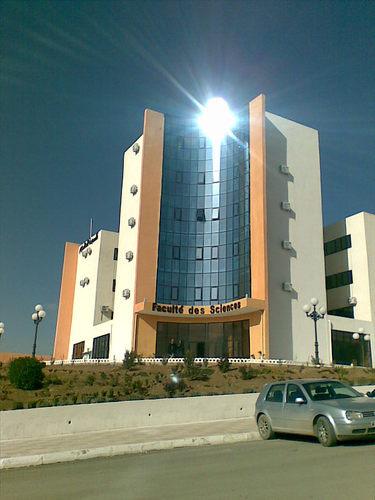
University Sétif 1 FERHAT ABBAS Faculty of Sciences
Détail de l'auteur
Auteur Maroua Madi |
Documents disponibles écrits par cet auteur


 Ajouter le résultat dans votre panier Affiner la recherche
Ai-based prediction of entrance surface dose and effective dose in x-ray radiography for patients / Souhir Tiaiba
Titre : Ai-based prediction of entrance surface dose and effective dose in x-ray radiography for patients Type de document : document électronique Auteurs : Souhir Tiaiba, Auteur ; Maroua Madi, Auteur ; Ouassila Boukhenfouf, Directeur de thèse Editeur : Setif:UFA Année de publication : 2025 Importance : 1 vol (53 f.) Format : 29 cm Langues : Anglais (eng) Catégories : Thèses & Mémoires:Physique Mots-clés : Artificial Intelligence (AI)
Machine Learning, Effective Dose
Entrance Surface Dose
Xray RadiographyIndex. décimale : 530 - Physique Résumé :
This thesis focuses on the application of artificial intelligence (AI) in predicting the Effective Dose
and the Entrance Surface Dose in X-ray radiography. The aim of this research is to develop an
intelligent model capable of accurately estimating radiation doses based on various imaging data,
without the need for direct measurements. This contributes to improving radiation protection and
reducing risks to patients. The study relies on machine learning algorithms to build a predictive model
based on diverse clinical and technical data, including device parameters and examination type. The
thesis also presents the fundamental principles of radiation doses, as well as the challenges of medical
modeling using artificial intelligence. The proposed model shows promising potential in accurately
predicting radiation doses, supporting safer and more efficient clinical decision-making.Note de contenu :
Sommaire
List of Figures.........................................................................................................................
List of Tables...........................................................................................................................
Introduction ............................................................................................................................... 1
Chapter I Artificial Intelligence
I. Introduction ................................................................................................................................ 3
1. Artificial Intelligence .............................................................................................................. 3
2. Machine Learning ................................................................................................................... 3
3. Deep Learning ......................................................................................................................... 5
III. Use of artificial intelligence in various fields ..................................................................... 6
IV. Artificial Intelligence in Physics ........................................................................................... 7
A. AI in Medical Physics ............................................................................................................ 7
B. AI in Medical Imaging ........................................................................................................... 8
C. Artificial Intelligence in Radiation Physics ......................................................................... 8
V. Artificial Intelligence in Python ............................................................................................... 8
Chapter Ⅱ Functional Principles of the X-rays Imaging
II. X-ray Tube ............................................................................................................................. 11
1. Operating Principle .............................................................................................................. 11
I. Types of X-ray Radiation ........................................................................................................ 13
1. Bremsstrahlung X-rays........................................................................................................ 13
2. Characteristic X-rays ........................................................................................................... 13
III. X-rays Detectors ................................................................................................................... 14
1. Computed Radiography (CR) Detector ............................................................................ 14
2. Digital Radiography ............................................................................................................. 14
IV. Exposure Settings and Optimization .................................................................................. 15
A. Key Exposure Parameters ................................................................................................ 15
B. Manual and Automatic Exposure Control ........................................................................ 15
Chapter Ⅲ RadiationProtection
I. Introduction ............................................................................................................................... 18
II. Units of Dosage ...................................................................................................................... 18
1. KERMA .................................................................................................................................... 18
2. Entrance Surface Dose (ESD) ............................................................................................. 18
3. Absorbed Dose (D) ............................................................................................................... 19
4. Equivalent Dose (????????)........................................................................................................... 19
5. Effective Dose (E) ................................................................................................................. 20
III. Principles and Practices of Patient Radiation Protection ................................................... 21
IV. Artificial intelligence in Prediction of patient dose .......................................................... 22
Chapter Ⅳ PracticalApplication
I. Introduction ...............................................................................................................................25
II. Field observation in healthcare institutions .........................................................................25
III. Data used in Model Development .........................................................................................26
1. Published data ......................................................................................................................26
2. Local Data .............................................................................................................................28
IV. Extracting the need for an intelligent model and determining the adopted methodology ....................................................................................................................................28
V. Machine Learning Implementation (Python) ..........................................................................29
A. ALL Libraries used ...............................................................................................................29
B. Entrance Surface Dose MODEL ..........................................................................................30
C. Effective Dose(ED) MODEL ...............................................................................................39
VI. Result And Discussion Comparison with International Results .........................................45
Conclusion ............................................................................................................................... 48
Bibliography ................................................................................ Error! Bookmark not defined.Côte titre : MAPH/0700 Ai-based prediction of entrance surface dose and effective dose in x-ray radiography for patients [document électronique] / Souhir Tiaiba, Auteur ; Maroua Madi, Auteur ; Ouassila Boukhenfouf, Directeur de thèse . - [S.l.] : Setif:UFA, 2025 . - 1 vol (53 f.) ; 29 cm.
Langues : Anglais (eng)
Catégories : Thèses & Mémoires:Physique Mots-clés : Artificial Intelligence (AI)
Machine Learning, Effective Dose
Entrance Surface Dose
Xray RadiographyIndex. décimale : 530 - Physique Résumé :
This thesis focuses on the application of artificial intelligence (AI) in predicting the Effective Dose
and the Entrance Surface Dose in X-ray radiography. The aim of this research is to develop an
intelligent model capable of accurately estimating radiation doses based on various imaging data,
without the need for direct measurements. This contributes to improving radiation protection and
reducing risks to patients. The study relies on machine learning algorithms to build a predictive model
based on diverse clinical and technical data, including device parameters and examination type. The
thesis also presents the fundamental principles of radiation doses, as well as the challenges of medical
modeling using artificial intelligence. The proposed model shows promising potential in accurately
predicting radiation doses, supporting safer and more efficient clinical decision-making.Note de contenu :
Sommaire
List of Figures.........................................................................................................................
List of Tables...........................................................................................................................
Introduction ............................................................................................................................... 1
Chapter I Artificial Intelligence
I. Introduction ................................................................................................................................ 3
1. Artificial Intelligence .............................................................................................................. 3
2. Machine Learning ................................................................................................................... 3
3. Deep Learning ......................................................................................................................... 5
III. Use of artificial intelligence in various fields ..................................................................... 6
IV. Artificial Intelligence in Physics ........................................................................................... 7
A. AI in Medical Physics ............................................................................................................ 7
B. AI in Medical Imaging ........................................................................................................... 8
C. Artificial Intelligence in Radiation Physics ......................................................................... 8
V. Artificial Intelligence in Python ............................................................................................... 8
Chapter Ⅱ Functional Principles of the X-rays Imaging
II. X-ray Tube ............................................................................................................................. 11
1. Operating Principle .............................................................................................................. 11
I. Types of X-ray Radiation ........................................................................................................ 13
1. Bremsstrahlung X-rays........................................................................................................ 13
2. Characteristic X-rays ........................................................................................................... 13
III. X-rays Detectors ................................................................................................................... 14
1. Computed Radiography (CR) Detector ............................................................................ 14
2. Digital Radiography ............................................................................................................. 14
IV. Exposure Settings and Optimization .................................................................................. 15
A. Key Exposure Parameters ................................................................................................ 15
B. Manual and Automatic Exposure Control ........................................................................ 15
Chapter Ⅲ RadiationProtection
I. Introduction ............................................................................................................................... 18
II. Units of Dosage ...................................................................................................................... 18
1. KERMA .................................................................................................................................... 18
2. Entrance Surface Dose (ESD) ............................................................................................. 18
3. Absorbed Dose (D) ............................................................................................................... 19
4. Equivalent Dose (????????)........................................................................................................... 19
5. Effective Dose (E) ................................................................................................................. 20
III. Principles and Practices of Patient Radiation Protection ................................................... 21
IV. Artificial intelligence in Prediction of patient dose .......................................................... 22
Chapter Ⅳ PracticalApplication
I. Introduction ...............................................................................................................................25
II. Field observation in healthcare institutions .........................................................................25
III. Data used in Model Development .........................................................................................26
1. Published data ......................................................................................................................26
2. Local Data .............................................................................................................................28
IV. Extracting the need for an intelligent model and determining the adopted methodology ....................................................................................................................................28
V. Machine Learning Implementation (Python) ..........................................................................29
A. ALL Libraries used ...............................................................................................................29
B. Entrance Surface Dose MODEL ..........................................................................................30
C. Effective Dose(ED) MODEL ...............................................................................................39
VI. Result And Discussion Comparison with International Results .........................................45
Conclusion ............................................................................................................................... 48
Bibliography ................................................................................ Error! Bookmark not defined.Côte titre : MAPH/0700 Exemplaires (1)
Code-barres Cote Support Localisation Section Disponibilité MAPH/0700 MAPH/0700 Mémoire Bibliothèque des sciences Anglais Disponible
Disponible