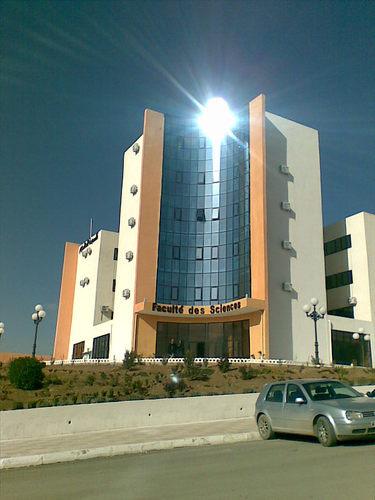
University Sétif 1 FERHAT ABBAS Faculty of Sciences
Détail de l'auteur
Auteur Lyamine Kebaili |
Documents disponibles écrits par cet auteur


 Ajouter le résultat dans votre panier Affiner la recherche
Titre : Synthesis, Characterization and Nuclear Applications of SBA-15 Mesoporous Silica Type de document : document électronique Auteurs : Lyamine Kebaili, Auteur ; Nour El Houda Louassaa, Auteur ; Hadjira Gherba, Directeur de thèse Editeur : Setif:UFA Année de publication : 2025 Importance : 1 vol (68 f.) Format : 29 cm Langues : Anglais (eng) Catégories : Thèses & Mémoires:Physique Mots-clés : Synthesis
Characterization and NuclearIndex. décimale : 530 - Physique Résumé :
This thesis focuses on the synthesis and characterization of SBA-15 mesoporous silica, known for its ordered hexagonal structure and high surface area. The study aims to evaluate its capacity to absorb and treat radioactive heavy metals such as nickel and cobalt, commonly found in nuclear waste. SBA-15 was synthesized using the cooperative templating method and analyzed using advanced techniques like XRD, BET, and TEM. The results showed that the material retains its structural integrity even after gamma irradiation, making it a promising candidate for nuclear waste management and environmental protectionNote de contenu :
Sommaire
GENERAL INTRODUCTION ............................................................................................................ 1
CHAPTER I: NUCLEAR WASTE AND RADIOACTIVE MATERIALS
I.1. Introduction ................................................................................................................................... 4
Ⅰ.2. Nuclear waste and Radioactive Materials....................................................................... 4
Ⅰ.3. Sources of nuclear waste ...................................................................................................... 5
Ⅰ.3.1. Nuclear Fission in Power Reactors (High-Level Waste) .................................... 5
Ⅰ.3.2. Spent Fuel Reprocessing................................................................................................ 5
Ⅰ.3.3. Military Nuclear Activities (Transuranic Waste) .................................................. 5
Ⅰ.3.4. Medical and Research Applications ........................................................................... 6
Ⅰ.3.5. Industrial Radiological Applications ......................................................................... 6
Ⅰ.3.6. Decommissioning of Nuclear Facilities .................................................................... 6
Ⅰ.3.7. Mining and Processing of Radioactive Ores .............................................................. 6
Ⅰ.3.8. Technologically Enhanced Naturally Occurring Radioactive Materials (TENORM) ...................................................................................................................................... 6
Ⅰ.4. Nuclear Waste Classification and Disposal Methods ............................................................ 6
Ⅰ.4.1. Exempt Waste (EW) ........................................................................................................ 7
Ⅰ.4.2. Very Short-Lived Waste (VSLW) ............................................................................... 7
Ⅰ.4.3. Very Low-Level Waste (VLLW) ................................................................................... 7
Ⅰ.4.4. Low-Level Waste (LLW) ................................................................................................ 7
Ⅰ.4.5. Intermediate-Level Waste (ILW) ................................................................................... 8
Ⅰ.4.6. High-Level Waste (HLW)............................................................................................... 8
Ⅰ.5. Composition of Nuclear Waste . ............................................................................................ 8
Ⅰ.7. Environmental and Health Impacts of Nuclear Waste ................................................ 11
Ⅰ.8 Conclusion ............................................................................................................................... 12
CHAPTER Ⅱ: Mesoporous Materials
Ⅱ.1. Introduction ............................................................................................................................... 14
Ⅱ .2. Porous Materials and the Transition to Mesoporous Materials ............................................. 14
Ⅱ.3. History and Development of Ordered Mesoporous Materials ................................................ 15
Ⅱ.4. Types of Mesoporous Materials ............................................................................................... 16
Ⅱ.4.1. Mesoporous Silica............................................................................................................... 16
Ⅱ.4.2. Mesoporous Carbon ............................................................................................................ 16
Ⅱ.4.3. Mesoporous Metal Oxides.................................................................................................. 16
Ⅱ.4.4. Mesoporous Metals ............................................................................................................. 16
Ⅱ.5. Main mesoporous materials……………………. .................................................................... 17
Ⅱ.6. Methods for Synthesizing Mesoporous Materials ................................................................... 18
Ⅱ.6.1. Sol-gel method .................................................................................................................... 19
Ⅱ.6.2. CTM (Cooperative Templating Mechanism) ....................................................................... 19
Ⅱ.6.3. LCT (Liquid Crystal Templating)...................................................................................... 19
Ⅱ.6.4. Other Methods ..................................................................................................................... 20
Ⅱ.7.Applications of Mesoporous Materials ..................................................................................... 20
Ⅱ.7.1. Catalysis .............................................................................................................................. 20
Ⅱ.7.2. Separation and Adsorption ................................................................................................. 20
Ⅱ.7.3. Photocatalysis ...................................................................................................................... 21
Ⅱ.7.4. Supercapacitors and Batteries ............................................................................................ 21
Ⅱ.7.5. Drug Delivery...................................................................................................................... 22
Ⅱ.7.6. Electronics and Semiconductor Industry ........................................................................... 22
Ⅱ.7.7. Coatings and Catalytic Converters .................................................................................... 22
Ⅱ.7.8. Environmental Applications ............................................................................................... 23
Ⅱ.7.9. Agriculture.......................................................................................................................... 23
Ⅱ.8. Mesoporous Materials of the SBA-n Family ........................................................................... 23
Ⅱ.9. Applications of Mesoporous Materials in Nuclear Waste Management and Radiation Technologies ..................................................................................................................................... 24
Ⅱ.9.1. In Nuclear Waste................................................................................................................. 24
Ⅱ.10 Conclusion ............................................................................................................................... 27
CHAPTER Ⅲ Synthesis of SBA-15 silica supports
Ⅲ.1. Introduction ............................................................................................................................... 31
Ⅲ.2. Synthesis of SBA-15 ................................................................................................................. 31
Ⅲ.2.1. Operating Procedure Example of a 16 g Preparation ................................................ 32
Ⅲ.2.1. Formation Mechanism of SBA-15 Mesoporous Materials .............................................. 31
Ⅲ.3. Characterization of Salica SBA_15 .......................................................................................... 32
Ⅲ.3.1. Transmission Electron Microscopy (TEM)....................................................................... 32
Ⅲ.3.2. The difference between TEM and XRD techniques ......................................................... 33
Ⅲ.3.3. Gas sorption analysis BET Method ....................................................................................... 35
Ⅲ.4. Scanning Electron Microscope (SEM) ..................................................................................... 36
Ⅲ.5. Spectroscopie Infra-Rouge à Transformée de Fourier (IR-TF) .............................................. 41
Ⅲ.6. Thermogravimetric Analysis (TGA) end Differntail Thermal Analysis (DTA): .................. 42
Ⅲ.7. Laser Diffraction Particle Size Analysis .................................................................................. 43
Ⅲ.8. Zeta Potential Analysis.............................................................................................................. 44
Ⅲ.9. Isoelectric Point (pI) Determination Method .................................................................. 46
Ⅲ.10. Conclusion ............................................................................................................................... 47
ChapterⅣ: Discussion of results
Ⅳ.1. Introduction ............................................................................................................................... 46
Ⅳ.2. Zeta Potential ............................................................................................................................ 46
Ⅳ.3. Analysis end Isoelectric point (IEP) ......................................................................................... 50
Ⅳ.4. Fourier Transform Infrared Spectroscopy (FT-IR) ....................................................... 51
Ⅳ.5. XRD Analysis of SBA-15 ......................................................................................................... 53
Ⅳ.6. Thermogravimetric Analysis .................................................................................................... 54
Ⅳ.7. Gas sorption analysis BET ........................................................................................................ 51
Ⅳ.8. Laser Diffraction Particle Size Analysis .................................................................................. 53
Ⅳ.9. Chemical and morphological analysis of SBA-15 .................................................................. 54
Ⅳ.10. Application of gamma ray radiation ....................................................................................... 55
Ⅳ.11. DRX study of SBA15 befor and after gamma irradiation .................................................... 60
Ⅳ.11. DRX study of SBA15 befor and after gamma irradiation .................................................... 60
Ⅳ.12. FTIR spectra of SBA15C24h100°C irradiated at différents doses ....................................... 61
General Conclusion ............................................................................................................................ 62Côte titre : MAPH/0701 Synthesis, Characterization and Nuclear Applications of SBA-15 Mesoporous Silica [document électronique] / Lyamine Kebaili, Auteur ; Nour El Houda Louassaa, Auteur ; Hadjira Gherba, Directeur de thèse . - [S.l.] : Setif:UFA, 2025 . - 1 vol (68 f.) ; 29 cm.
Langues : Anglais (eng)
Catégories : Thèses & Mémoires:Physique Mots-clés : Synthesis
Characterization and NuclearIndex. décimale : 530 - Physique Résumé :
This thesis focuses on the synthesis and characterization of SBA-15 mesoporous silica, known for its ordered hexagonal structure and high surface area. The study aims to evaluate its capacity to absorb and treat radioactive heavy metals such as nickel and cobalt, commonly found in nuclear waste. SBA-15 was synthesized using the cooperative templating method and analyzed using advanced techniques like XRD, BET, and TEM. The results showed that the material retains its structural integrity even after gamma irradiation, making it a promising candidate for nuclear waste management and environmental protectionNote de contenu :
Sommaire
GENERAL INTRODUCTION ............................................................................................................ 1
CHAPTER I: NUCLEAR WASTE AND RADIOACTIVE MATERIALS
I.1. Introduction ................................................................................................................................... 4
Ⅰ.2. Nuclear waste and Radioactive Materials....................................................................... 4
Ⅰ.3. Sources of nuclear waste ...................................................................................................... 5
Ⅰ.3.1. Nuclear Fission in Power Reactors (High-Level Waste) .................................... 5
Ⅰ.3.2. Spent Fuel Reprocessing................................................................................................ 5
Ⅰ.3.3. Military Nuclear Activities (Transuranic Waste) .................................................. 5
Ⅰ.3.4. Medical and Research Applications ........................................................................... 6
Ⅰ.3.5. Industrial Radiological Applications ......................................................................... 6
Ⅰ.3.6. Decommissioning of Nuclear Facilities .................................................................... 6
Ⅰ.3.7. Mining and Processing of Radioactive Ores .............................................................. 6
Ⅰ.3.8. Technologically Enhanced Naturally Occurring Radioactive Materials (TENORM) ...................................................................................................................................... 6
Ⅰ.4. Nuclear Waste Classification and Disposal Methods ............................................................ 6
Ⅰ.4.1. Exempt Waste (EW) ........................................................................................................ 7
Ⅰ.4.2. Very Short-Lived Waste (VSLW) ............................................................................... 7
Ⅰ.4.3. Very Low-Level Waste (VLLW) ................................................................................... 7
Ⅰ.4.4. Low-Level Waste (LLW) ................................................................................................ 7
Ⅰ.4.5. Intermediate-Level Waste (ILW) ................................................................................... 8
Ⅰ.4.6. High-Level Waste (HLW)............................................................................................... 8
Ⅰ.5. Composition of Nuclear Waste . ............................................................................................ 8
Ⅰ.7. Environmental and Health Impacts of Nuclear Waste ................................................ 11
Ⅰ.8 Conclusion ............................................................................................................................... 12
CHAPTER Ⅱ: Mesoporous Materials
Ⅱ.1. Introduction ............................................................................................................................... 14
Ⅱ .2. Porous Materials and the Transition to Mesoporous Materials ............................................. 14
Ⅱ.3. History and Development of Ordered Mesoporous Materials ................................................ 15
Ⅱ.4. Types of Mesoporous Materials ............................................................................................... 16
Ⅱ.4.1. Mesoporous Silica............................................................................................................... 16
Ⅱ.4.2. Mesoporous Carbon ............................................................................................................ 16
Ⅱ.4.3. Mesoporous Metal Oxides.................................................................................................. 16
Ⅱ.4.4. Mesoporous Metals ............................................................................................................. 16
Ⅱ.5. Main mesoporous materials……………………. .................................................................... 17
Ⅱ.6. Methods for Synthesizing Mesoporous Materials ................................................................... 18
Ⅱ.6.1. Sol-gel method .................................................................................................................... 19
Ⅱ.6.2. CTM (Cooperative Templating Mechanism) ....................................................................... 19
Ⅱ.6.3. LCT (Liquid Crystal Templating)...................................................................................... 19
Ⅱ.6.4. Other Methods ..................................................................................................................... 20
Ⅱ.7.Applications of Mesoporous Materials ..................................................................................... 20
Ⅱ.7.1. Catalysis .............................................................................................................................. 20
Ⅱ.7.2. Separation and Adsorption ................................................................................................. 20
Ⅱ.7.3. Photocatalysis ...................................................................................................................... 21
Ⅱ.7.4. Supercapacitors and Batteries ............................................................................................ 21
Ⅱ.7.5. Drug Delivery...................................................................................................................... 22
Ⅱ.7.6. Electronics and Semiconductor Industry ........................................................................... 22
Ⅱ.7.7. Coatings and Catalytic Converters .................................................................................... 22
Ⅱ.7.8. Environmental Applications ............................................................................................... 23
Ⅱ.7.9. Agriculture.......................................................................................................................... 23
Ⅱ.8. Mesoporous Materials of the SBA-n Family ........................................................................... 23
Ⅱ.9. Applications of Mesoporous Materials in Nuclear Waste Management and Radiation Technologies ..................................................................................................................................... 24
Ⅱ.9.1. In Nuclear Waste................................................................................................................. 24
Ⅱ.10 Conclusion ............................................................................................................................... 27
CHAPTER Ⅲ Synthesis of SBA-15 silica supports
Ⅲ.1. Introduction ............................................................................................................................... 31
Ⅲ.2. Synthesis of SBA-15 ................................................................................................................. 31
Ⅲ.2.1. Operating Procedure Example of a 16 g Preparation ................................................ 32
Ⅲ.2.1. Formation Mechanism of SBA-15 Mesoporous Materials .............................................. 31
Ⅲ.3. Characterization of Salica SBA_15 .......................................................................................... 32
Ⅲ.3.1. Transmission Electron Microscopy (TEM)....................................................................... 32
Ⅲ.3.2. The difference between TEM and XRD techniques ......................................................... 33
Ⅲ.3.3. Gas sorption analysis BET Method ....................................................................................... 35
Ⅲ.4. Scanning Electron Microscope (SEM) ..................................................................................... 36
Ⅲ.5. Spectroscopie Infra-Rouge à Transformée de Fourier (IR-TF) .............................................. 41
Ⅲ.6. Thermogravimetric Analysis (TGA) end Differntail Thermal Analysis (DTA): .................. 42
Ⅲ.7. Laser Diffraction Particle Size Analysis .................................................................................. 43
Ⅲ.8. Zeta Potential Analysis.............................................................................................................. 44
Ⅲ.9. Isoelectric Point (pI) Determination Method .................................................................. 46
Ⅲ.10. Conclusion ............................................................................................................................... 47
ChapterⅣ: Discussion of results
Ⅳ.1. Introduction ............................................................................................................................... 46
Ⅳ.2. Zeta Potential ............................................................................................................................ 46
Ⅳ.3. Analysis end Isoelectric point (IEP) ......................................................................................... 50
Ⅳ.4. Fourier Transform Infrared Spectroscopy (FT-IR) ....................................................... 51
Ⅳ.5. XRD Analysis of SBA-15 ......................................................................................................... 53
Ⅳ.6. Thermogravimetric Analysis .................................................................................................... 54
Ⅳ.7. Gas sorption analysis BET ........................................................................................................ 51
Ⅳ.8. Laser Diffraction Particle Size Analysis .................................................................................. 53
Ⅳ.9. Chemical and morphological analysis of SBA-15 .................................................................. 54
Ⅳ.10. Application of gamma ray radiation ....................................................................................... 55
Ⅳ.11. DRX study of SBA15 befor and after gamma irradiation .................................................... 60
Ⅳ.11. DRX study of SBA15 befor and after gamma irradiation .................................................... 60
Ⅳ.12. FTIR spectra of SBA15C24h100°C irradiated at différents doses ....................................... 61
General Conclusion ............................................................................................................................ 62Côte titre : MAPH/0701 Exemplaires (1)
Code-barres Cote Support Localisation Section Disponibilité MAPH/0701 MAPH/0701 Mémoire Bibliothèque des sciences Anglais Disponible
Disponible