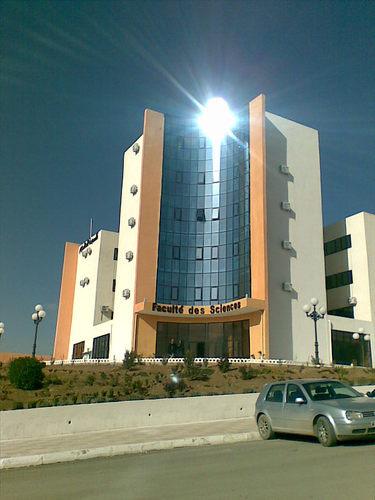
University Sétif 1 FERHAT ABBAS Faculty of Sciences
Détail de l'auteur
Auteur Amina Mecherouk |
Documents disponibles écrits par cet auteur


 Ajouter le résultat dans votre panier Affiner la recherche
Titre : Study of small wind turbines and their roles in the future of energy systems Type de document : document électronique Auteurs : Amina Mecherouk, Auteur ; Soraya Bououden, Directeur de thèse Editeur : Setif:UFA Année de publication : 2025 Importance : 1 vol (80 f.) Format : 29 cm Langues : Anglais (eng) Catégories : Thèses & Mémoires:Physique Mots-clés : Energy systems Index. décimale : 530 - Physique Résumé :
Today, wind turbines are one of the most widely used devices for generating clean, renewable
electrical energy. The rotor blades capture the wind's kinetic energy to produce rotational energy
from the turbine and electrical energy from the generator. In small wind turbines, several methods
are used to drive the blades to achieve the desired rotational speed and power.
Small wind turbines are an attractive alternative for off-grid electrification and water pumping, both
in stand-alone applications and in combination with other energy technologies such as
photovoltaics, small hydropower, or diesel engines. In this work, we will focus on wind system
technology, with a particular focus on small horizontal-axis wind turbines. This study also addresses
the modeling, design, and importance of these systems for achieving energy independence.
Note de contenu :
Sommaire
General introduction
Chapter one: Generalities on renewable energies……………………………………………… 2
1- Introduction………………………………………………………………………………. 3
2- Definition of Renewable Energy…………………………………………………………. 3
3- Classification of Renewable Energy Sources……………………………………………. 4
3-1 Solar Energy……………………………………………………………………………. 4
3-2 Wind Energy……………………………………………………………………………. 4
3-3 Hydropower…………………………………………………………………………….. 5
3-4 Biomass…………………………………………………………………………………. 5
3-5 Geothermal Energy……………………………………………………………………… 6
3-6 Tidal Energy…………………………………………………………………………….. 7
4- Advantages and disadvantages of renewable energy…………………………………….. 7
5-Conclusion……….……………………………………………………………………….. 8
6- Bibliography………………………………………………………………………………. 9
Chapter two: The Functioning and Structure of a Wind Turbine…………………………….. 10
1- Introduction………………………………………………………………………………. 11
2- Brief History of Wind Turbine…………………………………………………………… 11
3- Types of Wind Turbine…………………………………………………………………… 13
3-1 Horizontal axis wind turbine……………………………………………………………. 13
3-2 Vertical axis wind turbine……………………………………………………………….. 13
4-Classification of Wind Turbine by Power Capacity……………………………………… 15
4-1 Micro wind power plants……………………………………………………………….. 15
4-2 Small wind power plants………………………………………………………………. 15
4-3 Large wind power plants………………………………………………………………. 15
4-4 Max wind power plants……………………………………………………………….. 15
5- Main Components of a Wind Turbine………………………………………………….. 16
5-1 Rotor………………………………………………………………………………….. 18
5-2 Gearbox……………………………………………………………………………….. 18
5-3 Generator……………………………………………………………………………… 18
5-4 Control and protection system………………………………………………………… 18
5-5 Tower………………………………………………………………………………….. 18
5-6 Foundation…………………………………………………………………………….. 18
6- Working Principle of a Wind Turbine………………………………………………….. 19
7- Conclusion……………………………………………………………………………… 20
8- Bibliography……………………………………………………………………………. 21
Chapter three: Study of small horizontal axis wind turbines……………………………….. 23
1- Introduction……………………………………………………………………………… 24
2- Horizontal axis wind turbine…………………………………………………………….. 24
3- Characteristics of Small HAWT…………………………………………………………. 25
4- Applications of small Wind Turbines…………………………………………………… 26
4-1 Wind turbines for electrical power generation…………………………………………. 26
4-2 Mechanical water pumping…………………………………………………………….. 26
4-3 Hybrid systems…………………………………………………………………………. 27
5- Small Wind Turbine Modeling………………………………………………………….. 28
5-1 Kinetic energy…………………………………………………………………………. 28
5-2 Air’s Mass……………………………………………………………………………… 29
5-3 Blade swept area……………………………………………………………………….. 29
5-4 Wind power……………………………………………………………………………. 30
6- Wind power parameters…………………………………………………………………. 31
6-1 Betz’s Law………………………………………………………………………….. 31
6-2 Tip Speed Ratio…………………………………………………………………….. 33
6-3 Power Curve……………………………………………………………………….. 35
7- Mathematical modeling of the wind turbine……………………………………………. 35
7-1 Aerodynamic Model……………………………………………………………….. 35
7-2 Mechanical Model…………………………………………………………………. 36
8- Control mechanisms……………………………………………………………………. 38
8-1 Pitch control……………………………………………………………………….. 38
8-2 Yaw control……………………………………………………………………….. 39
8-3 Furling systems…………………………………………………………………… 39
9- Conclusion…………………………………………………………………………….. 40
10- Bibliography………………………………………………………………………….. 41
Chapter four: Future Prospects of Small Wind Turbines in Energy Systems………………. 42
1- Introduction………………………………………………………………………………. 43
2- How Do I Choose the Best Site for My Wind Turbine…………………………………… 43
3- Advantages of Small Wind Turbines……………………………………………………… 44
4- Challenges Regarding Small Wind Turbines……………………………………………… 45
5- Wind Turbine Performance………………………………………………………………. 46
5-1 Annual energy production………………………………………………………………. 46
5-2 Capacity factor………………………………………………………………………….. 46
5-3 Full-load hours………………………………………………………………………….. 47
6- The Small Wind Turbines Market……………………………………………………….. 47
7- The Future of SmallWindTurbines………………………………………………………. 50
8- Regional perspectives……………………………………………………………………. 52
9- Wind turbines in Algeria…………………………………………………………………. 54
10- Conclusion………………………………………………………………………………. 57
11- Bibliography……………………………………………………………………………. 58
General conclusion………………………………………………………………………………. 59
VICôte titre : MAPH/0707 Study of small wind turbines and their roles in the future of energy systems [document électronique] / Amina Mecherouk, Auteur ; Soraya Bououden, Directeur de thèse . - [S.l.] : Setif:UFA, 2025 . - 1 vol (80 f.) ; 29 cm.
Langues : Anglais (eng)
Catégories : Thèses & Mémoires:Physique Mots-clés : Energy systems Index. décimale : 530 - Physique Résumé :
Today, wind turbines are one of the most widely used devices for generating clean, renewable
electrical energy. The rotor blades capture the wind's kinetic energy to produce rotational energy
from the turbine and electrical energy from the generator. In small wind turbines, several methods
are used to drive the blades to achieve the desired rotational speed and power.
Small wind turbines are an attractive alternative for off-grid electrification and water pumping, both
in stand-alone applications and in combination with other energy technologies such as
photovoltaics, small hydropower, or diesel engines. In this work, we will focus on wind system
technology, with a particular focus on small horizontal-axis wind turbines. This study also addresses
the modeling, design, and importance of these systems for achieving energy independence.
Note de contenu :
Sommaire
General introduction
Chapter one: Generalities on renewable energies……………………………………………… 2
1- Introduction………………………………………………………………………………. 3
2- Definition of Renewable Energy…………………………………………………………. 3
3- Classification of Renewable Energy Sources……………………………………………. 4
3-1 Solar Energy……………………………………………………………………………. 4
3-2 Wind Energy……………………………………………………………………………. 4
3-3 Hydropower…………………………………………………………………………….. 5
3-4 Biomass…………………………………………………………………………………. 5
3-5 Geothermal Energy……………………………………………………………………… 6
3-6 Tidal Energy…………………………………………………………………………….. 7
4- Advantages and disadvantages of renewable energy…………………………………….. 7
5-Conclusion……….……………………………………………………………………….. 8
6- Bibliography………………………………………………………………………………. 9
Chapter two: The Functioning and Structure of a Wind Turbine…………………………….. 10
1- Introduction………………………………………………………………………………. 11
2- Brief History of Wind Turbine…………………………………………………………… 11
3- Types of Wind Turbine…………………………………………………………………… 13
3-1 Horizontal axis wind turbine……………………………………………………………. 13
3-2 Vertical axis wind turbine……………………………………………………………….. 13
4-Classification of Wind Turbine by Power Capacity……………………………………… 15
4-1 Micro wind power plants……………………………………………………………….. 15
4-2 Small wind power plants………………………………………………………………. 15
4-3 Large wind power plants………………………………………………………………. 15
4-4 Max wind power plants……………………………………………………………….. 15
5- Main Components of a Wind Turbine………………………………………………….. 16
5-1 Rotor………………………………………………………………………………….. 18
5-2 Gearbox……………………………………………………………………………….. 18
5-3 Generator……………………………………………………………………………… 18
5-4 Control and protection system………………………………………………………… 18
5-5 Tower………………………………………………………………………………….. 18
5-6 Foundation…………………………………………………………………………….. 18
6- Working Principle of a Wind Turbine………………………………………………….. 19
7- Conclusion……………………………………………………………………………… 20
8- Bibliography……………………………………………………………………………. 21
Chapter three: Study of small horizontal axis wind turbines……………………………….. 23
1- Introduction……………………………………………………………………………… 24
2- Horizontal axis wind turbine…………………………………………………………….. 24
3- Characteristics of Small HAWT…………………………………………………………. 25
4- Applications of small Wind Turbines…………………………………………………… 26
4-1 Wind turbines for electrical power generation…………………………………………. 26
4-2 Mechanical water pumping…………………………………………………………….. 26
4-3 Hybrid systems…………………………………………………………………………. 27
5- Small Wind Turbine Modeling………………………………………………………….. 28
5-1 Kinetic energy…………………………………………………………………………. 28
5-2 Air’s Mass……………………………………………………………………………… 29
5-3 Blade swept area……………………………………………………………………….. 29
5-4 Wind power……………………………………………………………………………. 30
6- Wind power parameters…………………………………………………………………. 31
6-1 Betz’s Law………………………………………………………………………….. 31
6-2 Tip Speed Ratio…………………………………………………………………….. 33
6-3 Power Curve……………………………………………………………………….. 35
7- Mathematical modeling of the wind turbine……………………………………………. 35
7-1 Aerodynamic Model……………………………………………………………….. 35
7-2 Mechanical Model…………………………………………………………………. 36
8- Control mechanisms……………………………………………………………………. 38
8-1 Pitch control……………………………………………………………………….. 38
8-2 Yaw control……………………………………………………………………….. 39
8-3 Furling systems…………………………………………………………………… 39
9- Conclusion…………………………………………………………………………….. 40
10- Bibliography………………………………………………………………………….. 41
Chapter four: Future Prospects of Small Wind Turbines in Energy Systems………………. 42
1- Introduction………………………………………………………………………………. 43
2- How Do I Choose the Best Site for My Wind Turbine…………………………………… 43
3- Advantages of Small Wind Turbines……………………………………………………… 44
4- Challenges Regarding Small Wind Turbines……………………………………………… 45
5- Wind Turbine Performance………………………………………………………………. 46
5-1 Annual energy production………………………………………………………………. 46
5-2 Capacity factor………………………………………………………………………….. 46
5-3 Full-load hours………………………………………………………………………….. 47
6- The Small Wind Turbines Market……………………………………………………….. 47
7- The Future of SmallWindTurbines………………………………………………………. 50
8- Regional perspectives……………………………………………………………………. 52
9- Wind turbines in Algeria…………………………………………………………………. 54
10- Conclusion………………………………………………………………………………. 57
11- Bibliography……………………………………………………………………………. 58
General conclusion………………………………………………………………………………. 59
VICôte titre : MAPH/0707 Exemplaires (1)
Code-barres Cote Support Localisation Section Disponibilité MAPH/0707 MAPH/0707 Mémoire Bibliothèque des sciences Anglais Disponible
Disponible