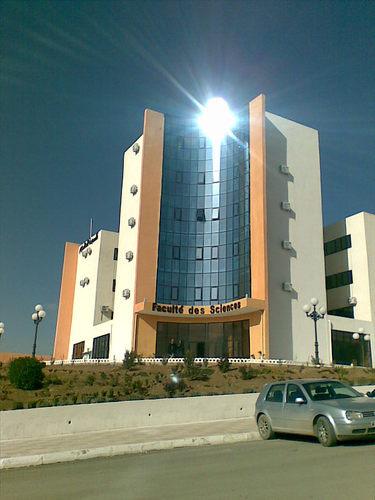
University Sétif 1 FERHAT ABBAS Faculty of Sciences
Détail de l'auteur
Auteur BETTAYEB, Sami |
Documents disponibles écrits par cet auteur


 Ajouter le résultat dans votre panier Affiner la recherche
Titre : Environnement numérique distribué pour les Télé-TPs Type de document : texte imprimé Auteurs : BETTAYEB, Sami ; Djamila Mechta, Directeur de thèse Editeur : Setif:UFA Année de publication : 2015 Importance : 1 vol (55f.) Format : 29 cm Langues : Français (fre) Catégories : Thèses & Mémoires:Informatique Mots-clés : Environnement numérique, TP, Télé-TP, Laboratoire traditionnel, Laboratoire virtuel,
système multi-agent, ontologie, collaboration, communication.Index. décimale : 004 Informatique Résumé : Résumé
Les dernières années ont vu beaucoup de progrès où les internautes
ont enrichis le web par des cours et programmes de formations à
distance. Ces environnements sont en concurrence pour atteindre
des objectifs pédagogiques. La réalisation effective des expériences
des laboratoires à travers le réseau n’est pas encore très répandue
dans plusieurs domaines, surtout dans les sciences expérimentales,
les séances de TPs sont des complémentaires à chaque séance
d’enseignement théorique.
L’objet de ce travail est de concevoir et réaliser une plateforme de
type laboratoire virtuel sur le web. Le système est réalisé pour
permettre la réalisation des Télé-TPs et effectuer des expériences en
temps réel.
La conception de ce système est basée sur la technique d’agent pour
résoudre les problèmes de congestion et de fiabilité. Et à cause de
l’utilisation de cette technique on doit faire communiquer les agents
entre eux, c’est pour ça on a conçu et implémenté une ontologie en
se basant sur les ontologies de Jade pour résoudre les problèmes
d’hétérogénéité.
Ce laboratoire virtuel est destiné aux apprenants et enseignants des
sciences expérimentales prenant en compte la collaboration et la
communication.
Note de contenu : Table des matières
Introduction générale............................................................................................................. 1
Introduction ....................................................................................................................... 1
Organisation du mémoire .................................................................................................. 2
Chapitre 1 : Télé-TP et Laboratoire virtuel ........................................................................... 3
1.1 Introduction ................................................................................................................. 3
1.2 TP : .............................................................................................................................. 3
1.2.1 Définition.............................................................................................................. 3
1.2.2 Typologie de situations......................................................................................... 3
1.2.3 Les travaux pratiques et l’informatique................................................................ 4
1.3 Les laboratoires traditionnel ........................................................................................ 4
1.3.1 Définition.............................................................................................................. 4
1.3.2 Caractéristiques .................................................................................................... 4
1.3.3 Inconvénients et limites........................................................................................ 4
1.4 Télé-TP ........................................................................................................................ 5
1.4.1 Définition.............................................................................................................. 5
1.4.2 Les avantages des Télé-TP ................................................................................... 5
1.4.3 Les inconvenants et les limites d’un Télé-TP :..................................................... 5
1.4.4 Typologie de situation .......................................................................................... 6
1.5 Laboratoire virtuel ....................................................................................................... 6
1.5.1 Définition.............................................................................................................. 6
1.5.2 Caractéristiques d’un laboratoire virtuel .............................................................. 7
1.6 Conclusion................................................................................................................... 8
Chapitre 2 : Conception......................................................................................................... 9
2.1 Introduction ................................................................................................................. 9
2.1.1 C’est quoi une méthodologie ? ............................................................................. 9
2.1.2 Le choix d’une méthodologie ............................................................................... 9
2.2 Prometheus................................................................................................................ 10
2.2.1 Notation de la méthodologie Prometheus........................................................... 10
2.2.2 Étapes de Prometheus......................................................................................... 11
2.3 Les ontologies............................................................................................................ 36
2.3.1 Introduction ........................................................................................................ 36
2.4 Conception de l’ontologie du système....................................................................... 37
2.5 Conclusion................................................................................................................. 39
Chapitre 3 : Résultats et discussions ................................................................................... 40
3.1 Introduction ............................................................................................................... 40
3.1.1 Choix techniques................................................................................................ 40
3.2 L’architecture du système.......................................................................................... 42
3.2.1 La partie serveur................................................................................................. 42
3.2.2 La partie client.................................................................................................... 44
3.3 Fonctionnement du système ...................................................................................... 44
3.4 Conclusion................................................................................................................. 52
Conclusion générale et perspectives.................................................................................... 53
Bibliographie ....................................................................................................................... 54Côte titre : MAI/0075 En ligne : https://drive.google.com/file/d/1kW4q9lhFvcu4h3oMAwJjGsG1UeI-Q5tV/view?usp=shari [...] Format de la ressource électronique : Environnement numérique distribué pour les Télé-TPs [texte imprimé] / BETTAYEB, Sami ; Djamila Mechta, Directeur de thèse . - [S.l.] : Setif:UFA, 2015 . - 1 vol (55f.) ; 29 cm.
Langues : Français (fre)
Catégories : Thèses & Mémoires:Informatique Mots-clés : Environnement numérique, TP, Télé-TP, Laboratoire traditionnel, Laboratoire virtuel,
système multi-agent, ontologie, collaboration, communication.Index. décimale : 004 Informatique Résumé : Résumé
Les dernières années ont vu beaucoup de progrès où les internautes
ont enrichis le web par des cours et programmes de formations à
distance. Ces environnements sont en concurrence pour atteindre
des objectifs pédagogiques. La réalisation effective des expériences
des laboratoires à travers le réseau n’est pas encore très répandue
dans plusieurs domaines, surtout dans les sciences expérimentales,
les séances de TPs sont des complémentaires à chaque séance
d’enseignement théorique.
L’objet de ce travail est de concevoir et réaliser une plateforme de
type laboratoire virtuel sur le web. Le système est réalisé pour
permettre la réalisation des Télé-TPs et effectuer des expériences en
temps réel.
La conception de ce système est basée sur la technique d’agent pour
résoudre les problèmes de congestion et de fiabilité. Et à cause de
l’utilisation de cette technique on doit faire communiquer les agents
entre eux, c’est pour ça on a conçu et implémenté une ontologie en
se basant sur les ontologies de Jade pour résoudre les problèmes
d’hétérogénéité.
Ce laboratoire virtuel est destiné aux apprenants et enseignants des
sciences expérimentales prenant en compte la collaboration et la
communication.
Note de contenu : Table des matières
Introduction générale............................................................................................................. 1
Introduction ....................................................................................................................... 1
Organisation du mémoire .................................................................................................. 2
Chapitre 1 : Télé-TP et Laboratoire virtuel ........................................................................... 3
1.1 Introduction ................................................................................................................. 3
1.2 TP : .............................................................................................................................. 3
1.2.1 Définition.............................................................................................................. 3
1.2.2 Typologie de situations......................................................................................... 3
1.2.3 Les travaux pratiques et l’informatique................................................................ 4
1.3 Les laboratoires traditionnel ........................................................................................ 4
1.3.1 Définition.............................................................................................................. 4
1.3.2 Caractéristiques .................................................................................................... 4
1.3.3 Inconvénients et limites........................................................................................ 4
1.4 Télé-TP ........................................................................................................................ 5
1.4.1 Définition.............................................................................................................. 5
1.4.2 Les avantages des Télé-TP ................................................................................... 5
1.4.3 Les inconvenants et les limites d’un Télé-TP :..................................................... 5
1.4.4 Typologie de situation .......................................................................................... 6
1.5 Laboratoire virtuel ....................................................................................................... 6
1.5.1 Définition.............................................................................................................. 6
1.5.2 Caractéristiques d’un laboratoire virtuel .............................................................. 7
1.6 Conclusion................................................................................................................... 8
Chapitre 2 : Conception......................................................................................................... 9
2.1 Introduction ................................................................................................................. 9
2.1.1 C’est quoi une méthodologie ? ............................................................................. 9
2.1.2 Le choix d’une méthodologie ............................................................................... 9
2.2 Prometheus................................................................................................................ 10
2.2.1 Notation de la méthodologie Prometheus........................................................... 10
2.2.2 Étapes de Prometheus......................................................................................... 11
2.3 Les ontologies............................................................................................................ 36
2.3.1 Introduction ........................................................................................................ 36
2.4 Conception de l’ontologie du système....................................................................... 37
2.5 Conclusion................................................................................................................. 39
Chapitre 3 : Résultats et discussions ................................................................................... 40
3.1 Introduction ............................................................................................................... 40
3.1.1 Choix techniques................................................................................................ 40
3.2 L’architecture du système.......................................................................................... 42
3.2.1 La partie serveur................................................................................................. 42
3.2.2 La partie client.................................................................................................... 44
3.3 Fonctionnement du système ...................................................................................... 44
3.4 Conclusion................................................................................................................. 52
Conclusion générale et perspectives.................................................................................... 53
Bibliographie ....................................................................................................................... 54Côte titre : MAI/0075 En ligne : https://drive.google.com/file/d/1kW4q9lhFvcu4h3oMAwJjGsG1UeI-Q5tV/view?usp=shari [...] Format de la ressource électronique : Exemplaires (1)
Code-barres Cote Support Localisation Section Disponibilité MAI/0075 MAI/0075 Mémoire Bibliothèque des sciences Français Disponible
Disponible
Titre : Web-based management platform for secure key redistribution in IoT networks Type de document : document électronique Auteurs : Issam Eddine Hamani ; Mahdi Benslim, Auteur ; BETTAYEB, Sami, Directeur de thèse Editeur : Setif:UFA Année de publication : 2025 Importance : 1 vol (77 f .) Format : 29 cm Langues : Anglais (eng) Catégories : Thèses & Mémoires:Informatique Mots-clés : Internet of Things (IoT)
Key Management
Security
EVKMS (Efficient Vectors-Based Key Management Scheme)
Key RedistributionIndex. décimale : 004 Informatique Résumé :
Managing security keys for large, dynamic Internet of Things (IoT) networks is
a significant challenge, often leading to security gaps and high operational costs. To
address this, this project involved the design and implementation of a centralized webbased
platform to simplify and automate this complex process. The platform is built
upon a lightweight cryptographic method known as the Efficient Vectors-Based Key
Management Scheme (EVKMS), which is specifically designed for resource-constrained
devices. The system automates the entire security lifecycle of devices, including their
addition, removal, and key updates, through a robust, task-based orchestration system
managed by a modern backend server. A key contribution is the implementation of a
comprehensive, immutable audit log that automatically records every administrative
action, ensuring full traceability and accountability. The platform’s effectiveness and its
workflows were validated in a high-fidelity simulation environment that mimics realworld
network communications. Ultimately, this work demonstrates that advanced
security proto
cols can be successfully translated into practical, scalable, and userfriendly
management tools for securing modern IoT deployments.Note de contenu : Sommaire
Abstract i
Table of contents ix
List of figures x
List of tables xi
Abbreviations xii
Introduction 1
1 Background 2
1.1 Introduction . . . . . . . . . . . . . . . . . . . . . . . . . . . . . . . . . 2
1.2 Internet of Things . . . . . . . . . . . . . . . . . . . . . . . . . . . . . 2
1.2.1 IoT Definition . . . . . . . . . . . . . . . . . . . . . . . . . . . . 2
1.2.2 Applications of IoT . . . . . . . . . . . . . . . . . . . . . . . . 4
1.2.3 Characteristics Of Iot . . . . . . . . . . . . . . . . . . . . . . . . 7
1.2.4 Foundational IoT Architectures . . . . . . . . . . . . . . . . . . 9
1.2.5 The Growing Importance of Interconnected Devices . . . . . . . 11
1.3 Cyber Security (CS) with internet of things . . . . . . . . . . . . . . . 11
1.3.1 Cybersecurity . . . . . . . . . . . . . . . . . . . . . . . . . . . . 11
1.3.2 Why we need Cs in iot ? . . . . . . . . . . . . . . . . . . . . . . 12
1.3.3 Crucial Cyber Security Considerations for IoT . . . . . . . . . . 13
1.3.4 The most popular Attacks in iot . . . . . . . . . . . . . . . . . . 14
1.3.5 IoT security principles . . . . . . . . . . . . . . . . . . . . . . . 16
1.4 Key Management Systems (KMS) . . . . . . . . . . . . . . . . . . . . . 17
1.4.1 KMS Definition . . . . . . . . . . . . . . . . . . . . . . . . . . . 18
1.4.2 Key Management System Architecture . . . . . . . . . . . . . . 18
1.5 Conclusion . . . . . . . . . . . . . . . . . . . . . . . . . . . . . . . . . . 20
2 Related Work 22
2.1 Introduction . . . . . . . . . . . . . . . . . . . . . . . . . . . . . . . . . 22
2.2 Fundamentals of Cryptography and Key Management . . . . . . . . . . 23
2.2.1 Symmetric and. Asymmetric Cryptography . . . . . . . . . . . 23
2.2.2 Key Lifecycle Management (Generation, Distribution, Storage,
Revocation, refresh) . . . . . . . . . . . . . . . . . . . . . . . . 24
2.3 Key Management Schemes In IoT And Wireless Sensor Networks . . . 25
2.3.1 Definition . . . . . . . . . . . . . . . . . . . . . . . . . . . . . . 25
2.3.2 Key Management Protocol For WSN . . . . . . . . . . . . . . . 26
2.3.3 Cryptographic Schemes for WSNs . . . . . . . . . . . . . . . . . 27
2.3.4 Static vs. Dynamic Key Management . . . . . . . . . . . . . . . 28
2.3.5 Review of Specific KMS Protocols . . . . . . . . . . . . . . . . . 29
2.3.6 Existing IoT Key Management Platforms and Tools . . . . . . . 39
2.4 Conclusion . . . . . . . . . . . . . . . . . . . . . . . . . . . . . . . . . . 40
3 The Efficient Vectors-Based Key Management Scheme (EVKMS) 42
3.1 Introduction . . . . . . . . . . . . . . . . . . . . . . . . . . . . . . . . . 42
3.2 What Problem Does EVKMS Method Solve? . . . . . . . . . . . . . . . 44
3.3 Method Description . . . . . . . . . . . . . . . . . . . . . . . . . . . . . 44
3.3.1 Network Model . . . . . . . . . . . . . . . . . . . . . . . . . . . 44
3.3.2 Key Management Phases . . . . . . . . . . . . . . . . . . . . . . 44
3.4 What Cryptographic Techniques Does It Use? . . . . . . . . . . . . . . 46
3.5 Advantages . . . . . . . . . . . . . . . . . . . . . . . . . . . . . . . . . 46
3.6 Limitations . . . . . . . . . . . . . . . . . . . . . . . . . . . . . . . . . 47
3.7 Why This Method Was Chosen . . . . . . . . . . . . . . . . . . . . . . 47
3.7.1 Relevance for IoT . . . . . . . . . . . . . . . . . . . . . . . . . . 47
3.7.2 Suitability for Web-Based Implementation . . . . . . . . . . . . 47
3.8 Conclusion . . . . . . . . . . . . . . . . . . . . . . . . . . . . . . . . . . 48
4 Design and Implementation of the Web Platform 49
4.1 Introduction . . . . . . . . . . . . . . . . . . . . . . . . . . . . . . . . . 49
4.2 Objectives of the Platform . . . . . . . . . . . . . . . . . . . . . . . . . 50
4.3 System Architecture . . . . . . . . . . . . . . . . . . . . . . . . . . . . 50
4.3.1 Core Components . . . . . . . . . . . . . . . . . . . . . . . . . . 51
4.3.2 Database Schema and Security Model . . . . . . . . . . . . . . . 54
4.4 Operational Workflows and Data Flow . . . . . . . . . . . . . . . . . . 55
4.5 Key Functionalities . . . . . . . . . . . . . . . . . . . . . . . . . . . . . 59
4.5.1 Centralized Device and Network Management . . . . . . . . . . 60
4.5.2 Task-Based Key Lifecycle Orchestration . . . . . . . . . . . . . 60
4.5.3 Autonomous Pairwise Key Establishment . . . . . . . . . . . . . 60
4.5.4 Secure Storage and Auditing . . . . . . . . . . . . . . . . . . . . 61
4.5.5 Automated and Manual Key Rotation . . . . . . . . . . . . . . 61
4.5.6 Simulation Environment . . . . . . . . . . . . . . . . . . . . . . 61
4.6 Technologies Used . . . . . . . . . . . . . . . . . . . . . . . . . . . . . . 63
4.6.1 Frontend Technologies (Administrative Dashboard) . . . . . . . 63
4.6.2 Backend Technologies . . . . . . . . . . . . . . . . . . . . . . . . 64
4.6.3 Database Technologies . . . . . . . . . . . . . . . . . . . . . . . 65
4.6.4 Containerization . . . . . . . . . . . . . . . . . . . . . . . . . . 66
4.6.5 Messaging Protocol . . . . . . . . . . . . . . . . . . . . . . . . . 66
4.6.6 Development IDE . . . . . . . . . . . . . . . . . . . . . . . . . 66
4.7 Screenshots or Interface Walkthrough . . . . . . . . . . . . . . . . . . . 67
4.7.1 Dashboard Overview: . . . . . . . . . . . . . . . . . . . . . . . . 67
4.7.2 Network Topology Management (Subsets, Gateways, Devices) . 67
4.7.3 Task Orchestration and Monitoring . . . . . . . . . . . . . . . . 68
4.7.4 Security Auditing . . . . . . . . . . . . . . . . . . . . . . . . . . 69
4.8 Conclusion . . . . . . . . . . . . . . . . . . . . . . . . . . . . . . . . . . 70
Conclusion 72Côte titre : MAI/0971 Web-based management platform for secure key redistribution in IoT networks [document électronique] / Issam Eddine Hamani ; Mahdi Benslim, Auteur ; BETTAYEB, Sami, Directeur de thèse . - [S.l.] : Setif:UFA, 2025 . - 1 vol (77 f .) ; 29 cm.
Langues : Anglais (eng)
Catégories : Thèses & Mémoires:Informatique Mots-clés : Internet of Things (IoT)
Key Management
Security
EVKMS (Efficient Vectors-Based Key Management Scheme)
Key RedistributionIndex. décimale : 004 Informatique Résumé :
Managing security keys for large, dynamic Internet of Things (IoT) networks is
a significant challenge, often leading to security gaps and high operational costs. To
address this, this project involved the design and implementation of a centralized webbased
platform to simplify and automate this complex process. The platform is built
upon a lightweight cryptographic method known as the Efficient Vectors-Based Key
Management Scheme (EVKMS), which is specifically designed for resource-constrained
devices. The system automates the entire security lifecycle of devices, including their
addition, removal, and key updates, through a robust, task-based orchestration system
managed by a modern backend server. A key contribution is the implementation of a
comprehensive, immutable audit log that automatically records every administrative
action, ensuring full traceability and accountability. The platform’s effectiveness and its
workflows were validated in a high-fidelity simulation environment that mimics realworld
network communications. Ultimately, this work demonstrates that advanced
security proto
cols can be successfully translated into practical, scalable, and userfriendly
management tools for securing modern IoT deployments.Note de contenu : Sommaire
Abstract i
Table of contents ix
List of figures x
List of tables xi
Abbreviations xii
Introduction 1
1 Background 2
1.1 Introduction . . . . . . . . . . . . . . . . . . . . . . . . . . . . . . . . . 2
1.2 Internet of Things . . . . . . . . . . . . . . . . . . . . . . . . . . . . . 2
1.2.1 IoT Definition . . . . . . . . . . . . . . . . . . . . . . . . . . . . 2
1.2.2 Applications of IoT . . . . . . . . . . . . . . . . . . . . . . . . 4
1.2.3 Characteristics Of Iot . . . . . . . . . . . . . . . . . . . . . . . . 7
1.2.4 Foundational IoT Architectures . . . . . . . . . . . . . . . . . . 9
1.2.5 The Growing Importance of Interconnected Devices . . . . . . . 11
1.3 Cyber Security (CS) with internet of things . . . . . . . . . . . . . . . 11
1.3.1 Cybersecurity . . . . . . . . . . . . . . . . . . . . . . . . . . . . 11
1.3.2 Why we need Cs in iot ? . . . . . . . . . . . . . . . . . . . . . . 12
1.3.3 Crucial Cyber Security Considerations for IoT . . . . . . . . . . 13
1.3.4 The most popular Attacks in iot . . . . . . . . . . . . . . . . . . 14
1.3.5 IoT security principles . . . . . . . . . . . . . . . . . . . . . . . 16
1.4 Key Management Systems (KMS) . . . . . . . . . . . . . . . . . . . . . 17
1.4.1 KMS Definition . . . . . . . . . . . . . . . . . . . . . . . . . . . 18
1.4.2 Key Management System Architecture . . . . . . . . . . . . . . 18
1.5 Conclusion . . . . . . . . . . . . . . . . . . . . . . . . . . . . . . . . . . 20
2 Related Work 22
2.1 Introduction . . . . . . . . . . . . . . . . . . . . . . . . . . . . . . . . . 22
2.2 Fundamentals of Cryptography and Key Management . . . . . . . . . . 23
2.2.1 Symmetric and. Asymmetric Cryptography . . . . . . . . . . . 23
2.2.2 Key Lifecycle Management (Generation, Distribution, Storage,
Revocation, refresh) . . . . . . . . . . . . . . . . . . . . . . . . 24
2.3 Key Management Schemes In IoT And Wireless Sensor Networks . . . 25
2.3.1 Definition . . . . . . . . . . . . . . . . . . . . . . . . . . . . . . 25
2.3.2 Key Management Protocol For WSN . . . . . . . . . . . . . . . 26
2.3.3 Cryptographic Schemes for WSNs . . . . . . . . . . . . . . . . . 27
2.3.4 Static vs. Dynamic Key Management . . . . . . . . . . . . . . . 28
2.3.5 Review of Specific KMS Protocols . . . . . . . . . . . . . . . . . 29
2.3.6 Existing IoT Key Management Platforms and Tools . . . . . . . 39
2.4 Conclusion . . . . . . . . . . . . . . . . . . . . . . . . . . . . . . . . . . 40
3 The Efficient Vectors-Based Key Management Scheme (EVKMS) 42
3.1 Introduction . . . . . . . . . . . . . . . . . . . . . . . . . . . . . . . . . 42
3.2 What Problem Does EVKMS Method Solve? . . . . . . . . . . . . . . . 44
3.3 Method Description . . . . . . . . . . . . . . . . . . . . . . . . . . . . . 44
3.3.1 Network Model . . . . . . . . . . . . . . . . . . . . . . . . . . . 44
3.3.2 Key Management Phases . . . . . . . . . . . . . . . . . . . . . . 44
3.4 What Cryptographic Techniques Does It Use? . . . . . . . . . . . . . . 46
3.5 Advantages . . . . . . . . . . . . . . . . . . . . . . . . . . . . . . . . . 46
3.6 Limitations . . . . . . . . . . . . . . . . . . . . . . . . . . . . . . . . . 47
3.7 Why This Method Was Chosen . . . . . . . . . . . . . . . . . . . . . . 47
3.7.1 Relevance for IoT . . . . . . . . . . . . . . . . . . . . . . . . . . 47
3.7.2 Suitability for Web-Based Implementation . . . . . . . . . . . . 47
3.8 Conclusion . . . . . . . . . . . . . . . . . . . . . . . . . . . . . . . . . . 48
4 Design and Implementation of the Web Platform 49
4.1 Introduction . . . . . . . . . . . . . . . . . . . . . . . . . . . . . . . . . 49
4.2 Objectives of the Platform . . . . . . . . . . . . . . . . . . . . . . . . . 50
4.3 System Architecture . . . . . . . . . . . . . . . . . . . . . . . . . . . . 50
4.3.1 Core Components . . . . . . . . . . . . . . . . . . . . . . . . . . 51
4.3.2 Database Schema and Security Model . . . . . . . . . . . . . . . 54
4.4 Operational Workflows and Data Flow . . . . . . . . . . . . . . . . . . 55
4.5 Key Functionalities . . . . . . . . . . . . . . . . . . . . . . . . . . . . . 59
4.5.1 Centralized Device and Network Management . . . . . . . . . . 60
4.5.2 Task-Based Key Lifecycle Orchestration . . . . . . . . . . . . . 60
4.5.3 Autonomous Pairwise Key Establishment . . . . . . . . . . . . . 60
4.5.4 Secure Storage and Auditing . . . . . . . . . . . . . . . . . . . . 61
4.5.5 Automated and Manual Key Rotation . . . . . . . . . . . . . . 61
4.5.6 Simulation Environment . . . . . . . . . . . . . . . . . . . . . . 61
4.6 Technologies Used . . . . . . . . . . . . . . . . . . . . . . . . . . . . . . 63
4.6.1 Frontend Technologies (Administrative Dashboard) . . . . . . . 63
4.6.2 Backend Technologies . . . . . . . . . . . . . . . . . . . . . . . . 64
4.6.3 Database Technologies . . . . . . . . . . . . . . . . . . . . . . . 65
4.6.4 Containerization . . . . . . . . . . . . . . . . . . . . . . . . . . 66
4.6.5 Messaging Protocol . . . . . . . . . . . . . . . . . . . . . . . . . 66
4.6.6 Development IDE . . . . . . . . . . . . . . . . . . . . . . . . . 66
4.7 Screenshots or Interface Walkthrough . . . . . . . . . . . . . . . . . . . 67
4.7.1 Dashboard Overview: . . . . . . . . . . . . . . . . . . . . . . . . 67
4.7.2 Network Topology Management (Subsets, Gateways, Devices) . 67
4.7.3 Task Orchestration and Monitoring . . . . . . . . . . . . . . . . 68
4.7.4 Security Auditing . . . . . . . . . . . . . . . . . . . . . . . . . . 69
4.8 Conclusion . . . . . . . . . . . . . . . . . . . . . . . . . . . . . . . . . . 70
Conclusion 72Côte titre : MAI/0971 Exemplaires (1)
Code-barres Cote Support Localisation Section Disponibilité MAI/0971 MAI/0971 Mémoire Bibliothèque des sciences Anglais Disponible
Disponible