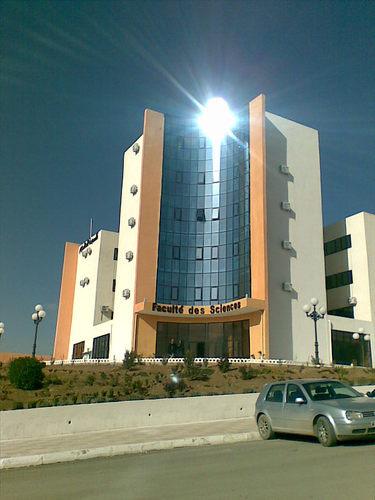
University Sétif 1 FERHAT ABBAS Faculty of Sciences
Détail de l'auteur
Auteur Rahmouni,Samra |
Documents disponibles écrits par cet auteur


 Ajouter le résultat dans votre panier Affiner la recherche
Titre : Abrasive Materials Manufacturing via 3D Printing Type de document : document électronique Auteurs : Said Chekhaba, Auteur ; Taha Zakaria Saidat, Auteur ; Mohamed Elamine Drissi, Auteur ; Rahmouni,Samra, Directeur de thèse Editeur : Setif:UFA Année de publication : 2025 Importance : 1 vol (84 f.) Format : 29 cm Langues : Anglais (eng) Catégories : Thèses & Mémoires:Physique Mots-clés : Physique
Abrasive MaterialsIndex. décimale : 530 - Physique Résumé :
This work focuses on the development and manufacturing of abrasive discs composed of resin
filled with glass and alumina, using advanced 3D printing technology. By optimizing the formulation
and distribution of the glass and alumina particles within the resin matrix, the process achieves
superior mechanical strength, wear resistance, and precision in the final product. The use of 3D
printing allows for the customization of disc geometry and abrasive properties, making these discs
highly suitable for demanding industrial grinding and polishing applications.Note de contenu :
Sommaire
Acknowledgements ..................................................................................................................... i
Table of contents ........................................................................................................................ v
General Introduction ................................................................................................................... 1
CHAPTER 1: Literature Review ................................................................................................ 4
PART A: Theoretical Foundations of Abrasive Products ........................................................... 4
I.1. Definition of Abrasive Materials...................................................................................... 4
I.2. Classification .................................................................................................................... 4
I.3. Mechanisms of Abrasion .................................................................................................. 5
I.4. Fundamental Properties of Abrasives .............................................................................. 6
I.4.1. Hardness Toughness, and Friability .......................................................................... 6
I.4.2. Grain Size and Shape ................................................................................................ 7
I.4.3. Abrasive Strength and Cutting Efficiency ................................................................ 7
I.4.4. Chemical Properties and Thermal Stability .............................................................. 7
I.4.5. Wear Behavior and Material Interaction ................................................................... 8
I.5. Fundamental characterization of Corundum, Glass, and Silicon Carbide Abrasives ...... 8
I.5.1. Corundum (Aluminum Oxide) .................................................................................. 8
I.5.2. . Properties and Behavior of Corundum during Machining: ................................... 10
I.5.3. Glass abrasives ........................................................................................................ 10
I.5.4. Silicon Carbide ........................................................................................................ 11
I.5.5. Properties and Behavior of Silicon Carbide during Machining .............................. 12
I.5.6. Thermal, Electrical, and Magnetic Properties ......................................................... 12
I.6. Methacrylate Resin (PMMA) and Filled Methacrylate Resin in Abrasive Applications
.................................................................................................................................................. 12
I.6.1. Properties of Methacrylate Resin (PMMA) ............................................................ 13
I.6.2. Filled (Charged) Methacrylate Resin: Structure and Advantages ........................... 13
I.6.3. Industrial and Abrasive Applications ...................................................................... 14
PART B: Additive Manufacturing And 3D Printing ................................................................ 15
I.7. 3D Printing for the Fabrication of Resin-Based Abrasive Discs ................................... 15
I.7.1. Resin 3D Printing Technologies ............................................................................. 15
I.7.2. Process Workflow for 3D Printing Resin Abrasive Discs ...................................... 16
I.7.3. Advantages of 3D Printing for Resin Abrasive Discs ............................................. 17
I.8. Suspension Preparation Process ..................................................................................... 17
I.9. Application in Abrasive Disc Fabrication ...................................................................... 18
CHAPTER 2: Materials and Methods ...................................................................................... 20
II.1. Materials ....................................................................................................................... 20
II.2. Experimental Protocol .................................................................................................. 20
II.3. Preparation of Abrasive Powders ................................................................................. 21
II.4. Preparation of Ceramic–Resin Suspensions ................................................................. 21
II.4.1. Preparation of Abrasive Disc Using 3D Printer ..................................................... 22
CHAPTER 3: Results and Discussion ...................................................................................... 25
III.1. Physical and Chemical Characterization of the Powders used .................................... 25
III.1.1. Laser Granulometry .............................................................................................. 25
III.1.2. Thermogravimetric Analysis (TGA) .................................................................... 27
III.1.3. Zeta Potential ........................................................................................................ 28
III.1.4. II.2.3.2. Zeta Potential for the Glass ..................................................................... 29
III.2. Quality Control ............................................................................................................ 29
III.2.1. Infrared analysis of Ceramic–Resin Suspensions ................................................. 29
III.2.2. Conversion Rate Calculation ................................................................................ 29
III.2.3. Mechanical Testing............................................................................................... 31
III.3. Discussion .................................................................................................................... 32
III.3.1. Degree of Conversion and Formulation Effects ................................................... 32
III.3.2. Grinding Performance and Wear Behavior of Discs ............................................ 33
III.3.3. Interpretation and Trade-Offs ............................................................................... 33
III.4. Conclusion ................................................................................................................... 33
General Conclusion .................................................................................................................. 34
ANNEXES ............................................................................................................................... 36
Startup Part ............................................................................................................................... 42
References ............................................................................................................................... 81
Abstract .................................................................................................................................... 85Côte titre : MAPH/0698 Abrasive Materials Manufacturing via 3D Printing [document électronique] / Said Chekhaba, Auteur ; Taha Zakaria Saidat, Auteur ; Mohamed Elamine Drissi, Auteur ; Rahmouni,Samra, Directeur de thèse . - [S.l.] : Setif:UFA, 2025 . - 1 vol (84 f.) ; 29 cm.
Langues : Anglais (eng)
Catégories : Thèses & Mémoires:Physique Mots-clés : Physique
Abrasive MaterialsIndex. décimale : 530 - Physique Résumé :
This work focuses on the development and manufacturing of abrasive discs composed of resin
filled with glass and alumina, using advanced 3D printing technology. By optimizing the formulation
and distribution of the glass and alumina particles within the resin matrix, the process achieves
superior mechanical strength, wear resistance, and precision in the final product. The use of 3D
printing allows for the customization of disc geometry and abrasive properties, making these discs
highly suitable for demanding industrial grinding and polishing applications.Note de contenu :
Sommaire
Acknowledgements ..................................................................................................................... i
Table of contents ........................................................................................................................ v
General Introduction ................................................................................................................... 1
CHAPTER 1: Literature Review ................................................................................................ 4
PART A: Theoretical Foundations of Abrasive Products ........................................................... 4
I.1. Definition of Abrasive Materials...................................................................................... 4
I.2. Classification .................................................................................................................... 4
I.3. Mechanisms of Abrasion .................................................................................................. 5
I.4. Fundamental Properties of Abrasives .............................................................................. 6
I.4.1. Hardness Toughness, and Friability .......................................................................... 6
I.4.2. Grain Size and Shape ................................................................................................ 7
I.4.3. Abrasive Strength and Cutting Efficiency ................................................................ 7
I.4.4. Chemical Properties and Thermal Stability .............................................................. 7
I.4.5. Wear Behavior and Material Interaction ................................................................... 8
I.5. Fundamental characterization of Corundum, Glass, and Silicon Carbide Abrasives ...... 8
I.5.1. Corundum (Aluminum Oxide) .................................................................................. 8
I.5.2. . Properties and Behavior of Corundum during Machining: ................................... 10
I.5.3. Glass abrasives ........................................................................................................ 10
I.5.4. Silicon Carbide ........................................................................................................ 11
I.5.5. Properties and Behavior of Silicon Carbide during Machining .............................. 12
I.5.6. Thermal, Electrical, and Magnetic Properties ......................................................... 12
I.6. Methacrylate Resin (PMMA) and Filled Methacrylate Resin in Abrasive Applications
.................................................................................................................................................. 12
I.6.1. Properties of Methacrylate Resin (PMMA) ............................................................ 13
I.6.2. Filled (Charged) Methacrylate Resin: Structure and Advantages ........................... 13
I.6.3. Industrial and Abrasive Applications ...................................................................... 14
PART B: Additive Manufacturing And 3D Printing ................................................................ 15
I.7. 3D Printing for the Fabrication of Resin-Based Abrasive Discs ................................... 15
I.7.1. Resin 3D Printing Technologies ............................................................................. 15
I.7.2. Process Workflow for 3D Printing Resin Abrasive Discs ...................................... 16
I.7.3. Advantages of 3D Printing for Resin Abrasive Discs ............................................. 17
I.8. Suspension Preparation Process ..................................................................................... 17
I.9. Application in Abrasive Disc Fabrication ...................................................................... 18
CHAPTER 2: Materials and Methods ...................................................................................... 20
II.1. Materials ....................................................................................................................... 20
II.2. Experimental Protocol .................................................................................................. 20
II.3. Preparation of Abrasive Powders ................................................................................. 21
II.4. Preparation of Ceramic–Resin Suspensions ................................................................. 21
II.4.1. Preparation of Abrasive Disc Using 3D Printer ..................................................... 22
CHAPTER 3: Results and Discussion ...................................................................................... 25
III.1. Physical and Chemical Characterization of the Powders used .................................... 25
III.1.1. Laser Granulometry .............................................................................................. 25
III.1.2. Thermogravimetric Analysis (TGA) .................................................................... 27
III.1.3. Zeta Potential ........................................................................................................ 28
III.1.4. II.2.3.2. Zeta Potential for the Glass ..................................................................... 29
III.2. Quality Control ............................................................................................................ 29
III.2.1. Infrared analysis of Ceramic–Resin Suspensions ................................................. 29
III.2.2. Conversion Rate Calculation ................................................................................ 29
III.2.3. Mechanical Testing............................................................................................... 31
III.3. Discussion .................................................................................................................... 32
III.3.1. Degree of Conversion and Formulation Effects ................................................... 32
III.3.2. Grinding Performance and Wear Behavior of Discs ............................................ 33
III.3.3. Interpretation and Trade-Offs ............................................................................... 33
III.4. Conclusion ................................................................................................................... 33
General Conclusion .................................................................................................................. 34
ANNEXES ............................................................................................................................... 36
Startup Part ............................................................................................................................... 42
References ............................................................................................................................... 81
Abstract .................................................................................................................................... 85Côte titre : MAPH/0698 Exemplaires (1)
Code-barres Cote Support Localisation Section Disponibilité MAPH/0698 MAPH/0698 Mémoire Bibliothèque des sciences Anglais Disponible
DisponibleDevelopment of Personalized Topical Formulations Based on Nanostructured Lipid Carriers and Metal Complexes for Targeted Acne Therapy / Takoua Lamine
Titre : Development of Personalized Topical Formulations Based on Nanostructured Lipid Carriers and Metal Complexes for Targeted Acne Therapy Type de document : document électronique Auteurs : Takoua Lamine, Auteur ; Hala Ikram Merabet ; Zeroual, Noureddine ; Nouara Ziani, Directeur de thèse ; Rahmouni,Samra, Directeur de thèse Editeur : Sétif:UFA1 Année de publication : 2025 Importance : 1 vol (147 f .) Format : 29cm Langues : Français (fre) Catégories : Thèses & Mémoires:Chimie Mots-clés : Complexes du métal Nanotransporteurs lipidiques Thérapie de l’acné Formulations personnalisées. Index. décimale : 540 Chimie et sciences connexes Résumé :
Cette étude explore la conception et la formulation de complexes métal–ligand comme thérapies
adjuvantes potentielles contre l’acné. Cinq complexes ont été synthétisés par des méthodes
conventionnelles et assistées par micro-ondes. Cette dernière s’est avérée plus efficace, offrant des
rendements plus élevés en un temps considérablement réduit. La caractérisation par spectroscopie
UV–Visible et infrarouge, associée aux analyses de solubilité et de point de fusion, a confirmé la
coordination réussie du métal aux sites de liaison spécifiques des ligands. Les évaluations biologiques
ont mis en évidence que, parmi les complexes de zinc obtenus, le complexe M–Curcumine (C3)
présentait la plus forte activité antioxydante, tandis que le complexe M–(Acide salicylique +
Curcumine) (C2) montrait la plus grande activité antibactérienne. Ces résultats soulignent
l’importance de la curcumine dans l’amélioration de la bioactivité, comparée aux complexes M–
Aspirine (C4) et M–Acide salicylique (C5). Ces activités ciblent directement deux mécanismes clés
de la pathogenèse de l’acné : le stress oxydatif et la prolifération microbienne. Afin d’optimiser la
solubilité, la stabilité et la délivrance cutanée ciblée, les complexes ont été incorporés dans trois
systèmes d’administration : des microbilles salicyliques (C1, C2, C5), une crème réparatrice (C3) et
un gel nettoyant (C4). Les microbilles, particulièrement le complexe C2, ont montré une activité
antibactérienne et kératolytique élevée ; la crème réparatrice a assuré une protection antioxydante
durable, et le gel nettoyant a offert un effet anti-inflammatoire. Globalement, ces formulations
illustrent une approche thérapeutique personnalisée et intégrée reliant la chimie de coordination à la
science des formulations pour une prise en charge ciblée des différents types d’acné.
Note de contenu :
TABLE OF CONTENTS
DEDICATION ........................................................................................................................... 5
ACKNOWLEDGEMENT.......................................................................................................... 7
STATEMENT OF ORIGINALITY .............................................................................. 8
TABLE OF CONTENTS ........................................................................................................... 9
List of Abbreviations and Acronyms ....................................................................................... 13
General Introduction................................................................................................................. 15
Chapter One: Literature Review
Part A: The Skin as a Therapeutic Interface ............................................................................ 18
I.A.1. Microscopic Anatomy and Barrier Function of the Skin ................................................ 18
I.A.2. Skin Typologies and their Predispositions to Inflammatory Predispositions ................. 21
I.A.3. The Cutaneous Microbiome ........................................................................................... 22
I.A.4. Sebaceous Glands and Acne Pathophysiology ............................................................... 24
I.A.5. Drug Permeation and Skin Barrier Properties .............................................................. 25
Part B: Acne Vulgaris: Pathophysiology, Classification, and Disease Burden ....................... 26
I.B.1. Definition ........................................................................................................................ 26
I.B.2. Clinical Classification .................................................................................................... 26
I.B.3. Epidemiology .................................................................................................................. 30
I.B.4. Etiopathogenesis of Acne Vulgaris................................................................................. 31
TARGETED NLCS FOR ACNE THERAPY 10
Part C: Current and Emerging Therapeutic Approaches for Acne........................................... 32
I.C.1. Conventional Topical Treatments .................................................................................. 32
I.C.2. Topical Treatments Limitations: .................................................................................... 33
I.C.3. Systemic Treatments ....................................................................................................... 33
I.C.4. Hormonal Treatments .................................................................................................... 34
I.C.5. Emerging and Alternative Therapies ............................................................................. 34
I.C.6. Comparative Overview of Acne Treatments ................................................................... 36
Part D: Clinical, Toxicological, and Resistance-Related Limitations ...................................... 37
I.D.1. Antibiotic Resistance and Microbial Shifts .................................................................... 37
I.D.2. Retinoid Tolerance and Mucocutaneous Effects ............................................................ 37
I.D.3. Hormonal Therapy Side Effects and Contraindications ................................................ 37
I.D.4. Gaps in Current Therapies and Unmet Needs ............................................................... 37
I.D.5. Towards Innovative and Sustainable Approaches ......................................................... 38
Part E: Advanced Topical Strategies for Acne Management ................................................... 38
I.E.1. Nanostructured Lipid Carriers NLCs in Dermatology .................................................. 38
I.E.2. ZnO and Active Compound Incorporation into NLCs.................................................... 41
I.E.3. Justification for a Personalized, Targeted Therapy ....................................................... 41
Conclusion................................................................................................................................ 42
Chapter Two: Materials and Methods
Part A: Synthesis and Properties of the Studied Complexes .................................................... 44
TARGETED NLCS FOR ACNE THERAPY 11
II.A.1. Materials and Reagents ................................................................................................ 44
II.A.2. Synthesis Methods .......................................................................................................... 46
II.A.3. Characterization of the Complexes ............................................................................... 49
II.A.4. Evaluation of Biological Activities................................................................................ 51
Part B: Formulation Development of Novel Acne Treatments ................................................ 52
II.B.1. Therapeutic System and Formulation Rationale .......................................................... 52
II.B.2. Development of NLC-Loaded Capsules Gel ................................................................. 53
II.B.3. Development of a [M]–Aspirin Gel Cleanser ............................................................... 62
II.B.4. Development of a [M]–Curcumin Repair Cream ......................................................... 63
Part C: Quality Control of the Developed Formulations.......................................................... 63
II.C.1. Physico-Chemical Analysis........................................................................................... 63
II.C.2. Microbiological Analysis .............................................................................................. 64
Conclusion................................................................................................................................ 64
Chapter Three: Data Analysis and Interpretation
Part A: Results of Synthesis and Characterization of the Studied Complexes ........................ 66
III.A.1. Synthesis Outcomes ..................................................................................................... 66
III.A.2. Physicochemical Characterization Results ................................................................. 67
III.A.3. Spectral Characterization Results ............................................................................... 67
III.A.4. Biological Activity Results ........................................................................................... 83
Part B: Results of Formulation Development of Novel Acne Treatments ............................... 86
TARGETED NLCS FOR ACNE THERAPY 12
III.B.1. Development and Optimization of NLC-Loaded Microbead Gel ................................ 86
III.B.2. [M]–Aspirin Gel Cleanser Results .............................................................................. 93
III.B.3. [M]–Curcumin Repair Cream Results......................................................................... 93
Part C: General Discussion of Findings ................................................................................... 94
Conclusion................................................................................................................................ 95
General Conclusion .................................................................................................................. 96
References ................................................................................................................................ 98
Appendices. ............................................................................................................................ 109
Tables ..................................................................................................................................... 143
Figures .................................................................................................................................... 144
Résumé ................................................................................................................................... 146
.......................................................................................................................................147Côte titre : MACH/0399 Development of Personalized Topical Formulations Based on Nanostructured Lipid Carriers and Metal Complexes for Targeted Acne Therapy [document électronique] / Takoua Lamine, Auteur ; Hala Ikram Merabet ; Zeroual, Noureddine ; Nouara Ziani, Directeur de thèse ; Rahmouni,Samra, Directeur de thèse . - [S.l.] : Sétif:UFA1, 2025 . - 1 vol (147 f .) ; 29cm.
Langues : Français (fre)
Catégories : Thèses & Mémoires:Chimie Mots-clés : Complexes du métal Nanotransporteurs lipidiques Thérapie de l’acné Formulations personnalisées. Index. décimale : 540 Chimie et sciences connexes Résumé :
Cette étude explore la conception et la formulation de complexes métal–ligand comme thérapies
adjuvantes potentielles contre l’acné. Cinq complexes ont été synthétisés par des méthodes
conventionnelles et assistées par micro-ondes. Cette dernière s’est avérée plus efficace, offrant des
rendements plus élevés en un temps considérablement réduit. La caractérisation par spectroscopie
UV–Visible et infrarouge, associée aux analyses de solubilité et de point de fusion, a confirmé la
coordination réussie du métal aux sites de liaison spécifiques des ligands. Les évaluations biologiques
ont mis en évidence que, parmi les complexes de zinc obtenus, le complexe M–Curcumine (C3)
présentait la plus forte activité antioxydante, tandis que le complexe M–(Acide salicylique +
Curcumine) (C2) montrait la plus grande activité antibactérienne. Ces résultats soulignent
l’importance de la curcumine dans l’amélioration de la bioactivité, comparée aux complexes M–
Aspirine (C4) et M–Acide salicylique (C5). Ces activités ciblent directement deux mécanismes clés
de la pathogenèse de l’acné : le stress oxydatif et la prolifération microbienne. Afin d’optimiser la
solubilité, la stabilité et la délivrance cutanée ciblée, les complexes ont été incorporés dans trois
systèmes d’administration : des microbilles salicyliques (C1, C2, C5), une crème réparatrice (C3) et
un gel nettoyant (C4). Les microbilles, particulièrement le complexe C2, ont montré une activité
antibactérienne et kératolytique élevée ; la crème réparatrice a assuré une protection antioxydante
durable, et le gel nettoyant a offert un effet anti-inflammatoire. Globalement, ces formulations
illustrent une approche thérapeutique personnalisée et intégrée reliant la chimie de coordination à la
science des formulations pour une prise en charge ciblée des différents types d’acné.
Note de contenu :
TABLE OF CONTENTS
DEDICATION ........................................................................................................................... 5
ACKNOWLEDGEMENT.......................................................................................................... 7
STATEMENT OF ORIGINALITY .............................................................................. 8
TABLE OF CONTENTS ........................................................................................................... 9
List of Abbreviations and Acronyms ....................................................................................... 13
General Introduction................................................................................................................. 15
Chapter One: Literature Review
Part A: The Skin as a Therapeutic Interface ............................................................................ 18
I.A.1. Microscopic Anatomy and Barrier Function of the Skin ................................................ 18
I.A.2. Skin Typologies and their Predispositions to Inflammatory Predispositions ................. 21
I.A.3. The Cutaneous Microbiome ........................................................................................... 22
I.A.4. Sebaceous Glands and Acne Pathophysiology ............................................................... 24
I.A.5. Drug Permeation and Skin Barrier Properties .............................................................. 25
Part B: Acne Vulgaris: Pathophysiology, Classification, and Disease Burden ....................... 26
I.B.1. Definition ........................................................................................................................ 26
I.B.2. Clinical Classification .................................................................................................... 26
I.B.3. Epidemiology .................................................................................................................. 30
I.B.4. Etiopathogenesis of Acne Vulgaris................................................................................. 31
TARGETED NLCS FOR ACNE THERAPY 10
Part C: Current and Emerging Therapeutic Approaches for Acne........................................... 32
I.C.1. Conventional Topical Treatments .................................................................................. 32
I.C.2. Topical Treatments Limitations: .................................................................................... 33
I.C.3. Systemic Treatments ....................................................................................................... 33
I.C.4. Hormonal Treatments .................................................................................................... 34
I.C.5. Emerging and Alternative Therapies ............................................................................. 34
I.C.6. Comparative Overview of Acne Treatments ................................................................... 36
Part D: Clinical, Toxicological, and Resistance-Related Limitations ...................................... 37
I.D.1. Antibiotic Resistance and Microbial Shifts .................................................................... 37
I.D.2. Retinoid Tolerance and Mucocutaneous Effects ............................................................ 37
I.D.3. Hormonal Therapy Side Effects and Contraindications ................................................ 37
I.D.4. Gaps in Current Therapies and Unmet Needs ............................................................... 37
I.D.5. Towards Innovative and Sustainable Approaches ......................................................... 38
Part E: Advanced Topical Strategies for Acne Management ................................................... 38
I.E.1. Nanostructured Lipid Carriers NLCs in Dermatology .................................................. 38
I.E.2. ZnO and Active Compound Incorporation into NLCs.................................................... 41
I.E.3. Justification for a Personalized, Targeted Therapy ....................................................... 41
Conclusion................................................................................................................................ 42
Chapter Two: Materials and Methods
Part A: Synthesis and Properties of the Studied Complexes .................................................... 44
TARGETED NLCS FOR ACNE THERAPY 11
II.A.1. Materials and Reagents ................................................................................................ 44
II.A.2. Synthesis Methods .......................................................................................................... 46
II.A.3. Characterization of the Complexes ............................................................................... 49
II.A.4. Evaluation of Biological Activities................................................................................ 51
Part B: Formulation Development of Novel Acne Treatments ................................................ 52
II.B.1. Therapeutic System and Formulation Rationale .......................................................... 52
II.B.2. Development of NLC-Loaded Capsules Gel ................................................................. 53
II.B.3. Development of a [M]–Aspirin Gel Cleanser ............................................................... 62
II.B.4. Development of a [M]–Curcumin Repair Cream ......................................................... 63
Part C: Quality Control of the Developed Formulations.......................................................... 63
II.C.1. Physico-Chemical Analysis........................................................................................... 63
II.C.2. Microbiological Analysis .............................................................................................. 64
Conclusion................................................................................................................................ 64
Chapter Three: Data Analysis and Interpretation
Part A: Results of Synthesis and Characterization of the Studied Complexes ........................ 66
III.A.1. Synthesis Outcomes ..................................................................................................... 66
III.A.2. Physicochemical Characterization Results ................................................................. 67
III.A.3. Spectral Characterization Results ............................................................................... 67
III.A.4. Biological Activity Results ........................................................................................... 83
Part B: Results of Formulation Development of Novel Acne Treatments ............................... 86
TARGETED NLCS FOR ACNE THERAPY 12
III.B.1. Development and Optimization of NLC-Loaded Microbead Gel ................................ 86
III.B.2. [M]–Aspirin Gel Cleanser Results .............................................................................. 93
III.B.3. [M]–Curcumin Repair Cream Results......................................................................... 93
Part C: General Discussion of Findings ................................................................................... 94
Conclusion................................................................................................................................ 95
General Conclusion .................................................................................................................. 96
References ................................................................................................................................ 98
Appendices. ............................................................................................................................ 109
Tables ..................................................................................................................................... 143
Figures .................................................................................................................................... 144
Résumé ................................................................................................................................... 146
.......................................................................................................................................147Côte titre : MACH/0399 Exemplaires (1)
Code-barres Cote Support Localisation Section Disponibilité MACH/0399 MACH/0399 Mémoire Bibliothèque des sciences Anglais Disponible
Disponible
Titre : Elimination d’un polluant organique par biosorption Type de document : texte imprimé Auteurs : Bensalem, sabrine, Auteur ; Rahmouni,Samra, Directeur de thèse Editeur : Setif:UFA Année de publication : 2021 Importance : 1 vol (81 f .) Format : 29 cm Langues : Français (fre) Catégories : Thèses & Mémoires:Chimie Mots-clés : Adsorption
Charbon actif
Boues papetièreIndex. décimale : 540 Chimie et sciences connexes Résumé :
Durant ces dernières décennies, la protection de l’environnement s’est imposée comme une donnée fondamentale à prendre en compte dans le processus de développement économique et social dans lequel s’est engagé l’Algérie. Notre etude est basée sur l'élimination des composés organique phénoliques par la technique d’adsorption dans l’objectif de valoriser les déchets de l’industrie papetière FADERCO.
L'effet des principaux paramètres tels que le pH, le temps de contact, la concentration et la température sur l'adsorption des composés phénoliques ont été étudié expérimentalement. Ils ont montrés que l’adsorption du phénol substitué sur les boues de papeterie était rapide (l'équilibre était atteint après 30min). Les isothermes d'adsorption ont montré un bon ajustement avec modèle Freundlich, et que l'adsorption est un processus coopératif influencé par les interactions adsorbat-adsorbant.Côte titre : MACH/0197 En ligne : https://drive.google.com/file/d/1-RvZRbpBf_IVv3dyJnqCCg5G5tnbWeYB/view?usp=shari [...] Format de la ressource électronique : Elimination d’un polluant organique par biosorption [texte imprimé] / Bensalem, sabrine, Auteur ; Rahmouni,Samra, Directeur de thèse . - [S.l.] : Setif:UFA, 2021 . - 1 vol (81 f .) ; 29 cm.
Langues : Français (fre)
Catégories : Thèses & Mémoires:Chimie Mots-clés : Adsorption
Charbon actif
Boues papetièreIndex. décimale : 540 Chimie et sciences connexes Résumé :
Durant ces dernières décennies, la protection de l’environnement s’est imposée comme une donnée fondamentale à prendre en compte dans le processus de développement économique et social dans lequel s’est engagé l’Algérie. Notre etude est basée sur l'élimination des composés organique phénoliques par la technique d’adsorption dans l’objectif de valoriser les déchets de l’industrie papetière FADERCO.
L'effet des principaux paramètres tels que le pH, le temps de contact, la concentration et la température sur l'adsorption des composés phénoliques ont été étudié expérimentalement. Ils ont montrés que l’adsorption du phénol substitué sur les boues de papeterie était rapide (l'équilibre était atteint après 30min). Les isothermes d'adsorption ont montré un bon ajustement avec modèle Freundlich, et que l'adsorption est un processus coopératif influencé par les interactions adsorbat-adsorbant.Côte titre : MACH/0197 En ligne : https://drive.google.com/file/d/1-RvZRbpBf_IVv3dyJnqCCg5G5tnbWeYB/view?usp=shari [...] Format de la ressource électronique : Exemplaires (1)
Code-barres Cote Support Localisation Section Disponibilité MACH/0197 MACH/0197 Mémoire Bibliothèque des sciences Français Disponible
Sorti jusqu'au 31/01/2024
Titre : ÉTUDE CATALYTIQUE DES COMPLEXES DE CUIVRE II EN VUE DE L’OXYDATION DE CATECHOL Type de document : texte imprimé Auteurs : Dallel Benkhellaf, Auteur ; Rahmouni,Samra, Directeur de thèse Editeur : Setif:UFA Année de publication : 2019 Importance : 1 vol (69 f.) Format : 29 cm Langues : Français (fre) Catégories : Thèses & Mémoires:Chimie Mots-clés : Acide déhydroacétique,
Complexes,
Etude catalytique.Index. décimale : 204- chimie Résumé : RESUME
Afin d’étudier l’activité catalytique dans une réaction d’oxydation de catéchol en
O-quinone, quatre ligands bases de Schiff on été synthétisés et caractérisés, L’étude cinétique,
a montré que les complexes formés in situ ainsi que le complexe isolé synthétisé a partir de
H2L1 sont de bons catalyseurs.
Note de contenu : TABLE DES MATIERES
REMERCIEMENT…………………………………………………………………. I
DEDICACE ........................................................................................... . I I .
LISTE DES FIGURES .................................................................................. .III.
LISTE DES TABLEAUX .................................................................................. .VI.
LISTE DES SCHEMAS…………………………………………..………………... V I I
INTRODUCTION GÉNÉRALE............................................................................... 1
CHAPITRE I : SYNTHESE BIBLIOGRAPHIQUE
I.INTRODUCTION……………………………………………………………........ 3
I.1. GENERALITE SUR LES LIGANDS……………………………...…………… 3
I.1.1. LIGAND BASE DE SCHIFF………………………………………………. 3
I.1.2. CLASSIFICATION DES LIGANDS BASES DE SCHIFF………………. 4
I.1.3.L’ACIDE DEHYDROACETIQUE DHA…………………………………. 5
I.2. LES COMPLEXES…………………………………...…………………………. 7
I.2.1. APPLICATIONS DES COMPLEXES……………………………...…….. 7
EN CATALYSE…………………………………………………………….. 7
EN MEDECINE…………………………………………………………….. 8
I.2.2.IMPORTENCE DE METAL……………………………………………..... 8
I.2.2.1. DEFINITION DES METAUX DE TRANSITION…………………. 8
I.2.2.2. LE CUIVRE…………………………………………………………... 9
I.2.2.3. UTILISATION DU CUIVRE………………………………………... 9
ROLE BIOLOGIQUE……………………………………………...……...9
LE CUIVRE ET LA SANTE……………………………………………... 9
I.3. QUELQUES COMPLEXES DE DHA ET DES BASES DE SCHIFF
DERIVEES DU DHA………………………………………………………………… 10
I.4.OXYDATION DE CATECHOL………………………………………...……… 13
I.4.1. CATECHOL………………………………………………...………………. 13
I.4.2. QUINONE…………………………………………………………………... 14
I.4.3. LA CATECHOL OXYDASE………………………………………….…… 14
I.4.4. MECANISME REACTIONNEL ENZYMATIQUE………………..…….. 15
I.5.QUELQUES COMPOSES PREPARES IN-SITU EN TANT QUE CATALYSEURS….. 16
CHAPITRE II : ETUDE EXPERIMENTALE
II. INTRODUCTION……………………………………………………………… 22
II.1.SYNTHESE DES LIGANDS ET DES COMPLEXES………………………. 22
II.1.1. SYNTHESE DU LIGAND L1 ……………………………………………… 22
Mode opératoire………………………………………………...…………. 22
Mécanisme réactionnelle…………………………………………………..23
II.1.2. SYNTHESE DES LIGANDS L2 ET L3 …………………………………… 23
II.1.3. SYNTHESE DU LIGAND L4………………………………………...…..... 24
II.1.4. SYNTHESE DU COMPLEXES DE CUIVRE (II) DERIVES DE L1 ….… 24
Mode opératoire………………………………………………………........ 25
II.2.MATERIELS ET METHODES…………………..……………………...…….. 25
II.2.1. METHODES D’ANALYSE SPECTROSCOPIQUES ET CHROMATOGRAPHIQUE… 25
II.2.1.1. LA CHROMATOGRAPHIE SUR COUCHE MINCE (CCM)……… 25
Principe de la CCM…………………………………….…………………. 26
II.2.1.2. SPECTROSCOPIE INFRA-ROUGE……………………………........ 27
II.2.1.3. SPECTROSCOPIE UV-VISIBLE…………………………………..… 28
Suivi de la cinétique d’une réaction chimique…………………………… 29
II.3. ETUDE CATALYTIQUE……………………………………………………… 29
II.3.1. ACTIVITE CATALYTIQUE………………………………...…………... 29
II.3.2.VITESSE DE FORMATION DE PRODUIT…………………………...... 29
II.3.3.TECHNIQUE D’ETUDE CATALYTIQUE……….…………..……….… 30
II.3.4. PROTOCOLE EXPERIMENTAL……………...……………………….. 30
II.3.4.1.L’OXYDATION IN-SITU…………………………………………... 30
II.3.4.2.L’OXYDATION AVEC DES COMPLEXES ISOLES…………... 30
II.4.RESULTATS ET DISCUSSION……………………………………………….. 31
II.4.1.PROPRIETES PHYSICOCHIMIQUES DES PRODUITS SYNTHETISES………. 31
II.4.2.CARACTERISATIONS SPECTRALES DES PRODUITS SYNTHETISES……………. 31
II.4.2.1. ANALYSE IR………………………………………………………... 31
II.4.2.2. ANALYSE UV-VISIBLE………………………………………….. 35
II.4.3. ETUDE CINETIQUE D’OXYDATION DU CATECHOL EN
O-QUINONE EN PRESENCE DES COMPLEXES…………………………… 38
II.4.3.1. ETUDE DE L’OXYDATION DU CATECHOL PAR LES
COMPLEXES FORMES IN SITU………………………………………………….. 38
II.4.3.2. VITESSES D’OXYDATION DU CATECHOL EN PRESENCE DES COMBINAISONS (L/M : 1/1) A BASE DE LIGANDS L1-L4 ET
DIFFERENTS SELS METALLIQUES DANS MEOH…………………………… 42
II.4.3.3. EFFET DU SOLVANT………………………………..…………… 43
II.4.3.4. EFFET DE LA CONCENTRATION POUR L’ACTIVITE CATECHOLASE DANS LE METHANOL……………………………………….. 44
II.4.3.5. EFFET DE L’OXYDATION DU CATECHOL AVEC LE COMPLEXE
ISOLE CuL1 ……………………………………………………..……………….….. 44
CONCLUSION GENERALE……………………………………………..………….46
REFERENCES………………………………………………………………………..48
Côte titre : MACH/0114 En ligne : https://drive.google.com/file/d/1f0fy42l3bUNPfzt60JD2OJwyoya2_SXq/view?usp=shari [...] Format de la ressource électronique : ÉTUDE CATALYTIQUE DES COMPLEXES DE CUIVRE II EN VUE DE L’OXYDATION DE CATECHOL [texte imprimé] / Dallel Benkhellaf, Auteur ; Rahmouni,Samra, Directeur de thèse . - [S.l.] : Setif:UFA, 2019 . - 1 vol (69 f.) ; 29 cm.
Langues : Français (fre)
Catégories : Thèses & Mémoires:Chimie Mots-clés : Acide déhydroacétique,
Complexes,
Etude catalytique.Index. décimale : 204- chimie Résumé : RESUME
Afin d’étudier l’activité catalytique dans une réaction d’oxydation de catéchol en
O-quinone, quatre ligands bases de Schiff on été synthétisés et caractérisés, L’étude cinétique,
a montré que les complexes formés in situ ainsi que le complexe isolé synthétisé a partir de
H2L1 sont de bons catalyseurs.
Note de contenu : TABLE DES MATIERES
REMERCIEMENT…………………………………………………………………. I
DEDICACE ........................................................................................... . I I .
LISTE DES FIGURES .................................................................................. .III.
LISTE DES TABLEAUX .................................................................................. .VI.
LISTE DES SCHEMAS…………………………………………..………………... V I I
INTRODUCTION GÉNÉRALE............................................................................... 1
CHAPITRE I : SYNTHESE BIBLIOGRAPHIQUE
I.INTRODUCTION……………………………………………………………........ 3
I.1. GENERALITE SUR LES LIGANDS……………………………...…………… 3
I.1.1. LIGAND BASE DE SCHIFF………………………………………………. 3
I.1.2. CLASSIFICATION DES LIGANDS BASES DE SCHIFF………………. 4
I.1.3.L’ACIDE DEHYDROACETIQUE DHA…………………………………. 5
I.2. LES COMPLEXES…………………………………...…………………………. 7
I.2.1. APPLICATIONS DES COMPLEXES……………………………...…….. 7
EN CATALYSE…………………………………………………………….. 7
EN MEDECINE…………………………………………………………….. 8
I.2.2.IMPORTENCE DE METAL……………………………………………..... 8
I.2.2.1. DEFINITION DES METAUX DE TRANSITION…………………. 8
I.2.2.2. LE CUIVRE…………………………………………………………... 9
I.2.2.3. UTILISATION DU CUIVRE………………………………………... 9
ROLE BIOLOGIQUE……………………………………………...……...9
LE CUIVRE ET LA SANTE……………………………………………... 9
I.3. QUELQUES COMPLEXES DE DHA ET DES BASES DE SCHIFF
DERIVEES DU DHA………………………………………………………………… 10
I.4.OXYDATION DE CATECHOL………………………………………...……… 13
I.4.1. CATECHOL………………………………………………...………………. 13
I.4.2. QUINONE…………………………………………………………………... 14
I.4.3. LA CATECHOL OXYDASE………………………………………….…… 14
I.4.4. MECANISME REACTIONNEL ENZYMATIQUE………………..…….. 15
I.5.QUELQUES COMPOSES PREPARES IN-SITU EN TANT QUE CATALYSEURS….. 16
CHAPITRE II : ETUDE EXPERIMENTALE
II. INTRODUCTION……………………………………………………………… 22
II.1.SYNTHESE DES LIGANDS ET DES COMPLEXES………………………. 22
II.1.1. SYNTHESE DU LIGAND L1 ……………………………………………… 22
Mode opératoire………………………………………………...…………. 22
Mécanisme réactionnelle…………………………………………………..23
II.1.2. SYNTHESE DES LIGANDS L2 ET L3 …………………………………… 23
II.1.3. SYNTHESE DU LIGAND L4………………………………………...…..... 24
II.1.4. SYNTHESE DU COMPLEXES DE CUIVRE (II) DERIVES DE L1 ….… 24
Mode opératoire………………………………………………………........ 25
II.2.MATERIELS ET METHODES…………………..……………………...…….. 25
II.2.1. METHODES D’ANALYSE SPECTROSCOPIQUES ET CHROMATOGRAPHIQUE… 25
II.2.1.1. LA CHROMATOGRAPHIE SUR COUCHE MINCE (CCM)……… 25
Principe de la CCM…………………………………….…………………. 26
II.2.1.2. SPECTROSCOPIE INFRA-ROUGE……………………………........ 27
II.2.1.3. SPECTROSCOPIE UV-VISIBLE…………………………………..… 28
Suivi de la cinétique d’une réaction chimique…………………………… 29
II.3. ETUDE CATALYTIQUE……………………………………………………… 29
II.3.1. ACTIVITE CATALYTIQUE………………………………...…………... 29
II.3.2.VITESSE DE FORMATION DE PRODUIT…………………………...... 29
II.3.3.TECHNIQUE D’ETUDE CATALYTIQUE……….…………..……….… 30
II.3.4. PROTOCOLE EXPERIMENTAL……………...……………………….. 30
II.3.4.1.L’OXYDATION IN-SITU…………………………………………... 30
II.3.4.2.L’OXYDATION AVEC DES COMPLEXES ISOLES…………... 30
II.4.RESULTATS ET DISCUSSION……………………………………………….. 31
II.4.1.PROPRIETES PHYSICOCHIMIQUES DES PRODUITS SYNTHETISES………. 31
II.4.2.CARACTERISATIONS SPECTRALES DES PRODUITS SYNTHETISES……………. 31
II.4.2.1. ANALYSE IR………………………………………………………... 31
II.4.2.2. ANALYSE UV-VISIBLE………………………………………….. 35
II.4.3. ETUDE CINETIQUE D’OXYDATION DU CATECHOL EN
O-QUINONE EN PRESENCE DES COMPLEXES…………………………… 38
II.4.3.1. ETUDE DE L’OXYDATION DU CATECHOL PAR LES
COMPLEXES FORMES IN SITU………………………………………………….. 38
II.4.3.2. VITESSES D’OXYDATION DU CATECHOL EN PRESENCE DES COMBINAISONS (L/M : 1/1) A BASE DE LIGANDS L1-L4 ET
DIFFERENTS SELS METALLIQUES DANS MEOH…………………………… 42
II.4.3.3. EFFET DU SOLVANT………………………………..…………… 43
II.4.3.4. EFFET DE LA CONCENTRATION POUR L’ACTIVITE CATECHOLASE DANS LE METHANOL……………………………………….. 44
II.4.3.5. EFFET DE L’OXYDATION DU CATECHOL AVEC LE COMPLEXE
ISOLE CuL1 ……………………………………………………..……………….….. 44
CONCLUSION GENERALE……………………………………………..………….46
REFERENCES………………………………………………………………………..48
Côte titre : MACH/0114 En ligne : https://drive.google.com/file/d/1f0fy42l3bUNPfzt60JD2OJwyoya2_SXq/view?usp=shari [...] Format de la ressource électronique : Exemplaires (1)
Code-barres Cote Support Localisation Section Disponibilité MACH/0114 MACH/0114 Mémoire Bibliothèque des sciences Français Disponible
Disponible
Titre : Préparation des produits cosmétiques anti-oxydantes. Type de document : texte imprimé Auteurs : Soundous Serat ; Soulef Kaddour ; Rahmouni,Samra, Directeur de thèse Editeur : Setif:UFA Année de publication : 2024 Importance : 1 vol (57 f.) Format : 29 cm Langues : Français (fre) Catégories : Thèses & Mémoires:Chimie Mots-clés : Punica granatum
Ecorce de grenade
Produits cosmétiques
Crème
Savon.Index. décimale : 540 Chimie et sciences connexes Résumé :
L’écorce de Punica granatum L. est un sous-produit qui mérite d’être valorisé à l’échelle industrielle. Ce travail vise à mettre en lumière l’utilisation des extraits d’écorce de la grenade dans la fabrication des produits cosmétiques naturels. Ces extraits naturels contiennent une variété de composés phénoliques auxquels sont attribuées diverses activités tel que : antibactérienne, anti- oxydante, anti-inflammatoire…
Dans cette étude, nous nous sommes concentrés sur la formulation des produits cosmétiques à base des ingrédients naturels, notamment : crème à base d’écorce de grenade, crème à base d’un mélange d’écorce de grenade et curcuma, crème gommage à base de charbon actif d’écorce de grenade, et des savons a base des mêmes ingrédients.
Après avoir formulé ces cosmétiques naturels, nous avons effectué des analyses bactériennes et des analyses physico- chimiques afin de contrôler leurs qualités. Les résultats étaient acceptables et encourageants en termes d’efficacité, car ils ont montré des résultats positifs pour tous les produits cosmétiques préparés = The peel of Punica granatum L. is a by-product that deserves to be valorized on an industrial scale. The aim of this work is to highlight the use of pomegranate peel extracts in the manufacture of natural cosmetics. These natural extracts contain a variety of phenolic compounds that have been attributed various activities such as antibacterial, anti-oxidant, anti-inflammatory...
In this study, we focused on the formulation of cosmetic products based on natural ingredients, in particular: cream based on pomegranate peel, cream based on a mixture of pomegranate peel and curcuma, cream scrub based on activated charcoal of pomegranate peel, and soaps based on the same ingredients.
After formulating these natural cosmetics, we carried out bacterial and physico-chemical analyses to check their quality. The results were acceptable and encouraging in terms of efficacy, showing positive results for all the cosmetics prepared.Côte titre : MACH/0336 Préparation des produits cosmétiques anti-oxydantes. [texte imprimé] / Soundous Serat ; Soulef Kaddour ; Rahmouni,Samra, Directeur de thèse . - [S.l.] : Setif:UFA, 2024 . - 1 vol (57 f.) ; 29 cm.
Langues : Français (fre)
Catégories : Thèses & Mémoires:Chimie Mots-clés : Punica granatum
Ecorce de grenade
Produits cosmétiques
Crème
Savon.Index. décimale : 540 Chimie et sciences connexes Résumé :
L’écorce de Punica granatum L. est un sous-produit qui mérite d’être valorisé à l’échelle industrielle. Ce travail vise à mettre en lumière l’utilisation des extraits d’écorce de la grenade dans la fabrication des produits cosmétiques naturels. Ces extraits naturels contiennent une variété de composés phénoliques auxquels sont attribuées diverses activités tel que : antibactérienne, anti- oxydante, anti-inflammatoire…
Dans cette étude, nous nous sommes concentrés sur la formulation des produits cosmétiques à base des ingrédients naturels, notamment : crème à base d’écorce de grenade, crème à base d’un mélange d’écorce de grenade et curcuma, crème gommage à base de charbon actif d’écorce de grenade, et des savons a base des mêmes ingrédients.
Après avoir formulé ces cosmétiques naturels, nous avons effectué des analyses bactériennes et des analyses physico- chimiques afin de contrôler leurs qualités. Les résultats étaient acceptables et encourageants en termes d’efficacité, car ils ont montré des résultats positifs pour tous les produits cosmétiques préparés = The peel of Punica granatum L. is a by-product that deserves to be valorized on an industrial scale. The aim of this work is to highlight the use of pomegranate peel extracts in the manufacture of natural cosmetics. These natural extracts contain a variety of phenolic compounds that have been attributed various activities such as antibacterial, anti-oxidant, anti-inflammatory...
In this study, we focused on the formulation of cosmetic products based on natural ingredients, in particular: cream based on pomegranate peel, cream based on a mixture of pomegranate peel and curcuma, cream scrub based on activated charcoal of pomegranate peel, and soaps based on the same ingredients.
After formulating these natural cosmetics, we carried out bacterial and physico-chemical analyses to check their quality. The results were acceptable and encouraging in terms of efficacy, showing positive results for all the cosmetics prepared.Côte titre : MACH/0336 Exemplaires (1)
Code-barres Cote Support Localisation Section Disponibilité MACH/0336 MACH/0336 Mémoire Bibliothèque des sciences Français Disponible
Disponible
PermalinkPermalinkValorisation des déchets de l’industrie papetière dans le but d’elimination des composés phénoliques / Meriem Djaafri

Permalink