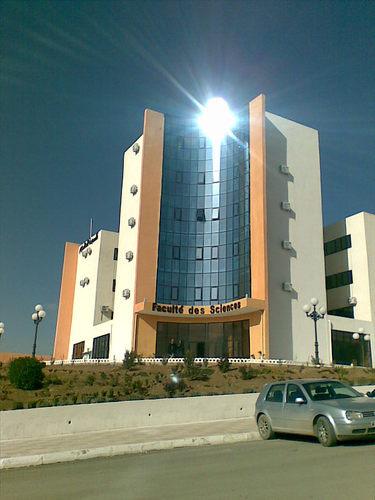
University Sétif 1 FERHAT ABBAS Faculty of Sciences
Détail de l'auteur
Auteur Mekroud,Noureddine |
Documents disponibles écrits par cet auteur


 Ajouter le résultat dans votre panier Affiner la recherche
Application de l'IA et des modèles d’apprentissage profond pour la détection et la classification des maladies oculaires à partir d'images de la rétine / Wissem Meraouna
Titre : Application de l'IA et des modèles d’apprentissage profond pour la détection et la classification des maladies oculaires à partir d'images de la rétine Type de document : document électronique Auteurs : Wissem Meraouna ; Rania Kebiche, Auteur ; Mekroud,Noureddine, Directeur de thèse Editeur : Setif:UFA Année de publication : 2025 Importance : 1 vol (77 f .) Format : 29 cm Langues : Français (fre) Catégories : Thèses & Mémoires:Informatique Mots-clés : Rétinopathie diabétique
Glaucome
AMD
Deep Learning
CNN
Logique floue
Régression
GAN
Diagnostic médicalIndex. décimale : 004 Informatique Résumé :
Avec l’augmentation massive des données médicales, les images de la rétine sont devenues essentielles pour le dépistage précoce des maladies oculaires. Ce mémoire propose un système intelligent combinant un modèle CNN pré-entraîné (MobileNetV2), la logique floue et la régression, appliqué à la détection et la classification de trois pathologies majeures : la rétinopathie diabétique, le glaucome et la dégénérescence maculaire liée à l’âge (AMD). Pour corriger le déséquilibre entre les classes, des images réalistes ont été générées à l’aide d’un modèle GAN. Le système offre une prédiction continue accompagnée d’une interprétation floue des résultats, permettant une classification plus nuancée et une aide fiable à la décision médicale. Les résultats obtenus confirment la pertinence de l’approche proposée dans le contexte du diagnostic ophtalmologique automatisé.Note de contenu :
Sommaire
Introduction Générale......................................................................................... 9
1 Introduction ................................................................................................. 12
2 Historique des maladies oculaires ............................................................. 12
2.1 Les Premières Références Historiques .................................................................................. 12
2.2 Le Moyen Âge et la Renaissance ............................................................................................ 12
2.3 Les Progrès de la Médecine Moderne ................................................................................... 13
2.4 Le XXe Siècle et l'Ère Contemporaine .................................................................................... 13
2.5 Les Défis Actuels .................................................................................................................... 13
3 Imagerie médicale ....................................................................................... 14
3.1 Définition d’imagerie médicale .............................................................................................. 14
3.2 Les types d’imagerie médicale ............................................................................................... 14
4 La description du l’oeil ................................................................................ 14
5 Maladies ciblées ........................................................................................... 16
5.1 La rétinopathie diabétique .................................................................................................... 16
5.2 Le glaucome ........................................................................................................................... 17
➢ Classification du glaucome ............................................................................................ 18
5.3 La Dégénérescence Maculaire Liée à l'Âge (DMLA) ............................................................... 18
6 Conclusion .................................................................................................... 19
1 Introduction ................................................................................................. 21
2 Intelligence artificielle ................................................................................ 21
3 L’apprentissage automatique .................................................................... 22
3.1 Les types de l’apprentissage automatique ............................................................................ 22
3.1.1 L’apprentissage supervisée ........................................................................................... 22
3.1.2 L’apprentissage non-supervisé ..................................................................................... 25
3.1.3 L’apprentissage par renforcement................................................................................ 28
4 L’apprentissage profond ............................................................................ 29
4.1 Les applications de l’apprentissage profond ......................................................................... 29
4.2 Les algorithmes de l’apprentissage profond ......................................................................... 29
4.3 Machine Learning Vs Deep Learning ..................................................................................... 30
4.4 Les réseaux de neurones ....................................................................................................... 31
4.4.1 Les neurones ................................................................................................................. 31
4.4.2 Les réseaux de neurones artificiels ............................................................................... 31
4.4.3 Réseaux de neurones convolutas pour la classification d'images ................................ 31
4.4.4 Les réseaux de neurones convolutifs ............................................................................ 32
4.4.5 Les principales couches du CNN ................................................................................... 32
4.4.6 Les différentes architectures du CNN ........................................................................... 34
4.4.7 L’apprentissage par transfert ........................................................................................ 37
4.4.8 Techniques de regularisation ....................................................................................... 38
4.4.9 L’optimisation de l’apprentissage en profondeur ........................................................ 38
1 Introduction ................................................................................................. 41
2 Modélisation des données imparfaites ...................................................... 41
2.1 Le développement de la logique humaine ............................................................................ 41
2.2 La logique binaire (Algèbre de Boole) .................................................................................... 41
2.3 Pourquoi le monde réel n'est pas en logique binaire ? ......................................................... 42
2.4 Les types d'imperfection dans les données réelles ............................................................... 42
2.4.1 Les données incertaines ................................................................................................ 43
2.4.2 Les données imprécises ................................................................................................ 43
2.4.3 Les données inconsistance ............................................................................................ 44
2.5 Théories de l'incertain ........................................................................................................... 44
2.5.1 La théorie des probabilités ........................................................................................... 44
2.5.2 Logique floue ................................................................................................................. 45
2.5.3 Définir les Sous-Ensembles Flous .................................................................................. 46
2.5.4 Logique possibiliste ....................................................................................................... 47
2.5.5 La théorie de croyance .................................................................................................. 48
2.6 Des exemples sur les défèrent logique de modélisation ....................................................... 49
3 Réseaux Antagonistes Génératifs .............................................................. 50
3.1 Architecture et fonctionnement des GANs ........................................................................... 50
3.2 Le discriminateur ................................................................................................................... 51
3.3 Le générateur ......................................................................................................................... 51
3.4 Augmentation de l’image ...................................................................................................... 52
❖ Techniques classiques ................................................................................................. 52
❖ Techniques avancées ................................................................................................... 52
4 Etat de l’art .................................................................................................. 53
4.1 Contexte scientifique et avancées récentes .......................................................................... 53
4.2 Quelques études notables ..................................................................................................... 53
4.3 Limites des approches existantes .......................................................................................... 53
5 Présentation générale .................................................................................. 53
6 Contribution ................................................................................................ 54
6.1 Par rapport aux faiblesses des travaux antérieurs ................................................................ 54
6.2 Intégration d’un générateur GAN .......................................................................................... 54
6.3 Ajout de la logique floue pour l'interprétation médicale ...................................................... 55
7 Pseudo Algorithme de l’approche proposée ............................................. 56
8 :8 Conclusion .............................................................................................. 56
1 Introduction ................................................................................................. 59
2 Le Dataset « OcularDisease Recognition » ............................................... 59
3 Le Transfer Learning via la plateforme MobileNetV2 ........................... 60
5 Les détails techniques d’implémentation ..................................................... 62
6 Exploration de l'Augmentation de Données via le GAN ............................ 64
Les Résultats de la classification nuancée via l’architecture CNN proposée : ............................ 65
▪ Visualisation des résultats de la classification logique Floue : ..................................... 65
▪ Evolution de l'Apprentissage et performance du modèle ............................................ 66
Figure. IV.4 Matrice de Confusion ............................................................................................ 66
Les Résultats de la classification nuancée via l’architecture CNN proposée : ............................ 67
▪ Visualisation des résultats de la classification logique Floue : ..................................... 67
▪ Evolution de l'Apprentissage et performance du modèle ............................................ 68
Les Résultats de la classification nuancée via l’architecture CNN proposée : ............................ 69
▪ Visualisation des résultats de la classification logique Floue : ..................................... 69
▪ Evolution de l'Apprentissage et performance du modèle ............................................ 70Côte titre : MAI/1019 Application de l'IA et des modèles d’apprentissage profond pour la détection et la classification des maladies oculaires à partir d'images de la rétine [document électronique] / Wissem Meraouna ; Rania Kebiche, Auteur ; Mekroud,Noureddine, Directeur de thèse . - [S.l.] : Setif:UFA, 2025 . - 1 vol (77 f .) ; 29 cm.
Langues : Français (fre)
Catégories : Thèses & Mémoires:Informatique Mots-clés : Rétinopathie diabétique
Glaucome
AMD
Deep Learning
CNN
Logique floue
Régression
GAN
Diagnostic médicalIndex. décimale : 004 Informatique Résumé :
Avec l’augmentation massive des données médicales, les images de la rétine sont devenues essentielles pour le dépistage précoce des maladies oculaires. Ce mémoire propose un système intelligent combinant un modèle CNN pré-entraîné (MobileNetV2), la logique floue et la régression, appliqué à la détection et la classification de trois pathologies majeures : la rétinopathie diabétique, le glaucome et la dégénérescence maculaire liée à l’âge (AMD). Pour corriger le déséquilibre entre les classes, des images réalistes ont été générées à l’aide d’un modèle GAN. Le système offre une prédiction continue accompagnée d’une interprétation floue des résultats, permettant une classification plus nuancée et une aide fiable à la décision médicale. Les résultats obtenus confirment la pertinence de l’approche proposée dans le contexte du diagnostic ophtalmologique automatisé.Note de contenu :
Sommaire
Introduction Générale......................................................................................... 9
1 Introduction ................................................................................................. 12
2 Historique des maladies oculaires ............................................................. 12
2.1 Les Premières Références Historiques .................................................................................. 12
2.2 Le Moyen Âge et la Renaissance ............................................................................................ 12
2.3 Les Progrès de la Médecine Moderne ................................................................................... 13
2.4 Le XXe Siècle et l'Ère Contemporaine .................................................................................... 13
2.5 Les Défis Actuels .................................................................................................................... 13
3 Imagerie médicale ....................................................................................... 14
3.1 Définition d’imagerie médicale .............................................................................................. 14
3.2 Les types d’imagerie médicale ............................................................................................... 14
4 La description du l’oeil ................................................................................ 14
5 Maladies ciblées ........................................................................................... 16
5.1 La rétinopathie diabétique .................................................................................................... 16
5.2 Le glaucome ........................................................................................................................... 17
➢ Classification du glaucome ............................................................................................ 18
5.3 La Dégénérescence Maculaire Liée à l'Âge (DMLA) ............................................................... 18
6 Conclusion .................................................................................................... 19
1 Introduction ................................................................................................. 21
2 Intelligence artificielle ................................................................................ 21
3 L’apprentissage automatique .................................................................... 22
3.1 Les types de l’apprentissage automatique ............................................................................ 22
3.1.1 L’apprentissage supervisée ........................................................................................... 22
3.1.2 L’apprentissage non-supervisé ..................................................................................... 25
3.1.3 L’apprentissage par renforcement................................................................................ 28
4 L’apprentissage profond ............................................................................ 29
4.1 Les applications de l’apprentissage profond ......................................................................... 29
4.2 Les algorithmes de l’apprentissage profond ......................................................................... 29
4.3 Machine Learning Vs Deep Learning ..................................................................................... 30
4.4 Les réseaux de neurones ....................................................................................................... 31
4.4.1 Les neurones ................................................................................................................. 31
4.4.2 Les réseaux de neurones artificiels ............................................................................... 31
4.4.3 Réseaux de neurones convolutas pour la classification d'images ................................ 31
4.4.4 Les réseaux de neurones convolutifs ............................................................................ 32
4.4.5 Les principales couches du CNN ................................................................................... 32
4.4.6 Les différentes architectures du CNN ........................................................................... 34
4.4.7 L’apprentissage par transfert ........................................................................................ 37
4.4.8 Techniques de regularisation ....................................................................................... 38
4.4.9 L’optimisation de l’apprentissage en profondeur ........................................................ 38
1 Introduction ................................................................................................. 41
2 Modélisation des données imparfaites ...................................................... 41
2.1 Le développement de la logique humaine ............................................................................ 41
2.2 La logique binaire (Algèbre de Boole) .................................................................................... 41
2.3 Pourquoi le monde réel n'est pas en logique binaire ? ......................................................... 42
2.4 Les types d'imperfection dans les données réelles ............................................................... 42
2.4.1 Les données incertaines ................................................................................................ 43
2.4.2 Les données imprécises ................................................................................................ 43
2.4.3 Les données inconsistance ............................................................................................ 44
2.5 Théories de l'incertain ........................................................................................................... 44
2.5.1 La théorie des probabilités ........................................................................................... 44
2.5.2 Logique floue ................................................................................................................. 45
2.5.3 Définir les Sous-Ensembles Flous .................................................................................. 46
2.5.4 Logique possibiliste ....................................................................................................... 47
2.5.5 La théorie de croyance .................................................................................................. 48
2.6 Des exemples sur les défèrent logique de modélisation ....................................................... 49
3 Réseaux Antagonistes Génératifs .............................................................. 50
3.1 Architecture et fonctionnement des GANs ........................................................................... 50
3.2 Le discriminateur ................................................................................................................... 51
3.3 Le générateur ......................................................................................................................... 51
3.4 Augmentation de l’image ...................................................................................................... 52
❖ Techniques classiques ................................................................................................. 52
❖ Techniques avancées ................................................................................................... 52
4 Etat de l’art .................................................................................................. 53
4.1 Contexte scientifique et avancées récentes .......................................................................... 53
4.2 Quelques études notables ..................................................................................................... 53
4.3 Limites des approches existantes .......................................................................................... 53
5 Présentation générale .................................................................................. 53
6 Contribution ................................................................................................ 54
6.1 Par rapport aux faiblesses des travaux antérieurs ................................................................ 54
6.2 Intégration d’un générateur GAN .......................................................................................... 54
6.3 Ajout de la logique floue pour l'interprétation médicale ...................................................... 55
7 Pseudo Algorithme de l’approche proposée ............................................. 56
8 :8 Conclusion .............................................................................................. 56
1 Introduction ................................................................................................. 59
2 Le Dataset « OcularDisease Recognition » ............................................... 59
3 Le Transfer Learning via la plateforme MobileNetV2 ........................... 60
5 Les détails techniques d’implémentation ..................................................... 62
6 Exploration de l'Augmentation de Données via le GAN ............................ 64
Les Résultats de la classification nuancée via l’architecture CNN proposée : ............................ 65
▪ Visualisation des résultats de la classification logique Floue : ..................................... 65
▪ Evolution de l'Apprentissage et performance du modèle ............................................ 66
Figure. IV.4 Matrice de Confusion ............................................................................................ 66
Les Résultats de la classification nuancée via l’architecture CNN proposée : ............................ 67
▪ Visualisation des résultats de la classification logique Floue : ..................................... 67
▪ Evolution de l'Apprentissage et performance du modèle ............................................ 68
Les Résultats de la classification nuancée via l’architecture CNN proposée : ............................ 69
▪ Visualisation des résultats de la classification logique Floue : ..................................... 69
▪ Evolution de l'Apprentissage et performance du modèle ............................................ 70Côte titre : MAI/1019 Exemplaires (1)
Code-barres Cote Support Localisation Section Disponibilité MAI/1019 MAI/1019 Mémoire Bibliothèque des sciences Français Disponible
Disponible
Titre : Apprentissage et extraction des connaissances dans les bases de données spatiotemporelles Type de document : document électronique Auteurs : Mekroud,Noureddine, Auteur ; Abdelouahab Moussaoui, Directeur de thèse Editeur : Sétif:UFA1 Année de publication : 2026 Importance : 1 vol (108 f.) Format : 29 cm Langues : Français (fre) Catégories : Thèses & Mémoires:Informatique Mots-clés : Règles d’association
Données spatiotemporelles
Images ISH
Expression génétique
Logique floue et possibilisteIndex. décimale : 004 - Informatique Résumé : L’imperfection est une caractéristique commune dans presque toutes les données du monde réel, même si elles cachent généralement des connaissances cruciales et d’un intérêt majeur. L’utilisation de théories de l’incertitude pour modéliser les zones d’expression génique (Exp_Gen) dans les embryons permettra d’extraire les relations cachées entre les gènes, tout en tenant compte de l’imprécision possible des limites de ces zones et de la force nuancée de ces expressions. Dans cette thèse, nous proposons une modélisation floue et possibiliste des données spatio-temporelles issues de séquences d’images ISH (In Situ Hybridization) représentant les zones d’Exp_Gen à différentes phases de développement embryonnaire de l’espèce modèle souris d’Edinburgh. Après une série d’étapes de prétraitement sur ces images pour améliorer l’extraction des caractéristiques, nous proposons une adaptation de l’algorithme Apriori à la logique floue et possibiliste pour l’extraction de deux types de règles d’association (RA), qui représenteront en Primal les relations spatiales entre les zones d’Exp_Gen dans l’embryon, et en Dual les relations temporelles ainsi que les relations entre les gènes qui co-expriment dans ces séquences d’images ISH. Enfin, une analyse des AR spatiotemporelles floues et possibilistes extraites sera fournie afin de déterminer la modélisation la plus adéquate. De plus, l’interprétation biologique des résultats obtenus confirme leur adéquation aux principes de la biologie génétique. Les connaissances extraites aideront les biologistes à mieux comprendre les interactions entre gènes, à identifier les ensembles de gènes qui co-expriment et ayant le même rôle fonctionnel, et enfin à modéliser l’expression génétique normale pour détecter les expressions génétiques anormales susceptibles de provoquer des maladies génétiques. Note de contenu :
Sommaire
Introduction générale ..................................................... 12
Chapitre I : La Bio-informatique ET Les images d’expression genetique ............... 15
Ⅰ.1 Introduction .............................................. 15
Partie 1 : La Bio-Informatique ........................................................ 16
Ⅰ.2 Notions biologiques de base ............................................................ 16
Ⅰ.2.1 Les diverses définitions de la Bio-informatique ................................................. 16
Ⅰ.2.2 Historique de la Bio-informatique ...................................................................... 18
Ⅰ.2.3 Théories fondamentales de la biologie moléculaire ............................................ 20
Ⅰ.2.4 Les objectifs et domaines d’application de la bio-informatique ......................... 22
Ⅰ.3 Les banques de données biologiques ................................................................................. 23
Ⅰ.3.1 Les banques de données généralistes .................................................................. 24
Ⅰ.3.2 Banques de données spécialistes ......................................................................... 24
Ⅰ.3.3 Les séquences d’images d’expression génétique ................................................ 24
Partie 2 : Les images d’expression génétique ....................................................................... 25
Ⅰ.4 L’imagerie in vivo d’expression génétique ........................................................................ 25
Ⅰ.4.1 La banque Drosofila FlyBase .............................................................................. 25
Ⅰ.4.2 La banque Zebra Fish ......................................................................................... 26
Ⅰ.4.3 La banque Edinburgh Mouse .............................................................................. 26
Ⅰ.5 Pourquoi choisir l’Atlas EMAGE ....................................................................................... 27
Ⅰ.6 Etat de l’art : travaux de recherche sur les données d’Exp_Gen ....................................... 28
Ⅰ.6.1 Micro Array data .................................................................................................. 28
Ⅰ.6.1.1 Features selection ................................................................................ 28
Ⅰ.6.1.2 Clustering & mesures de similarité-distance ..................................... 29
Ⅰ.6.2 mRNAseq ............................................................................................................ 29
Ⅰ.6.3 Les images ISH ................................................................................................... 30
Ⅰ.7 Conclusion ......................................................................................................................... 31
Chapitre II : Extraction des Connaissances à partir des Données & Règles d’Association 32
Ⅱ.1 Introduction ....................................................................................................................... 32
Partie 1 : Principes de base de l’ECD ................................................................................... 33
Ⅱ.2 Notions de base de l’ECD ................................................................................................. 33
Ⅱ.2.1 Définition de l’ECD ........................................................................................... 33
Ⅱ.2.2 Des données aux connaissance .......................................................................... 34
Ⅱ.2.3 Le processus d’ECD .......................................................................................... 35
Ⅱ.3 Le Machine Learning ........................................................................................................ 36
Ⅱ.3.1 Qu’est-ce que le Machine Learning .................................................................. 36
Ⅱ.3.2 Principales tâches du Machine Learning ............................................................ 36
Ⅱ.3.3 Le Machine Learning comme levier de l’IA ...................................................... 38
Ⅱ.3.4 Algorithmes de Machine Learning .................................................................... 39
Partie 2 : Autour et alentour des Règles d’Association ........................................................ 40
Ⅱ.4 Les méthodes de recherche d’associations ........................................................................ 40
Ⅱ.4.1 Présentation générale ......................................................................................... 40
Ⅱ.4.2 Développement historique de la recherche d’associations ................................. 40
II.5 Concepts fondamentaux des règles d’association.............................................................. 41
II.5.1 Notions de base ................................................................................................... 41
II.5.1.1 Item .................................................................................................... 41
II.5.1.2 Itemset ............................................................................................... 41
II.5.1.3 K-Itemset ........................................................................................... 41
II.5.1.4 Support d’un itemset .......................................................................... 41
II.5.1.5 Règle d’association ............................................................................ 41
II.5.1.6 Confiance d’une règle d’association .................................................. 41
II.5.1.7 Itemset fréquent ................................................................................. 41
II.5.2 Les étapes de l’extraction de règles d’association .............................................. 42
II.5.3 Espace de recherche ou le treillis des itemsets ................................................... 43
II.5.4 Mesures d’évaluation et de validation ................................................................ 44
II.6 Divers algorithmes d’induction des règles d’association .................................................. 46
II.6.1 Algorithme C5.0 ................................................................................................. 46
II.6.2 Le GRI (Generalised Rule Induction) ................................................................. 46
II.6.3 Algorithmes fondés sur le support et la confiance .............................................. 46
II.7 Algorithme Apriori pour l’extraction des règles d’association ......................................... 48
II.7.1 Recherche des itemsets fréquents ....................................................................... 48
II.7.2 Génération des règles d’association .................................................................... 50
II.7.3 Exemple illustratif sur le fonctionnement de l’algorithme Apriori .................... 51
II.8 Les avantages et inconvénients de l’algorithme Apriori ................................................... 53
II.9 Domaines d’Applications des règles d’association ........................................................... 54
II.10 Les axes d’extension des algorithmes d’extraction des règles d’associations ................. 55
II.10.1 Extensions basées sur la nature des règles extraites ......................................... 55
II.10.1.1 Les règles d’associations quantitatives ............................................ 55
II.10.1.2 Les règles d’association généralisées .............................................. 56
II.10.1.3 Les motifs sequentiels ..................................................................... 56
II.10.2 Extensions basées sur la logique de modelisation ............................................ 56
II.10.2.1 Les règles d’association floues ........................................................ 57
II.10.2.2 Les règles d’association possibilistes .............................................. 57
II.10.2.3 Les règles d’association évidentielles .............................................. 57
II.11 Conclusion ....................................................................................................................... 58
Chapitre III : Adaptation des règles d’association aux théories de l’incertain .................... 59
III.1 Introduction ...................................................................................................................... 59
Partie 1 : Théories de l’incertain ............................................................................................ 60
III.2 De la logique binaire aux logiques de l’incertain ............................................................. 60
III.2.1 Le développement de la logique humaine ......................................................... 60
III.2.2 La logique binaire .............................................................................................. 60
IⅡ.2.2.1 Algèbre de Boole .............................................................................. 60
ⅡI.2.2.2 Pourquoi le monde réel n’est pas en logique binaire ....................... 61
ⅡI.2.3 Les types d’imperfection dans les données réelles ........................................... 61
ⅡI.2.3.1 Les données incertaines ................................................................... 62
ⅡI.2.3.2 Les données imprécises ................................................................... 62
ⅡI.2.3.3 Les données incomplètes ................................................................. 62
ⅡI.2.3.4 Les données inconsistantes .............................................................. 62
ⅡI.3 Les logiques de modélisation dans l’incertain ................................................................ 63
IⅡ.3.1 La logique probabiliste et le théorème de Bayes .............................................. 63
ⅡI.3.2 La logique floue ................................................................................................ 64
ⅡI.3.2.1 Généralités ....................................................................................... 64
ⅡI.3.2.2 Caractérisation des Sous-Ensembles Flous ..................................... 65
ⅡI.3.2.3 Fonctions d’appartenance ................................................................ 65
ⅡI.3.3 La logique possibiliste ...................................................................................... 66
IⅡ.3.3.1 Les distributions de possibilité ........................................................ 66
IⅡ.3.3.2 Les mesures de possibilité et de nécessité ....................................... 66
ⅡI.3.4 La logique évidentielle (théorie de croyance) .................................................. 68
ⅡI.3.4.1 Notions de base ............................................................................... 68
ⅡI.3.4.2 Mesures de croyance et de plausibilité ............................................ 69
ⅡI.4 Comparatif entre les déférentes logiques de modélisation .............................................. 70
Partie 2 : Adaptation de l’algorithme Apriori aux logiques de l’incertain ........................... 71
III.5 Les règles d’association floues ......................................................................................... 71
III.5.1 Présentation générale ......................................................................................... 71
III.5.2 Concepts et définitions de base ......................................................................... 71
III.5.2.1 Item flou ........................................................................................... 71
III.5.2.2 Itemset flou ....................................................................................... 71
III.5.2.3 Redéfinition de l’union et de la cardinalité des ensembles ............. 72
III.5.2.4 Le degré d’appartenance d’un itemset flou ...................................... 72
III.5.2.5 Le support d’un itemset flou ............................................................ 73
III.5.2.6 Les règle d’association floues .......................................................... 74
III.5.2.7 La confiance d’une règle d’association floue ................................... 74
III.5.3 Extraction de règles d’association floues .......................................................... 74
III.5.4 Exemple d’extraction de règles d’association floues ........................................ 75
ⅡI.6 Etat de l’art : travaux sur les Exp_Gen basés sur les RA ................................................. 77
IⅡ.6.1 Sélection des RA pertinentes basée sur des mesures d’intérêt subjectifs ......... 77
IⅡ.6.2 Sélection des RA pertinentes basée sur des mesures d’intérêt objectifs .......... 77
ⅡI.7 Conclusion ....................................................................................................................... 78
Chapitre IV : Approche proposée & interprétation biologique des résultats ...................... 79
IV.1 Introduction ..................................................................................................................... 79
Partie 1 : Approche proposée ................................................................................................. 80
IV.2 Justification de l’approche proposée ............................................................................... 80
IV.2.1 Présentation générale ........................................................................................ 80
IV.2.2 Critique des travaux antecedants ...................................................................... 80
IV.2.3 Proposition ....................................................................................................... 81
IV.3 Adaptation proposée de l’Apriori aux théories de l’incertain ......................................... 82
IV.3.1 Concepts de la théorie des SEF adaptés à notre approche ............................... 82
IV.3.2 Concepts de la logique possibiliste adaptés à notre approche ........................... 83
IV.3.3 Concepts de l’algorithme Apriori à adapter ..................................................... 83
IV.4. Modélisation de l’approche proposée ............................................................................ 84
IV.4.1 Le modèle en SEF proposé ............................................................................... 84
IV.4.2 Le modèle possibiliste proposé ........................................................................ 85
IV.4.3 Pseudo-algorithme de l’approche proposée ..................................................... 85
IV.4.4 Contribution ..................................................................................................... 87
Partie 2 : Implémentation de l’approche & interprétation biologique des résultats ........... 89
IV.5 Spécificités des données d’application ............................................................................ 89
IV.5.1 Pourquoi limiter l’étude à une sous-partie du DataSet Emage ......................... 89
IV.5.2 Eliminer le biais (les gènes dominants) dans le dataset étudié ........................ 89
IV.5.3 Outil de validation biologique des résultats : la plateforme String-DB ........... 90
IV.6 Vectorisation des images ISH via les deux modélisations .............................................. 91
IV.6.1 Etapes du processus de vectorisation ............................................................... 91
IV.6.2 Exemples de tables résultantes de la vectorisation des images ISH ................. 93
IV.6.3 Réglage des paramètres et Génération des tables de transaction ..................... 94
IV.7 Analyse et interprétation biologique des résultats .......................................................... 94
IV.7.1 Analyse et discussion sur les RA spatiales extraites en Primal ....................... 94
IV.7.2 Intérêt de la dualité dans l’approche proposée ................................................. 96
IV.7.3 Interprétation biologique des résultats obtenus en Dual ................................... 97
IV.7.3.1 Vision globale des résultats de la modélisation floue proposée ...... 97
IV.7.3.2 Vision globale des résultats de modélisation possibiliste proposée 98
IV.8 Conclusion .................................................................................................................... 100
Conclusion générale ............................................................................................................. 101
Annexe : Contributions scientifiques .................................................................................. 102
Bibliographie ........................................................................................................................ 103Côte titre : DI/0103 Apprentissage et extraction des connaissances dans les bases de données spatiotemporelles [document électronique] / Mekroud,Noureddine, Auteur ; Abdelouahab Moussaoui, Directeur de thèse . - [S.l.] : Sétif:UFA1, 2026 . - 1 vol (108 f.) ; 29 cm.
Langues : Français (fre)
Catégories : Thèses & Mémoires:Informatique Mots-clés : Règles d’association
Données spatiotemporelles
Images ISH
Expression génétique
Logique floue et possibilisteIndex. décimale : 004 - Informatique Résumé : L’imperfection est une caractéristique commune dans presque toutes les données du monde réel, même si elles cachent généralement des connaissances cruciales et d’un intérêt majeur. L’utilisation de théories de l’incertitude pour modéliser les zones d’expression génique (Exp_Gen) dans les embryons permettra d’extraire les relations cachées entre les gènes, tout en tenant compte de l’imprécision possible des limites de ces zones et de la force nuancée de ces expressions. Dans cette thèse, nous proposons une modélisation floue et possibiliste des données spatio-temporelles issues de séquences d’images ISH (In Situ Hybridization) représentant les zones d’Exp_Gen à différentes phases de développement embryonnaire de l’espèce modèle souris d’Edinburgh. Après une série d’étapes de prétraitement sur ces images pour améliorer l’extraction des caractéristiques, nous proposons une adaptation de l’algorithme Apriori à la logique floue et possibiliste pour l’extraction de deux types de règles d’association (RA), qui représenteront en Primal les relations spatiales entre les zones d’Exp_Gen dans l’embryon, et en Dual les relations temporelles ainsi que les relations entre les gènes qui co-expriment dans ces séquences d’images ISH. Enfin, une analyse des AR spatiotemporelles floues et possibilistes extraites sera fournie afin de déterminer la modélisation la plus adéquate. De plus, l’interprétation biologique des résultats obtenus confirme leur adéquation aux principes de la biologie génétique. Les connaissances extraites aideront les biologistes à mieux comprendre les interactions entre gènes, à identifier les ensembles de gènes qui co-expriment et ayant le même rôle fonctionnel, et enfin à modéliser l’expression génétique normale pour détecter les expressions génétiques anormales susceptibles de provoquer des maladies génétiques. Note de contenu :
Sommaire
Introduction générale ..................................................... 12
Chapitre I : La Bio-informatique ET Les images d’expression genetique ............... 15
Ⅰ.1 Introduction .............................................. 15
Partie 1 : La Bio-Informatique ........................................................ 16
Ⅰ.2 Notions biologiques de base ............................................................ 16
Ⅰ.2.1 Les diverses définitions de la Bio-informatique ................................................. 16
Ⅰ.2.2 Historique de la Bio-informatique ...................................................................... 18
Ⅰ.2.3 Théories fondamentales de la biologie moléculaire ............................................ 20
Ⅰ.2.4 Les objectifs et domaines d’application de la bio-informatique ......................... 22
Ⅰ.3 Les banques de données biologiques ................................................................................. 23
Ⅰ.3.1 Les banques de données généralistes .................................................................. 24
Ⅰ.3.2 Banques de données spécialistes ......................................................................... 24
Ⅰ.3.3 Les séquences d’images d’expression génétique ................................................ 24
Partie 2 : Les images d’expression génétique ....................................................................... 25
Ⅰ.4 L’imagerie in vivo d’expression génétique ........................................................................ 25
Ⅰ.4.1 La banque Drosofila FlyBase .............................................................................. 25
Ⅰ.4.2 La banque Zebra Fish ......................................................................................... 26
Ⅰ.4.3 La banque Edinburgh Mouse .............................................................................. 26
Ⅰ.5 Pourquoi choisir l’Atlas EMAGE ....................................................................................... 27
Ⅰ.6 Etat de l’art : travaux de recherche sur les données d’Exp_Gen ....................................... 28
Ⅰ.6.1 Micro Array data .................................................................................................. 28
Ⅰ.6.1.1 Features selection ................................................................................ 28
Ⅰ.6.1.2 Clustering & mesures de similarité-distance ..................................... 29
Ⅰ.6.2 mRNAseq ............................................................................................................ 29
Ⅰ.6.3 Les images ISH ................................................................................................... 30
Ⅰ.7 Conclusion ......................................................................................................................... 31
Chapitre II : Extraction des Connaissances à partir des Données & Règles d’Association 32
Ⅱ.1 Introduction ....................................................................................................................... 32
Partie 1 : Principes de base de l’ECD ................................................................................... 33
Ⅱ.2 Notions de base de l’ECD ................................................................................................. 33
Ⅱ.2.1 Définition de l’ECD ........................................................................................... 33
Ⅱ.2.2 Des données aux connaissance .......................................................................... 34
Ⅱ.2.3 Le processus d’ECD .......................................................................................... 35
Ⅱ.3 Le Machine Learning ........................................................................................................ 36
Ⅱ.3.1 Qu’est-ce que le Machine Learning .................................................................. 36
Ⅱ.3.2 Principales tâches du Machine Learning ............................................................ 36
Ⅱ.3.3 Le Machine Learning comme levier de l’IA ...................................................... 38
Ⅱ.3.4 Algorithmes de Machine Learning .................................................................... 39
Partie 2 : Autour et alentour des Règles d’Association ........................................................ 40
Ⅱ.4 Les méthodes de recherche d’associations ........................................................................ 40
Ⅱ.4.1 Présentation générale ......................................................................................... 40
Ⅱ.4.2 Développement historique de la recherche d’associations ................................. 40
II.5 Concepts fondamentaux des règles d’association.............................................................. 41
II.5.1 Notions de base ................................................................................................... 41
II.5.1.1 Item .................................................................................................... 41
II.5.1.2 Itemset ............................................................................................... 41
II.5.1.3 K-Itemset ........................................................................................... 41
II.5.1.4 Support d’un itemset .......................................................................... 41
II.5.1.5 Règle d’association ............................................................................ 41
II.5.1.6 Confiance d’une règle d’association .................................................. 41
II.5.1.7 Itemset fréquent ................................................................................. 41
II.5.2 Les étapes de l’extraction de règles d’association .............................................. 42
II.5.3 Espace de recherche ou le treillis des itemsets ................................................... 43
II.5.4 Mesures d’évaluation et de validation ................................................................ 44
II.6 Divers algorithmes d’induction des règles d’association .................................................. 46
II.6.1 Algorithme C5.0 ................................................................................................. 46
II.6.2 Le GRI (Generalised Rule Induction) ................................................................. 46
II.6.3 Algorithmes fondés sur le support et la confiance .............................................. 46
II.7 Algorithme Apriori pour l’extraction des règles d’association ......................................... 48
II.7.1 Recherche des itemsets fréquents ....................................................................... 48
II.7.2 Génération des règles d’association .................................................................... 50
II.7.3 Exemple illustratif sur le fonctionnement de l’algorithme Apriori .................... 51
II.8 Les avantages et inconvénients de l’algorithme Apriori ................................................... 53
II.9 Domaines d’Applications des règles d’association ........................................................... 54
II.10 Les axes d’extension des algorithmes d’extraction des règles d’associations ................. 55
II.10.1 Extensions basées sur la nature des règles extraites ......................................... 55
II.10.1.1 Les règles d’associations quantitatives ............................................ 55
II.10.1.2 Les règles d’association généralisées .............................................. 56
II.10.1.3 Les motifs sequentiels ..................................................................... 56
II.10.2 Extensions basées sur la logique de modelisation ............................................ 56
II.10.2.1 Les règles d’association floues ........................................................ 57
II.10.2.2 Les règles d’association possibilistes .............................................. 57
II.10.2.3 Les règles d’association évidentielles .............................................. 57
II.11 Conclusion ....................................................................................................................... 58
Chapitre III : Adaptation des règles d’association aux théories de l’incertain .................... 59
III.1 Introduction ...................................................................................................................... 59
Partie 1 : Théories de l’incertain ............................................................................................ 60
III.2 De la logique binaire aux logiques de l’incertain ............................................................. 60
III.2.1 Le développement de la logique humaine ......................................................... 60
III.2.2 La logique binaire .............................................................................................. 60
IⅡ.2.2.1 Algèbre de Boole .............................................................................. 60
ⅡI.2.2.2 Pourquoi le monde réel n’est pas en logique binaire ....................... 61
ⅡI.2.3 Les types d’imperfection dans les données réelles ........................................... 61
ⅡI.2.3.1 Les données incertaines ................................................................... 62
ⅡI.2.3.2 Les données imprécises ................................................................... 62
ⅡI.2.3.3 Les données incomplètes ................................................................. 62
ⅡI.2.3.4 Les données inconsistantes .............................................................. 62
ⅡI.3 Les logiques de modélisation dans l’incertain ................................................................ 63
IⅡ.3.1 La logique probabiliste et le théorème de Bayes .............................................. 63
ⅡI.3.2 La logique floue ................................................................................................ 64
ⅡI.3.2.1 Généralités ....................................................................................... 64
ⅡI.3.2.2 Caractérisation des Sous-Ensembles Flous ..................................... 65
ⅡI.3.2.3 Fonctions d’appartenance ................................................................ 65
ⅡI.3.3 La logique possibiliste ...................................................................................... 66
IⅡ.3.3.1 Les distributions de possibilité ........................................................ 66
IⅡ.3.3.2 Les mesures de possibilité et de nécessité ....................................... 66
ⅡI.3.4 La logique évidentielle (théorie de croyance) .................................................. 68
ⅡI.3.4.1 Notions de base ............................................................................... 68
ⅡI.3.4.2 Mesures de croyance et de plausibilité ............................................ 69
ⅡI.4 Comparatif entre les déférentes logiques de modélisation .............................................. 70
Partie 2 : Adaptation de l’algorithme Apriori aux logiques de l’incertain ........................... 71
III.5 Les règles d’association floues ......................................................................................... 71
III.5.1 Présentation générale ......................................................................................... 71
III.5.2 Concepts et définitions de base ......................................................................... 71
III.5.2.1 Item flou ........................................................................................... 71
III.5.2.2 Itemset flou ....................................................................................... 71
III.5.2.3 Redéfinition de l’union et de la cardinalité des ensembles ............. 72
III.5.2.4 Le degré d’appartenance d’un itemset flou ...................................... 72
III.5.2.5 Le support d’un itemset flou ............................................................ 73
III.5.2.6 Les règle d’association floues .......................................................... 74
III.5.2.7 La confiance d’une règle d’association floue ................................... 74
III.5.3 Extraction de règles d’association floues .......................................................... 74
III.5.4 Exemple d’extraction de règles d’association floues ........................................ 75
ⅡI.6 Etat de l’art : travaux sur les Exp_Gen basés sur les RA ................................................. 77
IⅡ.6.1 Sélection des RA pertinentes basée sur des mesures d’intérêt subjectifs ......... 77
IⅡ.6.2 Sélection des RA pertinentes basée sur des mesures d’intérêt objectifs .......... 77
ⅡI.7 Conclusion ....................................................................................................................... 78
Chapitre IV : Approche proposée & interprétation biologique des résultats ...................... 79
IV.1 Introduction ..................................................................................................................... 79
Partie 1 : Approche proposée ................................................................................................. 80
IV.2 Justification de l’approche proposée ............................................................................... 80
IV.2.1 Présentation générale ........................................................................................ 80
IV.2.2 Critique des travaux antecedants ...................................................................... 80
IV.2.3 Proposition ....................................................................................................... 81
IV.3 Adaptation proposée de l’Apriori aux théories de l’incertain ......................................... 82
IV.3.1 Concepts de la théorie des SEF adaptés à notre approche ............................... 82
IV.3.2 Concepts de la logique possibiliste adaptés à notre approche ........................... 83
IV.3.3 Concepts de l’algorithme Apriori à adapter ..................................................... 83
IV.4. Modélisation de l’approche proposée ............................................................................ 84
IV.4.1 Le modèle en SEF proposé ............................................................................... 84
IV.4.2 Le modèle possibiliste proposé ........................................................................ 85
IV.4.3 Pseudo-algorithme de l’approche proposée ..................................................... 85
IV.4.4 Contribution ..................................................................................................... 87
Partie 2 : Implémentation de l’approche & interprétation biologique des résultats ........... 89
IV.5 Spécificités des données d’application ............................................................................ 89
IV.5.1 Pourquoi limiter l’étude à une sous-partie du DataSet Emage ......................... 89
IV.5.2 Eliminer le biais (les gènes dominants) dans le dataset étudié ........................ 89
IV.5.3 Outil de validation biologique des résultats : la plateforme String-DB ........... 90
IV.6 Vectorisation des images ISH via les deux modélisations .............................................. 91
IV.6.1 Etapes du processus de vectorisation ............................................................... 91
IV.6.2 Exemples de tables résultantes de la vectorisation des images ISH ................. 93
IV.6.3 Réglage des paramètres et Génération des tables de transaction ..................... 94
IV.7 Analyse et interprétation biologique des résultats .......................................................... 94
IV.7.1 Analyse et discussion sur les RA spatiales extraites en Primal ....................... 94
IV.7.2 Intérêt de la dualité dans l’approche proposée ................................................. 96
IV.7.3 Interprétation biologique des résultats obtenus en Dual ................................... 97
IV.7.3.1 Vision globale des résultats de la modélisation floue proposée ...... 97
IV.7.3.2 Vision globale des résultats de modélisation possibiliste proposée 98
IV.8 Conclusion .................................................................................................................... 100
Conclusion générale ............................................................................................................. 101
Annexe : Contributions scientifiques .................................................................................. 102
Bibliographie ........................................................................................................................ 103Côte titre : DI/0103 Exemplaires (1)
Code-barres Cote Support Localisation Section Disponibilité DI/0103 DI/0103 Thèse Bibliothèque des sciences Français Disponible
Disponible
Titre : Automatic spice classification application by image recognition Type de document : document électronique Auteurs : Maamar Karfa ; Mohamed Yacine Haddad, Auteur ; Mekroud,Noureddine, Directeur de thèse Editeur : Setif:UFA Année de publication : 2025 Importance : 1 vol (63 f .) Format : 29 cm Langues : Anglais (eng) Catégories : Thèses & Mémoires:Informatique Mots-clés : Shape recognition
Deep learning
Spice classification
EfficientNetB3Index. décimale : 004 Informatique Résumé :
This thesis investigates the integration of shape recognition and deep learning techniques to
develop a mobile-based spice classification system. Addressing the challenges of visual
similarity and texture variability among spices, the research utilizes EfficientNetB3 as a
transfer learning backbone, achieving a classification accuracy of 93.78%. The system
combines Flutter for cross-platform frontend development with Django for backend
processing, ensuring real-time performance and scalability. Key contributions include a curated
dataset of 24 spice categories, optimized preprocessing pipelines, and mobile-specific model
compression techniques. The thesis also discusses ethical considerations in AI deployment and
potential future enhancements, such as augmented reality guidance. The results demonstrate
that shape recognition can be effectively adapted for culinary applications, establishing a
benchmark for mobile computer vision systems.Note de contenu : Sommaire
Chapter 1: Shape Recognition
Theoretical Background
1 Introduction 1
2 Shape Recognition 1
2.1 Basic Theories of Shape Recognition ------------------------------------------------------ 1
2.1.1 Pattern Recognition Theory 1
2.1.2 Cognitive Theory 1
2.2 Techniques for Shape Recognition 2
2.2.1 Traditional Methods 2
2.2.2 Machine Learning-Based Methods 3
2.3 Explainability and Interpretability in Image Recognition ---------------------------------- 3
2.4 Common Applications of Shape Recognition --------------------------------------------- 4
2.4.1 Introduction to Applications of Shape Recognition ------------------------------------ 4
3 Image Recognition in Mobile Applications -------------------------------------------------------- 7
3.1 Core Technologies Behind Image Recognition -------------------------------------------- 7
3.2 Popular Mobile Image Recognition Frameworks ------------------------------------------ 7
3.3 Limitations of Image Recognition in Mobile Apps ----------------------------------------- 8
3.4 Ethical Considerations in AI-based Food Classification ----------------------------------- 8
3.5 Future Prospects of Image Recognition in Mobile Applications -------------------------- 8
4 Spice Specification 9
4.1 Importance of Spice Classification 9
4.2 Challenges in Spice Classification 10
4.3 Traditional Methods of Spice Classification ----------------------------------------------- 10
4.4 Modern Techniques for Spice Classification ---------------------------------------------- 11
4.5 Previous Studies and Research on Spice Classification---------------------------------- 11
5 Conclusion 11
Chapter 2 : Application Design
1 Introduction 13
2 Needs Analysis 13
2.1 Identification of target users 13
2.2 Methods for Identifying Target Users ------------------------------------------------------ 13
2.3 Functional and non-functional specifications -------------------------------------------- 13
2.3.1 Functional Specifications 13
2.3.2 Non-Functional Specifications 14
2.4 Security and Data Privacy Architecture --------------------------------------------------- 14
3 Application Architecture 14
3.1 Technological Choices 15
3.2 Development Tools 15
3.2.1 IDE: Visual Studio Code (VS Code) 15
3.2.2 Dataset Management: Kaggle 15
3.2.3 Machine Learning Training 16
3.2.4 Local Testing C Deployment 16
3.3 Layered Architecture Model 17
3.3.1 Presentation Layer (Frontend - Flutter) ------------------------------------------------ 17
3.3.2 Business Logic Layer (Backend - Django REST Framework) ------------------------- 17
3.3.3 Data Processing Layer 18
3.4 Equivalent Works 18
3.5 Contribution 19
3.5.1 Proposal Platform (Spicyfy) 19
3.5.2 Comparison Between Our Approach and Equivalent Approaches ------------------- 19
3.6 Transfer Learning in Deep Learning 19
3.6.1 How Transfer Learning Works with CNNs ---------------------------------------------- 20
3.6.2 EfficientNet Architecture 20
3.6.3 Comparison of CNN Architectures ----------------------------------------------------- 21
4 System Design 23
4.1 UML Diagrams 23
4.1.1 Class Diagrams 23
4.1.2 Sequence Diagrams 24
4.1.3 Component Diagrams 24
User Interface 25
4.2 Principles of UI/UX Design 25
4.3 Visual Design Principles 25
4.4 Prototyping and Iterations 26
4.4.1 Prototyping Approach 26
5 Technical Specifications of Spice Identification App ------------------------------------------- 27
6 Conclusion 30
Chapter 3:Application Development
1 Introduction 32
2 Frontend Development 32
2.1 Languages and Frameworks Used 32
2.1.1 Development Environment 32
2.1.2 State Management 33
2.1.3 UI Components 34
2.1.4 Essential Packages 34
2.2 Implementation of main features 35
2.2.1 Core Feature Architecture 35
2.2.2 Key Feature Breakdown 35
2.2.3 Technical Implementation 37
2.2.4 Cross-Feature Integration 37
2.2.5 Quality Assurance 38
2.3 App Screen Architecture 38
2.3.1 Screen Hierarchy C Navigation Flow --------------------------------------------------- 38
3 Backend Development 42
3.1 Server and database configuration 42
3.2 APIs and web services 42
4 Shape Recognition Integration 43
4.1 Dataset Curation and Preparation 43
4.1.1 Dataset Composition 43
4.1.2 Class Distribution and Challenges 45
4.1.3 Data Collection Methodology 45
4.2 Algorithms and techniques used 45
4.3 Model Implementation with Transfer Learning ------------------------------------------- 46
4.3.1 TensorFlow C Keras 46
4.3.2 EfficientNetB3 (Pre-trained CNN Backbone) ------------------------------------------ 47
4.3.3 OpenCV (via TensorFlow + Keras) 47
4.3.4 Matplotlib 47
4.3.5 Additional Libraries 47
4.4 Model training and optimization 47
4.4.1 Dataset Splitting Strategy 48
4.4.2 Training Accuracy Curve Analysis 49
4.4.3 Choice of hyperparameters for the basic architecture-------------------------------- 50
4.5 Performance Evaluation and Continuous Improvement -------------------------------- 56
5 Conclusion 58Côte titre : MAI/1015 Automatic spice classification application by image recognition [document électronique] / Maamar Karfa ; Mohamed Yacine Haddad, Auteur ; Mekroud,Noureddine, Directeur de thèse . - [S.l.] : Setif:UFA, 2025 . - 1 vol (63 f .) ; 29 cm.
Langues : Anglais (eng)
Catégories : Thèses & Mémoires:Informatique Mots-clés : Shape recognition
Deep learning
Spice classification
EfficientNetB3Index. décimale : 004 Informatique Résumé :
This thesis investigates the integration of shape recognition and deep learning techniques to
develop a mobile-based spice classification system. Addressing the challenges of visual
similarity and texture variability among spices, the research utilizes EfficientNetB3 as a
transfer learning backbone, achieving a classification accuracy of 93.78%. The system
combines Flutter for cross-platform frontend development with Django for backend
processing, ensuring real-time performance and scalability. Key contributions include a curated
dataset of 24 spice categories, optimized preprocessing pipelines, and mobile-specific model
compression techniques. The thesis also discusses ethical considerations in AI deployment and
potential future enhancements, such as augmented reality guidance. The results demonstrate
that shape recognition can be effectively adapted for culinary applications, establishing a
benchmark for mobile computer vision systems.Note de contenu : Sommaire
Chapter 1: Shape Recognition
Theoretical Background
1 Introduction 1
2 Shape Recognition 1
2.1 Basic Theories of Shape Recognition ------------------------------------------------------ 1
2.1.1 Pattern Recognition Theory 1
2.1.2 Cognitive Theory 1
2.2 Techniques for Shape Recognition 2
2.2.1 Traditional Methods 2
2.2.2 Machine Learning-Based Methods 3
2.3 Explainability and Interpretability in Image Recognition ---------------------------------- 3
2.4 Common Applications of Shape Recognition --------------------------------------------- 4
2.4.1 Introduction to Applications of Shape Recognition ------------------------------------ 4
3 Image Recognition in Mobile Applications -------------------------------------------------------- 7
3.1 Core Technologies Behind Image Recognition -------------------------------------------- 7
3.2 Popular Mobile Image Recognition Frameworks ------------------------------------------ 7
3.3 Limitations of Image Recognition in Mobile Apps ----------------------------------------- 8
3.4 Ethical Considerations in AI-based Food Classification ----------------------------------- 8
3.5 Future Prospects of Image Recognition in Mobile Applications -------------------------- 8
4 Spice Specification 9
4.1 Importance of Spice Classification 9
4.2 Challenges in Spice Classification 10
4.3 Traditional Methods of Spice Classification ----------------------------------------------- 10
4.4 Modern Techniques for Spice Classification ---------------------------------------------- 11
4.5 Previous Studies and Research on Spice Classification---------------------------------- 11
5 Conclusion 11
Chapter 2 : Application Design
1 Introduction 13
2 Needs Analysis 13
2.1 Identification of target users 13
2.2 Methods for Identifying Target Users ------------------------------------------------------ 13
2.3 Functional and non-functional specifications -------------------------------------------- 13
2.3.1 Functional Specifications 13
2.3.2 Non-Functional Specifications 14
2.4 Security and Data Privacy Architecture --------------------------------------------------- 14
3 Application Architecture 14
3.1 Technological Choices 15
3.2 Development Tools 15
3.2.1 IDE: Visual Studio Code (VS Code) 15
3.2.2 Dataset Management: Kaggle 15
3.2.3 Machine Learning Training 16
3.2.4 Local Testing C Deployment 16
3.3 Layered Architecture Model 17
3.3.1 Presentation Layer (Frontend - Flutter) ------------------------------------------------ 17
3.3.2 Business Logic Layer (Backend - Django REST Framework) ------------------------- 17
3.3.3 Data Processing Layer 18
3.4 Equivalent Works 18
3.5 Contribution 19
3.5.1 Proposal Platform (Spicyfy) 19
3.5.2 Comparison Between Our Approach and Equivalent Approaches ------------------- 19
3.6 Transfer Learning in Deep Learning 19
3.6.1 How Transfer Learning Works with CNNs ---------------------------------------------- 20
3.6.2 EfficientNet Architecture 20
3.6.3 Comparison of CNN Architectures ----------------------------------------------------- 21
4 System Design 23
4.1 UML Diagrams 23
4.1.1 Class Diagrams 23
4.1.2 Sequence Diagrams 24
4.1.3 Component Diagrams 24
User Interface 25
4.2 Principles of UI/UX Design 25
4.3 Visual Design Principles 25
4.4 Prototyping and Iterations 26
4.4.1 Prototyping Approach 26
5 Technical Specifications of Spice Identification App ------------------------------------------- 27
6 Conclusion 30
Chapter 3:Application Development
1 Introduction 32
2 Frontend Development 32
2.1 Languages and Frameworks Used 32
2.1.1 Development Environment 32
2.1.2 State Management 33
2.1.3 UI Components 34
2.1.4 Essential Packages 34
2.2 Implementation of main features 35
2.2.1 Core Feature Architecture 35
2.2.2 Key Feature Breakdown 35
2.2.3 Technical Implementation 37
2.2.4 Cross-Feature Integration 37
2.2.5 Quality Assurance 38
2.3 App Screen Architecture 38
2.3.1 Screen Hierarchy C Navigation Flow --------------------------------------------------- 38
3 Backend Development 42
3.1 Server and database configuration 42
3.2 APIs and web services 42
4 Shape Recognition Integration 43
4.1 Dataset Curation and Preparation 43
4.1.1 Dataset Composition 43
4.1.2 Class Distribution and Challenges 45
4.1.3 Data Collection Methodology 45
4.2 Algorithms and techniques used 45
4.3 Model Implementation with Transfer Learning ------------------------------------------- 46
4.3.1 TensorFlow C Keras 46
4.3.2 EfficientNetB3 (Pre-trained CNN Backbone) ------------------------------------------ 47
4.3.3 OpenCV (via TensorFlow + Keras) 47
4.3.4 Matplotlib 47
4.3.5 Additional Libraries 47
4.4 Model training and optimization 47
4.4.1 Dataset Splitting Strategy 48
4.4.2 Training Accuracy Curve Analysis 49
4.4.3 Choice of hyperparameters for the basic architecture-------------------------------- 50
4.5 Performance Evaluation and Continuous Improvement -------------------------------- 56
5 Conclusion 58Côte titre : MAI/1015 Exemplaires (1)
Code-barres Cote Support Localisation Section Disponibilité MAI/1015 MAI/1015 Mémoire Bibliothèque des sciences Anglais Disponible
Disponible
Titre : Deep Learning based method For features extraction of Gene Expression Data Type de document : texte imprimé Auteurs : Sarah Soudane, Auteur ; Iheb Charaf Eddine Lamri, Auteur ; Mekroud,Noureddine, Directeur de thèse Année de publication : 2022 Importance : 1 vol (91 f .) Format : 29cm Langues : Français (fre) Catégories : Thèses & Mémoires:Informatique Mots-clés : Informatique Index. décimale : 004 Informatique Côte titre : MAI/0594 En ligne : https://drive.google.com/file/d/12aYLCC0x05pz9zyweAoCqs1av82AB3Gn/view?usp=share [...] Format de la ressource électronique : Deep Learning based method For features extraction of Gene Expression Data [texte imprimé] / Sarah Soudane, Auteur ; Iheb Charaf Eddine Lamri, Auteur ; Mekroud,Noureddine, Directeur de thèse . - 2022 . - 1 vol (91 f .) ; 29cm.
Langues : Français (fre)
Catégories : Thèses & Mémoires:Informatique Mots-clés : Informatique Index. décimale : 004 Informatique Côte titre : MAI/0594 En ligne : https://drive.google.com/file/d/12aYLCC0x05pz9zyweAoCqs1av82AB3Gn/view?usp=share [...] Format de la ressource électronique : Exemplaires (1)
Code-barres Cote Support Localisation Section Disponibilité MAI/0594 MAI/0594 Mémoire Bibliothèque des sciences Anglais Disponible
Disponible
Titre : Deep Learning based method for features selection of Gene Expression Data Type de document : texte imprimé Auteurs : Kerkour ,Ibtissem, Auteur ; Mekroud,Noureddine, Directeur de thèse Editeur : Setif:UFA Année de publication : 2021 Importance : 1 vol (97 f .) Format : 29 cm Langues : Français (fre) Catégories : Thèses & Mémoires:Informatique Mots-clés : Informatique Index. décimale : 004 - Informatique Résumé :
From the real mode, biological data is one of the most studied data. Given the vital importance of the knowledge hidden in these very large and heterogeneous databases, the need to analyze them through automatic and rational processing has given rise to a new line of research: bioinformatics.
The development of the embryo of a few model species is monitored by image sequences representing the genetic expression areas of each gene during the embryo growth phases. These images hide a lot of crucial and unknown knowledge that will help biologists to follow and understand the stages of development of living things, and to study the impact of gene expressions in each phase. But, the volume of these data still remains an obstacle for their study and understanding, and the reduction of their size and a persistent challenge.
Reliable reduction in the dimensions of the data studied will reduce the complexity of any training algorithms used, and help improve the quality of presentation and visualization of the results obtained. Autoencoders extract the most influential characteristics, which can then be used in a machine learning algorithm to extract relevant knowledge using fewer variables and with fewer parameters.
In this perspective, the objective of our approach is the extraction, via a proposed convolutional auto-encoder model, of a compressed number of attributes from the gene expression image sequences of the model species. Edinburgh Mouse, to then look for rules of association between the genes that are expressed during the developmental phases of the embryo of this species. A representation and validation of the results, as well as a biological interpretation of the extracted knowledge, will then be provided, which will help biologists to understand the stages of development of the embryo of living species.Côte titre : MAI/0532 En ligne : https://drive.google.com/file/d/1TQ1Ihxm3lc9PmoUqbkN2va0mewdnRW7C/view?usp=shari [...] Format de la ressource électronique : Deep Learning based method for features selection of Gene Expression Data [texte imprimé] / Kerkour ,Ibtissem, Auteur ; Mekroud,Noureddine, Directeur de thèse . - [S.l.] : Setif:UFA, 2021 . - 1 vol (97 f .) ; 29 cm.
Langues : Français (fre)
Catégories : Thèses & Mémoires:Informatique Mots-clés : Informatique Index. décimale : 004 - Informatique Résumé :
From the real mode, biological data is one of the most studied data. Given the vital importance of the knowledge hidden in these very large and heterogeneous databases, the need to analyze them through automatic and rational processing has given rise to a new line of research: bioinformatics.
The development of the embryo of a few model species is monitored by image sequences representing the genetic expression areas of each gene during the embryo growth phases. These images hide a lot of crucial and unknown knowledge that will help biologists to follow and understand the stages of development of living things, and to study the impact of gene expressions in each phase. But, the volume of these data still remains an obstacle for their study and understanding, and the reduction of their size and a persistent challenge.
Reliable reduction in the dimensions of the data studied will reduce the complexity of any training algorithms used, and help improve the quality of presentation and visualization of the results obtained. Autoencoders extract the most influential characteristics, which can then be used in a machine learning algorithm to extract relevant knowledge using fewer variables and with fewer parameters.
In this perspective, the objective of our approach is the extraction, via a proposed convolutional auto-encoder model, of a compressed number of attributes from the gene expression image sequences of the model species. Edinburgh Mouse, to then look for rules of association between the genes that are expressed during the developmental phases of the embryo of this species. A representation and validation of the results, as well as a biological interpretation of the extracted knowledge, will then be provided, which will help biologists to understand the stages of development of the embryo of living species.Côte titre : MAI/0532 En ligne : https://drive.google.com/file/d/1TQ1Ihxm3lc9PmoUqbkN2va0mewdnRW7C/view?usp=shari [...] Format de la ressource électronique : Exemplaires (1)
Code-barres Cote Support Localisation Section Disponibilité MAI/0532 MAI/0532 Mémoire Bibliothèque des sciences Anglais Disponible
Disponible
PermalinkExtraction des connaissances biologiques basée sur les règles d'association et la théorie de la croyance / Gouissem ,Sarra

Permalink
Permalink
Permalink
PermalinkPermalinkPermalinkPermalinkPermalink
Permalink