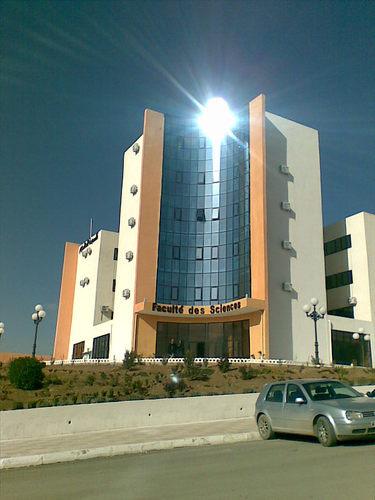
University Sétif 1 FERHAT ABBAS Faculty of Sciences
Détail de l'auteur
Auteur Ayoub Tamin |
Documents disponibles écrits par cet auteur


 Ajouter le résultat dans votre panier Affiner la recherche
Titre : Asymptotically flat black hole solutions in topologically massive gravity Type de document : texte imprimé Auteurs : Ayoub Tamin, Auteur ; Hakim Guennoune, Directeur de thèse Editeur : Setif:UFA Année de publication : 2020 Importance : 1 vol (43 f.) Format : 29 cm Langues : Anglais (eng) Catégories : Thèses & Mémoires:Physique Mots-clés : Physique Index. décimale : 530 - Physique Résumé :
Dans ce travail, nous construisons deux classes des solutions trous noirs
asymptotiquement plates de la théorie tridimensionnelle d'Einstein avec un
terme gravitationnel de Chern-Simons. La première classe de ces solutions est
asymptotiquement particle-like de la gravitation topologiquement massive avec
une constante cosmologique négative, et la deuxième classe est des solutions de
trous noirs à deux paramètres asymptotiques des trous noirs de Kerr, Ces
solutions sont géodésiquement complètes, et causalement régulières.Côte titre : MAPH/0416 En ligne : https://drive.google.com/file/d/1F4ne7VSSBFYlBtCqvg_CbyMujM8_1PmT/view?usp=shari [...] Format de la ressource électronique : Asymptotically flat black hole solutions in topologically massive gravity [texte imprimé] / Ayoub Tamin, Auteur ; Hakim Guennoune, Directeur de thèse . - [S.l.] : Setif:UFA, 2020 . - 1 vol (43 f.) ; 29 cm.
Langues : Anglais (eng)
Catégories : Thèses & Mémoires:Physique Mots-clés : Physique Index. décimale : 530 - Physique Résumé :
Dans ce travail, nous construisons deux classes des solutions trous noirs
asymptotiquement plates de la théorie tridimensionnelle d'Einstein avec un
terme gravitationnel de Chern-Simons. La première classe de ces solutions est
asymptotiquement particle-like de la gravitation topologiquement massive avec
une constante cosmologique négative, et la deuxième classe est des solutions de
trous noirs à deux paramètres asymptotiques des trous noirs de Kerr, Ces
solutions sont géodésiquement complètes, et causalement régulières.Côte titre : MAPH/0416 En ligne : https://drive.google.com/file/d/1F4ne7VSSBFYlBtCqvg_CbyMujM8_1PmT/view?usp=shari [...] Format de la ressource électronique : Exemplaires (1)
Code-barres Cote Support Localisation Section Disponibilité MAPH/0416 MAPH/0416 Mémoire Bibliothèque des sciences Anglais Disponible
DisponibleElectron Impact Ionization of atoms and molecules: Role of post collision interaction and distortion effects / Ayoub Tamin
Titre : Electron Impact Ionization of atoms and molecules: Role of post collision interaction and distortion effects Type de document : document électronique Auteurs : Ayoub Tamin, Auteur ; Salim Houamer, Directeur de thèse Editeur : Sétif:UFA1 Année de publication : 2025 Importance : 1 vol (102 f.) Format : 29 cm Langues : Anglais (eng) Catégories : Thèses & Mémoires:Physique Mots-clés : Ionization
Electron impact
Distortion effectsIndex. décimale : 530 - Physique Résumé :
The electron impact ionization of atoms and molecules at intermediate and low impact energies
is investigated using a theoretical approach named 3CWZ/M3CWZ. In this model,
which takes into account exchange effects and post collision interaction, the continuum
electrons (incident, scattered and ejected) are all described by a Coulomb wave that correspond
to distance dependent charges generated from the target properties, this variable
charge approach mimics the distortion effects in an approximate manner.Note de contenu : Sommaire
Introduction 1
Bibliography . . . . . . . . . . . . . . . . . . . . . . . . . . . . . . . . . . . . . 4
1 Theoretical Background and Advancements in Ionization Theory 6
1.1 Scattering Theory . . . . . . . . . . . . . . . . . . . . . . . . . . . . . . . . 7
1.1.1 Born Approximation . . . . . . . . . . . . . . . . . . . . . . . . . . 9
1.1.2 Partial wave analysis . . . . . . . . . . . . . . . . . . . . . . . . . . 10
1.2 Ionization theory . . . . . . . . . . . . . . . . . . . . . . . . . . . . . . . . 11
1.2.1 Description of (e,2e) reaction . . . . . . . . . . . . . . . . . . . . . 11
1.3 Geometries and kinematics . . . . . . . . . . . . . . . . . . . . . . . . . . . 12
1.3.1 Experimental techniques . . . . . . . . . . . . . . . . . . . . . . . . 12
1.3.2 Geometries . . . . . . . . . . . . . . . . . . . . . . . . . . . . . . . 13
1.4 Potentials and interactions . . . . . . . . . . . . . . . . . . . . . . . . . . . 15
1.4.1 Coulomb interaction . . . . . . . . . . . . . . . . . . . . . . . . . . 15
1.4.2 Distortion Potential . . . . . . . . . . . . . . . . . . . . . . . . . . . 17
1.4.3 Correlation and Polarization: . . . . . . . . . . . . . . . . . . . . . 18
1.4.4 Post Collisional Interactions: . . . . . . . . . . . . . . . . . . . . . . 18
1.5 Differential Cross Sections . . . . . . . . . . . . . . . . . . . . . . . . . . . 19
1.5.1 Single Differential Cross Section: . . . . . . . . . . . . . . . . . . . 19
1.5.2 Doubly Differential Cross Section: . . . . . . . . . . . . . . . . . . . 20
1.5.3 Triply Differential Cross Section: . . . . . . . . . . . . . . . . . . . 20
1.6 Theoretical Models . . . . . . . . . . . . . . . . . . . . . . . . . . . . . . . 20
1.6.1 The Plane Wave Born Approximation: . . . . . . . . . . . . . . . . 20
1.6.2 The Distorted Wave Born Approximation . . . . . . . . . . . . . . 21
1.6.3 Brauner, Briggs, and Klar (BBK) Model: . . . . . . . . . . . . . . . 22
1.6.4 Three-Body Distorted Wave: . . . . . . . . . . . . . . . . . . . . . . 23
1.6.5 Molecular 3-Body Distorted Wave: . . . . . . . . . . . . . . . . . . 23
1.6.6 Multicenter Three-Distorted-Wave approach: . . . . . . . . . . . . . 26
1.6.7 The Generalized Sturmian Function Approach (GSF): . . . . . . . . 27
1.7 Target wave functions . . . . . . . . . . . . . . . . . . . . . . . . . . . . . 28
1.7.1 For atoms . . . . . . . . . . . . . . . . . . . . . . . . . . . . . . . . 28
1.7.2 For molecules . . . . . . . . . . . . . . . . . . . . . . . . . . . . . . 29
1.8 SUMMARY . . . . . . . . . . . . . . . . . . . . . . . . . . . . . . . . . . . 30
Bibliography . . . . . . . . . . . . . . . . . . . . . . . . . . . . . . . . . . . . . 31
2 The 3CWZ and M3CWZ models 34
2.1 Introduction . . . . . . . . . . . . . . . . . . . . . . . . . . . . . . . . . . . 34
2.2 Asymptotic charge models . . . . . . . . . . . . . . . . . . . . . . . . . . . 35
2.2.1 1-Coulomb wave 1CW . . . . . . . . . . . . . . . . . . . . . . . . . 35
2.2.2 BBK model . . . . . . . . . . . . . . . . . . . . . . . . . . . . . . . 36
2.3 The concept of variable charge . . . . . . . . . . . . . . . . . . . . . . . . . 40
2.3.1 Variable charge as a distortion approximation . . . . . . . . . . . . 42
2.4 Previous theoretical models . . . . . . . . . . . . . . . . . . . . . . . . . . 43
2.4.1 BBK2CWZ model . . . . . . . . . . . . . . . . . . . . . . . . . . . 43
2.5 Three coulomb waves with a variable charge model 3CWZ . . . . . . . . . 45
2.6 Molecular three coulomb waves with a variable charge model M3CWZ . . . 46
2.7 Conclusion . . . . . . . . . . . . . . . . . . . . . . . . . . . . . . . . . . . . 47
Bibliography . . . . . . . . . . . . . . . . . . . . . . . . . . . . . . . . . . . . . 49
3 Application on Atoms: Argon and Neon 51
3.1 Introduction . . . . . . . . . . . . . . . . . . . . . . . . . . . . . . . . . . . 51
3.2 Neon . . . . . . . . . . . . . . . . . . . . . . . . . . . . . . . . . . . . . . . 51
3.2.1 Target wave function and variable charge . . . . . . . . . . . . . . . 52
3.2.2 Results and Discussion . . . . . . . . . . . . . . . . . . . . . . . . . 53
3.3 Argon . . . . . . . . . . . . . . . . . . . . . . . . . . . . . . . . . . . . . . 56
3.3.1 Target wave function and variable charge . . . . . . . . . . . . . . . 57
3.3.2 Results and discussion . . . . . . . . . . . . . . . . . . . . . . . . . 59
3.4 Conclusion . . . . . . . . . . . . . . . . . . . . . . . . . . . . . . . . . . . . 63
Bibliography . . . . . . . . . . . . . . . . . . . . . . . . . . . . . . . . . . . . . 64
4 Electron-impact ionization of water molecule 65
4.1 Introduction . . . . . . . . . . . . . . . . . . . . . . . . . . . . . . . . . . . 65
4.2 Importance of water molecules . . . . . . . . . . . . . . . . . . . . . . . . . 66
4.3 Theoretical description of the water molecule . . . . . . . . . . . . . . . . . 66
4.4 Theoretical model . . . . . . . . . . . . . . . . . . . . . . . . . . . . . . . . 70
4.5 Results and discussions . . . . . . . . . . . . . . . . . . . . . . . . . . . . . 71
4.6 Ongoing work: developing a hybrid approach . . . . . . . . . . . . . . . . . 81
4.6.1 Theory . . . . . . . . . . . . . . . . . . . . . . . . . . . . . . . . . . 82
4.7 Conclusion . . . . . . . . . . . . . . . . . . . . . . . . . . . . . . . . . . . . 84
Bibliography . . . . . . . . . . . . . . . . . . . . . . . . . . . . . . . . . . . . . 86
5 Electron-Impact Ionization of the Methane Molecule 89
5.1 Introduction . . . . . . . . . . . . . . . . . . . . . . . . . . . . . . . . . . . 89
5.2 Theoretical description of the methane molecule . . . . . . . . . . . . . . . 90
5.2.1 The wave function . . . . . . . . . . . . . . . . . . . . . . . . . . . 90
5.2.2 Variable charge . . . . . . . . . . . . . . . . . . . . . . . . . . . . . 91
5.3 Results and discussions . . . . . . . . . . . . . . . . . . . . . . . . . . . . . 92
5.4 Conclusion . . . . . . . . . . . . . . . . . . . . . . . . . . . . . . . . . . . . 98
Bibliography . . . . . . . . . . . . . . . . . . . . . . . . . . . . . . . . . . . . . 99
Conclusion 100Côte titre : Dph/0326 Electron Impact Ionization of atoms and molecules: Role of post collision interaction and distortion effects [document électronique] / Ayoub Tamin, Auteur ; Salim Houamer, Directeur de thèse . - [S.l.] : Sétif:UFA1, 2025 . - 1 vol (102 f.) ; 29 cm.
Langues : Anglais (eng)
Catégories : Thèses & Mémoires:Physique Mots-clés : Ionization
Electron impact
Distortion effectsIndex. décimale : 530 - Physique Résumé :
The electron impact ionization of atoms and molecules at intermediate and low impact energies
is investigated using a theoretical approach named 3CWZ/M3CWZ. In this model,
which takes into account exchange effects and post collision interaction, the continuum
electrons (incident, scattered and ejected) are all described by a Coulomb wave that correspond
to distance dependent charges generated from the target properties, this variable
charge approach mimics the distortion effects in an approximate manner.Note de contenu : Sommaire
Introduction 1
Bibliography . . . . . . . . . . . . . . . . . . . . . . . . . . . . . . . . . . . . . 4
1 Theoretical Background and Advancements in Ionization Theory 6
1.1 Scattering Theory . . . . . . . . . . . . . . . . . . . . . . . . . . . . . . . . 7
1.1.1 Born Approximation . . . . . . . . . . . . . . . . . . . . . . . . . . 9
1.1.2 Partial wave analysis . . . . . . . . . . . . . . . . . . . . . . . . . . 10
1.2 Ionization theory . . . . . . . . . . . . . . . . . . . . . . . . . . . . . . . . 11
1.2.1 Description of (e,2e) reaction . . . . . . . . . . . . . . . . . . . . . 11
1.3 Geometries and kinematics . . . . . . . . . . . . . . . . . . . . . . . . . . . 12
1.3.1 Experimental techniques . . . . . . . . . . . . . . . . . . . . . . . . 12
1.3.2 Geometries . . . . . . . . . . . . . . . . . . . . . . . . . . . . . . . 13
1.4 Potentials and interactions . . . . . . . . . . . . . . . . . . . . . . . . . . . 15
1.4.1 Coulomb interaction . . . . . . . . . . . . . . . . . . . . . . . . . . 15
1.4.2 Distortion Potential . . . . . . . . . . . . . . . . . . . . . . . . . . . 17
1.4.3 Correlation and Polarization: . . . . . . . . . . . . . . . . . . . . . 18
1.4.4 Post Collisional Interactions: . . . . . . . . . . . . . . . . . . . . . . 18
1.5 Differential Cross Sections . . . . . . . . . . . . . . . . . . . . . . . . . . . 19
1.5.1 Single Differential Cross Section: . . . . . . . . . . . . . . . . . . . 19
1.5.2 Doubly Differential Cross Section: . . . . . . . . . . . . . . . . . . . 20
1.5.3 Triply Differential Cross Section: . . . . . . . . . . . . . . . . . . . 20
1.6 Theoretical Models . . . . . . . . . . . . . . . . . . . . . . . . . . . . . . . 20
1.6.1 The Plane Wave Born Approximation: . . . . . . . . . . . . . . . . 20
1.6.2 The Distorted Wave Born Approximation . . . . . . . . . . . . . . 21
1.6.3 Brauner, Briggs, and Klar (BBK) Model: . . . . . . . . . . . . . . . 22
1.6.4 Three-Body Distorted Wave: . . . . . . . . . . . . . . . . . . . . . . 23
1.6.5 Molecular 3-Body Distorted Wave: . . . . . . . . . . . . . . . . . . 23
1.6.6 Multicenter Three-Distorted-Wave approach: . . . . . . . . . . . . . 26
1.6.7 The Generalized Sturmian Function Approach (GSF): . . . . . . . . 27
1.7 Target wave functions . . . . . . . . . . . . . . . . . . . . . . . . . . . . . 28
1.7.1 For atoms . . . . . . . . . . . . . . . . . . . . . . . . . . . . . . . . 28
1.7.2 For molecules . . . . . . . . . . . . . . . . . . . . . . . . . . . . . . 29
1.8 SUMMARY . . . . . . . . . . . . . . . . . . . . . . . . . . . . . . . . . . . 30
Bibliography . . . . . . . . . . . . . . . . . . . . . . . . . . . . . . . . . . . . . 31
2 The 3CWZ and M3CWZ models 34
2.1 Introduction . . . . . . . . . . . . . . . . . . . . . . . . . . . . . . . . . . . 34
2.2 Asymptotic charge models . . . . . . . . . . . . . . . . . . . . . . . . . . . 35
2.2.1 1-Coulomb wave 1CW . . . . . . . . . . . . . . . . . . . . . . . . . 35
2.2.2 BBK model . . . . . . . . . . . . . . . . . . . . . . . . . . . . . . . 36
2.3 The concept of variable charge . . . . . . . . . . . . . . . . . . . . . . . . . 40
2.3.1 Variable charge as a distortion approximation . . . . . . . . . . . . 42
2.4 Previous theoretical models . . . . . . . . . . . . . . . . . . . . . . . . . . 43
2.4.1 BBK2CWZ model . . . . . . . . . . . . . . . . . . . . . . . . . . . 43
2.5 Three coulomb waves with a variable charge model 3CWZ . . . . . . . . . 45
2.6 Molecular three coulomb waves with a variable charge model M3CWZ . . . 46
2.7 Conclusion . . . . . . . . . . . . . . . . . . . . . . . . . . . . . . . . . . . . 47
Bibliography . . . . . . . . . . . . . . . . . . . . . . . . . . . . . . . . . . . . . 49
3 Application on Atoms: Argon and Neon 51
3.1 Introduction . . . . . . . . . . . . . . . . . . . . . . . . . . . . . . . . . . . 51
3.2 Neon . . . . . . . . . . . . . . . . . . . . . . . . . . . . . . . . . . . . . . . 51
3.2.1 Target wave function and variable charge . . . . . . . . . . . . . . . 52
3.2.2 Results and Discussion . . . . . . . . . . . . . . . . . . . . . . . . . 53
3.3 Argon . . . . . . . . . . . . . . . . . . . . . . . . . . . . . . . . . . . . . . 56
3.3.1 Target wave function and variable charge . . . . . . . . . . . . . . . 57
3.3.2 Results and discussion . . . . . . . . . . . . . . . . . . . . . . . . . 59
3.4 Conclusion . . . . . . . . . . . . . . . . . . . . . . . . . . . . . . . . . . . . 63
Bibliography . . . . . . . . . . . . . . . . . . . . . . . . . . . . . . . . . . . . . 64
4 Electron-impact ionization of water molecule 65
4.1 Introduction . . . . . . . . . . . . . . . . . . . . . . . . . . . . . . . . . . . 65
4.2 Importance of water molecules . . . . . . . . . . . . . . . . . . . . . . . . . 66
4.3 Theoretical description of the water molecule . . . . . . . . . . . . . . . . . 66
4.4 Theoretical model . . . . . . . . . . . . . . . . . . . . . . . . . . . . . . . . 70
4.5 Results and discussions . . . . . . . . . . . . . . . . . . . . . . . . . . . . . 71
4.6 Ongoing work: developing a hybrid approach . . . . . . . . . . . . . . . . . 81
4.6.1 Theory . . . . . . . . . . . . . . . . . . . . . . . . . . . . . . . . . . 82
4.7 Conclusion . . . . . . . . . . . . . . . . . . . . . . . . . . . . . . . . . . . . 84
Bibliography . . . . . . . . . . . . . . . . . . . . . . . . . . . . . . . . . . . . . 86
5 Electron-Impact Ionization of the Methane Molecule 89
5.1 Introduction . . . . . . . . . . . . . . . . . . . . . . . . . . . . . . . . . . . 89
5.2 Theoretical description of the methane molecule . . . . . . . . . . . . . . . 90
5.2.1 The wave function . . . . . . . . . . . . . . . . . . . . . . . . . . . 90
5.2.2 Variable charge . . . . . . . . . . . . . . . . . . . . . . . . . . . . . 91
5.3 Results and discussions . . . . . . . . . . . . . . . . . . . . . . . . . . . . . 92
5.4 Conclusion . . . . . . . . . . . . . . . . . . . . . . . . . . . . . . . . . . . . 98
Bibliography . . . . . . . . . . . . . . . . . . . . . . . . . . . . . . . . . . . . . 99
Conclusion 100Côte titre : Dph/0326 Exemplaires (1)
Code-barres Cote Support Localisation Section Disponibilité Dph/0326 Dph/0326 Thèse Bibliothèque des sciences Anglais Disponible
Disponible