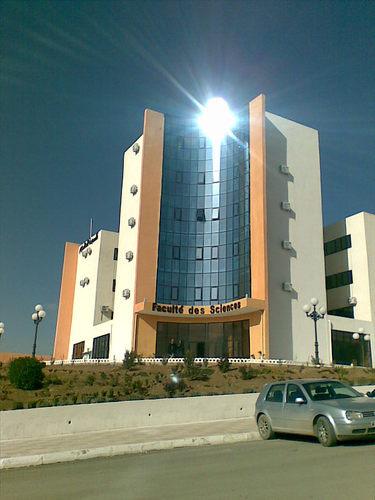
University Sétif 1 FERHAT ABBAS Faculty of Sciences
Détail de l'auteur
Auteur khaled Nasri |
Documents disponibles écrits par cet auteur


 Ajouter le résultat dans votre panier Affiner la recherche
Titre : Application mobile et site web ”EVENTEASE” Type de document : document électronique Auteurs : Dhikra Boussaha, Auteur ; Ibtihal Benmoussa, Auteur ; Safa Abacha, Auteur ; Rania Boussafsaf ; Safinez Mezli ; khaled Nasri, Directeur de thèse Editeur : Sétif:UFA1 Année de publication : 2024 Importance : 1 vol (51 f .) Format : 29 cm Langues : Français (fre) Catégories : Thèses & Mémoires:Informatique Mots-clés : Applications mobiles
Applications Web
E-Service
Service
WebIndex. décimale : 004 Informatique Résumé :
Inspir´eedesr´eseauxsociauxetdesplateformesdeservices,notreid´eeest
de cr´eeruneplateformequirassembleprestatairesetclientsdansunecom-
munaut´ed´edi´ee`alaplanificationet`alar´eservationenlignedeservices
pourlesc´er´emonieset´ev´enementssp´eciaux.Dansunmarch´ealg´erienen
pleine expansion,lesucc`esr´ecentdenombreusesstartupsetPMEdansle
domaine num´eriquenousamotiv´es`aenvisageruninvestissementdansce
secteur enpleinecroissance,offrantainsiuneopportunit´eprometteuseaux
jeunes informaticienstalentueuxpourcr´eerleurspropreentreprises.Note de contenu : Sommaire
Tableaudesfigures 4
Liste destableaux 5
Bibliographie 5
1 IntroductionG´en´erale 6
2 Cahierdescharges 8
2.1 Introduction . ................................ 8
2.2 Etatactueldumarch´e . .......................... 8
2.3 Fonctionnalit´espropos´eesdenotresolutionEVENTEASE . ...... 10
2.3.1 Fonctionnalit´espourlesprestatairesdeservices . ........ 10
2.3.2 Fonctionnalit´espourlesclients . ................. 11
2.4 Composantesdelaplate-forme . ...................... 12
2.4.1 ApplicationsMobiles . ....................... 12
2.4.2 ApplicationWeb . ......................... 12
2.5 Conclusion . ................................. 12
3 Analyseetconception 13
3.1 Introduction . ................................ 13
3.2 Analyse . .................................. 13
3.2.1 Diagrammedecasd’utilisation . ................. 13
3.2.2 Descriptiondecasd’utilisation . ................. 14
Cas d’utilisation ≪ Inscription utilisateur ≫ . ........... 15
Cas d’utilisation ≪ Connexion ≫ . ................. 15
Cas d’utilisation ≪ R´eservation ≫ . ................ 16
Cas d’utilisation ≪ Recherchesurunservice ≫ . ......... 16
Cas d’utilisation ≪ Modifierleprofile ≫ . ............. 17
Cas d’utilisation ≪ Cr´eeannonce ≫ . ............... 17
3.2.3 Diagrammedes´equence . ..................... 18
Cas d’utilisation ≪ Inscription ≫ : . ................ 18
Cas d’utilisation ≪ Connexion ≫ : . ................ 19
Cas d’utilisation ≪ Editer leprofil ≫ : . .............. 20
Cas d’utilisation ≪ Cr´eeruneannonce:≫ . ............ 20
Cas d’utilisation ≪ ProposerunFournisseurauxiliaire: ≫ . .. 21
Cas d’utilisation ≪ Cherchersurunservice ≫ . .......... 21
Cas d’utilisation ≪ R´eservation ≫ . ................ 22
Cas d’utilisation ≪ Contactsupportclient ≫ . .......... 22
3.2.4 Diagrammedeclasse . ....................... 23
3.3 Conclusion . ................................. 24
4 D´eveloppementetImpl´ementation 25
4.1 Introduction . ................................ 25
4.2 Labasededonn´ees . ............................ 25
4.2.1 Firebase . .............................. 26
4.2.2 Lesprincipalesb´en´eficesdeFirebasecomprennent . ....... 26
4.2.3 Tablesdenotrebasededonn´ees: . ................ 27
4.3 Outilsetlangagesdeprogrammation . .................. 29
4.3.1 VisualStudioCode . ........................ 29
4.3.2 Flutter . ............................... 30
4.3.3 Dart . ................................ 30
4.3.4 Figma . ............................... 31
4.4 Architecturedelaplate-forme . ...................... 31
4.5 Description . ................................ 32
4.5.1 Descriptiondespagesdudashbord . ............... 32
D´efinitiond’untableaudebord(Dashboard) . .......... 32
L’interfacedudashbordhome . .................. 33
L’interfacedesutilisateurs . .................... 33
L’interfaceder´eservations . .................... 34
L’interfacedesmessagess . ..................... 35
Les interfacesdesnotifications . .................. 35
Les interfacesdesparam`etresdecompte . ............ 36
4.5.2 DescriptiondespagesduSiteWeb . ................ 38
L’interfaced’accueil . ........................ 38
L’interfaceplanning . ........................ 38
L’interfaceder´eservations . .................... 39
L’interfaceduprofile . ....................... 40
L’interfacedesmesseges . ..................... 41
L’interfacedesnotifications . ................... 41
L’interfacedesinvitations . .................... 42
4.5.3 Descriptiondespagesdel’applicationmobile . .......... 42
Les interfacesdeconnexion . ................... 42
Les interfacesd’inscription . .................... 43
Interfacescˆot´eclient . ....................... 43
Interfacescˆot´efournisseur . .................... 47
4.6 Conclusion . ................................. 49
5 ConclusionGenerale 50
5.1 Conclusion . ................................. 50
Côte titre : MAI/0954 Application mobile et site web ”EVENTEASE” [document électronique] / Dhikra Boussaha, Auteur ; Ibtihal Benmoussa, Auteur ; Safa Abacha, Auteur ; Rania Boussafsaf ; Safinez Mezli ; khaled Nasri, Directeur de thèse . - [S.l.] : Sétif:UFA1, 2024 . - 1 vol (51 f .) ; 29 cm.
Langues : Français (fre)
Catégories : Thèses & Mémoires:Informatique Mots-clés : Applications mobiles
Applications Web
E-Service
Service
WebIndex. décimale : 004 Informatique Résumé :
Inspir´eedesr´eseauxsociauxetdesplateformesdeservices,notreid´eeest
de cr´eeruneplateformequirassembleprestatairesetclientsdansunecom-
munaut´ed´edi´ee`alaplanificationet`alar´eservationenlignedeservices
pourlesc´er´emonieset´ev´enementssp´eciaux.Dansunmarch´ealg´erienen
pleine expansion,lesucc`esr´ecentdenombreusesstartupsetPMEdansle
domaine num´eriquenousamotiv´es`aenvisageruninvestissementdansce
secteur enpleinecroissance,offrantainsiuneopportunit´eprometteuseaux
jeunes informaticienstalentueuxpourcr´eerleurspropreentreprises.Note de contenu : Sommaire
Tableaudesfigures 4
Liste destableaux 5
Bibliographie 5
1 IntroductionG´en´erale 6
2 Cahierdescharges 8
2.1 Introduction . ................................ 8
2.2 Etatactueldumarch´e . .......................... 8
2.3 Fonctionnalit´espropos´eesdenotresolutionEVENTEASE . ...... 10
2.3.1 Fonctionnalit´espourlesprestatairesdeservices . ........ 10
2.3.2 Fonctionnalit´espourlesclients . ................. 11
2.4 Composantesdelaplate-forme . ...................... 12
2.4.1 ApplicationsMobiles . ....................... 12
2.4.2 ApplicationWeb . ......................... 12
2.5 Conclusion . ................................. 12
3 Analyseetconception 13
3.1 Introduction . ................................ 13
3.2 Analyse . .................................. 13
3.2.1 Diagrammedecasd’utilisation . ................. 13
3.2.2 Descriptiondecasd’utilisation . ................. 14
Cas d’utilisation ≪ Inscription utilisateur ≫ . ........... 15
Cas d’utilisation ≪ Connexion ≫ . ................. 15
Cas d’utilisation ≪ R´eservation ≫ . ................ 16
Cas d’utilisation ≪ Recherchesurunservice ≫ . ......... 16
Cas d’utilisation ≪ Modifierleprofile ≫ . ............. 17
Cas d’utilisation ≪ Cr´eeannonce ≫ . ............... 17
3.2.3 Diagrammedes´equence . ..................... 18
Cas d’utilisation ≪ Inscription ≫ : . ................ 18
Cas d’utilisation ≪ Connexion ≫ : . ................ 19
Cas d’utilisation ≪ Editer leprofil ≫ : . .............. 20
Cas d’utilisation ≪ Cr´eeruneannonce:≫ . ............ 20
Cas d’utilisation ≪ ProposerunFournisseurauxiliaire: ≫ . .. 21
Cas d’utilisation ≪ Cherchersurunservice ≫ . .......... 21
Cas d’utilisation ≪ R´eservation ≫ . ................ 22
Cas d’utilisation ≪ Contactsupportclient ≫ . .......... 22
3.2.4 Diagrammedeclasse . ....................... 23
3.3 Conclusion . ................................. 24
4 D´eveloppementetImpl´ementation 25
4.1 Introduction . ................................ 25
4.2 Labasededonn´ees . ............................ 25
4.2.1 Firebase . .............................. 26
4.2.2 Lesprincipalesb´en´eficesdeFirebasecomprennent . ....... 26
4.2.3 Tablesdenotrebasededonn´ees: . ................ 27
4.3 Outilsetlangagesdeprogrammation . .................. 29
4.3.1 VisualStudioCode . ........................ 29
4.3.2 Flutter . ............................... 30
4.3.3 Dart . ................................ 30
4.3.4 Figma . ............................... 31
4.4 Architecturedelaplate-forme . ...................... 31
4.5 Description . ................................ 32
4.5.1 Descriptiondespagesdudashbord . ............... 32
D´efinitiond’untableaudebord(Dashboard) . .......... 32
L’interfacedudashbordhome . .................. 33
L’interfacedesutilisateurs . .................... 33
L’interfaceder´eservations . .................... 34
L’interfacedesmessagess . ..................... 35
Les interfacesdesnotifications . .................. 35
Les interfacesdesparam`etresdecompte . ............ 36
4.5.2 DescriptiondespagesduSiteWeb . ................ 38
L’interfaced’accueil . ........................ 38
L’interfaceplanning . ........................ 38
L’interfaceder´eservations . .................... 39
L’interfaceduprofile . ....................... 40
L’interfacedesmesseges . ..................... 41
L’interfacedesnotifications . ................... 41
L’interfacedesinvitations . .................... 42
4.5.3 Descriptiondespagesdel’applicationmobile . .......... 42
Les interfacesdeconnexion . ................... 42
Les interfacesd’inscription . .................... 43
Interfacescˆot´eclient . ....................... 43
Interfacescˆot´efournisseur . .................... 47
4.6 Conclusion . ................................. 49
5 ConclusionGenerale 50
5.1 Conclusion . ................................. 50
Côte titre : MAI/0954 Exemplaires (1)
Code-barres Cote Support Localisation Section Disponibilité MAI/0954 MAI/0954 Mémoire Bibliothèque des sciences Français Disponible
Disponible
Titre : Deep Learning Model for Brain Tumor Radiogenomic Classification Type de document : texte imprimé Auteurs : hadjer Ouarem, Auteur ; aymen mohamed Sraouia, Auteur ; khaled Nasri, Directeur de thèse Année de publication : 2022 Importance : 1 vol (67 f .) Format : 29cm Langues : Français (fre) Catégories : Thèses & Mémoires:Informatique Mots-clés : Informatique Index. décimale : 004 Informatique Résumé :
For malignant brain tumor (Glioblastoma), known as the worst prognosis, with median
survival being less than a year, recent medical research demonstrates that the presence
of a specific genetic sequence in the tumor known as MGMT promoter methylation has
been shown to be a favorable prognostic factor and a strong predictor of responsiveness to
chemotherapy. The problem is that traditional methodology of surgery to extract a sample to be
analyzed is very complicated for brain tumors cases, and takes long time.
In this work we will explore the efficiency of Deep Learning based methodology to detect the
existence of specific genomic sequences from MRI images. This alternative can be very useful
and can help many cases to be treated. We have used many pretrained models and many images
sequences to realize our experiences, to improve our models and determine which image sequence
is the best to detect MGMT genome from MRI data.Côte titre : MAI/0584 En ligne : https://drive.google.com/file/d/1vIJffysvjMQk-H2jqZA5t7HgVVIUBnUb/view?usp=share [...] Format de la ressource électronique : Deep Learning Model for Brain Tumor Radiogenomic Classification [texte imprimé] / hadjer Ouarem, Auteur ; aymen mohamed Sraouia, Auteur ; khaled Nasri, Directeur de thèse . - 2022 . - 1 vol (67 f .) ; 29cm.
Langues : Français (fre)
Catégories : Thèses & Mémoires:Informatique Mots-clés : Informatique Index. décimale : 004 Informatique Résumé :
For malignant brain tumor (Glioblastoma), known as the worst prognosis, with median
survival being less than a year, recent medical research demonstrates that the presence
of a specific genetic sequence in the tumor known as MGMT promoter methylation has
been shown to be a favorable prognostic factor and a strong predictor of responsiveness to
chemotherapy. The problem is that traditional methodology of surgery to extract a sample to be
analyzed is very complicated for brain tumors cases, and takes long time.
In this work we will explore the efficiency of Deep Learning based methodology to detect the
existence of specific genomic sequences from MRI images. This alternative can be very useful
and can help many cases to be treated. We have used many pretrained models and many images
sequences to realize our experiences, to improve our models and determine which image sequence
is the best to detect MGMT genome from MRI data.Côte titre : MAI/0584 En ligne : https://drive.google.com/file/d/1vIJffysvjMQk-H2jqZA5t7HgVVIUBnUb/view?usp=share [...] Format de la ressource électronique : Exemplaires (1)
Code-barres Cote Support Localisation Section Disponibilité MAI/0584 MAI/0584 Mémoire Bibliothèque des sciences Anglais Disponible
DisponibleKnowledge Discovery in Big Data: Application to Arabic Handwriting Characters Recognition and Genomic / khaled Nasri
Titre : Knowledge Discovery in Big Data: Application to Arabic Handwriting Characters Recognition and Genomic Type de document : document électronique Auteurs : khaled Nasri, Auteur ; Abdelouahab Moussaoui, Directeur de thèse Editeur : Sétif:UFA1 Année de publication : 2026 Importance : 1 vol (127 f.) Format : 29 cm Langues : Anglais (eng) Catégories : Thèses & Mémoires:Informatique Mots-clés : Big Data
Knowledge Discovery
Distributed Deep Learning
Genomic Variant Calling
Multimodal Learning
Transformer-CNN ArchitecturesIndex. décimale : 004 - Informatique Résumé :
The exponential growth of Big Data necessitates scalable knowledge discovery methodologies capable of
handling massive, heterogeneous datasets. This dissertation explores distributed and parallel deep learning
architectures across two critical application domains: genomics and Arabic handwriting recognition.
In genomics, a novel distributed pipeline for variant calling integrates multimodal sequencing data through
a hybrid Transformer-CNN architecture with attention-based fusion. The system simultaneously processes
DNA sequence context via transformer encoders and read alignment evidence through three-dimensional
convolutional networks, enabling accurate genomic variant classification while achieving computational
efficiency through Distributed Data Parallel (DDP) training across multiple GPUs. Multi-task learning
addresses variant type classification, genotype prediction, quality score estimation, and artifact detection,
while class-weighted loss functions handle severe data imbalance inherent in genomic datasets.
In Arabic handwriting recognition, a hybrid architecture embedding Capsule Networks within Residual
Networks (Caps-ResNet) captures hierarchical features and spatial relationships essential for cursive script
analysis. This specialized architecture overcomes unique challenges including ligature complexity,
diacritical mark sensitivity, and significant stylistic variability across writing styles.
This multidisciplinary research demonstrates how hybrid architectures, multimodal fusion mechanisms,
and distributed computing strategies enable robust, accurate, and computationally efficient knowledge
extraction systems applicable to diverse scientific domains. The results contribute to the development of
scalable deep learning solutions that bridge theoretical innovations with real-world applications in genomics
and natural language processing.Note de contenu :
Côte titre : DI/0098 Knowledge Discovery in Big Data: Application to Arabic Handwriting Characters Recognition and Genomic [document électronique] / khaled Nasri, Auteur ; Abdelouahab Moussaoui, Directeur de thèse . - [S.l.] : Sétif:UFA1, 2026 . - 1 vol (127 f.) ; 29 cm.
Langues : Anglais (eng)
Catégories : Thèses & Mémoires:Informatique Mots-clés : Big Data
Knowledge Discovery
Distributed Deep Learning
Genomic Variant Calling
Multimodal Learning
Transformer-CNN ArchitecturesIndex. décimale : 004 - Informatique Résumé :
The exponential growth of Big Data necessitates scalable knowledge discovery methodologies capable of
handling massive, heterogeneous datasets. This dissertation explores distributed and parallel deep learning
architectures across two critical application domains: genomics and Arabic handwriting recognition.
In genomics, a novel distributed pipeline for variant calling integrates multimodal sequencing data through
a hybrid Transformer-CNN architecture with attention-based fusion. The system simultaneously processes
DNA sequence context via transformer encoders and read alignment evidence through three-dimensional
convolutional networks, enabling accurate genomic variant classification while achieving computational
efficiency through Distributed Data Parallel (DDP) training across multiple GPUs. Multi-task learning
addresses variant type classification, genotype prediction, quality score estimation, and artifact detection,
while class-weighted loss functions handle severe data imbalance inherent in genomic datasets.
In Arabic handwriting recognition, a hybrid architecture embedding Capsule Networks within Residual
Networks (Caps-ResNet) captures hierarchical features and spatial relationships essential for cursive script
analysis. This specialized architecture overcomes unique challenges including ligature complexity,
diacritical mark sensitivity, and significant stylistic variability across writing styles.
This multidisciplinary research demonstrates how hybrid architectures, multimodal fusion mechanisms,
and distributed computing strategies enable robust, accurate, and computationally efficient knowledge
extraction systems applicable to diverse scientific domains. The results contribute to the development of
scalable deep learning solutions that bridge theoretical innovations with real-world applications in genomics
and natural language processing.Note de contenu :
Côte titre : DI/0098 Exemplaires (1)
Code-barres Cote Support Localisation Section Disponibilité DI/0098 DI/0098 Thèse Bibliothèque des sciences Anglais Disponible
Disponible
Titre : Modernizing EnvTracker Migration to Multi‑Tenancy Architecture for Enhanced Scalability and Maintenance Type de document : document électronique Auteurs : Aimen Islam Keskas ; khaled Nasri, Directeur de thèse Editeur : Setif:UFA Année de publication : 2025 Importance : 1 vol (53 f .) Format : 29 cm Langues : Anglais (eng) Catégories : Thèses & Mémoires:Informatique Mots-clés : Modernizing EnvTracker Index. décimale : 004 Informatique Résumé :
This dissertationpresentsthemodernizationofEnvTracker,aSoftware‑as‑a‑Service(SaaS)platform
forenhancingtraceabilityandautomationinsoftwaredeliverypipelines,developedduringanintern‑
ship atAlgoro,aFrenchstart‑upbasedinClamart.Theprojectaddressescriticallimitationsinthe
existingsystem,includinganoutdatedfrontendstack,monolithicbackendarchitecture,andlackof
multi‑tenancysupport,whichhinderedscalabilityandcompetitivepositioninginthemodernsoft‑
wareindustry.
The primaryobjectivewastotransformEnvTrackerintoascalable,multi‑tenantSaaSplatform
throughstrategicarchitecturalmodernization.Keyinnovationsincludetheimplementationofa
control/applicationplaneseparationarchitecture,singlesign‑on(SSO)integrationforenterprise
clients,schema‑basedtenantisolationusingPostgreSQL,andcomprehensiveDevOpspractices
encompassingcontainerization,InfrastructureasCode(IaC),andautomatedCI/CDpipelines.
The methodologyinvolvedasystematicapproachtoSaaStransformation,beginningwitharchitec‑
turalredesignandfoundationaltechnologyselection,followedbythedevelopmentofacentralized
controlplanefortenantmanagementandbillingintegration.Thefrontendwascompletelyrefactored
using modernframeworks,whilethebackendwasrestructuredtosupportmulti‑tenantoperations
with robustsecurityandaccesscontrolmechanisms.
Significantprogresshasbeenachieved,withthecontrolplanefullyoperationalandmajoradvance‑
mentsinthetenant‑facingapplication.Theimplementationdemonstratessuccessfulintegrationof
modern technologiesandarchitecturalprinciples,resultinginimprovedscalability,maintainability,
and security.Theprojectprovidesvaluableinsightsintoreal‑worldSaaStransformationchallenges,
including schema‑basedmulti‑tenancyimplementation,secureservicecommunication,andauto‑
matedinfrastructureprovisioning.
While themigrationprocessremainsongoing,theestablishedfoundationsupportsfuturephasesof
development,particularlyfulltenantenvironmentmigrationandproductionrollout.Note de contenu : Sommaire
Introduction 5
1 ProblemStatement 6
1.1 MainBusinessActivitiesoftheCompany . ........................ 7
1.1.1 ProblemAddressedbyEnvTracker . ....................... 7
1.1.2 ExistingTechnicalSolution . ........................... 7
1.1.3 MarketPotential . ................................. 7
1.2 ArchitectureoftheExistingSystem . ........................... 8
1.3 PlatformLimitationsandGoalsforModernization . ................... 9
Conclusion . ........................................... 10
2 BackgroundonMulti‑tenancy 11
2.1 ModernSaaS . ....................................... 12
2.1.1 TheTraditionalSoftwareDeliveryModel . .................... 12
2.1.2 TheEvolutiontoSaaSandMulti‑Tenancy . .................... 13
2.2 ComponentsofMulti‑TenantArchitecture . ....................... 14
2.2.1 ControlPlane . ................................... 15
2.2.2 ApplicationPlane . ................................ 15
2.2.3 GrayArea . ..................................... 16
2.3 DeploymentModels . ................................... 17
2.3.1 UnderstandingSiloandPoolModels . ...................... 17
2.3.2 FullStackSiloedModel . ............................. 17
2.3.3 FullStackPooledModel . ............................. 18
2.3.4 MixedFullStackModel . .............................. 19
2.3.5 MixedResourceModel . .............................. 20
Conclusion . ........................................... 21
3 TechnicalFoundations 22
3.1 WebTechnologiesandTechniques . ........................... 23
3.2 DatabaseandStorage . .................................. 23
3.3 DevOpsandInfrastructure . ................................ 24
3.4 ThirdPartyTools . ..................................... 24
3.5 AccessControl . ...................................... 25
Conclusion . ........................................... 25
4 ProposedArchitectureandSolution 26
4.1 OverviewoftheNewArchitecture . ............................ 27
4.1.1 SeparationofConcerns . ............................. 27
4.1.2 Tier‑BasedDeploymentStrategy . ........................ 27
4.1.3 TenantRoutingandDomainManagement . ................... 28
4.2 ControlPlaneComponents . ............................... 28
4.2.1 CentralApplicationUsingSveltekit . ....................... 28
4.2.2 GlobalPostgres . .................................. 29
4.2.3 SaaSDashboard . ................................. 29
4.2.4 SelfOnboardingFlow . .............................. 29
4.2.5 InternalOnboardingforEnterpriseTier . ..................... 31
4.2.6 Billing . ....................................... 31
4.2.7 SyncingTenantInformation . ........................... 32
4.3 ApplicationPlaneComponents . ............................. 33
4.3.1 NewTenantApplication . ............................. 33
4.3.2 SpringWorker . .................................. 33
4.3.3 TenantAppandSpringWorkerCommunication . ................ 34
4.3.4 PostgresandProvisioning . ............................ 35
4.3.5 Authentication . .................................. 35
4.3.6 AuthorizationSystem . .............................. 36
Conclusion . ........................................... 37
5 DeploymentStrategy 38
5.1 ContainerizationStrategy . ................................ 39
5.1.1 ImplementationNotes . .............................. 39
5.2 InfrastructureasCode(IaC) . ............................... 39
5.2.1 DevelopmentEnvironment . ........................... 40
5.2.2 StagingandProductionEnvironments . ..................... 40
5.2.3 EnterpriseTenantDeployment . ......................... 41
5.3 ContinuousIntegrationandContinuousDeployment . ................. 41
5.3.1 DevelopmentWorkflow . ............................. 42
5.3.2 HotfixDeployment(DirecttoProduction) . ................... 42
5.3.3 Staging+Blue‑GreenDeployment . ....................... 42
5.3.4 EnterpriseDeploymentFlow . .......................... 42
5.4 MonitoringandObservabilityFoundations . ....................... 43
5.5 SecurityConsiderations . ................................. 43
5.5.1 ThreatModel . ................................... 43
5.5.2 Mitigations . .................................... 43
Conclusion . ........................................... 44
Conclusion 45
Appendix: InternshipReport 46
ProjectTimeline,ScopeEvolution,andTechnicalChallenges . ................ 46
Online Resources . ........................................ 49
Visuals . .............................................. 49
CentralApplicationVisuals: . ............................... 49
TenantApplicationVisuals: . ............................... 51
Côte titre : MAI/1022 Modernizing EnvTracker Migration to Multi‑Tenancy Architecture for Enhanced Scalability and Maintenance [document électronique] / Aimen Islam Keskas ; khaled Nasri, Directeur de thèse . - [S.l.] : Setif:UFA, 2025 . - 1 vol (53 f .) ; 29 cm.
Langues : Anglais (eng)
Catégories : Thèses & Mémoires:Informatique Mots-clés : Modernizing EnvTracker Index. décimale : 004 Informatique Résumé :
This dissertationpresentsthemodernizationofEnvTracker,aSoftware‑as‑a‑Service(SaaS)platform
forenhancingtraceabilityandautomationinsoftwaredeliverypipelines,developedduringanintern‑
ship atAlgoro,aFrenchstart‑upbasedinClamart.Theprojectaddressescriticallimitationsinthe
existingsystem,includinganoutdatedfrontendstack,monolithicbackendarchitecture,andlackof
multi‑tenancysupport,whichhinderedscalabilityandcompetitivepositioninginthemodernsoft‑
wareindustry.
The primaryobjectivewastotransformEnvTrackerintoascalable,multi‑tenantSaaSplatform
throughstrategicarchitecturalmodernization.Keyinnovationsincludetheimplementationofa
control/applicationplaneseparationarchitecture,singlesign‑on(SSO)integrationforenterprise
clients,schema‑basedtenantisolationusingPostgreSQL,andcomprehensiveDevOpspractices
encompassingcontainerization,InfrastructureasCode(IaC),andautomatedCI/CDpipelines.
The methodologyinvolvedasystematicapproachtoSaaStransformation,beginningwitharchitec‑
turalredesignandfoundationaltechnologyselection,followedbythedevelopmentofacentralized
controlplanefortenantmanagementandbillingintegration.Thefrontendwascompletelyrefactored
using modernframeworks,whilethebackendwasrestructuredtosupportmulti‑tenantoperations
with robustsecurityandaccesscontrolmechanisms.
Significantprogresshasbeenachieved,withthecontrolplanefullyoperationalandmajoradvance‑
mentsinthetenant‑facingapplication.Theimplementationdemonstratessuccessfulintegrationof
modern technologiesandarchitecturalprinciples,resultinginimprovedscalability,maintainability,
and security.Theprojectprovidesvaluableinsightsintoreal‑worldSaaStransformationchallenges,
including schema‑basedmulti‑tenancyimplementation,secureservicecommunication,andauto‑
matedinfrastructureprovisioning.
While themigrationprocessremainsongoing,theestablishedfoundationsupportsfuturephasesof
development,particularlyfulltenantenvironmentmigrationandproductionrollout.Note de contenu : Sommaire
Introduction 5
1 ProblemStatement 6
1.1 MainBusinessActivitiesoftheCompany . ........................ 7
1.1.1 ProblemAddressedbyEnvTracker . ....................... 7
1.1.2 ExistingTechnicalSolution . ........................... 7
1.1.3 MarketPotential . ................................. 7
1.2 ArchitectureoftheExistingSystem . ........................... 8
1.3 PlatformLimitationsandGoalsforModernization . ................... 9
Conclusion . ........................................... 10
2 BackgroundonMulti‑tenancy 11
2.1 ModernSaaS . ....................................... 12
2.1.1 TheTraditionalSoftwareDeliveryModel . .................... 12
2.1.2 TheEvolutiontoSaaSandMulti‑Tenancy . .................... 13
2.2 ComponentsofMulti‑TenantArchitecture . ....................... 14
2.2.1 ControlPlane . ................................... 15
2.2.2 ApplicationPlane . ................................ 15
2.2.3 GrayArea . ..................................... 16
2.3 DeploymentModels . ................................... 17
2.3.1 UnderstandingSiloandPoolModels . ...................... 17
2.3.2 FullStackSiloedModel . ............................. 17
2.3.3 FullStackPooledModel . ............................. 18
2.3.4 MixedFullStackModel . .............................. 19
2.3.5 MixedResourceModel . .............................. 20
Conclusion . ........................................... 21
3 TechnicalFoundations 22
3.1 WebTechnologiesandTechniques . ........................... 23
3.2 DatabaseandStorage . .................................. 23
3.3 DevOpsandInfrastructure . ................................ 24
3.4 ThirdPartyTools . ..................................... 24
3.5 AccessControl . ...................................... 25
Conclusion . ........................................... 25
4 ProposedArchitectureandSolution 26
4.1 OverviewoftheNewArchitecture . ............................ 27
4.1.1 SeparationofConcerns . ............................. 27
4.1.2 Tier‑BasedDeploymentStrategy . ........................ 27
4.1.3 TenantRoutingandDomainManagement . ................... 28
4.2 ControlPlaneComponents . ............................... 28
4.2.1 CentralApplicationUsingSveltekit . ....................... 28
4.2.2 GlobalPostgres . .................................. 29
4.2.3 SaaSDashboard . ................................. 29
4.2.4 SelfOnboardingFlow . .............................. 29
4.2.5 InternalOnboardingforEnterpriseTier . ..................... 31
4.2.6 Billing . ....................................... 31
4.2.7 SyncingTenantInformation . ........................... 32
4.3 ApplicationPlaneComponents . ............................. 33
4.3.1 NewTenantApplication . ............................. 33
4.3.2 SpringWorker . .................................. 33
4.3.3 TenantAppandSpringWorkerCommunication . ................ 34
4.3.4 PostgresandProvisioning . ............................ 35
4.3.5 Authentication . .................................. 35
4.3.6 AuthorizationSystem . .............................. 36
Conclusion . ........................................... 37
5 DeploymentStrategy 38
5.1 ContainerizationStrategy . ................................ 39
5.1.1 ImplementationNotes . .............................. 39
5.2 InfrastructureasCode(IaC) . ............................... 39
5.2.1 DevelopmentEnvironment . ........................... 40
5.2.2 StagingandProductionEnvironments . ..................... 40
5.2.3 EnterpriseTenantDeployment . ......................... 41
5.3 ContinuousIntegrationandContinuousDeployment . ................. 41
5.3.1 DevelopmentWorkflow . ............................. 42
5.3.2 HotfixDeployment(DirecttoProduction) . ................... 42
5.3.3 Staging+Blue‑GreenDeployment . ....................... 42
5.3.4 EnterpriseDeploymentFlow . .......................... 42
5.4 MonitoringandObservabilityFoundations . ....................... 43
5.5 SecurityConsiderations . ................................. 43
5.5.1 ThreatModel . ................................... 43
5.5.2 Mitigations . .................................... 43
Conclusion . ........................................... 44
Conclusion 45
Appendix: InternshipReport 46
ProjectTimeline,ScopeEvolution,andTechnicalChallenges . ................ 46
Online Resources . ........................................ 49
Visuals . .............................................. 49
CentralApplicationVisuals: . ............................... 49
TenantApplicationVisuals: . ............................... 51
Côte titre : MAI/1022 Exemplaires (1)
Code-barres Cote Support Localisation Section Disponibilité MAI/1022 MAI/1022 Mémoire Bibliothèque des sciences Anglais Disponible
Disponible