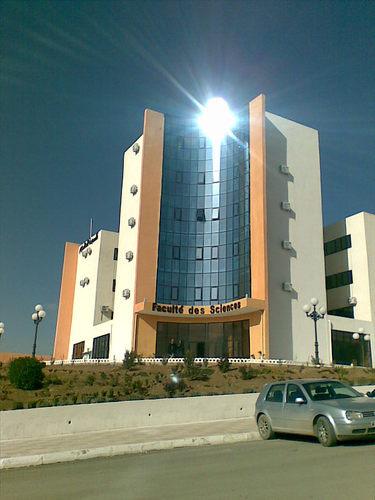
University Sétif 1 FERHAT ABBAS Faculty of Sciences
Détail de l'auteur
Auteur Lyazid Toumi |
Documents disponibles écrits par cet auteur


 Ajouter le résultat dans votre panier Affiner la recherche
Titre : Aklee, AI-Based Mobile App for Nutrition Label Classification Type de document : document électronique Auteurs : Mohamed El Khalil Bourouba ; Lyazid Toumi, Directeur de thèse Editeur : Setif:UFA Année de publication : 2025 Importance : 1 vol (59 f .) Format : 29 cm Langues : Anglais (eng) Catégories : Thèses & Mémoires:Informatique Mots-clés : Nutrition Label
Classification
OCR
CatBoost
Mobile Application
React Native
FastAPI
DockerIndex. décimale : 004 Informatique Résumé :
With the growing interest in healthy eating and digital solutions, the need for accessible
tools that assist users in evaluating food products has increased. In this work, we introduce
Aklee, a mobile application that leverages artificial intelligence and optical character
recognition (OCR) to classify food products based on their nutritional labels.
Our system uses Tesseract OCR to extract text from scanned product images and
applies a Catboost classifier to determine the nutritional quality. The application is
built with a modern architecture using React Native for the mobile frontend, Laravel
and FastAPI for backend services, and containerized using Docker.
The goal is to provide a user-friendly and efficient tool that aids consumers in making
healthier food choices through real-time analysis.Note de contenu :
Sommaire
Abstract 3
1 Introduction 7
1.1 Context and Motivation . . . . . . . . . . . . . . . . . . . . . . . . . . . . 7
1.2 Objectives . . . . . . . . . . . . . . . . . . . . . . . . . . . . . . . . . . . . 8
1.3 Methodology . . . . . . . . . . . . . . . . . . . . . . . . . . . . . . . . . . 9
1.3.1 Image Acquisition . . . . . . . . . . . . . . . . . . . . . . . . . . . . 9
1.3.2 Text Extraction using OCR . . . . . . . . . . . . . . . . . . . . . . 9
1.3.3 Data Parsing and Cleaning . . . . . . . . . . . . . . . . . . . . . . . 9
1.3.4 Nutritional Analysis using AI Model . . . . . . . . . . . . . . . . . 9
1.3.5 Output Generation . . . . . . . . . . . . . . . . . . . . . . . . . . . 10
1.3.6 Feedback and Continuous Learning (Optional) . . . . . . . . . . . . 10
1.4 Related Work . . . . . . . . . . . . . . . . . . . . . . . . . . . . . . . . . . 10
1.5 Optical Character Recognition in Mobile Apps . . . . . . . . . . . . . . . . 11
2 Machine Learning in Nutrition Analysis 12
2.1 Dataset Preparation . . . . . . . . . . . . . . . . . . . . . . . . . . . . . . 12
2.2 Label Encoding and Data Splitting . . . . . . . . . . . . . . . . . . . . . . 13
2.3 Comparative Analysis of Machine Learning Algorithms . . . . . . . . . . . 13
2.3.1 Performance Overview . . . . . . . . . . . . . . . . . . . . . . . . . 13
2.3.2 Detailed Algorithm Analysis . . . . . . . . . . . . . . . . . . . . . . 13
2.3.3 Why CatBoost Outperforms Other Algorithms . . . . . . . . . . . . 14
2.3.4 Model Selection: CatBoost Classifier . . . . . . . . . . . . . . . . . 15
2.3.5 Prediction and Evaluation . . . . . . . . . . . . . . . . . . . . . . . 16
2.3.6 Confusion Matrix . . . . . . . . . . . . . . . . . . . . . . . . . . . . 16
2.3.7 Feature Importance Analysis . . . . . . . . . . . . . . . . . . . . . . 16
2.4 Step 1: Data Loading and Renaming . . . . . . . . . . . . . . . . . . . . . 17
2.5 Step 2: Feature and Target Separation . . . . . . . . . . . . . . . . . . . . 18
2.6 Step 3: Label Encoding . . . . . . . . . . . . . . . . . . . . . . . . . . . . . 18
2.7 Step 4: Splitting the Dataset . . . . . . . . . . . . . . . . . . . . . . . . . . 18
2.8 Step 5: Model Training using CatBoost . . . . . . . . . . . . . . . . . . . . 19
2.9 Step 6: Model Prediction . . . . . . . . . . . . . . . . . . . . . . . . . . . . 19
2.10 Step 7: Model Evaluation . . . . . . . . . . . . . . . . . . . . . . . . . . . 20
2.11 Step 8: Confusion Matrix Visualization . . . . . . . . . . . . . . . . . . . . 20
2.12 Step 9: Feature Importance . . . . . . . . . . . . . . . . . . . . . . . . . . 20
2.13 Step 10: Model and Encoder Serialization . . . . . . . . . . . . . . . . . . 21
2.14 Model Export and Deployment . . . . . . . . . . . . . . . . . . . . . . . . 21
2.15 Conclusion . . . . . . . . . . . . . . . . . . . . . . . . . . . . . . . . . . . . 21
3 Methodology 22
3.1 Architecture Overview . . . . . . . . . . . . . . . . . . . . . . . . . . . . . 22
3.2 Class and Sequence Diagram Explanation: From Login to Nutrition Prediction
. . . . . . . . . . . . . . . . . . . . . . . . . . . . . . . . . . . . . . 22
3.2.1 Authentication Component . . . . . . . . . . . . . . . . . . . . . . 23
3.2.2 OCR Component . . . . . . . . . . . . . . . . . . . . . . . . . . . . 23
3.2.3 Comment Component . . . . . . . . . . . . . . . . . . . . . . . . . 24
3.2.4 Class Relationships Summary . . . . . . . . . . . . . . . . . . . . . 25
3.3 Sequence Diagram Explanation . . . . . . . . . . . . . . . . . . . . . . . . 25
3.3.1 Detailed Steps . . . . . . . . . . . . . . . . . . . . . . . . . . . . . . 25
3.3.2 Purpose of the Diagram . . . . . . . . . . . . . . . . . . . . . . . . 26
3.4 Followup diagrams . . . . . . . . . . . . . . . . . . . . . . . . . . . . . . . 27
3.4.1 User Interaction Workflow (Use Cases) . . . . . . . . . . . . . . . . 29
3.4.2 System Integration Points . . . . . . . . . . . . . . . . . . . . . . . 30
3.5 Tesseract OCR . . . . . . . . . . . . . . . . . . . . . . . . . . . . . . . . . 39
3.6 OCR Accuracy Analysis: Nutritional Label Variations . . . . . . . . . . . . 42
3.6.1 Key Differences and OCR Challenges . . . . . . . . . . . . . . . . . 42
3.6.2 Integration with Tesseract OCR Pipeline . . . . . . . . . . . . . . . 44
3.6.3 OCR Performance Analysis . . . . . . . . . . . . . . . . . . . . . . 44
3.7 Library Imports and Initialization . . . . . . . . . . . . . . . . . . . . . . . 46
3.8 Model Loading and App Setup . . . . . . . . . . . . . . . . . . . . . . . . . 47
3.9 Nutrition Input Schema . . . . . . . . . . . . . . . . . . . . . . . . . . . . 47
3.10 Prediction Endpoint . . . . . . . . . . . . . . . . . . . . . . . . . . . . . . 48
3.11 Test Endpoint . . . . . . . . . . . . . . . . . . . . . . . . . . . . . . . . . . 49
3.12 CORS Configuration . . . . . . . . . . . . . . . . . . . . . . . . . . . . . . 50
3.13 Conclusion . . . . . . . . . . . . . . . . . . . . . . . . . . . . . . . . . . . . 50
4 Dockerization 53
4.1 Overview of Tools . . . . . . . . . . . . . . . . . . . . . . . . . . . . . . . . 53
4.2 Docker Compose Services Description . . . . . . . . . . . . . . . . . . . . . 54
4.3 Networks and Volumes . . . . . . . . . . . . . . . . . . . . . . . . . . . . . 56
5 Conclusion 57
Côte titre : MAI/0974 Aklee, AI-Based Mobile App for Nutrition Label Classification [document électronique] / Mohamed El Khalil Bourouba ; Lyazid Toumi, Directeur de thèse . - [S.l.] : Setif:UFA, 2025 . - 1 vol (59 f .) ; 29 cm.
Langues : Anglais (eng)
Catégories : Thèses & Mémoires:Informatique Mots-clés : Nutrition Label
Classification
OCR
CatBoost
Mobile Application
React Native
FastAPI
DockerIndex. décimale : 004 Informatique Résumé :
With the growing interest in healthy eating and digital solutions, the need for accessible
tools that assist users in evaluating food products has increased. In this work, we introduce
Aklee, a mobile application that leverages artificial intelligence and optical character
recognition (OCR) to classify food products based on their nutritional labels.
Our system uses Tesseract OCR to extract text from scanned product images and
applies a Catboost classifier to determine the nutritional quality. The application is
built with a modern architecture using React Native for the mobile frontend, Laravel
and FastAPI for backend services, and containerized using Docker.
The goal is to provide a user-friendly and efficient tool that aids consumers in making
healthier food choices through real-time analysis.Note de contenu :
Sommaire
Abstract 3
1 Introduction 7
1.1 Context and Motivation . . . . . . . . . . . . . . . . . . . . . . . . . . . . 7
1.2 Objectives . . . . . . . . . . . . . . . . . . . . . . . . . . . . . . . . . . . . 8
1.3 Methodology . . . . . . . . . . . . . . . . . . . . . . . . . . . . . . . . . . 9
1.3.1 Image Acquisition . . . . . . . . . . . . . . . . . . . . . . . . . . . . 9
1.3.2 Text Extraction using OCR . . . . . . . . . . . . . . . . . . . . . . 9
1.3.3 Data Parsing and Cleaning . . . . . . . . . . . . . . . . . . . . . . . 9
1.3.4 Nutritional Analysis using AI Model . . . . . . . . . . . . . . . . . 9
1.3.5 Output Generation . . . . . . . . . . . . . . . . . . . . . . . . . . . 10
1.3.6 Feedback and Continuous Learning (Optional) . . . . . . . . . . . . 10
1.4 Related Work . . . . . . . . . . . . . . . . . . . . . . . . . . . . . . . . . . 10
1.5 Optical Character Recognition in Mobile Apps . . . . . . . . . . . . . . . . 11
2 Machine Learning in Nutrition Analysis 12
2.1 Dataset Preparation . . . . . . . . . . . . . . . . . . . . . . . . . . . . . . 12
2.2 Label Encoding and Data Splitting . . . . . . . . . . . . . . . . . . . . . . 13
2.3 Comparative Analysis of Machine Learning Algorithms . . . . . . . . . . . 13
2.3.1 Performance Overview . . . . . . . . . . . . . . . . . . . . . . . . . 13
2.3.2 Detailed Algorithm Analysis . . . . . . . . . . . . . . . . . . . . . . 13
2.3.3 Why CatBoost Outperforms Other Algorithms . . . . . . . . . . . . 14
2.3.4 Model Selection: CatBoost Classifier . . . . . . . . . . . . . . . . . 15
2.3.5 Prediction and Evaluation . . . . . . . . . . . . . . . . . . . . . . . 16
2.3.6 Confusion Matrix . . . . . . . . . . . . . . . . . . . . . . . . . . . . 16
2.3.7 Feature Importance Analysis . . . . . . . . . . . . . . . . . . . . . . 16
2.4 Step 1: Data Loading and Renaming . . . . . . . . . . . . . . . . . . . . . 17
2.5 Step 2: Feature and Target Separation . . . . . . . . . . . . . . . . . . . . 18
2.6 Step 3: Label Encoding . . . . . . . . . . . . . . . . . . . . . . . . . . . . . 18
2.7 Step 4: Splitting the Dataset . . . . . . . . . . . . . . . . . . . . . . . . . . 18
2.8 Step 5: Model Training using CatBoost . . . . . . . . . . . . . . . . . . . . 19
2.9 Step 6: Model Prediction . . . . . . . . . . . . . . . . . . . . . . . . . . . . 19
2.10 Step 7: Model Evaluation . . . . . . . . . . . . . . . . . . . . . . . . . . . 20
2.11 Step 8: Confusion Matrix Visualization . . . . . . . . . . . . . . . . . . . . 20
2.12 Step 9: Feature Importance . . . . . . . . . . . . . . . . . . . . . . . . . . 20
2.13 Step 10: Model and Encoder Serialization . . . . . . . . . . . . . . . . . . 21
2.14 Model Export and Deployment . . . . . . . . . . . . . . . . . . . . . . . . 21
2.15 Conclusion . . . . . . . . . . . . . . . . . . . . . . . . . . . . . . . . . . . . 21
3 Methodology 22
3.1 Architecture Overview . . . . . . . . . . . . . . . . . . . . . . . . . . . . . 22
3.2 Class and Sequence Diagram Explanation: From Login to Nutrition Prediction
. . . . . . . . . . . . . . . . . . . . . . . . . . . . . . . . . . . . . . 22
3.2.1 Authentication Component . . . . . . . . . . . . . . . . . . . . . . 23
3.2.2 OCR Component . . . . . . . . . . . . . . . . . . . . . . . . . . . . 23
3.2.3 Comment Component . . . . . . . . . . . . . . . . . . . . . . . . . 24
3.2.4 Class Relationships Summary . . . . . . . . . . . . . . . . . . . . . 25
3.3 Sequence Diagram Explanation . . . . . . . . . . . . . . . . . . . . . . . . 25
3.3.1 Detailed Steps . . . . . . . . . . . . . . . . . . . . . . . . . . . . . . 25
3.3.2 Purpose of the Diagram . . . . . . . . . . . . . . . . . . . . . . . . 26
3.4 Followup diagrams . . . . . . . . . . . . . . . . . . . . . . . . . . . . . . . 27
3.4.1 User Interaction Workflow (Use Cases) . . . . . . . . . . . . . . . . 29
3.4.2 System Integration Points . . . . . . . . . . . . . . . . . . . . . . . 30
3.5 Tesseract OCR . . . . . . . . . . . . . . . . . . . . . . . . . . . . . . . . . 39
3.6 OCR Accuracy Analysis: Nutritional Label Variations . . . . . . . . . . . . 42
3.6.1 Key Differences and OCR Challenges . . . . . . . . . . . . . . . . . 42
3.6.2 Integration with Tesseract OCR Pipeline . . . . . . . . . . . . . . . 44
3.6.3 OCR Performance Analysis . . . . . . . . . . . . . . . . . . . . . . 44
3.7 Library Imports and Initialization . . . . . . . . . . . . . . . . . . . . . . . 46
3.8 Model Loading and App Setup . . . . . . . . . . . . . . . . . . . . . . . . . 47
3.9 Nutrition Input Schema . . . . . . . . . . . . . . . . . . . . . . . . . . . . 47
3.10 Prediction Endpoint . . . . . . . . . . . . . . . . . . . . . . . . . . . . . . 48
3.11 Test Endpoint . . . . . . . . . . . . . . . . . . . . . . . . . . . . . . . . . . 49
3.12 CORS Configuration . . . . . . . . . . . . . . . . . . . . . . . . . . . . . . 50
3.13 Conclusion . . . . . . . . . . . . . . . . . . . . . . . . . . . . . . . . . . . . 50
4 Dockerization 53
4.1 Overview of Tools . . . . . . . . . . . . . . . . . . . . . . . . . . . . . . . . 53
4.2 Docker Compose Services Description . . . . . . . . . . . . . . . . . . . . . 54
4.3 Networks and Volumes . . . . . . . . . . . . . . . . . . . . . . . . . . . . . 56
5 Conclusion 57
Côte titre : MAI/0974 Exemplaires (1)
Code-barres Cote Support Localisation Section Disponibilité MAI/0974 MAI/0974 Mémoire Bibliothèque des sciences Anglais Disponible
DisponibleApplication des techniques de BPM(Business Process Management) pour la transformation digitale / Racym Rabhi
Titre : Application des techniques de BPM(Business Process Management) pour la transformation digitale Type de document : texte imprimé Auteurs : Racym Rabhi, Auteur ; Adel Messaoui ; Lyazid Toumi, Directeur de thèse Editeur : Sétif:UFS Année de publication : 2023 Importance : 1 vol (64 f.) Format : 29 cm Langues : Français (fre) Catégories : Thèses & Mémoires:Informatique Mots-clés : Industry 4.0
Business Process Management (BPM)
EDI
Electronic invoicingIndex. décimale : 004 - Informatique Résumé :
Ce m´emoire approfondit l’impact de la transformation num´erique sur
le Business Process Management (BPM), l’industrie 4.0, la facturation
´electronique et l’´echange de donn´ees informatis´e (EDI). Il examine les opportunit´es et les d´efis offerts par la num´erisation dans ces domaines cl´es. Le
BPM vise `a optimiser les flux de travail, standardiser les processus et automatiser les tˆaches, am´eliorant ainsi l’efficacit´e op´erationnelle et la collaboration. L’industrie 4.0 int`egre les technologies num´eriques dans la fabrication,
permettant une production flexible et personnalis´ee grˆace `a l’IoT, l’IA et
l’analyse des donn´ees. La facturation ´electronique r´eduit les coˆuts, acc´el`ere
les paiements et facilite la gestion des flux de tr´esorerie. L’EDI simplifie la
communication interentreprises en standardisant les ´echanges de donn´ees. Ce
m´emoire fournit des insights essentiels pour adopter des strat´egies efficaces et
maximiser les avantages de la num´erisation, renfor¸cant ainsi la comp´etitivit´e
des entreprises dans un environnement en constante ´evolution = This thesis delves into the impact of digital transformation on Business Process Management (BPM), Industry 4.0, electronic invoicing, and Electronic
Data Interchange (EDI). It explores the opportunities and challenges presented by digitization in these key areas. BPM aims to optimize workflows,
standardize processes, and automate tasks, thereby enhancing operational
efficiency and collaboration. Industry 4.0 integrates digital technologies into
manufacturing, enabling flexible and personalized production through IoT,
AI, and data analytics. Electronic invoicing reduces costs, accelerates payments, and facilitates cash flow management. EDI simplifies intercompany
communication by standardizing data exchanges. This thesis provides valuable insights for adopting effective strategies and maximizing the benefits
of digitization, strengthening the competitiveness of businesses in an everevolving environment.Côte titre : MAI/0798
Application des techniques de BPM(Business Process Management) pour la transformation digitale [texte imprimé] / Racym Rabhi, Auteur ; Adel Messaoui ; Lyazid Toumi, Directeur de thèse . - [S.l.] : Sétif:UFS, 2023 . - 1 vol (64 f.) ; 29 cm.
Langues : Français (fre)
Catégories : Thèses & Mémoires:Informatique Mots-clés : Industry 4.0
Business Process Management (BPM)
EDI
Electronic invoicingIndex. décimale : 004 - Informatique Résumé :
Ce m´emoire approfondit l’impact de la transformation num´erique sur
le Business Process Management (BPM), l’industrie 4.0, la facturation
´electronique et l’´echange de donn´ees informatis´e (EDI). Il examine les opportunit´es et les d´efis offerts par la num´erisation dans ces domaines cl´es. Le
BPM vise `a optimiser les flux de travail, standardiser les processus et automatiser les tˆaches, am´eliorant ainsi l’efficacit´e op´erationnelle et la collaboration. L’industrie 4.0 int`egre les technologies num´eriques dans la fabrication,
permettant une production flexible et personnalis´ee grˆace `a l’IoT, l’IA et
l’analyse des donn´ees. La facturation ´electronique r´eduit les coˆuts, acc´el`ere
les paiements et facilite la gestion des flux de tr´esorerie. L’EDI simplifie la
communication interentreprises en standardisant les ´echanges de donn´ees. Ce
m´emoire fournit des insights essentiels pour adopter des strat´egies efficaces et
maximiser les avantages de la num´erisation, renfor¸cant ainsi la comp´etitivit´e
des entreprises dans un environnement en constante ´evolution = This thesis delves into the impact of digital transformation on Business Process Management (BPM), Industry 4.0, electronic invoicing, and Electronic
Data Interchange (EDI). It explores the opportunities and challenges presented by digitization in these key areas. BPM aims to optimize workflows,
standardize processes, and automate tasks, thereby enhancing operational
efficiency and collaboration. Industry 4.0 integrates digital technologies into
manufacturing, enabling flexible and personalized production through IoT,
AI, and data analytics. Electronic invoicing reduces costs, accelerates payments, and facilitates cash flow management. EDI simplifies intercompany
communication by standardizing data exchanges. This thesis provides valuable insights for adopting effective strategies and maximizing the benefits
of digitization, strengthening the competitiveness of businesses in an everevolving environment.Côte titre : MAI/0798
Exemplaires (1)
Code-barres Cote Support Localisation Section Disponibilité MAI/0798 MAI/0798 Mémoire Bibliothèque des sciences Français Disponible
DisponibleDesign and Development of a Smart Mobile Platform for Optimized Cargo and Freight Transport in Algeria: TransiGo / Tayeb Boulekzazel
Titre : Design and Development of a Smart Mobile Platform for Optimized Cargo and Freight Transport in Algeria: TransiGo Type de document : document électronique Auteurs : Tayeb Boulekzazel ; Ibrahim Bendada, Auteur ; Lyazid Toumi, Directeur de thèse Editeur : Setif:UFA Année de publication : 2025 Importance : 1 vol (50 f .) Format : 29 cm Langues : Anglais (eng) Catégories : Thèses & Mémoires:Informatique Mots-clés : Design and Development
TransiGoIndex. décimale : 004 Informatique Résumé :
Efficient transportation of goods is a fundamental factor in economic development and in keeping
businesses and consumers satisfied. Logistics and trading business have been largely revolutionized
by the mobile platforms and the development of digital technology bringing more connectivity,
transparency and service efficiency. In this context, we introduce TransiGo a Smart mobile
application to change the way in terms of how cargo/freight shipping is existing inm Algeria.
TransiGo is an intuitive user-friendly interface tool with the dual purpose that enables customers
to book shipper and carrier clients to post transport offers that meet the needs of their customers.
Streamlining shipments, shared cargo space, and multi-trip generation allow you to deliver multiple
shipments on one trip, consuming capacity and lowering costs. It’s packed with features such
as advanced algorithm-based route optimization, real-time vehicle tracking, dynamic driver and
service rating system, and digital invoicing. We’re determined to help you create smarter logistics,
decrease freight transit time, and make freight more intuitive and easier to take advantage of
throughout the country.Note de contenu : Sommaire
0.1 Introduction . . . . . . . . . . . . . . . . . . . . . . . . . . . . . . . . . . . . . . . . 6
1 Chapitre 1: Related work 7
1.1 Introduction . . . . . . . . . . . . . . . . . . . . . . . . . . . . . . . . . . . . . . . . 7
1.2 Existing works . . . . . . . . . . . . . . . . . . . . . . . . . . . . . . . . . . . . . . 7
1.2.1 Taslim . . . . . . . . . . . . . . . . . . . . . . . . . . . . . . . . . . . . . . . 7
1.2.2 Camio . . . . . . . . . . . . . . . . . . . . . . . . . . . . . . . . . . . . . . . 8
1.2.3 TransiGo . . . . . . . . . . . . . . . . . . . . . . . . . . . . . . . . . . . . . 8
1.3 Problematic . . . . . . . . . . . . . . . . . . . . . . . . . . . . . . . . . . . . . . . . 8
1.4 Conclusion . . . . . . . . . . . . . . . . . . . . . . . . . . . . . . . . . . . . . . . . . 9
2 Architecture and Modeling Of our Application 10
2.1 Introduction . . . . . . . . . . . . . . . . . . . . . . . . . . . . . . . . . . . . . . . . 10
2.2 Design methodology . . . . . . . . . . . . . . . . . . . . . . . . . . . . . . . . . . . 10
2.2.1 UML Presentation . . . . . . . . . . . . . . . . . . . . . . . . . . . . . . . . 10
2.3 Analysis and design . . . . . . . . . . . . . . . . . . . . . . . . . . . . . . . . . . . 10
2.3.1 Use-case diagram . . . . . . . . . . . . . . . . . . . . . . . . . . . . . . . . . 10
2.3.2 Class diagram . . . . . . . . . . . . . . . . . . . . . . . . . . . . . . . . . . . 13
2.3.3 Sequence diagram . . . . . . . . . . . . . . . . . . . . . . . . . . . . . . . . 14
2.3.4 Component Diagram . . . . . . . . . . . . . . . . . . . . . . . . . . . . . . . 17
2.3.5 conclusion . . . . . . . . . . . . . . . . . . . . . . . . . . . . . . . . . . . . . 17
3 Machine Learning and Recommender System 18
3.1 Content-Based Filtering Recommender System . . . . . . . . . . . . . . . . . . . . . 18
3.1.1 Introduction . . . . . . . . . . . . . . . . . . . . . . . . . . . . . . . . . . . 18
3.1.2 Objectives and Role in TransiGo . . . . . . . . . . . . . . . . . . . . . . . . 18
3.1.3 Hybrid Recommendation Approach . . . . . . . . . . . . . . . . . . . . . . . 19
3.1.4 Feature Engineering and Similarity Metrics . . . . . . . . . . . . . . . . . . 20
3.1.5 Advantages . . . . . . . . . . . . . . . . . . . . . . . . . . . . . . . . . . . . 21
3.2 K-Means Clustering Algorithme . . . . . . . . . . . . . . . . . . . . . . . . . . . . . 21
3.2.1 Introduction . . . . . . . . . . . . . . . . . . . . . . . . . . . . . . . . . . . 21
3.2.2 Advantages of K-means Clustering . . . . . . . . . . . . . . . . . . . . . . . 21
3.2.3 Methodology . . . . . . . . . . . . . . . . . . . . . . . . . . . . . . . . . . . 22
3.2.4 The Role of Clustering for Routing Optimization and Booking Grouping . . 22
3.2.5 Determining the Optimal Number of Clusters . . . . . . . . . . . . . . . . . 23
3.2.6 Application in Transigo . . . . . . . . . . . . . . . . . . . . . . . . . . . . . 24
3.3 First-Fit Decreasing Bin Packing Algorithm . . . . . . . . . . . . . . . . . . . . . . 25
3.3.1 Overview . . . . . . . . . . . . . . . . . . . . . . . . . . . . . . . . . . . . . 25
3.3.2 Methodology . . . . . . . . . . . . . . . . . . . . . . . . . . . . . . . . . . . 26
3.3.3 Implementation . . . . . . . . . . . . . . . . . . . . . . . . . . . . . . . . . . 26
3.3.4 Advantages . . . . . . . . . . . . . . . . . . . . . . . . . . . . . . . . . . . . 27
3.3.5 Limitations . . . . . . . . . . . . . . . . . . . . . . . . . . . . . . . . . . . . 27
3.4 Travelling Salesman Problem (TSP) Optimization . . . . . . . . . . . . . . . . . . . 27
3.4.1 Introduction to TSP . . . . . . . . . . . . . . . . . . . . . . . . . . . . . . . 27
3.4.2 Haversine Distance Calculation . . . . . . . . . . . . . . . . . . . . . . . . . 28
3.4.3 Distance Matrix Construction . . . . . . . . . . . . . . . . . . . . . . . . . . 28
3.4.4 Held–Karp Dynamic Programming Algorithm . . . . . . . . . . . . . . . . . 29
3.4.5 Complexity and Applicability Analysis . . . . . . . . . . . . . . . . . . . . . 29
3.4.6 Methodology . . . . . . . . . . . . . . . . . . . . . . . . . . . . . . . . . . . 29
3.4.7 Integration into TransiGo Workflow . . . . . . . . . . . . . . . . . . . . . . . 29
3.4.8 Conclusion . . . . . . . . . . . . . . . . . . . . . . . . . . . . . . . . . . . . 30
4 Presentation of the Application 31
4.1 Overview . . . . . . . . . . . . . . . . . . . . . . . . . . . . . . . . . . . . . . . . . 31
4.1.1 Presentation Interface . . . . . . . . . . . . . . . . . . . . . . . . . . . . . . 31
4.2 Client Application . . . . . . . . . . . . . . . . . . . . . . . . . . . . . . . . . . . . 32
4.2.1 User Registration and Login . . . . . . . . . . . . . . . . . . . . . . . . . . . 32
4.2.2 Home . . . . . . . . . . . . . . . . . . . . . . . . . . . . . . . . . . . . . . . 33
4.2.3 Booking a Shipment . . . . . . . . . . . . . . . . . . . . . . . . . . . . . . . 34
4.2.4 Viewing Offers from Drivers . . . . . . . . . . . . . . . . . . . . . . . . . . . 36
4.2.5 Tracking and Notifications . . . . . . . . . . . . . . . . . . . . . . . . . . . . 37
4.2.6 Payment Screens . . . . . . . . . . . . . . . . . . . . . . . . . . . . . . . . . 38
4.2.7 Rating and Feedback . . . . . . . . . . . . . . . . . . . . . . . . . . . . . . . 39
4.3 Driver Application . . . . . . . . . . . . . . . . . . . . . . . . . . . . . . . . . . . . 40
4.3.1 Driver Authentication (Log In) . . . . . . . . . . . . . . . . . . . . . . . . . 40
4.3.2 Viewing Bookings . . . . . . . . . . . . . . . . . . . . . . . . . . . . . . . . 41
4.3.3 Accept Booking and Propose prices . . . . . . . . . . . . . . . . . . . . . . . 42
4.3.4 Navigation and Delivery Tracking . . . . . . . . . . . . . . . . . . . . . . . . 43
4.3.5 Earnings and History . . . . . . . . . . . . . . . . . . . . . . . . . . . . . . . 44
4.4 Admin Dashboard . . . . . . . . . . . . . . . . . . . . . . . . . . . . . . . . . . . . 45
4.4.1 log in . . . . . . . . . . . . . . . . . . . . . . . . . . . . . . . . . . . . . . . 45
4.4.2 Home . . . . . . . . . . . . . . . . . . . . . . . . . . . . . . . . . . . . . . . 46
4.4.3 User and Driver Management . . . . . . . . . . . . . . . . . . . . . . . . . . 47
4.4.4 Booking Monitoring and Analytics . . . . . . . . . . . . . . . . . . . . . . . 47
4.4.5 Hardware and Software Environment . . . . . . . . . . . . . . . . . . . . . . 48
4.5 Conclusion . . . . . . . . . . . . . . . . . . . . . . . . . . . . . . . . . . . . . . . . . 48
Côte titre : MAI/0996 Design and Development of a Smart Mobile Platform for Optimized Cargo and Freight Transport in Algeria: TransiGo [document électronique] / Tayeb Boulekzazel ; Ibrahim Bendada, Auteur ; Lyazid Toumi, Directeur de thèse . - [S.l.] : Setif:UFA, 2025 . - 1 vol (50 f .) ; 29 cm.
Langues : Anglais (eng)
Catégories : Thèses & Mémoires:Informatique Mots-clés : Design and Development
TransiGoIndex. décimale : 004 Informatique Résumé :
Efficient transportation of goods is a fundamental factor in economic development and in keeping
businesses and consumers satisfied. Logistics and trading business have been largely revolutionized
by the mobile platforms and the development of digital technology bringing more connectivity,
transparency and service efficiency. In this context, we introduce TransiGo a Smart mobile
application to change the way in terms of how cargo/freight shipping is existing inm Algeria.
TransiGo is an intuitive user-friendly interface tool with the dual purpose that enables customers
to book shipper and carrier clients to post transport offers that meet the needs of their customers.
Streamlining shipments, shared cargo space, and multi-trip generation allow you to deliver multiple
shipments on one trip, consuming capacity and lowering costs. It’s packed with features such
as advanced algorithm-based route optimization, real-time vehicle tracking, dynamic driver and
service rating system, and digital invoicing. We’re determined to help you create smarter logistics,
decrease freight transit time, and make freight more intuitive and easier to take advantage of
throughout the country.Note de contenu : Sommaire
0.1 Introduction . . . . . . . . . . . . . . . . . . . . . . . . . . . . . . . . . . . . . . . . 6
1 Chapitre 1: Related work 7
1.1 Introduction . . . . . . . . . . . . . . . . . . . . . . . . . . . . . . . . . . . . . . . . 7
1.2 Existing works . . . . . . . . . . . . . . . . . . . . . . . . . . . . . . . . . . . . . . 7
1.2.1 Taslim . . . . . . . . . . . . . . . . . . . . . . . . . . . . . . . . . . . . . . . 7
1.2.2 Camio . . . . . . . . . . . . . . . . . . . . . . . . . . . . . . . . . . . . . . . 8
1.2.3 TransiGo . . . . . . . . . . . . . . . . . . . . . . . . . . . . . . . . . . . . . 8
1.3 Problematic . . . . . . . . . . . . . . . . . . . . . . . . . . . . . . . . . . . . . . . . 8
1.4 Conclusion . . . . . . . . . . . . . . . . . . . . . . . . . . . . . . . . . . . . . . . . . 9
2 Architecture and Modeling Of our Application 10
2.1 Introduction . . . . . . . . . . . . . . . . . . . . . . . . . . . . . . . . . . . . . . . . 10
2.2 Design methodology . . . . . . . . . . . . . . . . . . . . . . . . . . . . . . . . . . . 10
2.2.1 UML Presentation . . . . . . . . . . . . . . . . . . . . . . . . . . . . . . . . 10
2.3 Analysis and design . . . . . . . . . . . . . . . . . . . . . . . . . . . . . . . . . . . 10
2.3.1 Use-case diagram . . . . . . . . . . . . . . . . . . . . . . . . . . . . . . . . . 10
2.3.2 Class diagram . . . . . . . . . . . . . . . . . . . . . . . . . . . . . . . . . . . 13
2.3.3 Sequence diagram . . . . . . . . . . . . . . . . . . . . . . . . . . . . . . . . 14
2.3.4 Component Diagram . . . . . . . . . . . . . . . . . . . . . . . . . . . . . . . 17
2.3.5 conclusion . . . . . . . . . . . . . . . . . . . . . . . . . . . . . . . . . . . . . 17
3 Machine Learning and Recommender System 18
3.1 Content-Based Filtering Recommender System . . . . . . . . . . . . . . . . . . . . . 18
3.1.1 Introduction . . . . . . . . . . . . . . . . . . . . . . . . . . . . . . . . . . . 18
3.1.2 Objectives and Role in TransiGo . . . . . . . . . . . . . . . . . . . . . . . . 18
3.1.3 Hybrid Recommendation Approach . . . . . . . . . . . . . . . . . . . . . . . 19
3.1.4 Feature Engineering and Similarity Metrics . . . . . . . . . . . . . . . . . . 20
3.1.5 Advantages . . . . . . . . . . . . . . . . . . . . . . . . . . . . . . . . . . . . 21
3.2 K-Means Clustering Algorithme . . . . . . . . . . . . . . . . . . . . . . . . . . . . . 21
3.2.1 Introduction . . . . . . . . . . . . . . . . . . . . . . . . . . . . . . . . . . . 21
3.2.2 Advantages of K-means Clustering . . . . . . . . . . . . . . . . . . . . . . . 21
3.2.3 Methodology . . . . . . . . . . . . . . . . . . . . . . . . . . . . . . . . . . . 22
3.2.4 The Role of Clustering for Routing Optimization and Booking Grouping . . 22
3.2.5 Determining the Optimal Number of Clusters . . . . . . . . . . . . . . . . . 23
3.2.6 Application in Transigo . . . . . . . . . . . . . . . . . . . . . . . . . . . . . 24
3.3 First-Fit Decreasing Bin Packing Algorithm . . . . . . . . . . . . . . . . . . . . . . 25
3.3.1 Overview . . . . . . . . . . . . . . . . . . . . . . . . . . . . . . . . . . . . . 25
3.3.2 Methodology . . . . . . . . . . . . . . . . . . . . . . . . . . . . . . . . . . . 26
3.3.3 Implementation . . . . . . . . . . . . . . . . . . . . . . . . . . . . . . . . . . 26
3.3.4 Advantages . . . . . . . . . . . . . . . . . . . . . . . . . . . . . . . . . . . . 27
3.3.5 Limitations . . . . . . . . . . . . . . . . . . . . . . . . . . . . . . . . . . . . 27
3.4 Travelling Salesman Problem (TSP) Optimization . . . . . . . . . . . . . . . . . . . 27
3.4.1 Introduction to TSP . . . . . . . . . . . . . . . . . . . . . . . . . . . . . . . 27
3.4.2 Haversine Distance Calculation . . . . . . . . . . . . . . . . . . . . . . . . . 28
3.4.3 Distance Matrix Construction . . . . . . . . . . . . . . . . . . . . . . . . . . 28
3.4.4 Held–Karp Dynamic Programming Algorithm . . . . . . . . . . . . . . . . . 29
3.4.5 Complexity and Applicability Analysis . . . . . . . . . . . . . . . . . . . . . 29
3.4.6 Methodology . . . . . . . . . . . . . . . . . . . . . . . . . . . . . . . . . . . 29
3.4.7 Integration into TransiGo Workflow . . . . . . . . . . . . . . . . . . . . . . . 29
3.4.8 Conclusion . . . . . . . . . . . . . . . . . . . . . . . . . . . . . . . . . . . . 30
4 Presentation of the Application 31
4.1 Overview . . . . . . . . . . . . . . . . . . . . . . . . . . . . . . . . . . . . . . . . . 31
4.1.1 Presentation Interface . . . . . . . . . . . . . . . . . . . . . . . . . . . . . . 31
4.2 Client Application . . . . . . . . . . . . . . . . . . . . . . . . . . . . . . . . . . . . 32
4.2.1 User Registration and Login . . . . . . . . . . . . . . . . . . . . . . . . . . . 32
4.2.2 Home . . . . . . . . . . . . . . . . . . . . . . . . . . . . . . . . . . . . . . . 33
4.2.3 Booking a Shipment . . . . . . . . . . . . . . . . . . . . . . . . . . . . . . . 34
4.2.4 Viewing Offers from Drivers . . . . . . . . . . . . . . . . . . . . . . . . . . . 36
4.2.5 Tracking and Notifications . . . . . . . . . . . . . . . . . . . . . . . . . . . . 37
4.2.6 Payment Screens . . . . . . . . . . . . . . . . . . . . . . . . . . . . . . . . . 38
4.2.7 Rating and Feedback . . . . . . . . . . . . . . . . . . . . . . . . . . . . . . . 39
4.3 Driver Application . . . . . . . . . . . . . . . . . . . . . . . . . . . . . . . . . . . . 40
4.3.1 Driver Authentication (Log In) . . . . . . . . . . . . . . . . . . . . . . . . . 40
4.3.2 Viewing Bookings . . . . . . . . . . . . . . . . . . . . . . . . . . . . . . . . 41
4.3.3 Accept Booking and Propose prices . . . . . . . . . . . . . . . . . . . . . . . 42
4.3.4 Navigation and Delivery Tracking . . . . . . . . . . . . . . . . . . . . . . . . 43
4.3.5 Earnings and History . . . . . . . . . . . . . . . . . . . . . . . . . . . . . . . 44
4.4 Admin Dashboard . . . . . . . . . . . . . . . . . . . . . . . . . . . . . . . . . . . . 45
4.4.1 log in . . . . . . . . . . . . . . . . . . . . . . . . . . . . . . . . . . . . . . . 45
4.4.2 Home . . . . . . . . . . . . . . . . . . . . . . . . . . . . . . . . . . . . . . . 46
4.4.3 User and Driver Management . . . . . . . . . . . . . . . . . . . . . . . . . . 47
4.4.4 Booking Monitoring and Analytics . . . . . . . . . . . . . . . . . . . . . . . 47
4.4.5 Hardware and Software Environment . . . . . . . . . . . . . . . . . . . . . . 48
4.5 Conclusion . . . . . . . . . . . . . . . . . . . . . . . . . . . . . . . . . . . . . . . . . 48
Côte titre : MAI/0996 Exemplaires (1)
Code-barres Cote Support Localisation Section Disponibilité MAI/0996 MAI/0996 Mémoire Bibliothèque des sciences Anglais Disponible
Disponible
Titre : Détection des maladies des palmiers par l’utilisation des techniques d’intelligence artificielle Type de document : texte imprimé Auteurs : Souhila Bakouche, Auteur ; Rahma Begag ; Lyazid Toumi, Directeur de thèse Editeur : Sétif:UFS Année de publication : 2023 Importance : 1 vol (52 f.) Format : 29 cm Langues : Français (fre) Catégories : Thèses & Mémoires:Informatique Mots-clés : Apprentissage automatique
Intelligence artificielle
Application mobile
CNN
SVMIndex. décimale : 004 - Informatique Résumé : Dans le domaine de l'agriculture, la détection précoce des maladies des palmiers est
essentielle pour prévenir les pertes de récoltes et maintenir la santé des plantations. Dans
cette thèse, nous avons développé un système de détection des maladies des palmiers en
utilisant des techniques avancées de l'intelligence artificielle.
Notre système repose principalement sur l'utilisation des réseaux de neurones à convolution
(CNN) pour analyser et classer les images des palmiers affectés par différentes maladies. En
utilisant un jeu de données spécifique aux maladies des palmiers, nous avons entraîné notre
modèle CNN afin de reconnaître avec précision les signes et les symptômes des maladies.
Le système que nous avons développé se compose de plusieurs composants, tels que des
services web, une application mobile, une base de données et un classificateur basé sur le
CNN. Ces éléments travaillent en tandem pour fournir une solution complète de détection et
de diagnostic des maladies des palmiers.
En utilisant notre système, nous avons obtenu des résultats prometteurs avec une précision
élevée dans la détection des maladies des palmiers, contribuant ainsi à une intervention
précoce et ciblée pour prévenir la propagation des maladies et minimiser les pertes agricoles.
Les résultats de cette thèse démontrent l'efficacité de l'utilisation des techniques d'intelligence
artificielle, en particulier les CNN, dans la détection des maladies des palmiers. Notre système
offre une approche innovante et automatisée pour surveiller et maintenir la santé des
plantations de palmiers, offrant ainsi aux agriculteurs un outil précieux pour prendre des
mesures rapides et appropriées.
En conclusion, cette thèse apporte une contribution significative à la détection des maladies
des palmiers grâce à l'utilisation de techniques avancées de l'intelligence artificielle. Elle ouvre
la voie à de nouvelles possibilités pour améliorer la santé des palmiers, garantissant ainsi une
production durable et rentable dans le secteur de l'agriculture des palmiers.Côte titre : MAI/0804
En ligne : https://drive.google.com/file/d/1-o0gBYVWQUVP8GmyTr5s3xQUkNKcc_BR/view?usp=drive [...] Format de la ressource électronique : Détection des maladies des palmiers par l’utilisation des techniques d’intelligence artificielle [texte imprimé] / Souhila Bakouche, Auteur ; Rahma Begag ; Lyazid Toumi, Directeur de thèse . - [S.l.] : Sétif:UFS, 2023 . - 1 vol (52 f.) ; 29 cm.
Langues : Français (fre)
Catégories : Thèses & Mémoires:Informatique Mots-clés : Apprentissage automatique
Intelligence artificielle
Application mobile
CNN
SVMIndex. décimale : 004 - Informatique Résumé : Dans le domaine de l'agriculture, la détection précoce des maladies des palmiers est
essentielle pour prévenir les pertes de récoltes et maintenir la santé des plantations. Dans
cette thèse, nous avons développé un système de détection des maladies des palmiers en
utilisant des techniques avancées de l'intelligence artificielle.
Notre système repose principalement sur l'utilisation des réseaux de neurones à convolution
(CNN) pour analyser et classer les images des palmiers affectés par différentes maladies. En
utilisant un jeu de données spécifique aux maladies des palmiers, nous avons entraîné notre
modèle CNN afin de reconnaître avec précision les signes et les symptômes des maladies.
Le système que nous avons développé se compose de plusieurs composants, tels que des
services web, une application mobile, une base de données et un classificateur basé sur le
CNN. Ces éléments travaillent en tandem pour fournir une solution complète de détection et
de diagnostic des maladies des palmiers.
En utilisant notre système, nous avons obtenu des résultats prometteurs avec une précision
élevée dans la détection des maladies des palmiers, contribuant ainsi à une intervention
précoce et ciblée pour prévenir la propagation des maladies et minimiser les pertes agricoles.
Les résultats de cette thèse démontrent l'efficacité de l'utilisation des techniques d'intelligence
artificielle, en particulier les CNN, dans la détection des maladies des palmiers. Notre système
offre une approche innovante et automatisée pour surveiller et maintenir la santé des
plantations de palmiers, offrant ainsi aux agriculteurs un outil précieux pour prendre des
mesures rapides et appropriées.
En conclusion, cette thèse apporte une contribution significative à la détection des maladies
des palmiers grâce à l'utilisation de techniques avancées de l'intelligence artificielle. Elle ouvre
la voie à de nouvelles possibilités pour améliorer la santé des palmiers, garantissant ainsi une
production durable et rentable dans le secteur de l'agriculture des palmiers.Côte titre : MAI/0804
En ligne : https://drive.google.com/file/d/1-o0gBYVWQUVP8GmyTr5s3xQUkNKcc_BR/view?usp=drive [...] Format de la ressource électronique : Exemplaires (1)
Code-barres Cote Support Localisation Section Disponibilité MAI/0804 MAI/0804 Mémoire Bibliothèque des sciences Français Disponible
Disponible
Titre : Help Twitter to Identify Bots Type de document : texte imprimé Auteurs : Ahmed Alaeddine Moussaoui, Auteur ; Ahmed Abdelmoumen Bouguessa ; Lyazid Toumi, Directeur de thèse Editeur : Sétif:UFS Année de publication : 2023 Importance : 1 vol (80 f.) Format : 29 cm Langues : Anglais (eng) Catégories : Thèses & Mémoires:Informatique Mots-clés : Informatique Index. décimale : 004 - Informatique Côte titre : MAI/0801
En ligne : https://drive.google.com/file/d/1IvK2GxprBf1LWKkDGfGeZKyL7vvfayj2/view?usp=drive [...] Format de la ressource électronique : Help Twitter to Identify Bots [texte imprimé] / Ahmed Alaeddine Moussaoui, Auteur ; Ahmed Abdelmoumen Bouguessa ; Lyazid Toumi, Directeur de thèse . - [S.l.] : Sétif:UFS, 2023 . - 1 vol (80 f.) ; 29 cm.
Langues : Anglais (eng)
Catégories : Thèses & Mémoires:Informatique Mots-clés : Informatique Index. décimale : 004 - Informatique Côte titre : MAI/0801
En ligne : https://drive.google.com/file/d/1IvK2GxprBf1LWKkDGfGeZKyL7vvfayj2/view?usp=drive [...] Format de la ressource électronique : Exemplaires (1)
Code-barres Cote Support Localisation Section Disponibilité MAI/0801 MAI/0801 Mémoire Bibliothèque des sciences Anglais Disponible
DisponiblePermalinkPermalinkPermalink