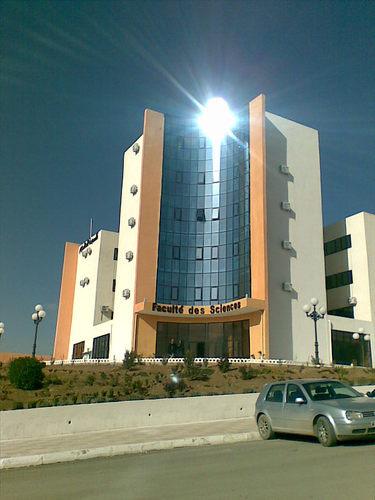
University Sétif 1 FERHAT ABBAS Faculty of Sciences
Détail de l'auteur
Auteur Y. Messaoudi |
Documents disponibles écrits par cet auteur


 Ajouter le résultat dans votre panier Affiner la recherche
Analysis of the Properties of Composite Materials by Atomic Force MicroscopyAnalysis of the Properties of Composite Materials by Atomic Force Microscopy / Khalissa Kara
Titre : Analysis of the Properties of Composite Materials by Atomic Force MicroscopyAnalysis of the Properties of Composite Materials by Atomic Force Microscopy Type de document : document électronique Auteurs : Khalissa Kara, Auteur ; Dina Ferdi, Auteur ; Y. Messaoudi, Directeur de thèse Editeur : Setif:UFA Année de publication : 2025 Importance : 1vol. (72 f.) Catégories : Thèses & Mémoires:Chimie Mots-clés : Composite Materials
Atomic Force
MicroscopyAnalysisRésumé : In recent years, the automotive industry, particularly tire manufacturing, has experienced significant development and transformation from a simple rubber strip to a complex system composed of dozens of different materials. This complexity aims to significantly enhance tire performance, with a focus on increasing longevity, durability, and adaptability to various operational conditions. These improvements require a detailed study of the materials used and their manufacturing processes.
In this study investigate the effect of carbon black with different grades on the rheological, mechanical and physical properties of rubber blend SBR/NR.
Carbon black is widely used as a reinforcing filler in rubber composites, enhancing their properties. The grades added and chosen for the various formulations of rubber compounds are N234, N375, N660.
The study evaluates how these three specific grades influence key properties such as tensile strength, elongation at break, hardness, abrasion resistance.Note de contenu : Table of Contents
List of abbreviations................................................
List of figures...........................................................
List of tables................................................................
General Introduction...........................................................................1
References.....................................................................................4
Chapter I: Polymers
I.1.Polymers.................................................................................5
I.1.1. Definition..................................................................................5
I.1.2. Applications.......................................................................5
I.1.3. Polymer classification................................................................6
I.1.3.1. Thermosetting Polymers................................................................6
I.1.3.2. Thermoplastic Polymers............................................................7
I.1.3.3. Elastomers (Cross-linked Polymers) ...................................................8
I.2. Rubber..................................................................................9
I.2.1. Definition.........................................................................9
I.2.2. Types...............................................................................9
I.2.2.1. Natural rubber (NR) ............................................................9
I.2.2.1. Natural rubber (NR)rubber..........................................................11
I.2.4. Rubber Vulcanization..........................................................................12
I.2.4.1. Vulcanization based on sulfur.............................................................12
I.3. Pneumatic ..................................................................................... 13
I.3.1. Introduction.............................................................................. 13
I.3.2. History...................................................................................... 13
I.3.3.The main layers of a tire.........................................................................14
I.3.4. Explanation of Tire Markings................................................................ 16
I.3.5. Rubber additives............................................................................17
I.3.5.1.Fillers......................................................................................17
I.3.5.2. Accelerators...............................................................................20
I.3.5.3. Activators.................................................................................20
I.3.5.4. Antidegradents...............................................................................20
I.3.6. Impact on the environment and health..........................................................21
I.3.6.1. Environmental concerns.......................................................................21
I.3.6.2. Health concerns............................................................................21
References.............................................................................23
Chapter II: Materials and Methods
II.1. Compound Preparation (Mixing Process) .....................................................26
II.1.1.Cleaning batch.............................................................................28
II.1.2.Master batch................................................................................28
II.1.3.Final batch............................................................................30
II.1.4.Vulcanization...................................................................31
II.1.5.Testing.................................................................................32
II.2.Quality control tests.......................................................................32
II.2.1.Mooney viscosity...................................................................32
II.2.2.Rheometer........................................................................34
II.2.3.Tensile..........................................................................36
II.2.4.Dispersion....................................................................38
II.3.The Invention of AFM...........................................40
II.4.Principle of AFM........................................................41
II.5.The Force-Distance Curve................................................................42
II.6.AFM Measurement Modes.......................................................43
II.6.1.Short-Distance Force Measurement....................................................43
II.6.1.a) Contact Mode...........................................................................43
II.6.2.Long-Distance Force Measurement...................................................44
II.6.2.a) Tapping Mode (AC Mode) ........................................................45
II.6.2.b) AMFM..........................................................................45
References.....................................................................47
Chapter III: Results and Discussion
III.1 Mechanical characterizations.....................................................................48
III.1.1 Mooney Viscosity First and Final Stage........................................................48
III.1.2. Rheometric Properties..................................................................50
III.1.3.Tensile Properties...........................................................................53
III.1.4.Hardness Shore A.............................................................57
III.1.5.Dispersion Analysis.......................................................................59
III.2 Microscopy analysis by AFM....................................................63
III.2.1 Detection of CB in Rubber surface by AFM.....................................64
III.2.2. CB dispersion on Rubber surface........................................................67
References.................................................................................71
General conclusion.....................................................................................72Côte titre : MACH/0377 Analysis of the Properties of Composite Materials by Atomic Force MicroscopyAnalysis of the Properties of Composite Materials by Atomic Force Microscopy [document électronique] / Khalissa Kara, Auteur ; Dina Ferdi, Auteur ; Y. Messaoudi, Directeur de thèse . - [S.l.] : Setif:UFA, 2025 . - 1vol. (72 f.).
Catégories : Thèses & Mémoires:Chimie Mots-clés : Composite Materials
Atomic Force
MicroscopyAnalysisRésumé : In recent years, the automotive industry, particularly tire manufacturing, has experienced significant development and transformation from a simple rubber strip to a complex system composed of dozens of different materials. This complexity aims to significantly enhance tire performance, with a focus on increasing longevity, durability, and adaptability to various operational conditions. These improvements require a detailed study of the materials used and their manufacturing processes.
In this study investigate the effect of carbon black with different grades on the rheological, mechanical and physical properties of rubber blend SBR/NR.
Carbon black is widely used as a reinforcing filler in rubber composites, enhancing their properties. The grades added and chosen for the various formulations of rubber compounds are N234, N375, N660.
The study evaluates how these three specific grades influence key properties such as tensile strength, elongation at break, hardness, abrasion resistance.Note de contenu : Table of Contents
List of abbreviations................................................
List of figures...........................................................
List of tables................................................................
General Introduction...........................................................................1
References.....................................................................................4
Chapter I: Polymers
I.1.Polymers.................................................................................5
I.1.1. Definition..................................................................................5
I.1.2. Applications.......................................................................5
I.1.3. Polymer classification................................................................6
I.1.3.1. Thermosetting Polymers................................................................6
I.1.3.2. Thermoplastic Polymers............................................................7
I.1.3.3. Elastomers (Cross-linked Polymers) ...................................................8
I.2. Rubber..................................................................................9
I.2.1. Definition.........................................................................9
I.2.2. Types...............................................................................9
I.2.2.1. Natural rubber (NR) ............................................................9
I.2.2.1. Natural rubber (NR)rubber..........................................................11
I.2.4. Rubber Vulcanization..........................................................................12
I.2.4.1. Vulcanization based on sulfur.............................................................12
I.3. Pneumatic ..................................................................................... 13
I.3.1. Introduction.............................................................................. 13
I.3.2. History...................................................................................... 13
I.3.3.The main layers of a tire.........................................................................14
I.3.4. Explanation of Tire Markings................................................................ 16
I.3.5. Rubber additives............................................................................17
I.3.5.1.Fillers......................................................................................17
I.3.5.2. Accelerators...............................................................................20
I.3.5.3. Activators.................................................................................20
I.3.5.4. Antidegradents...............................................................................20
I.3.6. Impact on the environment and health..........................................................21
I.3.6.1. Environmental concerns.......................................................................21
I.3.6.2. Health concerns............................................................................21
References.............................................................................23
Chapter II: Materials and Methods
II.1. Compound Preparation (Mixing Process) .....................................................26
II.1.1.Cleaning batch.............................................................................28
II.1.2.Master batch................................................................................28
II.1.3.Final batch............................................................................30
II.1.4.Vulcanization...................................................................31
II.1.5.Testing.................................................................................32
II.2.Quality control tests.......................................................................32
II.2.1.Mooney viscosity...................................................................32
II.2.2.Rheometer........................................................................34
II.2.3.Tensile..........................................................................36
II.2.4.Dispersion....................................................................38
II.3.The Invention of AFM...........................................40
II.4.Principle of AFM........................................................41
II.5.The Force-Distance Curve................................................................42
II.6.AFM Measurement Modes.......................................................43
II.6.1.Short-Distance Force Measurement....................................................43
II.6.1.a) Contact Mode...........................................................................43
II.6.2.Long-Distance Force Measurement...................................................44
II.6.2.a) Tapping Mode (AC Mode) ........................................................45
II.6.2.b) AMFM..........................................................................45
References.....................................................................47
Chapter III: Results and Discussion
III.1 Mechanical characterizations.....................................................................48
III.1.1 Mooney Viscosity First and Final Stage........................................................48
III.1.2. Rheometric Properties..................................................................50
III.1.3.Tensile Properties...........................................................................53
III.1.4.Hardness Shore A.............................................................57
III.1.5.Dispersion Analysis.......................................................................59
III.2 Microscopy analysis by AFM....................................................63
III.2.1 Detection of CB in Rubber surface by AFM.....................................64
III.2.2. CB dispersion on Rubber surface........................................................67
References.................................................................................71
General conclusion.....................................................................................72Côte titre : MACH/0377 Exemplaires (1)
Code-barres Cote Support Localisation Section Disponibilité MACH/0377 MACH/0377 Mémoire Bibliothèque des sciences Anglais Disponible
DisponibleElaboration des électrodes électrocatalytique à la réaction de dégagement d’hydrogène / Samra Mechhoud

Titre : Elaboration des électrodes électrocatalytique à la réaction de dégagement d’hydrogène Type de document : texte imprimé Auteurs : Samra Mechhoud ; Rania Adjal ; Y. Messaoudi, Directeur de thèse Editeur : Sétif:UFA1 Année de publication : 2023 Importance : 1 vol. (51 f.) Format : 29 cm Langues : Français (fre) Catégories : Thèses & Mémoires:Chimie Mots-clés : Réaction de dégagement d’hydrogène électrodes Ni-P Impédance électrochimique (SIE Surface électrochimique active Résumé : L’élaboration des électrocatalyseurs performants et économiques pour le processus de l’électrolyse de l'eau est très importante pour la production d'énergie hydrogène car elle est devenue l'une des défis les plus importants de ces dernières années. Ici, diverses nanostructures en couches minces de Ni-P en appliquant différentes densités de courant,
-10 ; -50 -100 et -150 mA/cm², ont été fabriquée par électrodéposition qui représente une méthode économique, polyvalente , l’activité électrocatalytique des divers échantillons pour la réaction de dégagement d'hydrogène (HER) était étudiée dans un milieu alcalin. Afin d'obtenir une surface électrochimique active élevée (ECSA) grâce à la fabrication des nanostructures à la surface des dépôts, nous avons utilisé plusieurs techniques pour analyser les différentes propriétés des échantillons qui montrent une excellente activité électrocatalytique. Afin de fournir la plus grande ECSA conduisant à la meilleure activité électrocatalytique pour le processus de la HER, pour ce faire, la morphologie de l'alliage doit être améliorée, ce que nous avons pu réaliser grâce aux modifications multiples que nous avons apportées au procédé de dépôt électrochimique. le test de stabilité a montré qu'après 2 h d'électrolyse à une densité de courant de -150 mA/cm², la valeur du potentiel augmente légèrement indiquant que l'échantillon d'alliage obtenu avait une excellente stabilité électrostatique =The synthesis of high performance and economical electrocatalysts in the process of overall water splitting is very important for the production of hydrogen energy and has become one of the most important challenges in recent years. Here, various Ni-P with current densities of -10 ; -50,-100 and -150 mA/cm², nano structures were created using cost-effective, versatile electrochemical deposition method, and the electrocatalytic activity of various samles for hydrogen evolution reaction (HER) were investigated in alkaline environment. In order to achieve high electrochemical active surface area (ECSA) due to the development of nanostructures on the surface, we used multiple techniques to analyse the samples different properties which showed excellent electrocatalytic activity. In order to deliver the biggest ECSA leading to the best electrocatalitic activity for the HER processe, in order to do so, the alloy’s morphology had to be enhanced which we were able to achievethanks to the multiple changes we made the electrochemical deposition process the stability test showed that after 2h of electrolysis at a current density of -150 mA/cm², the potential value increases slightly indicating that the obtained alloy sample had excellent electrostatic stability to say the leastCôte titre : MACH/0303 En ligne : https://drive.google.com/file/d/1nR45XAJzMW0sUptldcCvDpo5Qi-mHQcQ/view?usp=drive [...] Format de la ressource électronique : Elaboration des électrodes électrocatalytique à la réaction de dégagement d’hydrogène [texte imprimé] / Samra Mechhoud ; Rania Adjal ; Y. Messaoudi, Directeur de thèse . - [S.l.] : Sétif:UFA1, 2023 . - 1 vol. (51 f.) ; 29 cm.
Langues : Français (fre)
Catégories : Thèses & Mémoires:Chimie Mots-clés : Réaction de dégagement d’hydrogène électrodes Ni-P Impédance électrochimique (SIE Surface électrochimique active Résumé : L’élaboration des électrocatalyseurs performants et économiques pour le processus de l’électrolyse de l'eau est très importante pour la production d'énergie hydrogène car elle est devenue l'une des défis les plus importants de ces dernières années. Ici, diverses nanostructures en couches minces de Ni-P en appliquant différentes densités de courant,
-10 ; -50 -100 et -150 mA/cm², ont été fabriquée par électrodéposition qui représente une méthode économique, polyvalente , l’activité électrocatalytique des divers échantillons pour la réaction de dégagement d'hydrogène (HER) était étudiée dans un milieu alcalin. Afin d'obtenir une surface électrochimique active élevée (ECSA) grâce à la fabrication des nanostructures à la surface des dépôts, nous avons utilisé plusieurs techniques pour analyser les différentes propriétés des échantillons qui montrent une excellente activité électrocatalytique. Afin de fournir la plus grande ECSA conduisant à la meilleure activité électrocatalytique pour le processus de la HER, pour ce faire, la morphologie de l'alliage doit être améliorée, ce que nous avons pu réaliser grâce aux modifications multiples que nous avons apportées au procédé de dépôt électrochimique. le test de stabilité a montré qu'après 2 h d'électrolyse à une densité de courant de -150 mA/cm², la valeur du potentiel augmente légèrement indiquant que l'échantillon d'alliage obtenu avait une excellente stabilité électrostatique =The synthesis of high performance and economical electrocatalysts in the process of overall water splitting is very important for the production of hydrogen energy and has become one of the most important challenges in recent years. Here, various Ni-P with current densities of -10 ; -50,-100 and -150 mA/cm², nano structures were created using cost-effective, versatile electrochemical deposition method, and the electrocatalytic activity of various samles for hydrogen evolution reaction (HER) were investigated in alkaline environment. In order to achieve high electrochemical active surface area (ECSA) due to the development of nanostructures on the surface, we used multiple techniques to analyse the samples different properties which showed excellent electrocatalytic activity. In order to deliver the biggest ECSA leading to the best electrocatalitic activity for the HER processe, in order to do so, the alloy’s morphology had to be enhanced which we were able to achievethanks to the multiple changes we made the electrochemical deposition process the stability test showed that after 2h of electrolysis at a current density of -150 mA/cm², the potential value increases slightly indicating that the obtained alloy sample had excellent electrostatic stability to say the leastCôte titre : MACH/0303 En ligne : https://drive.google.com/file/d/1nR45XAJzMW0sUptldcCvDpo5Qi-mHQcQ/view?usp=drive [...] Format de la ressource électronique : Exemplaires (1)
Code-barres Cote Support Localisation Section Disponibilité MACH/0303 MACH/0303 Mémoire Bibliothèque des sciences Français Disponible
Disponible