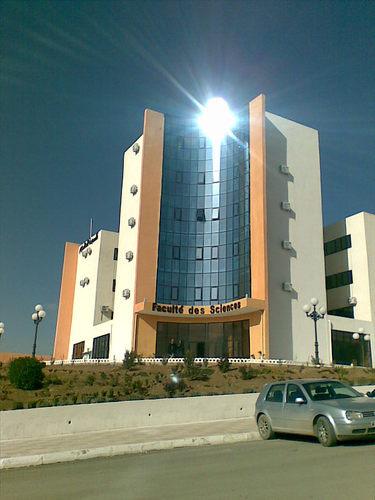
University Sétif 1 FERHAT ABBAS Faculty of Sciences
Détail de l'auteur
Auteur Salim Houamer |
Documents disponibles écrits par cet auteur


 Ajouter le résultat dans votre panier Affiner la recherche
Electron Impact Ionization of atoms and molecules: Role of post collision interaction and distortion effects / Ayoub Tamin
Titre : Electron Impact Ionization of atoms and molecules: Role of post collision interaction and distortion effects Type de document : document électronique Auteurs : Ayoub Tamin, Auteur ; Salim Houamer, Directeur de thèse Editeur : Sétif:UFA1 Année de publication : 2025 Importance : 1 vol (102 f.) Format : 29 cm Langues : Anglais (eng) Catégories : Thèses & Mémoires:Physique Mots-clés : Ionization
Electron impact
Distortion effectsIndex. décimale : 530 - Physique Résumé :
The electron impact ionization of atoms and molecules at intermediate and low impact energies
is investigated using a theoretical approach named 3CWZ/M3CWZ. In this model,
which takes into account exchange effects and post collision interaction, the continuum
electrons (incident, scattered and ejected) are all described by a Coulomb wave that correspond
to distance dependent charges generated from the target properties, this variable
charge approach mimics the distortion effects in an approximate manner.Note de contenu : Sommaire
Introduction 1
Bibliography . . . . . . . . . . . . . . . . . . . . . . . . . . . . . . . . . . . . . 4
1 Theoretical Background and Advancements in Ionization Theory 6
1.1 Scattering Theory . . . . . . . . . . . . . . . . . . . . . . . . . . . . . . . . 7
1.1.1 Born Approximation . . . . . . . . . . . . . . . . . . . . . . . . . . 9
1.1.2 Partial wave analysis . . . . . . . . . . . . . . . . . . . . . . . . . . 10
1.2 Ionization theory . . . . . . . . . . . . . . . . . . . . . . . . . . . . . . . . 11
1.2.1 Description of (e,2e) reaction . . . . . . . . . . . . . . . . . . . . . 11
1.3 Geometries and kinematics . . . . . . . . . . . . . . . . . . . . . . . . . . . 12
1.3.1 Experimental techniques . . . . . . . . . . . . . . . . . . . . . . . . 12
1.3.2 Geometries . . . . . . . . . . . . . . . . . . . . . . . . . . . . . . . 13
1.4 Potentials and interactions . . . . . . . . . . . . . . . . . . . . . . . . . . . 15
1.4.1 Coulomb interaction . . . . . . . . . . . . . . . . . . . . . . . . . . 15
1.4.2 Distortion Potential . . . . . . . . . . . . . . . . . . . . . . . . . . . 17
1.4.3 Correlation and Polarization: . . . . . . . . . . . . . . . . . . . . . 18
1.4.4 Post Collisional Interactions: . . . . . . . . . . . . . . . . . . . . . . 18
1.5 Differential Cross Sections . . . . . . . . . . . . . . . . . . . . . . . . . . . 19
1.5.1 Single Differential Cross Section: . . . . . . . . . . . . . . . . . . . 19
1.5.2 Doubly Differential Cross Section: . . . . . . . . . . . . . . . . . . . 20
1.5.3 Triply Differential Cross Section: . . . . . . . . . . . . . . . . . . . 20
1.6 Theoretical Models . . . . . . . . . . . . . . . . . . . . . . . . . . . . . . . 20
1.6.1 The Plane Wave Born Approximation: . . . . . . . . . . . . . . . . 20
1.6.2 The Distorted Wave Born Approximation . . . . . . . . . . . . . . 21
1.6.3 Brauner, Briggs, and Klar (BBK) Model: . . . . . . . . . . . . . . . 22
1.6.4 Three-Body Distorted Wave: . . . . . . . . . . . . . . . . . . . . . . 23
1.6.5 Molecular 3-Body Distorted Wave: . . . . . . . . . . . . . . . . . . 23
1.6.6 Multicenter Three-Distorted-Wave approach: . . . . . . . . . . . . . 26
1.6.7 The Generalized Sturmian Function Approach (GSF): . . . . . . . . 27
1.7 Target wave functions . . . . . . . . . . . . . . . . . . . . . . . . . . . . . 28
1.7.1 For atoms . . . . . . . . . . . . . . . . . . . . . . . . . . . . . . . . 28
1.7.2 For molecules . . . . . . . . . . . . . . . . . . . . . . . . . . . . . . 29
1.8 SUMMARY . . . . . . . . . . . . . . . . . . . . . . . . . . . . . . . . . . . 30
Bibliography . . . . . . . . . . . . . . . . . . . . . . . . . . . . . . . . . . . . . 31
2 The 3CWZ and M3CWZ models 34
2.1 Introduction . . . . . . . . . . . . . . . . . . . . . . . . . . . . . . . . . . . 34
2.2 Asymptotic charge models . . . . . . . . . . . . . . . . . . . . . . . . . . . 35
2.2.1 1-Coulomb wave 1CW . . . . . . . . . . . . . . . . . . . . . . . . . 35
2.2.2 BBK model . . . . . . . . . . . . . . . . . . . . . . . . . . . . . . . 36
2.3 The concept of variable charge . . . . . . . . . . . . . . . . . . . . . . . . . 40
2.3.1 Variable charge as a distortion approximation . . . . . . . . . . . . 42
2.4 Previous theoretical models . . . . . . . . . . . . . . . . . . . . . . . . . . 43
2.4.1 BBK2CWZ model . . . . . . . . . . . . . . . . . . . . . . . . . . . 43
2.5 Three coulomb waves with a variable charge model 3CWZ . . . . . . . . . 45
2.6 Molecular three coulomb waves with a variable charge model M3CWZ . . . 46
2.7 Conclusion . . . . . . . . . . . . . . . . . . . . . . . . . . . . . . . . . . . . 47
Bibliography . . . . . . . . . . . . . . . . . . . . . . . . . . . . . . . . . . . . . 49
3 Application on Atoms: Argon and Neon 51
3.1 Introduction . . . . . . . . . . . . . . . . . . . . . . . . . . . . . . . . . . . 51
3.2 Neon . . . . . . . . . . . . . . . . . . . . . . . . . . . . . . . . . . . . . . . 51
3.2.1 Target wave function and variable charge . . . . . . . . . . . . . . . 52
3.2.2 Results and Discussion . . . . . . . . . . . . . . . . . . . . . . . . . 53
3.3 Argon . . . . . . . . . . . . . . . . . . . . . . . . . . . . . . . . . . . . . . 56
3.3.1 Target wave function and variable charge . . . . . . . . . . . . . . . 57
3.3.2 Results and discussion . . . . . . . . . . . . . . . . . . . . . . . . . 59
3.4 Conclusion . . . . . . . . . . . . . . . . . . . . . . . . . . . . . . . . . . . . 63
Bibliography . . . . . . . . . . . . . . . . . . . . . . . . . . . . . . . . . . . . . 64
4 Electron-impact ionization of water molecule 65
4.1 Introduction . . . . . . . . . . . . . . . . . . . . . . . . . . . . . . . . . . . 65
4.2 Importance of water molecules . . . . . . . . . . . . . . . . . . . . . . . . . 66
4.3 Theoretical description of the water molecule . . . . . . . . . . . . . . . . . 66
4.4 Theoretical model . . . . . . . . . . . . . . . . . . . . . . . . . . . . . . . . 70
4.5 Results and discussions . . . . . . . . . . . . . . . . . . . . . . . . . . . . . 71
4.6 Ongoing work: developing a hybrid approach . . . . . . . . . . . . . . . . . 81
4.6.1 Theory . . . . . . . . . . . . . . . . . . . . . . . . . . . . . . . . . . 82
4.7 Conclusion . . . . . . . . . . . . . . . . . . . . . . . . . . . . . . . . . . . . 84
Bibliography . . . . . . . . . . . . . . . . . . . . . . . . . . . . . . . . . . . . . 86
5 Electron-Impact Ionization of the Methane Molecule 89
5.1 Introduction . . . . . . . . . . . . . . . . . . . . . . . . . . . . . . . . . . . 89
5.2 Theoretical description of the methane molecule . . . . . . . . . . . . . . . 90
5.2.1 The wave function . . . . . . . . . . . . . . . . . . . . . . . . . . . 90
5.2.2 Variable charge . . . . . . . . . . . . . . . . . . . . . . . . . . . . . 91
5.3 Results and discussions . . . . . . . . . . . . . . . . . . . . . . . . . . . . . 92
5.4 Conclusion . . . . . . . . . . . . . . . . . . . . . . . . . . . . . . . . . . . . 98
Bibliography . . . . . . . . . . . . . . . . . . . . . . . . . . . . . . . . . . . . . 99
Conclusion 100Côte titre : Dph/0326 Electron Impact Ionization of atoms and molecules: Role of post collision interaction and distortion effects [document électronique] / Ayoub Tamin, Auteur ; Salim Houamer, Directeur de thèse . - [S.l.] : Sétif:UFA1, 2025 . - 1 vol (102 f.) ; 29 cm.
Langues : Anglais (eng)
Catégories : Thèses & Mémoires:Physique Mots-clés : Ionization
Electron impact
Distortion effectsIndex. décimale : 530 - Physique Résumé :
The electron impact ionization of atoms and molecules at intermediate and low impact energies
is investigated using a theoretical approach named 3CWZ/M3CWZ. In this model,
which takes into account exchange effects and post collision interaction, the continuum
electrons (incident, scattered and ejected) are all described by a Coulomb wave that correspond
to distance dependent charges generated from the target properties, this variable
charge approach mimics the distortion effects in an approximate manner.Note de contenu : Sommaire
Introduction 1
Bibliography . . . . . . . . . . . . . . . . . . . . . . . . . . . . . . . . . . . . . 4
1 Theoretical Background and Advancements in Ionization Theory 6
1.1 Scattering Theory . . . . . . . . . . . . . . . . . . . . . . . . . . . . . . . . 7
1.1.1 Born Approximation . . . . . . . . . . . . . . . . . . . . . . . . . . 9
1.1.2 Partial wave analysis . . . . . . . . . . . . . . . . . . . . . . . . . . 10
1.2 Ionization theory . . . . . . . . . . . . . . . . . . . . . . . . . . . . . . . . 11
1.2.1 Description of (e,2e) reaction . . . . . . . . . . . . . . . . . . . . . 11
1.3 Geometries and kinematics . . . . . . . . . . . . . . . . . . . . . . . . . . . 12
1.3.1 Experimental techniques . . . . . . . . . . . . . . . . . . . . . . . . 12
1.3.2 Geometries . . . . . . . . . . . . . . . . . . . . . . . . . . . . . . . 13
1.4 Potentials and interactions . . . . . . . . . . . . . . . . . . . . . . . . . . . 15
1.4.1 Coulomb interaction . . . . . . . . . . . . . . . . . . . . . . . . . . 15
1.4.2 Distortion Potential . . . . . . . . . . . . . . . . . . . . . . . . . . . 17
1.4.3 Correlation and Polarization: . . . . . . . . . . . . . . . . . . . . . 18
1.4.4 Post Collisional Interactions: . . . . . . . . . . . . . . . . . . . . . . 18
1.5 Differential Cross Sections . . . . . . . . . . . . . . . . . . . . . . . . . . . 19
1.5.1 Single Differential Cross Section: . . . . . . . . . . . . . . . . . . . 19
1.5.2 Doubly Differential Cross Section: . . . . . . . . . . . . . . . . . . . 20
1.5.3 Triply Differential Cross Section: . . . . . . . . . . . . . . . . . . . 20
1.6 Theoretical Models . . . . . . . . . . . . . . . . . . . . . . . . . . . . . . . 20
1.6.1 The Plane Wave Born Approximation: . . . . . . . . . . . . . . . . 20
1.6.2 The Distorted Wave Born Approximation . . . . . . . . . . . . . . 21
1.6.3 Brauner, Briggs, and Klar (BBK) Model: . . . . . . . . . . . . . . . 22
1.6.4 Three-Body Distorted Wave: . . . . . . . . . . . . . . . . . . . . . . 23
1.6.5 Molecular 3-Body Distorted Wave: . . . . . . . . . . . . . . . . . . 23
1.6.6 Multicenter Three-Distorted-Wave approach: . . . . . . . . . . . . . 26
1.6.7 The Generalized Sturmian Function Approach (GSF): . . . . . . . . 27
1.7 Target wave functions . . . . . . . . . . . . . . . . . . . . . . . . . . . . . 28
1.7.1 For atoms . . . . . . . . . . . . . . . . . . . . . . . . . . . . . . . . 28
1.7.2 For molecules . . . . . . . . . . . . . . . . . . . . . . . . . . . . . . 29
1.8 SUMMARY . . . . . . . . . . . . . . . . . . . . . . . . . . . . . . . . . . . 30
Bibliography . . . . . . . . . . . . . . . . . . . . . . . . . . . . . . . . . . . . . 31
2 The 3CWZ and M3CWZ models 34
2.1 Introduction . . . . . . . . . . . . . . . . . . . . . . . . . . . . . . . . . . . 34
2.2 Asymptotic charge models . . . . . . . . . . . . . . . . . . . . . . . . . . . 35
2.2.1 1-Coulomb wave 1CW . . . . . . . . . . . . . . . . . . . . . . . . . 35
2.2.2 BBK model . . . . . . . . . . . . . . . . . . . . . . . . . . . . . . . 36
2.3 The concept of variable charge . . . . . . . . . . . . . . . . . . . . . . . . . 40
2.3.1 Variable charge as a distortion approximation . . . . . . . . . . . . 42
2.4 Previous theoretical models . . . . . . . . . . . . . . . . . . . . . . . . . . 43
2.4.1 BBK2CWZ model . . . . . . . . . . . . . . . . . . . . . . . . . . . 43
2.5 Three coulomb waves with a variable charge model 3CWZ . . . . . . . . . 45
2.6 Molecular three coulomb waves with a variable charge model M3CWZ . . . 46
2.7 Conclusion . . . . . . . . . . . . . . . . . . . . . . . . . . . . . . . . . . . . 47
Bibliography . . . . . . . . . . . . . . . . . . . . . . . . . . . . . . . . . . . . . 49
3 Application on Atoms: Argon and Neon 51
3.1 Introduction . . . . . . . . . . . . . . . . . . . . . . . . . . . . . . . . . . . 51
3.2 Neon . . . . . . . . . . . . . . . . . . . . . . . . . . . . . . . . . . . . . . . 51
3.2.1 Target wave function and variable charge . . . . . . . . . . . . . . . 52
3.2.2 Results and Discussion . . . . . . . . . . . . . . . . . . . . . . . . . 53
3.3 Argon . . . . . . . . . . . . . . . . . . . . . . . . . . . . . . . . . . . . . . 56
3.3.1 Target wave function and variable charge . . . . . . . . . . . . . . . 57
3.3.2 Results and discussion . . . . . . . . . . . . . . . . . . . . . . . . . 59
3.4 Conclusion . . . . . . . . . . . . . . . . . . . . . . . . . . . . . . . . . . . . 63
Bibliography . . . . . . . . . . . . . . . . . . . . . . . . . . . . . . . . . . . . . 64
4 Electron-impact ionization of water molecule 65
4.1 Introduction . . . . . . . . . . . . . . . . . . . . . . . . . . . . . . . . . . . 65
4.2 Importance of water molecules . . . . . . . . . . . . . . . . . . . . . . . . . 66
4.3 Theoretical description of the water molecule . . . . . . . . . . . . . . . . . 66
4.4 Theoretical model . . . . . . . . . . . . . . . . . . . . . . . . . . . . . . . . 70
4.5 Results and discussions . . . . . . . . . . . . . . . . . . . . . . . . . . . . . 71
4.6 Ongoing work: developing a hybrid approach . . . . . . . . . . . . . . . . . 81
4.6.1 Theory . . . . . . . . . . . . . . . . . . . . . . . . . . . . . . . . . . 82
4.7 Conclusion . . . . . . . . . . . . . . . . . . . . . . . . . . . . . . . . . . . . 84
Bibliography . . . . . . . . . . . . . . . . . . . . . . . . . . . . . . . . . . . . . 86
5 Electron-Impact Ionization of the Methane Molecule 89
5.1 Introduction . . . . . . . . . . . . . . . . . . . . . . . . . . . . . . . . . . . 89
5.2 Theoretical description of the methane molecule . . . . . . . . . . . . . . . 90
5.2.1 The wave function . . . . . . . . . . . . . . . . . . . . . . . . . . . 90
5.2.2 Variable charge . . . . . . . . . . . . . . . . . . . . . . . . . . . . . 91
5.3 Results and discussions . . . . . . . . . . . . . . . . . . . . . . . . . . . . . 92
5.4 Conclusion . . . . . . . . . . . . . . . . . . . . . . . . . . . . . . . . . . . . 98
Bibliography . . . . . . . . . . . . . . . . . . . . . . . . . . . . . . . . . . . . . 99
Conclusion 100Côte titre : Dph/0326 Exemplaires (1)
Code-barres Cote Support Localisation Section Disponibilité Dph/0326 Dph/0326 Thèse Bibliothèque des sciences Anglais Disponible
Disponible
Titre : ‘’Etude complète des effets de distorsions et de l’interaction post-collisionnelle dans les processus d’ionisation par impact d’électrons : ’’Application aux cibles atomiques’’ Type de document : document électronique Auteurs : Kawther Bechane, Auteur ; Salim Houamer, Directeur de thèse Editeur : Sétif:UFA1 Année de publication : 2025 Importance : 1 vol (83 f.) Format : 29 cm Langues : Français (fre) Catégories : Thèses & Mémoires:Physique Mots-clés : Distorsions et de l’interaction
Application aux cibles atomiquesIndex. décimale : 530 - Physique Note de contenu : Sommaire
Introduction générale v
1 Étude générale de la simple ionisation 1
1.1 Introduction . . . . . . . . . . . . . . . . . . . . . . . . . . . . . . . . . . . . . . . . . . 1
1.2 Description de l’interaction . . . . . . . . . . . . . . . . . . . . . . . . . . . . . . . . . 2
1.3 Section efficace . . . . . . . . . . . . . . . . . . . . . . . . . . . . . . . . . . . . . . . . 4
1.3.1 Amplitude de diffusion . . . . . . . . . . . . . . . . . . . . . . . . . . . . . . . 5
1.3.2 Approximation de Born . . . . . . . . . . . . . . . . . . . . . . . . . . . . . . . 6
1.4 Cinématique de la simple ionisation . . . . . . . . . . . . . . . . . . . . . . . . . . . 7
1.5 Géométrie asymétrique coplanaire . . . . . . . . . . . . . . . . . . . . . . . . . . . . 8
1.6 Notion de corrélation électronique . . . . . . . . . . . . . . . . . . . . . . . . . . . . 9
1.7 Fonction d’onde . . . . . . . . . . . . . . . . . . . . . . . . . . . . . . . . . . . . . . . . 9
1.7.1 Fonction d’onde de l’électron incident . . . . . . . . . . . . . . . . . . . . . . 11
1.7.2 Fonction d’onde de l’électron atomique . . . . . . . . . . . . . . . . . . . . . . 12
1.8 Types d’études (e,2e) . . . . . . . . . . . . . . . . . . . . . . . . . . . . . . . . . . . . . 14
1.8.1 Étude dynamique . . . . . . . . . . . . . . . . . . . . . . . . . . . . . . . . . . 14
1.8.2 Étude de structure . . . . . . . . . . . . . . . . . . . . . . . . . . . . . . . . . . 14
1.9 Conclusion . . . . . . . . . . . . . . . . . . . . . . . . . . . . . . . . . . . . . . . . . . . 15
2 Quelques approximations et modèles théoriques 16
2.1 Introduction . . . . . . . . . . . . . . . . . . . . . . . . . . . . . . . . . . . . . . . . . . 16
2.2 Etude des états liés et du continuum des systèmes atomiques . . . . . . . . . . . . 17
2.3 Description de l’état initial . . . . . . . . . . . . . . . . . . . . . . . . . . . . . . . . . 17
2.4 Description de l’état final . . . . . . . . . . . . . . . . . . . . . . . . . . . . . . . . . . 22
2.4.1 L’approximation de Born aux ondes plane (PWBA) . . . . . . . . . . . . . . 22
2.4.2 L’approximation de Born aux ondes coulombienne (CWBA) . . . . . . . . . 22
2.4.3 L’approximation de Born aux ondes distordue (DWBA) . . . . . . . . . . . 23
2.4.4 Modèle des ondes distordues (3DW) . . . . . . . . . . . . . . . . . . . . . . . 24
2.4.5 Modèle de l’onde distordue (1DW) . . . . . . . . . . . . . . . . . . . . . . . . 24
2.4.6 Modèle de Brauner, Briggs et Klar (BBK) . . . . . . . . . . . . . . . . . . . . 25
2.4.7 Méthode de la matrice R (RM) . . . . . . . . . . . . . . . . . . . . . . . . . . 26
2.5 Conclusion . . . . . . . . . . . . . . . . . . . . . . . . . . . . . . . . . . . . . . . . . . . 27
3 Étude des effets de distorsion 28
3.1 Introduction . . . . . . . . . . . . . . . . . . . . . . . . . . . . . . . . . . . . . . . . . . 28
3.2 Approximation de la charge variable . . . . . . . . . . . . . . . . . . . . . . . . . . . 29
3.3 Calcul de la charge variable de quelques atomes . . . . . . . . . . . . . . . . . . . . 30
3.3.1 Hélium . . . . . . . . . . . . . . . . . . . . . . . . . . . . . . . . . . . . . . . . . 30
3.3.2 Néon . . . . . . . . . . . . . . . . . . . . . . . . . . . . . . . . . . . . . . . . . . 31
3.3.3 Argon . . . . . . . . . . . . . . . . . . . . . . . . . . . . . . . . . . . . . . . . . 31
3.4 Calcul de la charge variable de quelques molécules . . . . . . . . . . . . . . . . . . 32
3.5 Modèles approximés de distorsion . . . . . . . . . . . . . . . . . . . . . . . . . . . . . 35
3.6 Validité du modèle (BBK2CWZ) . . . . . . . . . . . . . . . . . . . . . . . . . . . . . 39
3.7 Résultats et discussion . . . . . . . . . . . . . . . . . . . . . . . . . . . . . . . . . . . 39
3.7.1 Application à l’atome de Néon . . . . . . . . . . . . . . . . . . . . . . . . . . . 40
3.7.2 Application à l’atome de l’Argon . . . . . . . . . . . . . . . . . . . . . . . . . . 41
3.8 Conclusion . . . . . . . . . . . . . . . . . . . . . . . . . . . . . . . . . . . . . . . . . . . 46
4 Le modèle (3CWZ) résultats et discussions 47
4.1 introduction . . . . . . . . . . . . . . . . . . . . . . . . . . . . . . . . . . . . . . . . . . 47
4.2 Description de l’interaction . . . . . . . . . . . . . . . . . . . . . . . . . . . . . . . . . 48
4.3 Résultats et discussion . . . . . . . . . . . . . . . . . . . . . . . . . . . . . . . . . . . 51
4.4 Conclusion . . . . . . . . . . . . . . . . . . . . . . . . . . . . . . . . . . . . . . . . . . . 58
Conclusion générale 59
A Orbitales atomiques 61
B Amplitude de diffusion dans le modèle (BBK) 63
C Effets d’échange 66
D Calcul de la charge variable 70Côte titre : Dph/0324 ‘’Etude complète des effets de distorsions et de l’interaction post-collisionnelle dans les processus d’ionisation par impact d’électrons : ’’Application aux cibles atomiques’’ [document électronique] / Kawther Bechane, Auteur ; Salim Houamer, Directeur de thèse . - [S.l.] : Sétif:UFA1, 2025 . - 1 vol (83 f.) ; 29 cm.
Langues : Français (fre)
Catégories : Thèses & Mémoires:Physique Mots-clés : Distorsions et de l’interaction
Application aux cibles atomiquesIndex. décimale : 530 - Physique Note de contenu : Sommaire
Introduction générale v
1 Étude générale de la simple ionisation 1
1.1 Introduction . . . . . . . . . . . . . . . . . . . . . . . . . . . . . . . . . . . . . . . . . . 1
1.2 Description de l’interaction . . . . . . . . . . . . . . . . . . . . . . . . . . . . . . . . . 2
1.3 Section efficace . . . . . . . . . . . . . . . . . . . . . . . . . . . . . . . . . . . . . . . . 4
1.3.1 Amplitude de diffusion . . . . . . . . . . . . . . . . . . . . . . . . . . . . . . . 5
1.3.2 Approximation de Born . . . . . . . . . . . . . . . . . . . . . . . . . . . . . . . 6
1.4 Cinématique de la simple ionisation . . . . . . . . . . . . . . . . . . . . . . . . . . . 7
1.5 Géométrie asymétrique coplanaire . . . . . . . . . . . . . . . . . . . . . . . . . . . . 8
1.6 Notion de corrélation électronique . . . . . . . . . . . . . . . . . . . . . . . . . . . . 9
1.7 Fonction d’onde . . . . . . . . . . . . . . . . . . . . . . . . . . . . . . . . . . . . . . . . 9
1.7.1 Fonction d’onde de l’électron incident . . . . . . . . . . . . . . . . . . . . . . 11
1.7.2 Fonction d’onde de l’électron atomique . . . . . . . . . . . . . . . . . . . . . . 12
1.8 Types d’études (e,2e) . . . . . . . . . . . . . . . . . . . . . . . . . . . . . . . . . . . . . 14
1.8.1 Étude dynamique . . . . . . . . . . . . . . . . . . . . . . . . . . . . . . . . . . 14
1.8.2 Étude de structure . . . . . . . . . . . . . . . . . . . . . . . . . . . . . . . . . . 14
1.9 Conclusion . . . . . . . . . . . . . . . . . . . . . . . . . . . . . . . . . . . . . . . . . . . 15
2 Quelques approximations et modèles théoriques 16
2.1 Introduction . . . . . . . . . . . . . . . . . . . . . . . . . . . . . . . . . . . . . . . . . . 16
2.2 Etude des états liés et du continuum des systèmes atomiques . . . . . . . . . . . . 17
2.3 Description de l’état initial . . . . . . . . . . . . . . . . . . . . . . . . . . . . . . . . . 17
2.4 Description de l’état final . . . . . . . . . . . . . . . . . . . . . . . . . . . . . . . . . . 22
2.4.1 L’approximation de Born aux ondes plane (PWBA) . . . . . . . . . . . . . . 22
2.4.2 L’approximation de Born aux ondes coulombienne (CWBA) . . . . . . . . . 22
2.4.3 L’approximation de Born aux ondes distordue (DWBA) . . . . . . . . . . . 23
2.4.4 Modèle des ondes distordues (3DW) . . . . . . . . . . . . . . . . . . . . . . . 24
2.4.5 Modèle de l’onde distordue (1DW) . . . . . . . . . . . . . . . . . . . . . . . . 24
2.4.6 Modèle de Brauner, Briggs et Klar (BBK) . . . . . . . . . . . . . . . . . . . . 25
2.4.7 Méthode de la matrice R (RM) . . . . . . . . . . . . . . . . . . . . . . . . . . 26
2.5 Conclusion . . . . . . . . . . . . . . . . . . . . . . . . . . . . . . . . . . . . . . . . . . . 27
3 Étude des effets de distorsion 28
3.1 Introduction . . . . . . . . . . . . . . . . . . . . . . . . . . . . . . . . . . . . . . . . . . 28
3.2 Approximation de la charge variable . . . . . . . . . . . . . . . . . . . . . . . . . . . 29
3.3 Calcul de la charge variable de quelques atomes . . . . . . . . . . . . . . . . . . . . 30
3.3.1 Hélium . . . . . . . . . . . . . . . . . . . . . . . . . . . . . . . . . . . . . . . . . 30
3.3.2 Néon . . . . . . . . . . . . . . . . . . . . . . . . . . . . . . . . . . . . . . . . . . 31
3.3.3 Argon . . . . . . . . . . . . . . . . . . . . . . . . . . . . . . . . . . . . . . . . . 31
3.4 Calcul de la charge variable de quelques molécules . . . . . . . . . . . . . . . . . . 32
3.5 Modèles approximés de distorsion . . . . . . . . . . . . . . . . . . . . . . . . . . . . . 35
3.6 Validité du modèle (BBK2CWZ) . . . . . . . . . . . . . . . . . . . . . . . . . . . . . 39
3.7 Résultats et discussion . . . . . . . . . . . . . . . . . . . . . . . . . . . . . . . . . . . 39
3.7.1 Application à l’atome de Néon . . . . . . . . . . . . . . . . . . . . . . . . . . . 40
3.7.2 Application à l’atome de l’Argon . . . . . . . . . . . . . . . . . . . . . . . . . . 41
3.8 Conclusion . . . . . . . . . . . . . . . . . . . . . . . . . . . . . . . . . . . . . . . . . . . 46
4 Le modèle (3CWZ) résultats et discussions 47
4.1 introduction . . . . . . . . . . . . . . . . . . . . . . . . . . . . . . . . . . . . . . . . . . 47
4.2 Description de l’interaction . . . . . . . . . . . . . . . . . . . . . . . . . . . . . . . . . 48
4.3 Résultats et discussion . . . . . . . . . . . . . . . . . . . . . . . . . . . . . . . . . . . 51
4.4 Conclusion . . . . . . . . . . . . . . . . . . . . . . . . . . . . . . . . . . . . . . . . . . . 58
Conclusion générale 59
A Orbitales atomiques 61
B Amplitude de diffusion dans le modèle (BBK) 63
C Effets d’échange 66
D Calcul de la charge variable 70Côte titre : Dph/0324 Exemplaires (1)
Code-barres Cote Support Localisation Section Disponibilité Dph/0324 Dph/0324 Thèse Bibliothèque des sciences Français Disponible
Disponible
Titre : Etude théorique de la photo double ionisation de l’atome d’hélium : Rôle de la fonction d’onde de la cible et de l’interaction post-collisionnelle Type de document : document électronique Auteurs : Inas Djafri, Auteur ; Salim Houamer, Directeur de thèse Editeur : Setif:UFA Année de publication : 2025 Importance : 1 vol (42 f.) Format : 29 cm Langues : Français (fre) Catégories : Thèses & Mémoires:Physique Mots-clés : Photo doubleionisation
Interactionpost-collisionnelle
Corrélationélectro- niqueIndex. décimale : 530 - Physique Résumé :
Le mémoireétudiethéoriquementlaphotodoubleionisationdel’atomed’hélium,en
mettantenévidencelerôledelafonctiond’ondedelacibleetdesinteractionspost-
collisionnelles. Ilanalyselasensibilitédessectionsefficacesauxformulationsthéoriques
(forme vitesseetformelongueur).Desfonctionsd’ondevariéessonttestéespourmodéliser
l’état initial.L’étudeutiliselemodèle2CWGpourmieuxreprésenterlescorrélations
électroniques. Lesrésultatsobtenussontcomparésauxdonnéesexpérimentalesafinde
validerlesapprochesutilisées.Note de contenu : Sommaire
Tabledesfigures i
IntroductionGénérale 1
Bibliographie ..................................... 2
1 NOTIONSD’ÉLECTRODYNAMIQUE 3
1.1 Loisfondamentalesdel’électrodynamique................... 3
1.1.1 ÉquationsdeMaxwell(formedifférentielle).............. 3
1.1.2 Loiscomplémentaires.......................... 5
1.1.3 Relationsutiles............................. 6
1.1.4 Invariancedejauge:.......................... 9
Bibliographie ..................................... 12
2 Théoriegénéraledelaphotoionisation 13
2.1 Théoriedelaphotoionisation:......................... 14
2.1.1 Interactiond’uneondeélectromagnétiqueavecunatome:..... 14
2.1.2 Définitiongénéraledelasectionefficace................ 16
2.2 Laformelongueuretlaformevitessedelasectionefficace:........ 20
2.3 Photodoubleionisation (
; 2e) : ........................ 21
2.4 SectionefficacedelaPhotodoubleionisation:................ 21
2.5 Modèledel’ondecoulombienne:........................ 23
Bibliographie ..................................... 24
3 APPLICATIONAL’ATOMED’HELIUM 25
3.1 Étudecomparativeentrelaformevitesseetlaformelongueur:...... 26
3.1.1 Résultatsetdiscussion:........................ 28
3.2 Roledelafonctiond’onde:.......................... 30
3.2.1 Résultatsetdiscussion:........................ 33
3.3 Roledel’interactionpost-collisionnelle:................... 36
3.3.1 Résultatsetdiscussion:........................ 36
Bibliographie ..................................... 40
Conclusion Générale 41
A Hamiltoniend’interactionentreunatomeetondeélectromagnétique ACôte titre : MAPH/0671 Etude théorique de la photo double ionisation de l’atome d’hélium : Rôle de la fonction d’onde de la cible et de l’interaction post-collisionnelle [document électronique] / Inas Djafri, Auteur ; Salim Houamer, Directeur de thèse . - [S.l.] : Setif:UFA, 2025 . - 1 vol (42 f.) ; 29 cm.
Langues : Français (fre)
Catégories : Thèses & Mémoires:Physique Mots-clés : Photo doubleionisation
Interactionpost-collisionnelle
Corrélationélectro- niqueIndex. décimale : 530 - Physique Résumé :
Le mémoireétudiethéoriquementlaphotodoubleionisationdel’atomed’hélium,en
mettantenévidencelerôledelafonctiond’ondedelacibleetdesinteractionspost-
collisionnelles. Ilanalyselasensibilitédessectionsefficacesauxformulationsthéoriques
(forme vitesseetformelongueur).Desfonctionsd’ondevariéessonttestéespourmodéliser
l’état initial.L’étudeutiliselemodèle2CWGpourmieuxreprésenterlescorrélations
électroniques. Lesrésultatsobtenussontcomparésauxdonnéesexpérimentalesafinde
validerlesapprochesutilisées.Note de contenu : Sommaire
Tabledesfigures i
IntroductionGénérale 1
Bibliographie ..................................... 2
1 NOTIONSD’ÉLECTRODYNAMIQUE 3
1.1 Loisfondamentalesdel’électrodynamique................... 3
1.1.1 ÉquationsdeMaxwell(formedifférentielle).............. 3
1.1.2 Loiscomplémentaires.......................... 5
1.1.3 Relationsutiles............................. 6
1.1.4 Invariancedejauge:.......................... 9
Bibliographie ..................................... 12
2 Théoriegénéraledelaphotoionisation 13
2.1 Théoriedelaphotoionisation:......................... 14
2.1.1 Interactiond’uneondeélectromagnétiqueavecunatome:..... 14
2.1.2 Définitiongénéraledelasectionefficace................ 16
2.2 Laformelongueuretlaformevitessedelasectionefficace:........ 20
2.3 Photodoubleionisation (
; 2e) : ........................ 21
2.4 SectionefficacedelaPhotodoubleionisation:................ 21
2.5 Modèledel’ondecoulombienne:........................ 23
Bibliographie ..................................... 24
3 APPLICATIONAL’ATOMED’HELIUM 25
3.1 Étudecomparativeentrelaformevitesseetlaformelongueur:...... 26
3.1.1 Résultatsetdiscussion:........................ 28
3.2 Roledelafonctiond’onde:.......................... 30
3.2.1 Résultatsetdiscussion:........................ 33
3.3 Roledel’interactionpost-collisionnelle:................... 36
3.3.1 Résultatsetdiscussion:........................ 36
Bibliographie ..................................... 40
Conclusion Générale 41
A Hamiltoniend’interactionentreunatomeetondeélectromagnétique ACôte titre : MAPH/0671 Exemplaires (1)
Code-barres Cote Support Localisation Section Disponibilité MAPH/0671 MAPH/0671 Mémoire Bibliothèque des sciences Français Disponible
Disponible