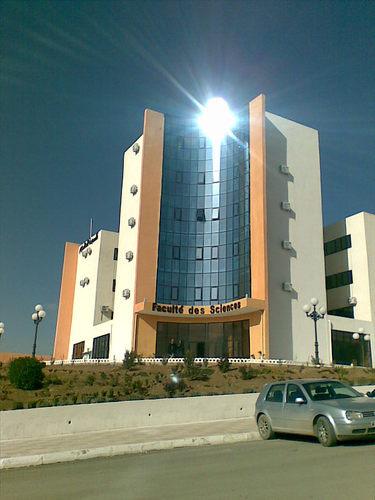
University Sétif 1 FERHAT ABBAS Faculty of Sciences
Détail de l'auteur
Auteur Youcef Aimen Mehenni |
Documents disponibles écrits par cet auteur


 Ajouter le résultat dans votre panier Affiner la recherche
Titre : Recent Advances in Bioinspired Algorithms Type de document : document électronique Auteurs : Laid Madani ; Youcef Aimen Mehenni, Auteur ; Semcheddine,Moussa, Directeur de thèse Editeur : Setif:UFA Année de publication : 2025 Importance : 1 vol (71 f .) Format : 29 cm Langues : Anglais (eng) Catégories : Thèses & Mémoires:Informatique Mots-clés : Optimization
Nature-inspired algorithms
Benchmark functions
Particle Swarm Optimization
Firefly Algorithm
Grey Wolf OptimizerIndex. décimale : 004 Informatique Résumé :
Bio-inspired algorithms have gained increasing attention in the past decade due to their
wide range of applications across various fields. Motivated by their growing importance,
we have developed a user interface designed to simplify the process of testing these algorithms
using standard benchmark functions to evaluate their performance. The interface
presents the results in a comprehensive manner through tables, graphs, and bar charts,
facilitating easier analysis and interpretation. It is user-friendly and supports the addition
of new algorithms and benchmark functions, making it a valuable tool for students and
researchers in mathematics and computer science to obtain results efficiently and with
minimal effort.Note de contenu : Sommaire
Acknowledgment v
General Introduction 2
1 Bio-inspired Optimization Algorithms 3
1.1 Introduction . . . . . . . . . . . . . . . . . . . . . . . . . . . . . . . . . . . 3
1.2 Definitions . . . . . . . . . . . . . . . . . . . . . . . . . . . . . . . . . . . . 3
1.2.1 Optimization . . . . . . . . . . . . . . . . . . . . . . . . . . . . . . 3
1.2.2 Combinatorial Optimization . . . . . . . . . . . . . . . . . . . . . . 4
1.2.2.1 Local Optimum . . . . . . . . . . . . . . . . . . . . . . . . 4
1.2.2.2 Global Optimum . . . . . . . . . . . . . . . . . . . . . . . 5
1.3 Optimization problem . . . . . . . . . . . . . . . . . . . . . . . . . . . . . 6
1.3.1 Definition . . . . . . . . . . . . . . . . . . . . . . . . . . . . . . . . 6
1.3.2 Modeling an Optimization Problem . . . . . . . . . . . . . . . . . . 6
1.3.3 Types of Optimization Problems . . . . . . . . . . . . . . . . . . . 7
1.3.3.1 Problem of Class P . . . . . . . . . . . . . . . . . . . . . . 7
1.3.3.2 Problem of Class NP . . . . . . . . . . . . . . . . . . . . . 7
1.3.3.3 Problem of Class NP-hard . . . . . . . . . . . . . . . . . . 7
1.3.3.4 Problem of Class NP-complete . . . . . . . . . . . . . . . 8
1.4 Optimization Approaches . . . . . . . . . . . . . . . . . . . . . . . . . . . . 8
1.4.1 Deterministic Approaches . . . . . . . . . . . . . . . . . . . . . . . 8
1.4.2 Approximate Approaches . . . . . . . . . . . . . . . . . . . . . . . . 8
1.4.2.1 Heuristic Methods . . . . . . . . . . . . . . . . . . . . . . 8
1.4.2.2 Metaheuristic Methods . . . . . . . . . . . . . . . . . . . . 9
1.4.2.3 Heuristics vs Metaheuristics . . . . . . . . . . . . . . . . . 9
1.4.2.4 Key Properties of Metaheuristics . . . . . . . . . . . . . . 9
1.4.2.5 Exploration and Exploitation . . . . . . . . . . . . . . . . 9
1.4.3 Classification of Metaheuristics . . . . . . . . . . . . . . . . . . . . 10
1.5 Bio-inspired Optimization . . . . . . . . . . . . . . . . . . . . . . . . . . . 11
1.5.1 Advantage Bio-Inspired . . . . . . . . . . . . . . . . . . . . . . . . . 11
1.5.2 Process of Creating a Bio-Inspired Algorithm . . . . . . . . . . . . 11
1.5.3 Application Areas of Bio-Inspired Optimization . . . . . . . . . . . 12
1.5.4 Conclusion . . . . . . . . . . . . . . . . . . . . . . . . . . . . . . . . 12
2 Related work on recent bio inspired algorithms 13
2.1 Introduction . . . . . . . . . . . . . . . . . . . . . . . . . . . . . . . . . . . 13
2.2 Taxonomy of Bio inspired approaches . . . . . . . . . . . . . . . . . . . . . 13
2.2.1 Evolution-Based Algorithms . . . . . . . . . . . . . . . . . . . . . . 13
2.2.2 Swarm Intelligence-Based Algorithms . . . . . . . . . . . . . . . . . 14
2.2.3 Ecology-Based Algorithms . . . . . . . . . . . . . . . . . . . . . . . 14
2.3 Well-known bio inspired algorithms: . . . . . . . . . . . . . . . . . . . . . . 15
2.3.1 The Genetic Algorithm (GA) . . . . . . . . . . . . . . . . . . . . . 15
2.3.1.1 Core Concepts . . . . . . . . . . . . . . . . . . . . . . . . 15
2.3.1.2 Applications . . . . . . . . . . . . . . . . . . . . . . . . . 17
2.3.1.3 Advantages . . . . . . . . . . . . . . . . . . . . . . . . . . 17
2.3.1.4 Disadvantages . . . . . . . . . . . . . . . . . . . . . . . . . 18
2.3.2 Particle Swarm Optimization (PSO) . . . . . . . . . . . . . . . . . 18
2.3.2.1 Core Concepts . . . . . . . . . . . . . . . . . . . . . . . . 18
2.3.2.2 Applications . . . . . . . . . . . . . . . . . . . . . . . . . 19
2.3.2.3 Advantages . . . . . . . . . . . . . . . . . . . . . . . . . . 20
2.3.2.4 Disadvantages . . . . . . . . . . . . . . . . . . . . . . . . . 20
2.3.3 The Firefly Algorithm (FA) . . . . . . . . . . . . . . . . . . . . . . 20
2.3.3.1 Core Concepts . . . . . . . . . . . . . . . . . . . . . . . . 20
2.3.3.2 The Attractiveness of the Firefly . . . . . . . . . . . . . . 21
2.3.4 The Grey Wolf Optimizer (GWO) . . . . . . . . . . . . . . . . . . . 22
2.3.4.1 Social Hierarchy . . . . . . . . . . . . . . . . . . . . . . . 23
2.3.4.2 Hunting Mechanism . . . . . . . . . . . . . . . . . . . . . 23
2.3.4.3 Mathematical Model . . . . . . . . . . . . . . . . . . . . . 24
2.3.4.4 Applications . . . . . . . . . . . . . . . . . . . . . . . . . 25
2.3.5 The Whale Optimization Algorithm (WOA) . . . . . . . . . . . . . 26
2.3.5.1 Algorithm Mechanism . . . . . . . . . . . . . . . . . . . . 26
2.3.5.2 Encircling Prey . . . . . . . . . . . . . . . . . . . . . . . . 26
2.3.5.3 Bubble-Net Attacking Method . . . . . . . . . . . . . . . 28
2.3.5.4 Searching for Prey (Exploration) . . . . . . . . . . . . . . 29
2.3.5.5 Advantages of WOA . . . . . . . . . . . . . . . . . . . . . 29
2.3.5.6 Disadvantages of WOA . . . . . . . . . . . . . . . . . . . 29
2.3.6 Ant Colony Optimization . . . . . . . . . . . . . . . . . . . . . . . 30
2.3.6.1 Working Principle of ACO . . . . . . . . . . . . . . . . . . 30
2.3.6.2 Mathematical Relationships . . . . . . . . . . . . . . . . . 31
2.3.6.3 Applications of ACO . . . . . . . . . . . . . . . . . . . . . 32
2.3.6.4 Advantages to ACO . . . . . . . . . . . . . . . . . . . . . 32
2.3.6.5 Disadvantages of ACO . . . . . . . . . . . . . . . . . . . . 32
2.3.7 Harris Hawks Optimization (HHO) . . . . . . . . . . . . . . . . . . 33
2.3.7.1 Algorithm Mechanism . . . . . . . . . . . . . . . . . . . . 33
2.3.7.2 Applications . . . . . . . . . . . . . . . . . . . . . . . . . 33
2.3.8 Cuckoo Search (CS) . . . . . . . . . . . . . . . . . . . . . . . . . . 33
2.3.8.1 Algorithm Mechanism . . . . . . . . . . . . . . . . . . . . 33
2.3.8.2 Applications . . . . . . . . . . . . . . . . . . . . . . . . . 34
2.3.9 Bat Algorithm (BA) . . . . . . . . . . . . . . . . . . . . . . . . . . 34
2.3.9.1 Algorithm Mechanism . . . . . . . . . . . . . . . . . . . . 34
2.3.9.2 Applications . . . . . . . . . . . . . . . . . . . . . . . . . 34
2.3.10 Artificial Bee Colony (ABC) . . . . . . . . . . . . . . . . . . . . . . 34
2.3.10.1 Algorithm Mechanism . . . . . . . . . . . . . . . . . . . . 34
2.3.10.2 Applications . . . . . . . . . . . . . . . . . . . . . . . . . 35
2.3.11 Biogeography-Based Optimization (BBO) . . . . . . . . . . . . . . 35
2.3.11.1 Core Concept . . . . . . . . . . . . . . . . . . . . . . . . . 35
2.3.11.2 Mathematical Relationships . . . . . . . . . . . . . . . . . 36
2.3.11.3 Applications . . . . . . . . . . . . . . . . . . . . . . . . . 36
2.3.11.4 Advantages . . . . . . . . . . . . . . . . . . . . . . . . . . 36
2.3.11.5 Disadvantages . . . . . . . . . . . . . . . . . . . . . . . . . 37
2.4 Review of Recent Nature-Inspired Algorithms . . . . . . . . . . . . . . . . 37
2.4.1 Pufferfish Optimization Algorithm (POA) . . . . . . . . . . . . . . 37
2.4.1.1 Core Concepts . . . . . . . . . . . . . . . . . . . . . . . . 37
2.4.1.2 Mathematical Relationships . . . . . . . . . . . . . . . . . 38
2.4.1.3 Applications . . . . . . . . . . . . . . . . . . . . . . . . . 40
2.4.1.4 Advantages . . . . . . . . . . . . . . . . . . . . . . . . . . 40
2.4.1.5 Disadvantages . . . . . . . . . . . . . . . . . . . . . . . . . 40
2.4.2 Mountain Gazelle Optimizer (MGO) . . . . . . . . . . . . . . . . . 41
2.4.2.1 Core Concepts . . . . . . . . . . . . . . . . . . . . . . . . 41
2.4.2.2 Mathematical Relationships . . . . . . . . . . . . . . . . . 42
2.4.2.3 Applications . . . . . . . . . . . . . . . . . . . . . . . . . 45
2.4.2.4 Advantages . . . . . . . . . . . . . . . . . . . . . . . . . . 46
2.4.2.5 Disadvantages . . . . . . . . . . . . . . . . . . . . . . . . . 46
2.4.3 Recent Algorithms . . . . . . . . . . . . . . . . . . . . . . . . . . . 47
2.5 Conclusion . . . . . . . . . . . . . . . . . . . . . . . . . . . . . . . . . . . . 50
3 Methodology, Experiments, and Results 51
3.1 Introduction . . . . . . . . . . . . . . . . . . . . . . . . . . . . . . . . . . . 51
3.2 Description of the Proposition . . . . . . . . . . . . . . . . . . . . . . . . . 51
3.2.1 Steps for Using the GUI . . . . . . . . . . . . . . . . . . . . . . . . 51
3.2.2 Notes . . . . . . . . . . . . . . . . . . . . . . . . . . . . . . . . . . 52
3.3 Development Environment . . . . . . . . . . . . . . . . . . . . . . . . . . . 53
3.3.1 Hardware . . . . . . . . . . . . . . . . . . . . . . . . . . . . . . . . 53
3.3.2 Software . . . . . . . . . . . . . . . . . . . . . . . . . . . . . . . . . 53
3.3.2.1 Programming Language . . . . . . . . . . . . . . . . . . . 53
3.4 Validation . . . . . . . . . . . . . . . . . . . . . . . . . . . . . . . . . . . . 54
3.4.1 Description . . . . . . . . . . . . . . . . . . . . . . . . . . . . . . . 54
3.4.2 Benchmark Functions . . . . . . . . . . . . . . . . . . . . . . . . . . 54
3.4.2.1 Schwefel Function . . . . . . . . . . . . . . . . . . . . . . 54
3.4.2.2 Sphere Function . . . . . . . . . . . . . . . . . . . . . . . 55
3.4.2.3 Ackley Function . . . . . . . . . . . . . . . . . . . . . . . 55
3.4.2.4 Sum-Diff-Pow Function . . . . . . . . . . . . . . . . . . . 55
3.4.2.5 Griewank Function . . . . . . . . . . . . . . . . . . . . . 56
3.4.2.6 Rastrigin Function . . . . . . . . . . . . . . . . . . . . . . 56
3.4.2.7 Dixon-Price Function . . . . . . . . . . . . . . . . . . . . 56
3.4.2.8 Rosenbrock Function . . . . . . . . . . . . . . . . . . . . 57
3.4.2.9 Levy Function . . . . . . . . . . . . . . . . . . . . . . . . 57
3.4.2.10 Cross-in-Tray Function . . . . . . . . . . . . . . . . . . . . 57
3.4.2.11 Holder Table Function . . . . . . . . . . . . . . . . . . . . 58
3.4.3 Parameters . . . . . . . . . . . . . . . . . . . . . . . . . . . . . . . 58
3.4.4 Evaluation Criteria . . . . . . . . . . . . . . . . . . . . . . . . . . . 59
3.4.5 Results and Analysis . . . . . . . . . . . . . . . . . . . . . . . . . . 59
3.4.6 Parameters Used . . . . . . . . . . . . . . . . . . . . . . . . . . . . 59
3.4.6.1 General Parameters . . . . . . . . . . . . . . . . . . . . . 59
3.4.6.2 Algorithm-Specific Parameters . . . . . . . . . . . . . . . 60
3.4.6.3 Analysis of Results Table . . . . . . . . . . . . . . . . . . 60
3.4.6.4 Overview of Results . . . . . . . . . . . . . . . . . . . . . 60
3.4.6.5 Performance of Best Optimum Values . . . . . . . . . . . 60
3.4.6.6 Execution Time Performance . . . . . . . . . . . . . . . . 61
3.4.6.7 Stability of Results . . . . . . . . . . . . . . . . . . . . . . 61
3.4.6.8 Analysis of Best Optimum Charts . . . . . . . . . . . . . . 62
3.4.6.9 Analysis of Convergence Charts . . . . . . . . . . . . . . . 63
3.4.6.10 Analysis of Execution Time Bars . . . . . . . . . . . . . . 64
3.5 Conclusion . . . . . . . . . . . . . . . . . . . . . . . . . . . . . . . . . . . 64Côte titre : MAI/0968 Recent Advances in Bioinspired Algorithms [document électronique] / Laid Madani ; Youcef Aimen Mehenni, Auteur ; Semcheddine,Moussa, Directeur de thèse . - [S.l.] : Setif:UFA, 2025 . - 1 vol (71 f .) ; 29 cm.
Langues : Anglais (eng)
Catégories : Thèses & Mémoires:Informatique Mots-clés : Optimization
Nature-inspired algorithms
Benchmark functions
Particle Swarm Optimization
Firefly Algorithm
Grey Wolf OptimizerIndex. décimale : 004 Informatique Résumé :
Bio-inspired algorithms have gained increasing attention in the past decade due to their
wide range of applications across various fields. Motivated by their growing importance,
we have developed a user interface designed to simplify the process of testing these algorithms
using standard benchmark functions to evaluate their performance. The interface
presents the results in a comprehensive manner through tables, graphs, and bar charts,
facilitating easier analysis and interpretation. It is user-friendly and supports the addition
of new algorithms and benchmark functions, making it a valuable tool for students and
researchers in mathematics and computer science to obtain results efficiently and with
minimal effort.Note de contenu : Sommaire
Acknowledgment v
General Introduction 2
1 Bio-inspired Optimization Algorithms 3
1.1 Introduction . . . . . . . . . . . . . . . . . . . . . . . . . . . . . . . . . . . 3
1.2 Definitions . . . . . . . . . . . . . . . . . . . . . . . . . . . . . . . . . . . . 3
1.2.1 Optimization . . . . . . . . . . . . . . . . . . . . . . . . . . . . . . 3
1.2.2 Combinatorial Optimization . . . . . . . . . . . . . . . . . . . . . . 4
1.2.2.1 Local Optimum . . . . . . . . . . . . . . . . . . . . . . . . 4
1.2.2.2 Global Optimum . . . . . . . . . . . . . . . . . . . . . . . 5
1.3 Optimization problem . . . . . . . . . . . . . . . . . . . . . . . . . . . . . 6
1.3.1 Definition . . . . . . . . . . . . . . . . . . . . . . . . . . . . . . . . 6
1.3.2 Modeling an Optimization Problem . . . . . . . . . . . . . . . . . . 6
1.3.3 Types of Optimization Problems . . . . . . . . . . . . . . . . . . . 7
1.3.3.1 Problem of Class P . . . . . . . . . . . . . . . . . . . . . . 7
1.3.3.2 Problem of Class NP . . . . . . . . . . . . . . . . . . . . . 7
1.3.3.3 Problem of Class NP-hard . . . . . . . . . . . . . . . . . . 7
1.3.3.4 Problem of Class NP-complete . . . . . . . . . . . . . . . 8
1.4 Optimization Approaches . . . . . . . . . . . . . . . . . . . . . . . . . . . . 8
1.4.1 Deterministic Approaches . . . . . . . . . . . . . . . . . . . . . . . 8
1.4.2 Approximate Approaches . . . . . . . . . . . . . . . . . . . . . . . . 8
1.4.2.1 Heuristic Methods . . . . . . . . . . . . . . . . . . . . . . 8
1.4.2.2 Metaheuristic Methods . . . . . . . . . . . . . . . . . . . . 9
1.4.2.3 Heuristics vs Metaheuristics . . . . . . . . . . . . . . . . . 9
1.4.2.4 Key Properties of Metaheuristics . . . . . . . . . . . . . . 9
1.4.2.5 Exploration and Exploitation . . . . . . . . . . . . . . . . 9
1.4.3 Classification of Metaheuristics . . . . . . . . . . . . . . . . . . . . 10
1.5 Bio-inspired Optimization . . . . . . . . . . . . . . . . . . . . . . . . . . . 11
1.5.1 Advantage Bio-Inspired . . . . . . . . . . . . . . . . . . . . . . . . . 11
1.5.2 Process of Creating a Bio-Inspired Algorithm . . . . . . . . . . . . 11
1.5.3 Application Areas of Bio-Inspired Optimization . . . . . . . . . . . 12
1.5.4 Conclusion . . . . . . . . . . . . . . . . . . . . . . . . . . . . . . . . 12
2 Related work on recent bio inspired algorithms 13
2.1 Introduction . . . . . . . . . . . . . . . . . . . . . . . . . . . . . . . . . . . 13
2.2 Taxonomy of Bio inspired approaches . . . . . . . . . . . . . . . . . . . . . 13
2.2.1 Evolution-Based Algorithms . . . . . . . . . . . . . . . . . . . . . . 13
2.2.2 Swarm Intelligence-Based Algorithms . . . . . . . . . . . . . . . . . 14
2.2.3 Ecology-Based Algorithms . . . . . . . . . . . . . . . . . . . . . . . 14
2.3 Well-known bio inspired algorithms: . . . . . . . . . . . . . . . . . . . . . . 15
2.3.1 The Genetic Algorithm (GA) . . . . . . . . . . . . . . . . . . . . . 15
2.3.1.1 Core Concepts . . . . . . . . . . . . . . . . . . . . . . . . 15
2.3.1.2 Applications . . . . . . . . . . . . . . . . . . . . . . . . . 17
2.3.1.3 Advantages . . . . . . . . . . . . . . . . . . . . . . . . . . 17
2.3.1.4 Disadvantages . . . . . . . . . . . . . . . . . . . . . . . . . 18
2.3.2 Particle Swarm Optimization (PSO) . . . . . . . . . . . . . . . . . 18
2.3.2.1 Core Concepts . . . . . . . . . . . . . . . . . . . . . . . . 18
2.3.2.2 Applications . . . . . . . . . . . . . . . . . . . . . . . . . 19
2.3.2.3 Advantages . . . . . . . . . . . . . . . . . . . . . . . . . . 20
2.3.2.4 Disadvantages . . . . . . . . . . . . . . . . . . . . . . . . . 20
2.3.3 The Firefly Algorithm (FA) . . . . . . . . . . . . . . . . . . . . . . 20
2.3.3.1 Core Concepts . . . . . . . . . . . . . . . . . . . . . . . . 20
2.3.3.2 The Attractiveness of the Firefly . . . . . . . . . . . . . . 21
2.3.4 The Grey Wolf Optimizer (GWO) . . . . . . . . . . . . . . . . . . . 22
2.3.4.1 Social Hierarchy . . . . . . . . . . . . . . . . . . . . . . . 23
2.3.4.2 Hunting Mechanism . . . . . . . . . . . . . . . . . . . . . 23
2.3.4.3 Mathematical Model . . . . . . . . . . . . . . . . . . . . . 24
2.3.4.4 Applications . . . . . . . . . . . . . . . . . . . . . . . . . 25
2.3.5 The Whale Optimization Algorithm (WOA) . . . . . . . . . . . . . 26
2.3.5.1 Algorithm Mechanism . . . . . . . . . . . . . . . . . . . . 26
2.3.5.2 Encircling Prey . . . . . . . . . . . . . . . . . . . . . . . . 26
2.3.5.3 Bubble-Net Attacking Method . . . . . . . . . . . . . . . 28
2.3.5.4 Searching for Prey (Exploration) . . . . . . . . . . . . . . 29
2.3.5.5 Advantages of WOA . . . . . . . . . . . . . . . . . . . . . 29
2.3.5.6 Disadvantages of WOA . . . . . . . . . . . . . . . . . . . 29
2.3.6 Ant Colony Optimization . . . . . . . . . . . . . . . . . . . . . . . 30
2.3.6.1 Working Principle of ACO . . . . . . . . . . . . . . . . . . 30
2.3.6.2 Mathematical Relationships . . . . . . . . . . . . . . . . . 31
2.3.6.3 Applications of ACO . . . . . . . . . . . . . . . . . . . . . 32
2.3.6.4 Advantages to ACO . . . . . . . . . . . . . . . . . . . . . 32
2.3.6.5 Disadvantages of ACO . . . . . . . . . . . . . . . . . . . . 32
2.3.7 Harris Hawks Optimization (HHO) . . . . . . . . . . . . . . . . . . 33
2.3.7.1 Algorithm Mechanism . . . . . . . . . . . . . . . . . . . . 33
2.3.7.2 Applications . . . . . . . . . . . . . . . . . . . . . . . . . 33
2.3.8 Cuckoo Search (CS) . . . . . . . . . . . . . . . . . . . . . . . . . . 33
2.3.8.1 Algorithm Mechanism . . . . . . . . . . . . . . . . . . . . 33
2.3.8.2 Applications . . . . . . . . . . . . . . . . . . . . . . . . . 34
2.3.9 Bat Algorithm (BA) . . . . . . . . . . . . . . . . . . . . . . . . . . 34
2.3.9.1 Algorithm Mechanism . . . . . . . . . . . . . . . . . . . . 34
2.3.9.2 Applications . . . . . . . . . . . . . . . . . . . . . . . . . 34
2.3.10 Artificial Bee Colony (ABC) . . . . . . . . . . . . . . . . . . . . . . 34
2.3.10.1 Algorithm Mechanism . . . . . . . . . . . . . . . . . . . . 34
2.3.10.2 Applications . . . . . . . . . . . . . . . . . . . . . . . . . 35
2.3.11 Biogeography-Based Optimization (BBO) . . . . . . . . . . . . . . 35
2.3.11.1 Core Concept . . . . . . . . . . . . . . . . . . . . . . . . . 35
2.3.11.2 Mathematical Relationships . . . . . . . . . . . . . . . . . 36
2.3.11.3 Applications . . . . . . . . . . . . . . . . . . . . . . . . . 36
2.3.11.4 Advantages . . . . . . . . . . . . . . . . . . . . . . . . . . 36
2.3.11.5 Disadvantages . . . . . . . . . . . . . . . . . . . . . . . . . 37
2.4 Review of Recent Nature-Inspired Algorithms . . . . . . . . . . . . . . . . 37
2.4.1 Pufferfish Optimization Algorithm (POA) . . . . . . . . . . . . . . 37
2.4.1.1 Core Concepts . . . . . . . . . . . . . . . . . . . . . . . . 37
2.4.1.2 Mathematical Relationships . . . . . . . . . . . . . . . . . 38
2.4.1.3 Applications . . . . . . . . . . . . . . . . . . . . . . . . . 40
2.4.1.4 Advantages . . . . . . . . . . . . . . . . . . . . . . . . . . 40
2.4.1.5 Disadvantages . . . . . . . . . . . . . . . . . . . . . . . . . 40
2.4.2 Mountain Gazelle Optimizer (MGO) . . . . . . . . . . . . . . . . . 41
2.4.2.1 Core Concepts . . . . . . . . . . . . . . . . . . . . . . . . 41
2.4.2.2 Mathematical Relationships . . . . . . . . . . . . . . . . . 42
2.4.2.3 Applications . . . . . . . . . . . . . . . . . . . . . . . . . 45
2.4.2.4 Advantages . . . . . . . . . . . . . . . . . . . . . . . . . . 46
2.4.2.5 Disadvantages . . . . . . . . . . . . . . . . . . . . . . . . . 46
2.4.3 Recent Algorithms . . . . . . . . . . . . . . . . . . . . . . . . . . . 47
2.5 Conclusion . . . . . . . . . . . . . . . . . . . . . . . . . . . . . . . . . . . . 50
3 Methodology, Experiments, and Results 51
3.1 Introduction . . . . . . . . . . . . . . . . . . . . . . . . . . . . . . . . . . . 51
3.2 Description of the Proposition . . . . . . . . . . . . . . . . . . . . . . . . . 51
3.2.1 Steps for Using the GUI . . . . . . . . . . . . . . . . . . . . . . . . 51
3.2.2 Notes . . . . . . . . . . . . . . . . . . . . . . . . . . . . . . . . . . 52
3.3 Development Environment . . . . . . . . . . . . . . . . . . . . . . . . . . . 53
3.3.1 Hardware . . . . . . . . . . . . . . . . . . . . . . . . . . . . . . . . 53
3.3.2 Software . . . . . . . . . . . . . . . . . . . . . . . . . . . . . . . . . 53
3.3.2.1 Programming Language . . . . . . . . . . . . . . . . . . . 53
3.4 Validation . . . . . . . . . . . . . . . . . . . . . . . . . . . . . . . . . . . . 54
3.4.1 Description . . . . . . . . . . . . . . . . . . . . . . . . . . . . . . . 54
3.4.2 Benchmark Functions . . . . . . . . . . . . . . . . . . . . . . . . . . 54
3.4.2.1 Schwefel Function . . . . . . . . . . . . . . . . . . . . . . 54
3.4.2.2 Sphere Function . . . . . . . . . . . . . . . . . . . . . . . 55
3.4.2.3 Ackley Function . . . . . . . . . . . . . . . . . . . . . . . 55
3.4.2.4 Sum-Diff-Pow Function . . . . . . . . . . . . . . . . . . . 55
3.4.2.5 Griewank Function . . . . . . . . . . . . . . . . . . . . . 56
3.4.2.6 Rastrigin Function . . . . . . . . . . . . . . . . . . . . . . 56
3.4.2.7 Dixon-Price Function . . . . . . . . . . . . . . . . . . . . 56
3.4.2.8 Rosenbrock Function . . . . . . . . . . . . . . . . . . . . 57
3.4.2.9 Levy Function . . . . . . . . . . . . . . . . . . . . . . . . 57
3.4.2.10 Cross-in-Tray Function . . . . . . . . . . . . . . . . . . . . 57
3.4.2.11 Holder Table Function . . . . . . . . . . . . . . . . . . . . 58
3.4.3 Parameters . . . . . . . . . . . . . . . . . . . . . . . . . . . . . . . 58
3.4.4 Evaluation Criteria . . . . . . . . . . . . . . . . . . . . . . . . . . . 59
3.4.5 Results and Analysis . . . . . . . . . . . . . . . . . . . . . . . . . . 59
3.4.6 Parameters Used . . . . . . . . . . . . . . . . . . . . . . . . . . . . 59
3.4.6.1 General Parameters . . . . . . . . . . . . . . . . . . . . . 59
3.4.6.2 Algorithm-Specific Parameters . . . . . . . . . . . . . . . 60
3.4.6.3 Analysis of Results Table . . . . . . . . . . . . . . . . . . 60
3.4.6.4 Overview of Results . . . . . . . . . . . . . . . . . . . . . 60
3.4.6.5 Performance of Best Optimum Values . . . . . . . . . . . 60
3.4.6.6 Execution Time Performance . . . . . . . . . . . . . . . . 61
3.4.6.7 Stability of Results . . . . . . . . . . . . . . . . . . . . . . 61
3.4.6.8 Analysis of Best Optimum Charts . . . . . . . . . . . . . . 62
3.4.6.9 Analysis of Convergence Charts . . . . . . . . . . . . . . . 63
3.4.6.10 Analysis of Execution Time Bars . . . . . . . . . . . . . . 64
3.5 Conclusion . . . . . . . . . . . . . . . . . . . . . . . . . . . . . . . . . . . 64Côte titre : MAI/0968 Exemplaires (1)
Code-barres Cote Support Localisation Section Disponibilité MAI/0968 MAI/0968 Mémoire Bibliothèque des sciences Anglais Disponible
Disponible