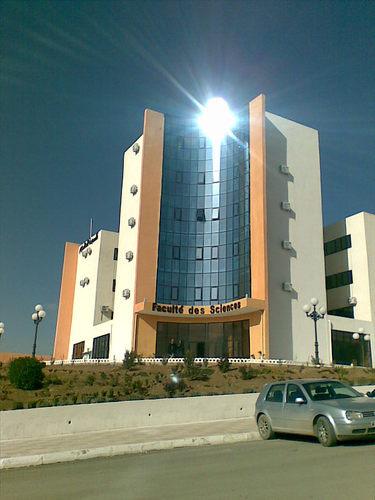
University Sétif 1 FERHAT ABBAS Faculty of Sciences
Détail de l'auteur
Auteur Mohamed Zitouni |
Documents disponibles écrits par cet auteur


 Ajouter le résultat dans votre panier Affiner la recherche
Intelligent Classification of Psychological Disorders: Decision Support System for Psychologists validated in the office of Dr. Mohamed Arres / Sohaib Serrai
Titre : Intelligent Classification of Psychological Disorders: Decision Support System for Psychologists validated in the office of Dr. Mohamed Arres Type de document : document électronique Auteurs : Sohaib Serrai ; Mohamed Zitouni, Auteur ; Amel Douar, Directeur de thèse Editeur : Setif:UFA Année de publication : 2025 Importance : 1 vol (120 f .) Format : 29 cm Langues : Anglais (eng) Catégories : Thèses & Mémoires:Informatique Mots-clés : Intelligent Decision Support System
Psychological Disorders
DSM-5
Mental Health Diagnosis
Data Augmentation
Machine LearningIndex. décimale : 004 Informatique Résumé :
This thesis presents an intelligent decision support system for the classification of psychological
disorders, with the aim of improving diagnostic accuracy for psychologists.
The study is based on a dataset specifically created according to the criteria of the
Diagnostic and Statistical Manual of Mental Disorders (DSM-5). Data augmentation
techniques were applied to address class imbalance, and several traditional machine
learning algorithms (SVM, Logistic regression, etc), as well as deep learning techniques
(MLP), were employed. As a result, a set of artificial intelligence models capable of
effectively classifying psychological disorders was developed.Note de contenu : Sommaire
1 General Introduction 1
1.1 Overview of Intelligent Classification in Mental Healthcare . . . . . . . 1
1.2 Challenges . . . . . . . . . . . . . . . . . . . . . . . . . . . . . . . . . . 2
1.3 Objectives and Scope . . . . . . . . . . . . . . . . . . . . . . . . . . . . 4
1.4 Structure of the Thesis . . . . . . . . . . . . . . . . . . . . . . . . . . . 5
2 AI in Psychology and Decision Support Systems 7
2.1 Introduction to AI in Psychology . . . . . . . . . . . . . . . . . . . . . 7
2.2 Applications of AI in Psychological Assessment and Diagnosis . . . . . 8
2.2.1 Machine Learning for Classification . . . . . . . . . . . . . . . . 8
2.2.2 Deep Learning Approaches . . . . . . . . . . . . . . . . . . . . 9
2.2.3 Natural Language Processing (NLP) in Mental Health . . . . . 10
2.3 Decision Support Systems (DSS) in Clinical Psychology . . . . . . . . . 11
2.3.1 Fundamentals of Decision Support Systems . . . . . . . . . . . 11
2.3.2 Integration of AI Models into DSS . . . . . . . . . . . . . . . . 11
2.3.3 User Interface and Experience (UI/UX) in Clinical DSS . . . . 12
2.4 Ethical Considerations and Challenges . . . . . . . . . . . . . . . . . . 13
2.4.1 Bias and Fairness in AI for Psychology . . . . . . . . . . . . . . 13
2.4.2 Data Privacy and Security . . . . . . . . . . . . . . . . . . . . . 14
2.4.3 Interpretability and Explainability of AI Models (XAI) . . . . . 15
2.5 Conclusion . . . . . . . . . . . . . . . . . . . . . . . . . . . . . . . . . 16
3 State of the Art and Existing Projects 17
3.1 Introduction to State of the Art . . . . . . . . . . . . . . . . . . . . . . 17
3.2 Overview of AI Applications in Psychology . . . . . . . . . . . . . . . . 17
3.3 Key Decision Support Systems in Psychology . . . . . . . . . . . . . . 18
3.4 Comparative Analysis of Existing Projects . . . . . . . . . . . . . . . . 20
3.4.1 Strengths and Limitations . . . . . . . . . . . . . . . . . . . . . 20
3.4.2 Gaps in Research . . . . . . . . . . . . . . . . . . . . . . . . . . 21
3.5 Future Directions and Emerging Trends . . . . . . . . . . . . . . . . . 22
3.6 Conclusion . . . . . . . . . . . . . . . . . . . . . . . . . . . . . . . . . . 23
4 Contributions and Implementations 24
4.1 Tools . . . . . . . . . . . . . . . . . . . . . . . . . . . . . . . . . . . . . 24
4.1.1 Tools for Dataset Creation & Models Implementation . . . . . . 24
4.1.2 Tools for Decision Support System Development . . . . . . . . . 26
4.1.3 AI-Powered Tools . . . . . . . . . . . . . . . . . . . . . . . . . . 26
4.2 Construction of the DSM-5 Aligned Dataset . . . . . . . . . . . . . . . 27
4.2.1 Challenge: Absence of a DSM-5 Structured Dataset . . . . . . . 28
4.2.2 Dataset Design and Transformation . . . . . . . . . . . . . . . . 28
4.2.3 Dataset Generation Workflow: From Neurobiological Structuring
to Consolidated Binary Dataset . . . . . . . . . . . . . . . . 30
4.2.4 Data Characteristics . . . . . . . . . . . . . . . . . . . . . . . . 38
4.3 Multi-Model Implementation and Evaluation . . . . . . . . . . . . . . . 42
4.3.1 Model Selection Overview . . . . . . . . . . . . . . . . . . . . . 42
4.3.2 Experimental Setup . . . . . . . . . . . . . . . . . . . . . . . . 43
4.3.3 Random Forest Model . . . . . . . . . . . . . . . . . . . . . . . 46
4.3.4 Multi-Layer Perceptron (MLP) . . . . . . . . . . . . . . . . . . 51
4.3.5 Comparative Model Summary . . . . . . . . . . . . . . . . . . . 58
4.4 Decision Support System Prototype Deployment . . . . . . . . . . . . . 59
4.4.1 System Architecture Design . . . . . . . . . . . . . . . . . . . . 59
4.4.2 Overall System Architecture . . . . . . . . . . . . . . . . . . . . 60
4.4.3 Model Integration . . . . . . . . . . . . . . . . . . . . . . . . . 61
4.4.4 Backend Development . . . . . . . . . . . . . . . . . . . . . . . 65
4.4.5 Frontend Development . . . . . . . . . . . . . . . . . . . . . . . 84
4.5 Conclusion . . . . . . . . . . . . . . . . . . . . . . . . . . . . . . . . . 96
5 Conclusion & Future Work 97
5.1 General Conclusion . . . . . . . . . . . . . . . . . . . . . . . . . . . . . 97
5.2 Contributions . . . . . . . . . . . . . . . . . . . . . . . . . . . . . . . . 97
5.3 Achievements . . . . . . . . . . . . . . . . . . . . . . . . . . . . . . . . 98
5.4 Perspectives . . . . . . . . . . . . . . . . . . . . . . . . . . . . . . . . . 98
A Appendix 100
Symptom Mapping Code in Python . . . . . . . . . . . . . . . . . . . . . . . 100
Classification Report Printing (PrettyTable) . . . . . . . . . . . . . . . . . . 101
Full Classifier Class: DisorderClassifier . . . . . . . . . . . . . . . . . . . . . 102
Preprocessor Class . . . . . . . . . . . . . . . . . . . . . . . . . . . . . . . . 104
User Schema Code (Mongoose) . . . . . . . . . . . . . . . . . . . . . . . . . 106
Patient Schema Code (Mongoose) . . . . . . . . . . . . . . . . . . . . . . . . 107
Patient Route Code (Express.js) . . . . . . . . . . . . . . . . . . . . . . . . . 108
Assessment Route Code (Express.js) . . . . . . . . . . . . . . . . . . . . . . 110
Authentication Controller Code (Node.js) . . . . . . . . . . . . . . . . . . . 111
Frontend Routing in React: AppRoutes . . . . . . . . . . . . . . . . . . . . 113Côte titre : MAI/0982 Intelligent Classification of Psychological Disorders: Decision Support System for Psychologists validated in the office of Dr. Mohamed Arres [document électronique] / Sohaib Serrai ; Mohamed Zitouni, Auteur ; Amel Douar, Directeur de thèse . - [S.l.] : Setif:UFA, 2025 . - 1 vol (120 f .) ; 29 cm.
Langues : Anglais (eng)
Catégories : Thèses & Mémoires:Informatique Mots-clés : Intelligent Decision Support System
Psychological Disorders
DSM-5
Mental Health Diagnosis
Data Augmentation
Machine LearningIndex. décimale : 004 Informatique Résumé :
This thesis presents an intelligent decision support system for the classification of psychological
disorders, with the aim of improving diagnostic accuracy for psychologists.
The study is based on a dataset specifically created according to the criteria of the
Diagnostic and Statistical Manual of Mental Disorders (DSM-5). Data augmentation
techniques were applied to address class imbalance, and several traditional machine
learning algorithms (SVM, Logistic regression, etc), as well as deep learning techniques
(MLP), were employed. As a result, a set of artificial intelligence models capable of
effectively classifying psychological disorders was developed.Note de contenu : Sommaire
1 General Introduction 1
1.1 Overview of Intelligent Classification in Mental Healthcare . . . . . . . 1
1.2 Challenges . . . . . . . . . . . . . . . . . . . . . . . . . . . . . . . . . . 2
1.3 Objectives and Scope . . . . . . . . . . . . . . . . . . . . . . . . . . . . 4
1.4 Structure of the Thesis . . . . . . . . . . . . . . . . . . . . . . . . . . . 5
2 AI in Psychology and Decision Support Systems 7
2.1 Introduction to AI in Psychology . . . . . . . . . . . . . . . . . . . . . 7
2.2 Applications of AI in Psychological Assessment and Diagnosis . . . . . 8
2.2.1 Machine Learning for Classification . . . . . . . . . . . . . . . . 8
2.2.2 Deep Learning Approaches . . . . . . . . . . . . . . . . . . . . 9
2.2.3 Natural Language Processing (NLP) in Mental Health . . . . . 10
2.3 Decision Support Systems (DSS) in Clinical Psychology . . . . . . . . . 11
2.3.1 Fundamentals of Decision Support Systems . . . . . . . . . . . 11
2.3.2 Integration of AI Models into DSS . . . . . . . . . . . . . . . . 11
2.3.3 User Interface and Experience (UI/UX) in Clinical DSS . . . . 12
2.4 Ethical Considerations and Challenges . . . . . . . . . . . . . . . . . . 13
2.4.1 Bias and Fairness in AI for Psychology . . . . . . . . . . . . . . 13
2.4.2 Data Privacy and Security . . . . . . . . . . . . . . . . . . . . . 14
2.4.3 Interpretability and Explainability of AI Models (XAI) . . . . . 15
2.5 Conclusion . . . . . . . . . . . . . . . . . . . . . . . . . . . . . . . . . 16
3 State of the Art and Existing Projects 17
3.1 Introduction to State of the Art . . . . . . . . . . . . . . . . . . . . . . 17
3.2 Overview of AI Applications in Psychology . . . . . . . . . . . . . . . . 17
3.3 Key Decision Support Systems in Psychology . . . . . . . . . . . . . . 18
3.4 Comparative Analysis of Existing Projects . . . . . . . . . . . . . . . . 20
3.4.1 Strengths and Limitations . . . . . . . . . . . . . . . . . . . . . 20
3.4.2 Gaps in Research . . . . . . . . . . . . . . . . . . . . . . . . . . 21
3.5 Future Directions and Emerging Trends . . . . . . . . . . . . . . . . . 22
3.6 Conclusion . . . . . . . . . . . . . . . . . . . . . . . . . . . . . . . . . . 23
4 Contributions and Implementations 24
4.1 Tools . . . . . . . . . . . . . . . . . . . . . . . . . . . . . . . . . . . . . 24
4.1.1 Tools for Dataset Creation & Models Implementation . . . . . . 24
4.1.2 Tools for Decision Support System Development . . . . . . . . . 26
4.1.3 AI-Powered Tools . . . . . . . . . . . . . . . . . . . . . . . . . . 26
4.2 Construction of the DSM-5 Aligned Dataset . . . . . . . . . . . . . . . 27
4.2.1 Challenge: Absence of a DSM-5 Structured Dataset . . . . . . . 28
4.2.2 Dataset Design and Transformation . . . . . . . . . . . . . . . . 28
4.2.3 Dataset Generation Workflow: From Neurobiological Structuring
to Consolidated Binary Dataset . . . . . . . . . . . . . . . . 30
4.2.4 Data Characteristics . . . . . . . . . . . . . . . . . . . . . . . . 38
4.3 Multi-Model Implementation and Evaluation . . . . . . . . . . . . . . . 42
4.3.1 Model Selection Overview . . . . . . . . . . . . . . . . . . . . . 42
4.3.2 Experimental Setup . . . . . . . . . . . . . . . . . . . . . . . . 43
4.3.3 Random Forest Model . . . . . . . . . . . . . . . . . . . . . . . 46
4.3.4 Multi-Layer Perceptron (MLP) . . . . . . . . . . . . . . . . . . 51
4.3.5 Comparative Model Summary . . . . . . . . . . . . . . . . . . . 58
4.4 Decision Support System Prototype Deployment . . . . . . . . . . . . . 59
4.4.1 System Architecture Design . . . . . . . . . . . . . . . . . . . . 59
4.4.2 Overall System Architecture . . . . . . . . . . . . . . . . . . . . 60
4.4.3 Model Integration . . . . . . . . . . . . . . . . . . . . . . . . . 61
4.4.4 Backend Development . . . . . . . . . . . . . . . . . . . . . . . 65
4.4.5 Frontend Development . . . . . . . . . . . . . . . . . . . . . . . 84
4.5 Conclusion . . . . . . . . . . . . . . . . . . . . . . . . . . . . . . . . . 96
5 Conclusion & Future Work 97
5.1 General Conclusion . . . . . . . . . . . . . . . . . . . . . . . . . . . . . 97
5.2 Contributions . . . . . . . . . . . . . . . . . . . . . . . . . . . . . . . . 97
5.3 Achievements . . . . . . . . . . . . . . . . . . . . . . . . . . . . . . . . 98
5.4 Perspectives . . . . . . . . . . . . . . . . . . . . . . . . . . . . . . . . . 98
A Appendix 100
Symptom Mapping Code in Python . . . . . . . . . . . . . . . . . . . . . . . 100
Classification Report Printing (PrettyTable) . . . . . . . . . . . . . . . . . . 101
Full Classifier Class: DisorderClassifier . . . . . . . . . . . . . . . . . . . . . 102
Preprocessor Class . . . . . . . . . . . . . . . . . . . . . . . . . . . . . . . . 104
User Schema Code (Mongoose) . . . . . . . . . . . . . . . . . . . . . . . . . 106
Patient Schema Code (Mongoose) . . . . . . . . . . . . . . . . . . . . . . . . 107
Patient Route Code (Express.js) . . . . . . . . . . . . . . . . . . . . . . . . . 108
Assessment Route Code (Express.js) . . . . . . . . . . . . . . . . . . . . . . 110
Authentication Controller Code (Node.js) . . . . . . . . . . . . . . . . . . . 111
Frontend Routing in React: AppRoutes . . . . . . . . . . . . . . . . . . . . 113Côte titre : MAI/0982 Exemplaires (1)
Code-barres Cote Support Localisation Section Disponibilité MAI/0982 MAI/0982 Mémoire Bibliothèque des sciences Anglais Disponible
Disponible