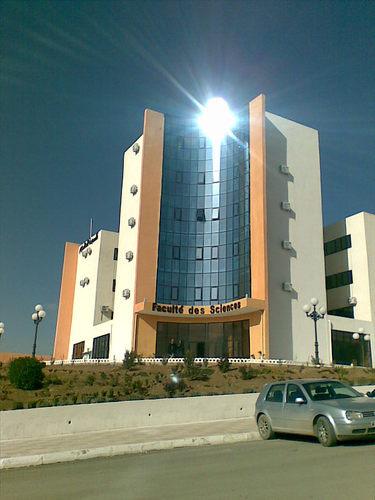
University Sétif 1 FERHAT ABBAS Faculty of Sciences
Détail de l'auteur
Auteur Mohamed ElAmine Benharoune |
Documents disponibles écrits par cet auteur


 Ajouter le résultat dans votre panier Affiner la recherche
Bio-Inspired Based Base Station Placement in IoT Sensor Network for Energy Efficiency and Latency Minimization / Mohamed ElAmine Benharoune
Titre : Bio-Inspired Based Base Station Placement in IoT Sensor Network for Energy Efficiency and Latency Minimization Type de document : document électronique Auteurs : Mohamed ElAmine Benharoune ; Aliouat ,Zibouda, Directeur de thèse Editeur : Setif:UFA Année de publication : 2025 Importance : 1 vol (122 f .) Format : 29 cm Langues : Anglais (eng) Catégories : Thèses & Mémoires:Informatique Mots-clés : Internet of Things (IoT)
Wireless Sensor Network (WSN)
Mobile Base Station
Bioinspiration
Energy Efficiency
Network Lifetime
Latency MinimizationIndex. décimale : 004 Informatique Résumé :
The Internet of Things (IoT) is one of the latest technologies that connects objects, people and
surroundings by means of intelligent networks so that it is able to collect and transmit data in
real-time. Of the many applications of the IoT, some rely on autonomous devices deployed in
complex or even hostile environments to provide continuous monitoring or observation. Wireless
sensor networks (WSNs) are widely used in this context. However, these networks face a crucial
challenge: extending their lifespan by optimising the parameters that have a direct impact
on energy consumption, in particular the position of the base station, the placement of which
has a significant influence on the energy load of the sensors.
The use of bio-inspired approaches, based on the behaviour of natural phenomena, is a promising
way forward. These methods can be used to generate adaptive and resilient solutions to complex
optimisation problems.
In this context, we propose three solutions aimed at reducing energy consumption while maintaining
good performance in terms of latency. The first approach is based on a hybrid between
the Particle Swarm Optimisation (PSO) algorithm and the Genetic Algorithm (GA), exploiting
both the exploration capabilities of the PSO and the controlled randomness of the GA to avoid local
optima. Next, we introduce an improved version of the Whale Optimisation Algorithm (WOA),
enriched by a personalised initialisation of the population. Finally, a hybrid approach combining
WOA and PSO is proposed to benefit from their respective advantages. Our contributions are
evaluated using extensive simulations and compared with other bio-inspired algorithms. The results
obtained are promising in terms of energy efficiency and network lifetime extension, while
maintaining good performance in terms of latency.Note de contenu : Sommaire
General Introduction 1
I Internet of Things, Wireless Sensor Network, Optimization and Bio-
Inspired Algorithm 3
1 Internet of Things, Wireless Sensor Networks, Clustering 5
1.1 Introduction . . . . . . . . . . . . . . . . . . . . . . . . . . . . . . . . . . . . . . 5
1.2 Internet of Things . . . . . . . . . . . . . . . . . . . . . . . . . . . . . . . . . . . 5
1.2.1 IoT Architecture . . . . . . . . . . . . . . . . . . . . . . . . . . . . . . . . 6
1.3 Wireless Sensor Networks . . . . . . . . . . . . . . . . . . . . . . . . . . . . . . . 7
1.3.1 Sensors . . . . . . . . . . . . . . . . . . . . . . . . . . . . . . . . . . . . . 7
1.3.2 Base Station . . . . . . . . . . . . . . . . . . . . . . . . . . . . . . . . . . 8
1.3.3 Topology of Wireless Sensor Network . . . . . . . . . . . . . . . . . . . . 9
1.3.4 Application of WSN . . . . . . . . . . . . . . . . . . . . . . . . . . . . . . 9
1.3.4.1 Military Application . . . . . . . . . . . . . . . . . . . . . . . . 10
1.3.4.2 Environmental-Habitat Applications . . . . . . . . . . . . . . . 10
1.3.4.3 Health Applications . . . . . . . . . . . . . . . . . . . . . . . . 10
1.3.4.4 Home Applications . . . . . . . . . . . . . . . . . . . . . . . . . 10
1.3.5 WSN Challenges and Problems . . . . . . . . . . . . . . . . . . . . . . . . 11
1.4 Clustering in Wireless Sensor Networks . . . . . . . . . . . . . . . . . . . . . . . 12
1.4.1 Two-tiered Wireless Sensor Network . . . . . . . . . . . . . . . . . . . . . 12
1.4.2 Clustering-Based Approaches in WSNs . . . . . . . . . . . . . . . . . . . 13
1.4.2.1 Clustering Based on Cluster Head Election (Leader-First Approach) 13
1.4.2.2 Group-Based Clustering (Follower-First Approach) . . . . . . . 14
1.4.3 The protocol LEACH . . . . . . . . . . . . . . . . . . . . . . . . . . . . . . 14
1.5 Problem Statement . . . . . . . . . . . . . . . . . . . . . . . . . . . . . . . . . . 16
1.6 Conclusion . . . . . . . . . . . . . . . . . . . . . . . . . . . . . . . . . . . . . . . 16
2 Bio-Inspired Optimization Algorithms 17
2.1 Introduction . . . . . . . . . . . . . . . . . . . . . . . . . . . . . . . . . . . . . . 17
2.2 Definition of Optimization . . . . . . . . . . . . . . . . . . . . . . . . . . . . . . 17
2.2.1 Optimization problem Minima . . . . . . . . . . . . . . . . . . . . . . . . 18
2.3 Optimization Problems Taxonomy . . . . . . . . . . . . . . . . . . . . . . . . . . 19
2.3.1 Determinist Techniques (Exact) . . . . . . . . . . . . . . . . . . . . . . . 20
2.3.2 Non-Determinist Techniques (Approximate Methods) . . . . . . . . . . . 20
2.3.2.1 Meta-Heuristics . . . . . . . . . . . . . . . . . . . . . . . . . . . 21
2.3.2.2 Metaheuristics Methods Classification . . . . . . . . . . . . . . 21
2.4 Bio-Inspired Algorithm . . . . . . . . . . . . . . . . . . . . . . . . . . . . . . . . 22
2.4.1 Bio-Inspired Algorithm Taxonomy . . . . . . . . . . . . . . . . . . . . . . 22
2.4.1.1 Evolutionary Algorithm . . . . . . . . . . . . . . . . . . . . . . 23
2.4.1.2 Swarm Intelligence . . . . . . . . . . . . . . . . . . . . . . . . . 23
2.4.2 Genetic Algorithm . . . . . . . . . . . . . . . . . . . . . . . . . . . . . . . 24
2.4.2.1 Essential Terms . . . . . . . . . . . . . . . . . . . . . . . . . . . 24
2.4.2.2 Genetic Operations . . . . . . . . . . . . . . . . . . . . . . . . . 26
2.4.2.3 Genetic Algorithm flow chart . . . . . . . . . . . . . . . . . . . 27
2.4.2.4 Advantages and Limitations . . . . . . . . . . . . . . . . . . . . 28
2.4.2.5 Application of Genetic Algorithm (GA) in Wireless Sensor Networks
. . . . . . . . . . . . . . . . . . . . . . . . . . . . . . . . 29
2.4.3 Particle Swarm Optimization algorithm . . . . . . . . . . . . . . . . . . . 29
2.4.3.1 Mathematical Formulation . . . . . . . . . . . . . . . . . . . . 30
2.4.3.2 Particle Swarm Optimization Workflow . . . . . . . . . . . . . . 30
2.4.3.3 Advantages and limitation . . . . . . . . . . . . . . . . . . . . . 33
2.4.3.4 Application in WSN . . . . . . . . . . . . . . . . . . . . . . . . . 34
2.4.4 Whale Optimization Algorithm . . . . . . . . . . . . . . . . . . . . . . . . 34
2.4.4.1 Whale Optimization Algorithm Operations: . . . . . . . . . . . 35
2.4.4.2 Whale Optimization Algorithm Workflow . . . . . . . . . . . . . 37
2.4.4.3 Whale Optimization Algorithm advantages and limitations . . . 38
2.4.4.4 Whale Optimization Algorithm Applications in WSN . . . . . . 39
2.5 Comparison of the algorithms . . . . . . . . . . . . . . . . . . . . . . . . . . . . 39
2.6 Related works . . . . . . . . . . . . . . . . . . . . . . . . . . . . . . . . . . . . . . 40
2.7 Conclusion . . . . . . . . . . . . . . . . . . . . . . . . . . . . . . . . . . . . . . . 42
II Modeling, simulation setup, and contributions 43
3 Modeling and Simulations setup 45
3.1 Introduction . . . . . . . . . . . . . . . . . . . . . . . . . . . . . . . . . . . . . . 45
3.2 Motivation . . . . . . . . . . . . . . . . . . . . . . . . . . . . . . . . . . . . . . . 45
3.3 Network Modeling . . . . . . . . . . . . . . . . . . . . . . . . . . . . . . . . . . . 46
3.4 Energetic Model . . . . . . . . . . . . . . . . . . . . . . . . . . . . . . . . . . . . 47
3.5 Traffic Model . . . . . . . . . . . . . . . . . . . . . . . . . . . . . . . . . . . . . . 49
3.6 Latency Calculation . . . . . . . . . . . . . . . . . . . . . . . . . . . . . . . . . . 49
3.7 Network Communication . . . . . . . . . . . . . . . . . . . . . . . . . . . . . . . 49
3.7.1 Cluster head selection, assigning nodes, and network communication . . 50
3.8 Implementation . . . . . . . . . . . . . . . . . . . . . . . . . . . . . . . . . . . . 54
3.8.1 Hardware . . . . . . . . . . . . . . . . . . . . . . . . . . . . . . . . . . . . 54
3.8.2 Software . . . . . . . . . . . . . . . . . . . . . . . . . . . . . . . . . . . . 55
3.9 Network parameters for simulation . . . . . . . . . . . . . . . . . . . . . . . . . . 55
3.10 Evaluation Metrics . . . . . . . . . . . . . . . . . . . . . . . . . . . . . . . . . . . 56
3.11 Conclusion . . . . . . . . . . . . . . . . . . . . . . . . . . . . . . . . . . . . . . . 58
4 PSO-GA Approach 59
4.1 Introduction . . . . . . . . . . . . . . . . . . . . . . . . . . . . . . . . . . . . . . 59
4.2 Motivation . . . . . . . . . . . . . . . . . . . . . . . . . . . . . . . . . . . . . . . 59
4.3 PSO-GA Approach . . . . . . . . . . . . . . . . . . . . . . . . . . . . . . . . . . . 60
4.4 Simulation and results . . . . . . . . . . . . . . . . . . . . . . . . . . . . . . . . . 66
4.4.1 Algorithms Simulation parameters . . . . . . . . . . . . . . . . . . . . . . 66
4.4.2 Comparison strategies . . . . . . . . . . . . . . . . . . . . . . . . . . . . 66
4.4.3 Results . . . . . . . . . . . . . . . . . . . . . . . . . . . . . . . . . . . . . 68
4.4.3.1 Average Energy Consumption and Communication Latency . . 68
4.4.3.2 Average Standard Deviation of Energy Consumption and Communication
Latency . . . . . . . . . . . . . . . . . . . . . . . . 71
4.4.3.3 Network Lifetime . . . . . . . . . . . . . . . . . . . . . . . . . . 73
4.4.3.4 Average Execution Time . . . . . . . . . . . . . . . . . . . . . . 75
4.5 Conclusion . . . . . . . . . . . . . . . . . . . . . . . . . . . . . . . . . . . . . . . 76
5 WOA-4 Approach 77
5.1 Introduction . . . . . . . . . . . . . . . . . . . . . . . . . . . . . . . . . . . . . . 77
5.2 Motivation . . . . . . . . . . . . . . . . . . . . . . . . . . . . . . . . . . . . . . . 77
5.3 WOA-4 Approach . . . . . . . . . . . . . . . . . . . . . . . . . . . . . . . . . . . . 78
5.4 Simulation and results . . . . . . . . . . . . . . . . . . . . . . . . . . . . . . . . . 84
5.4.1 Algorithms Simulation parameters . . . . . . . . . . . . . . . . . . . . . . 84
5.4.2 Results . . . . . . . . . . . . . . . . . . . . . . . . . . . . . . . . . . . . . 84
5.4.2.1 Average Energy Consumption and Communication Latency . . 84
5.4.2.2 Average Standard Deviation of Energy Consumption and Communication
Latency . . . . . . . . . . . . . . . . . . . . . . . . 86
5.4.2.3 Network Lifetime . . . . . . . . . . . . . . . . . . . . . . . . . . 87
5.4.2.4 Average Execution Time . . . . . . . . . . . . . . . . . . . . . . 89
5.5 Conclusion . . . . . . . . . . . . . . . . . . . . . . . . . . . . . . . . . . . . . . . 90
6 WOA-PSO Approach 91
6.1 Introduction . . . . . . . . . . . . . . . . . . . . . . . . . . . . . . . . . . . . . . 91
6.2 Motivation . . . . . . . . . . . . . . . . . . . . . . . . . . . . . . . . . . . . . . . 91
6.3 WOA-PSO Approach . . . . . . . . . . . . . . . . . . . . . . . . . . . . . . . . . . 93
6.4 Simulation and results . . . . . . . . . . . . . . . . . . . . . . . . . . . . . . . . . 103
6.4.1 Algorithms Simulation parameters . . . . . . . . . . . . . . . . . . . . . . 103
6.4.2 Results . . . . . . . . . . . . . . . . . . . . . . . . . . . . . . . . . . . . . 104
6.4.2.1 Average Energy Consumption and Communication Latency . . 104
6.4.2.2 Average Standard Deviation of Energy Consumption and Communication
Latency . . . . . . . . . . . . . . . . . . . . . . . . 106
6.4.2.3 Network Lifetime . . . . . . . . . . . . . . . . . . . . . . . . . . 108
6.4.2.4 Average Execution Time . . . . . . . . . . . . . . . . . . . . . . 110
6.4.2.5 Scalability . . . . . . . . . . . . . . . . . . . . . . . . . . . . . . 111
6.5 Conclusion . . . . . . . . . . . . . . . . . . . . . . . . . . . . . . . . . . . . . . . 112
General Conclusion 113Côte titre : MAI/0997 Bio-Inspired Based Base Station Placement in IoT Sensor Network for Energy Efficiency and Latency Minimization [document électronique] / Mohamed ElAmine Benharoune ; Aliouat ,Zibouda, Directeur de thèse . - [S.l.] : Setif:UFA, 2025 . - 1 vol (122 f .) ; 29 cm.
Langues : Anglais (eng)
Catégories : Thèses & Mémoires:Informatique Mots-clés : Internet of Things (IoT)
Wireless Sensor Network (WSN)
Mobile Base Station
Bioinspiration
Energy Efficiency
Network Lifetime
Latency MinimizationIndex. décimale : 004 Informatique Résumé :
The Internet of Things (IoT) is one of the latest technologies that connects objects, people and
surroundings by means of intelligent networks so that it is able to collect and transmit data in
real-time. Of the many applications of the IoT, some rely on autonomous devices deployed in
complex or even hostile environments to provide continuous monitoring or observation. Wireless
sensor networks (WSNs) are widely used in this context. However, these networks face a crucial
challenge: extending their lifespan by optimising the parameters that have a direct impact
on energy consumption, in particular the position of the base station, the placement of which
has a significant influence on the energy load of the sensors.
The use of bio-inspired approaches, based on the behaviour of natural phenomena, is a promising
way forward. These methods can be used to generate adaptive and resilient solutions to complex
optimisation problems.
In this context, we propose three solutions aimed at reducing energy consumption while maintaining
good performance in terms of latency. The first approach is based on a hybrid between
the Particle Swarm Optimisation (PSO) algorithm and the Genetic Algorithm (GA), exploiting
both the exploration capabilities of the PSO and the controlled randomness of the GA to avoid local
optima. Next, we introduce an improved version of the Whale Optimisation Algorithm (WOA),
enriched by a personalised initialisation of the population. Finally, a hybrid approach combining
WOA and PSO is proposed to benefit from their respective advantages. Our contributions are
evaluated using extensive simulations and compared with other bio-inspired algorithms. The results
obtained are promising in terms of energy efficiency and network lifetime extension, while
maintaining good performance in terms of latency.Note de contenu : Sommaire
General Introduction 1
I Internet of Things, Wireless Sensor Network, Optimization and Bio-
Inspired Algorithm 3
1 Internet of Things, Wireless Sensor Networks, Clustering 5
1.1 Introduction . . . . . . . . . . . . . . . . . . . . . . . . . . . . . . . . . . . . . . 5
1.2 Internet of Things . . . . . . . . . . . . . . . . . . . . . . . . . . . . . . . . . . . 5
1.2.1 IoT Architecture . . . . . . . . . . . . . . . . . . . . . . . . . . . . . . . . 6
1.3 Wireless Sensor Networks . . . . . . . . . . . . . . . . . . . . . . . . . . . . . . . 7
1.3.1 Sensors . . . . . . . . . . . . . . . . . . . . . . . . . . . . . . . . . . . . . 7
1.3.2 Base Station . . . . . . . . . . . . . . . . . . . . . . . . . . . . . . . . . . 8
1.3.3 Topology of Wireless Sensor Network . . . . . . . . . . . . . . . . . . . . 9
1.3.4 Application of WSN . . . . . . . . . . . . . . . . . . . . . . . . . . . . . . 9
1.3.4.1 Military Application . . . . . . . . . . . . . . . . . . . . . . . . 10
1.3.4.2 Environmental-Habitat Applications . . . . . . . . . . . . . . . 10
1.3.4.3 Health Applications . . . . . . . . . . . . . . . . . . . . . . . . 10
1.3.4.4 Home Applications . . . . . . . . . . . . . . . . . . . . . . . . . 10
1.3.5 WSN Challenges and Problems . . . . . . . . . . . . . . . . . . . . . . . . 11
1.4 Clustering in Wireless Sensor Networks . . . . . . . . . . . . . . . . . . . . . . . 12
1.4.1 Two-tiered Wireless Sensor Network . . . . . . . . . . . . . . . . . . . . . 12
1.4.2 Clustering-Based Approaches in WSNs . . . . . . . . . . . . . . . . . . . 13
1.4.2.1 Clustering Based on Cluster Head Election (Leader-First Approach) 13
1.4.2.2 Group-Based Clustering (Follower-First Approach) . . . . . . . 14
1.4.3 The protocol LEACH . . . . . . . . . . . . . . . . . . . . . . . . . . . . . . 14
1.5 Problem Statement . . . . . . . . . . . . . . . . . . . . . . . . . . . . . . . . . . 16
1.6 Conclusion . . . . . . . . . . . . . . . . . . . . . . . . . . . . . . . . . . . . . . . 16
2 Bio-Inspired Optimization Algorithms 17
2.1 Introduction . . . . . . . . . . . . . . . . . . . . . . . . . . . . . . . . . . . . . . 17
2.2 Definition of Optimization . . . . . . . . . . . . . . . . . . . . . . . . . . . . . . 17
2.2.1 Optimization problem Minima . . . . . . . . . . . . . . . . . . . . . . . . 18
2.3 Optimization Problems Taxonomy . . . . . . . . . . . . . . . . . . . . . . . . . . 19
2.3.1 Determinist Techniques (Exact) . . . . . . . . . . . . . . . . . . . . . . . 20
2.3.2 Non-Determinist Techniques (Approximate Methods) . . . . . . . . . . . 20
2.3.2.1 Meta-Heuristics . . . . . . . . . . . . . . . . . . . . . . . . . . . 21
2.3.2.2 Metaheuristics Methods Classification . . . . . . . . . . . . . . 21
2.4 Bio-Inspired Algorithm . . . . . . . . . . . . . . . . . . . . . . . . . . . . . . . . 22
2.4.1 Bio-Inspired Algorithm Taxonomy . . . . . . . . . . . . . . . . . . . . . . 22
2.4.1.1 Evolutionary Algorithm . . . . . . . . . . . . . . . . . . . . . . 23
2.4.1.2 Swarm Intelligence . . . . . . . . . . . . . . . . . . . . . . . . . 23
2.4.2 Genetic Algorithm . . . . . . . . . . . . . . . . . . . . . . . . . . . . . . . 24
2.4.2.1 Essential Terms . . . . . . . . . . . . . . . . . . . . . . . . . . . 24
2.4.2.2 Genetic Operations . . . . . . . . . . . . . . . . . . . . . . . . . 26
2.4.2.3 Genetic Algorithm flow chart . . . . . . . . . . . . . . . . . . . 27
2.4.2.4 Advantages and Limitations . . . . . . . . . . . . . . . . . . . . 28
2.4.2.5 Application of Genetic Algorithm (GA) in Wireless Sensor Networks
. . . . . . . . . . . . . . . . . . . . . . . . . . . . . . . . 29
2.4.3 Particle Swarm Optimization algorithm . . . . . . . . . . . . . . . . . . . 29
2.4.3.1 Mathematical Formulation . . . . . . . . . . . . . . . . . . . . 30
2.4.3.2 Particle Swarm Optimization Workflow . . . . . . . . . . . . . . 30
2.4.3.3 Advantages and limitation . . . . . . . . . . . . . . . . . . . . . 33
2.4.3.4 Application in WSN . . . . . . . . . . . . . . . . . . . . . . . . . 34
2.4.4 Whale Optimization Algorithm . . . . . . . . . . . . . . . . . . . . . . . . 34
2.4.4.1 Whale Optimization Algorithm Operations: . . . . . . . . . . . 35
2.4.4.2 Whale Optimization Algorithm Workflow . . . . . . . . . . . . . 37
2.4.4.3 Whale Optimization Algorithm advantages and limitations . . . 38
2.4.4.4 Whale Optimization Algorithm Applications in WSN . . . . . . 39
2.5 Comparison of the algorithms . . . . . . . . . . . . . . . . . . . . . . . . . . . . 39
2.6 Related works . . . . . . . . . . . . . . . . . . . . . . . . . . . . . . . . . . . . . . 40
2.7 Conclusion . . . . . . . . . . . . . . . . . . . . . . . . . . . . . . . . . . . . . . . 42
II Modeling, simulation setup, and contributions 43
3 Modeling and Simulations setup 45
3.1 Introduction . . . . . . . . . . . . . . . . . . . . . . . . . . . . . . . . . . . . . . 45
3.2 Motivation . . . . . . . . . . . . . . . . . . . . . . . . . . . . . . . . . . . . . . . 45
3.3 Network Modeling . . . . . . . . . . . . . . . . . . . . . . . . . . . . . . . . . . . 46
3.4 Energetic Model . . . . . . . . . . . . . . . . . . . . . . . . . . . . . . . . . . . . 47
3.5 Traffic Model . . . . . . . . . . . . . . . . . . . . . . . . . . . . . . . . . . . . . . 49
3.6 Latency Calculation . . . . . . . . . . . . . . . . . . . . . . . . . . . . . . . . . . 49
3.7 Network Communication . . . . . . . . . . . . . . . . . . . . . . . . . . . . . . . 49
3.7.1 Cluster head selection, assigning nodes, and network communication . . 50
3.8 Implementation . . . . . . . . . . . . . . . . . . . . . . . . . . . . . . . . . . . . 54
3.8.1 Hardware . . . . . . . . . . . . . . . . . . . . . . . . . . . . . . . . . . . . 54
3.8.2 Software . . . . . . . . . . . . . . . . . . . . . . . . . . . . . . . . . . . . 55
3.9 Network parameters for simulation . . . . . . . . . . . . . . . . . . . . . . . . . . 55
3.10 Evaluation Metrics . . . . . . . . . . . . . . . . . . . . . . . . . . . . . . . . . . . 56
3.11 Conclusion . . . . . . . . . . . . . . . . . . . . . . . . . . . . . . . . . . . . . . . 58
4 PSO-GA Approach 59
4.1 Introduction . . . . . . . . . . . . . . . . . . . . . . . . . . . . . . . . . . . . . . 59
4.2 Motivation . . . . . . . . . . . . . . . . . . . . . . . . . . . . . . . . . . . . . . . 59
4.3 PSO-GA Approach . . . . . . . . . . . . . . . . . . . . . . . . . . . . . . . . . . . 60
4.4 Simulation and results . . . . . . . . . . . . . . . . . . . . . . . . . . . . . . . . . 66
4.4.1 Algorithms Simulation parameters . . . . . . . . . . . . . . . . . . . . . . 66
4.4.2 Comparison strategies . . . . . . . . . . . . . . . . . . . . . . . . . . . . 66
4.4.3 Results . . . . . . . . . . . . . . . . . . . . . . . . . . . . . . . . . . . . . 68
4.4.3.1 Average Energy Consumption and Communication Latency . . 68
4.4.3.2 Average Standard Deviation of Energy Consumption and Communication
Latency . . . . . . . . . . . . . . . . . . . . . . . . 71
4.4.3.3 Network Lifetime . . . . . . . . . . . . . . . . . . . . . . . . . . 73
4.4.3.4 Average Execution Time . . . . . . . . . . . . . . . . . . . . . . 75
4.5 Conclusion . . . . . . . . . . . . . . . . . . . . . . . . . . . . . . . . . . . . . . . 76
5 WOA-4 Approach 77
5.1 Introduction . . . . . . . . . . . . . . . . . . . . . . . . . . . . . . . . . . . . . . 77
5.2 Motivation . . . . . . . . . . . . . . . . . . . . . . . . . . . . . . . . . . . . . . . 77
5.3 WOA-4 Approach . . . . . . . . . . . . . . . . . . . . . . . . . . . . . . . . . . . . 78
5.4 Simulation and results . . . . . . . . . . . . . . . . . . . . . . . . . . . . . . . . . 84
5.4.1 Algorithms Simulation parameters . . . . . . . . . . . . . . . . . . . . . . 84
5.4.2 Results . . . . . . . . . . . . . . . . . . . . . . . . . . . . . . . . . . . . . 84
5.4.2.1 Average Energy Consumption and Communication Latency . . 84
5.4.2.2 Average Standard Deviation of Energy Consumption and Communication
Latency . . . . . . . . . . . . . . . . . . . . . . . . 86
5.4.2.3 Network Lifetime . . . . . . . . . . . . . . . . . . . . . . . . . . 87
5.4.2.4 Average Execution Time . . . . . . . . . . . . . . . . . . . . . . 89
5.5 Conclusion . . . . . . . . . . . . . . . . . . . . . . . . . . . . . . . . . . . . . . . 90
6 WOA-PSO Approach 91
6.1 Introduction . . . . . . . . . . . . . . . . . . . . . . . . . . . . . . . . . . . . . . 91
6.2 Motivation . . . . . . . . . . . . . . . . . . . . . . . . . . . . . . . . . . . . . . . 91
6.3 WOA-PSO Approach . . . . . . . . . . . . . . . . . . . . . . . . . . . . . . . . . . 93
6.4 Simulation and results . . . . . . . . . . . . . . . . . . . . . . . . . . . . . . . . . 103
6.4.1 Algorithms Simulation parameters . . . . . . . . . . . . . . . . . . . . . . 103
6.4.2 Results . . . . . . . . . . . . . . . . . . . . . . . . . . . . . . . . . . . . . 104
6.4.2.1 Average Energy Consumption and Communication Latency . . 104
6.4.2.2 Average Standard Deviation of Energy Consumption and Communication
Latency . . . . . . . . . . . . . . . . . . . . . . . . 106
6.4.2.3 Network Lifetime . . . . . . . . . . . . . . . . . . . . . . . . . . 108
6.4.2.4 Average Execution Time . . . . . . . . . . . . . . . . . . . . . . 110
6.4.2.5 Scalability . . . . . . . . . . . . . . . . . . . . . . . . . . . . . . 111
6.5 Conclusion . . . . . . . . . . . . . . . . . . . . . . . . . . . . . . . . . . . . . . . 112
General Conclusion 113Côte titre : MAI/0997 Exemplaires
Code-barres Cote Support Localisation Section Disponibilité aucun exemplaire
Titre : Bio-Inspired Based Base Station Placement in IoT Sensor Network for Energy Efficiency and Latency Minimization Type de document : document électronique Auteurs : Mohamed ElAmine Benharoune ; Aliouat ,Zibouda, Directeur de thèse Editeur : Setif:UFA Année de publication : 2025 Importance : 1 vol (122 f .) Format : 29 cm Langues : Anglais (eng) Catégories : Thèses & Mémoires:Informatique Mots-clés : Internet of Things (IoT)
Wireless Sensor Network (WSN)
Mobile Base Station
Bioinspiration
Energy Efficiency
Network Lifetime
Latency MinimizationIndex. décimale : 004 Informatique Résumé :
The Internet of Things (IoT) is one of the latest technologies that connects objects, people and
surroundings by means of intelligent networks so that it is able to collect and transmit data in
real-time. Of the many applications of the IoT, some rely on autonomous devices deployed in
complex or even hostile environments to provide continuous monitoring or observation. Wireless
sensor networks (WSNs) are widely used in this context. However, these networks face a crucial
challenge: extending their lifespan by optimising the parameters that have a direct impact
on energy consumption, in particular the position of the base station, the placement of which
has a significant influence on the energy load of the sensors.
The use of bio-inspired approaches, based on the behaviour of natural phenomena, is a promising
way forward. These methods can be used to generate adaptive and resilient solutions to complex
optimisation problems.
In this context, we propose three solutions aimed at reducing energy consumption while maintaining
good performance in terms of latency. The first approach is based on a hybrid between
the Particle Swarm Optimisation (PSO) algorithm and the Genetic Algorithm (GA), exploiting
both the exploration capabilities of the PSO and the controlled randomness of the GA to avoid local
optima. Next, we introduce an improved version of the Whale Optimisation Algorithm (WOA),
enriched by a personalised initialisation of the population. Finally, a hybrid approach combining
WOA and PSO is proposed to benefit from their respective advantages. Our contributions are
evaluated using extensive simulations and compared with other bio-inspired algorithms. The results
obtained are promising in terms of energy efficiency and network lifetime extension, while
maintaining good performance in terms of latency.Note de contenu : Sommaire
General Introduction 1
I Internet of Things, Wireless Sensor Network, Optimization and Bio-
Inspired Algorithm 3
1 Internet of Things, Wireless Sensor Networks, Clustering 5
1.1 Introduction . . . . . . . . . . . . . . . . . . . . . . . . . . . . . . . . . . . . . . 5
1.2 Internet of Things . . . . . . . . . . . . . . . . . . . . . . . . . . . . . . . . . . . 5
1.2.1 IoT Architecture . . . . . . . . . . . . . . . . . . . . . . . . . . . . . . . . 6
1.3 Wireless Sensor Networks . . . . . . . . . . . . . . . . . . . . . . . . . . . . . . . 7
1.3.1 Sensors . . . . . . . . . . . . . . . . . . . . . . . . . . . . . . . . . . . . . 7
1.3.2 Base Station . . . . . . . . . . . . . . . . . . . . . . . . . . . . . . . . . . 8
1.3.3 Topology of Wireless Sensor Network . . . . . . . . . . . . . . . . . . . . 9
1.3.4 Application of WSN . . . . . . . . . . . . . . . . . . . . . . . . . . . . . . 9
1.3.4.1 Military Application . . . . . . . . . . . . . . . . . . . . . . . . 10
1.3.4.2 Environmental-Habitat Applications . . . . . . . . . . . . . . . 10
1.3.4.3 Health Applications . . . . . . . . . . . . . . . . . . . . . . . . 10
1.3.4.4 Home Applications . . . . . . . . . . . . . . . . . . . . . . . . . 10
1.3.5 WSN Challenges and Problems . . . . . . . . . . . . . . . . . . . . . . . . 11
1.4 Clustering in Wireless Sensor Networks . . . . . . . . . . . . . . . . . . . . . . . 12
1.4.1 Two-tiered Wireless Sensor Network . . . . . . . . . . . . . . . . . . . . . 12
1.4.2 Clustering-Based Approaches in WSNs . . . . . . . . . . . . . . . . . . . 13
1.4.2.1 Clustering Based on Cluster Head Election (Leader-First Approach) 13
1.4.2.2 Group-Based Clustering (Follower-First Approach) . . . . . . . 14
1.4.3 The protocol LEACH . . . . . . . . . . . . . . . . . . . . . . . . . . . . . . 14
1.5 Problem Statement . . . . . . . . . . . . . . . . . . . . . . . . . . . . . . . . . . 16
1.6 Conclusion . . . . . . . . . . . . . . . . . . . . . . . . . . . . . . . . . . . . . . . 16
2 Bio-Inspired Optimization Algorithms 17
2.1 Introduction . . . . . . . . . . . . . . . . . . . . . . . . . . . . . . . . . . . . . . 17
2.2 Definition of Optimization . . . . . . . . . . . . . . . . . . . . . . . . . . . . . . 17
2.2.1 Optimization problem Minima . . . . . . . . . . . . . . . . . . . . . . . . 18
2.3 Optimization Problems Taxonomy . . . . . . . . . . . . . . . . . . . . . . . . . . 19
2.3.1 Determinist Techniques (Exact) . . . . . . . . . . . . . . . . . . . . . . . 20
2.3.2 Non-Determinist Techniques (Approximate Methods) . . . . . . . . . . . 20
2.3.2.1 Meta-Heuristics . . . . . . . . . . . . . . . . . . . . . . . . . . . 21
2.3.2.2 Metaheuristics Methods Classification . . . . . . . . . . . . . . 21
2.4 Bio-Inspired Algorithm . . . . . . . . . . . . . . . . . . . . . . . . . . . . . . . . 22
2.4.1 Bio-Inspired Algorithm Taxonomy . . . . . . . . . . . . . . . . . . . . . . 22
2.4.1.1 Evolutionary Algorithm . . . . . . . . . . . . . . . . . . . . . . 23
2.4.1.2 Swarm Intelligence . . . . . . . . . . . . . . . . . . . . . . . . . 23
2.4.2 Genetic Algorithm . . . . . . . . . . . . . . . . . . . . . . . . . . . . . . . 24
2.4.2.1 Essential Terms . . . . . . . . . . . . . . . . . . . . . . . . . . . 24
2.4.2.2 Genetic Operations . . . . . . . . . . . . . . . . . . . . . . . . . 26
2.4.2.3 Genetic Algorithm flow chart . . . . . . . . . . . . . . . . . . . 27
2.4.2.4 Advantages and Limitations . . . . . . . . . . . . . . . . . . . . 28
2.4.2.5 Application of Genetic Algorithm (GA) in Wireless Sensor Networks
. . . . . . . . . . . . . . . . . . . . . . . . . . . . . . . . 29
2.4.3 Particle Swarm Optimization algorithm . . . . . . . . . . . . . . . . . . . 29
2.4.3.1 Mathematical Formulation . . . . . . . . . . . . . . . . . . . . 30
2.4.3.2 Particle Swarm Optimization Workflow . . . . . . . . . . . . . . 30
2.4.3.3 Advantages and limitation . . . . . . . . . . . . . . . . . . . . . 33
2.4.3.4 Application in WSN . . . . . . . . . . . . . . . . . . . . . . . . . 34
2.4.4 Whale Optimization Algorithm . . . . . . . . . . . . . . . . . . . . . . . . 34
2.4.4.1 Whale Optimization Algorithm Operations: . . . . . . . . . . . 35
2.4.4.2 Whale Optimization Algorithm Workflow . . . . . . . . . . . . . 37
2.4.4.3 Whale Optimization Algorithm advantages and limitations . . . 38
2.4.4.4 Whale Optimization Algorithm Applications in WSN . . . . . . 39
2.5 Comparison of the algorithms . . . . . . . . . . . . . . . . . . . . . . . . . . . . 39
2.6 Related works . . . . . . . . . . . . . . . . . . . . . . . . . . . . . . . . . . . . . . 40
2.7 Conclusion . . . . . . . . . . . . . . . . . . . . . . . . . . . . . . . . . . . . . . . 42
II Modeling, simulation setup, and contributions 43
3 Modeling and Simulations setup 45
3.1 Introduction . . . . . . . . . . . . . . . . . . . . . . . . . . . . . . . . . . . . . . 45
3.2 Motivation . . . . . . . . . . . . . . . . . . . . . . . . . . . . . . . . . . . . . . . 45
3.3 Network Modeling . . . . . . . . . . . . . . . . . . . . . . . . . . . . . . . . . . . 46
3.4 Energetic Model . . . . . . . . . . . . . . . . . . . . . . . . . . . . . . . . . . . . 47
3.5 Traffic Model . . . . . . . . . . . . . . . . . . . . . . . . . . . . . . . . . . . . . . 49
3.6 Latency Calculation . . . . . . . . . . . . . . . . . . . . . . . . . . . . . . . . . . 49
3.7 Network Communication . . . . . . . . . . . . . . . . . . . . . . . . . . . . . . . 49
3.7.1 Cluster head selection, assigning nodes, and network communication . . 50
3.8 Implementation . . . . . . . . . . . . . . . . . . . . . . . . . . . . . . . . . . . . 54
3.8.1 Hardware . . . . . . . . . . . . . . . . . . . . . . . . . . . . . . . . . . . . 54
3.8.2 Software . . . . . . . . . . . . . . . . . . . . . . . . . . . . . . . . . . . . 55
3.9 Network parameters for simulation . . . . . . . . . . . . . . . . . . . . . . . . . . 55
3.10 Evaluation Metrics . . . . . . . . . . . . . . . . . . . . . . . . . . . . . . . . . . . 56
3.11 Conclusion . . . . . . . . . . . . . . . . . . . . . . . . . . . . . . . . . . . . . . . 58
4 PSO-GA Approach 59
4.1 Introduction . . . . . . . . . . . . . . . . . . . . . . . . . . . . . . . . . . . . . . 59
4.2 Motivation . . . . . . . . . . . . . . . . . . . . . . . . . . . . . . . . . . . . . . . 59
4.3 PSO-GA Approach . . . . . . . . . . . . . . . . . . . . . . . . . . . . . . . . . . . 60
4.4 Simulation and results . . . . . . . . . . . . . . . . . . . . . . . . . . . . . . . . . 66
4.4.1 Algorithms Simulation parameters . . . . . . . . . . . . . . . . . . . . . . 66
4.4.2 Comparison strategies . . . . . . . . . . . . . . . . . . . . . . . . . . . . 66
4.4.3 Results . . . . . . . . . . . . . . . . . . . . . . . . . . . . . . . . . . . . . 68
4.4.3.1 Average Energy Consumption and Communication Latency . . 68
4.4.3.2 Average Standard Deviation of Energy Consumption and Communication
Latency . . . . . . . . . . . . . . . . . . . . . . . . 71
4.4.3.3 Network Lifetime . . . . . . . . . . . . . . . . . . . . . . . . . . 73
4.4.3.4 Average Execution Time . . . . . . . . . . . . . . . . . . . . . . 75
4.5 Conclusion . . . . . . . . . . . . . . . . . . . . . . . . . . . . . . . . . . . . . . . 76
5 WOA-4 Approach 77
5.1 Introduction . . . . . . . . . . . . . . . . . . . . . . . . . . . . . . . . . . . . . . 77
5.2 Motivation . . . . . . . . . . . . . . . . . . . . . . . . . . . . . . . . . . . . . . . 77
5.3 WOA-4 Approach . . . . . . . . . . . . . . . . . . . . . . . . . . . . . . . . . . . . 78
5.4 Simulation and results . . . . . . . . . . . . . . . . . . . . . . . . . . . . . . . . . 84
5.4.1 Algorithms Simulation parameters . . . . . . . . . . . . . . . . . . . . . . 84
5.4.2 Results . . . . . . . . . . . . . . . . . . . . . . . . . . . . . . . . . . . . . 84
5.4.2.1 Average Energy Consumption and Communication Latency . . 84
5.4.2.2 Average Standard Deviation of Energy Consumption and Communication
Latency . . . . . . . . . . . . . . . . . . . . . . . . 86
5.4.2.3 Network Lifetime . . . . . . . . . . . . . . . . . . . . . . . . . . 87
5.4.2.4 Average Execution Time . . . . . . . . . . . . . . . . . . . . . . 89
5.5 Conclusion . . . . . . . . . . . . . . . . . . . . . . . . . . . . . . . . . . . . . . . 90
6 WOA-PSO Approach 91
6.1 Introduction . . . . . . . . . . . . . . . . . . . . . . . . . . . . . . . . . . . . . . 91
6.2 Motivation . . . . . . . . . . . . . . . . . . . . . . . . . . . . . . . . . . . . . . . 91
6.3 WOA-PSO Approach . . . . . . . . . . . . . . . . . . . . . . . . . . . . . . . . . . 93
6.4 Simulation and results . . . . . . . . . . . . . . . . . . . . . . . . . . . . . . . . . 103
6.4.1 Algorithms Simulation parameters . . . . . . . . . . . . . . . . . . . . . . 103
6.4.2 Results . . . . . . . . . . . . . . . . . . . . . . . . . . . . . . . . . . . . . 104
6.4.2.1 Average Energy Consumption and Communication Latency . . 104
6.4.2.2 Average Standard Deviation of Energy Consumption and Communication
Latency . . . . . . . . . . . . . . . . . . . . . . . . 106
6.4.2.3 Network Lifetime . . . . . . . . . . . . . . . . . . . . . . . . . . 108
6.4.2.4 Average Execution Time . . . . . . . . . . . . . . . . . . . . . . 110
6.4.2.5 Scalability . . . . . . . . . . . . . . . . . . . . . . . . . . . . . . 111
6.5 Conclusion . . . . . . . . . . . . . . . . . . . . . . . . . . . . . . . . . . . . . . . 112
General Conclusion 113Côte titre : MAI/0997 Bio-Inspired Based Base Station Placement in IoT Sensor Network for Energy Efficiency and Latency Minimization [document électronique] / Mohamed ElAmine Benharoune ; Aliouat ,Zibouda, Directeur de thèse . - [S.l.] : Setif:UFA, 2025 . - 1 vol (122 f .) ; 29 cm.
Langues : Anglais (eng)
Catégories : Thèses & Mémoires:Informatique Mots-clés : Internet of Things (IoT)
Wireless Sensor Network (WSN)
Mobile Base Station
Bioinspiration
Energy Efficiency
Network Lifetime
Latency MinimizationIndex. décimale : 004 Informatique Résumé :
The Internet of Things (IoT) is one of the latest technologies that connects objects, people and
surroundings by means of intelligent networks so that it is able to collect and transmit data in
real-time. Of the many applications of the IoT, some rely on autonomous devices deployed in
complex or even hostile environments to provide continuous monitoring or observation. Wireless
sensor networks (WSNs) are widely used in this context. However, these networks face a crucial
challenge: extending their lifespan by optimising the parameters that have a direct impact
on energy consumption, in particular the position of the base station, the placement of which
has a significant influence on the energy load of the sensors.
The use of bio-inspired approaches, based on the behaviour of natural phenomena, is a promising
way forward. These methods can be used to generate adaptive and resilient solutions to complex
optimisation problems.
In this context, we propose three solutions aimed at reducing energy consumption while maintaining
good performance in terms of latency. The first approach is based on a hybrid between
the Particle Swarm Optimisation (PSO) algorithm and the Genetic Algorithm (GA), exploiting
both the exploration capabilities of the PSO and the controlled randomness of the GA to avoid local
optima. Next, we introduce an improved version of the Whale Optimisation Algorithm (WOA),
enriched by a personalised initialisation of the population. Finally, a hybrid approach combining
WOA and PSO is proposed to benefit from their respective advantages. Our contributions are
evaluated using extensive simulations and compared with other bio-inspired algorithms. The results
obtained are promising in terms of energy efficiency and network lifetime extension, while
maintaining good performance in terms of latency.Note de contenu : Sommaire
General Introduction 1
I Internet of Things, Wireless Sensor Network, Optimization and Bio-
Inspired Algorithm 3
1 Internet of Things, Wireless Sensor Networks, Clustering 5
1.1 Introduction . . . . . . . . . . . . . . . . . . . . . . . . . . . . . . . . . . . . . . 5
1.2 Internet of Things . . . . . . . . . . . . . . . . . . . . . . . . . . . . . . . . . . . 5
1.2.1 IoT Architecture . . . . . . . . . . . . . . . . . . . . . . . . . . . . . . . . 6
1.3 Wireless Sensor Networks . . . . . . . . . . . . . . . . . . . . . . . . . . . . . . . 7
1.3.1 Sensors . . . . . . . . . . . . . . . . . . . . . . . . . . . . . . . . . . . . . 7
1.3.2 Base Station . . . . . . . . . . . . . . . . . . . . . . . . . . . . . . . . . . 8
1.3.3 Topology of Wireless Sensor Network . . . . . . . . . . . . . . . . . . . . 9
1.3.4 Application of WSN . . . . . . . . . . . . . . . . . . . . . . . . . . . . . . 9
1.3.4.1 Military Application . . . . . . . . . . . . . . . . . . . . . . . . 10
1.3.4.2 Environmental-Habitat Applications . . . . . . . . . . . . . . . 10
1.3.4.3 Health Applications . . . . . . . . . . . . . . . . . . . . . . . . 10
1.3.4.4 Home Applications . . . . . . . . . . . . . . . . . . . . . . . . . 10
1.3.5 WSN Challenges and Problems . . . . . . . . . . . . . . . . . . . . . . . . 11
1.4 Clustering in Wireless Sensor Networks . . . . . . . . . . . . . . . . . . . . . . . 12
1.4.1 Two-tiered Wireless Sensor Network . . . . . . . . . . . . . . . . . . . . . 12
1.4.2 Clustering-Based Approaches in WSNs . . . . . . . . . . . . . . . . . . . 13
1.4.2.1 Clustering Based on Cluster Head Election (Leader-First Approach) 13
1.4.2.2 Group-Based Clustering (Follower-First Approach) . . . . . . . 14
1.4.3 The protocol LEACH . . . . . . . . . . . . . . . . . . . . . . . . . . . . . . 14
1.5 Problem Statement . . . . . . . . . . . . . . . . . . . . . . . . . . . . . . . . . . 16
1.6 Conclusion . . . . . . . . . . . . . . . . . . . . . . . . . . . . . . . . . . . . . . . 16
2 Bio-Inspired Optimization Algorithms 17
2.1 Introduction . . . . . . . . . . . . . . . . . . . . . . . . . . . . . . . . . . . . . . 17
2.2 Definition of Optimization . . . . . . . . . . . . . . . . . . . . . . . . . . . . . . 17
2.2.1 Optimization problem Minima . . . . . . . . . . . . . . . . . . . . . . . . 18
2.3 Optimization Problems Taxonomy . . . . . . . . . . . . . . . . . . . . . . . . . . 19
2.3.1 Determinist Techniques (Exact) . . . . . . . . . . . . . . . . . . . . . . . 20
2.3.2 Non-Determinist Techniques (Approximate Methods) . . . . . . . . . . . 20
2.3.2.1 Meta-Heuristics . . . . . . . . . . . . . . . . . . . . . . . . . . . 21
2.3.2.2 Metaheuristics Methods Classification . . . . . . . . . . . . . . 21
2.4 Bio-Inspired Algorithm . . . . . . . . . . . . . . . . . . . . . . . . . . . . . . . . 22
2.4.1 Bio-Inspired Algorithm Taxonomy . . . . . . . . . . . . . . . . . . . . . . 22
2.4.1.1 Evolutionary Algorithm . . . . . . . . . . . . . . . . . . . . . . 23
2.4.1.2 Swarm Intelligence . . . . . . . . . . . . . . . . . . . . . . . . . 23
2.4.2 Genetic Algorithm . . . . . . . . . . . . . . . . . . . . . . . . . . . . . . . 24
2.4.2.1 Essential Terms . . . . . . . . . . . . . . . . . . . . . . . . . . . 24
2.4.2.2 Genetic Operations . . . . . . . . . . . . . . . . . . . . . . . . . 26
2.4.2.3 Genetic Algorithm flow chart . . . . . . . . . . . . . . . . . . . 27
2.4.2.4 Advantages and Limitations . . . . . . . . . . . . . . . . . . . . 28
2.4.2.5 Application of Genetic Algorithm (GA) in Wireless Sensor Networks
. . . . . . . . . . . . . . . . . . . . . . . . . . . . . . . . 29
2.4.3 Particle Swarm Optimization algorithm . . . . . . . . . . . . . . . . . . . 29
2.4.3.1 Mathematical Formulation . . . . . . . . . . . . . . . . . . . . 30
2.4.3.2 Particle Swarm Optimization Workflow . . . . . . . . . . . . . . 30
2.4.3.3 Advantages and limitation . . . . . . . . . . . . . . . . . . . . . 33
2.4.3.4 Application in WSN . . . . . . . . . . . . . . . . . . . . . . . . . 34
2.4.4 Whale Optimization Algorithm . . . . . . . . . . . . . . . . . . . . . . . . 34
2.4.4.1 Whale Optimization Algorithm Operations: . . . . . . . . . . . 35
2.4.4.2 Whale Optimization Algorithm Workflow . . . . . . . . . . . . . 37
2.4.4.3 Whale Optimization Algorithm advantages and limitations . . . 38
2.4.4.4 Whale Optimization Algorithm Applications in WSN . . . . . . 39
2.5 Comparison of the algorithms . . . . . . . . . . . . . . . . . . . . . . . . . . . . 39
2.6 Related works . . . . . . . . . . . . . . . . . . . . . . . . . . . . . . . . . . . . . . 40
2.7 Conclusion . . . . . . . . . . . . . . . . . . . . . . . . . . . . . . . . . . . . . . . 42
II Modeling, simulation setup, and contributions 43
3 Modeling and Simulations setup 45
3.1 Introduction . . . . . . . . . . . . . . . . . . . . . . . . . . . . . . . . . . . . . . 45
3.2 Motivation . . . . . . . . . . . . . . . . . . . . . . . . . . . . . . . . . . . . . . . 45
3.3 Network Modeling . . . . . . . . . . . . . . . . . . . . . . . . . . . . . . . . . . . 46
3.4 Energetic Model . . . . . . . . . . . . . . . . . . . . . . . . . . . . . . . . . . . . 47
3.5 Traffic Model . . . . . . . . . . . . . . . . . . . . . . . . . . . . . . . . . . . . . . 49
3.6 Latency Calculation . . . . . . . . . . . . . . . . . . . . . . . . . . . . . . . . . . 49
3.7 Network Communication . . . . . . . . . . . . . . . . . . . . . . . . . . . . . . . 49
3.7.1 Cluster head selection, assigning nodes, and network communication . . 50
3.8 Implementation . . . . . . . . . . . . . . . . . . . . . . . . . . . . . . . . . . . . 54
3.8.1 Hardware . . . . . . . . . . . . . . . . . . . . . . . . . . . . . . . . . . . . 54
3.8.2 Software . . . . . . . . . . . . . . . . . . . . . . . . . . . . . . . . . . . . 55
3.9 Network parameters for simulation . . . . . . . . . . . . . . . . . . . . . . . . . . 55
3.10 Evaluation Metrics . . . . . . . . . . . . . . . . . . . . . . . . . . . . . . . . . . . 56
3.11 Conclusion . . . . . . . . . . . . . . . . . . . . . . . . . . . . . . . . . . . . . . . 58
4 PSO-GA Approach 59
4.1 Introduction . . . . . . . . . . . . . . . . . . . . . . . . . . . . . . . . . . . . . . 59
4.2 Motivation . . . . . . . . . . . . . . . . . . . . . . . . . . . . . . . . . . . . . . . 59
4.3 PSO-GA Approach . . . . . . . . . . . . . . . . . . . . . . . . . . . . . . . . . . . 60
4.4 Simulation and results . . . . . . . . . . . . . . . . . . . . . . . . . . . . . . . . . 66
4.4.1 Algorithms Simulation parameters . . . . . . . . . . . . . . . . . . . . . . 66
4.4.2 Comparison strategies . . . . . . . . . . . . . . . . . . . . . . . . . . . . 66
4.4.3 Results . . . . . . . . . . . . . . . . . . . . . . . . . . . . . . . . . . . . . 68
4.4.3.1 Average Energy Consumption and Communication Latency . . 68
4.4.3.2 Average Standard Deviation of Energy Consumption and Communication
Latency . . . . . . . . . . . . . . . . . . . . . . . . 71
4.4.3.3 Network Lifetime . . . . . . . . . . . . . . . . . . . . . . . . . . 73
4.4.3.4 Average Execution Time . . . . . . . . . . . . . . . . . . . . . . 75
4.5 Conclusion . . . . . . . . . . . . . . . . . . . . . . . . . . . . . . . . . . . . . . . 76
5 WOA-4 Approach 77
5.1 Introduction . . . . . . . . . . . . . . . . . . . . . . . . . . . . . . . . . . . . . . 77
5.2 Motivation . . . . . . . . . . . . . . . . . . . . . . . . . . . . . . . . . . . . . . . 77
5.3 WOA-4 Approach . . . . . . . . . . . . . . . . . . . . . . . . . . . . . . . . . . . . 78
5.4 Simulation and results . . . . . . . . . . . . . . . . . . . . . . . . . . . . . . . . . 84
5.4.1 Algorithms Simulation parameters . . . . . . . . . . . . . . . . . . . . . . 84
5.4.2 Results . . . . . . . . . . . . . . . . . . . . . . . . . . . . . . . . . . . . . 84
5.4.2.1 Average Energy Consumption and Communication Latency . . 84
5.4.2.2 Average Standard Deviation of Energy Consumption and Communication
Latency . . . . . . . . . . . . . . . . . . . . . . . . 86
5.4.2.3 Network Lifetime . . . . . . . . . . . . . . . . . . . . . . . . . . 87
5.4.2.4 Average Execution Time . . . . . . . . . . . . . . . . . . . . . . 89
5.5 Conclusion . . . . . . . . . . . . . . . . . . . . . . . . . . . . . . . . . . . . . . . 90
6 WOA-PSO Approach 91
6.1 Introduction . . . . . . . . . . . . . . . . . . . . . . . . . . . . . . . . . . . . . . 91
6.2 Motivation . . . . . . . . . . . . . . . . . . . . . . . . . . . . . . . . . . . . . . . 91
6.3 WOA-PSO Approach . . . . . . . . . . . . . . . . . . . . . . . . . . . . . . . . . . 93
6.4 Simulation and results . . . . . . . . . . . . . . . . . . . . . . . . . . . . . . . . . 103
6.4.1 Algorithms Simulation parameters . . . . . . . . . . . . . . . . . . . . . . 103
6.4.2 Results . . . . . . . . . . . . . . . . . . . . . . . . . . . . . . . . . . . . . 104
6.4.2.1 Average Energy Consumption and Communication Latency . . 104
6.4.2.2 Average Standard Deviation of Energy Consumption and Communication
Latency . . . . . . . . . . . . . . . . . . . . . . . . 106
6.4.2.3 Network Lifetime . . . . . . . . . . . . . . . . . . . . . . . . . . 108
6.4.2.4 Average Execution Time . . . . . . . . . . . . . . . . . . . . . . 110
6.4.2.5 Scalability . . . . . . . . . . . . . . . . . . . . . . . . . . . . . . 111
6.5 Conclusion . . . . . . . . . . . . . . . . . . . . . . . . . . . . . . . . . . . . . . . 112
General Conclusion 113Côte titre : MAI/0997 Exemplaires (1)
Code-barres Cote Support Localisation Section Disponibilité MAI/0997 MAI/0997 Mémoire Bibliothèque des sciences Anglais Disponible
Disponible