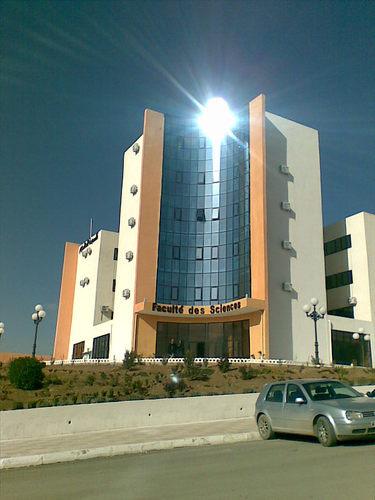
University Sétif 1 FERHAT ABBAS Faculty of Sciences
Détail de l'auteur
Auteur Akram Abdelghafour Bouguetaia |
Documents disponibles écrits par cet auteur


 Ajouter le résultat dans votre panier Affiner la recherche
Titre : Securing IoT networks using Machine Learning Type de document : document électronique Auteurs : Akram Abdelghafour Bouguetaia ; Achraf Ramouane Seggane, Auteur ; Chirihane Gherbi, Directeur de thèse Editeur : Setif:UFA Année de publication : 2025 Importance : 1 vol (67 f .) Format : 29 cm Langues : Anglais (eng) Catégories : Thèses & Mémoires:Informatique Mots-clés : Internet of Things (IoT)
Intrusion Detection System (IDS)
Convolutional Neural Network (CNN)
Machine Learning
Random Forest (RF)
Node-REDIndex. décimale : 004 Informatique Résumé :
The Internet of Things (IoT) network represents a dynamic yet vulnerable environment,
exposed to numerous cybersecurity threats. This thesis proposes an effective solution
for intrusion detection in IoT using machine learning techniques. Two supervised models,
Random Forest (RF) and Convolutional Neural Network (CNN), are developed and
evaluated using the UNSW-NB15 dataset from the Kaggle platform. Experimental results
show that the RF model offers better accuracy (98tion time, making it suitable for
real-time applications. On the other hand, the CNN model provides good performance
(95RF model is then integrated into a simulated IoT environment via Node-RED, with
real-time alerts delivered through a WhatsApp bot. This architecture demonstrates
the feasibility of an intelligent, lightweight, and effective intrusion detection system for
protecting connected devices.Note de contenu : Sommaire
Abstract i
R´esum´e ii
Table of contents ix
List of figures xi
List of tables 1
Introduction 2
1 State of the art 4
1.1 Introduction . . . . . . . . . . . . . . . . . . . . . . . . . . . . . . . . . 4
1.2 Internet of Things (IoT) . . . . . . . . . . . . . . . . . . . . . . . . . . 4
1.2.1 IoT Definition . . . . . . . . . . . . . . . . . . . . . . . . . . . . 4
1.2.2 IoT Architecture . . . . . . . . . . . . . . . . . . . . . . . . . . 5
1.2.3 IoT Components . . . . . . . . . . . . . . . . . . . . . . . . . . 5
1.2.4 IoT Applications . . . . . . . . . . . . . . . . . . . . . . . . . . 7
1.2.5 IoT Characteristics . . . . . . . . . . . . . . . . . . . . . . . . . 8
1.2.6 IoT challenges . . . . . . . . . . . . . . . . . . . . . . . . . . . . 10
1.3 Security in IoT . . . . . . . . . . . . . . . . . . . . . . . . . . . . . . . 10
1.3.1 Threats and Vulnerabilities in IoT . . . . . . . . . . . . . . . . . 11
1.3.2 Secure communication protocols in IoT . . . . . . . . . . . . . . 12
1.3.3 Security Solutions . . . . . . . . . . . . . . . . . . . . . . . . . . 14
1.4 Conclusion . . . . . . . . . . . . . . . . . . . . . . . . . . . . . . . . . . 15
2 Related Review 16
2.1 Introduction . . . . . . . . . . . . . . . . . . . . . . . . . . . . . . . . . 16
2.2 Machine Learning . . . . . . . . . . . . . . . . . . . . . . . . . . . . . 16
2.2.1 Definition . . . . . . . . . . . . . . . . . . . . . . . . . . . . . . 16
2.2.2 Types of Machine Learning . . . . . . . . . . . . . . . . . . . . 17
2.3 Mitigating attacks using Machine Learning . . . . . . . . . . . . . . . 19
2.3.1 Machine Learning Techniques for IoT Security . . . . . . . . . . 19
2.3.2 Challenges of Machine Learning in IoT . . . . . . . . . . . . . . 21
2.4 Related Work . . . . . . . . . . . . . . . . . . . . . . . . . . . . . . . . 22
2.4.1 Using ML algorithms to enhance IoT system security . . . . . . 22
2.4.2 Enhancing intrusion detection in IoT networks using ML-based
feature selection and ensemble models . . . . . . . . . . . . . . 25
2.4.3 Hybrid Machine Learning Model for Efficient Botnet Attack Detection
in IoT Environment . . . . . . . . . . . . . . . . . . . . 29
2.4.4 Cyberattack detection in WSN’s using a hybrid feature reduction
technique with AI and ML methods . . . . . . . . . . . . . . . . 35
2.4.5 Conclusion . . . . . . . . . . . . . . . . . . . . . . . . . . . . . . 41
3 Contribution 42
3.1 Introduction . . . . . . . . . . . . . . . . . . . . . . . . . . . . . . . . . 42
3.2 Problematic . . . . . . . . . . . . . . . . . . . . . . . . . . . . . . . . . 42
3.3 Intrusion Detection System in IoT using Machine Learning . . . . . . . 43
3.3.1 DataSet . . . . . . . . . . . . . . . . . . . . . . . . . . . . . . . 44
3.3.2 Data Preprocessing . . . . . . . . . . . . . . . . . . . . . . . . . 45
3.3.3 Machine Learning Algorithms . . . . . . . . . . . . . . . . . . . 47
3.4 Conclusion . . . . . . . . . . . . . . . . . . . . . . . . . . . . . . . . . . 51
4 Implementation and Results 52
4.1 Introduction . . . . . . . . . . . . . . . . . . . . . . . . . . . . . . . . . 52
4.2 Programming Tools . . . . . . . . . . . . . . . . . . . . . . . . . . . . . 52
4.3 Programming Language . . . . . . . . . . . . . . . . . . . . . . . . . . 54
4.4 Performance and Results . . . . . . . . . . . . . . . . . . . . . . . . . . 54
4.4.1 Random Forest Result . . . . . . . . . . . . . . . . . . . . . . . 54
4.4.2 Convolutional Neural Network Result . . . . . . . . . . . . . . . 56
4.5 Results Comparaison . . . . . . . . . . . . . . . . . . . . . . . . . . . . 57
4.6 Implementing The IDS Model in a Practical Environment . . . . . . . . 57
4.6.1 Script for Real-Time IoT Intrusion Detection System . . . . . . 58
4.6.2 Simulation for the IoT Intrusion Detection System . . . . . . . . 58
4.7 Conclusion . . . . . . . . . . . . . . . . . . . . . . . . . . . . . . . . . . 61
Conclusion 62
Bibliography 64Côte titre : MAI/1047 Securing IoT networks using Machine Learning [document électronique] / Akram Abdelghafour Bouguetaia ; Achraf Ramouane Seggane, Auteur ; Chirihane Gherbi, Directeur de thèse . - [S.l.] : Setif:UFA, 2025 . - 1 vol (67 f .) ; 29 cm.
Langues : Anglais (eng)
Catégories : Thèses & Mémoires:Informatique Mots-clés : Internet of Things (IoT)
Intrusion Detection System (IDS)
Convolutional Neural Network (CNN)
Machine Learning
Random Forest (RF)
Node-REDIndex. décimale : 004 Informatique Résumé :
The Internet of Things (IoT) network represents a dynamic yet vulnerable environment,
exposed to numerous cybersecurity threats. This thesis proposes an effective solution
for intrusion detection in IoT using machine learning techniques. Two supervised models,
Random Forest (RF) and Convolutional Neural Network (CNN), are developed and
evaluated using the UNSW-NB15 dataset from the Kaggle platform. Experimental results
show that the RF model offers better accuracy (98tion time, making it suitable for
real-time applications. On the other hand, the CNN model provides good performance
(95RF model is then integrated into a simulated IoT environment via Node-RED, with
real-time alerts delivered through a WhatsApp bot. This architecture demonstrates
the feasibility of an intelligent, lightweight, and effective intrusion detection system for
protecting connected devices.Note de contenu : Sommaire
Abstract i
R´esum´e ii
Table of contents ix
List of figures xi
List of tables 1
Introduction 2
1 State of the art 4
1.1 Introduction . . . . . . . . . . . . . . . . . . . . . . . . . . . . . . . . . 4
1.2 Internet of Things (IoT) . . . . . . . . . . . . . . . . . . . . . . . . . . 4
1.2.1 IoT Definition . . . . . . . . . . . . . . . . . . . . . . . . . . . . 4
1.2.2 IoT Architecture . . . . . . . . . . . . . . . . . . . . . . . . . . 5
1.2.3 IoT Components . . . . . . . . . . . . . . . . . . . . . . . . . . 5
1.2.4 IoT Applications . . . . . . . . . . . . . . . . . . . . . . . . . . 7
1.2.5 IoT Characteristics . . . . . . . . . . . . . . . . . . . . . . . . . 8
1.2.6 IoT challenges . . . . . . . . . . . . . . . . . . . . . . . . . . . . 10
1.3 Security in IoT . . . . . . . . . . . . . . . . . . . . . . . . . . . . . . . 10
1.3.1 Threats and Vulnerabilities in IoT . . . . . . . . . . . . . . . . . 11
1.3.2 Secure communication protocols in IoT . . . . . . . . . . . . . . 12
1.3.3 Security Solutions . . . . . . . . . . . . . . . . . . . . . . . . . . 14
1.4 Conclusion . . . . . . . . . . . . . . . . . . . . . . . . . . . . . . . . . . 15
2 Related Review 16
2.1 Introduction . . . . . . . . . . . . . . . . . . . . . . . . . . . . . . . . . 16
2.2 Machine Learning . . . . . . . . . . . . . . . . . . . . . . . . . . . . . 16
2.2.1 Definition . . . . . . . . . . . . . . . . . . . . . . . . . . . . . . 16
2.2.2 Types of Machine Learning . . . . . . . . . . . . . . . . . . . . 17
2.3 Mitigating attacks using Machine Learning . . . . . . . . . . . . . . . 19
2.3.1 Machine Learning Techniques for IoT Security . . . . . . . . . . 19
2.3.2 Challenges of Machine Learning in IoT . . . . . . . . . . . . . . 21
2.4 Related Work . . . . . . . . . . . . . . . . . . . . . . . . . . . . . . . . 22
2.4.1 Using ML algorithms to enhance IoT system security . . . . . . 22
2.4.2 Enhancing intrusion detection in IoT networks using ML-based
feature selection and ensemble models . . . . . . . . . . . . . . 25
2.4.3 Hybrid Machine Learning Model for Efficient Botnet Attack Detection
in IoT Environment . . . . . . . . . . . . . . . . . . . . 29
2.4.4 Cyberattack detection in WSN’s using a hybrid feature reduction
technique with AI and ML methods . . . . . . . . . . . . . . . . 35
2.4.5 Conclusion . . . . . . . . . . . . . . . . . . . . . . . . . . . . . . 41
3 Contribution 42
3.1 Introduction . . . . . . . . . . . . . . . . . . . . . . . . . . . . . . . . . 42
3.2 Problematic . . . . . . . . . . . . . . . . . . . . . . . . . . . . . . . . . 42
3.3 Intrusion Detection System in IoT using Machine Learning . . . . . . . 43
3.3.1 DataSet . . . . . . . . . . . . . . . . . . . . . . . . . . . . . . . 44
3.3.2 Data Preprocessing . . . . . . . . . . . . . . . . . . . . . . . . . 45
3.3.3 Machine Learning Algorithms . . . . . . . . . . . . . . . . . . . 47
3.4 Conclusion . . . . . . . . . . . . . . . . . . . . . . . . . . . . . . . . . . 51
4 Implementation and Results 52
4.1 Introduction . . . . . . . . . . . . . . . . . . . . . . . . . . . . . . . . . 52
4.2 Programming Tools . . . . . . . . . . . . . . . . . . . . . . . . . . . . . 52
4.3 Programming Language . . . . . . . . . . . . . . . . . . . . . . . . . . 54
4.4 Performance and Results . . . . . . . . . . . . . . . . . . . . . . . . . . 54
4.4.1 Random Forest Result . . . . . . . . . . . . . . . . . . . . . . . 54
4.4.2 Convolutional Neural Network Result . . . . . . . . . . . . . . . 56
4.5 Results Comparaison . . . . . . . . . . . . . . . . . . . . . . . . . . . . 57
4.6 Implementing The IDS Model in a Practical Environment . . . . . . . . 57
4.6.1 Script for Real-Time IoT Intrusion Detection System . . . . . . 58
4.6.2 Simulation for the IoT Intrusion Detection System . . . . . . . . 58
4.7 Conclusion . . . . . . . . . . . . . . . . . . . . . . . . . . . . . . . . . . 61
Conclusion 62
Bibliography 64Côte titre : MAI/1047 Exemplaires (1)
Code-barres Cote Support Localisation Section Disponibilité MAI/1047 MAI/1047 Mémoire Bibliothèque des sciences Anglais Disponible
Disponible