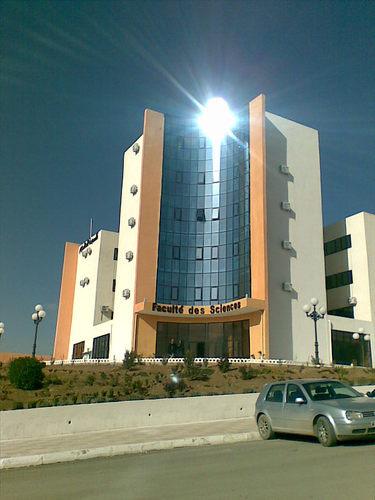
University Sétif 1 FERHAT ABBAS Faculty of Sciences
Détail de l'auteur
Auteur Nourhane Dafi |
Documents disponibles écrits par cet auteur


 Ajouter le résultat dans votre panier Affiner la recherche
Performance and efficiencies of minor actinide transmutation in thermal and fast reactors / Warda Ben Aidja
Titre : Performance and efficiencies of minor actinide transmutation in thermal and fast reactors Type de document : document électronique Auteurs : Warda Ben Aidja, Auteur ; Nourhane Dafi, Auteur ; Mounira Houas, Directeur de thèse Editeur : Setif:UFA Année de publication : 2025 Importance : 1 vol (73 f.) Format : 29 cm Langues : Anglais (eng) Catégories : Thèses & Mémoires:Physique Mots-clés : Physique Index. décimale : 530 - Physique Résumé :
The transmutation of minor actinides in nuclear reactors aims to eliminate the long-term radioactive risks associated with them. Their transmutation is optimal if the minor actinides are fissioned, producing shorter-lived and therefore more tractable fission products. This can either occur directly, through a single neutron interaction leading to fission, or indirectly through an initial neutron capture followed by a second neutron capture leading to fission.
In this context, our study evaluates the performance and efficiencies of the transmutation of three of the most radiotoxic minor actinides : neptunium-237, americium-241, and curium-244, in two types of research reactors : the CARR thermal reactor and the CEFR fast reactor, during 30 days of irradiation at full power. The transmutation rates are estimated using the ChainSolver 2.34 calculation code. Finally, the results obtained are compared and discussed.Note de contenu : Sommaire
List of Figures
List of Tables
Introduction 1
Chapter I : Management of long lived nuclear waste 3
1. Nuclear waste .....................................................................................................................3
1.1. Definition .....................................................................................................................3
1.2. Origin of nuclear waste ................................................................................................3
1.3. Spent fuel ....................................................................................................................5
1.4. Classification of nuclear waste ....................................................................................6
Type A waste .................................................................................................................6
Type B waste ..................................................................................................................7
Type C waste ..................................................................................................................7
1.5. Radiotoxic inventory ...................................................................................................7
2. Nuclear waste management ................................................................................................9
2.1. Objective and principles ..............................................................................................9
2.2. Legislative framework .............................................................................................. .10
1- Transmutation and / or separation of the nuclear waste………………………………10
2- Deep geological storage, either reversible or permanent…………………………......10
3- Conditioning and interim storage …………………………………………………....10
2.3. The various management routes ................................................................................ 11
Open fuel cycle…………………………………………………………………………11
Close fuel cycle……………………………………………………………...………....11
2.4. The PUREX process .................................................................................................. 11
3. Separation and transmutation of long-lived radionuclides ............................................... 12
3.1. Advanced separation processes : ................................................................................ 12
4. Conditioning of nuclear waste .......................................................................................... 13
4.1. Conditioning processes .............................................................................................. 13
4.1.1. Cementing .......................................................................................................... 13
4.1.2. Bitumen coating ................................................................................................... 13
4.1.3. Vitrification ......................................................................................................... 14
4.1.4. Coating with polymer resins ................................................................................ 14
5. Storage of nuclear waste ................................................................................................... 14
5.1. Storage in deep geological formations: ....................................................................... 15
Ornate barriers ............................................................................................................... 15
Geological barriers ....................................................................................................... 16
Chapter II : Transmutation of minor actinides 17
1. Minor actinides ............................................................................................................... 17
1.1. General information about actinides ........................................................................... 17
1.2. Properties of actinides ............................................................................................... 18
1.3. Transuranium elements ............................................................................................. 18
1.4. Properties of transuranium isotopes ........................................................................... 19
2. Minor actinides and spent fuel ......................................................................................... 20
2.1. Main minor actinides ................................................................................................. 20
2.2. Radiotoxicity of minor actinides ............................................................................... 20
2.3. The chemical separation of minor actinides ............................................................... 21
2.4. Neutron characteristics of minor actinides ................................................................. 21
3. Transmutation of minor actinides ..................................................................................... 22
3.1. The physical bases of transmutation .......................................................................... 23
The use of photons : ...................................................................................................... 23
The use of protons ........................................................................................................ 23
The use of neutrons ...................................................................................................... 23
3.2. The neutron balance of the reactor ............................................................................. 24
3.3. Modes of transmutation ............................................................................................. 25
3.4. Transmutation reactors .............................................................................................. 26
3.5. Fabrication of transmutation targets ........................................................................... 27
a- Selection of matrix materials .................................................................................... 27
b- Selection of actinide compounds .............................................................................. 29
c. Selection of moderating materials ............................................................................. 29
4. The scientific feasibility of the transmutation of minor actinides ..................................... 31
Chapter III : Simulation tools 32
1. The objective of the study ................................................................................................ 32
2. Presentation of the digital tools used ................................................................................ 32
2.1. The ChainSolver calculation code ............................................................................. 32
2.1.1. Bateman equations .............................................................................................. 33
2.1.2. The ChainSolver program interface ..................................................................... 34
a. « Chain » page………………………………………………………………………34
b. « Condition » page …………………………………………………………………35
c. « Time » page……………...………………………………………………………..35
d. « Calcul » page………………………………………...............................................36
e. « Answers » page…..........................................................……………………….....37
2.2. The JANIS presentation program ............................................................................... 37
3. Presentation of nuclear research reactors ........................................................................... 38
3.1. The CARR reactor ..................................................................................................... 38
3.2. The CEFR reactor ..................................................................................................... 40
Chapter IV : Analysis and interpretation of results 42
1. Transmutation study of Neptunium-237 ........................................................................... 42
1.1. Reaction cross-sections of Np-237 ................................................................................ 42
1.2. The Np-237 transmutation chain ................................................................................... 42
1.3. Irradiation conditions of Np-237 ................................................................................... 45
1.4. Presentation of calculation results for Np-237………………………………………….. 45
1.5. Evaluation of the transmutation rate of Np-237 .............................................................. 46
2. Transmutation study of Americium-241 ............................................................................ 48
2.1. Reaction cross-sections of Am-241 ............................................................................ 48
2.2. The Am-241 transmutation chain .............................................................................. 48
2.3. Irradiation conditions of Am-241 .............................................................................. 51
2.4. Presentation of calculation results for Am-241 .......................................................... 51
2.5. Evaluation of the transmutation rate of Am-241 ........................................................ 52
3. Transmutation study of Curium-244 ................................................................................ 54
3.1. Reaction cross sections of Cm-244 ............................................................................ 54
3.2. The 244Cm transmutation chain .................................................................................. 54
3.3. Irradiation conditions of Cm-244 ............................................................................... 57
3.4. Presentation of calculation results of Cm-244 ............................................................ 57
3.5. Evaluation of the transmutation rate of Cm-244 ......................................................... 58
4. Interpretation of results .................................................................................................... 60
Conclusion 63
References …………...……………...……………………………………………………….64Côte titre : MAPH/0676 Performance and efficiencies of minor actinide transmutation in thermal and fast reactors [document électronique] / Warda Ben Aidja, Auteur ; Nourhane Dafi, Auteur ; Mounira Houas, Directeur de thèse . - [S.l.] : Setif:UFA, 2025 . - 1 vol (73 f.) ; 29 cm.
Langues : Anglais (eng)
Catégories : Thèses & Mémoires:Physique Mots-clés : Physique Index. décimale : 530 - Physique Résumé :
The transmutation of minor actinides in nuclear reactors aims to eliminate the long-term radioactive risks associated with them. Their transmutation is optimal if the minor actinides are fissioned, producing shorter-lived and therefore more tractable fission products. This can either occur directly, through a single neutron interaction leading to fission, or indirectly through an initial neutron capture followed by a second neutron capture leading to fission.
In this context, our study evaluates the performance and efficiencies of the transmutation of three of the most radiotoxic minor actinides : neptunium-237, americium-241, and curium-244, in two types of research reactors : the CARR thermal reactor and the CEFR fast reactor, during 30 days of irradiation at full power. The transmutation rates are estimated using the ChainSolver 2.34 calculation code. Finally, the results obtained are compared and discussed.Note de contenu : Sommaire
List of Figures
List of Tables
Introduction 1
Chapter I : Management of long lived nuclear waste 3
1. Nuclear waste .....................................................................................................................3
1.1. Definition .....................................................................................................................3
1.2. Origin of nuclear waste ................................................................................................3
1.3. Spent fuel ....................................................................................................................5
1.4. Classification of nuclear waste ....................................................................................6
Type A waste .................................................................................................................6
Type B waste ..................................................................................................................7
Type C waste ..................................................................................................................7
1.5. Radiotoxic inventory ...................................................................................................7
2. Nuclear waste management ................................................................................................9
2.1. Objective and principles ..............................................................................................9
2.2. Legislative framework .............................................................................................. .10
1- Transmutation and / or separation of the nuclear waste………………………………10
2- Deep geological storage, either reversible or permanent…………………………......10
3- Conditioning and interim storage …………………………………………………....10
2.3. The various management routes ................................................................................ 11
Open fuel cycle…………………………………………………………………………11
Close fuel cycle……………………………………………………………...………....11
2.4. The PUREX process .................................................................................................. 11
3. Separation and transmutation of long-lived radionuclides ............................................... 12
3.1. Advanced separation processes : ................................................................................ 12
4. Conditioning of nuclear waste .......................................................................................... 13
4.1. Conditioning processes .............................................................................................. 13
4.1.1. Cementing .......................................................................................................... 13
4.1.2. Bitumen coating ................................................................................................... 13
4.1.3. Vitrification ......................................................................................................... 14
4.1.4. Coating with polymer resins ................................................................................ 14
5. Storage of nuclear waste ................................................................................................... 14
5.1. Storage in deep geological formations: ....................................................................... 15
Ornate barriers ............................................................................................................... 15
Geological barriers ....................................................................................................... 16
Chapter II : Transmutation of minor actinides 17
1. Minor actinides ............................................................................................................... 17
1.1. General information about actinides ........................................................................... 17
1.2. Properties of actinides ............................................................................................... 18
1.3. Transuranium elements ............................................................................................. 18
1.4. Properties of transuranium isotopes ........................................................................... 19
2. Minor actinides and spent fuel ......................................................................................... 20
2.1. Main minor actinides ................................................................................................. 20
2.2. Radiotoxicity of minor actinides ............................................................................... 20
2.3. The chemical separation of minor actinides ............................................................... 21
2.4. Neutron characteristics of minor actinides ................................................................. 21
3. Transmutation of minor actinides ..................................................................................... 22
3.1. The physical bases of transmutation .......................................................................... 23
The use of photons : ...................................................................................................... 23
The use of protons ........................................................................................................ 23
The use of neutrons ...................................................................................................... 23
3.2. The neutron balance of the reactor ............................................................................. 24
3.3. Modes of transmutation ............................................................................................. 25
3.4. Transmutation reactors .............................................................................................. 26
3.5. Fabrication of transmutation targets ........................................................................... 27
a- Selection of matrix materials .................................................................................... 27
b- Selection of actinide compounds .............................................................................. 29
c. Selection of moderating materials ............................................................................. 29
4. The scientific feasibility of the transmutation of minor actinides ..................................... 31
Chapter III : Simulation tools 32
1. The objective of the study ................................................................................................ 32
2. Presentation of the digital tools used ................................................................................ 32
2.1. The ChainSolver calculation code ............................................................................. 32
2.1.1. Bateman equations .............................................................................................. 33
2.1.2. The ChainSolver program interface ..................................................................... 34
a. « Chain » page………………………………………………………………………34
b. « Condition » page …………………………………………………………………35
c. « Time » page……………...………………………………………………………..35
d. « Calcul » page………………………………………...............................................36
e. « Answers » page…..........................................................……………………….....37
2.2. The JANIS presentation program ............................................................................... 37
3. Presentation of nuclear research reactors ........................................................................... 38
3.1. The CARR reactor ..................................................................................................... 38
3.2. The CEFR reactor ..................................................................................................... 40
Chapter IV : Analysis and interpretation of results 42
1. Transmutation study of Neptunium-237 ........................................................................... 42
1.1. Reaction cross-sections of Np-237 ................................................................................ 42
1.2. The Np-237 transmutation chain ................................................................................... 42
1.3. Irradiation conditions of Np-237 ................................................................................... 45
1.4. Presentation of calculation results for Np-237………………………………………….. 45
1.5. Evaluation of the transmutation rate of Np-237 .............................................................. 46
2. Transmutation study of Americium-241 ............................................................................ 48
2.1. Reaction cross-sections of Am-241 ............................................................................ 48
2.2. The Am-241 transmutation chain .............................................................................. 48
2.3. Irradiation conditions of Am-241 .............................................................................. 51
2.4. Presentation of calculation results for Am-241 .......................................................... 51
2.5. Evaluation of the transmutation rate of Am-241 ........................................................ 52
3. Transmutation study of Curium-244 ................................................................................ 54
3.1. Reaction cross sections of Cm-244 ............................................................................ 54
3.2. The 244Cm transmutation chain .................................................................................. 54
3.3. Irradiation conditions of Cm-244 ............................................................................... 57
3.4. Presentation of calculation results of Cm-244 ............................................................ 57
3.5. Evaluation of the transmutation rate of Cm-244 ......................................................... 58
4. Interpretation of results .................................................................................................... 60
Conclusion 63
References …………...……………...……………………………………………………….64Côte titre : MAPH/0676 Exemplaires (1)
Code-barres Cote Support Localisation Section Disponibilité MAPH/0676 MAPH/0676 Mémoire Bibliothèque des sciences Anglais Disponible
Disponible