Catalogue de la bibliothèque de SNV
A partir de cette page vous pouvez :
| Retourner au premier écran avec les catégories... | Votre compte | Aide |
Détail de l'indexation
 577 Écologie (biodiversité ,écosystèmes )
Ouvrages de la bibliothèque en indexation 577.3


 Affiner la recherche
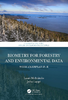
Biometry for Forestry and Environmental Data / Juha Lappi / London : CRC press (2022)


Titre : Biometry for Forestry and Environmental Data : With Examples in R Type de document : texte imprimé Auteurs : Juha Lappi, Auteur Editeur : London : CRC press Année de publication : 2022 Importance : 1 vol. (411p.) Présentation : ill.en coul. Format : 25 cm ISBN/ISSN/EAN : 978-0-367-50845-6 Langues : Anglais Catégories : Ecologie et Environnement - Météorologie - Clémat - Biodiversité
Plantes (Botanique)Mots-clés : Plantes écologie Index. décimale : 577.3 Écologie des forêts Résumé :
Biometry for Forestry and Environmental Data with Examples in R focuses on statistical methods that are widely applicable in forestry and environmental sciences, but it also includes material that is of wider interest.
Features:
* Describes the theory and applications of selected statistical methods and illustrates their use and basic concepts through examples with forestry and environmental data in R.
* Rigorous but easily accessible presentation of the linear, nonlinear, generalized linear and multivariate models, and their mixed-effects counterparts. Chapters on tree size, tree taper, measurement errors, and forest experiments are also included.
* Necessary statistical theory about random variables, estimation and prediction is included. The wide applicability of the linear prediction theory is emphasized.
* The hands-on examples with implementations using R make it easier for non-statisticians to understand the concepts and apply the methods with their own data. Lot of additional material is available at www.biombook.org.
The book is aimed at students and researchers in forestry and environmental studies, but it will also be of interest to statisticians and researchers in other fields as well.Note de contenu :
Sommaire:
-1- Introduction
-2- Random Variables
-3- Statistical Modeling, Estimation and Prediction
-4- Linear Model
-5- Linear Mixed-effects Models
-6- More about Linear Mixed-eff□ects Models
-7- Nonlinear (Mixed-eff□ects) Models
-8- Generalized Linear (Mixed-E□ffects) Models
-9- Multivariate (Mixed-Eff□ects) Models
-10 Additional topics on regression
-11 Modeling Tree Size
-12 Taper Curves
-13 Measurement Errors
-14 Forest and Environmental ExperimentsBiometry for Forestry and Environmental Data : With Examples in R [texte imprimé] / Juha Lappi, Auteur . - London : CRC press, 2022 . - 1 vol. (411p.) : ill.en coul. ; 25 cm.
ISBN : 978-0-367-50845-6
Langues : Anglais
Catégories : Ecologie et Environnement - Météorologie - Clémat - Biodiversité
Plantes (Botanique)Mots-clés : Plantes écologie Index. décimale : 577.3 Écologie des forêts Résumé :
Biometry for Forestry and Environmental Data with Examples in R focuses on statistical methods that are widely applicable in forestry and environmental sciences, but it also includes material that is of wider interest.
Features:
* Describes the theory and applications of selected statistical methods and illustrates their use and basic concepts through examples with forestry and environmental data in R.
* Rigorous but easily accessible presentation of the linear, nonlinear, generalized linear and multivariate models, and their mixed-effects counterparts. Chapters on tree size, tree taper, measurement errors, and forest experiments are also included.
* Necessary statistical theory about random variables, estimation and prediction is included. The wide applicability of the linear prediction theory is emphasized.
* The hands-on examples with implementations using R make it easier for non-statisticians to understand the concepts and apply the methods with their own data. Lot of additional material is available at www.biombook.org.
The book is aimed at students and researchers in forestry and environmental studies, but it will also be of interest to statisticians and researchers in other fields as well.Note de contenu :
Sommaire:
-1- Introduction
-2- Random Variables
-3- Statistical Modeling, Estimation and Prediction
-4- Linear Model
-5- Linear Mixed-effects Models
-6- More about Linear Mixed-eff□ects Models
-7- Nonlinear (Mixed-eff□ects) Models
-8- Generalized Linear (Mixed-E□ffects) Models
-9- Multivariate (Mixed-Eff□ects) Models
-10 Additional topics on regression
-11 Modeling Tree Size
-12 Taper Curves
-13 Measurement Errors
-14 Forest and Environmental ExperimentsExemplaires
Code-barres Cote Support Localisation Section Disponibilité FB/15747 SNV8/1817 Livre Bibliothèque SNV Englais Disponible FB/15748 SNV8/1817 Livre Bibliothèque SNV Englais Disponible Documents numériques
https://www.amazon.fr/Biometry-Forestry-Environmental-Data-Examples-ebook/dp/B089BS5PG5/ref=sr_1_1?__mk_fr_FR=%C3%85M%C3%85%C5%BD%C3%95%C3%91&crid=1MCG5XFBA85EP&dib=eyJ2IjoiMSJ9.vXBBSkR2S7B5xxfnwoeEw3jQPv7h_wc5nGp8GXudFoDGjHj071QN20LucGBJIEps.bTSoGPyUpPqrURL
Titre : Forest Ecology Type de document : texte imprimé Auteurs : Daniel M. Kashian ; Donald R. Zak ; Burton V. Barnes Mention d'édition : 5e éd. Editeur : Wiley Année de publication : 2023 Importance : 1 vol. (757 p.) Présentation : ill. en coul. Format : 25 cm ISBN/ISSN/EAN : 978-1-119-47608-5 Langues : Français Catégories : Ecologie et Environnement - Météorologie - Clémat - Biodiversité Mots-clés : - Forest ecology
- Écologie : Forêt
- Ecology : ForestIndex. décimale : 577.3 Écologie des forêts Résumé :
Authoritative Resource covering traditional plant ecology topics and contemporary components such as climate change, invasive species, ecosystem services, and more
Forest Ecology provides comprehensive coverage of the field, focusing on traditional plant ecology topics of tree structure and growth, regeneration, effects of light and temperature on tree physiology, forest communities, succession, and diversity. The work also reviews abiotic factors of light, temperature, physiography (landforms and topography), soil, and disturbance (especially fire), and provides coverage of ecosystem-level topics including carbon storage and balance, nutrient cycling, and forest ecosystem productivity.
The 5th edition of Forest Ecology retains the readability and accessibility of the previous editions and includes important additional topical material that has surfaced in the field. All topics are approached with a landscape ecosystem or geo-ecological view, which places biota (organisms and communities) in context as integral parts of whole ecosystems that also include air (atmosphere and climate), topography, soil, and water. As such, the book fills a niche utilized by no other forest ecology text on the market, helping students and researchers consider whole ecosystems at multiple scales.
Sample topics covered in Forest Ecology include:
Contemporary components of forest ecology, including climate change, invasive species, diversity, ecological forestry, landscape ecology, and ecosystem services.
Characteristics of physiography important for forest ecosystems, including its effects on microclimate, disturbance, soil, and vegetation.
Genetic diversity of woody plants and genecological differentiation of tree species, including the importance of hybridization, polyploidy, and epigenetics.
Site quality estimation using tree height and ground flora, and multiple-factor approaches to forest site and ecosystem classification and mapping.
Forest Ecology is a highly accessible text for students, but it also serves as an excellent reference for academics. In addition, practitioners of forest ecology can also harness the information within to gain better insight into the field for practical application of concepts.Note de contenu :
Sommaire:
* Part 1 Forest Ecology and Landscape Ecosystems
* Part 2 The Forest Tree
* Part 3 The Physical Environment
* Part 4 Forest Communities
* Part 5 Forest Ecosystem Dynamic
* Part 6 Forests of the FutureForest Ecology [texte imprimé] / Daniel M. Kashian ; Donald R. Zak ; Burton V. Barnes . - 5e éd. . - [S.l.] : Wiley, 2023 . - 1 vol. (757 p.) : ill. en coul. ; 25 cm.
ISBN : 978-1-119-47608-5
Langues : Français
Catégories : Ecologie et Environnement - Météorologie - Clémat - Biodiversité Mots-clés : - Forest ecology
- Écologie : Forêt
- Ecology : ForestIndex. décimale : 577.3 Écologie des forêts Résumé :
Authoritative Resource covering traditional plant ecology topics and contemporary components such as climate change, invasive species, ecosystem services, and more
Forest Ecology provides comprehensive coverage of the field, focusing on traditional plant ecology topics of tree structure and growth, regeneration, effects of light and temperature on tree physiology, forest communities, succession, and diversity. The work also reviews abiotic factors of light, temperature, physiography (landforms and topography), soil, and disturbance (especially fire), and provides coverage of ecosystem-level topics including carbon storage and balance, nutrient cycling, and forest ecosystem productivity.
The 5th edition of Forest Ecology retains the readability and accessibility of the previous editions and includes important additional topical material that has surfaced in the field. All topics are approached with a landscape ecosystem or geo-ecological view, which places biota (organisms and communities) in context as integral parts of whole ecosystems that also include air (atmosphere and climate), topography, soil, and water. As such, the book fills a niche utilized by no other forest ecology text on the market, helping students and researchers consider whole ecosystems at multiple scales.
Sample topics covered in Forest Ecology include:
Contemporary components of forest ecology, including climate change, invasive species, diversity, ecological forestry, landscape ecology, and ecosystem services.
Characteristics of physiography important for forest ecosystems, including its effects on microclimate, disturbance, soil, and vegetation.
Genetic diversity of woody plants and genecological differentiation of tree species, including the importance of hybridization, polyploidy, and epigenetics.
Site quality estimation using tree height and ground flora, and multiple-factor approaches to forest site and ecosystem classification and mapping.
Forest Ecology is a highly accessible text for students, but it also serves as an excellent reference for academics. In addition, practitioners of forest ecology can also harness the information within to gain better insight into the field for practical application of concepts.Note de contenu :
Sommaire:
* Part 1 Forest Ecology and Landscape Ecosystems
* Part 2 The Forest Tree
* Part 3 The Physical Environment
* Part 4 Forest Communities
* Part 5 Forest Ecosystem Dynamic
* Part 6 Forests of the FutureExemplaires
Code-barres Cote Support Localisation Section Disponibilité FB/15536 SNV8/1763 Livre Bibliothèque SNV Englais Disponible FB/15537 SNV8/1763 Livre Bibliothèque SNV Englais Disponible Forest ecology / Lindsay Patterson / Toronto [Canada] : Toronto Academic Press (2025)

Titre : Forest ecology Type de document : document électronique Auteurs : Lindsay Patterson Editeur : Toronto [Canada] : Toronto Academic Press Année de publication : 2025 Importance : 1 vol. (356 p.) Présentation : ill., couv. ill. en coul. Format : ISBN/ISSN/EAN : 978-1-77956-745-1 Langues : Anglais Catégories : Bibliothèque Numérique:Livre Electronique Mots-clés : - Ecology : Forest
- Écologie : ForêtIndex. décimale : 577.3 Écologie des forêts Résumé :
This Book aims to offer a detailed understanding of the ecological principles governing forest ecosystems. It covers forest structure and function, biodiversity, and the roles of forests in global biogeochemical cycles. The book also addresses the impacts of human activities, climate change, and conservation strategies on forest ecosystems. Designed for undergraduate and graduate students, it combines theoretical frameworks with field-based research examples. Supplementary materials include case studies, data analysis exercises, and access to online resources for further exploration.Note de contenu :
Table of Contents
1- GENERAL ASPECTS OF FORESTS
2- FOREST ECOSYSTEMS
3- URBAN FOREST ECOSYSTEM
4- FOREST SOIL DYNAMICS
5- HYDROLOGICAL PROCESSES IN FOREST ECOSYSTEMS
6- THE ENVIRONMENTAL VALUE OF FORESTS
7- REGENERATION OF FORESTS
8- FOREST PROTECTION AND WILDLIFE BIOLOGY
9- GLOBAL CLIMATE CHANGE IMPACT ON FORESTSEn ligne : https://cloud.univ-setif.dz/index.php/s/2YWLa3XFmJ4g9fi Forest ecology [document électronique] / Lindsay Patterson . - Toronto (Canada) : Toronto Academic Press, 2025 . - 1 vol. (356 p.) : ill., couv. ill. en coul. ; PDF.
ISBN : 978-1-77956-745-1
Langues : Anglais
Catégories : Bibliothèque Numérique:Livre Electronique Mots-clés : - Ecology : Forest
- Écologie : ForêtIndex. décimale : 577.3 Écologie des forêts Résumé :
This Book aims to offer a detailed understanding of the ecological principles governing forest ecosystems. It covers forest structure and function, biodiversity, and the roles of forests in global biogeochemical cycles. The book also addresses the impacts of human activities, climate change, and conservation strategies on forest ecosystems. Designed for undergraduate and graduate students, it combines theoretical frameworks with field-based research examples. Supplementary materials include case studies, data analysis exercises, and access to online resources for further exploration.Note de contenu :
Table of Contents
1- GENERAL ASPECTS OF FORESTS
2- FOREST ECOSYSTEMS
3- URBAN FOREST ECOSYSTEM
4- FOREST SOIL DYNAMICS
5- HYDROLOGICAL PROCESSES IN FOREST ECOSYSTEMS
6- THE ENVIRONMENTAL VALUE OF FORESTS
7- REGENERATION OF FORESTS
8- FOREST PROTECTION AND WILDLIFE BIOLOGY
9- GLOBAL CLIMATE CHANGE IMPACT ON FORESTSEn ligne : https://cloud.univ-setif.dz/index.php/s/2YWLa3XFmJ4g9fi Exemplaires
Code-barres Cote Support Localisation Section Disponibilité EB-SNV/0036 EB-SNV/0036 DVD et CD Bibliothèque SNV Englais Disponible
Titre : La forêt sonore : De l'esthétique à l'écologie Type de document : texte imprimé Auteurs : Jean Mottet Editeur : Champ Vallon Année de publication : 2017 Collection : Pays/Paysages Importance : 1 vol. (218 p.) Présentation : ill. Format : 22 cm ISBN/ISSN/EAN : 979-10-267-0506-2 Langues : Français Catégories : Ecologie et Environnement - Météorologie - Clémat - Biodiversité Mots-clés : - Bioacoustique
- Forêts
- Forêt sonoreIndex. décimale : 577.3 Écologie des forêts Résumé :
Doué Pour voir, regardeur du monde, l'homme peut-il aussi l'écouter? Les écrivains, les artistes, les poètes ont célébré l'arbre et la forêt sous la forme très spécifique du paysage défini comme spectacle visuel. Qu'avons-nous oublié? La nature de ce qui «fait forêt» n'est-elle pas, de nouveau, à chercher? Par son souci de réhabiliter l'environnement sonore de la forêt, matrice d'une perception sensorielle du monde, ce livre propose en fait une nouvelle manière de relier perception de la nature et éthique environnementale. La forêt, alors, n'est plus seulement à «regarder» : elle se branche sur du vital. Dans l'écoute des vibrations sonores de la forêt, c'est le monde que l'on ausculte. Aldo Leopold l'avait déjà magnifiquement dit: « Lorsque nous entendons l'appel des grues, ce n'est pas un simple oiseau que nous entendons, mais la trompette de l'orchestre de l'évolution». Par ailleurs, la biologie végétale nous a appris que les plantes ont elles-mêmes de multiples façons de percevoir l'environnement, voire d'émettre des sons. Pour entendre et respecter cette intériorité végétale, rien de tel que le mélange de poésie et de science proposé par ce livre.La forêt sonore : De l'esthétique à l'écologie [texte imprimé] / Jean Mottet . - [S.l.] : Champ Vallon, 2017 . - 1 vol. (218 p.) : ill. ; 22 cm. - (Pays/Paysages) .
ISBN : 979-10-267-0506-2
Langues : Français
Catégories : Ecologie et Environnement - Météorologie - Clémat - Biodiversité Mots-clés : - Bioacoustique
- Forêts
- Forêt sonoreIndex. décimale : 577.3 Écologie des forêts Résumé :
Doué Pour voir, regardeur du monde, l'homme peut-il aussi l'écouter? Les écrivains, les artistes, les poètes ont célébré l'arbre et la forêt sous la forme très spécifique du paysage défini comme spectacle visuel. Qu'avons-nous oublié? La nature de ce qui «fait forêt» n'est-elle pas, de nouveau, à chercher? Par son souci de réhabiliter l'environnement sonore de la forêt, matrice d'une perception sensorielle du monde, ce livre propose en fait une nouvelle manière de relier perception de la nature et éthique environnementale. La forêt, alors, n'est plus seulement à «regarder» : elle se branche sur du vital. Dans l'écoute des vibrations sonores de la forêt, c'est le monde que l'on ausculte. Aldo Leopold l'avait déjà magnifiquement dit: « Lorsque nous entendons l'appel des grues, ce n'est pas un simple oiseau que nous entendons, mais la trompette de l'orchestre de l'évolution». Par ailleurs, la biologie végétale nous a appris que les plantes ont elles-mêmes de multiples façons de percevoir l'environnement, voire d'émettre des sons. Pour entendre et respecter cette intériorité végétale, rien de tel que le mélange de poésie et de science proposé par ce livre.Exemplaires
Code-barres Cote Support Localisation Section Disponibilité FB/13006 SNV12/0330 -Livre- Bibliothèque SNV Français Disponible FB/13007 SNV12/0330 -Livre- Bibliothèque SNV Français Disponible FB/13008 SNV12/0330 -Livre- Bibliothèque SNV Français Disponible FB/13009 SNV12/0330 -Livre- Bibliothèque SNV Français Disponible FB/13010 SNV12/0330 -Livre- Bibliothèque SNV Français Disponible FB/13011 SNV12/0330 -Livre- Bibliothèque SNV Français Disponible FB/13012 SNV12/0330 -Livre- Bibliothèque SNV Français Disponible FB/13013 SNV12/0330 -Livre- Bibliothèque SNV Français Disponible
Titre : L'homme et les forêts tropicales : Une relation durable ? Type de document : texte imprimé Auteurs : Benjamin Singer (1979-....), Directeur de publication, rédacteur en chef Editeur : Versailles : Éditions Quae Année de publication : 2015 Collection : Enjeux sciences, ISSN 2267-3032 Importance : 1 vol. (197 p.) Présentation : ill. Format : 19 cm ISBN/ISSN/EAN : 978-2-7592-2337-4 Langues : Français Catégories : Ecologie et Environnement - Météorologie - Clémat - Biodiversité Mots-clés : Forêts pluviales Foresterie durable Index. décimale : 577.3 Écologie des forêts Résumé :
Les Forêts tropicales traversent une crise sans précédent. Environ 6 millions d’hectares disparaissent chaque année depuis 2005. Plus de 12 % d’espèces végétales sont menacées d’extinction immédiate. Les forêts tropicales sont pourtant sources de vie et de richesse pour l’humanité toute entière, elles fournissent les moyens de subsistance pour au moins 1,6 milliard d’êtres humains et de l’eau potable pour bien plus encore.
Elles contribuent également à une industrie du bois qui pèse plus de 100 milliards de dollars par an à l’échelle mondiale. Les auteurs de cet ouvrage, scientifiques et professionnels, nous présentent ici les principaux enjeux écologiques, sociaux, économiques et politiques des forêts tropicales, qu’elles soient denses et humides, sèches et clairsemées, en Amérique latine, en Afrique, en Asie méridionale ou en Océanie.
Pour chaque enjeu, des instruments d’action sont recommandés, à l’échelle locale, nationale ou internationale. Le lecteur est ainsi accompagné vers la compréhension de solutions, parfois complexes, souvent regroupées sous le vocable de «gestion durable des forêts». La dégradation des ressources naturelles exacerbant aussi les inégalités économiques, sociales et culturelles, nous sommes aussi interpellés sur les conditions d’une refonte du système-monde et sur l’émergence d’une consommation mondiale plus citoyenne et responsable.
Coordonné par Benjamin Singer, l’ouvrage inclut les dernières statistiques sur l’état des forêts (de la FAO, notamment). Il s’adresse à tout public curieux d’en savoir plus sur les principaux enjeux des ressources naturelles.Note de contenu :
Sommaire:
- La forêt,au -delà des arbres
- L'homme et la forêt, histoire d'une coévolution
- La foret tropicale, des enjeux multiples
- Vers une gestion durable des forêts tropicalesL'homme et les forêts tropicales : Une relation durable ? [texte imprimé] / Benjamin Singer (1979-....), Directeur de publication, rédacteur en chef . - Versailles : Éditions Quae, 2015 . - 1 vol. (197 p.) : ill. ; 19 cm. - (Enjeux sciences, ISSN 2267-3032) .
ISBN : 978-2-7592-2337-4
Langues : Français
Catégories : Ecologie et Environnement - Météorologie - Clémat - Biodiversité Mots-clés : Forêts pluviales Foresterie durable Index. décimale : 577.3 Écologie des forêts Résumé :
Les Forêts tropicales traversent une crise sans précédent. Environ 6 millions d’hectares disparaissent chaque année depuis 2005. Plus de 12 % d’espèces végétales sont menacées d’extinction immédiate. Les forêts tropicales sont pourtant sources de vie et de richesse pour l’humanité toute entière, elles fournissent les moyens de subsistance pour au moins 1,6 milliard d’êtres humains et de l’eau potable pour bien plus encore.
Elles contribuent également à une industrie du bois qui pèse plus de 100 milliards de dollars par an à l’échelle mondiale. Les auteurs de cet ouvrage, scientifiques et professionnels, nous présentent ici les principaux enjeux écologiques, sociaux, économiques et politiques des forêts tropicales, qu’elles soient denses et humides, sèches et clairsemées, en Amérique latine, en Afrique, en Asie méridionale ou en Océanie.
Pour chaque enjeu, des instruments d’action sont recommandés, à l’échelle locale, nationale ou internationale. Le lecteur est ainsi accompagné vers la compréhension de solutions, parfois complexes, souvent regroupées sous le vocable de «gestion durable des forêts». La dégradation des ressources naturelles exacerbant aussi les inégalités économiques, sociales et culturelles, nous sommes aussi interpellés sur les conditions d’une refonte du système-monde et sur l’émergence d’une consommation mondiale plus citoyenne et responsable.
Coordonné par Benjamin Singer, l’ouvrage inclut les dernières statistiques sur l’état des forêts (de la FAO, notamment). Il s’adresse à tout public curieux d’en savoir plus sur les principaux enjeux des ressources naturelles.Note de contenu :
Sommaire:
- La forêt,au -delà des arbres
- L'homme et la forêt, histoire d'une coévolution
- La foret tropicale, des enjeux multiples
- Vers une gestion durable des forêts tropicalesExemplaires
Code-barres Cote Support Localisation Section Disponibilité FB/14126 SNV12/0290 Livre Bibliothèque SNV Français Disponible FB/14125 SNV12/0290 Livre Bibliothèque SNV Français Disponible FB/14124 SNV12/0290 Livre Bibliothèque SNV Français Disponible FB/14123 SNV12/0290 Livre Bibliothèque SNV Français Disponible FB/14122 SNV12/0290 Livre Bibliothèque SNV Français Disponible FB/11464 SNV12/0290 Livre Bibliothèque SNV Français Disponible FB/11462 SNV12/0290 Livre Bibliothèque SNV Français Disponible FB/11461 SNV12/0290 Livre Bibliothèque SNV Français Disponible FB/11460 SNV12/0290 Livre Bibliothèque SNV Français Disponible FB/11463 SNV12/0290 Livre Bibliothèque SNV Français Disponible
Permalink
Permalink
Permalink