Catalogue de la bibliothèque de SNV
A partir de cette page vous pouvez :
| Retourner au premier écran avec les catégories... | Votre compte | Aide |
Détail de l'éditeur
|
|
Documents disponibles chez cet éditeur


 Affiner la recherche
Essential molecular biology / Oxford university press (2000)
Titre : Essential molecular biology Type de document : texte imprimé Auteurs : Terence Austen Brown (1953-....), Editeur scientifique Editeur : Oxford university press Année de publication : 2000 Collection : Practical approach series, ISSN 0957-025X Importance : 2 vol. (XX-240 p.) (XIX-289 p.) Présentation : couv. ill. en coul., ill., fig. Format : 25 cm ISBN/ISSN/EAN : 978-0-19-963642-6 Note générale : Bibliogr. Index
Langues : Anglais Catégories : Biochimie - Biotechnologie - Génie chimique - Génétique ...
Biologie ( B-Cellulaire - B-Animale - B-Végétale - B-moléculaire - Cytologie )Mots-clés : - Molecular biology
- Biologie moléculaire
- Génétique moléculaireIndex. décimale : 572.8 Génétique moléculaire ( biologie moléculaire, cytogénétique, génétique biochimique) Résumé :
The techniques described in Volume I of this book form the foundation to research work in molecular biology and, once they have been mastered, any of the more specialized procedures can be approached with confidence.Note de contenu :
Sommaire:
-Volume 1
- Chapter 1 : Getting started in molecular biology.
- Chapter 2 : Microbiological techniques for molecular biology.
- Chapter 3 : Purification of DNA.
- Chapter 4 : Purification of RNA.
- Chapter 5 : Nucleic acid electrophoresis in agarose gels.
- Chapter 6 : Recovery of DNA from electrophorsis gels.
- Chapter 7 : Construction of recombinant DNA molecules.
- Chapter 8 : Generation and identification of recombinant clones.
- Chapter 9 : Survey of cloning vectors for Escherichia coli. Appendices.
- Volume 2
- Chapter 1 : Strategies for research in molecular biology.
- Chapter 2 : Construction of genomic libraries in λ and cosmid vectors.
- Chapter 3 : Construction of a cDNA library.
- Chapter 4 : Nucleic acid labelling and detection.
- Chapter 5 : Immobilization of nucleic acids and hybridization analysis.
- Chapter 6 : DNA sequencing.
- Chapter 7 : The polymerase chain reaction.
- Chapter 8 : Protein expression in Escherichia coli.
- Chapter 9 : Transcript mapping.Essential molecular biology [texte imprimé] / Terence Austen Brown (1953-....), Editeur scientifique . - [S.l.] : Oxford university press, 2000 . - 2 vol. (XX-240 p.) (XIX-289 p.) : couv. ill. en coul., ill., fig. ; 25 cm. - (Practical approach series, ISSN 0957-025X) .
ISBN : 978-0-19-963642-6
Bibliogr. Index
Langues : Anglais
Catégories : Biochimie - Biotechnologie - Génie chimique - Génétique ...
Biologie ( B-Cellulaire - B-Animale - B-Végétale - B-moléculaire - Cytologie )Mots-clés : - Molecular biology
- Biologie moléculaire
- Génétique moléculaireIndex. décimale : 572.8 Génétique moléculaire ( biologie moléculaire, cytogénétique, génétique biochimique) Résumé :
The techniques described in Volume I of this book form the foundation to research work in molecular biology and, once they have been mastered, any of the more specialized procedures can be approached with confidence.Note de contenu :
Sommaire:
-Volume 1
- Chapter 1 : Getting started in molecular biology.
- Chapter 2 : Microbiological techniques for molecular biology.
- Chapter 3 : Purification of DNA.
- Chapter 4 : Purification of RNA.
- Chapter 5 : Nucleic acid electrophoresis in agarose gels.
- Chapter 6 : Recovery of DNA from electrophorsis gels.
- Chapter 7 : Construction of recombinant DNA molecules.
- Chapter 8 : Generation and identification of recombinant clones.
- Chapter 9 : Survey of cloning vectors for Escherichia coli. Appendices.
- Volume 2
- Chapter 1 : Strategies for research in molecular biology.
- Chapter 2 : Construction of genomic libraries in λ and cosmid vectors.
- Chapter 3 : Construction of a cDNA library.
- Chapter 4 : Nucleic acid labelling and detection.
- Chapter 5 : Immobilization of nucleic acids and hybridization analysis.
- Chapter 6 : DNA sequencing.
- Chapter 7 : The polymerase chain reaction.
- Chapter 8 : Protein expression in Escherichia coli.
- Chapter 9 : Transcript mapping.Exemplaires
Code-barres Cote Support Localisation Section Disponibilité FB/00753 SNV8/0193 -Livre- Bibliothèque SNV -Français- Disponible FB/00754 SNV8/0193 -Livre- Bibliothèque SNV -Français- Disponible
Titre : Knowledge of the land : land resources information and its use in rural development Type de document : texte imprimé Auteurs : D. B. Dalal-Clayton ; David Dent Editeur : Oxford university press Année de publication : 2001 Importance : xviii, 428 p. Présentation : ill., maps Format : 24 cm ISBN/ISSN/EAN : 978-0-19-829601-0 Catégories : Géologie - Pédologie - Biogéographie Mots-clés : -Knowledge of the land Rural développent Index. décimale : 333.7 Énergie, ressources naturelles Résumé :
Planners and decision-makers today need to be in command of a broader range of tools and information than ever before. Knowledge of the Land aims to show what is available in the way of natural resources information, and how it has been used (or not used) in planning and policy making. For both methods and applications, the authors have tried to provide enough detail for the reader to judge what data, skills, and procedures are required to meet their particular needs, and the ample references give guidance on where to find further information.
There has been a notable shift in planning and rural development over the past decade. Technocratic, top-down approaches are still very much in evidence, but there has been an explosion of participatory initiatives. Many institutions cling to sectoral thinking. There is, however, growing recognition that sustainable development involves balancing environmental, social, and economic considerations, Such a balance requires an interdisciplinary approach, both to the the survey of natural resources, and to the use of the information acquired in land evaluation, planning, environmental impact assessment, and the preparation of coherent strategies and policies for sustainable development.
The old ways and the new bring insights crucial to meeting these challenges. Both provide invaluable methods of work. By bringing together the standard methods of resource assessment and planning, and new thinking and emerging techniques, this book will help all practitioners to bridge the gap between the two.Knowledge of the land : land resources information and its use in rural development [texte imprimé] / D. B. Dalal-Clayton ; David Dent . - [S.l.] : Oxford university press, 2001 . - xviii, 428 p. : ill., maps ; 24 cm.
ISBN : 978-0-19-829601-0
Catégories : Géologie - Pédologie - Biogéographie Mots-clés : -Knowledge of the land Rural développent Index. décimale : 333.7 Énergie, ressources naturelles Résumé :
Planners and decision-makers today need to be in command of a broader range of tools and information than ever before. Knowledge of the Land aims to show what is available in the way of natural resources information, and how it has been used (or not used) in planning and policy making. For both methods and applications, the authors have tried to provide enough detail for the reader to judge what data, skills, and procedures are required to meet their particular needs, and the ample references give guidance on where to find further information.
There has been a notable shift in planning and rural development over the past decade. Technocratic, top-down approaches are still very much in evidence, but there has been an explosion of participatory initiatives. Many institutions cling to sectoral thinking. There is, however, growing recognition that sustainable development involves balancing environmental, social, and economic considerations, Such a balance requires an interdisciplinary approach, both to the the survey of natural resources, and to the use of the information acquired in land evaluation, planning, environmental impact assessment, and the preparation of coherent strategies and policies for sustainable development.
The old ways and the new bring insights crucial to meeting these challenges. Both provide invaluable methods of work. By bringing together the standard methods of resource assessment and planning, and new thinking and emerging techniques, this book will help all practitioners to bridge the gap between the two.Exemplaires
Code-barres Cote Support Localisation Section Disponibilité FB/10639 SNV8/1251 Livre Bibliothèque SNV Français Disponible 

Titre : Animal developmental biology : Embryos, evolution, and ageing Type de document : texte imprimé Auteurs : Julia Paxson Editeur : Oxford university press Année de publication : 2024 Collection : Oxford biology primers Importance : 1 vol. (154 p.) Présentation : ill. en noir et en coul. Format : 25 cm ISBN/ISSN/EAN : 978-0-19-886913-9 Langues : Anglais Catégories : Animaux (Zoologie) Elevage - Insectes - Oiseaux - Poissons - vétérinaire Mots-clés : Animaux : Développement Index. décimale : 590 Animaux (Zoologie) Résumé :
This primer introduces the subject of developmental biology through a wide range of organisms, offering insights into the fundamental principles that shape life's diverse and extraordinary forms. It covers all the essential topics, including cell biology, cell signalling, cell specialization, genomic control of development, evidence for evolution, and cell ageing and death. The author guides students carefully and gradually through the concise contents, providing a robust basis for understanding the molecular and morphological events that occur during embryo development, but that are also important in adult homeostasis, regeneration, and disease. Students will delve into the secrets of stem cells, the marvels of regeneration, and the paradox of how a broadly conserved genome can support the biodiversity we see throughout the natural world. Engaging case studies and 'scientific approach' boxes challenge the reader to think critically and practice scientific inquiry, while open-ended discussion questions draw on students' creativity and curiosity. "Animal Developmental Biology" is the ideal companion for students transitioning from biology at school to university. It offers a first taste of biology beyond the classroom and illustrates the relevance of concepts encountered at school to current research.Note de contenu :
Sommaire:
-1- Why aren't all worms ?
-2- How and why do cell talk to each other?
-3- The secret lives of stem cells
-4- Embryo origami
-5- Creating diverse and extreme body plans
-6- The good , the bad and the old:developmental principales i regeneration and ageingAnimal developmental biology : Embryos, evolution, and ageing [texte imprimé] / Julia Paxson . - [S.l.] : Oxford university press, 2024 . - 1 vol. (154 p.) : ill. en noir et en coul. ; 25 cm. - (Oxford biology primers) .
ISBN : 978-0-19-886913-9
Langues : Anglais
Catégories : Animaux (Zoologie) Elevage - Insectes - Oiseaux - Poissons - vétérinaire Mots-clés : Animaux : Développement Index. décimale : 590 Animaux (Zoologie) Résumé :
This primer introduces the subject of developmental biology through a wide range of organisms, offering insights into the fundamental principles that shape life's diverse and extraordinary forms. It covers all the essential topics, including cell biology, cell signalling, cell specialization, genomic control of development, evidence for evolution, and cell ageing and death. The author guides students carefully and gradually through the concise contents, providing a robust basis for understanding the molecular and morphological events that occur during embryo development, but that are also important in adult homeostasis, regeneration, and disease. Students will delve into the secrets of stem cells, the marvels of regeneration, and the paradox of how a broadly conserved genome can support the biodiversity we see throughout the natural world. Engaging case studies and 'scientific approach' boxes challenge the reader to think critically and practice scientific inquiry, while open-ended discussion questions draw on students' creativity and curiosity. "Animal Developmental Biology" is the ideal companion for students transitioning from biology at school to university. It offers a first taste of biology beyond the classroom and illustrates the relevance of concepts encountered at school to current research.Note de contenu :
Sommaire:
-1- Why aren't all worms ?
-2- How and why do cell talk to each other?
-3- The secret lives of stem cells
-4- Embryo origami
-5- Creating diverse and extreme body plans
-6- The good , the bad and the old:developmental principales i regeneration and ageingExemplaires
Code-barres Cote Support Localisation Section Disponibilité FB/15720 SNV8/1811 Livre Bibliothèque SNV Englais Disponible Documents numériques
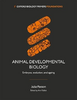
https://www.amazon.fr/Animal-Developmental-Biology-Embryos-evolution/dp/0198869134/ref=sr_1_1?__mk_fr_FR=%C3%85M%C3%85%C5%BD%C3%95%C3%91&crid=NU58IO6Q7A8Z&dib=eyJ2IjoiMSJ9.jb5C35b08UKfKxtaFdYEbz-Z2NRnvLbfZDfa43szPCDGjHj071QN20LucGBJIEps.Eldb_mrFDXTPpbDwqJURL
Titre : Emerging zoonotic and wildlife pathogens : Disease ecology, epidemiology, and conservation Type de document : texte imprimé Auteurs : Dan Salkeld, Auteur ; Skylar Hopkins, Auteur ; David Hayman, Auteur Editeur : Oxford university press Année de publication : 2023 Importance : 1 volume (xi-352 pages) Présentation : ill.en coul. Format : 25 cm ISBN/ISSN/EAN : 978-0-19-882593-7 Langues : Anglais Catégories : Animaux (Zoologie) Elevage - Insectes - Oiseaux - Poissons - vétérinaire Mots-clés : - Pathogènes émergents zoonotiques épidémiologie Index. décimale : 632 les maladies des animaux Résumé :
This Accessible book describes a fascinating range of emerging infectious disease outbreaks affecting humans, including rabies, Ebola virus, Lyme disease, bubonic plague, and of course, Covid-19. The book also covers emerging infectious diseases in wildlife, such as Tasmanian devil facial tumour disease, white nose syndrome, mange, and musk ox lungworm. These case studies span the entire range of zoonotic disease emergence pathways, from sheep testicles in Wyoming, USA to butchered bush rats in Vietnam! Transmission dynamics are examined from diverse perspectives - from global drivers of pathogen emergence (including globalization, land use patterns, and changing climates) to outbreak epidemiology (epidemic curves and disease spillover), to conservation and control interventions.
Despite a recent explosion of courses on the topic, and a viral pandemic that has affected the entire world, this is the first textbook to focus on pathogen spillover ecology at the human—wildlife interface. Emerging Zoonotic and Wildlife Pathogens serves as an introduction to this multidisciplinary field for upper-level undergraduate students and graduate students interested in disease ecology, veterinary epidemiology, public health, and conservation. It will also be relevant to a broader interdisciplinary audience of conservation biologists and public health specialists, and even the interested public.Note de contenu :
Sommaire:
-1-Spillover and emerging infectious diseases
-2-The anatomy of disease
-3-Descriptive epidemiology of disease outbreaks
-4-Surveillance
-5-Making simple predictions using models
-6-The environment as a pathogen reservoir
-7-Reservoir hosts
-8-Identifying animal reservoirs during an epidemic
-9-Emerging infectious diseases and globalization—travel, trade, and invasive species
-10 Climate change and emerging infectious diseases
-11Land use change and emerging infectious diseases
-12 Impacts of emerging infectious diseases on wildlife populations
-13 Infectious diseases in ecosystems
-14 Infectious disease control
-15 COVID-19, One Health, and pandemic preventionEmerging zoonotic and wildlife pathogens : Disease ecology, epidemiology, and conservation [texte imprimé] / Dan Salkeld, Auteur ; Skylar Hopkins, Auteur ; David Hayman, Auteur . - [S.l.] : Oxford university press, 2023 . - 1 volume (xi-352 pages) : ill.en coul. ; 25 cm.
ISBN : 978-0-19-882593-7
Langues : Anglais
Catégories : Animaux (Zoologie) Elevage - Insectes - Oiseaux - Poissons - vétérinaire Mots-clés : - Pathogènes émergents zoonotiques épidémiologie Index. décimale : 632 les maladies des animaux Résumé :
This Accessible book describes a fascinating range of emerging infectious disease outbreaks affecting humans, including rabies, Ebola virus, Lyme disease, bubonic plague, and of course, Covid-19. The book also covers emerging infectious diseases in wildlife, such as Tasmanian devil facial tumour disease, white nose syndrome, mange, and musk ox lungworm. These case studies span the entire range of zoonotic disease emergence pathways, from sheep testicles in Wyoming, USA to butchered bush rats in Vietnam! Transmission dynamics are examined from diverse perspectives - from global drivers of pathogen emergence (including globalization, land use patterns, and changing climates) to outbreak epidemiology (epidemic curves and disease spillover), to conservation and control interventions.
Despite a recent explosion of courses on the topic, and a viral pandemic that has affected the entire world, this is the first textbook to focus on pathogen spillover ecology at the human—wildlife interface. Emerging Zoonotic and Wildlife Pathogens serves as an introduction to this multidisciplinary field for upper-level undergraduate students and graduate students interested in disease ecology, veterinary epidemiology, public health, and conservation. It will also be relevant to a broader interdisciplinary audience of conservation biologists and public health specialists, and even the interested public.Note de contenu :
Sommaire:
-1-Spillover and emerging infectious diseases
-2-The anatomy of disease
-3-Descriptive epidemiology of disease outbreaks
-4-Surveillance
-5-Making simple predictions using models
-6-The environment as a pathogen reservoir
-7-Reservoir hosts
-8-Identifying animal reservoirs during an epidemic
-9-Emerging infectious diseases and globalization—travel, trade, and invasive species
-10 Climate change and emerging infectious diseases
-11Land use change and emerging infectious diseases
-12 Impacts of emerging infectious diseases on wildlife populations
-13 Infectious diseases in ecosystems
-14 Infectious disease control
-15 COVID-19, One Health, and pandemic preventionExemplaires
Code-barres Cote Support Localisation Section Disponibilité FB/15788 SNV8/1833 Livre Bibliothèque SNV Englais Disponible FB/15789 SNV8/1833 Livre Bibliothèque SNV Englais Disponible Documents numériques
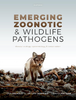
Emerging zoonotic and wildlife pathogens : Disease ecology, epidemiology, and conservationURL
Titre : Essential entomology Type de document : texte imprimé Auteurs : George C. McGavin, Auteur ; Leonidas-Romanos Davranoglou (19..-....), Auteur ; Richard Lewington, Illustrateur Mention d'édition : 2nd edition Editeur : Oxford university press Année de publication : 2023 Importance : 1 volume (XXII-314 p.) Présentation : ill. en noir et en coul. Format : 25 cm ISBN/ISSN/EAN : 978-0-19-284312-8 Langues : Anglais Catégories : Animaux (Zoologie) Elevage - Insectes - Oiseaux - Poissons - vétérinaire Mots-clés : Entomologie essentielle Index. décimale : 595.7 Insectes (entomologie) Résumé :
Comprising well over half of all known animal species, insects are the most successful organisms on the planet. Indeed, it is no exaggeration to say that one cannot study agriculture, biology, and the environment, without a basic understanding of entomology. Furthermore, insects are indispensable to advances in molecular biology and genetics, and their ongoing decline in many parts of the world has stimulated much research in the crucial roles they play in global ecosystems. However, the sheer diversity of insects can be a challenge to every newcomer to entomology. Most entomology textbooks tend to focus on insect biology, leaving readers with only a superficial idea of insect diversity and evolution, while others delve into too much detail that will deter the novice. In contrast, Essential Entomology has a clear taxonomic structure that provides readers with the necessary framework to understand the diversity, life history, and taxonomy of insects in a new light. This fully revised edition provides the most up-to-date guide to insects and includes all the major developments in molecular biology and palaeontology of the last 20 years. This textbook is an essential read for undergraduate and graduate students taking courses in entomology, agriculture, and forestry. It will also appeal to a broad academic audience of ecologists, conservationists, natural resource managers, as well as to the far more numerous general readers who are interested in wildlife, nature, and the environment. With these diverse audiences in mind, the straightforward and accessible style of the first edition has been maintained, technical jargon has been kept to a minimum, and sufficient background information is provided to enable the reader to follow the text with ease.Note de contenu :
Sommaire:
-1- Introduction to insect evolution and biology
-2- The insect orders
-3- FieldworkEssential entomology [texte imprimé] / George C. McGavin, Auteur ; Leonidas-Romanos Davranoglou (19..-....), Auteur ; Richard Lewington, Illustrateur . - 2nd edition . - [S.l.] : Oxford university press, 2023 . - 1 volume (XXII-314 p.) : ill. en noir et en coul. ; 25 cm.
ISBN : 978-0-19-284312-8
Langues : Anglais
Catégories : Animaux (Zoologie) Elevage - Insectes - Oiseaux - Poissons - vétérinaire Mots-clés : Entomologie essentielle Index. décimale : 595.7 Insectes (entomologie) Résumé :
Comprising well over half of all known animal species, insects are the most successful organisms on the planet. Indeed, it is no exaggeration to say that one cannot study agriculture, biology, and the environment, without a basic understanding of entomology. Furthermore, insects are indispensable to advances in molecular biology and genetics, and their ongoing decline in many parts of the world has stimulated much research in the crucial roles they play in global ecosystems. However, the sheer diversity of insects can be a challenge to every newcomer to entomology. Most entomology textbooks tend to focus on insect biology, leaving readers with only a superficial idea of insect diversity and evolution, while others delve into too much detail that will deter the novice. In contrast, Essential Entomology has a clear taxonomic structure that provides readers with the necessary framework to understand the diversity, life history, and taxonomy of insects in a new light. This fully revised edition provides the most up-to-date guide to insects and includes all the major developments in molecular biology and palaeontology of the last 20 years. This textbook is an essential read for undergraduate and graduate students taking courses in entomology, agriculture, and forestry. It will also appeal to a broad academic audience of ecologists, conservationists, natural resource managers, as well as to the far more numerous general readers who are interested in wildlife, nature, and the environment. With these diverse audiences in mind, the straightforward and accessible style of the first edition has been maintained, technical jargon has been kept to a minimum, and sufficient background information is provided to enable the reader to follow the text with ease.Note de contenu :
Sommaire:
-1- Introduction to insect evolution and biology
-2- The insect orders
-3- FieldworkExemplaires
Code-barres Cote Support Localisation Section Disponibilité FB/15800 SNV8/1838 Livre Bibliothèque SNV Englais Disponible FB/15801 SNV8/1838 Livre Bibliothèque SNV Englais Disponible Documents numériques

https://www.amazon.fr/Essential-Entomology-English-George-McGavin-ebook/dp/B0BT7YXS8C/ref=sr_1_1?__mk_fr_FR=%C3%85M%C3%85%C5%BD%C3%95%C3%91&crid=3HTU8IRXUAOAK&dib=eyJ2IjoiMSJ9.c5ilDrsEjE89UGGfCUknNw.sduG-37ZhULv1rAt0QZP-IJ0mt5g0BhmNAxlwtWRN38&dib_tag=se&kURL
Permalink
Permalink
Permalink
Permalink
Permalink
Permalink
Permalink