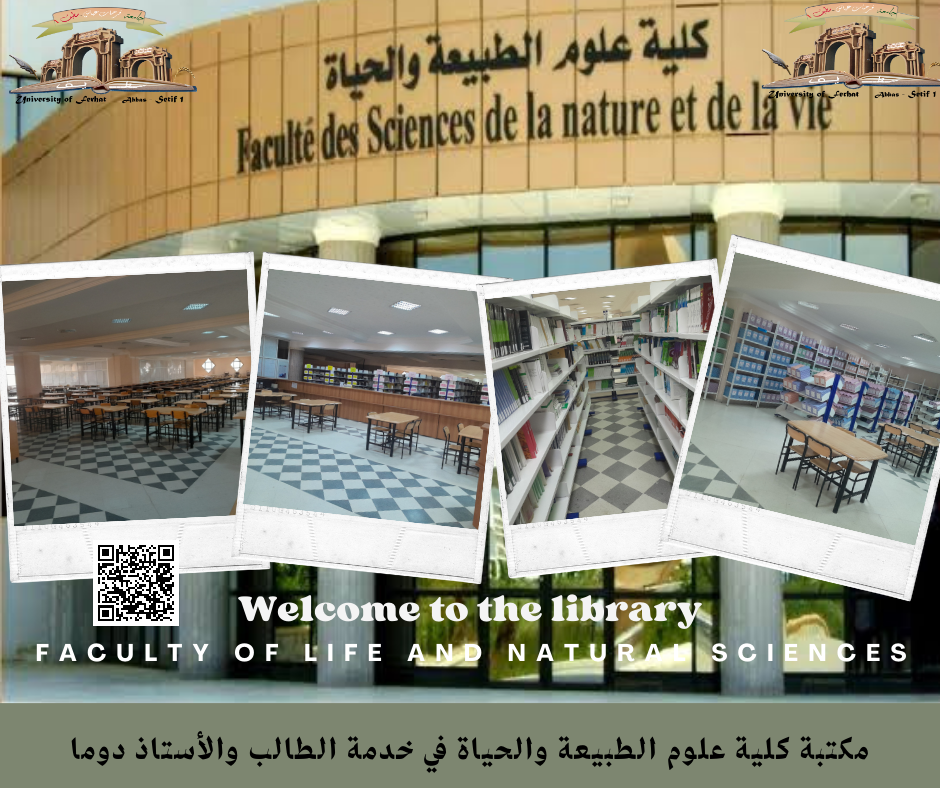
Catalogue de la bibliothèque de SNV
A partir de cette page vous pouvez :
| Retourner au premier écran avec les catégories... | Votre compte | Aide |
Catégories


 Affiner la recherche
Advanced Oxidation Processes in Dye-Containing Wastewater Vol. 1 / Subramanian Senthilkannan Muthu / Londres : Springer (2022)

Titre : Advanced Oxidation Processes in Dye-Containing Wastewater Vol. 1 Type de document : texte imprimé Auteurs : Subramanian Senthilkannan Muthu ; Ali Khadir Editeur : Londres : Springer Année de publication : 2022 Collection : Sustainable Textiles: Production, Processing, Manufacturing & Chemistry, ISSN 26627108 Importance : 1 vol. (347 p.) Présentation : ill. en coul. Format : 24 cm ISBN/ISSN/EAN : 978-981-19098-6-3 Langues : Anglais Catégories : Hydraulique - L' Eau
Microbiologie - Bactériologie -Parasitologie- Toxicologie-VirologieMots-clés : - Actinobacteria
- Actinobactéries
- Advanced Oxidation Processes
- Procédés d'oxydation avancéeIndex. décimale : 621.3 Éclairage, électronique, électrotechnique, génie informatique, optique appliquée Résumé :
Among various industries releasing wastewater into the environment, printing, dyeing and textile industries are of great importance as they frequently contain high amounts of colorful compounds having high chemical and biological oxygen demands. Health related effects of colorants are extensively reported; which necessitates the seriousness of dye removal from water and wastewater. The utilization of advanced oxidation processes (AOPs) in dye degradation has gained considerable attention recently due to the release of high energetic radicals as oxidants that are capable of removing dye compounds. This Volume 1 presents versatile applications of AOPs in dye removal. Accordingly, processes such as Ozone-based AOPs, UV irradiation, catalytic AOPs, etc are discussed with the aim of dye removal under different operational parameters. The role of different nanoparticles is also investigated. By presenting the fundamentals of AOPs as well as recent advances, this book is useful for environmental engineers and chemists who are concerned with wastewater pollution and treatment.Note de contenu :
Sommaire:
-1- Fundamental of advanced oxidation processes
-2- Fenton processes in dye removal
-3- Treatment of textile industrial dyes using natural sunlight-driven methods
-4- Solar photocatalytic treatment of dye removal
-5- Photo (catalytic) Oxidation processes for the removal of dyefocusing on TIO2 performance
-6- Ozone-based processes in dye removal
-7- Nanomaterials in advanced oxidation processes (AOPs)in anionic removal
-8- Sustainable development of nanomaterials for removal of dyesfrom water and wastewater
En ligne : https://www.amazon.com/Advanced-Oxidation-Processes-Dye-Containing-Wastewater/dp [...] Advanced Oxidation Processes in Dye-Containing Wastewater Vol. 1 [texte imprimé] / Subramanian Senthilkannan Muthu ; Ali Khadir . - Londres : Springer, 2022 . - 1 vol. (347 p.) : ill. en coul. ; 24 cm. - (Sustainable Textiles: Production, Processing, Manufacturing & Chemistry, ISSN 26627108) .
ISBN : 978-981-19098-6-3
Langues : Anglais
Catégories : Hydraulique - L' Eau
Microbiologie - Bactériologie -Parasitologie- Toxicologie-VirologieMots-clés : - Actinobacteria
- Actinobactéries
- Advanced Oxidation Processes
- Procédés d'oxydation avancéeIndex. décimale : 621.3 Éclairage, électronique, électrotechnique, génie informatique, optique appliquée Résumé :
Among various industries releasing wastewater into the environment, printing, dyeing and textile industries are of great importance as they frequently contain high amounts of colorful compounds having high chemical and biological oxygen demands. Health related effects of colorants are extensively reported; which necessitates the seriousness of dye removal from water and wastewater. The utilization of advanced oxidation processes (AOPs) in dye degradation has gained considerable attention recently due to the release of high energetic radicals as oxidants that are capable of removing dye compounds. This Volume 1 presents versatile applications of AOPs in dye removal. Accordingly, processes such as Ozone-based AOPs, UV irradiation, catalytic AOPs, etc are discussed with the aim of dye removal under different operational parameters. The role of different nanoparticles is also investigated. By presenting the fundamentals of AOPs as well as recent advances, this book is useful for environmental engineers and chemists who are concerned with wastewater pollution and treatment.Note de contenu :
Sommaire:
-1- Fundamental of advanced oxidation processes
-2- Fenton processes in dye removal
-3- Treatment of textile industrial dyes using natural sunlight-driven methods
-4- Solar photocatalytic treatment of dye removal
-5- Photo (catalytic) Oxidation processes for the removal of dyefocusing on TIO2 performance
-6- Ozone-based processes in dye removal
-7- Nanomaterials in advanced oxidation processes (AOPs)in anionic removal
-8- Sustainable development of nanomaterials for removal of dyesfrom water and wastewater
En ligne : https://www.amazon.com/Advanced-Oxidation-Processes-Dye-Containing-Wastewater/dp [...] Exemplaires
Code-barres Cote Support Localisation Section Disponibilité FB/15463 SNV8/1728-1 Livre Bibliothèque SNV Englais Disponible FB/15462 SNV8/1728-1 Livre Bibliothèque SNV Englais Disponible 
Titre : Advanced Oxidation Processes in Dye-Containing Wastewater Volume 2 Type de document : texte imprimé Auteurs : Subramanian Senthilkannan Muthu, Auteur ; Ali Khadir, Auteur Editeur : Londres : Springer Année de publication : 2022 Importance : 1 vol. (423 p.) Présentation : ill. en coul. Format : 24 cm ISBN/ISSN/EAN : 978-981-19088-1-1 Langues : Anglais Catégories : Hydraulique - L' Eau Mots-clés : Dye removal Fenton Process Dye Sonolysis Magnetic Nanoparticles Dye Degradation Nanoceramic Composites Index. décimale : 579 Biologie des algues (champignons- Microbiologie) Résumé :
Textile industry wastewater contains toxic dyes as well as heavy metals and many other persistent organic compounds which are difficult to biodegrade using conventional biological methods. Advanced Oxidation Processes (AOPs) are one of the best alternatives for the effective degradation of such compounds. This Volume 2 starts with homogeneous and heterogeneous Fenton processes and reviews the application and variables that affect the process. It then discusses plasma technology- an emerging method in terms of its chemistry, treatment set-up, limitations, etc. The positive performance of carbon tetrachloride in process intensification of dye degradation is presented. The other chapters include topics such as sonoenzymatic treatment processes, electroflocculation versus textile wastewater, combination of photocatalysis and membrane Separation, and enhancement of anaerobic digestion and photodegradation through adsorption.Note de contenu :
Sommaire:
-1- Fenton process dye removal
-2- Fenton-like processes for the removal of cationic dyes
-3- Plasma degradation of synthetic dyes
-4- Dyes sonolysis: An industrial view of process intensification
-5- UV/H2O2 processes for dye removal
-6- Ozone-Based processes in dye removal
-7- Ferrite-based magnetic nanoparticle heterostructures for removal of dyes
-8- Metal oxide-based nanomaterials for the teatment of industrial dyes and colorantsAdvanced Oxidation Processes in Dye-Containing Wastewater Volume 2 [texte imprimé] / Subramanian Senthilkannan Muthu, Auteur ; Ali Khadir, Auteur . - Londres : Springer, 2022 . - 1 vol. (423 p.) : ill. en coul. ; 24 cm.
ISBN : 978-981-19088-1-1
Langues : Anglais
Catégories : Hydraulique - L' Eau Mots-clés : Dye removal Fenton Process Dye Sonolysis Magnetic Nanoparticles Dye Degradation Nanoceramic Composites Index. décimale : 579 Biologie des algues (champignons- Microbiologie) Résumé :
Textile industry wastewater contains toxic dyes as well as heavy metals and many other persistent organic compounds which are difficult to biodegrade using conventional biological methods. Advanced Oxidation Processes (AOPs) are one of the best alternatives for the effective degradation of such compounds. This Volume 2 starts with homogeneous and heterogeneous Fenton processes and reviews the application and variables that affect the process. It then discusses plasma technology- an emerging method in terms of its chemistry, treatment set-up, limitations, etc. The positive performance of carbon tetrachloride in process intensification of dye degradation is presented. The other chapters include topics such as sonoenzymatic treatment processes, electroflocculation versus textile wastewater, combination of photocatalysis and membrane Separation, and enhancement of anaerobic digestion and photodegradation through adsorption.Note de contenu :
Sommaire:
-1- Fenton process dye removal
-2- Fenton-like processes for the removal of cationic dyes
-3- Plasma degradation of synthetic dyes
-4- Dyes sonolysis: An industrial view of process intensification
-5- UV/H2O2 processes for dye removal
-6- Ozone-Based processes in dye removal
-7- Ferrite-based magnetic nanoparticle heterostructures for removal of dyes
-8- Metal oxide-based nanomaterials for the teatment of industrial dyes and colorantsExemplaires
Code-barres Cote Support Localisation Section Disponibilité FB/15465 SNV8/1728-2 Livre Bibliothèque SNV Englais Disponible FB/15464 SNV8/1728-2 Livre Bibliothèque SNV Englais Disponible
Titre : Aide au diagnostic des stations d'épuration par l'observation microscopique des boues activées Type de document : texte imprimé Auteurs : Jean-Pierre Canler ; Jean-Marc Perret ; Philippe Duchène ; Eric Cotteux Editeur : [Versailles] : Éd. Quae Année de publication : 2011 Importance : 1 vol. (155 p.) Présentation : ill. en noir et en coul., couv. ill. en coul. Format : 24 cm ISBN/ISSN/EAN : 978-2-7592-1680-2 Note générale :
Notice réd. d'après la couv.
Bibliogr. p. 149-155. GlossaireLangues : Français Catégories : Hydraulique - L' Eau Mots-clés : - Eaux usées : Épuration : Procédé des boues activées
- Eaux usées : Stations de traitement : Évaluation
- Microorganismes : IdentificationIndex. décimale : 628.3 Élimination et traitement des eaux usées Résumé :
Après un rappel des éléments fondamentaux relatifs à la biologie des boues activées et à leur observation visuelle, il est proposé, pour les principales espèces rencontrées, des fiches descriptives détaillées largement illustrées de dessins et/ou de photos en couleurs.
Ces fiches, accessibles suivant les clés de détermination, par ordre alphabétique ou par systématique simplifiée, sont enrichies par une rubrique "interprétations" conçue pour faciliter l'apprentissage des exploitants au fonctionnement des stations d'épuration. Des annexes complètent ces informations par des conseils méthodologiques très pratiques et des exemples d'interprétation de boues.Note de contenu :
Sommaire:
1- Eléments sur la biologie des boues activées
- Principe du traitement biologique
- Présentation de l'édifice biologique
- Maillon bactérien
- Microfaune
- Nature
- Activité
- Classification
- Principales fonctions
- Locomotion
- Respiration
- Nutrition
- Caractéristiques morphologiques
2- La démarche de l'observation des boues
- Observations macroscopiques
- Observations microscopiques
3- Clés de détermination
- Protozoaires & métazoaires
- Protozoaires
4- Fiches descriptives et interprétations
- Fiches descriptives de chaque espèce
- Index alphabétique des individus
- Systématique simplifiée des individusAide au diagnostic des stations d'épuration par l'observation microscopique des boues activées [texte imprimé] / Jean-Pierre Canler ; Jean-Marc Perret ; Philippe Duchène ; Eric Cotteux . - [Versailles] : Éd. Quae, 2011 . - 1 vol. (155 p.) : ill. en noir et en coul., couv. ill. en coul. ; 24 cm.
ISBN : 978-2-7592-1680-2
Notice réd. d'après la couv.
Bibliogr. p. 149-155. Glossaire
Langues : Français
Catégories : Hydraulique - L' Eau Mots-clés : - Eaux usées : Épuration : Procédé des boues activées
- Eaux usées : Stations de traitement : Évaluation
- Microorganismes : IdentificationIndex. décimale : 628.3 Élimination et traitement des eaux usées Résumé :
Après un rappel des éléments fondamentaux relatifs à la biologie des boues activées et à leur observation visuelle, il est proposé, pour les principales espèces rencontrées, des fiches descriptives détaillées largement illustrées de dessins et/ou de photos en couleurs.
Ces fiches, accessibles suivant les clés de détermination, par ordre alphabétique ou par systématique simplifiée, sont enrichies par une rubrique "interprétations" conçue pour faciliter l'apprentissage des exploitants au fonctionnement des stations d'épuration. Des annexes complètent ces informations par des conseils méthodologiques très pratiques et des exemples d'interprétation de boues.Note de contenu :
Sommaire:
1- Eléments sur la biologie des boues activées
- Principe du traitement biologique
- Présentation de l'édifice biologique
- Maillon bactérien
- Microfaune
- Nature
- Activité
- Classification
- Principales fonctions
- Locomotion
- Respiration
- Nutrition
- Caractéristiques morphologiques
2- La démarche de l'observation des boues
- Observations macroscopiques
- Observations microscopiques
3- Clés de détermination
- Protozoaires & métazoaires
- Protozoaires
4- Fiches descriptives et interprétations
- Fiches descriptives de chaque espèce
- Index alphabétique des individus
- Systématique simplifiée des individusExemplaires
Code-barres Cote Support Localisation Section Disponibilité FB/04086 SNV8/0835 -Livre- Bibliothèque SNV -Français- Disponible FB/04087 SNV8/0835 -Livre- Bibliothèque SNV -Français- Disponible FB/04088 SNV8/0835 -Livre- Bibliothèque SNV -Français- Disponible FB/04089 SNV8/0835 -Livre- Bibliothèque SNV -Français- Disponible FB/04090 SNV8/0835 -Livre- Bibliothèque SNV -Français- Disponible FB/04091 SNV8/0835 -Livre- Bibliothèque SNV -Français- Disponible FB/07648 SNV8/0835 -Livre- Bibliothèque SNV -Français- Disponible FB/07649 SNV8/0835 -Livre- Bibliothèque SNV -Français- Disponible FB/07650 SNV8/0835 -Livre- Bibliothèque SNV -Français- Disponible FB/07651 SNV8/0835 -Livre- Bibliothèque SNV -Français- Disponible FB/07652 SNV8/0835 -Livre- Bibliothèque SNV -Français- Disponible FB/07653 SNV8/0835 -Livre- Bibliothèque SNV -Français- Disponible
Titre : L'analyse de l'eau Type de document : texte imprimé Auteurs : Darmstadt E. Merck Editeur : MERCK Année de publication : 1976 Importance : 1 vol. (225 p.) Présentation : ill. Format : 24 cm ISBN/ISSN/EAN : D-SNV/0120 Langues : Français Langues originales : Allemand Catégories : Hydraulique - L' Eau Mots-clés : - Eau : Analyse Index. décimale : 553.7 Eau L'analyse de l'eau [texte imprimé] / Darmstadt E. Merck . - [S.l.] : MERCK, 1976 . - 1 vol. (225 p.) : ill. ; 24 cm.
ISSN : D-SNV/0120
Langues : Français Langues originales : Allemand
Catégories : Hydraulique - L' Eau Mots-clés : - Eau : Analyse Index. décimale : 553.7 Eau Exemplaires
Code-barres Cote Support Localisation Section Disponibilité D-SNV/0120 D-SNV/0120 Livre Bibliothèque SNV Français Disponible
Titre : L'analyse de l'eau : eaux naturelles, eaux résiduaires, eau de mer ; chimie, physico-chimie, bactériologie, biologie Type de document : texte imprimé Auteurs : Jean Rodier Mention d'édition : 6 éd. Editeur : Paris [France] : Dunod Année de publication : 1978 Collection : Dunod technique, ISSN 0335-3206 Importance : 1 vol. (XXII-1135 p.) Présentation : couv. ill. en coul., ill., graph. Format : 25 cm Accompagnement : graphique : 1 f. ISBN/ISSN/EAN : 978-2-04-010037-7 Note générale : Notes bibliogr. Index Langues : Français Catégories : Ecologie et Environnement - Météorologie - Clémat - Biodiversité
Hydraulique - L' EauMots-clés : - Eau : Analyse
- Eau : Bactériologie
- Eau : Chimie
- Eaux usées : Analyse
- Eau de mer : AnalyseIndex. décimale : 553.7 Eau Résumé :
Cet ouvrage traite l'analyse de l'eau en sept parties: analyse des eaux naturelles, analyse des eaux résiduaires, analyse de l'eau de mer, analyse bactériologique, analyse virale, détermination de la qualité biologique des eaux douces, interprétation des résultats, plus un annexes...L'analyse de l'eau : eaux naturelles, eaux résiduaires, eau de mer ; chimie, physico-chimie, bactériologie, biologie [texte imprimé] / Jean Rodier . - 6 éd. . - Paris (France) : Dunod, 1978 . - 1 vol. (XXII-1135 p.) : couv. ill. en coul., ill., graph. ; 25 cm + graphique : 1 f.. - (Dunod technique, ISSN 0335-3206) .
ISBN : 978-2-04-010037-7
Notes bibliogr. Index
Langues : Français
Catégories : Ecologie et Environnement - Météorologie - Clémat - Biodiversité
Hydraulique - L' EauMots-clés : - Eau : Analyse
- Eau : Bactériologie
- Eau : Chimie
- Eaux usées : Analyse
- Eau de mer : AnalyseIndex. décimale : 553.7 Eau Résumé :
Cet ouvrage traite l'analyse de l'eau en sept parties: analyse des eaux naturelles, analyse des eaux résiduaires, analyse de l'eau de mer, analyse bactériologique, analyse virale, détermination de la qualité biologique des eaux douces, interprétation des résultats, plus un annexes...Exemplaires
Code-barres Cote Support Localisation Section Disponibilité FB/01698 SNV8/0520 Livre Bibliothèque SNV Français Disponible FB/09578 SNV8/0520 Livre Bibliothèque SNV Français Disponible FB/09579 SNV8/0520 Livre Bibliothèque SNV Français Disponible FB/09580 SNV8/0520 Livre Bibliothèque SNV Français Disponible FB/09581 SNV8/0520 Livre Bibliothèque SNV Français Disponible FB/09582 SNV8/0520 Livre Bibliothèque SNV Français Disponible FB/09583 SNV8/0520 Livre Bibliothèque SNV Français Disponible FB/10274 SNV8/0520 Livre Bibliothèque SNV Français Disponible FB/10275 SNV8/0520 Livre Bibliothèque SNV Français Disponible FB/10276 SNV8/0520 Livre Bibliothèque SNV Français Disponible FB/10277 SNV8/0520 Livre Bibliothèque SNV Français Disponible
Permalink
Permalink
Permalink
Permalink
Permalink
Permalink
Permalink
Permalink
Permalink
Permalink