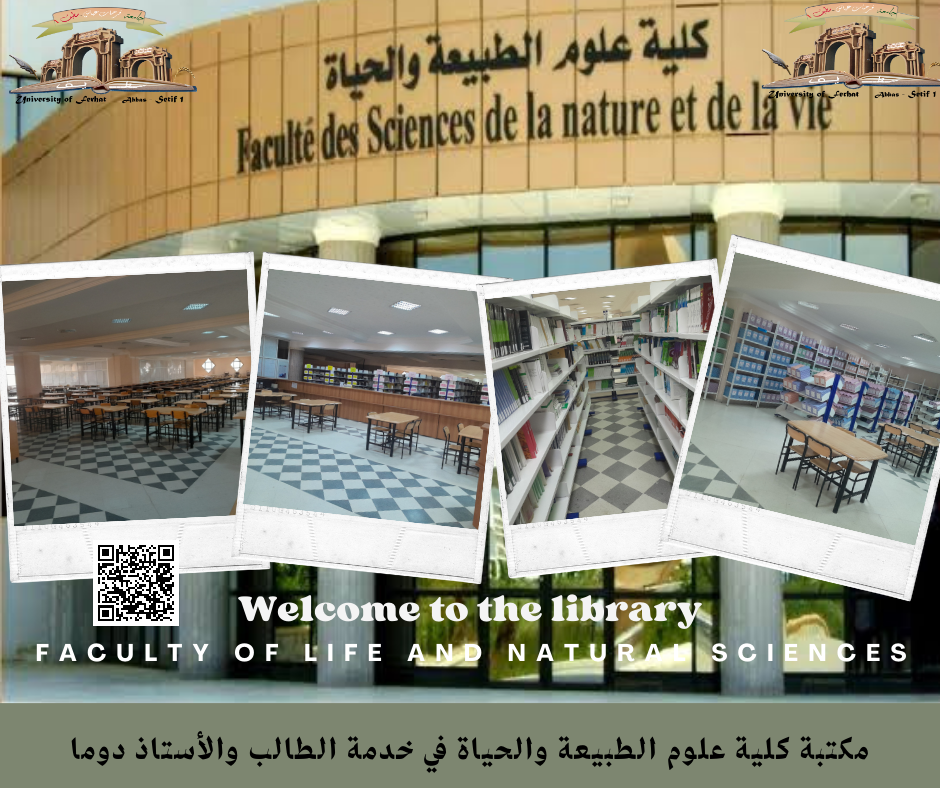
Catalogue de la bibliothèque de SNV
A partir de cette page vous pouvez :
| Retourner au premier écran avec les catégories... | Votre compte | Aide |
Détail de l'éditeur
Wiley |
Documents disponibles chez cet éditeur


 Affiner la recherche
Introductory mycology / Constantine John Alexopoulos / Wiley (1996)
Titre : Introductory mycology Type de document : texte imprimé Auteurs : Constantine John Alexopoulos (1907-1986), Auteur ; Charles W. Mims, Auteur ; Meredith Blackwell, Auteur Mention d'édition : 4th edition Editeur : Wiley Année de publication : 1996 Importance : 1 vol. (X-868 p.) Présentation : ill. Format : 25 cm ISBN/ISSN/EAN : 978-0-471-52229-4 Langues : Anglais Catégories : Microbiologie - Bactériologie -Parasitologie- Toxicologie-Virologie Mots-clés : - Champignons : Manuels d'enseignement supérieur
- Mycologie : Manuels d'enseignement supérieur
- MycologyIndex. décimale : 579.5 Champignons inférieurs, eumycophyte Résumé :
Updated and revised to accurately reflect what is currently known about the biology of fungi. The primary thrust of the book is morphology-taxonomy, but also includes interesting and important activities of fungi.Note de contenu :
Table of Contents:
- Partial table of contents:
- Kingdom Fungi: Introduction to the Fungi and Their Significance to Humans.
- Characteristics of the Fungi.
- Phylum Chytridiomycota.
- Phylum Zygomycota: Class Zygomycetes.
- Phylum Ascomycota: Introduction to Ascomycetes.
- Phylum Ascomycota: Archiascomycetes.
- Phylum Ascomycota: Filamentous Ascomycetes-Order Eurotiales and Related Species.
- Phylum Basidiomycota: Order Agaricales-The Mushrooms.
- Phylum Basidiomycota: Order Uredinales-The Rust Fungi.
- Phylum Oomycota.
- Phylum Hypochytriomycota.
- Phylum Acrasiomycota: Acrasid Cellular Slime Molds.
- Phylum Myxomycota: True Slime Molds.
- Glossary.Introductory mycology [texte imprimé] / Constantine John Alexopoulos (1907-1986), Auteur ; Charles W. Mims, Auteur ; Meredith Blackwell, Auteur . - 4th edition . - [S.l.] : Wiley, 1996 . - 1 vol. (X-868 p.) : ill. ; 25 cm.
ISBN : 978-0-471-52229-4
Langues : Anglais
Catégories : Microbiologie - Bactériologie -Parasitologie- Toxicologie-Virologie Mots-clés : - Champignons : Manuels d'enseignement supérieur
- Mycologie : Manuels d'enseignement supérieur
- MycologyIndex. décimale : 579.5 Champignons inférieurs, eumycophyte Résumé :
Updated and revised to accurately reflect what is currently known about the biology of fungi. The primary thrust of the book is morphology-taxonomy, but also includes interesting and important activities of fungi.Note de contenu :
Table of Contents:
- Partial table of contents:
- Kingdom Fungi: Introduction to the Fungi and Their Significance to Humans.
- Characteristics of the Fungi.
- Phylum Chytridiomycota.
- Phylum Zygomycota: Class Zygomycetes.
- Phylum Ascomycota: Introduction to Ascomycetes.
- Phylum Ascomycota: Archiascomycetes.
- Phylum Ascomycota: Filamentous Ascomycetes-Order Eurotiales and Related Species.
- Phylum Basidiomycota: Order Agaricales-The Mushrooms.
- Phylum Basidiomycota: Order Uredinales-The Rust Fungi.
- Phylum Oomycota.
- Phylum Hypochytriomycota.
- Phylum Acrasiomycota: Acrasid Cellular Slime Molds.
- Phylum Myxomycota: True Slime Molds.
- Glossary.Exemplaires
Code-barres Cote Support Localisation Section Disponibilité FB/01524 SNV8/0419 -Livre- Bibliothèque SNV -Français- Disponible 
Titre : Daily Energy Use and Carbon Emissions : Fundamentals and Applications for Students and Professionals Type de document : texte imprimé Auteurs : Bruce E. Logan, Auteur Editeur : Wiley Année de publication : 2022 Importance : 1 vol. (268 p.) Présentation : ill. en coul. Format : 24 cm ISBN/ISSN/EAN : 978-3030901301 Langues : Anglais Catégories : Biochimie - Biotechnologie - Génie chimique - Génétique ... Index. décimale : 572 Biochimie Résumé :
Daily Energy Use and Carbon Emissions enables readers to directly evaluate their energy use, estimate the resulting carbon emissions, and use the information to better appreciate and address the impact their activities have on climate change. Using quantities and terms rooted in everyday life, this easy-to-understand textbook helps readers determine the energy they consume driving a car, preparing a meal, charging electronic devices, heating and cooling a house or apartment, and more.
Throughout the text, clear explanations, accurate information, and numerous real-world examples help readers to answer key energy questions such as: How much energy does your house use in a month? What impact will turning off lightbulbs in your home have on energy conservation? Which car emits more CO2 into the atmosphere per mile, a 50 MPG gasoline car or a 100 MPG equivalent electric car? Demonstrating the relation between daily energy use, carbon emissions, and everyday activities in a new way, this innovative textbook:
Examines daily activities within the context of the basic needs: energy, food, air, and water
Covers topics such as daily water use, renewable energy, water and energy sources, transportation, concrete and steel, and carbon capture and storage
Includes discussion of energy and CO2 emissions relative to infrastructure and population growth
Provides supplemental teaching material including PowerPoint slides, illustrative examples, homework assignments, discussion questions, and classroom quizzes with answers
Daily Energy Use and Carbon Emissions: Fundamentals and Applications for Students and Professionals is a perfect textbook for students and instructors in Environmental Engineering programs, and an essential read for those pursuing careers in areas related to energy, environment, and climate change.Note de contenu :
Sommaire:
-1- Energy use
-2- Daily energy unit D
-3- Dailys CO² emission
-4- Daily water unit W
-5- Renewable energy
-6- Water -An energy source
-7- Food
-8- Heating and buildings
-9- Cooling and refrigeration
-10 CarsDaily Energy Use and Carbon Emissions : Fundamentals and Applications for Students and Professionals [texte imprimé] / Bruce E. Logan, Auteur . - [S.l.] : Wiley, 2022 . - 1 vol. (268 p.) : ill. en coul. ; 24 cm.
ISSN : 978-3030901301
Langues : Anglais
Catégories : Biochimie - Biotechnologie - Génie chimique - Génétique ... Index. décimale : 572 Biochimie Résumé :
Daily Energy Use and Carbon Emissions enables readers to directly evaluate their energy use, estimate the resulting carbon emissions, and use the information to better appreciate and address the impact their activities have on climate change. Using quantities and terms rooted in everyday life, this easy-to-understand textbook helps readers determine the energy they consume driving a car, preparing a meal, charging electronic devices, heating and cooling a house or apartment, and more.
Throughout the text, clear explanations, accurate information, and numerous real-world examples help readers to answer key energy questions such as: How much energy does your house use in a month? What impact will turning off lightbulbs in your home have on energy conservation? Which car emits more CO2 into the atmosphere per mile, a 50 MPG gasoline car or a 100 MPG equivalent electric car? Demonstrating the relation between daily energy use, carbon emissions, and everyday activities in a new way, this innovative textbook:
Examines daily activities within the context of the basic needs: energy, food, air, and water
Covers topics such as daily water use, renewable energy, water and energy sources, transportation, concrete and steel, and carbon capture and storage
Includes discussion of energy and CO2 emissions relative to infrastructure and population growth
Provides supplemental teaching material including PowerPoint slides, illustrative examples, homework assignments, discussion questions, and classroom quizzes with answers
Daily Energy Use and Carbon Emissions: Fundamentals and Applications for Students and Professionals is a perfect textbook for students and instructors in Environmental Engineering programs, and an essential read for those pursuing careers in areas related to energy, environment, and climate change.Note de contenu :
Sommaire:
-1- Energy use
-2- Daily energy unit D
-3- Dailys CO² emission
-4- Daily water unit W
-5- Renewable energy
-6- Water -An energy source
-7- Food
-8- Heating and buildings
-9- Cooling and refrigeration
-10 CarsExemplaires
Code-barres Cote Support Localisation Section Disponibilité FB/15517 SNV8/1753 Livre Bibliothèque SNV Englais Disponible FB/15516 SNV8/1753 Livre Bibliothèque SNV Englais Disponible
Titre : Forest Ecology Type de document : texte imprimé Auteurs : Daniel M. Kashian ; Donald R. Zak ; Burton V. Barnes Mention d'édition : 5e éd. Editeur : Wiley Année de publication : 2023 Importance : 1 vol. (757 p.) Présentation : ill. en coul. Format : 25 cm ISBN/ISSN/EAN : 978-1-119-47608-5 Langues : Français Catégories : Ecologie et Environnement - Météorologie - Clémat - Biodiversité Mots-clés : - Forest ecology
- Écologie : Forêt
- Ecology : ForestIndex. décimale : 577.3 Écologie des forêts Résumé :
Authoritative Resource covering traditional plant ecology topics and contemporary components such as climate change, invasive species, ecosystem services, and more
Forest Ecology provides comprehensive coverage of the field, focusing on traditional plant ecology topics of tree structure and growth, regeneration, effects of light and temperature on tree physiology, forest communities, succession, and diversity. The work also reviews abiotic factors of light, temperature, physiography (landforms and topography), soil, and disturbance (especially fire), and provides coverage of ecosystem-level topics including carbon storage and balance, nutrient cycling, and forest ecosystem productivity.
The 5th edition of Forest Ecology retains the readability and accessibility of the previous editions and includes important additional topical material that has surfaced in the field. All topics are approached with a landscape ecosystem or geo-ecological view, which places biota (organisms and communities) in context as integral parts of whole ecosystems that also include air (atmosphere and climate), topography, soil, and water. As such, the book fills a niche utilized by no other forest ecology text on the market, helping students and researchers consider whole ecosystems at multiple scales.
Sample topics covered in Forest Ecology include:
Contemporary components of forest ecology, including climate change, invasive species, diversity, ecological forestry, landscape ecology, and ecosystem services.
Characteristics of physiography important for forest ecosystems, including its effects on microclimate, disturbance, soil, and vegetation.
Genetic diversity of woody plants and genecological differentiation of tree species, including the importance of hybridization, polyploidy, and epigenetics.
Site quality estimation using tree height and ground flora, and multiple-factor approaches to forest site and ecosystem classification and mapping.
Forest Ecology is a highly accessible text for students, but it also serves as an excellent reference for academics. In addition, practitioners of forest ecology can also harness the information within to gain better insight into the field for practical application of concepts.Note de contenu :
Sommaire:
* Part 1 Forest Ecology and Landscape Ecosystems
* Part 2 The Forest Tree
* Part 3 The Physical Environment
* Part 4 Forest Communities
* Part 5 Forest Ecosystem Dynamic
* Part 6 Forests of the FutureForest Ecology [texte imprimé] / Daniel M. Kashian ; Donald R. Zak ; Burton V. Barnes . - 5e éd. . - [S.l.] : Wiley, 2023 . - 1 vol. (757 p.) : ill. en coul. ; 25 cm.
ISBN : 978-1-119-47608-5
Langues : Français
Catégories : Ecologie et Environnement - Météorologie - Clémat - Biodiversité Mots-clés : - Forest ecology
- Écologie : Forêt
- Ecology : ForestIndex. décimale : 577.3 Écologie des forêts Résumé :
Authoritative Resource covering traditional plant ecology topics and contemporary components such as climate change, invasive species, ecosystem services, and more
Forest Ecology provides comprehensive coverage of the field, focusing on traditional plant ecology topics of tree structure and growth, regeneration, effects of light and temperature on tree physiology, forest communities, succession, and diversity. The work also reviews abiotic factors of light, temperature, physiography (landforms and topography), soil, and disturbance (especially fire), and provides coverage of ecosystem-level topics including carbon storage and balance, nutrient cycling, and forest ecosystem productivity.
The 5th edition of Forest Ecology retains the readability and accessibility of the previous editions and includes important additional topical material that has surfaced in the field. All topics are approached with a landscape ecosystem or geo-ecological view, which places biota (organisms and communities) in context as integral parts of whole ecosystems that also include air (atmosphere and climate), topography, soil, and water. As such, the book fills a niche utilized by no other forest ecology text on the market, helping students and researchers consider whole ecosystems at multiple scales.
Sample topics covered in Forest Ecology include:
Contemporary components of forest ecology, including climate change, invasive species, diversity, ecological forestry, landscape ecology, and ecosystem services.
Characteristics of physiography important for forest ecosystems, including its effects on microclimate, disturbance, soil, and vegetation.
Genetic diversity of woody plants and genecological differentiation of tree species, including the importance of hybridization, polyploidy, and epigenetics.
Site quality estimation using tree height and ground flora, and multiple-factor approaches to forest site and ecosystem classification and mapping.
Forest Ecology is a highly accessible text for students, but it also serves as an excellent reference for academics. In addition, practitioners of forest ecology can also harness the information within to gain better insight into the field for practical application of concepts.Note de contenu :
Sommaire:
* Part 1 Forest Ecology and Landscape Ecosystems
* Part 2 The Forest Tree
* Part 3 The Physical Environment
* Part 4 Forest Communities
* Part 5 Forest Ecosystem Dynamic
* Part 6 Forests of the FutureExemplaires
Code-barres Cote Support Localisation Section Disponibilité FB/15536 SNV8/1763 Livre Bibliothèque SNV Englais Disponible FB/15537 SNV8/1763 Livre Bibliothèque SNV Englais Disponible 
Titre : Essential Statistics for Bioscientists Type de document : texte imprimé Auteurs : Mohammed Meah, Auteur Editeur : Wiley Année de publication : 2022 Importance : 1 vol. (246 p.) Présentation : ill.en coul Format : 25 cm ISBN/ISSN/EAN : 978-1-119-71200-8 Langues : Anglais Catégories : Bio-informatique - Biostatistiques - Biomathématique - Mathématique - Informatique Mots-clés : Statistics Index. décimale : 570.151 95 Biostatistique ( biométrie ) Résumé :
In Essential Statistics For Bioscientists, experienced university and bioscientist Dr Mohammed Meah delivers easy access to statistical analysis and data presentation. It is a great resource for students in the field of life and health sciences to conceptualize, analyze, and present data. This book uses three popular and commonly used statistics softwares―Microsoft Excel, Graphpad Prism, and SPSS―and offers clear, step-by-step instructions for essential data analysis and graphical/tabular display of data.
Beginning with fundamental statistics terminology and concepts, including data types, descriptive statistics (central and spread of data), exploratory statistics (graphical display) and inferential statistics (hypothesis testing and correlation), the content gradually builds in complexity, explaining which statistical test is best suited and how to perform it.
* A thorough introduction to basic statistical terms and building up to an advanced level of statistical application- ideal for those new to study of statistics
* Extensive application of three popular software packages- Microsoft Excel, Graphpad Prism and SPSS
* Numerous hands-on examples of performing data analysis using Microsoft Excel, Graphpad Prism, and SPSS
* Considers the limitations and errors of statistical analysis
* Essential reading for those designing and planning a research project in Biosciences
Perfect for undergraduate students in the life and health sciences, Essential Statistics For Bioscientists will also earn a place in the libraries of anyone studying medicine, nursing, physiotherapy, pharmacy, and dentistry requiring a refresher or primer on statistical fundamentals.Note de contenu :
Sommaire
- Introduction
-1- Basic statistics
-2- Displaying and exploring sample data graphically
-3- Choosing the appropriate statistical test for analysis
-4- Inferential statistics : parametric tests
-5- Inferential statistics : non-parametric tests
-6- Using excel : descriptive and inferential statistics
-7- Using prism : descriptive and inferential statistics
-8- Using Spss : descriptive and inferential statistics
-9- Misuse and misinterpretations of statisticsEssential Statistics for Bioscientists [texte imprimé] / Mohammed Meah, Auteur . - [S.l.] : Wiley, 2022 . - 1 vol. (246 p.) : ill.en coul ; 25 cm.
ISBN : 978-1-119-71200-8
Langues : Anglais
Catégories : Bio-informatique - Biostatistiques - Biomathématique - Mathématique - Informatique Mots-clés : Statistics Index. décimale : 570.151 95 Biostatistique ( biométrie ) Résumé :
In Essential Statistics For Bioscientists, experienced university and bioscientist Dr Mohammed Meah delivers easy access to statistical analysis and data presentation. It is a great resource for students in the field of life and health sciences to conceptualize, analyze, and present data. This book uses three popular and commonly used statistics softwares―Microsoft Excel, Graphpad Prism, and SPSS―and offers clear, step-by-step instructions for essential data analysis and graphical/tabular display of data.
Beginning with fundamental statistics terminology and concepts, including data types, descriptive statistics (central and spread of data), exploratory statistics (graphical display) and inferential statistics (hypothesis testing and correlation), the content gradually builds in complexity, explaining which statistical test is best suited and how to perform it.
* A thorough introduction to basic statistical terms and building up to an advanced level of statistical application- ideal for those new to study of statistics
* Extensive application of three popular software packages- Microsoft Excel, Graphpad Prism and SPSS
* Numerous hands-on examples of performing data analysis using Microsoft Excel, Graphpad Prism, and SPSS
* Considers the limitations and errors of statistical analysis
* Essential reading for those designing and planning a research project in Biosciences
Perfect for undergraduate students in the life and health sciences, Essential Statistics For Bioscientists will also earn a place in the libraries of anyone studying medicine, nursing, physiotherapy, pharmacy, and dentistry requiring a refresher or primer on statistical fundamentals.Note de contenu :
Sommaire
- Introduction
-1- Basic statistics
-2- Displaying and exploring sample data graphically
-3- Choosing the appropriate statistical test for analysis
-4- Inferential statistics : parametric tests
-5- Inferential statistics : non-parametric tests
-6- Using excel : descriptive and inferential statistics
-7- Using prism : descriptive and inferential statistics
-8- Using Spss : descriptive and inferential statistics
-9- Misuse and misinterpretations of statisticsExemplaires
Code-barres Cote Support Localisation Section Disponibilité FB/15527 SNV8/1758 Livre Bibliothèque SNV Englais Disponible FB/15526 SNV8/1758 Livre Bibliothèque SNV Englais Disponible FB/15805 SNV8/1839 Livre Bibliothèque SNV Englais Disponible FB/15804 SNV8/1839 Livre Bibliothèque SNV Englais Disponible Documents numériques
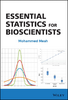
https://www.amazon.fr/Essential-Statistics-Bioscientists-English-Mohammed-ebook/dp/B0B4HSX9T6/ref=sr_1_1?__mk_fr_FR=%C3%85M%C3%85%C5%BD%C3%95%C3%91&crid=KPFJZ7JX4KSB&dib=eyJ2IjoiMSJ9.GdcT3lYzo_ii1FlXzRaNfAoSbc-Yq_hKyIv0Vxi5S7Ky9u1K3_-we3x057rlXc-HBdXoZC87URL
Titre : Plastic and microplastic in the environment : Management and health risks Type de document : texte imprimé Auteurs : Arif Ahamad ; Pardeep Singh ; Dhanesh Tiwari Mention d'édition : First edition. Editeur : Wiley Année de publication : 2022 Importance : 1 vol. (299 p.) Présentation : ill. en coul. Format : 24 cm ISBN/ISSN/EAN : 978-1-119-80088-0 Langues : Anglais Catégories : Ecologie et Environnement - Météorologie - Clémat - Biodiversité Mots-clés : Plastic Mocroplastic Environment Health Index. décimale : 363.7 Problèmes de l'environnement Résumé :
Thought-Provoking discussions of the challenges posed by—and potential solutions to—plastic and microplastic pollution
In Plastic and Microplastic in the Environment: Management and Health Risks, a team of distinguished environmental researchers delivers an up-to-date exploration of plastic and microplastic environmental contamination, conventional and advanced plastics management techniques, and the policies adopted across the globe to combat the phenomenon of plastics contamination.
Containing a balanced focus on both conventional plastics and microplastics, this book discusses the potential health issues related to plastic and microplastic infiltration in a variety of global environments and environmental media, including freshwater environments, oceanic environments, soil and sediment, and air. Insightful treatments of commercial and social issues, including the roles of corporate social responsibility initiatives and general education in the fight against plastic and microplastic pollution, are provided as well.
Plastic and Microplastic in the Environment also includes:
A thorough introduction to plastic debris in global environments, including its accumulation and disintegration
Comprehensive explorations of policies for strengthening recyclable markets around the world
Practical discussions of the prevalence of microplastics in the marine environment, air, soil, and other environmental media
In-depth examinations of wastewater treatment plants as a potential source point of microplastics, as well as conventional and advanced microplastic particle removal technologies
Perfect for academics, postgraduates and advanced undergraduates in fields related to environmental science and plastics, Plastic and Microplastic in the Environment: Management and Health Risks will also earn a place in the libraries of professionals working in the plastics industries and environmental policymakers.Note de contenu :
Sommaire:
-1- Sources, Occurrence, and Analysis of Microplastics in Freshwater Environments: A Review
-2- Microplastic in freshwater environments–with special focus on the Indian scenario
-3- Microplastic contamination in the marine food web: Its impact on human health
-4- Microplastic in the aquatic ecosystem and human health implication
-5- Interactions of microplastics towards an ecological risk in soil diversity: An appraisal
-6- Microplastics in the air and their associated health impacts
-7- Plastic marine litter in the southern and eastern Mediterranean Sea: current research trends and management strategies
-8- Advanced detection techniques for microplastics in different environmental media
-9- Bio-based and biodegradable plastics as alternatives to conventional plastics
-10-Biodegradable plastics: New Challenges and Possibilities towards Green Sustainable Development
-11-Current Trend, Challenges and Opportunities for Plastic Recycling
-12- Microbial degradation of micro-plasticsEn ligne : https://www.amazon.com/Plastic-Microplastic-Environment-Management-Health/dp/111 [...] Plastic and microplastic in the environment : Management and health risks [texte imprimé] / Arif Ahamad ; Pardeep Singh ; Dhanesh Tiwari . - First edition. . - [S.l.] : Wiley, 2022 . - 1 vol. (299 p.) : ill. en coul. ; 24 cm.
ISBN : 978-1-119-80088-0
Langues : Anglais
Catégories : Ecologie et Environnement - Météorologie - Clémat - Biodiversité Mots-clés : Plastic Mocroplastic Environment Health Index. décimale : 363.7 Problèmes de l'environnement Résumé :
Thought-Provoking discussions of the challenges posed by—and potential solutions to—plastic and microplastic pollution
In Plastic and Microplastic in the Environment: Management and Health Risks, a team of distinguished environmental researchers delivers an up-to-date exploration of plastic and microplastic environmental contamination, conventional and advanced plastics management techniques, and the policies adopted across the globe to combat the phenomenon of plastics contamination.
Containing a balanced focus on both conventional plastics and microplastics, this book discusses the potential health issues related to plastic and microplastic infiltration in a variety of global environments and environmental media, including freshwater environments, oceanic environments, soil and sediment, and air. Insightful treatments of commercial and social issues, including the roles of corporate social responsibility initiatives and general education in the fight against plastic and microplastic pollution, are provided as well.
Plastic and Microplastic in the Environment also includes:
A thorough introduction to plastic debris in global environments, including its accumulation and disintegration
Comprehensive explorations of policies for strengthening recyclable markets around the world
Practical discussions of the prevalence of microplastics in the marine environment, air, soil, and other environmental media
In-depth examinations of wastewater treatment plants as a potential source point of microplastics, as well as conventional and advanced microplastic particle removal technologies
Perfect for academics, postgraduates and advanced undergraduates in fields related to environmental science and plastics, Plastic and Microplastic in the Environment: Management and Health Risks will also earn a place in the libraries of professionals working in the plastics industries and environmental policymakers.Note de contenu :
Sommaire:
-1- Sources, Occurrence, and Analysis of Microplastics in Freshwater Environments: A Review
-2- Microplastic in freshwater environments–with special focus on the Indian scenario
-3- Microplastic contamination in the marine food web: Its impact on human health
-4- Microplastic in the aquatic ecosystem and human health implication
-5- Interactions of microplastics towards an ecological risk in soil diversity: An appraisal
-6- Microplastics in the air and their associated health impacts
-7- Plastic marine litter in the southern and eastern Mediterranean Sea: current research trends and management strategies
-8- Advanced detection techniques for microplastics in different environmental media
-9- Bio-based and biodegradable plastics as alternatives to conventional plastics
-10-Biodegradable plastics: New Challenges and Possibilities towards Green Sustainable Development
-11-Current Trend, Challenges and Opportunities for Plastic Recycling
-12- Microbial degradation of micro-plasticsEn ligne : https://www.amazon.com/Plastic-Microplastic-Environment-Management-Health/dp/111 [...] Exemplaires
Code-barres Cote Support Localisation Section Disponibilité FB/15582 SNV8/1785 Livre Bibliothèque SNV Englais Disponible FB/15581 SNV8/1785 Livre Bibliothèque SNV Englais Disponible
Permalink
Permalink
Permalink
Permalink
Permalink
Permalink
Permalink
Permalink
Permalink
Permalink